
REVIEW · KILIMANJARO MACHAME ROUTE
6 Days Machame Route Kilimanjaro Climbing
Kilimanjaro starts with paperwork and mud. On this 6-day Machame Route climb out of Moshi, you trek from the Machame Gate through rainforest, moorland, and high-desert scenery to a midnight-style push toward the summit. I like that the whole trip is managed tightly, with clear gear guidance from Sebastian and a support team that focuses on keeping you moving safely.
I also like the practical comfort on the way to the start. The pickup ride includes spacious seating, panoramic windows, climate control, and onboard audio, plus complimentary Wi-Fi so you can send a quick update before the mountain goes quiet. The only real drawback to plan for is that this is a serious, safety-first climbing operation, not a cushy vacation, and you need the stamina for steep days and early wake-ups.
In This Review
- Key things that make this Machame trip a smart pick
- Moshi pickup and the ride comforts you will actually notice
- Day 1: Machame Gate to Machame Camp, rainforest first
- Day 2: Shira Cave Camp and the moorland reality check
- Day 3: Lava Tower at 4,600 meters, then down to Barranco
- Day 4: Barranco Wall, Karanga Valley, and Barafu Camp
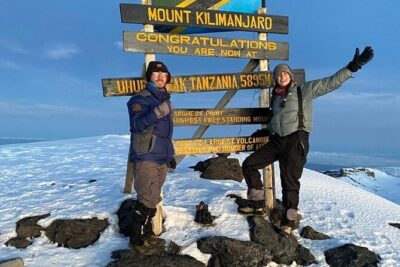
- Day 5: Midnight start, Stella Point at 5,861 meters, Uhuru Peak
- Day 6: Mweka Gate descent, certificates, then back to Moshi
- Meals, water, and why the food plan is part of your safety
- Value and price: what $2,600 per group gets you
- Who should book, and who should rethink
- Final call: should you book African Trek and Travel’s 6-day Machame climb?
- FAQ
- What’s the meeting point for this Kilimanjaro Machame climb?
- How long is the trek?
- What route is used?
- What’s included in the trip cost?
- What is not included?
- What are the main overnight camps?
- What certificates do you get?
- Is cancellation free?
Key things that make this Machame trip a smart pick
- Sebastian as guide: multiple notes highlight his professional planning, resilience, and hands-on help with what to bring.
- Small group size: maximum 10 travelers, so you are not swallowed by a mega-tour.
- Camps in the right order: Machame, Shira, Barranco, Barafu, then the descent via Mweka, matching the classic South Circuit flow.
- Summit timing: the itinerary is built around climbing before dawn for sunrise conditions near the crater rim.
- Meals and water handled: bottled water plus breakfast, lunch, and dinner are included so you are not scrambling at trail level.
- Crew and certificates: you get official summit recognition depending on whether you reach Stella Point or Uhuru Peak.
Other ways up Kilimanjaro we reviewed
- Kilimanjaro climb by Lemosho Route (7-day)★ 5.0 · 651 reviews
- Kilimanjaro climb, Machame Route (7-day)★ 5.0 · 262 reviews
- Kilimanjaro Climbing Lemosho Route 8 Days.★ 5.0 · 186 reviews
- Climbing Kilimanjaro – Machame Route★ 5.0 · 170 reviews
Moshi pickup and the ride comforts you will actually notice
Starting in Moshi matters because it sets the tone. You are usually tired, a bit anxious, and trying not to forget something important. This trip includes pickup, plus a mobile ticket, which helps cut down on last-minute confusion when you are dealing with altitude logistics.
Once you are on the road, the vehicle setup is designed for people who are going to be sitting for a while before the climb even starts. You get spacious seating, climate control, panoramic windows for real viewing, and an audio system for guide commentary or your own music. There is also complimentary onboard Wi-Fi, which is handy if you want to share a family update that says I made it to Tanzania, not just a blurry photo of a transfer van.
Two practical notes from the included setup: there is no restroom onboard, and you are near public transportation. In plain terms, plan bathroom breaks early and do not count on comfort during longer driving stretches once the trek phase begins.
Day 1: Machame Gate to Machame Camp, rainforest first
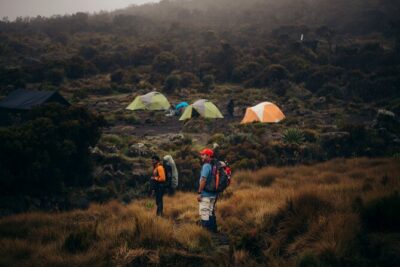
Day one starts at the Machame Gate. You register with park authorities before you move from the official entry point onto the trail. That matters because you are not just walking into a wilderness vibe. You are entering a regulated climb, which is part of what keeps operations organized.
Then the Machame Route eases you into it with lush rainforest trekking. This is the part where you learn what your body does when the air is warm, the footing can be muddy, and your breathing starts to change even before the big altitude days. Day one is listed as relatively gentle in elevation gain, and you finish at Machame Camp, your first overnight spot on the climb.
My advice: treat this day as training for rhythm. Do not try to win the distance. You want a steady pace you can hold when the terrain shifts and altitude starts asking more questions.
Day 2: Shira Cave Camp and the moorland reality check
Day two moves you into steeper climbing through the moorland zone. The landscape starts changing, and your legs feel it. Even though this part of the route is not the summit push, it can still feel like a shock if you go out too fast on day one.
You finish at Shira Cave Camp on the Shira Plateau. That plateau setting usually means wind exposure and cooler temperatures compared with the rainforest feel. It is also a day where you can get a lesson in altitude pacing: the air can make every effort feel louder, even when you are not climbing the biggest numbers yet.
Practical tip: if you have a tendency to over-pack your brain with goals like I must reach camp fast, push that impulse down. Your job on Kilimanjaro is energy management, not speed.
More Machame departures, compared
Day 3: Lava Tower at 4,600 meters, then down to Barranco
Day three takes you across the high desert plateau and includes the Lava Tower area at about 4,600 meters. That is a big named landmark on the Machame story, and the views from this altitude feel unreal because the scenery is so different from the earlier forest start.
After the high plateau section, you descend to Barranco Camp, which sits in a valley beneath the Barranco Wall. That combination, high open walking then a valley camp, is one reason many people remember this day. You go from wide-angle altitude feeling to a more sheltered camp situation with another kind of physical comfort.
This day is also where the route starts showing its personality. It is not just about height, it is about footing changes, weather shifts, and how your body reacts to up then down.
Day 4: Barranco Wall, Karanga Valley, and Barafu Camp
Day four is where the Machame Route asks for commitment. After breakfast, you leave Barranco and climb the Barranco Wall on a steep ridge section. The itinerary notes elevations around 4,250 meters for the wall and then passes through the Karanga Valley around 4,050 meters.
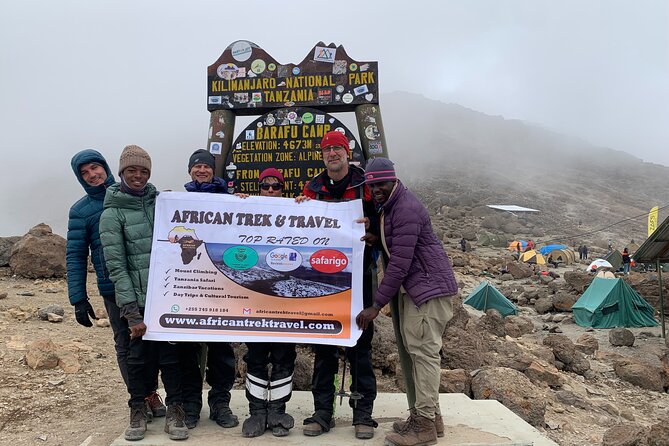
From a comfort standpoint, this is not the day to carry extra emotional baggage. You already have enough. Just focus on breathing, hydration, and moving consistently. You continue up toward Barafu Camp, where you make camp with views of the summit in the distance.
This is also described as part of the South Circuit, with summit angles from multiple perspectives. Those summit views are not the final prize, but they help you understand what you are working for when you wake up later for the summit push.
Day 5: Midnight start, Stella Point at 5,861 meters, Uhuru Peak
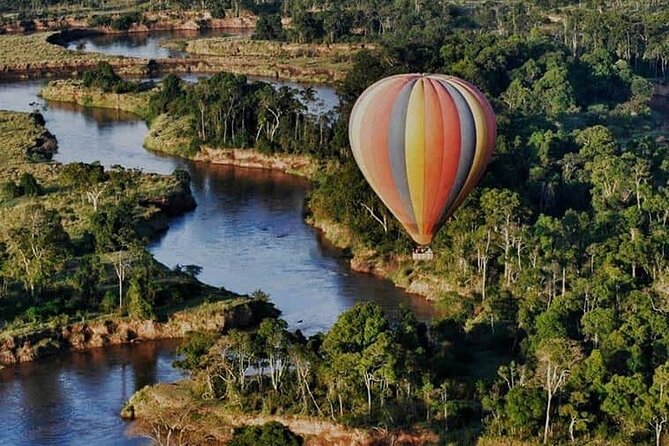
Summit day is built like a timeline project. You wake at midnight for a light breakfast, then prepare for the ascent. The goal is to climb before dawn so you can reach Stella Point on the crater rim around sunrise time. The itinerary places Stella Point at 5,861 meters, typically between 4 and 5 AM.
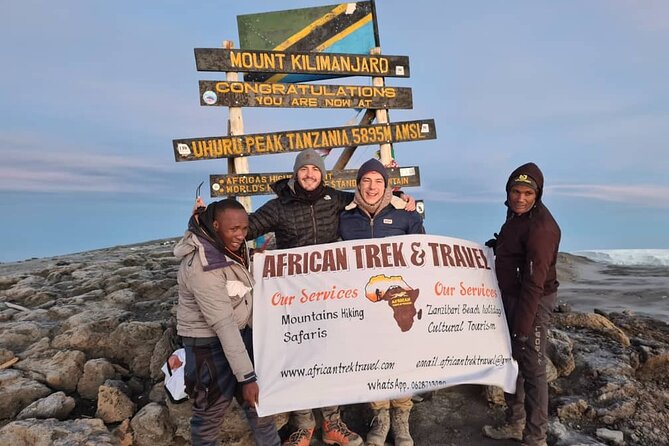
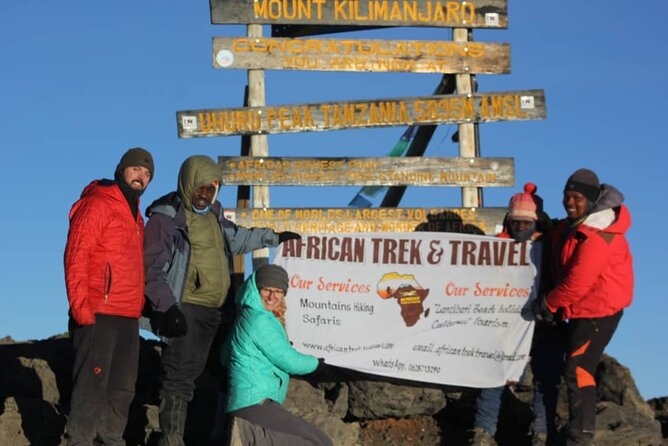
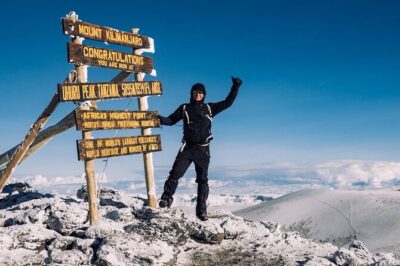
From Stella Point, you get crater and glacier views facing you, which is exactly the kind of moment that makes the cold nights worth it. After spending about an hour hiking along the Kibo crater rim, near the snows, you continue to Kilimanjaro’s true summit, Uhuru Peak.
You spend some time at Uhuru Peak for photos, but how long you linger depends on how you feel. That flexibility matters. On a mountain like this, your body sets the rules, not the schedule.
Also note the recognition system. If you reach Stella Point, you receive a green certificate. If you reach Uhuru Peak, you receive a gold certificate. That gives the day meaning even if weather or altitude makes the final push harder than planned.
My practical advice: go in expecting a long night and cold conditions. Bring what you need for warmth, but also keep your system simple. When your head is tired, complicated gear setups become a time drain.
Day 6: Mweka Gate descent, certificates, then back to Moshi
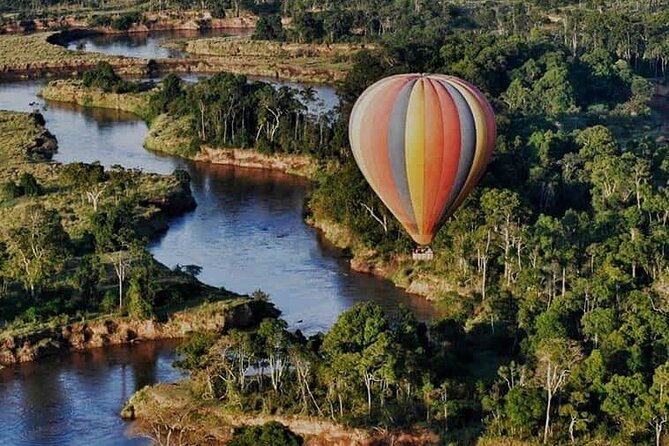
The final day is trekking down to Mweka Gate after breakfast. The itinerary describes the descent as pleasant through lower, rain-forested slopes, and the route covers about 9 km in roughly 3 to 4 hours.
This is the day you start to feel human again, but do not treat it like a walk in the park. Descents can still hammer knees and ankles, especially after a summit night or a tough final climb. Take the slope seriously, use good foot placement, and keep moving.
If you reached Stella Point or Uhuru Peak, you receive the official certificates mentioned earlier. After that, it is customary to tip your trekking crew, and then you get transported back to your hotel in Moshi.
Meals, water, and why the food plan is part of your safety
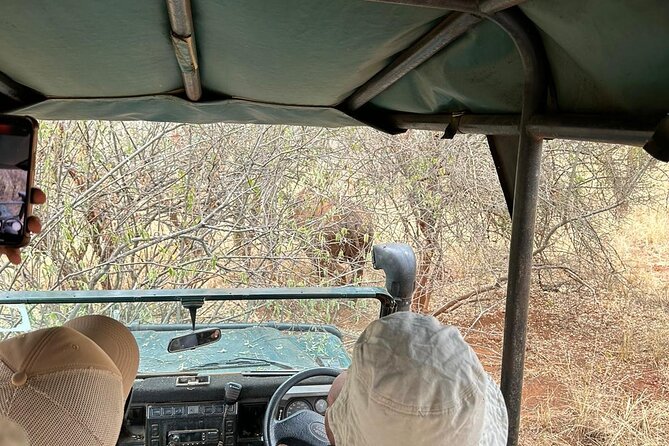
A lot of trekking companies say they handle meals. This one gives clearer signals about what they include: bottled water (3 liters per person) and meals across the trek days, including breakfast, lunch, and dinner. The itinerary also references admission ticket inclusions on several days, which helps keep the administrative side more predictable.
Here is why that matters. On Kilimanjaro, your food is not just fuel, it is also morale. Warm meals at camp give you something to look forward to, and steady intake helps you manage altitude fatigue. When the plan handles water and meals, you spend less energy guessing what to eat and more energy staying steady.
One more practical detail: alcohol is not included, and tipping the team is your responsibility. That is normal on mountain treks, but it is good to know early so you can budget without scrambling later.
Value and price: what $2,600 per group gets you
The price is listed as $2,600.00 per group with a note that the group can be up to 1, while the activity maximum is 10 travelers. That tells me you should confirm whether you are booking a true private departure or a shared group. Either way, you are paying for the full climb operation: park fees and taxes, meals, water, guided trekking, and the camp movement from day to day.
For value, I look at three things:
- How much is covered: water, multiple meals, and all fees and taxes are included, which reduces surprise costs.
- How safety is handled: this company is described as serious about safety and getting climbers to the goal.
- How well the guide communicates before you even start: Sebastian’s pre-trip support for gear decisions is repeatedly highlighted, and that can prevent common mistakes that cost time or comfort.
If you are comparing options, do not just compare the base cost. Compare what is included in that cost, and compare how much attention the guide gives to pacing and gear prep. On Kilimanjaro, those things matter more than small differences in comfort.
Who should book, and who should rethink
This Machame climb is listed as suitable for travelers with moderate physical fitness. That sounds friendly, but it is still Kilimanjaro. The itinerary includes steep ridge climbing, altitude at multiple high points, and a midnight summit ascent.
This trip is a great fit if:
- you want a guided climb with clear structure and a leader who helps you prep your gear,
- you like the idea of passing through different climate zones, from rainforest to moorland to high desert,
- you can handle early starts and long days without needing constant entertainment.
You might rethink if you are looking for a slow, leisurely hike with minimal exertion, or if steep switchback days and cold nights will stress you out. This operation is designed to focus on safety and reaching the summit, not pampering.
Final call: should you book African Trek and Travel’s 6-day Machame climb?
If you want a Machame route experience that is organized, safety-minded, and built around real trekking days, I would book it with confidence. The strongest signal here is the combination of Sebastian’s leadership and the way the plan is structured from Machame Gate through the South Circuit and summit timing.
I would book especially if you appreciate practical support, like gear guidance and an emphasis on pacing. That reduces mistakes and helps your body do what it needs to do at altitude.
Just go in with the right expectation: this is serious climbing. You will be tired, you will be cold at times, and the mountain will demand attention. If you treat it like that, the experience can be life-changing.
FAQ
What’s the meeting point for this Kilimanjaro Machame climb?
The start point is in Moshi, Tanzania (MOSHI TANZANIAM89C+XGR). Pickup is offered.
How long is the trek?
The duration is 6 days (approx.).
What route is used?
This is a 6-day climb on the Kilimanjaro Machame Route, starting at Machame Gate and finishing at Mweka Gate.
What’s included in the trip cost?
Included items listed are bottled water (3 liters per person), meals (breakfast, lunch, and dinner), all fees and taxes, and the trek support included in the package. Admission tickets are free or included depending on the day.
What is not included?
The tour lists tipping the team as not included. Alcoholic beverages are not included (and alcohol below 18 years old is noted as excluded). It also states there is no restroom on board.
What are the main overnight camps?
The itinerary includes overnight stays at Machame Camp, Shira Cave Camp, Baranco Camp, Barafu Camp, and then the summit timing before returning for the final descent to Mweka Gate.
What certificates do you get?
If you reach Stella Point you receive a green certificate. If you reach Uhuru Peak you receive a gold certificate.
Is cancellation free?
Yes, cancellation is free if you cancel at least 24 hours in advance for a full refund. If you cancel less than 24 hours before the start time, the amount you paid is not refunded.
More Machame Departures
- Kilimanjaro climb, Machame Route (7-day)
★ 5.0 · 262 reviews - Climbing Kilimanjaro – Machame Route
★ 5.0 · 170 reviews - Climbing Kilimanjaro through 7 days Machame Route
★ 5.0 · 151 reviews - #1. Best Kilimanjaro Day hike Tour-Machame Route-ISMANI
★ 4.2 · 47 reviews - 7 Days Machame route – Kilimanjaro
★ 5.0 · 45 reviews
Kilimanjaro, Route by Route
- Kilimanjaro climb by Lemosho Route (7-day)
★ 5.0 · 651 reviews - Kilimanjaro climb, Machame Route (7-day)
★ 5.0 · 262 reviews - Kilimanjaro Climbing Lemosho Route 8 Days.
★ 5.0 · 186 reviews - Climbing Kilimanjaro – Machame Route
★ 5.0 · 170 reviews - Climbing Kilimanjaro through 7 days Machame Route
★ 5.0 · 151 reviews
Just added from around Moshi
Kilimanjaro Machame Route, compared.
 ★ 5.0Kilimanjaro climb, Machame Route (7-day)From $3,377262 reviews
 ★ 5.0Climbing Kilimanjaro – Machame RouteFrom $2,322170 reviews
 ★ 5.0Climbing Kilimanjaro through 7 days Machame RouteFrom $2,425151 reviews
 ★ 5.07-Day Machame Kilimanjaro Summit Tour from ArushaFrom $2,695125 reviews
 ★ 5.07 Days Kilimanjaro via Machame route affordable priceFrom $2,400110 reviews
 ★ 4.2#1. Best Kilimanjaro Day hike Tour-Machame Route-ISMANIFrom $11547 reviews
 ★ 5.07 Days Machame route – KilimanjaroFrom $2,85045 reviews
 ★ 5.0The Best of Machame Route in 6 Days: Your World’s Summit GuideFrom $1,15044 reviews
Browse the lists this tour appears in