
REVIEW · BIG FIVE AND GAME DRIVE SAFARIS
4 Days Wildlife Safari and Cultural Experience in Tanzania
Four days, four habitats, and constant motion.
This Tanzania safari packs Tarangire elephants, Ngorongoro crater wildlife density, and a culture day at Lake Eyasi into one tight route, with a private-vehicle format, an English-speaking driver-guide, and a chef handling meals. I love the sheer variety, from elephant-heavy Tarangire to the stacked life at Ngorongoro, and I also like that the trip is set up with camping on-site plus basic comfort like free WiFi access at the places you camp. One thing to keep in mind: the Hadzabe portion can involve a quick, physical trek and the visit is not guaranteed, and a sleeping bag is not included (rent is $15).
I’ve also noticed a pattern in how this operator runs the experience: you get the driving, wildlife spotting, and camp feeding from the same core team. In past trips, guides like Gasper, Dan, Joseph, Ombeni, Manaki, Emanuele, Deo, Samwel, and Samson have been praised for safe, careful driving and for caring about sightings, not just ticking boxes. You’ll spend long days in the vehicle (about 8 to 10 hours per day), so this is best if you like being out there, not if you want a slow vacation.
In This Review
- Key Highlights You Will Actually Feel
- Tarangire National Park: The Elephant Playground Starts Early
- Lake Manyara National Park: Lions in Trees, Flamingos by Color
- Ngorongoro Conservation Area: One Volcanic Caldera With Big-Mammal Clues
- Lake Eyasi and the Hadzabe: Culture Time With Real-World Uncertainty
- Camping Setup and Daily Comfort: Basic Category, Not Miserable
- Price and Value: What Makes $1,231 Feel Like More Than a Number
- Who This 4-Day Safari Works Best For
- Should You Book This Safari Experience?
- FAQ
- Is airport pickup included?
- Do I need to bring a sleeping bag?
- Are park fees included?
- What meals are included?
- Is the Hadzabe tribe visit at Lake Eyasi guaranteed?
- Is there WiFi during the safari?
Key Highlights You Will Actually Feel
- Tarangire’s elephant focus: Often called the Elephant Playground, with big herds possible.
- Lake Manyara surprises: Tree-climbing lions are a famous possibility, plus hippos, giraffes, and flamingos.
- Ngorongoro crater density: A volcanic caldera packed with more than 25,000 large mammals in one area.
- Lake Eyasi culture day: Hadzabe time may include a hunt trek, typically 5 to 8 km.
- Camping with practical comfort: You camp with basic amenities and better access to WiFi, pool, and clean facilities.
- Meals and park fees covered: You are not stuck adding up ticket costs mid-trip.
Other visits hosted by Maasai communities
- 5 Days Camping Tarangire, Serengeti & Ngorongoro crater & Visiting Maasai★ 5.0 · 229 reviews
- Maasai village visit, Materuni waterfalls & coffee experience★ 4.5 · 95 reviews
- Hidden Arusha Waterfall, Coffee & Village Tour (All-Inclusive)★ 5.0 · 42 reviews
- Kilimanjaro: Maasai Village Visit, Waterfalls, & Coffee Tour★ 4.9 · 27 reviews
Tarangire National Park: The Elephant Playground Starts Early
Day 1 begins with a pickup from your Arusha hotel and a drive south to Tarangire National Park. The schedule is built around the classic safari rule: get moving early, so you’re not waiting in the heat while the animals do their thing. You arrive at a picnic site by noon and get lunch before the afternoon game drive.
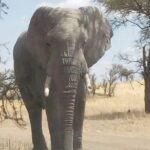
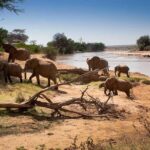
Tarangire is famous for elephants, and the name Elephant Playground is not just marketing. The park can be a high-density area, especially in the dry season, and it’s where you might see herds that can be extremely large. If you like watching animals interact around water and food, Tarangire gives you that in a very readable way, with lots of “watch and wait” opportunities.
Expect more than just elephants. Buffalo, lion, wildebeest, zebra, and gazelle are all called out as likely sightings, and Lake Burungi’s marshy shores are described as a magnet for wildlife. I like this because it’s not random driving, it’s a planned setting where animals come to the water and you can focus on observing behavior rather than guessing where the action might be.
Birdlife also matters here. Look out for giant kingfishers and hoopoes, plus the wonderfully named white-bellied go-away bird. Even if you’re not a bird nerd, you’ll notice the difference, because the parks are not only about mammals.
One realistic consideration: your big game drive is in the afternoon, so if you’re the type who wants sunrise action only, you might wish Day 1 felt even earlier. That said, the overall pacing is still strong because you’re building toward Ngorongoro next.
Lake Manyara National Park: Lions in Trees, Flamingos by Color
After breakfast at camp, you head to Lake Manyara. The itinerary keeps the rhythm similar, with a picnic lunch and a full afternoon game drive. Manyara is the kind of place where you go for one headline animal, then end up staying excited for the rest of the day.
Tree-climbing lions are the big legend. The important word here is possibility. You might see them, you might not, but either way Manyara is still worth it because the list of other mammals is wide: elephant, hippo, wildebeest, buffalo, and giraffe are all in the mix.
Lake Manyara is also about atmosphere. Pink flamingos can show up, and the park records hundreds of bird species. If you’ve ever watched flamingos in a zoo, you’ll appreciate them more here because the setting feels natural and the birds are part of the day’s rhythm, not a special exhibit.
At the end of the afternoon drive, you return to camp for dinner. I like this design for two reasons. First, you get time to reset and eat while the day is still fresh. Second, it helps you avoid the “late-night scramble” that can happen when camps are far from park access.
The main drawback is the same one across all safari parks: animals move, so you cannot control what you’ll see. Your best bet is to keep your expectations flexible and focus on the good things you are actually seeing, even if it’s not the exact animal you pictured.
Ngorongoro Conservation Area: One Volcanic Caldera With Big-Mammal Clues
Day 3 is the heavyweight morning. You head to Ngorongoro Conservation Area for an early drive, aimed at giving you prime time for crater views and sightings.
Ngorongoro is described as a volcanic caldera, and it’s not subtle about it. The crater is stated as the world’s largest volcanic caldera, and it holds a mix of grassland, forest, and swamp inside the same bowl. That matters because different habitats attract different animals, so you are more likely to see a variety of species without changing locations every hour.
What really sells Ngorongoro is the resident population. The crater floor has permanent water and supports more than 25,000 large mammals. That number is a big promise, and while nature never guarantees specific sightings, the “many mammals, lots of sightings” feeling is exactly why this stop is considered a must.
You are also given a strong odds list for classic safari animals: elephant, lion, leopard, hyena, jackal, wallowing hippo, waterbuck, baboons. Even the rare black rhino is mentioned as present in the area, which is the kind of detail you want to hear when you’re hoping for the rare stuff.
Ngorongoro is also a cultural and conservation blend. The Maasai graze cattle in the area, and the conservation area since 1956 and UNESCO World Heritage status since 1978 are noted. That combination changes the vibe from a pure wildlife-only scene into something more complicated and human. It also reminds you that this is a living landscape where people and animals share space, not a theme park.
Timing note: this day includes an early start and a full day. Plan to be comfortable in your vehicle, and keep water and snacks handy. If you’re prone to motion sickness, bring what works for you. That’s not unique to this tour, but crater roads and long drives make it worth preparing.
More game drives with the same aim
Lake Eyasi and the Hadzabe: Culture Time With Real-World Uncertainty
Day 4 brings you to Lake Eyasi, and the tone shifts from big-game wildlife to human culture and a different kind of “hunt for knowledge.” The day is built around morning and afternoon activities with your guide.
A Hadzabe visit is one of the key experiences. But there’s an honest warning built into the plan: due to the nomadic nature of the Hadzabe tribe, visits cannot be guaranteed. Your guide will try hard to arrange it if possible, but you should treat this as a chance, not a certainty.
If you do have the opportunity to go out with them, the experience described involves walking and a hunt that can move fast. Walks vary between 5 to 8 km. When they spot sizeable game, they may head off at great speed, and it can be virtually impossible to keep up. Your guide will bring you back to camp if you get dropped during that fast stretch. That safety net is important, and it also changes the way you should think about this day.
So, who will like this part most? People who are curious about how other communities live and who are comfortable with a less scheduled, more “follow what happens” approach. This is not a scripted cultural show. It’s closer to learning how people move through their environment in real time.
Also, admission for Lake Eyasi is included. That’s one less cost to think about.
Bring the right mindset: respectful curiosity beats performance. Ask questions if appropriate, listen more than you talk, and understand that “not guaranteed” is part of how this culture works in the landscape.
Camping Setup and Daily Comfort: Basic Category, Not Miserable
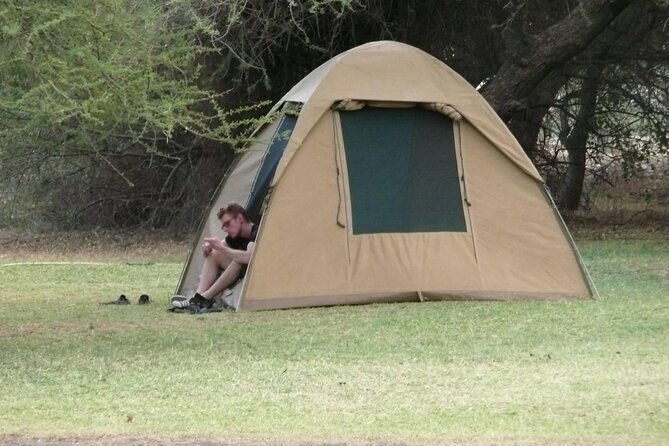
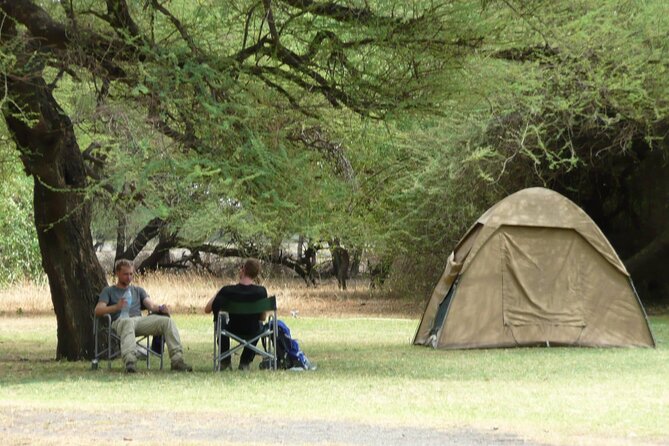
The trip is described as a basic category safari, with camping at public campsites in Tarangire and Ngorongoro crater. At the same time, you’re told you will be camping at lodges for better access to free WiFi, a swimming pool, a restaurant, clean toilets, bathrooms, and dining rooms.
Translation for your planning: you should expect camping style nights with actual facilities where you can wash, eat, and reset. It’s not a luxury lodge, and it’s not home. But it’s designed so you are not suffering just to be close to wildlife.
You also get camping equipment included: tents, sleeping mats, chairs, tables, and more. That takes the stress off packing. The one missing item is a sleeping bag, which can be rented for $15. If you run cold at night, don’t ignore this. Bring a liner if that’s your habit, or budget for the rental.
Daily rhythm matters too. You have breakfast at camp on Day 2, then you’re doing long game drives and returning for dinner. That means you’ll want to wear layers, pack a small day bag, and keep your “grab and go” items easy to reach.
One more practical detail: mineral water is included. That helps, because long days mean you drink more than you expect.
Price and Value: What Makes $1,231 Feel Like More Than a Number
This tour is priced at $1,231 per person for about four days. At first glance, that number can feel steep. But when you break it into safari essentials, the structure starts to look like value.
You are paying for:
- Park access, since all national park fees are included.
- A professional English-speaking guide.
- A private-vehicle style experience with a driver-guide and a chef.
- Camping equipment and day comfort items.
- Most meals, with lunch 4 times, dinner 3 times, and breakfast 3 times.
- Mineral water throughout.
This is the kind of itinerary where “hidden costs” can blow up the budget when they are not included. Here, park fees are covered and meals are built in, so you are less likely to have to pay gate fees and restaurant meals every day. That can make a big difference in how affordable the trip feels on the ground.
Where you can still spend extra:
- Flights.
- Alcohol and soft drinks.
- Visa fees.
- Tips.
- Sleeping bag rental ($15).
- Airport pickup and drop off, at $50 per car.
My advice: treat this price as paying for a complete safari machine, not just transport. If you want maximum time in parks with fewer logistical headaches, that is where the cost earns its keep.
Who This 4-Day Safari Works Best For
This safari fits best if you want a classic Tanzania sampler with minimal travel scrambling.
You’ll probably enjoy it most if you:
- Want big wildlife locations in a short time: Tarangire, Lake Manyara, Ngorongoro, Lake Eyasi.
- Like being out for long game drives, not just a couple of hours at a time.
- Are comfortable camping in a basic category setup, with real facilities.
- Want cultural time that can be flexible, especially the Hadzabe visit portion.
You might want a different style trip if you:
- Get unhappy with long days in a vehicle.
- Need a guaranteed schedule for culture experiences. Lake Eyasi is not guaranteed in the nomadic setting.
- Want guaranteed “Tree-climbing lions” sightings. Manyara offers the possibility, not a promise.
- Hate cold nights. Bring a sleeping bag plan early.
Should You Book This Safari Experience?
If you want four days that actually move through Tanzania wildlife highlights, I think this is a strong option. The itinerary covers the animals people travel for, plus the culture day at Lake Eyasi, and it does it with the practical support of an English-speaking guide, a chef, included park fees, and camping gear.
My biggest “yes, book it” argument is how the logistics are handled: you don’t have to keep budgeting for every park entry and meal. My biggest “pause first” argument is the Hadzabe part. If you are counting on a specific cultural encounter as a must-do, remember it cannot be guaranteed, and the walking can be fast.
If you can handle that uncertainty with a flexible attitude, this trip has the ingredients for a real safari story, not a box-checking one.
FAQ
Is airport pickup included?
No. Airport pick up and airport drop off are not included. You can book airport pickup for $50 per car, and airport drop off for $50 per car.
Do I need to bring a sleeping bag?
A sleeping bag is not included. You can rent one for $15.
Are park fees included?
Yes. All national park fees are included in the tour price.
What meals are included?
Lunch is included 4 times, dinner is included 3 times, and breakfast is included 3 times. Mineral water is also included.
Is the Hadzabe tribe visit at Lake Eyasi guaranteed?
No. Due to the nomadic nature of the Hadzabe tribe, visits cannot be guaranteed, but your guide will do their utmost to arrange it if possible.
Is there WiFi during the safari?
Yes, you are camping at lodges for better access to free WiFi.
More Time in the Vehicle
- Tanzania Simba Safari – 5 Days
★ 5.0 · 217 reviews - Living Among Lions
★ 5.0 · 191 reviews - Big Five Luxury Safari in Tanzania
★ 5.0 · 68 reviews - From Arusha: 6 Day Classic Game Drive Serengeti & Ngorongoro
★ 5.0 · 49 reviews - 4-Day Simba Safari – Mid Range Tour
★ 5.0 · 47 reviews
Time With Maasai Hosts
- 5 Days Camping Tarangire, Serengeti & Ngorongoro crater & Visiting Maasai
★ 5.0 · 229 reviews - Maasai village visit, Materuni waterfalls & coffee experience
★ 4.5 · 95 reviews - Hidden Arusha Waterfall, Coffee & Village Tour (All-Inclusive)
★ 5.0 · 42 reviews - Kilimanjaro: Maasai Village Visit, Waterfalls, & Coffee Tour
★ 4.9 · 27 reviews - Arusha: Maasai Village Tour
★ 4.8 · 22 reviews
Just added from around Arusha
Big Five and Game Drive Safaris, compared.
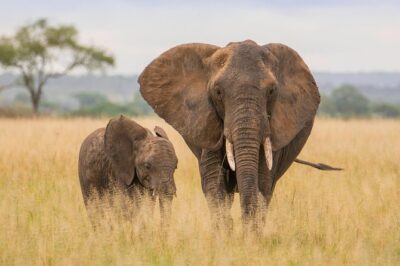 ★ 5.0Tanzania Simba Safari – 5 DaysFrom $2,897217 reviews
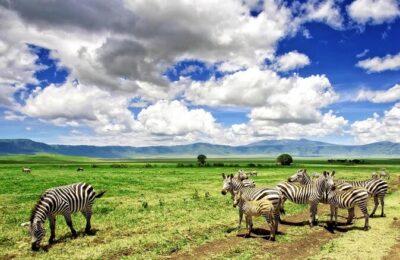 ★ 5.0Living Among LionsFrom $3,872191 reviews
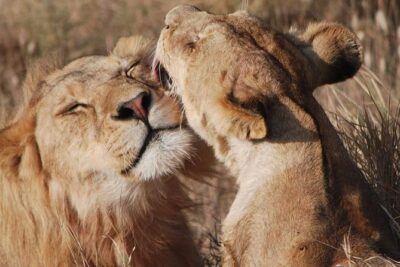 ★ 5.0Big Five Safari In TanzaniaFrom $3,75099 reviews
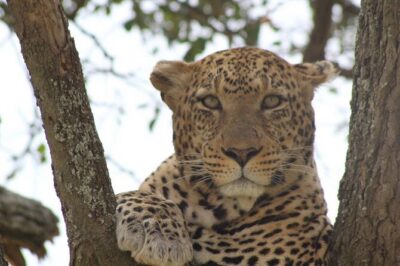 ★ 5.0Big Five Luxury Safari in TanzaniaFrom $2,90068 reviews
 ★ 4.3From Zanzibar: Nyerere National Park Game Drive with LunchFrom $55059 reviews
 ★ 5.0From Arusha: 6 Day Classic Game Drive Serengeti & NgorongoroFrom $2,86449 reviews
 ★ 5.04-Day Simba Safari – Mid Range TourFrom $2,17947 reviews
 ★ 5.05 Days 4 Nights Tarangire, Serengeti , Ngorongoro & Manyara Wildlife SafariFrom $2,60040 reviews
Browse the lists this tour appears in