
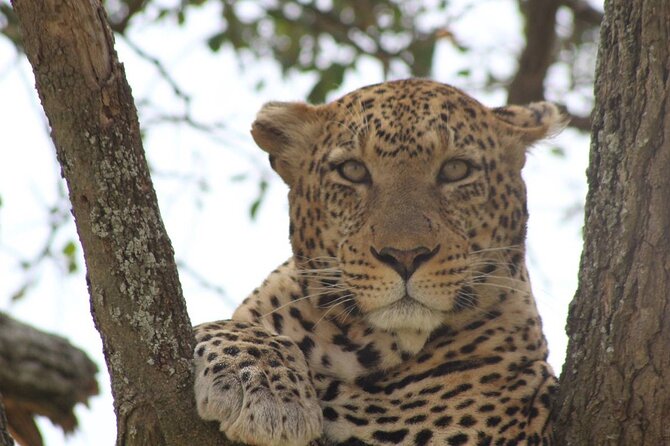
REVIEW · BIG FIVE AND GAME DRIVE SAFARIS
Big Five Luxury Safari in Tanzania
Four parks, one smart plan. This 7-day Big Five style safari out of Arusha strings together Tarangire, Serengeti, Ngorongoro Crater, and Lake Manyara, using a custom 4×4 Safari Land Cruiser with a viewing roof and a professional English-speaking guide/driver.
I especially like that you get full board on safari, so you are not doing meal math or hunting for lunch in the middle of animal time. I also like the practical “include the big stuff” approach: park and entrance fees are covered, along with accommodation while you are in the parks’ region.
One consideration before you book: this is a premium price at $2,900 per person, and the itinerary does not include your visa or any flights or airport transfers. You should also be ready for long drives, since you are covering multiple ecosystems in a single week.
In This Review
- Key Things That Make This Safari Work Well
- Entering The Big Five Loop From Arusha
- The 4×4 Setup, and Why It Affects Your Sightings
- Day 1 Tarangire: Baobabs, The River That Pulls Wildlife In
- Day 2 Lake Eyasi: Birdlife, Wildlife, and a Slower Side of Tanzania
- Day 3 Serengeti: Choose Culture, Then Chase the Big Plains
- Day 4 Serengeti: Migration Country and Predator Pattern Reading
- Day 5 Ngorongoro Crater: Rhino Grazing and a Bird Stop That Pops
- Day 6 Lake Manyara: Tree Monkeys, Rift Valley Backdrops, and Late-Day Action
- Day 7 Morning Leisure, Then Fly Home
- Where Value Really Shows Up: Fees, Meals, and Fewer Decisions
- What to Know Before You Go: Comfort, Group Size, and Timing
- Should You Book This Big Five Luxury Safari?
- FAQ
- What does the tour price include?
- Are park fees covered for Tarangire, Serengeti, Ngorongoro, and Manyara?
- Does the itinerary include meals every day?
- Is pickup included, and are airport transfers included?
- What time does the tour start?
- Can I cancel for a full refund?
Key Things That Make This Safari Work Well
- Custom 4×4 with viewing roof helps you stay comfortable and scan for animals without constantly changing positions.
- Park fees and the Ngorongoro car supplement included saves you from last-minute add-on costs.
- Small group size (max 12) keeps the schedule calmer and the safari more personal.
- English-speaking driver/guide is a big deal for spotting and interpreting wildlife fast.
- Big stop variety from Tarangire river wildlife to Serengeti migration country to Ngorongoro crater density.
- Full board and bottled water means fewer interruptions during the day.
Longer northern circuit routes, side by side
- Tanzania Classic – 7 Days★ 5.0 · 1,151 reviews
- Tanzania Wildlife Encounters – 6 Days★ 5.0 · 277 reviews
- Group Safari 7 Days in Tanzania’s Main Parks★ 5.0 · 240 reviews
- 4 Days Join Group tour Tarangire Serengeti and Ngorongoro crater★ 5.0 · 219 reviews
Entering The Big Five Loop From Arusha
This safari is built around a simple idea: if you want the strongest chance of seeing iconic wildlife, you do not just “go to the Serengeti.” You pair the main stage with supporting acts that create different animal scenes and different birding opportunities.
You start in the Arusha area with a meeting time of 8:30 am, and pickup is offered. That matters because safari mornings are early, and the last thing you want is extra scrambling before the first game drive. The tour also caps the group at 12 people, which usually helps keep things smoother once you are out on the roads and into the parks.
Price-wise, $2,900 per person sounds steep until you look at what is included. You are getting accommodation and meals while on safari, transportation in a 4×4 with viewing roof, all park and entrance fees, and the Ngorongoro crater car supplement. When those costs are bundled, the math is easier, and you can focus on being present during drives instead of doing budgeting mid-trip.
The 4×4 Setup, and Why It Affects Your Sightings
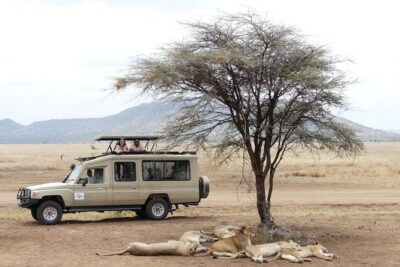
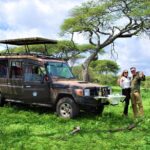
The safari runs in a custom-built 4×4 Safari Land Cruiser with a viewing roof. That detail is not just comfort, it is timing. When you can see clearly and sit steadily, you spend more of your morning and afternoon actually tracking animals, not fighting for position.
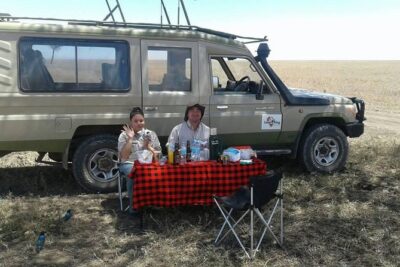
You also have a professional driver/guide and bottled water in the vehicles. In practice, that means fewer interruptions, especially on long driving days when your best animal viewing tends to be early or late in the day. Serengeti and crater drives are not short, and hydration and shade matter.
Safety and competence come up again and again in the experience. Names like Boni, Rashid, Atanas, Ally, Issa, Hamza, Peter, Makala, and Shabaan are mentioned as standout guides in past trips. The common thread is that the drivers seemed confident on the roads and quick at putting you in the right place when an animal shows up.
Day 1 Tarangire: Baobabs, The River That Pulls Wildlife In
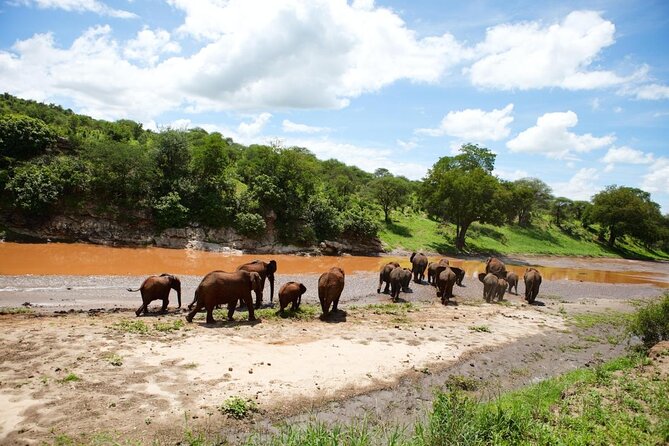
On the first day, you drive to Tarangire National Park and spend the day doing game viewing. Tarangire’s big advantage is the Tarangire River, which never fully dries up in the dry season. When there is still water, animals concentrate, and your sightings have a better chance of clustering into memorable moments.
Tarangire also gives you visual variety: grassy savanna plains, swamps, hills, and the famous baobabs. That mix is useful because it supports different animal behaviors, from drinking and feeding to birdlife around greener patches.
For a first day, I like this choice because it sets the tone without feeling rushed. If you come in from Arusha or Moshi, you are not starting directly in the middle of the Serengeti marathon. You ease in with a park that often delivers good action early in a safari.
Practical tip: start your day wearing or packing for dust. Even with a roofed jeep, you will likely get some grit in your gear and on your lenses.
Lodge safaris in the same bracket
Day 2 Lake Eyasi: Birdlife, Wildlife, and a Slower Side of Tanzania
Next up is Lake Eyasi, a change of pace from the big open plains. The lake shore is a bird hotspot, and the surrounding meadows and forest area can support wildlife including monkeys, and you might even see bigger mammals depending on conditions.
This stop is also about variety of habitat. You get lake views plus forest-adjacent areas, which can mean a different kind of animal viewing day compared to savanna-focused parks. Past guests highlighted the feeling that the timing and pace let the day breathe.
The itinerary points to campsites in forest clearings with grassy tent spaces and shower facilities made mostly from local materials. Even if your exact lodging is a hotel night on the day’s schedule, the Eyasi concept is the same: more intimate, more grounded, less “big park rush.”
Consideration: if you are hoping for constant high-speed wildlife action, Lake Eyasi can feel calmer than Serengeti. That is not a flaw, it is a trade-off for a different kind of experience.
Day 3 Serengeti: Choose Culture, Then Chase the Big Plains
Day 3 heads to Serengeti National Park after breakfast, and you stop en route for one of two common cultural or human-history options. You can visit a Maasai Village for a look at Maasai culture and possible participation in tribal activities. Or you can visit Olduvai Gorge, often described as the Cradle of Humanity, with a museum that shows how human history unfolded in East Africa.
Either option can be a good way to balance the animal-heavy days. It also helps you understand what you are driving through. Serengeti is wildlife first, but the region is human as well, and those context stops make the drives feel less like a checklist.
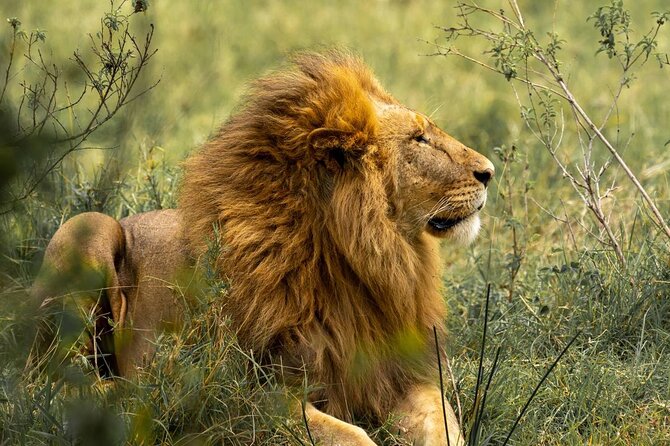
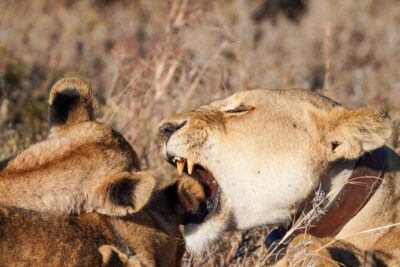
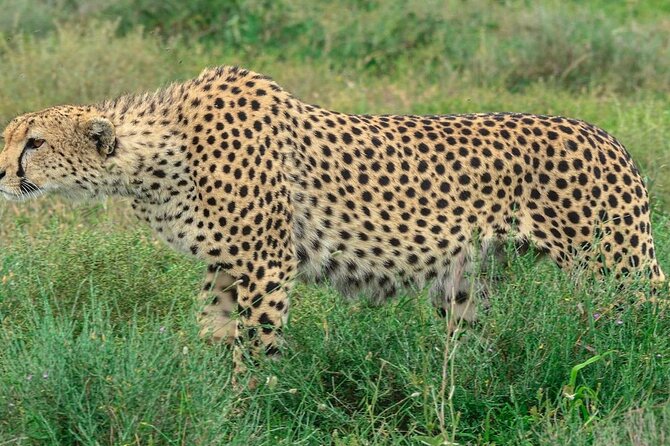
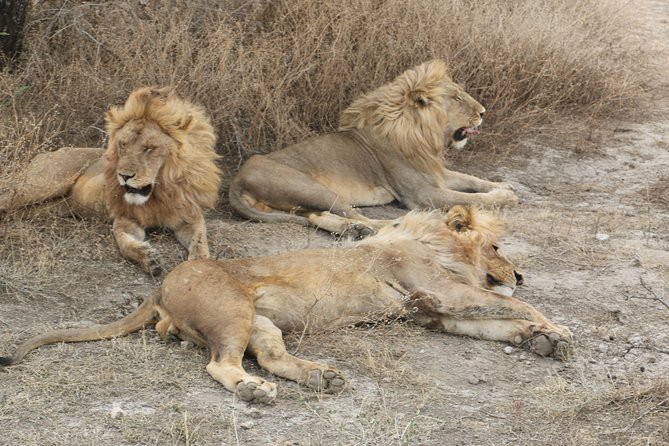
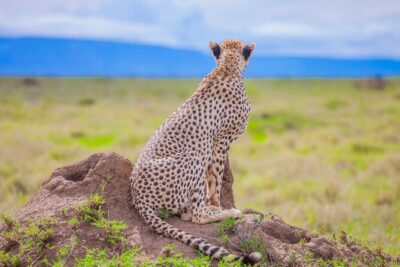
Then you arrive for game drive time en route to camp. Serengeti is famous for its “endless plain” feel, and the reason it stays famous is that it gives predators and prey big open space to work with. When the light is right, you can see the full animal rhythm: grazers moving in waves, and lions, cheetahs, and other predators showing up when conditions align.
Pro tip for your camera: keep your lens hood ready and clean. Serengeti dust plus early morning glare can mess with focus and contrast fast.
Day 4 Serengeti: Migration Country and Predator Pattern Reading
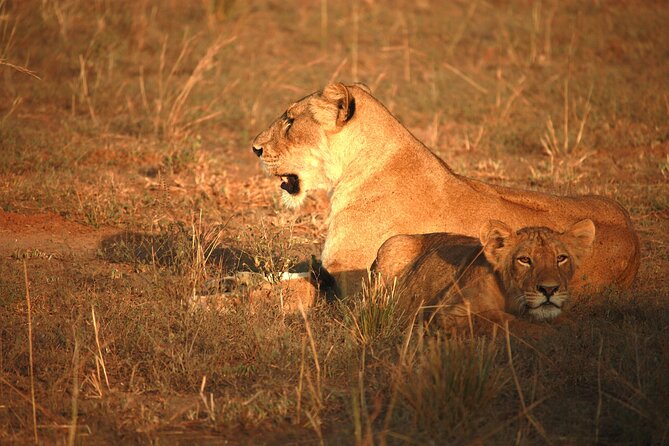
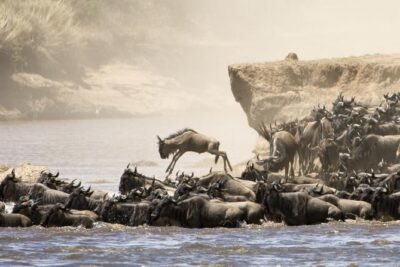
Day 4 is a full day in Serengeti, aimed at the heart of the action and the Great Wildebeest Migration. The idea here is simple: you spend another day where the herds are, so the chances improve that you catch a dramatic moment instead of just one good sighting.
Serengeti has different “styles” across its zones. Open grass plains in the south, savanna with scattered acacia trees in the center, hilly wooded grassland in the north, and more woodland and black clay plains to the west. That variety matters because animals do not use every part of the park the same way, and predators adjust too.
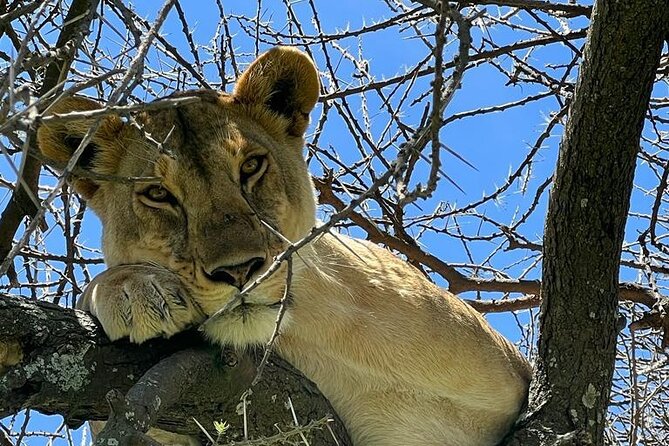
When predators are active, you often see them using terrain like kopjes, rocky outcrops that act like lookout points. Even if you do not get a full chase scene, the sighting quality can be high because you are watching animal behavior unfold with the terrain doing part of the work.
Real-world pace note: full day in Serengeti usually means you will be out during the best animal-light windows. That is exciting, but it is not a “sit back and do nothing all day” kind of experience. Bring sunscreen, water, and patience for wildlife timing.
Day 5 Ngorongoro Crater: Rhino Grazing and a Bird Stop That Pops
Day 5 goes to Ngorongoro Crater, and this is where many people start talking about the trip as truly special. You do a morning game drive en route, then descend into the crater for game driving and exploration.
Ngorongoro is described with key scale details: about 600m deep, roughly 16km across, and around 265 sq km in area. More importantly, it concentrates wildlife. The crater floor hosts a large community of animals, and it is where you can often see Tanzania’s remaining black rhinos grazing on the open grassland.
The crater is also a bird game. Flamingos can often feed at Makat Soda Lake, and you may spot other bird species depending on season and conditions. That means the crater is not only about large mammals. It is about variety in one compact setting.
In the afternoon, you drive on to your lodge for the night. Lodging here is listed as Highview Hotel or similar, which can be a good reset after the crater day.
Consideration: a crater day can be longer than you expect. Even with good planning, the terrain and animal stops dictate timing, so do not plan anything stressful after the drive.
Day 6 Lake Manyara: Tree Monkeys, Rift Valley Backdrops, and Late-Day Action
Day 6 is Lake Manyara National Park, a smaller drive from the Highview Hotel area. You take a picnic lunch, then enjoy a late afternoon game drive, which is noted as often the best time to see animals.
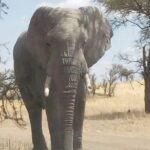
Manyara has that famous Rift Valley look. Approaching from the east, the escarpment looms in the background, and it makes the whole scene feel dramatic. In the ground water forest near the lake, monkeys leap branch to branch. On the escarpment, elephants may appear in the shade.
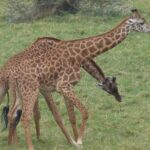
Common sightings can include zebras, impalas, monkeys, giraffes, buffalos, hippos, and others. What I like about Manyara as a “wrap-up” park is that it can feel different from Serengeti, even though you are still in the same general safari region.
Later in the day, you drive back toward Moshi and a listed stay at Springlands Hotel in Moshi. That final night is a nice landing spot because you are not jumping into a new park the next morning. You get time to collect yourself.
Day 7 Morning Leisure, Then Fly Home
Your final day includes a morning of leisure before transfer to Kilimanjaro airport for your flight home. Transfers to and from the airport are listed as not included in the “not included” section, so you will want to confirm exactly what is handled in your specific booking.
The itinerary itself suggests you are connected to the airport by the end of the day. For planning, just assume you will want to be at the airport early enough for safari dust, packing, and any last checks.
This is also where your “rest strategy” matters. After several full or half-full park days, use the morning to stretch, wash up, and let your camera batteries recharge.
Where Value Really Shows Up: Fees, Meals, and Fewer Decisions
A lot of safari prices look high until you break down what they hide. This one is designed to cover the major line items while you are on safari: accommodation, meals, park and entrance fees, and game drives in the included 4×4.
You also get bottled water in the vehicles, plus bottled water is listed as part of the included items. That sounds small, but it reduces stress on long drives, especially when your best animal sightings happen during times when you are not thinking about hydration.
Vegetarian options are available if you request them at booking. That is important on safari, where “I’ll just eat later” is not a great plan, and where not all lodges handle special diets the same way.
Also, the tour includes 24-hour support during the safari from the office in Moshi. I like this because safari travel is logistically complex, and having a real support line reduces anxiety if plans shift.
What to Know Before You Go: Comfort, Group Size, and Timing
This trip is offered for most travelers, and the group size is capped at 12. That is a good size for safari timing because it avoids big-vehicle churn where you spend more time waiting for others than watching animals.
You will likely spend many hours on safari drives, so comfort is not optional. Expect a dustier experience than city travel. Wear sun protection, pack breathable layers for mornings and late afternoons, and bring a hat you are willing to keep in the jeep.
A small but useful detail is that the tour meeting point is near public transportation. That can help if you need a way to reach the start point without extra hassle.
Finally, the safari is built around a sequence of ecosystems, not one “single park win.” If you like variety and you want your week to feel like Tanzania’s highlights in motion, this is the structure that supports it.
Should You Book This Big Five Luxury Safari?
Book it if you want strong animal odds across multiple parks, you value having park fees and crater supplement included, and you like the idea of a guided setup that handles the heavy lifting. It also fits well if you want a premium version of safari logistics, with full board meals and a 4×4 built for viewing.
I would think twice if you are trying to keep costs tight after adding visa, flights, and airport transfers, because those are not included. Also, if you hate long drives, you might find the pace physically demanding, even though the plan is set up with rest and lodging each night.
If you are aiming for a well-run week with the most iconic Tanzania wildlife stops in one package, this tour’s structure is the reason it keeps scoring extremely well. And when it includes guides like Boni, Rashid, Atanas, Ally, Issa, Hamza, Peter, Makala, or Shabaan, you are not just paying for transport. You are paying for time in the right places, with the right eyes.
FAQ
What does the tour price include?
The tour includes full board meals while on safari (breakfast, lunch, dinner), accommodation on safari, game drives in a custom 4×4 Safari Land Cruiser, bottled water in safari vehicles, all park and entrance fees, the Ngorongoro Crater car supplement fee, and current government taxes and levies.
Are park fees covered for Tarangire, Serengeti, Ngorongoro, and Manyara?
Yes. All park and entrance fees are included, and Ngorongoro Crater also has the car supplement fee included.
Does the itinerary include meals every day?
Yes. Breakfast, lunch, and dinner are included on the safari days, with breakfast counted for day 7 as well.
Is pickup included, and are airport transfers included?
Pickup is offered. Transfers to and from the airport are listed as not included, so you will want to confirm what is actually provided for your flight timing.
What time does the tour start?
The meeting point start time is 8:30 am.
Can I cancel for a full refund?
Yes. Free cancellation is available if you cancel up to 24 hours in advance of the experience start time for a full refund. If you cancel less than 24 hours before, the amount paid is not refunded.
More Time in the Vehicle
- Tanzania Simba Safari – 5 Days
★ 5.0 · 217 reviews - Living Among Lions
★ 5.0 · 191 reviews - From Arusha: 6 Day Classic Game Drive Serengeti & Ngorongoro
★ 5.0 · 49 reviews - 4-Day Simba Safari – Mid Range Tour
★ 5.0 · 47 reviews - 5 Days 4 Nights Tarangire, Serengeti , Ngorongoro & Manyara Wildlife Safari
★ 5.0 · 40 reviews
More Lodge Safaris
- 7-Day Premium Luxury Tanzania Safari All-Inclusive
★ 5.0 · 426 reviews - 5-Day Highlights mid-Range Crater, Serengeti, Tarangire
★ 5.0 · 296 reviews - Private 6-Day Tarangire Manyara Crater and Serengeti with Mid-Range Lodges
★ 5.0 · 238 reviews - 5 Days Best of Tanzania Luxury Safari Northern Circuit
★ 5.0 · 174 reviews - 5-Day Private midrange Tour in Arusha with Airport Pickup
★ 5.0 · 160 reviews
Longer Trips Through the North
- Tanzania Classic – 7 Days
★ 5.0 · 1,151 reviews - 7-Day Premium Luxury Tanzania Safari All-Inclusive
★ 5.0 · 426 reviews - Tanzania Wildlife Encounters – 6 Days
★ 5.0 · 277 reviews - Group Safari 7 Days in Tanzania’s Main Parks
★ 5.0 · 240 reviews - 4 Days Join Group tour Tarangire Serengeti and Ngorongoro crater
★ 5.0 · 219 reviews
Just added from around Arusha
Big Five and Game Drive Safaris, compared.
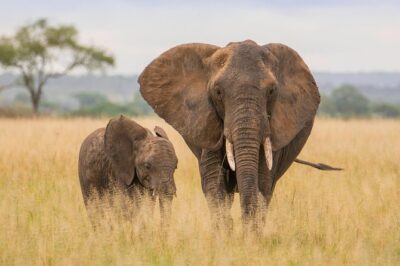 ★ 5.0Tanzania Simba Safari – 5 DaysFrom $2,897217 reviews
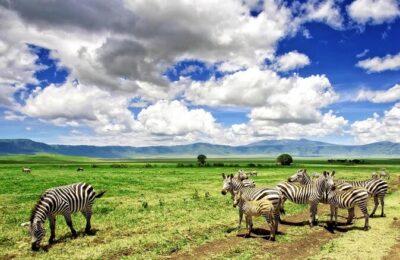 ★ 5.0Living Among LionsFrom $3,872191 reviews
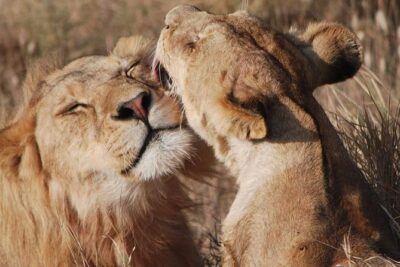 ★ 5.0Big Five Safari In TanzaniaFrom $3,75099 reviews
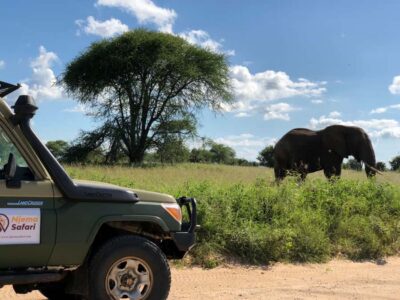 ★ 4.3From Zanzibar: Nyerere National Park Game Drive with LunchFrom $55059 reviews
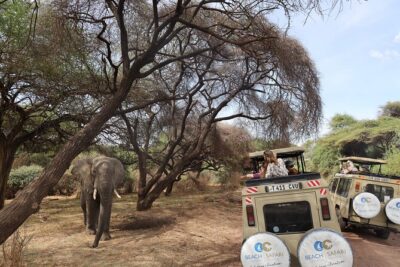 ★ 5.0From Arusha: 6 Day Classic Game Drive Serengeti & NgorongoroFrom $2,86449 reviews
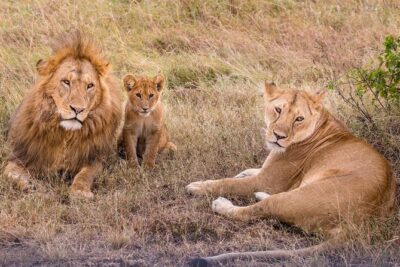 ★ 5.04-Day Simba Safari – Mid Range TourFrom $2,17947 reviews
 ★ 5.05 Days 4 Nights Tarangire, Serengeti , Ngorongoro & Manyara Wildlife SafariFrom $2,60040 reviews
 ★ 5.0Big Five Classic Safari in Tanzania **Sustainable Travel approachFrom $1,78531 reviews
Browse the lists this tour appears in