
REVIEW · BIG FIVE AND GAME DRIVE SAFARIS
Big Five Safari In Tanzania
A Big Five safari is simple on paper, harder in real life, and that is where this 7-day plan shines. You base in Karatu for night one, then sweep through Tarangire, Lake Manyara, Serengeti, and Ngorongoro Crater in a tight rhythm of game drives, with a guide who stays with you the whole time.
Two things I like right away: the safari vehicle setup (pop-up roof, binoculars, fridge, and complimentary water and drinks), and the fact that the itinerary is built around repeated wildlife time, not just one rushed drive. One thing to consider is that this is a packed schedule with lots of hours in the vehicle between parks, so if you hate long drives, you will feel it.
What makes the experience practical, not just exciting, is the way it is organized end-to-end. You get pickup from Kilimanjaro and a mobile ticket, plus the option for early morning game drive if you want that first-light energy. You are not guessing logistics on the ground, and that matters when you are spending serious money on safari.
In This Review
- Key highlights you will actually care about
- Why Moshi, Karatu, and these parks work together
- Day 1: Kilimanjaro arrival to Karatu, with a gentle start
- Tarangire National Park: elephants, baobabs, and predator chances
- Lake Manyara: changing habitats, tree-climbing lion lore, and lots of life
- Serengeti: two days of real chances, not one long gamble
- Ngorongoro Crater: big density, short distance, high expectations
- Safari vehicle comfort: why the Land Cruiser setup matters
- Food plan: full board, picnic lunches, and steady energy
- Price and logistics: what you are paying for, and what you should check
- Early morning game drive: when you should say yes
- Who this safari fits best
- Should you book this Big Five Safari?
- FAQ
- Where does the safari start and end?
- What time does the tour start?
- Is airport pickup included?
- Which parks and areas are included?
- What meals are included?
- Is AMREF Flying Doctors insurance included?
- Can I get a refund or change the booking if I cancel?
Key highlights you will actually care about
- Unlimited mileage during game drives, so you are not forced into a rigid timer when wildlife is moving.
- 4×4 Land Cruiser or Land Rover with pop-up roof, plus binoculars and onboard comfort like a fridge and power (inverter).
- Serengeti gets two full days, which is a smarter way to hunt for big cats than squeezing everything into one.
- Ngorongoro Crater game drive with picnic lunch, with the kind of animal density that makes early plans pay off.
- AMREF Flying Doctors evacuation coverage (500 Km radius) included, which adds real peace of mind.
- Tailor made safaris, so the guide and team can shape the day around your preferences.
Longer northern circuit routes, side by side
- Big Five Safari In Tanzania★ 5.0 · 99 reviews
- Unforgettable Tanzania Safari And Zanzibar Beach★ 5.0 · 97 reviews
- 8-Day Essence of Tanzania Safari – Luxury★ 5.0 · 72 reviews
- 4-day Tanzania Safari★ 5.0 · 53 reviews
Why Moshi, Karatu, and these parks work together
Moshi is a smart starting point for a safari built around Tanzania’s northern circuit, because it keeps your first leg smooth and lets you settle quickly after arrival. This route also uses Karatu as a staging base, then moves you into parks where different ecosystems produce different wildlife behavior.
That variety matters. Tarangire leans elephant herds and baobabs. Lake Manyara often rewards you with birds and primates and, yes, those famous tree-climbing lion stories. Serengeti is the big open-sky stage where leopards and lions can show up in very different ways depending on the day. Then Ngorongoro Crater compresses the action into a smaller area, making it one of the most efficient days on safari.
Day 1: Kilimanjaro arrival to Karatu, with a gentle start
On arrival at Kilimanjaro airport, you transfer to Karatu by private car and spend the night at one of the listed lodges, such as Farm of Dreams Lodge, Marera View Lodge, or Kudu Lodge. The drive is about 3 hours, so you are not immediately thrown into 6-hour game drive mode.
What I like about day one is the flexibility. If you have time, there can be a stop at a local market on the way, otherwise you can simply rest and get your bearings. This is a quiet day on purpose, and that is not a weakness on safari. It keeps you functional for the game drives that follow.
A practical consideration: you are traveling as soon as you land, so if you arrive exhausted or with a complicated travel day, you will want to pack light and keep your change of clothes and charger easy to reach.
Tarangire National Park: elephants, baobabs, and predator chances
After breakfast, you drive about an hour from Karatu to Tarangire National Park. The day is structured for a full game drive, with a picnic lunch along the way.
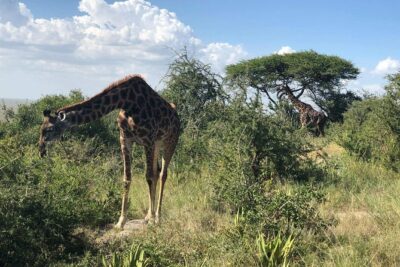
Tarangire’s big draw is visibility. The park is known for big herds of elephants, huge baobab trees, and strong predator presence. Those elephants are not just scenic. Herds can draw in other animals, and they often keep the habitat moving, which helps you see more than one type of action in a single stop.
What to expect from the game drive: you are looking for herds near water and trails, plus the smaller surprises. When the big cats are around, they often appear on the edge of elephant activity rather than in the center.
Possible drawback: Tarangire is popular for a reason, so you might spend some time tracking down the best viewpoints when animals drift. That is where unlimited mileage during game drives becomes a genuine advantage, because it gives the guide room to follow the animals instead of turning back early.
More game drives with the same aim
Lake Manyara: changing habitats, tree-climbing lion lore, and lots of life
Day 3 shifts you fast. You transfer about 40 minutes from Karatu to Lake Manyara National Park, then head out for a game drive with a picnic lunch.
Lake Manyara is famous for biodiversity because the park includes multiple environments, including the lake, forest, and plain. That mix pays off for both classic safari viewing and “small life” watching. You can see primates, birds, and big mammals all in the same day, without it feeling like you are repeating the same scene.
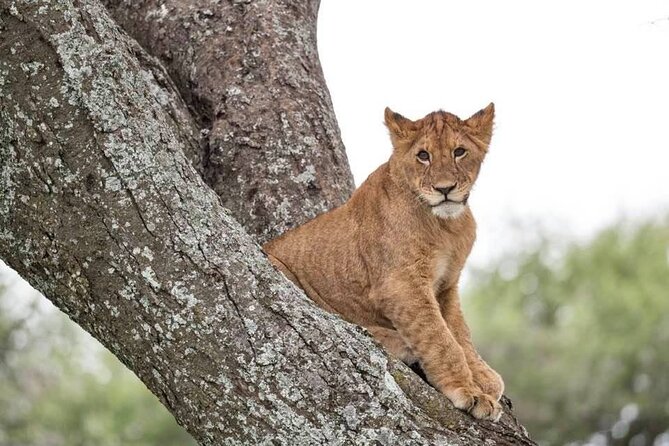
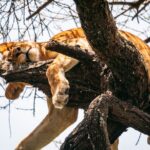
One detail I find particularly useful is the explanation behind the tree-climbing lion behavior: lions are said to climb because they do not like wet soil, linked to underground springs. You do not need that biology lesson to enjoy the sighting if it happens, but it helps you understand why the animals can appear where you do not expect them.
Practical consideration: this day can feel busier in terms of searching. Because the park has multiple habitat types, the guide may move around more to match animal behavior. Bring patience, and you will be rewarded.
Serengeti: two days of real chances, not one long gamble
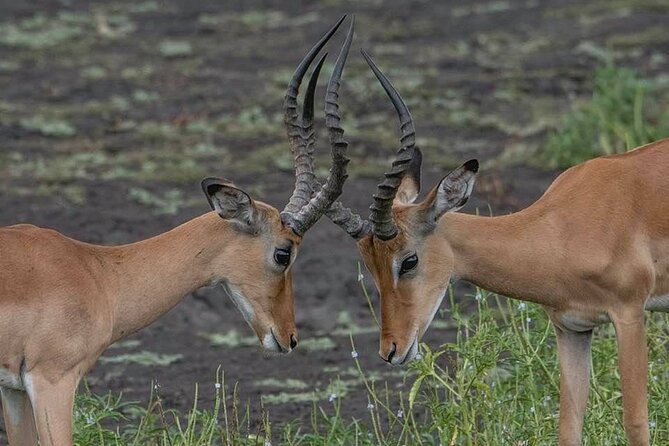
Serengeti is where your safari stops feeling like a checklist and starts feeling like a wild movie. You enter after moving through the Ngorongoro Conservation Area and crossing Ngorongoro Highlands until the Serengeti gate, then you start your day’s game drive.
Your itinerary gives you two Serengeti days, with day 4 and day 5 set for game drives. That is a big deal. Wildlife does not read timetables. Some days the cats sit low and quiet. Other days they move early. Two days gives you time to catch different rhythms.
What I would watch for in Serengeti:
- Lions and cheetahs tend to show up in bursts, sometimes after you think they should be asleep.
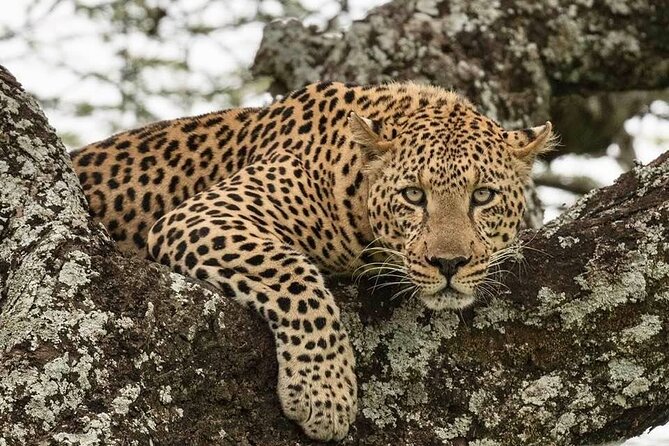
- Leopards can be trickier because they are not always visible in open grass. The guide’s skill and positioning matter.
- Elephants and giraffes can help you “read” where predators might hunt.
The reviews in your source set strongly emphasize that good guides work hard to complete the animal list. You will also find that the operator’s approach focuses on staying flexible and scanning relentlessly. Names that keep coming up for guide quality include Thomas, Gerry, and Daudi, and that matters, because Serengeti is not just about luck, it is about finding the right spot at the right moment.
Ngorongoro Crater: big density, short distance, high expectations
Day 6 is a transfer to the Ngorongoro Conservation Area, followed by descending into the Ngorongoro Crater for a game drive with picnic lunch. The drive from Serengeti to Ngorongoro is about 2 hours.
Ngorongoro’s reputation is earned. The crater is described as a must-see because animal density is high. When you have more animals in a smaller area, your viewing improves quickly, and your day becomes more efficient. You are also told the conservation area is a project where Maasai and their livestock live alongside wild animals. That human presence is part of what makes Ngorongoro feel real, not like a theme park.
Possible drawback: this is a heavy-expectations day. You are descending into a spot where animals can be seen close, which can create a “now I want the perfect sighting” mood. If your best sighting is delayed, it can feel frustrating. The best way to manage that is to treat Ngorongoro as a high-output day where you keep your eyes moving and your focus wide.
Safari vehicle comfort: why the Land Cruiser setup matters
A safari sounds simple until you spend hours in the vehicle. The operator builds comfort into the ride, which you will feel on days with long game drive stretches.
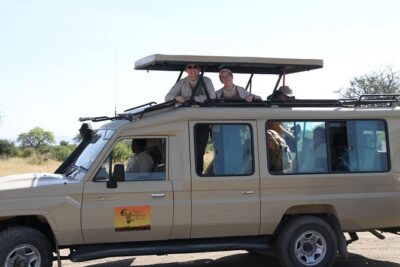
Your safari vehicle is a 4×4 Land Rover or Toyota Land Cruiser with a pop-up roof. That roof design keeps viewing natural. You are not stuck craning around a window, and you can stand or lean for a better angle when animals get close. You also get binoculars, plus a fridge and an inverter, and complimentary drinks and water on the jeep.
This is practical value, not luxury fluff. Binoculars help you locate and confirm animals without wasting time driving to every “maybe” spot. Cold water and drinks help you stay alert, especially during hotter midday periods or when you are waiting for movement.
Food plan: full board, picnic lunches, and steady energy
You get full board with some picnic lunches, plus mineral water and complimentary drinks. The included meals listed are breakfast, lunch, and dinner (6 each), so you should expect strong coverage across the trip rather than a few “on your own” gaps.
For safari, meals matter because they affect your stamina. Game drives can start early and run long. If your lunch is simple, it is still fine, but you need it on schedule and without long detours. Picnic lunches in parks help keep you in the viewing rhythm.
My practical tip: treat water seriously. Even when drinks are available, plan to sip often, especially if you are out in the sun looking for movement.
Price and logistics: what you are paying for, and what you should check
At $3,750 per person for about 7 days, you are paying for more than seats on a truck. You are paying for a guide who stays with you, a dedicated 4×4 vehicle setup with viewing support, a planned route across multiple ecosystems, and included AMREF Flying Doctors insurance with a 500 Km radius.
You are also paying for organization that keeps you from doing mental math every day. You get pickup offered, a mobile ticket, group discounts, and the promise of unlimited mileage during game drives. Unlimited mileage is one of those line items that sounds small until you see how wildlife moves. It gives the guide room to make calls.
Park admission timing is shown as free on several days and included on other days (for example, Lake Manyara and Ngorongoro are marked as included). Before you pay, you should confirm the current breakdown for your exact dates, since park fee rules can change by season and operating policy.
A key consideration: the cancellation policy is non-refundable and cannot be changed for any reason. That is not a moral judgment, it is just the kind of rule you must plan around when money is tight.
Early morning game drive: when you should say yes
The operator specifically offers the chance for an early morning game drive. If you have the energy, I think this is one of the smartest “yes” choices on safari.
Early light often changes animal behavior. Activity can start before the heat pushes everything into shade. Also, fewer people in the vehicle queue can make it easier to get clean sightlines when the habitat is still calm.
If you skip early mornings, you are not doomed. You still have Serengeti and Ngorongoro days built for viewing. But if you want the best shot at cats and general movement, early is usually the better bet.
Who this safari fits best
This tour fits best if you want a classic northern circuit safari with a clear plan and multiple chances at the Big 5. It is especially appealing if you like the idea of two full Serengeti days plus Ngorongoro Crater for dense wildlife viewing.
It is also a good match for couples and small groups who want a more focused experience, because it is described as a private tour where only your group participates. A group of friends can also enjoy that privacy, since you are not sharing your guide’s attention with strangers.
If you hate long drive days or you need lots of downtime between parks, you might find the pace intense. The itinerary keeps transfers short in some spots and longer in others, but the overall flow is still “move, drive, game drive, sleep.”
Should you book this Big Five Safari?
I would book this if you want a guided Big Five-focused route that balances classic parks with real viewing time. The strongest reasons to choose it are the safari vehicle setup (pop-up roof, binoculars, cold drinks), the structured days in Tarangire, Lake Manyara, Serengeti, and Ngorongoro, and the included AMREF Flying Doctors evacuation coverage.
I would hesitate only if you are sensitive to packed days in a vehicle or if your travel plans are uncertain enough that a non-refundable booking rule could cause stress. If your timing is solid and you want an organized safari that prioritizes sightings over fluff, this is a strong option.
FAQ
Where does the safari start and end?
It starts at Mount Kilimanjaro, Tanzania, and it ends back at the meeting point.
What time does the tour start?
The start time listed is 8:00 am.
Is airport pickup included?
Yes, pickup is offered. The first day includes pickup at Kilimanjaro airport and a transfer to Karatu for overnight.
Which parks and areas are included?
You visit Tarangire National Park, Lake Manyara National Park, Serengeti National Park, and the Ngorongoro Crater in Ngorongoro Conservation Area, with transfers that include Karatu.
What meals are included?
Breakfast, lunch, and dinner are included (6 each), with some picnic lunches included during park days. Mineral water and complimentary drinks are also included.
Is AMREF Flying Doctors insurance included?
Yes. AMREF Flying Doctors insurance for air medical evacuation service within a 500 Km radius is included.
Can I get a refund or change the booking if I cancel?
No. The experience is non-refundable and cannot be changed for any reason, and the amount paid will not be refunded if you cancel or request an amendment.
More Time in the Vehicle
- Wildlife Safari Tanzania
★ 5.0 · 19 reviews - 5 Days Tanzania Safari – Migration and Big 5 Safaris
★ 5.0 · 14 reviews - 4 Days Game drives Safari Tarangire, Serengeti and Ngorongoro Crater
★ 5.0 · 14 reviews - From Moshi or Arusha: Serval Wildlife Sanctuary Trip
★ 4.9 · 14 reviews - Moshi: Serval Wildlife Tour with food and drinks
★ 3.2 · 11 reviews
Longer Trips Through the North
- Unforgettable Tanzania Safari And Zanzibar Beach
★ 5.0 · 97 reviews - 8-Day Essence of Tanzania Safari – Luxury
★ 5.0 · 72 reviews - 4-day Tanzania Safari
★ 5.0 · 53 reviews - 7-Day Magical Tanzania Safari -Premium High End Package
★ 5.0 · 53 reviews - 4 Days Group Joining Camping Safari to Tarangire Serengeti Ngorongoro Crater
★ 5.0 · 50 reviews
Just added from around Moshi
Big Five and Game Drive Safaris, compared.
 ★ 5.0Tanzania Simba Safari – 5 DaysFrom $2,897217 reviews
 ★ 5.0Living Among LionsFrom $3,872191 reviews
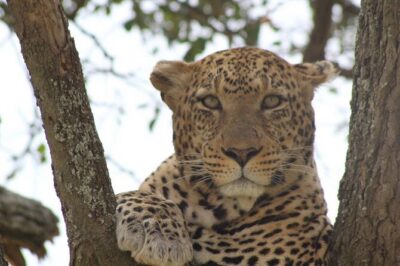 ★ 5.0Big Five Luxury Safari in TanzaniaFrom $2,90068 reviews
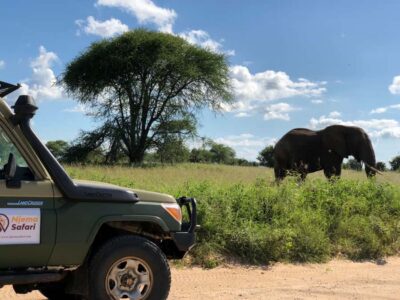 ★ 4.3From Zanzibar: Nyerere National Park Game Drive with LunchFrom $55059 reviews
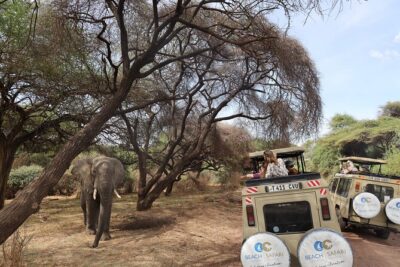 ★ 5.0From Arusha: 6 Day Classic Game Drive Serengeti & NgorongoroFrom $2,86449 reviews
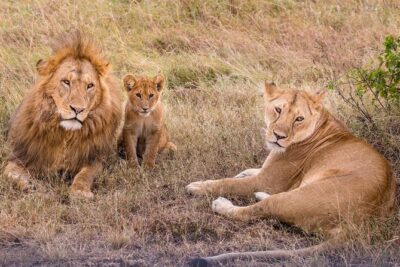 ★ 5.04-Day Simba Safari – Mid Range TourFrom $2,17947 reviews
 ★ 5.05 Days 4 Nights Tarangire, Serengeti , Ngorongoro & Manyara Wildlife SafariFrom $2,60040 reviews
 ★ 5.0Big Five Classic Safari in Tanzania **Sustainable Travel approachFrom $1,78531 reviews
Browse the lists this tour appears in