
REVIEW · BIG FIVE AND GAME DRIVE SAFARIS
Moshi: Serval Wildlife Tour with food and drinks
Servals, giraffes, lions, zebras, and friends, with a guided visit that feels more hands-on than a typical roadside stop. The tour is built around a wildlife sanctuary visit in the Siha Highlands area, plus a simple break for lunch and drinks.
What I like most is how quickly you get to real animal time, not just driving around. The second big win is the guide part, including safety briefings and guided encounters that help you understand what you’re seeing. I also like that the sanctuary setup is focused on conservation education, not just photos.
One consideration before you book: at this price and time length, you need to be clear on what you’re paying for. Some people found the tour is heavy on pickup and drop, and they ended up paying extra for entry or extra items onsite, so confirm the full “what’s included” details in advance.
In This Review
- Key highlights you should care about
- Serval Wildlife Sanctuary Visit: How the 3-hour timing really works
- Picking up in Arusha or Moshi: Confirm your exact drop-off plan
- Inside Siha District: What you’ll see and what to expect at the sanctuary
- The drive views: Mount Meru and Kilimanjaro on the way
- Lunch and drinks: What’s included, and what to be ready for
- Naturalist guide energy: The difference between a drive and a learning day
- Price and value: Is $120 fair for what you get?
- Who this is best for, and who should reconsider
- Should you book the Moshi Serval Wildlife Tour?
- FAQ
- How long is the Serval Wildlife tour from pickup to drop-off?
- Where does pickup happen?
- Does the price include entry to Serval Wildlife Sanctuary?
- What animals will we see during the guided encounter?
- Is the tour guided, and is English available?
- Is lunch included?
- Are drinks included too?
- Is the tour suitable for people with allergies?
Key highlights you should care about
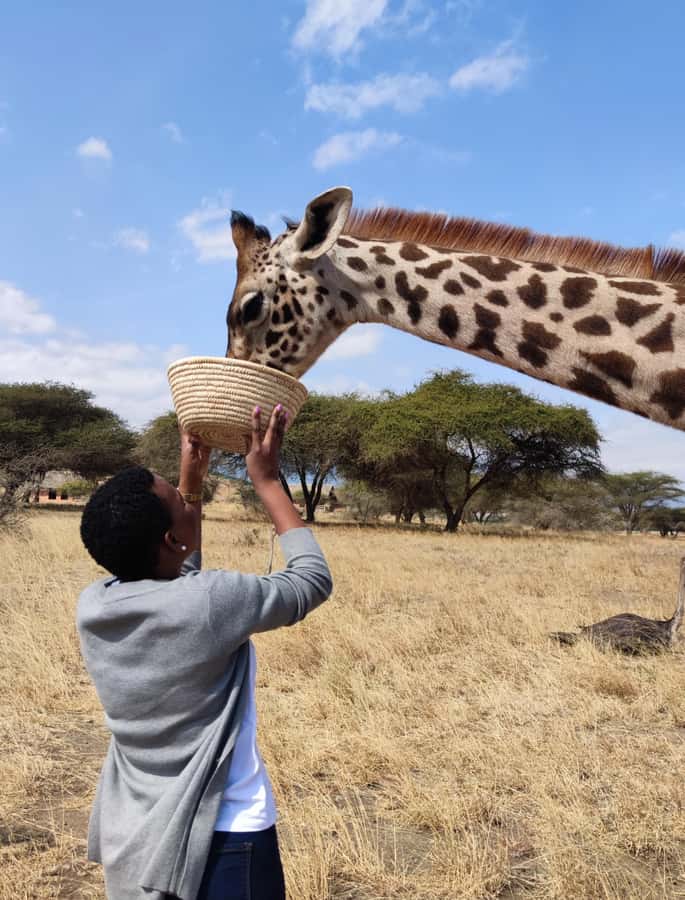
- Up-close contact can be possible, with safe interaction led by trained sanctuary guides
- A naturalist guide is included, so you get context on the animals and conservation focus
- Siha Highlands scenery on the drive past Mount Meru and Mount Kilimanjaro viewpoints
- Simple on-site time with photo stops, guided walking, and free time inside the sanctuary
- Limited meal coverage in practice can vary, especially for drinks beyond basics
More from Moshi and the foothills
- Arusha or Moshi : Hot Spring, Waterfall & Coffee Farm Tour★ 4.8 · 80 reviews
- Moshi: Town tour and Local Markets tour★ 4.9 · 36 reviews
- Moshi sunset experience★ 4.5 · 31 reviews
- Moshi city bike day trip★ 5.0 · 17 reviews
Serval Wildlife Sanctuary Visit: How the 3-hour timing really works
This tour is designed as a tight, efficient half-day style outing. You’re looking at about 3 hours total, which means the day does not drag, but it also means you will not get a slow, linger-everywhere pace. The good news is that you’re not spending hours stuck in transit. You’re going specifically to see animals, learn a bit, and then move on.
Within the sanctuary portion, expect a mix of structured and free time. There’s typically a guided visit where you’re brought around to see different animals, plus moments for photos and sightseeing. The schedule also includes a break, which matters because animal encounters can get surprisingly intense fast, especially if the group is excited and the guides are moving you at a steady pace.
That “short and focused” timing is exactly why this works well for many people. If you only have a day around Arusha or Moshi, or if you want something less exhausting than a full safari day, this fills the slot nicely. It’s also a nice choice if you’re traveling with someone who wants wildlife but does not want long drives.
But the trade-off is attention spans and animal behavior. Some animals may be active and visible when you arrive, and some may be resting. One key example from an experience shared: a lion was sleeping, and the time felt short because only a limited set of animals were clearly visible during the visit. That is not the tour’s fault, but it is the reality of wildlife days, even in a sanctuary setting.
Picking up in Arusha or Moshi: Confirm your exact drop-off plan
The tour offers round-trip transportation from options around Arusha or Moshi, and you’ll be picked up from one of three areas: Boma Ng’ombe, Arusha Urban, or Moshi. Drop-off is also listed for the same three locations.
This matters, because the ride is not a small detail in a 3-hour tour. If your pickup or drop location is off, the whole schedule can wobble. One experience shared included mixed answers about pickup and drop, and the person ended up needing a different ride plan when they did not get dropped where expected. In another experience, the transport felt rough, with speeding concerns.
So here’s my practical advice: before you go, confirm three things in writing or with a clear message from the operator:
- Your pickup location, exactly which hotel or landmark area
- Your drop-off location (same as pickup, if that’s what you want)
- What the ride includes in terms of time buffer, so you don’t get rushed
Also note you’re in a small group format. That’s usually better than big buses for moving around and hearing the guide. Just remember small groups can also feel like a “tight squeeze” if the car is small, so if you’re tall or have mobility needs, mention it ahead of time.
Inside Siha District: What you’ll see and what to expect at the sanctuary
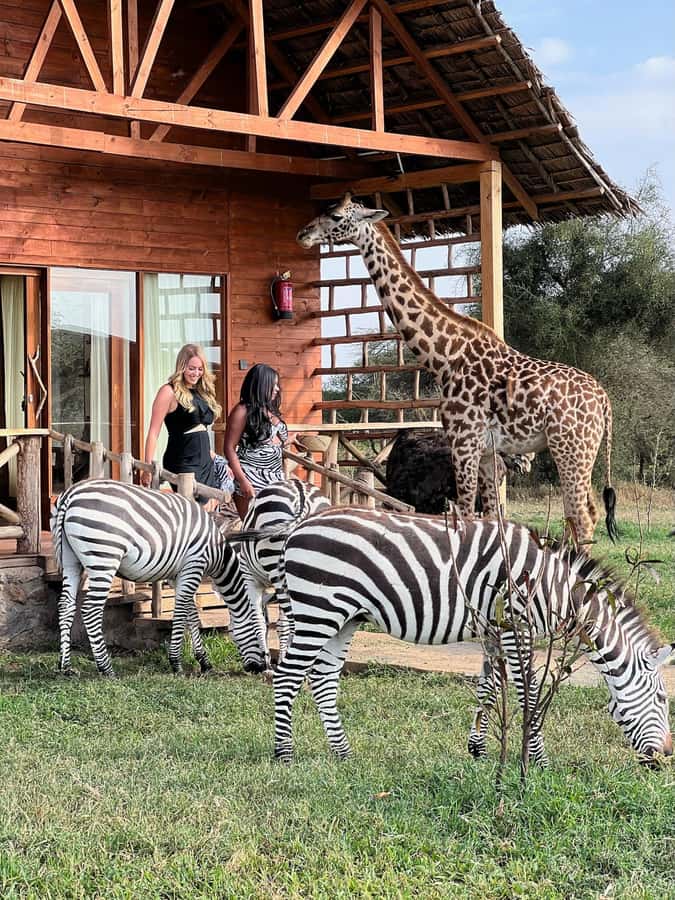
The sanctuary visit is the core of the whole experience. You’ll arrive and then transition into guided movement through the grounds. The setting is described as lush enclosures, and the tour aims to show you multiple species in one outing.
From the included encounter list, you should expect to see animals such as:
- Servals (the main focus)
- Ostriches
- Giraffes
- Lions
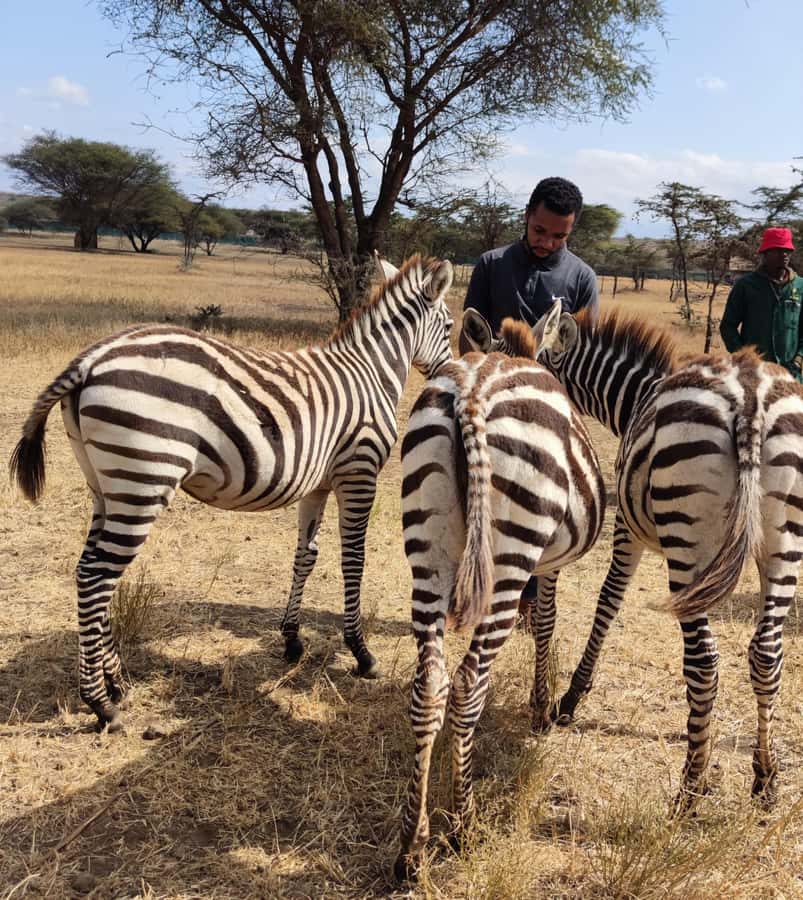
- Zebras
- Monkeys
- Oryx
The big selling point is that the guide helps you connect what you’re seeing with why it matters. The tour highlights include learning about the animals’ conservation status and how they adapt to different environments. That’s not just trivia. It makes your photos better too, because you know what you’re looking for, like habitat needs, behavior patterns, and how the sanctuary supports animal wellbeing.
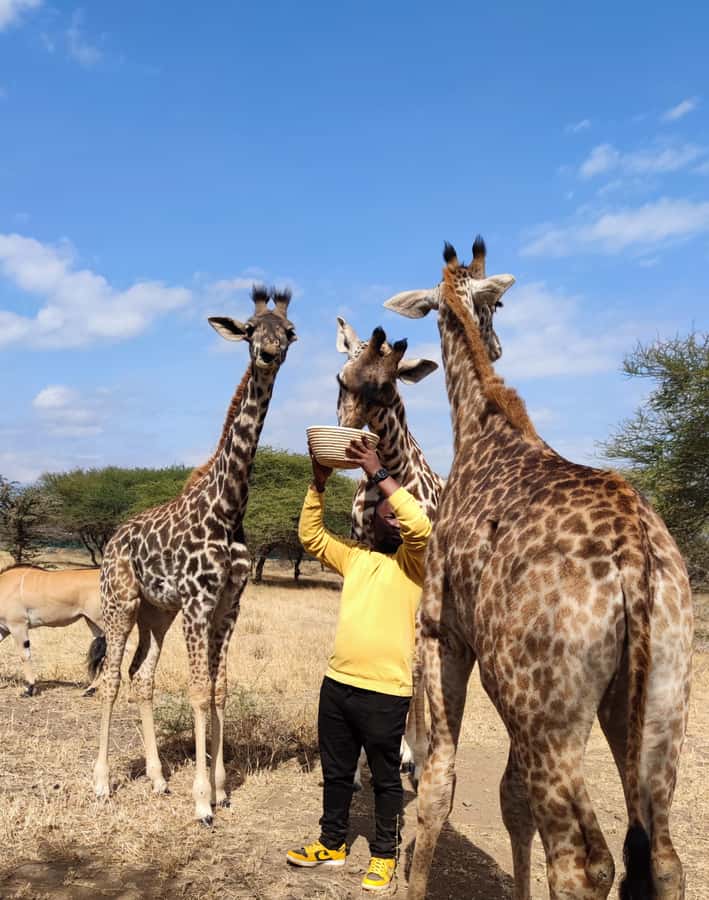
One of the most praised aspects from people who loved this was the feeling of access. In at least one account, guides helped with safe petting and feeding, and the experience emphasized that animals were not caged and could roam freely around the grounds. Even if your exact level of interaction varies by animal day and guide, the overall approach seems to aim for respectful, guided contact rather than distant viewing.
You should also expect a safety briefing and rules about where you can go. There’s a reason your guide will manage distance around certain animals. Another experience noted that kids were not allowed close to a sleeping lion, which is exactly the kind of sensible boundary you want in a wildlife environment.
Bottom line: come with a camera, but also come with flexibility. A sleeping predator still counts as a wildlife encounter, but it may change the “wow moment” timing. If you’re the type who hates the idea that animals might not be performing on schedule, this might feel shorter than you want.
More game drives with the same aim

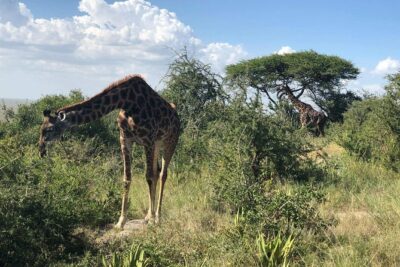
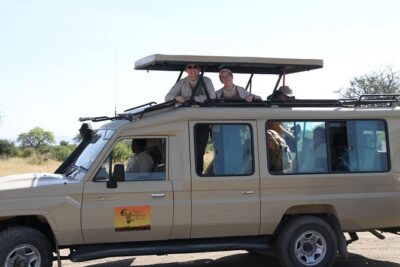
The drive views: Mount Meru and Kilimanjaro on the way
You’re not just sitting on the road. The transfer includes scenic passing views, including sightlines connected to Mount Meru and Mount Kilimanjaro. Even if the most iconic views are brief, they add a nice context shift.
This matters when you’re doing a shorter tour. The drive becomes part of the memory, because it helps you feel like you’re actually moving through Kilimanjaro’s region, not just being transported from Point A to Point B.
Also, the ride is part of the experience quality. One person shared that their driver talked during the journey, and another mentioned speeding concerns. That’s not guaranteed, but it is a reminder: if you want calm and comfortable, choose a pickup time and operator that feels professional, and don’t be shy about asking about ride comfort.
Lunch and drinks: What’s included, and what to be ready for
A stop at a local restaurant is built into the schedule for about 1 hour, with lunch and welcome refreshments.
Officially, lunch and drinks are included. But real-world experiences can be messy. One account described drinks as basically one 2L water bottle, and lunch as a menu choice where the main course cost fell around the 45k to 55k Tanzanian shillings range, with additional items charged separately. That suggests you should treat “drinks included” as potentially basic, not a full beverage package.
Here’s how I’d handle it as a traveler who hates surprises:
- Decide what you’ll drink in advance, then budget extra just in case
- Ask the operator or restaurant what is included with lunch
- If you’re ordering anything special, assume you may pay for it on the spot
Also remember this tour is only 3 hours. That 1-hour restaurant stop needs to work as a reset and refuel, not a long sit-down. Go in hungry, but keep your expectations aligned with the short time window.
If food timing is important to you, keep in mind the sanctuary portion includes breaks and guided movement. You want to make sure you eat soon after your guided session, not at the far end of the restaurant hour.
Naturalist guide energy: The difference between a drive and a learning day
The tour includes an experienced naturalist guide and a live guide in English. That is a big quality marker, because it changes your “animal viewing” into “animal understanding.”
In one highly positive experience, a guide named Ester was described as extremely knowledgeable and also an excellent photographer. That combination matters more than it sounds. Knowledge helps you spot key behavior, and strong photo guidance helps you frame shots without missing moments.
This is why the best version of this tour feels like two things at once:
- You see a range of species in a short time.
- You learn the conservation angle behind why this sanctuary is relevant.
If you’re the type who likes structured info and clear direction, a naturalist guide will make the visit easier. You don’t have to guess which animal is the main focus, which behaviors matter, or what questions to ask.
If you’re more independent and just want free roaming photo time, you might feel constrained by the guided rhythm. Still, even for independent travelers, the safety briefing and guided handling rules are not optional. This is one area where guidance improves the experience for everyone.
Price and value: Is $120 fair for what you get?
At $120 per group (up to 1 person), the big value question is what’s inside that price versus what’s paid separately on-site.
On paper, the package includes:
- Round-trip transportation
- Entry fee to Serval Wildlife Sanctuary
- Guided encounters
- Lunch and drinks
- Naturalist guide
- Pickup and drop service
But one experience shared a very different feeling of value: the sanctuary ticket itself was described as costing $120 plus a 4% service fee, and the tour price felt like it mostly covered pickup and drop. In that scenario, the traveler ended up paying more than expected after confirming details late.
So here’s the smartest move you can make for value:
- Treat your booking confirmation like a checklist, not a vibe
- Confirm whether entry is definitely included in your final price
- Confirm what drinks are included (basic water only versus more choices)
- Confirm your exact pickup and drop points
Also remember the “short and small group” format can justify a higher price if the guide part is strong and the timing is well organized. One of the top praised elements was how close people could get safely and how the animals roamed rather than staying locked away.
Yet if you arrive and only see a small portion of animals clearly, or if the visit feels rushed, then the price will feel heavy. One account even suggested it was better to spend the same money on a safari instead, because the sanctuary time felt brief and limited.
Your best strategy is to align the tour with your goal:
- If you want a quick, guided wildlife encounter close to town, it can be a fair value.
- If you want a full safari feel, you’ll likely find this too short.
Who this is best for, and who should reconsider
This tour looks like a strong fit for:
- People with limited time around Arusha or Moshi
- Travelers who want wildlife learning with a guide in English
- Families who want a safe, controlled wildlife outing, as long as they follow distance rules near certain animals
- Photo lovers who want help getting the right angles and timing
It may be a poor fit if:
- You have animal allergies
- You have insect allergies
- You strongly prefer long, slow wildlife viewing with lots of time for animals to show up naturally
It also helps if you like a structured plan. You get pickup, a planned sanctuary visit with breaks and photo time, then lunch. If you want a free-choice itinerary, this won’t feel flexible.
One more practical note: the tour is listed as wheelchair accessible. If mobility is a factor, ask about how you handle walking portions inside the sanctuary and whether accessible routes are used.
Should you book the Moshi Serval Wildlife Tour?
Book it if you want a focused, guided sanctuary visit with the chance for meaningful animal interaction and learning, in a short window. The best version of this day seems to combine close contact with trained sanctuary guides, plus naturalist explanations that make the experience feel more than just a photo stop.
Hold off or book only after confirming details if value is your top concern. With a short tour length, even small surprises matter, especially pickup and drop accuracy, and whether entry and drinks match what you expect.
If you do book, send a message ahead and confirm:
- Entry fee inclusion in your final price
- What drinks are actually included at lunch
- Your exact pickup and drop locations
- Any restrictions or safety rules that could affect kids or mobility needs
If all that checks out, this can be a memorable, efficient wildlife experience in the Kilimanjaro region.
FAQ
How long is the Serval Wildlife tour from pickup to drop-off?
The total duration is listed as 3 hours.
Where does pickup happen?
Pickup is available from Boma Ng’ombe, Arusha Urban, and Moshi.
Does the price include entry to Serval Wildlife Sanctuary?
The tour information lists the entry fee as included, but one booking experience described the sanctuary ticket being paid separately, so it’s smart to confirm with your operator before you go.
What animals will we see during the guided encounter?
The included encounters list ostriches, giraffes, lions, zebras, monkeys, Oryx, and Serval Wildlife as the main focus.
Is the tour guided, and is English available?
Yes, it includes an experienced naturalist guide and the live tour guide is listed as English.
Is lunch included?
Lunch is listed as included, with a stop at a local restaurant.
Are drinks included too?
Drinks are listed as included, but the exact amount and type may vary in practice, so it’s worth confirming what’s included with your lunch.
Is the tour suitable for people with allergies?
It is not suitable for people with animal allergies or insect allergies.
More Time in the Vehicle
- Big Five Safari In Tanzania
★ 5.0 · 99 reviews - Wildlife Safari Tanzania
★ 5.0 · 19 reviews - 5 Days Tanzania Safari – Migration and Big 5 Safaris
★ 5.0 · 14 reviews - 4 Days Game drives Safari Tarangire, Serengeti and Ngorongoro Crater
★ 5.0 · 14 reviews - From Moshi or Arusha: Serval Wildlife Sanctuary Trip
★ 4.9 · 14 reviews
Around Moshi
- Arusha or Moshi : Hot Spring, Waterfall & Coffee Farm Tour
★ 4.8 · 80 reviews - 1-Day Moshi Villages bike tour
★ 5.0 · 59 reviews - Moshi: Town tour and Local Markets tour
★ 4.9 · 36 reviews - Moshi sunset experience
★ 4.5 · 31 reviews - Moshi city bike day trip
★ 5.0 · 17 reviews
Just added from around Moshi
Big Five and Game Drive Safaris, compared.
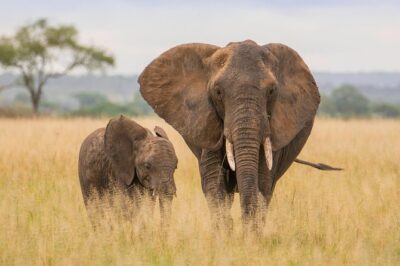 ★ 5.0Tanzania Simba Safari – 5 DaysFrom $2,897217 reviews
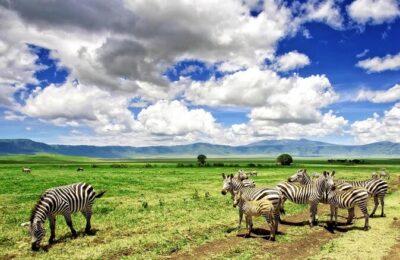 ★ 5.0Living Among LionsFrom $3,872191 reviews
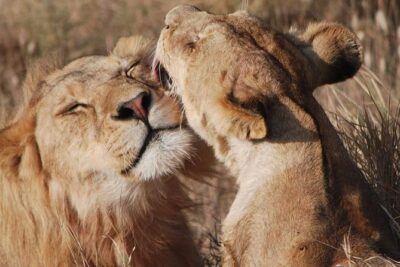 ★ 5.0Big Five Safari In TanzaniaFrom $3,75099 reviews
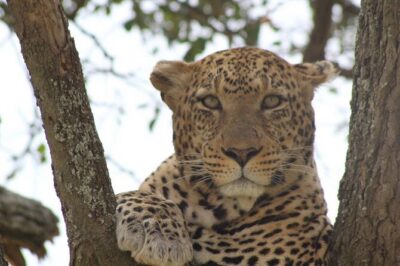 ★ 5.0Big Five Luxury Safari in TanzaniaFrom $2,90068 reviews
 ★ 4.3From Zanzibar: Nyerere National Park Game Drive with LunchFrom $55059 reviews
 ★ 5.0From Arusha: 6 Day Classic Game Drive Serengeti & NgorongoroFrom $2,86449 reviews
 ★ 5.04-Day Simba Safari – Mid Range TourFrom $2,17947 reviews
 ★ 5.05 Days 4 Nights Tarangire, Serengeti , Ngorongoro & Manyara Wildlife SafariFrom $2,60040 reviews
Browse the lists this tour appears in