
REVIEW · ARUSHA CITY TANZANITE AND HERITAGE TOURS
Arusha City Culture and Historical Walking Tour
Arusha hits different when you walk it. This half-day route mixes Old Boma Museum context with hands-on stops like the Maasai Market, so you get both stories and street life. I especially like how it pairs big landmarks (Clock Tower) with real shopping time. One drawback to plan for: Old Boma Museum has a separate $5 entrance fee you pay on arrival, so double-check you have a little cash.
I also like that you are not stuck in a bus for hours. The tour stays on foot, includes bottled water, and keeps the pace friendly for most visitors. If you are short on time or want an easy first look at Arusha, this is a solid way to get your bearings fast.
In This Review
- Key Highlights You’ll Feel
- Arusha City in Five Hours: What You’re Really Signing Up For
- Pickup, Private Group, and How the Day Stays Manageable
- Old Boma Museum: From a German Outpost to Today’s Local Stories
- Tanzanite Experience: How a Gem Becomes a Real Purchase Decision
- Clock Tower on Boma Road: The Cairo-Cape Town Midpoint Moment
- Maasai Market Curios and Crafts: Shopping With Meaning, Not Just Souvenirs
- Arusha Chini: Where Daily Life Sets the Rhythm
- Arusha Declaration Museum: Nyerere’s 1967 Turning Point, Explained Clearly
- Price and Value: Is This $35 Worth It?
- Small Tips That Make a Big Difference
- Who This Tour Fits Best
- Should You Book the Arusha City Culture and Historical Walking Tour?
- FAQ
- Is pickup and drop-off included?
- How long is the Arusha city walking tour?
- What is the price per person?
- Are meals included in the tour?
- Do I need to pay for Old Boma Museum?
- Which stops are part of the tour?
- Is the tour private?
- Can I cancel for a full refund?
Key Highlights You’ll Feel
- Old Boma Museum shows Arusha’s colonial-era layers inside a former German military outpost
- Tanzanite Experience turns a gemstone obsession into a real, explained process, including polishing and certified shopping
- Clock Tower on Boma Road gives you a quick city landmark moment, including the Cairo-Cape Town midpoint lore
- Maasai Market is your best chance to chat with artisans and buy crafts that feel personal
- Arusha Declaration Museum connects daily life in Tanzania to the 1967 Arusha Declaration and Julius Nyerere’s role
Around Arusha on foot, a few more
- Arusha Guided Walking City Tour, Culture, Lifestyle & History★ 5.0 · 150 reviews
- Full Day Arusha City Tour★ 5.0 · 18 reviews
- Tanzanite experience tour – Tanzanite shopping in Arusha★ 5.0 · 12 reviews
- Arusha City Culture and Historical Walking Tour★ 5.0 · 8 reviews
Arusha City in Five Hours: What You’re Really Signing Up For
This is a 5-hour, guided walking tour that aims to do three jobs: orient you in Arusha, teach you how the city got shaped, and give you time to meet people and browse local goods. At $35 per person, it is priced like a city tour, not a full-day safari add-on. That matters, because you want value that fits a first day or a mid-trip reset day.
The structure is also smart. You start with a museum that frames Arusha’s colonial past, then you move into a mix of landmark time and market time. You finish with a museum focused on Tanzania’s political history, centered on the Arusha Declaration of 1967 and Julius Nyerere. It is history with legs, not history in a textbook.
Pickup, Private Group, and How the Day Stays Manageable

Hotel pickup and drop-off are included, which saves you the hassle of figuring out transport right at the start. The tour is also private, meaning only your group participates. If you are traveling as a couple or with family, this is a comfort upgrade. It also tends to make the guide’s attention feel more personal, since you are not competing for time.
This is a walking tour, so wear shoes you can stand and walk in without drama. The timing between stops is set for a half-day rhythm, with short museum sessions and market browsing slots rather than long, tiring detours.
Two small notes that help your day go smoothly:
- Meals and drinks are not included, but bottled water is provided.
- Personal expenses are on you, so bring spending money if you want crafts or jewelry.
Old Boma Museum: From a German Outpost to Today’s Local Stories
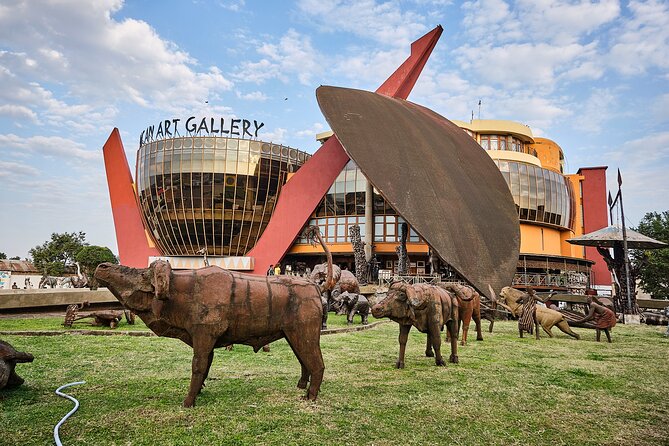
You kick off at the Old Boma Museum, a historic site housed in what used to be a German military outpost. That setting matters. It is one thing to hear about colonial-era influence, and another to walk into a space that was built for control and then repurposed for learning.
What I like about this opening stop is that it gives you context before the markets and city landmarks start to feel random. The museum includes exhibits on local tribes, natural history, and art. It also offers educational programs and workshops, which can make your visit feel more interactive than a quick photo stop.
Practical heads-up: Old Boma Museum admission is not included. It costs $5, paid at the entrance desk. Plan to have it ready when you arrive, so you are not scrambling.
Time on site: about 45 minutes. That is enough to understand the big themes without turning your tour into an all-afternoon museum marathon.

Tanzanite Experience: How a Gem Becomes a Real Purchase Decision
Next comes the Tanzanite Experience, and it is an excellent palate cleanser after the museum. This stop is both educational and shopping-friendly, focused on a single, famous Tanzanian gemstone.
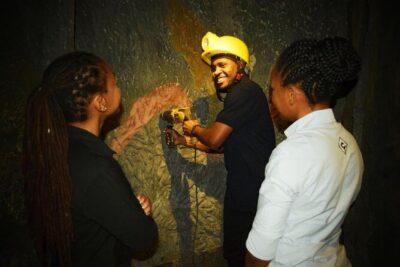
You will learn about the history and significance of tanzanite, plus the mining process. The attraction also includes interactive exhibits and a viewing of the cutting and polishing process. I like this part because it turns a shiny object into something you can actually talk about, not just admire.
The time allotment is about 30 minutes, and admission is included. You also get an opportunity to buy certified tanzanite jewelry. That is a big deal if you are the type who wants to bring something home but hates uncertainty.
How to shop smarter (without getting stuck):
- Ask what certification covers, and whether you are getting a verified piece.
- Compare a couple options only, then decide. Markets can make you rush.
If you are not a jewelry buyer, you can still enjoy this as a focused museum-style stop. It helps balance the day so it is not only museums and markets.
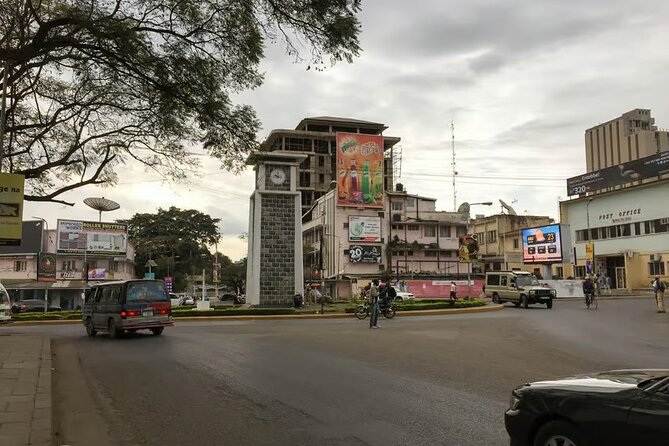
Clock Tower on Boma Road: The Cairo-Cape Town Midpoint Moment

The Clock Tower is one of those city landmarks that works as a quick reset. You get about 15 minutes here, and the admission is free. It sits on Boma Road and is a famous meeting spot.
The standout detail is the story that Arusha’s Clock Tower is considered the midpoint between Cairo and Cape Town. Even if you treat that as local lore rather than a strict GPS point, it is still a fun way to think about Arusha’s place in the region.
This is not a big-ticket attraction stop. It is more like a visual anchor. You will leave it with a clearer sense of where you are in the city grid and what areas feel connected.
Also, because it is a meeting spot, you may see people using it the way locals do. That adds a real-life feel that you do not get from landmarks that are fenced off for tourists only.
Maasai Market Curios and Crafts: Shopping With Meaning, Not Just Souvenirs
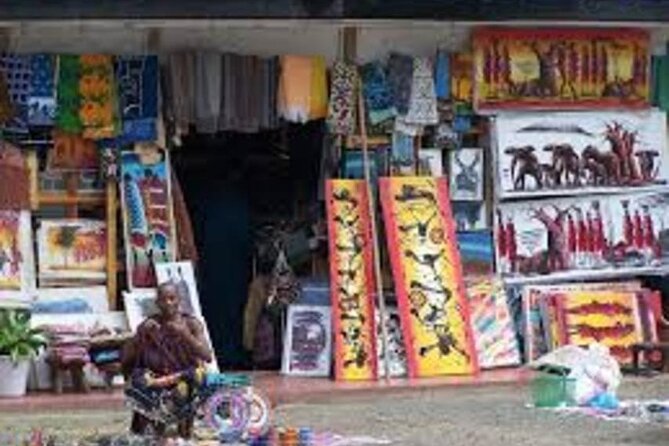
Then you head to the Maasai Market Curios and Crafts, with about 25 minutes on the ground. Admission is included. This is the stop where your browsing turns into conversation.
You will find handmade items such as traditional Maasai jewelry, beaded crafts, wood carvings, and textiles. The goal is not to pressure you to buy. It is to let you interact with artisans and understand what you are seeing.
From a value perspective, markets are often where tours either feel empty or feel worthwhile. This one has the right idea: time to talk, time to look closely, and an intention to include artisan interaction.
If you plan to buy something:
- Ask how it is made and who it comes from, even if your Swahili is limited.
- Check details like beadwork stitching and finishing on carvings.
- Don’t buy the first thing you love. Look around for alternatives, then commit.
Also, allow for the fact that you are in a shopping environment. Keep your phone and wallet secure, and focus on the guide’s cues for where to stand and when to move.
Arusha Chini: Where Daily Life Sets the Rhythm
After the market stop, the tour shifts into Arusha Chini, a neighborhood known for busy local markets, shops, and cultural hubs. This is a longer, more open time block at about 1 hour, and it is free.
This is where the walking tour starts to feel like a real day in Arusha, not a checklist. You will see how residents and visitors move through the area, and you get chances to observe what people buy, eat, and carry around.
You should expect more street-level variety here. You might spot food stalls and casual snacks. Some people even end up trying street food such as samosas during market time. I can’t promise any specific vendor on any day, but the environment is the kind where you will likely see tempting options.
Because meals are not included, you can treat this segment as your flexible moment. If you are hungry, this is the point where you can pause and handle it your way.
Arusha Declaration Museum: Nyerere’s 1967 Turning Point, Explained Clearly
You end with the Arusha Declaration Museum, with about 40 minutes. Admission is included. This stop centers on the Arusha Declaration of 1967, a key policy in Tanzania’s socialist and self-reliance journey, and the museum includes information about Julius Nyerere, Tanzania’s first president.
What I like about placing this museum near the end is that it ties the day together. Earlier you saw colonial-era traces. You then saw a gemstone industry stop, a market culture stop, and everyday neighborhood life. By the time you reach this museum, you are primed to connect those scenes to a bigger national story.
The exhibits focus on the declaration’s principles and its role in shaping socio-economic development. You do not need to arrive with a politics degree. The framing is designed to help you understand why the declaration matters and how it connects to the country’s path.
It is still a museum visit, so it is calmer than the market areas. Use this time to slow down, absorb, and ask the guide questions. A good guide can make the ideas feel grounded instead of abstract.
Price and Value: Is This $35 Worth It?
At $35 per person for about 5 hours, this tour sits in the practical range for a city walking experience with pickup. You also get several cost offsets:
Included value you get:
- Hotel pickup and drop-off
- Guided walking tour
- Bottled water
- All fees and taxes, except one museum
Not included cost to plan for:
- Old Boma Museum admission, $5 paid at the entrance desk
- Meals and drinks
- Personal expenses
So what does that mean for your budget? Expect most of the day to be covered. The only ticket surprise is the Old Boma Museum. If you bring a small amount of cash for that, you are set.
Where the value really shows is in the mix. You get a museum focused on colonial-era heritage, a specialized stop on tanzanite, a major landmark, two different market styles, and a political history museum. That is a lot of different “Arusha lenses” for one half-day.
If you only want one kind of experience, like a full-time museum day or a pure shopping day, this might feel like a blend. But if you want a first introduction that helps you understand the city, the pacing and variety make sense.
Small Tips That Make a Big Difference
A walking tour works best when you help it work. Here are a few practical things you can do before you go:
- Wear comfortable shoes. This is walking, not a sit-and-watch day.
- Bring some cash for the $5 Old Boma Museum entrance.
- Keep your phone secure during market time.
- If you buy crafts or jewelry, spend time inspecting before you hand over money.
- Drink the included bottled water. You are on your feet and Arusha can feel warm while you’re walking.
One more tip: let your guide lead you. In market areas, it is easy to get distracted. Follow the group cues and you will cover the right spaces in the right order.
Also, if you are hoping to take photos, bring a clear plan. Quick snapshots at each landmark work best in a time-boxed day. Markets can be great for candid shots, just be mindful about where and how you shoot.
Who This Tour Fits Best
This is a strong fit if you:
- Are visiting Arusha for the first time and want an organized way to get bearings
- Want both culture and practical shopping time
- Prefer a guided walking format over long vehicle rides
- Like learning through a mix of museums and real streets
It might be less ideal if you:
- Have limited ability to walk and stand for several hours
- Expect only one kind of activity (all museums or all markets)
- Are planning to eat full meals during the tour, since meals are not included
Most travelers can participate, so for many people it is manageable with the right shoes and a realistic pace.
Should You Book the Arusha City Culture and Historical Walking Tour?
Yes, if you want a smart first look at Arusha. The tour gives you exactly what a good orientation day should: landmarks, markets, and museums that explain why the city looks the way it does today. The Tanzanite Experience adds a fun technical angle, and the guide-led flow keeps the day from feeling random.
Book it even if you are not a big museum person. The museums are short and pointed, and the markets give you that street-level payoff. Just budget for the $5 Old Boma Museum ticket, and plan to handle your own meals since they are not part of the package.
If you want to understand Arusha quickly, this tour is a solid, practical choice.
FAQ
Is pickup and drop-off included?
Yes. Hotel pickup and drop-off are included, so you do not need to arrange transport to start the walking tour.
How long is the Arusha city walking tour?
The duration is about 5 hours.
What is the price per person?
The price is $35.00 per person.
Are meals included in the tour?
No. Meals and drinks are not included, though bottled water is provided.
Do I need to pay for Old Boma Museum?
Yes. Old Boma Museum admission is $5 and is paid at the entrance desk. The rest of the listed stops are included where admission is noted as included.
Which stops are part of the tour?
The tour includes Old Boma Museum, Tanzanite Experience, the Clock Tower, Maasai Market Curios and Crafts, Arusha Chini, and the Arusha Declaration Museum.
Is the tour private?
Yes. This is a private tour or activity, so only your group participates.
Can I cancel for a full refund?
Free cancellation is available. You can cancel up to 24 hours in advance for a full refund. Canceling less than 24 hours before the start time is not refunded.
Arusha on Foot
- Arusha Guided Walking City Tour, Culture, Lifestyle & History
★ 5.0 · 150 reviews - Full Day Arusha City Tour
★ 5.0 · 18 reviews - Tanzanite experience tour – Tanzanite shopping in Arusha
★ 5.0 · 12 reviews - Arusha Nightlife Tour
★ 5.0 · 7 reviews - Essence of Arusha City Tour
★ 5.0 · 5 reviews
Just added from around Arusha





Arusha City Tanzanite and Heritage Tours, compared.
 ★ 5.0Arusha Guided Walking City Tour, Culture, Lifestyle & HistoryFrom $26150 reviews
 ★ 5.0Full Day Arusha City TourFrom $10018 reviews
 ★ 5.0Tanzanite experience tour – Tanzanite shopping in ArushaFrom $3512 reviews
 ★ 5.0Arusha Nightlife TourFrom $457 reviews
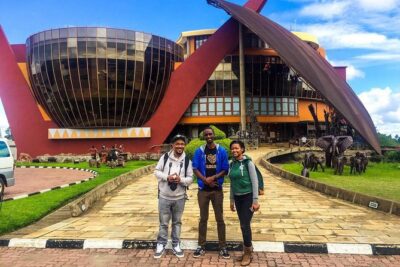 ★ 5.0Essence of Arusha City TourFrom $1605 reviews
 ★ 5.0Arusha city tourFrom $3004 reviews
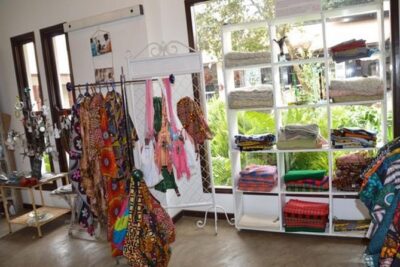 ★ 5.024 Hours in Arusha—Arusha Museum, Cultural Heritage, Maasai Market, ShangaFrom $2054 reviews
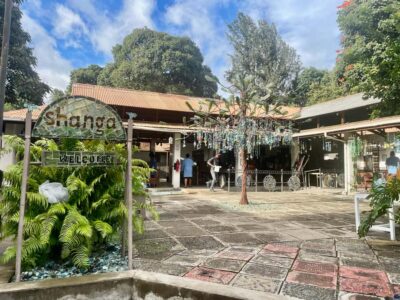 ★ 5.0Arusha: Cultural Heritage, Tanzanite TourFrom $293 reviews
Browse the lists this tour appears in