
REVIEW · MAASAI VILLAGE AND CULTURAL EXPERIENCES
Arusha: Maasai-style Beaded Jewelry Lesson
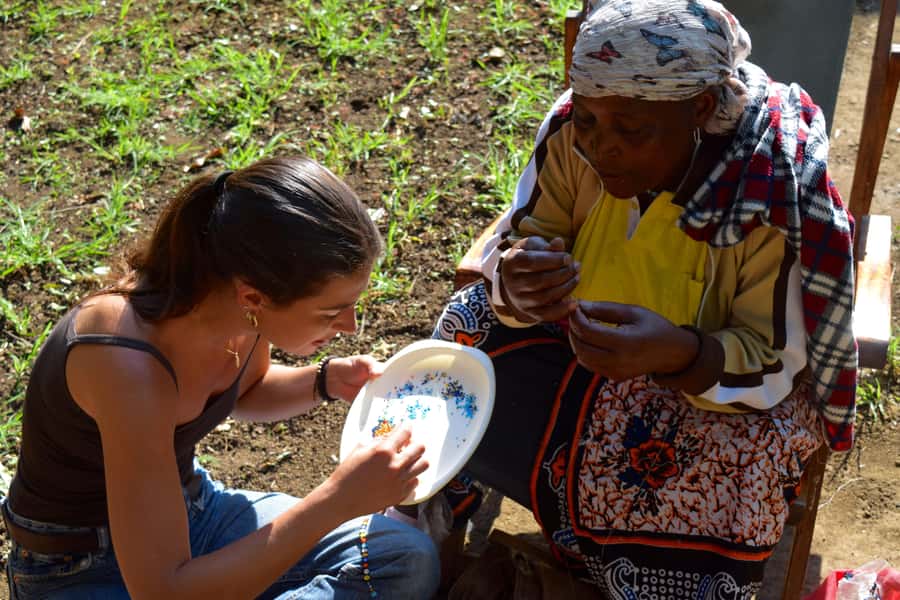
Beads, stories, and a warm Arusha welcome. This Maasai-style beaded jewelry lesson is interesting because you learn the technique from a local artisan and create a wearable piece in a real home setting, at Mama Aziz Homestay in Sanawari.
I love that you are not just watching, you are crafting your own bracelet, necklace, or anklet with guidance focused on how the work is done. I also like that the experience can include homemade brunch, and the provider says they cater to all dietary needs.
One consideration is time, plan for the full 4 to 5 hours, so your Arusha day does not feel rushed.
In This Review
- Key things I’d bet on before you book
- Maasai Beading at Mama Aziz Homestay in Sanawari, Arusha
- What You’ll Make, Bracelet to Anklet (and how “custom” can help)
- The actual lesson, from beadwork technique to finishing your piece
- Brunch option at a local home, with dietary needs covered
- Price and value: Is $20 for 4 to 5 hours worth it?
- Getting there from your hotel, and why pickup can change the day
- Group feel and how to make the most of the session
- Who this is best for, and who might want a different Arusha plan
- Simple booking and timing notes to keep things stress-free
- Should you book this Maasai beaded jewelry lesson in Arusha?
- FAQ
- How long is the Maasai-style beaded jewelry lesson in Arusha?
- What can I make during the class?
- Where does the class take place?
- Is hotel pickup included?
- Is brunch included?
- What is the price per person?
- What language will the instructor speak?
- Is the experience wheelchair accessible?
- What is the cancellation policy?
Key things I’d bet on before you book
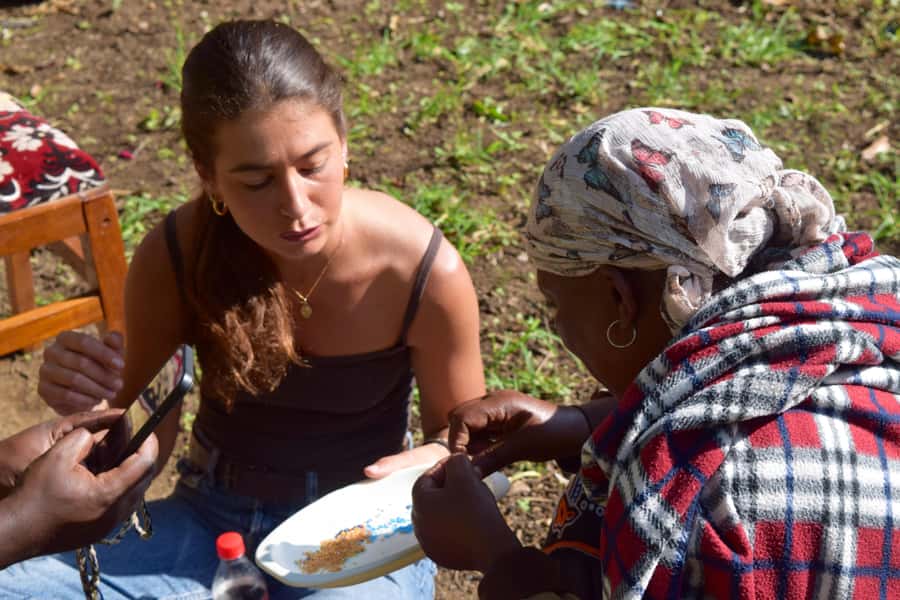
- Local artisan instruction focused on Maasai-style beadwork, not a “see and buy” stop
- Your own finished jewelry to take home, bracelet, necklace, anklet, or a custom design
- A local home setting at Mama Aziz Homestay in Sanawari, which changes the feel of the class
- Optional homemade brunch with dietary needs catered for
- Hotel pickup and drop-off are optional, which can make the outing much easier to fit in
Other visits hosted by Maasai communities
- 5 Days Camping Tarangire, Serengeti & Ngorongoro crater & Visiting Maasai★ 5.0 · 229 reviews
- Maasai village visit, Materuni waterfalls & coffee experience★ 4.5 · 95 reviews
- Hidden Arusha Waterfall, Coffee & Village Tour (All-Inclusive)★ 5.0 · 42 reviews
- Kilimanjaro: Maasai Village Visit, Waterfalls, & Coffee Tour★ 4.9 · 27 reviews
Maasai Beading at Mama Aziz Homestay in Sanawari, Arusha
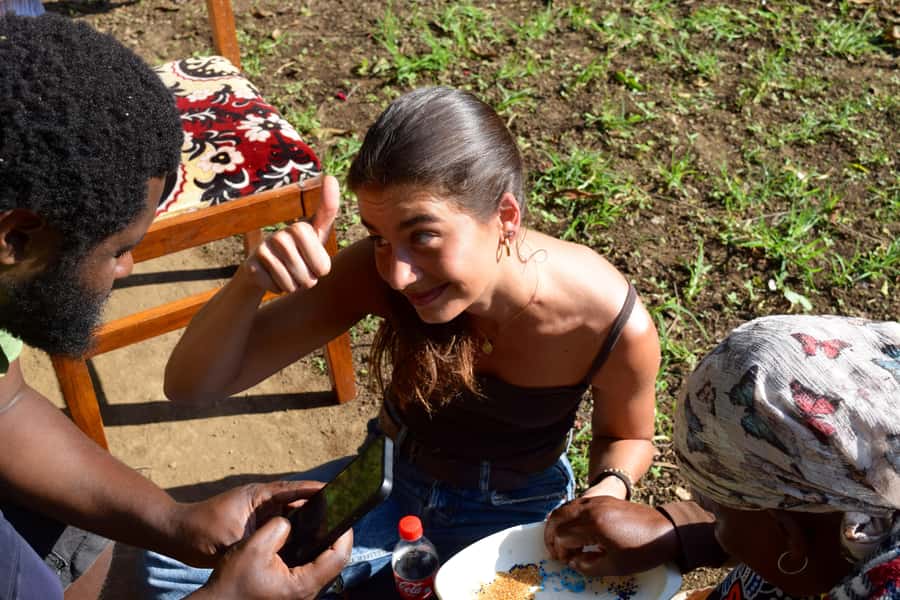
This is the kind of Arusha activity that feels personal from the start. Instead of being shuffled through a workshop that could be anywhere, you spend time at Mama Aziz Homestay in Sanawari, where the work happens at human speed.
The big draw is the combination of skill and culture. You learn Maasai-style beading from an English and Swahili speaking instructor, and you end the class with something you made yourself, not just a photo.
You also get a good feel for how craft supports everyday life. Jewelry here is not treated like a museum piece. It is made, adjusted, and worn. That mindset matters because it shapes what you pay attention to while you work.
What You’ll Make, Bracelet to Anklet (and how “custom” can help)
Your final product options are simple and satisfying: you can create a bracelet, necklace, anklet, or choose a custom design. That flexibility is useful because your taste might lean toward something small and quick, or something that takes more time and shows more detail.
A bracelet is a great choice if you want a clear, wearable result without needing the class to feel complicated. A necklace usually gives you more visual impact, and an anklet is a fun option if you want something that feels personal and a little playful.
The class also supports customizing. “Custom design” does not mean you walk in with a full technical drawing. It means you can shape what you make so it feels like your style, using the patterns and techniques you are taught. That is where the value shows up, because you get ownership of the piece.
In feedback from earlier visitors, the group dynamic seems to be part of the fun. One Tanzanian visitor named Nele highlighted that they learned bracelets and chains and were also entertained by David. Another visitor, Alia from Germany, described feeling well cared for by the guide and having a great time during the session.
The actual lesson, from beadwork technique to finishing your piece
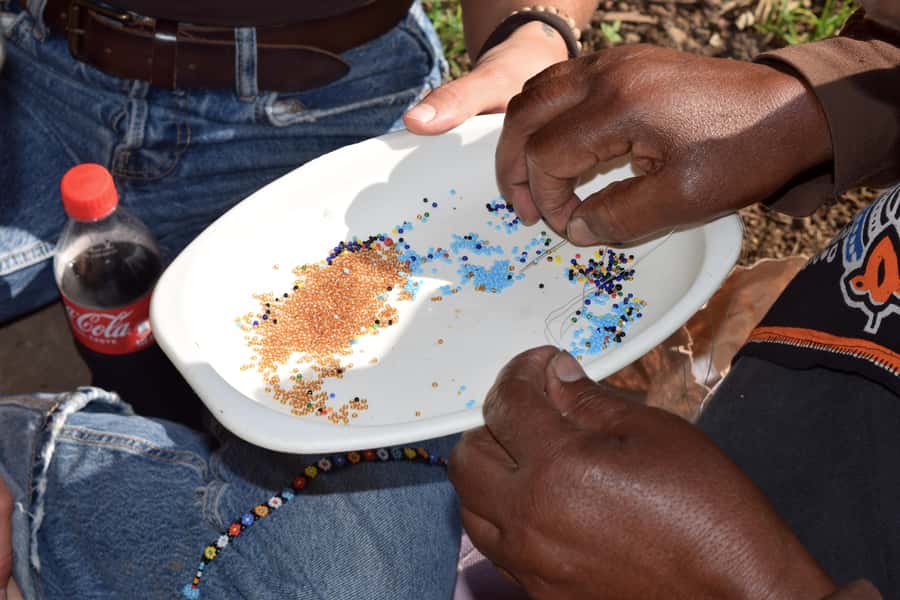
This is a hands-on beading lesson, so expect your time to be spent with materials in your hands. You start by learning the basics of Maasai-style beadwork as demonstrated and explained by the instructor. Then you apply what you learn step by step.
Even without a “watch first” approach, you still get structure. The class is built around you creating a specific item, not randomly stringing beads. That keeps the session moving and helps you end with something you are genuinely proud to wear.
What makes this kind of class worth your time is the transfer of skill. The goal is not only to finish a bracelet or necklace today, it is to take home a skill you can use later to make Maasai-inspired jewelry for years. If you have ever tried to copy a pattern after a trip and failed, you know why this matters. Learning the method in person usually saves you from guesswork later.
Since the instructor speaks both English and Swahili, you are not left trying to interpret gestures alone. If you like asking practical questions, this is the right setup, because the lesson is designed for you to make something, not just sit in a lecture.

Brunch option at a local home, with dietary needs covered
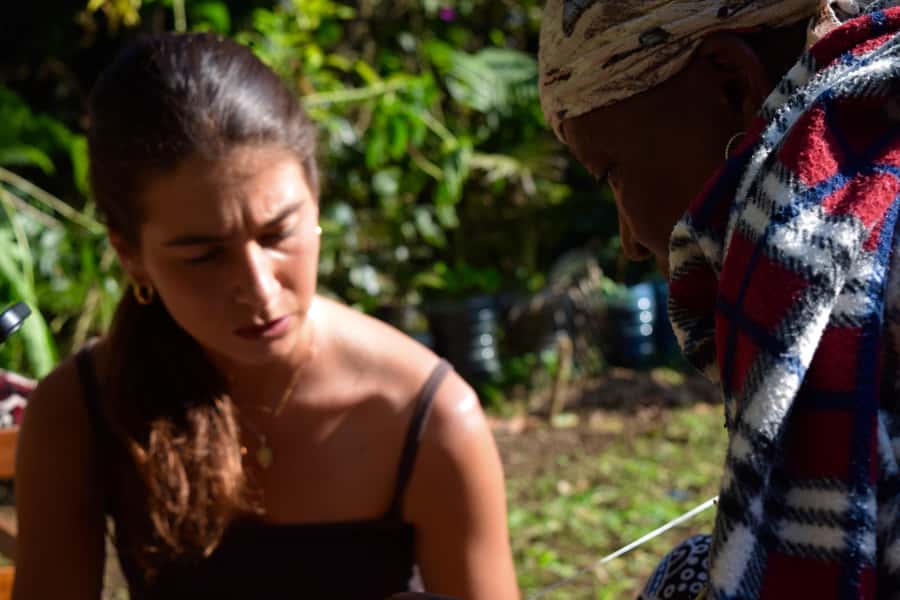
One of the smartest extras here is the optional homemade brunch. It turns a craft class into a fuller half-day experience, and it also helps you slow down. In many markets, you grab something quick and keep moving. Here, the food is part of the rhythm of being hosted.
The provider states that they cater to all dietary needs. That matters because food can be a real sticking point on cultural activities. If you have restrictions, you do not want to spend the meal period apologizing for what you cannot eat. With this option, you can focus on the company and the craft.
Brunch also gives you time to ask questions you might not think of during the beading itself. Questions like what bead choices mean, how people decide on patterns, or what customers usually prefer. Even if you only get short answers, you leave with context, not just a finished object.
Price and value: Is $20 for 4 to 5 hours worth it?
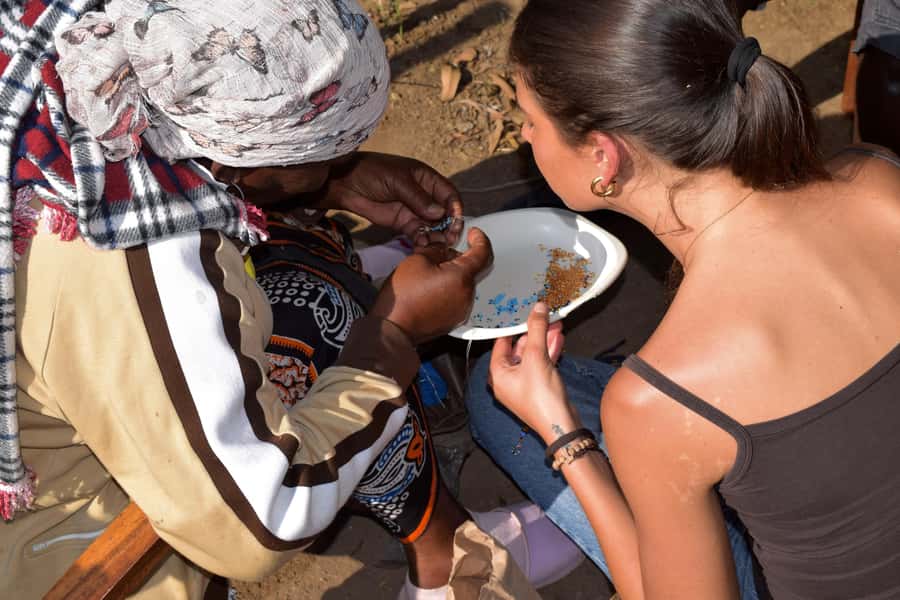
At $20 per person for a 4 to 5 hour lesson, the value is mainly in two places: direct instruction and a real finished item. You are paying for time with a local artisan, materials and guidance that result in jewelry you can take home.
Also, the total experience time is long enough to learn something meaningful. Short workshops can turn into a “try it once” activity. A 4 to 5 hour class gives your hands time to understand the process, and it gives your brain time to catch up.
On top of that, the experience includes options that can reduce extra costs. Hotel pickup and drop-off are optional, so you can skip the hassle and likely spend less time arranging transport. Brunch is optional, so you are not forced into a meal you do not want.
If you like craft, this price feels reasonable because you are not just buying a product. You are buying an education that lets you repeat the style after your trip.
Getting there from your hotel, and why pickup can change the day
Transportation is listed as optional hotel pickup and drop-off. In practice, that can make a big difference in Arusha, because it lets you plan your day around the lesson itself rather than around transit times.
If you are short on energy or traveling with limited time, pickup is the easiest choice. You show up, you focus on the beadwork, then you get dropped back where you started.
If you enjoy moving around on your own, you can treat this as a destination visit and arrange transport separately. Either way, the key is to match your travel style to the schedule. A 4 to 5 hour activity can expand quickly if you underestimate how long it takes to get there and back without help.
Group feel and how to make the most of the session
This is a cultural class in a local home. That means the mood is usually relaxed and practical. You are sitting close to people, working on small details, and paying attention to the instructor’s hands and explanations.
To get more out of it, I’d come with a clear idea of what you want to wear after. Do you want something you will actually use often, like a bracelet or anklet? Or do you want a necklace that becomes your “trip souvenir” piece? Choosing your target item upfront helps you focus during the lesson.
I also think it helps to ask one or two simple questions early. People often wait until the end, when they are tired and time is tight. If you ask early, you are more likely to apply what you learn while your piece is still in progress.
Feedback also suggests the guide can keep things friendly and fun. Nele specifically mentioned David adding entertainment, and Alia said the guide took good care of them and they had lots of fun. That matters, because a craft class is easier when you feel comfortable.
Who this is best for, and who might want a different Arusha plan
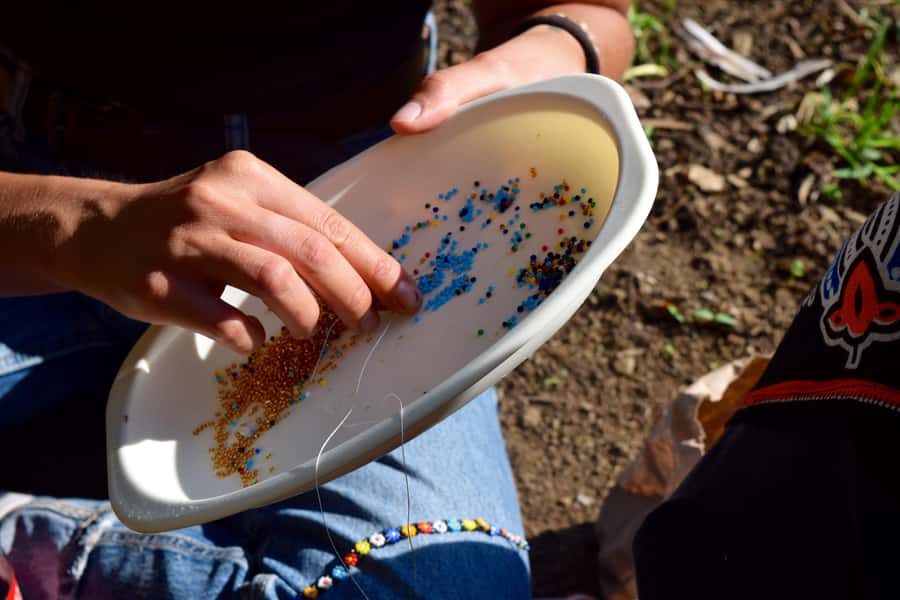
This experience is ideal if you want a hands-on cultural activity that ends with a tangible result. If you like crafts, jewelry making, and learning small skills you can reuse, you will probably enjoy the format.
It is also a good pick for people who want more than a quick photo stop. The home setting at Mama Aziz Homestay pushes you into a deeper interaction than most short market visits.
If you are traveling with someone who thinks museums are boring but loves making things, this class is a strong middle ground. It gives you both the cultural angle and a practical takeaway.
The main mismatch is for travelers who only want sightseeing. If your top priority is seeing famous landmarks and you do not care about crafts, you might find the time heavy. Also, because it runs 4 to 5 hours, it is not ideal if you need a very short activity today.
Wheelchair accessibility is listed, so if mobility needs are part of your planning, this option is designed with access in mind.
Simple booking and timing notes to keep things stress-free
The duration is 4 to 5 hours, and starting times depend on availability. If you have a packed Arusha schedule, check your time window first, then book the slot that fits.
You also have options that keep flexibility high. There is free cancellation up to 24 hours in advance for a full refund. There is also a reserve now and pay later option, which can help if you are still shaping the rest of your itinerary.
If your goal is to take home a piece of jewelry you truly like, do not leave the planning until the last minute. Slots depend on availability, and this type of hands-on class tends to fill.
Should you book this Maasai beaded jewelry lesson in Arusha?
I’d book it if you want a real skill, not just a purchase. For $20, you get a half-day of guided craft, a finished bracelet, necklace, or anklet, and the chance to add homemade brunch if you want to slow down.
Choose it if you like learning from locals in a home setting, and if you enjoy making something with your hands. It is also a smart cultural experience when you need a break from constant movement, because it has built-in focus.
Skip it if you only want quick sightseeing and you are not interested in craft. Also, plan your day so you can give the full 4 to 5 hours the attention it deserves.
FAQ
How long is the Maasai-style beaded jewelry lesson in Arusha?
The lesson runs for 4 to 5 hours. Starting times depend on availability.
What can I make during the class?
You can create a bracelet, necklace, anklet, or a custom design, depending on what you choose.
Where does the class take place?
The experience takes place at Mama Aziz Homestay in Sanawari in the Arusha area.
Is hotel pickup included?
Transportation is optional. Hotel pick-up and drop-off are offered for a stress-free visit, but they are not automatically included in the base plan.
Is brunch included?
Brunch is optional. The provider says they offer homemade brunch and cater to all dietary needs.
What is the price per person?
The price is $20 per person.
What language will the instructor speak?
The instructor speaks English and Swahili.
Is the experience wheelchair accessible?
Yes, the activity is listed as wheelchair accessible.
What is the cancellation policy?
You can cancel up to 24 hours in advance for a full refund.
Time With Maasai Hosts
- 5 Days Camping Tarangire, Serengeti & Ngorongoro crater & Visiting Maasai
★ 5.0 · 229 reviews - Maasai village visit, Materuni waterfalls & coffee experience
★ 4.5 · 95 reviews - Hidden Arusha Waterfall, Coffee & Village Tour (All-Inclusive)
★ 5.0 · 42 reviews - Kilimanjaro: Maasai Village Visit, Waterfalls, & Coffee Tour
★ 4.9 · 27 reviews - 4 Days Wildlife Safari and Cultural Experience in Tanzania
★ 5.0 · 23 reviews
Just added from around Arusha
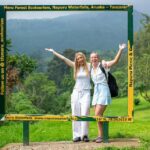

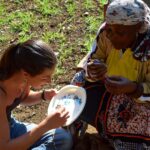



Maasai Village and Cultural Experiences, compared.
 ★ 5.05 Days Camping Tarangire, Serengeti & Ngorongoro crater & Visiting MaasaiFrom $1,254229 reviews
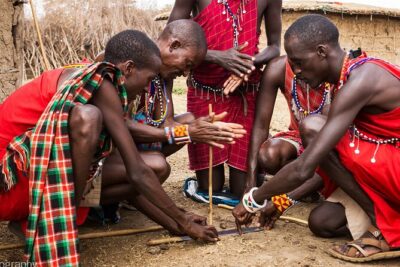 ★ 4.5Maasai village visit, Materuni waterfalls & coffee experienceFrom $15495 reviews
★ 5.05 Days Camping Tarangire, Serengeti & Ngorongoro crater & Visiting MaasaiFrom $1,28058 reviews
★ 4.5Maasai village visit, Materuni waterfalls & coffee experienceFrom $15495 reviews
★ 5.05 Days Camping Tarangire, Serengeti & Ngorongoro crater & Visiting MaasaiFrom $1,28058 reviews
 ★ 5.0Hidden Arusha Waterfall, Coffee & Village Tour (All-Inclusive)From $4042 reviews
 ★ 4.7Massai village & Baraka turtules aquariumFrom $5742 reviews
 ★ 5.0Maasai village visit and Chemka hot-springs with hot lunch.From $12233 reviews
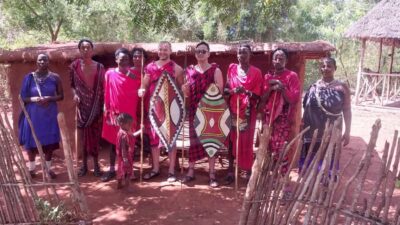 ★ 4.3Zanzibar: Maasai village Tour with Sunset Dhow CruiseFrom $5232 reviews
 ★ 4.9Kilimanjaro: Maasai Village Visit, Waterfalls, & Coffee TourFrom $18527 reviews
Browse the lists this tour appears in