
REVIEW · SERENGETI NATIONAL PARK SAFARIS
5 Days Camping Tarangire, Serengeti & Ngorongoro crater & Visiting Maasai
Baobabs, plains, and a crater view at dawn. This 5-day route strings together Tarangire, Serengeti, and Ngorongoro Crater with sunrise and sunset drives, plus time at Mto wa Mbu and a Maasai visit. You travel in a small group (max 6) with private transportation, and the pacing gives you real “wildlife window” time each day.
Two things I really like here. First, the schedule is built around prime light, including sunrise in Serengeti and a rising-sun crater edge moment before you head down. Second, the operation seems to lean on a solid on-the-ground crew, with repeated praise for guides such as Jacob and Mohammed, and chefs like Dula and Gideon (food is part of the experience, not an afterthought).
One consideration: this is camping. That can mean simple facilities and long game-drive days, so pack for rougher comfort than a hotel vacation. A small but practical tip that keeps coming up, bring toilet paper for the campsite.
In This Review
- Quick hits you should know before you go
- From Kilimanjaro area pickup to your first big wildlife day
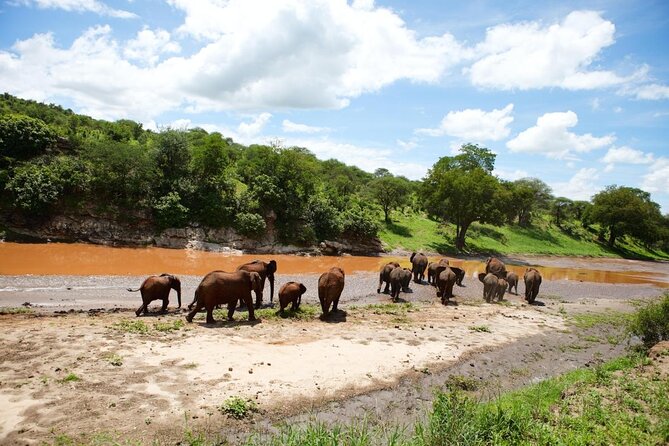
- Tarangire National Park: elephants, baobabs, and a river that gathers life
- Two Serengeti days: Seronera water, sunset drives, and migration odds
- Ngorongoro crater day: sunrise on the rim, then the big descent
- Mto wa Mbu: the social side, plus banana variety you can actually spot
- Who runs the show: small group, private transport, and meals that keep you moving
- Camp nights and comfort tradeoffs: what you’re really signing up for
- Price and value at $1,280 per person: what’s included, what’s on you
- How to pack and how to play the game-drive game
- Should you book this 5-day Tarangire, Serengeti, Ngorongoro camping safari?
- FAQ
- What parks and activities are included in this safari?
- Where does the safari start, and what time is the pickup?
- How many people are in the group?
- Are meals included?
- Is drinking water provided?
- Is Wi-Fi available during the safari?
- Does this safari include sunrise or sunset game drives?
- When is the best time for the wildebeest migration on this route?
- What is not included in the price?
- What is the cancellation policy?
Quick hits you should know before you go
- Sunrise planning built in: early morning drives are timed for Serengeti and the Ngorongoro crater edge.
- Three ecosystems, one trip: Tarangire’s baobabs and river action, Serengeti plains, then the crater’s dense wildlife.
- Small group size: max 6 people, plus private transport, which usually means fewer delays and more focused guiding.
- On-the-spot comfort extras: unlimited drinking water and free Wi-Fi inside the safari jeep.
- Village visit that adds texture: Mto wa Mbu with banana plantations growing over 30 banana species, led by a local guide.
- Maasai visit included: the tour summary includes it, though the exact timing is not spelled out in the day-by-day outline you provided.
More of the Serengeti, drive by drive
- Safari Serengeti And Ngorongoro★ 5.0 · 288 reviews
- 5 Days Camping Tarangire, Serengeti & Ngorongoro crater & Visiting Maasai★ 5.0 · 58 reviews
- 4 Days Group Joining Camping Safari to Tarangire Serengeti Ngorongoro Crater★ 5.0 · 50 reviews
- 4 Day Private Tour Throughout Tarangire, Serengeti and Ngorongoro★ 5.0 · 42 reviews
From Kilimanjaro area pickup to your first big wildlife day
This safari starts with pickup in the Kilimanjaro area. The meeting point lists Kilimanjaro Airport with a 7:30 am start, and the day-one outline also mentions an Arusha hotel pickup around 8:00 am. Either way, you’re moving early, which matters because wildlife viewing is mostly a timing game.
Day 1 is all about getting into the right mindset fast, then transitioning into the bush. You drive about 3 hours from Arusha to Tarangire (roughly 115 km), and you’ll have a full game drive inside Tarangire after arrival. That early jump is one of the big values of this trip, because you’re not wasting the first day on transfers and waiting.
Also note the safety and support elements that are included. AMREF Flying Doctors emergency rescue is listed as part of the package, which is the kind of detail I like to see in a safari deal. You’re not paying extra for the “what if” safety net.
Tarangire National Park: elephants, baobabs, and a river that gathers life
Tarangire National Park is one of Tanzania’s best places for that “bush portrait” feeling, because it combines wildlife with striking natural features. The park covers about 2,800 square km, and it’s named after the Tarangire River, where animals come to drink.
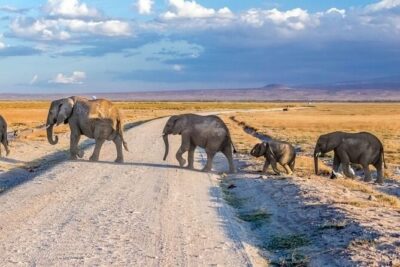
Here’s what you should expect from a full day in Tarangire. You’ll be looking for elephants as a major draw, plus lions and leopards among other animals. The park is also known for pythons and for climbing species that hint at the more active, high-energy side of savanna life. And then there are the baobabs, including the famous baobab called the Tree of Life.
The tour info gives some vivid baobab facts that help you “see” the park instead of just passing through it. A baobab trunk can store a huge amount of water, listed here as roughly 300 litres up to 1,000 litres. Lifespan gets described as up to around 300 to 600 years, which makes the trees feel less like scenery and more like ancient infrastructure for the whole ecosystem.
Timing-wise, you’ll be in the park for a full game drive. That gives you flexibility to chase animal movement rather than being locked to one short loop. Then you’ll head to Jambo Lodge for dinner and overnight on the first night, so you start getting into a rhythm: drive, spot, break, sleep, repeat.
Two Serengeti days: Seronera water, sunset drives, and migration odds
Serengeti is where this safari earns its reputation, because you get more than one day on the plains. After breakfast on Day 2, you head toward Serengeti via Karatu and the Ngorongoro Conservation Area, descending from the highlands into the heart of the park.
Day 2 is centered around the Seronera area. This is one of the richest wildlife habitats in the Serengeti system, largely because of the Seronera River as a reliable water source. That one detail changes your odds. When water is steady, wildlife concentrates, and your guide can spend more time on sightings and less time guessing.
You arrive in time for lunch, then enjoy an afternoon game drive in the Serengeti National Park until sunset. That sunset piece matters. It’s not just for photos. Early evening is often when behavior shifts, animals move between grazing and watering, and predators become more active.
Day 3 is the early-start day, built for your best chance at the Great migration. Wake up early, enjoy breakfast, then you’re out on a full day game drive. The key point in the tour notes is migration timing: the best chance is during June through September, with wildebeest calving described as January through March. For July through September, the route notes focusing on northern Serengeti with a chance to see the migration crossing the Mara River.
Even if migration timing isn’t perfect for your exact dates, the logic of driving where water and movement intersect still helps you. Serengeti’s migration is not only about wildebeest. The tour also points out zebra and smaller groups such as Grant’s gazelle and Thomson’s gazelle, along with eland and impala. So, you’re not betting the whole safari on one crossing.
Another reason I like this two-day Serengeti structure: it gives you both an afternoon rhythm and a morning-to-evening grind. One day teaches you where the animals cluster. The second day gives you a better read on where to go next.
Other ways down into the Ngorongoro Crater
Ngorongoro crater day: sunrise on the rim, then the big descent
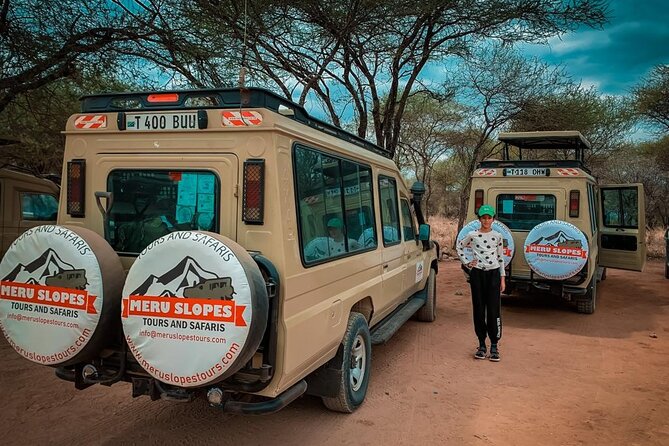
Ngorongoro is the part of the safari that feels like stepping into a completely different world. You’ll wake up at about 5:45 for an early breakfast, see sunrise inside Serengeti, then finish the early morning drive by around 11:30 before heading toward the crater area. You’ll have hot lunch, pack up, and then continue with game drive time while moving to Simba campsite for dinner and overnight.
That transfer day can sound like logistics, but it actually helps you. You’re not sitting around waiting to “start” Ngorongoro. You’re still driving and scanning for wildlife along the way, and then you settle into camp near the crater so you’re not starting fresh the next morning.
On Day 5, the crater is the main event. Early risers are rewarded with views of the rising sun over the crater’s edge. After breakfast, you drive down into the crater on the adventurous track. The crater is described as a UNESCO world heritage site and formed millions of years ago from a massive volcanic explosion. You’ll also see the numbers that make Ngorongoro feel almost unreal on paper: it’s listed as about 610 m deep and roughly 260 square km in area.
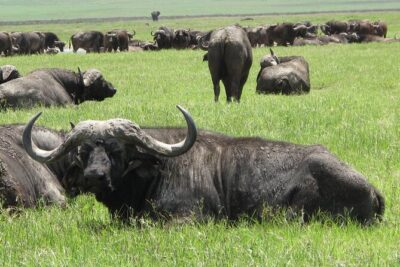
The big reason Ngorongoro is so often top of people’s lists is animal density. The tour notes mention an animal population of approximately 25,000 and state that the crater offers some of the best game viewing in Tanzania. It also mentions seeing wildebeest, zebras, gazelles, elephants, and over 500 bird species. Even when you don’t catch every species on your wish list, density usually means you’ll see something interesting in nearly every viewing stretch.
One practical takeaway: a crater day is visually intense. You’ll want to move your body between viewpoints. Don’t just sit and stare at one spot, because the best action can pop up around the next bend. A good guide keeps you in the right driving loops and helps you prioritize what you’re looking at.
Mto wa Mbu: the social side, plus banana variety you can actually spot
After Ngorongoro, you’re not done with the human side of the trip. The final portion of Day 5 includes Mto wa Mbu village.
You’ll be welcomed by a local guide, and the tour notes highlight that these guides are focused on the social and economic side of community life. That’s a key difference from a quick photo stop. You’re more likely to understand how farming supports livelihoods, and how daily work connects to the surrounding landscape.
The activity focus here includes banana plantations, with over 30 species of bananas being grown by the community. That’s an easy win for curious travelers because you can compare types and talk through what people cultivate. If you like cultural visits that feel hands-on, this stop is one of the most practical add-ons on the itinerary.
Then you drive back to Arusha for an overnight. It’s a nice way to transition out of the bush without feeling rushed.
Who runs the show: small group, private transport, and meals that keep you moving
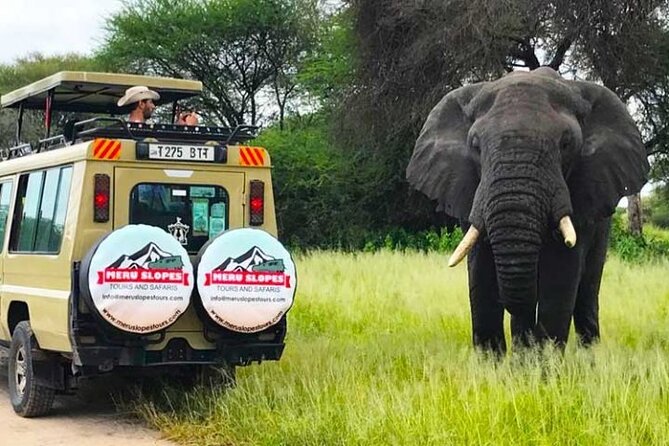
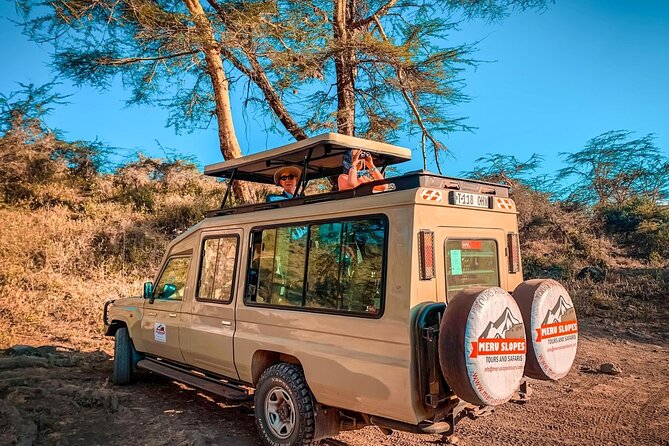
This is a private-transport safari designed for a maximum of 6 travelers. That small group size often means less waiting and more time spent in the actual parks. You’re not stuck in a huge convoy, and your guide can fine-tune plans as sightings come and go.
The included logistics also help. The package includes all fees and taxes, private transportation, unlimited drinking water, and free Wi-Fi inside the safari jeep during the tour. Wi-Fi won’t replace offline game-viewing, but it can help you upload photos, check messages, and keep your planning organized.
Food is included too. The package lists lunch for 5 times, dinner for 5 times, and breakfast for 4 mornings. In real life, that usually means you’ll be well-fed during drive days, but you may not have breakfast on the first morning depending on your start. I’d plan to eat first on your day of pickup if breakfast isn’t guaranteed before the safari begins.
Crew-wise, feedback you provided points to strong support from guides and chefs. Names that came up include Asanteali, Jacob, Lobulu, Saleh, Mohammed, Patrick, Douglas, and chef Dula, along with chef Gideon. The point for you is that this isn’t a bare-bones “driver only” operation. A good chef and a steady guide reduce stress, and stress matters on long days.
One more practical note from the kind of advice that actually helps on safari: bring toilet paper for the campsite. It’s the kind of small item that can save your comfort and your mood at the end of a long wildlife day.
Camp nights and comfort tradeoffs: what you’re really signing up for
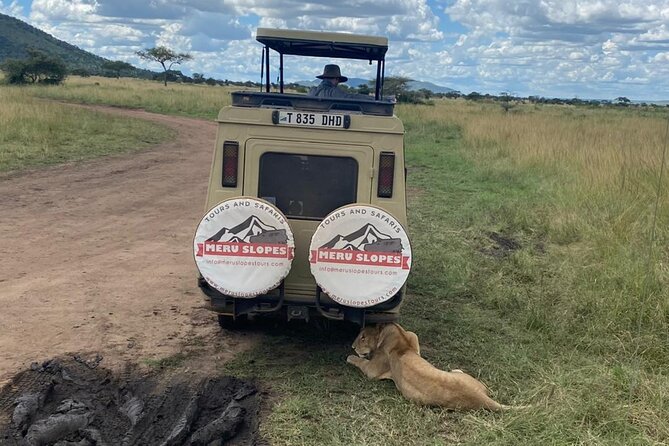
Since this is described as a camping safari, comfort will be simpler than a lodge-based holiday. You do get a night at Jambo Lodge on Day 1 and then camping around the crater area (Simba campsite is mentioned for dinner and overnight after heading toward Ngorongoro). So you’re not entirely living outdoors every night, but you should still expect the “camp” version of life on safari.
What does that mean for you? Plan for basic facilities, packing for fluctuating temperatures, and accepting that you’ll spend a lot of time on the road and in parks. Long drives can be tiring, so build rest into your mindset. If you’re the type who needs perfect comfort to enjoy yourself, this might feel like a mismatch. If you’re excited by the experience of being fully in the bush, camping fits the story.
The upside of camping is that it can make the whole trip feel more grounded. You’re closer to the rhythm of the region, and your day starts and ends with the safari schedule rather than your hotel schedule.
Price and value at $1,280 per person: what’s included, what’s on you
At $1,280 per person, this safari sits in the “serious trip” category, so value matters. The good news is that the inclusions are meaningful: all fees and taxes, private transportation, meals (lunch, dinner, and breakfast as listed), unlimited drinking water, free Wi-Fi inside the jeep, and AMREF Flying Doctors emergency rescue.
Also included is your game-viewing time across Tarangire, Serengeti, and Ngorongoro, plus the Mto wa Mbu village stop and a Maasai visit. You’re not paying extra each time you move between parks, and that kind of bundling is often the difference between a smooth safari and a budget headache.
What is not included: tips, flights, and visa. That’s standard, but it still affects your total budget. I suggest you plan your tip amount and keep some cash or card access ready for that portion of the trip.
Overall, the value angle here is that you’re getting multiple top Tanzania wildlife regions in five days, with sunrise and sunset timing built into the experience, plus a small group size. If you want an efficient circuit without sacrificing prime viewing windows, this package makes sense.
How to pack and how to play the game-drive game
You’ll get more out of this safari if you plan like a “wildlife viewer,” not like a city tourist with a checklist. A few practical ideas based on what this route demands:
- Dress in layers. Mornings are early, and you’ll be out for long drives.
- Bring a hat, sunglasses, and sunscreen. The parks are bright, and the time window includes sunrise viewing.
- Carry a power bank. You’ll take a lot of photos and use your phone during drives, even with free Wi-Fi in the jeep.
- Pack a small roll of toilet paper for campsite use. One tip you should trust.
- Bring comfortable shoes with decent traction. You may step out quickly for views, and you’ll be on uneven ground.
Most importantly, be ready to adjust your expectations day to day. Even with good timing, wildlife behaves on its own schedule. The best safaris are the ones where you focus on patterns, like where animals drink and where predators hunt, and you let your guide guide.
Should you book this 5-day Tarangire, Serengeti, Ngorongoro camping safari?
If you want one trip that covers three iconic Tanzania wildlife areas, I’d say this is a strong contender. The sunrise and sunset planning in Serengeti and Ngorongoro, the emphasis on Seronera for wildlife concentration, and the crater’s dense animal viewing all point to a route designed for real sightings rather than just passing through.
Book it if you’re comfortable with camping and long drive days, and if you want a small-group experience (max 6) with private transport. You’ll also like it if you care about the human side, since Mto wa Mbu and a Maasai visit are included.
Skip or reconsider if you need hotel-level comfort every night, or if you get cranky when schedules start early. Camping can be a make-or-break factor.
If you’re still deciding, match your travel dates to the migration notes in the itinerary: June through September is listed as the best chance, and July through September is the window tied to northern Serengeti and Mara River crossings. That doesn’t guarantee anything, but it does improve your odds.
FAQ
What parks and activities are included in this safari?
The safari includes Tarangire National Park, two days in Serengeti National Park, and a day tour in Ngorongoro crater area. It also includes a visit to Mto wa Mbu village and a Maasai visit.
Where does the safari start, and what time is the pickup?
The meeting point is listed as Kilimanjaro Airport with a 7:30 am start time. The day-one outline also mentions pickup from an Arusha hotel at 8:00 am.
How many people are in the group?
The tour has a maximum of 6 travelers.
Are meals included?
Yes. Lunch is included 5 times, dinner is included 5 times, and breakfast is included 4 times.
Is drinking water provided?
Unlimited drinking water is included, and it is part of the safari provisions.
Is Wi-Fi available during the safari?
Yes. Free Wi-Fi inside the safari jeep is included during the tour.
Does this safari include sunrise or sunset game drives?
Yes. Sunrise and sunset are mentioned for Serengeti, and sunrise at the Ngorongoro crater edge is also described.
When is the best time for the wildebeest migration on this route?
The tour notes say the best chance is during June up to September, and for July up to September there is a focus on northern Serengeti for Mara River crossings. Calving is described as January to March.
What is not included in the price?
Tips, flights, and visa are not included.
What is the cancellation policy?
Free cancellation is offered. You can cancel up to 24 hours in advance of the experience start time for a full refund.
Tarangire and Its Baobabs
- 4 Days Group Joining Camping Safari to Tarangire Serengeti Ngorongoro Crater
★ 5.0 · 50 reviews - 3-Day Ngorongoro Crater Manyara and Tarangire Safari from Arusha
★ 5.0 · 49 reviews - 4 Day Private Tour Throughout Tarangire, Serengeti and Ngorongoro
★ 5.0 · 42 reviews - 7 Days Safari. Serengeti, Tarangire, Lake Manyara & Ngorongoro Crater.
★ 5.0 · 34 reviews - 5-Day Lake Manyara, Serengeti, Ngorongoro Crater and Tarangire
★ 5.0 · 28 reviews
Still Thinking About the Crater?
- Safari Serengeti And Ngorongoro
★ 5.0 · 288 reviews - 4 Days Group Joining Camping Safari to Tarangire Serengeti Ngorongoro Crater
★ 5.0 · 50 reviews - 3-Day Ngorongoro Crater Manyara and Tarangire Safari from Arusha
★ 5.0 · 49 reviews - 4 Day Private Tour Throughout Tarangire, Serengeti and Ngorongoro
★ 5.0 · 42 reviews - 7 Days Safari. Serengeti, Tarangire, Lake Manyara & Ngorongoro Crater.
★ 5.0 · 34 reviews
The Serengeti, Three More Ways
- Safari Serengeti And Ngorongoro
★ 5.0 · 288 reviews - 4 Days Group Joining Camping Safari to Tarangire Serengeti Ngorongoro Crater
★ 5.0 · 50 reviews - 4 Day Private Tour Throughout Tarangire, Serengeti and Ngorongoro
★ 5.0 · 42 reviews - 7 Days Safari. Serengeti, Tarangire, Lake Manyara & Ngorongoro Crater.
★ 5.0 · 34 reviews - Safari in Tanzania 5 days: Manyara, Ngorongoro, Serengeti
★ 5.0 · 29 reviews
Just added from around Moshi
Serengeti National Park Safaris, compared.
 ★ 5.0Serengeti Balloon Safari and authentic bush breakfastFrom $5502,480 reviews
 ★ 5.0Balloon Safari & Bush Breakfast in Serengeti – Miracle ExperienceFrom $5991,646 reviews
 ★ 5.03 Days Serengeti & Ngorongoro Group Camping SafariFrom $815574 reviews
 ★ 5.05-Day Highlights mid-Range Crater, Serengeti, TarangireFrom $2,327296 reviews
 ★ 5.0Safari Serengeti And NgorongoroFrom $2,845288 reviews
 ★ 5.03-Day Classic Serengeti SafariFrom $1,455263 reviews
 ★ 5.0Private 6-Day Tarangire Manyara Crater and Serengeti with Mid-Range LodgesFrom $2,685238 reviews
 ★ 5.05 Days Camping Tarangire, Serengeti & Ngorongoro crater & Visiting MaasaiFrom $1,254229 reviews