
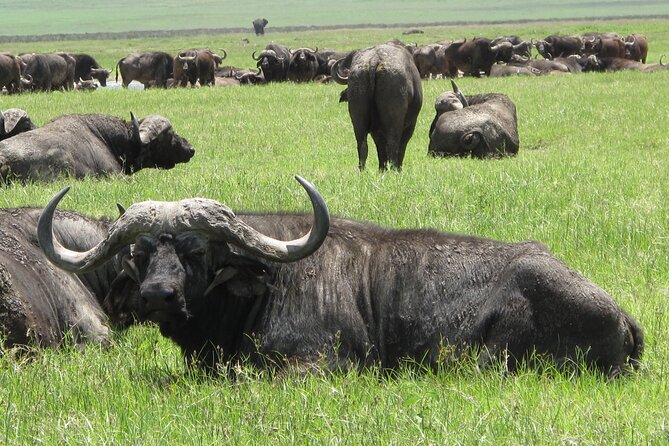
REVIEW · SERENGETI NATIONAL PARK SAFARIS
5-Day Lake Manyara, Serengeti, Ngorongoro Crater and Tarangire
Five days, four wildlife hotspots. What makes this trip so tempting is the mix of habitats, forests, plains, and crater floor wildlife, all paced with full-day game drives and real time in each park. I like that you’re not stuck guessing logistics either, the safari runs with a 4×4 Land Cruiser and an experienced driver guide doing the heavy lifting.
Two things I especially like: the chance to spot classic Serengeti action around Seronera and the crater-style concentration at Ngorongoro, where animals gather around watering holes. One possible drawback is that the days are long, and Ngorongoro involves a steep descent and a steep climb after the hippo pool picnic, so build in stamina for a full day outdoors.
In This Review
- Key things that make this safari a smart value
- Why this 5-day safari works out of Arusha
- Lake Manyara: acacia forests, pink flamingos, and the tree-lion lottery
- Serengeti’s Seronera zone: plains that reward patience
- Ngorongoro Crater: the dramatic descent to watering-hole wildlife
- Tarangire National Park: baobabs, river corridors, and big elephant energy
- Price and logistics: what $1,250 actually buys you
- How to set yourself up for better wildlife days
- Should you book this 5-day Manyara, Serengeti, Ngorongoro, Tarangire safari?
Key things that make this safari a smart value
- Park fees and daily game drives are included for non-residents, so your main safari costs are already handled.
- Serengeti gets two shots, with an afternoon drive and a morning drive, which helps you catch more wildlife at different activity hours.
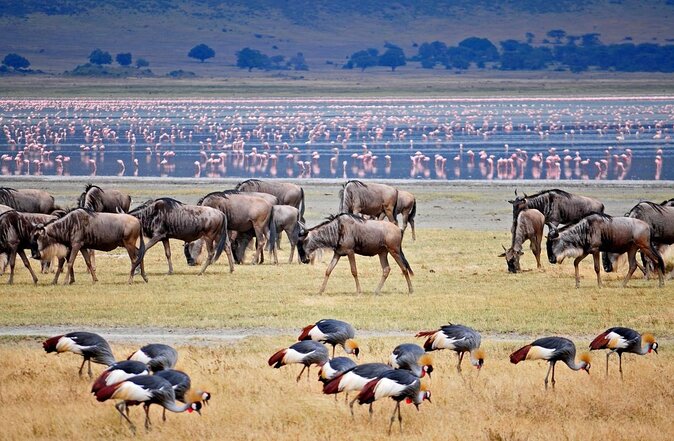
- Ngorongoro Crater concentrates the action on one dramatic floor, with watering holes pulling in a lot of animals.
- Lake Manyara offers variety, from monkeys and giraffes to the famous tree-climbing lions (spotting is hit-or-miss).
- Tarangire adds the baobab factor, plus big elephant herds tied to the Tarangire River.
- Small group size with a maximum of 14 travelers keeps the vibe more manageable.
More of the Serengeti, drive by drive
- Safari Serengeti And Ngorongoro★ 5.0 · 288 reviews
- 5 Days Camping Tarangire, Serengeti & Ngorongoro crater & Visiting Maasai★ 5.0 · 58 reviews
- 4 Days Group Joining Camping Safari to Tarangire Serengeti Ngorongoro Crater★ 5.0 · 50 reviews
- 4 Day Private Tour Throughout Tarangire, Serengeti and Ngorongoro★ 5.0 · 42 reviews
Why this 5-day safari works out of Arusha
This is the kind of route that helps you see the big Tanzania hits without spending your whole week in a single place. You start and end in Arusha, with morning departures and game drives that run long enough to actually matter. You’re in the parks daily, not just for quick photos and a rushed goodbye.
The vehicle and guiding setup is a big part of the value. You travel in a 4×4 Land Cruiser with a professional driver guide, and that matters because you are driving in very specific terrain and trying to position the vehicle for wildlife. This is not a sightseeing bus. It’s a search and sighting game, and good driving plus animal spotting skills are the whole point.
Price-wise, $1,250 per person can feel steep until you look at what’s wrapped in. The tour includes park fees (for non-residents), concession and camping fees, daily game drives, taxes and VAT, and meals during the safari days. Tips are not included, which is normal for safari style travel, but you at least know the big line items are covered.
The group size cap of 14 travelers also changes the feel. You usually get less crowding than you would on larger buses, and you can still hear guidance without constantly craning your neck.
If you want a short safari that hits multiple ecosystems, this route is built for you. If you want maximum downtime, this probably is not your plan. The days are full, and the schedule is designed around sightings, not naps.
Lake Manyara: acacia forests, pink flamingos, and the tree-lion lottery
Lake Manyara is where the safari starts to feel different. You move from morning pickup in Arusha into park country, and as you enter, the vegetation shifts into lush forest types, including acacia and mahogany. That matters because it changes what you notice. You’re not just scanning open plains. You’re also watching the edges, the trees, and the way animals use cover.
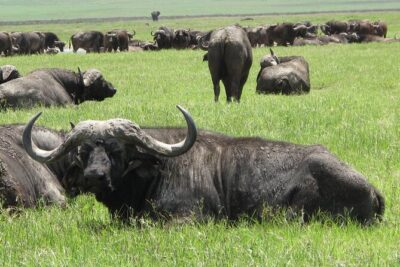
You get a full-day game drive with a picnic lunch. During the day, keep an eye out for buffalo, giraffes, impalas, baboons, and blue monkeys. These are the kinds of animals that help you read the park. You start to understand where animals move when the light changes, and you see how behavior differs between species that prefer open space versus those that hang around trees and shoreline.
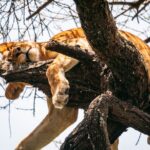
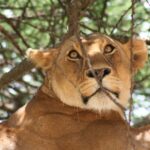
Then there’s the headline act: tree-climbing lions. The tour description is honest about it, spotting them is a game of luck. That’s exactly how it should be. If you go in expecting a guaranteed sighting, you’ll be disappointed. If you go in excited about a chance, it becomes part of the fun.
In the right season, the shoreline can turn pink as flamingos flock there. Even if you don’t see the full flamingo show, the idea of Lake Manyara is worth it. It’s a safari start that feels fresh and gives you variety right away, instead of repeating the same kind of drive three days in a row.
After the game drive, you head back to your camp or lodge for dinner. That rhythm, drive hard, eat well, rest, repeats across the trip and helps you keep your energy for early starts.
Serengeti’s Seronera zone: plains that reward patience
Serengeti is the star everyone knows, but what makes this setup smart is the focus on a specific area: the Seronera region. It’s described as one of the richest wildlife habitats, and the reason is simple. The Seronera River provides a water source that draws wildlife and supports many of Serengeti’s species.
You get two different drives here, which is a big deal. Day two includes an afternoon game drive, arriving in time for lunch first. Day three starts with a morning game drive before moving on later. That split helps because wildlife activity often shifts with the light and temperature. You’re not relying on one short window.
Expect the kind of Serengeti views that make you stop talking for a second. Rolling plains stretch out as far as you can see, and you spend time scanning for movement. That might sound basic, but it’s actually part of what you’re paying for. The best Serengeti moments often start with a small decision, like where the guide chooses to stop and wait.
This is also a good place for your guide to earn their keep. In the feedback for this operator, the guides are praised for spotting what others miss, including people who mention strong animal tracking instincts and the ability to find prime positions for views. Names that come up include Danny and Samuel, alongside the operator Solomon himself. Obviously, your exact guide depends on your departure, but the point is consistent: spotting is a core strength here.
So what’s the drawback? Nothing is guaranteed in Serengeti. You can still have a slow moment. But the payoff is that you’re in the right habitat at more than one time of day, so you’re stacking your odds.
Other ways down into the Ngorongoro Crater
Ngorongoro Crater: the dramatic descent to watering-hole wildlife
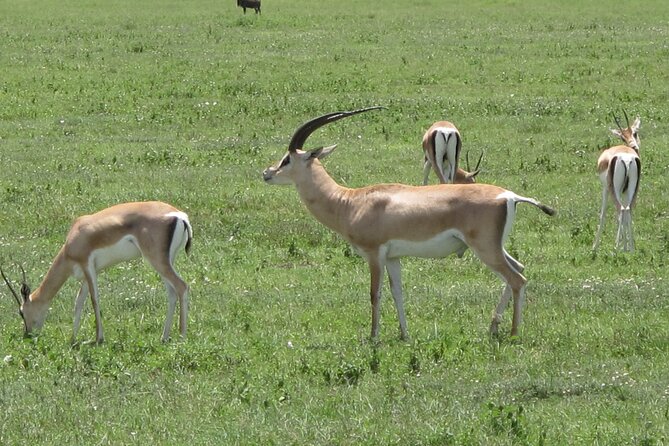
Ngorongoro Crater is the kind of place that feels almost unfair, in a good way. The description calls it the largest collapsed volcanic crater in the world, and the structure is the big story: a ring of extinct volcanoes around a floor that holds animals around watering holes.
The scale is also part of the drama: fourteen kilometers of isolated beauty, with an estimated 30,000 animals on the floor. That number gives you an idea of why it’s worth getting up early and why your time there is planned around visibility.
You spend time driving into the Ngorongoro Conservation Area and then reach the crater floor for a game drive after an early breakfast on day four. The drive time on the crater floor is about five hours, which is long enough to move past the first sightings and start watching patterns.
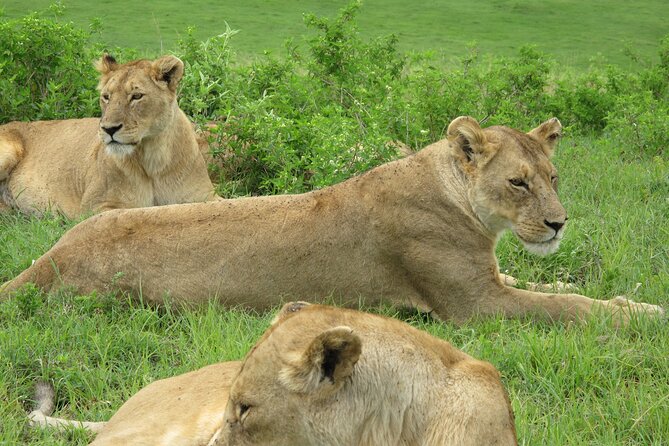
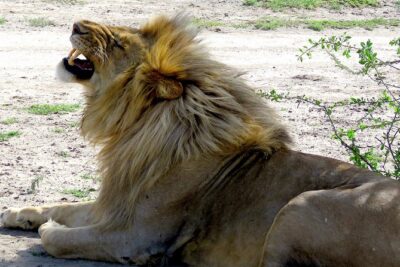
The list of expected wildlife includes lions, elephants, zebras, hippos, flamingos, jackals, and rhino antelopes, plus lots of birds. Birds are a major theme here. You might spot eagles and vultures, along with flamingos in the crater lake area, and you can also run into storks, bats, giant vultures, sacred ibis, kori bustard, and more.
Then there’s the hippo pool picnic lunch. It’s a pause in the middle of the action, and it also gives you a calmer moment to reset. After lunch, you begin the steep ascend to the top exit.
Practical consideration: the description is clear that the climb back is steep. If you have mobility issues or fatigue that comes on fast, make sure you’re honest about it when you book and ask how the pace will be handled. This isn’t a walk-on-the-level kind of day.
Done right, though, Ngorongoro is the “one place, many sightings” portion of the whole route. It’s compact, intense, and usually the day people talk about later.
Tarangire National Park: baobabs, river corridors, and big elephant energy

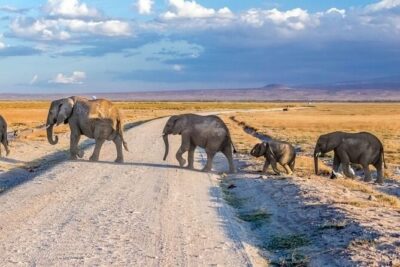
Tarangire is a strong closer because it shifts the visual mood again. The park is known for majestic baobab trees, those wide, sculptural trunks that make you feel like the animals are living in a different era. It’s also famous for the Tarangire River, which supports some of the largest elephant herds in Africa.
Your final day includes a half-day game drive. That’s shorter than the other parks on this route, but it makes sense because it’s also your return day to Arusha. You’re not just changing parks, you’re changing gears.
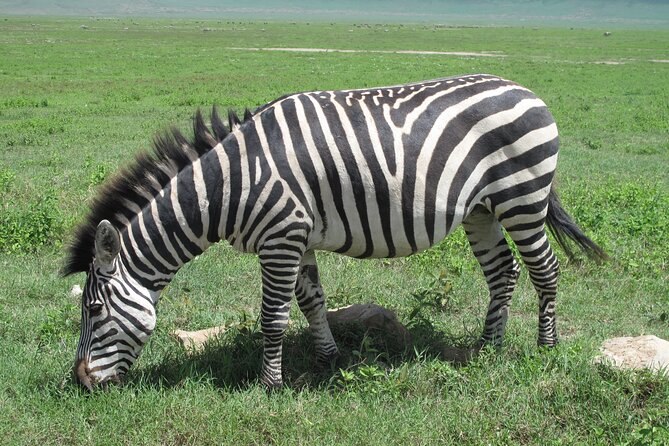
Wildlife possibilities include lion, leopard, cheetah, lesser kudu, buffalo, oryx, eland, giraffe, and zebra. Elephants are the headline, but Tarangire’s appeal is how the animals relate to the river corridor and the space under those baobabs.
Half-day safaris can feel like a gamble if you’re expecting everything. The winning strategy is to treat it like a focused hunt. Sit with the guide’s choices, scan patiently, and don’t assume the most dramatic animal will be the first animal you see.
One more useful note from the tour structure: this day is designed as a wrap-up. By the time you’re back in Arusha, you’ve done crater intensity and Serengeti variety already. Tarangire then feels like the satisfying finale, where the visuals and elephant herds give your camera a few clear “hero moments.”
Price and logistics: what $1,250 actually buys you
Let’s talk value in a real way. At $1,250 per person for this 5-day route, you’re paying for access, driving, guiding, and meals, not just sitting in a vehicle.
Included items are the big ones:
- Park fees for non-residents
- Concession and camping fees
- Daily game drives
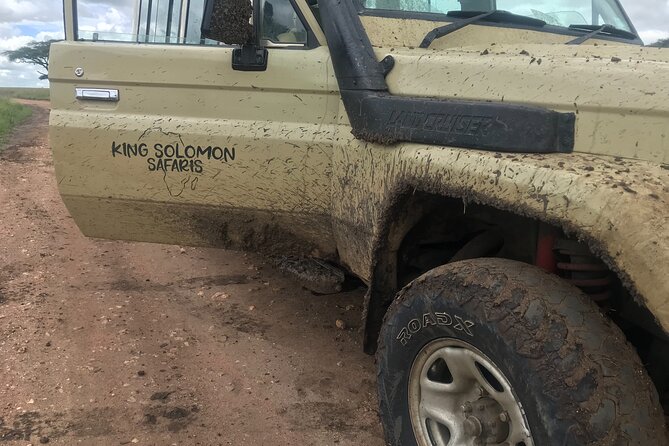
- A professional driver guide and a 4×4 Land Cruiser
- All taxes and VAT
- Meals: five lunches, four dinners, and four breakfasts (as listed)
Not included:
- Tips
That inclusion list matters because safari costs can get messy fast if fees are added later. Here, the structure is more predictable. Your main remaining budget items are personal spending and tips.
Group size matters too. With a maximum of 14 travelers, it’s small enough that you’re not lost in a crowd. You can also manage your comfort in the car better when the group stays reasonably sized.
The tour also mentions a mobile ticket, which tends to be easier for you than scrambling with paper confirmations. Confirmation is received at booking, and the meeting point is your Arusha hotel pickup.
Timing is part of the deal. Start is listed as 8:00 AM, and Lake Manyara day one pickup is described as 8:30 AM. Either way, expect mornings to start early because animals do not care about your bedtime.
If you’re planning from an international arrival, give yourself a buffer day in Arusha so you’re not exhausted from travel when your safari mornings begin.
How to set yourself up for better wildlife days
A safari is partly planning and partly luck. This route is designed to maximize chances, but you still have to work with the realities of wildlife. Two examples from the parks: tree-climbing lions at Lake Manyara are described as a luck-based sighting, and flamingos depend on the season and conditions along the shoreline.
So what should you do?
- Commit to the early starts. You’ll feel the difference when you’re driving while others are still sleeping.
- Stay flexible on what counts as a win. Sometimes your best sighting is not the headline animal, it’s the behavior. Watch how animals interact, move, and react to other species.
- Be patient with long days in the vehicle. The days include about 6 to 7 hours marked for travel and game driving, and you’ll be spending a lot of that time scanning through the open-top safari setup (or windows, depending on the vehicle rules you follow).
- Bring your own comfort habits. Water discipline, sunscreen, and a hat go a long way. Safari mornings can be bright even when the air feels cool.
Also, pay attention to guide quality. The strongest praise in the feedback you provided is consistent: guides are described as professional, helpful, and good at finding animals. Names that show up include Solomon (as the operator and sometimes guide), plus guides like Godson, Danny, and Samuel. When a guide can spot movement before you can, your whole experience changes.
Finally, match the route to your goals. If you want one trip that covers multiple parks, this route fits. If you want a slow, deep study of one ecosystem, you’ll probably feel rushed.
Should you book this 5-day Manyara, Serengeti, Ngorongoro, Tarangire safari?

If you want a high-impact safari with big variation in scenery and wildlife, I think this is a solid booking. You cover four major parks in about five days, you get Serengeti in two time blocks, and you end with Tarangire’s elephants and baobabs. The included park fees, daily game drives, taxes, VAT, and meals make the cost feel more honest than a lot of add-on-heavy packages.
Book it if:
- You’re visiting Tanzania for the first time and want the highlights in a single trip.
- You like being guided by someone who can find animals, not just someone who drives.
- You can handle long days and early mornings.
Consider passing or adjusting if:
- You want a more relaxed pace with fewer long drives.
- You have concerns about steep terrain at Ngorongoro, since the day includes a steep descent and a steep climb.
For most people who come to Tanzania to see wildlife, this route is a strong, practical way to do it. It’s not about fancy extras. It’s about time where the animals are, and having a guide who knows how to turn that time into sightings.
Tarangire and Its Baobabs
- 5 Days Camping Tarangire, Serengeti & Ngorongoro crater & Visiting Maasai
★ 5.0 · 58 reviews - 4 Days Group Joining Camping Safari to Tarangire Serengeti Ngorongoro Crater
★ 5.0 · 50 reviews - 3-Day Ngorongoro Crater Manyara and Tarangire Safari from Arusha
★ 5.0 · 49 reviews - 4 Day Private Tour Throughout Tarangire, Serengeti and Ngorongoro
★ 5.0 · 42 reviews - 7 Days Safari. Serengeti, Tarangire, Lake Manyara & Ngorongoro Crater.
★ 5.0 · 34 reviews
Still Thinking About the Crater?
- Safari Serengeti And Ngorongoro
★ 5.0 · 288 reviews - 5 Days Camping Tarangire, Serengeti & Ngorongoro crater & Visiting Maasai
★ 5.0 · 58 reviews - 4 Days Group Joining Camping Safari to Tarangire Serengeti Ngorongoro Crater
★ 5.0 · 50 reviews - 3-Day Ngorongoro Crater Manyara and Tarangire Safari from Arusha
★ 5.0 · 49 reviews - 4 Day Private Tour Throughout Tarangire, Serengeti and Ngorongoro
★ 5.0 · 42 reviews
The Serengeti, Three More Ways
- Safari Serengeti And Ngorongoro
★ 5.0 · 288 reviews - 5 Days Camping Tarangire, Serengeti & Ngorongoro crater & Visiting Maasai
★ 5.0 · 58 reviews - 4 Days Group Joining Camping Safari to Tarangire Serengeti Ngorongoro Crater
★ 5.0 · 50 reviews - 4 Day Private Tour Throughout Tarangire, Serengeti and Ngorongoro
★ 5.0 · 42 reviews - 7 Days Safari. Serengeti, Tarangire, Lake Manyara & Ngorongoro Crater.
★ 5.0 · 34 reviews
Just added from around Moshi
Serengeti National Park Safaris, compared.
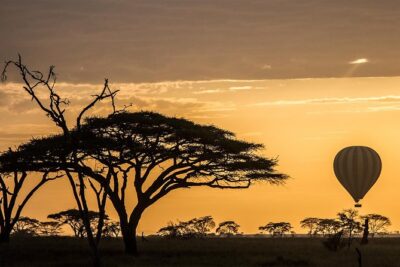 ★ 5.0Serengeti Balloon Safari and authentic bush breakfastFrom $5502,480 reviews
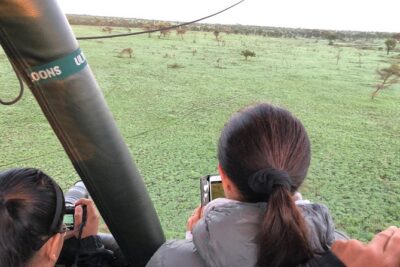 ★ 5.0Balloon Safari & Bush Breakfast in Serengeti – Miracle ExperienceFrom $5991,646 reviews
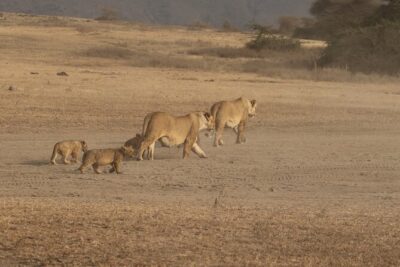 ★ 5.03 Days Serengeti & Ngorongoro Group Camping SafariFrom $815574 reviews
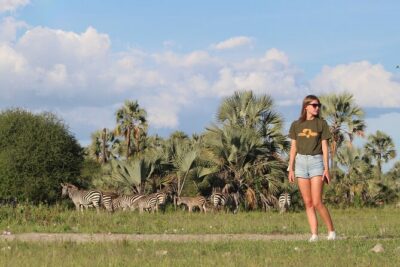 ★ 5.05-Day Highlights mid-Range Crater, Serengeti, TarangireFrom $2,327296 reviews
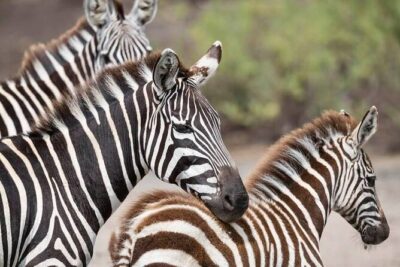 ★ 5.0Safari Serengeti And NgorongoroFrom $2,845288 reviews
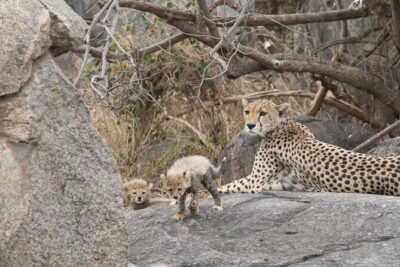 ★ 5.03-Day Classic Serengeti SafariFrom $1,455263 reviews
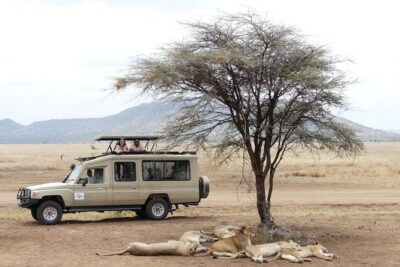 ★ 5.0Private 6-Day Tarangire Manyara Crater and Serengeti with Mid-Range LodgesFrom $2,685238 reviews
 ★ 5.05 Days Camping Tarangire, Serengeti & Ngorongoro crater & Visiting MaasaiFrom $1,254229 reviews
Browse the lists this tour appears in