
REVIEW · MAASAI VILLAGE AND CULTURAL EXPERIENCES
Street Food and Community Walking Tour
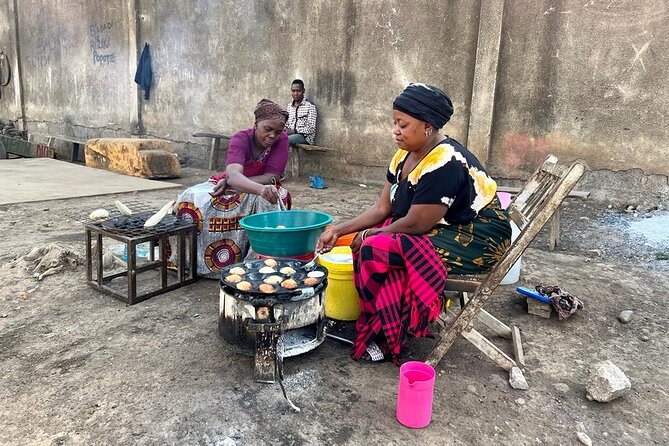
Eat, walk, and meet Arusha’s neighbors. This Sinoni street food and community walking tour is a low-key, 2 to 3 hour walk just south of Arusha city center, built around everyday life, small food tastings, and conversation with people who live there. It is also tied to a local NGO, so the experience carries a real-world purpose.
I especially like two things. First, the guides, including Jackson and Given, bring the neighborhood to life with clear, practical stories, and you can ask questions as you go. Second, the stops are not just food, they are the work behind the food, with street bites paired with glimpses of daily tasks like maize milling and urban farming along the route.
One thing to plan for: this tour requires good weather, and you will be walking streets for the full time. Also, since the tour is centered on local street vendors, if you have strict dietary needs, you should come ready to ask what is in each item before you commit to a bite.
In This Review
- Key things to know before you start
- Sinoni street food in Arusha: the point is community, not just snacks
- Price and value: what $25 buys you in real terms
- Where the tour starts and how it ends in Sinoni
- What your 2 to 3 hours feels like on the street
- Urban farming and maize milling: the work behind the food
- Recycling and carpentry stops: how materials shape daily life
- Mud houses and churches: seeing the setting behind the stories
- The guides, Jackson and Given, and why questions matter
- Included food tastings: sweet and salty, from different vendors
- Getting the most out of a small group walk
- Who should book this Sinoni tour and who should skip it
- Practical tips to make the walk easier
- Should you book this Sinoni Street Food and Community Walking Tour?
- FAQ
- How long is the Street Food and Community Walking Tour in Sinoni?
- How much does the tour cost?
- Where do I meet the tour and where does it end?
- What food is included on the tour?
- How many people are in a group?
- Is tipping included in the price?
- What happens if the weather is poor?
- Can I cancel for a full refund?
- Should you book this Sinoni Street Food and Community Walking Tour?
Key things to know before you start
- Your money supports Jamii imarika foundation, since 100% of tour profits go toward the organization’s work with education and basic needs for disadvantaged children, women, and youth.
- Small group size, up to 10 people, helps the walk feel personal and keeps questions moving instead of getting lost.
- Food tastings are included, including sweet and salty bites from different vendors.
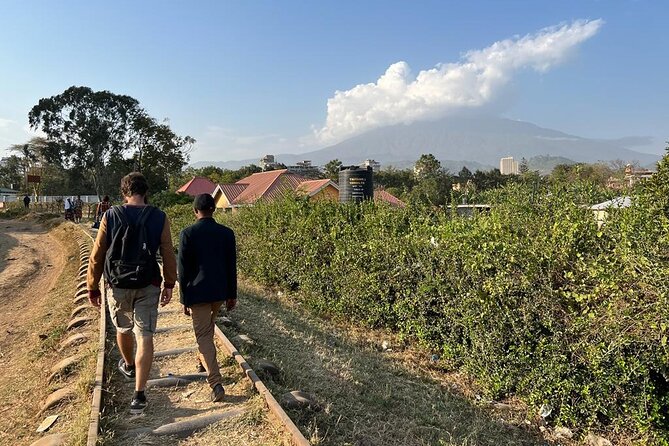
- You walk through real daily routines like urban farming, recycling, maize milling, carpentry, and mud houses.
- You get help getting back, since the tour ends in Sinoni and the guide helps you return toward your hotel.
More Zanzibari kitchens to sit in
- NGO Lifted Strong – Traditional Tanzanian Cooking Class★ 5.0 · 39 reviews
- Arusha: Traditional Tanzania Cooking Class & Food Market Tour★ 5.0 · 34 reviews
- Cooking and Sewing & Jewelry Workshops in Arusha★ 5.0 · 14 reviews
- Street Food and Community Walking Tour★ 5.0 · 12 reviews
Sinoni street food in Arusha: the point is community, not just snacks
If you want Arusha food without the theme-park feeling, this Sinoni walk is built for that. You trade a sit-down restaurant stop for a guided walk through the district’s day-to-day rhythms: where people work, where they gather, and where food is made and served. It is the kind of experience that makes you look at the city with new eyes, because you are moving with local context, not just chasing dishes.
And yes, you will eat. The tour includes multiple tastings from vendors along the route, so you get a mix of sweet and salty items rather than one big meal. The best part is how the guide connects what you taste to what you see, like the link between farming and milling, or the way materials and waste show up in daily life.
Price and value: what $25 buys you in real terms
At $25 per person, this tour is priced for access. You are not paying for a private car, an imported menu, or a fancy venue. Instead, you are paying for a guide from the community, walking time, and the food tastings that come with it.
The value gets stronger because this tour is run by the Jamii imarika foundation and 100% of profits are directed to the organization. That means your ticket is not just paying for logistics. It supports education and basic needs for disadvantaged children, empowers women, and supports youth education and related community goals. If you like tourism that has a visible connection to local priorities, this is the main reason to pick this one.
Where the tour starts and how it ends in Sinoni
You meet at Kajo Art Gallery, in the Masai market area on Tanesco road in Arusha. I like having a recognizable starting zone like this because it makes it easier to orient yourself when you arrive in the city. The end point is in Sinoni (JM7M+65W), and the tour finishes there with help getting you back toward your hotel.
Because it ends inside the neighborhood instead of returning you to the exact same street you started on, it helps to have a basic plan for how you will get back. Even though private transportation is not included, the guide’s assistance at the end reduces the awkward part that can happen after a walking tour.
Other visits hosted by Maasai communities

What your 2 to 3 hours feels like on the street
The duration is listed as 2 to 3 hours, approx. On a walk like this, that time matters. It is long enough to see multiple parts of community life, short enough that you do not feel trapped outside all afternoon. Also, since the group cap is 10 travelers, the pace stays conversational. You are not stuck in a long line waiting your turn.
You can also expect to have time for questions. The guide encourages engagement with local people and shares cultural information about Arusha and daily life. This is not a silent checklist tour. The best way to get value is to come with a few questions of your own, like how people balance farming work with daily responsibilities, or what a common day looks like in Sinoni.
Urban farming and maize milling: the work behind the food
One of the most interesting parts of this tour is that the route is built around everyday production, not only finished dishes. As you walk through Sinoni, you get insights into daily life and you hit stops that connect food to process.
Urban farming is one of the first themes. Even when you are in a city, people still grow and manage food. Seeing farming in a neighborhood setting helps you understand where ingredients come from, and it also explains why certain flavors and staples make sense in this region.
Then there is maize milling, which ties directly into how flour and meal are prepared. If you have ever eaten Tanzania staples without thinking about how they were made, this is where the light goes on. You see the steps and you get a better sense of why maize is so central to everyday meals.
The only drawback with process-focused stops is timing. If you are someone who wants the maximum number of tastings, there is a chance you will find the milling or farming segments a bit more educational than food-heavy. Still, for me, that is the value: you taste food with context.
Recycling and carpentry stops: how materials shape daily life
Another layer of the tour is how it shows practical work around you. Recycling is on the list of stops on the way, and it is more than a feel-good topic. It is connected to what people reuse, how they manage waste, and how resources move through a neighborhood.
You will also see carpentry. That is a subtle but powerful shift from tours that only highlight food. Carpentry means tools, repair, and making things for daily use. When the guide explains what you are seeing, it helps you understand that communities are not just places people live. They are also places where work creates stability.
If you photograph, bring patience. These are working areas and home-adjacent spaces. Keep your camera ready but do not treat everything like a photo set. Ask before you snap, and follow the guide’s cues.
Mud houses and churches: seeing the setting behind the stories
The tour includes stops that reflect home and community gathering. Mud houses are part of the route, which gives you a chance to see building styles and the practical thinking behind them. Even if you do not go inside every home, seeing how structures fit the environment helps you understand why certain choices are common.
The route also includes churches. This matters for understanding social life in Arusha, because religious sites often function as community anchors. When the guide shares cultural facts and everyday observations, your food tastings start to feel like part of a larger picture, not random bites.
A consideration here is comfort. Some stops may bring you close to uneven ground or areas with fewer clear walking paths. Wear shoes that handle dirt and uneven pavement. Also, keep water handy, because street walks can add up even in a short time.
The guides, Jackson and Given, and why questions matter
In the reviews, the strongest praise goes to the guides and how friendly and helpful they are. Names that come up clearly are Jackson and Given, and they are described as great at showing people around the neighborhood and sharing useful information.
That is more than a personality perk. It changes how you experience the walk. When a guide can translate daily life into stories you can actually use, the tour becomes memorable for the right reasons. You stop feeling like you are visiting a district and start feeling like you are learning how it works.
What I recommend: bring a curiosity list. Ask about what a normal day looks like, what foods are common and why, or how different kinds of work connect. The tour is designed so you can engage with local people, which is where respectful questions lead to the best answers.
Included food tastings: sweet and salty, from different vendors
The food side is clearly built around variety. You get sweet and salty food from different vendors, so you sample more than one flavor profile. The walk also includes opportunities to try traditional food in Tanzania, with the guide offering context along the way.
I like this approach because it reduces the risk of one item being a miss. If you are unsure what you might like, tasting across multiple vendors lets you find what clicks. It also helps you build a mental map of what street food can be here: different textures, different seasonings, and different ways food shows up in everyday life.
Tips and trick: when an item is offered, pause and ask what it is and what it contains if you have any allergies or avoid certain foods. The tour does not list a formal menu, so the best “safety move” is asking on the spot before you eat.
Getting the most out of a small group walk
With a maximum of 10 travelers, this tour is more manageable than big-group city walks. It means you can hear what the guide is saying, you can keep up without sprinting, and you have space for questions instead of shouting over the crowd.
It also means your choices affect the group. If you want to linger at a stop, do it in a way that does not hold everyone up. If you need a quick break, tell the guide. This is a street walk, so small adjustments keep it smooth.
If you are booking ahead, plan for it. This experience is on average booked 42 days in advance, which suggests it is popular and may fill up around your travel dates.
Who should book this Sinoni tour and who should skip it
I think this tour is a strong fit if you want:
- A community-led walking experience instead of a restaurant stop
- Street food tastings that come with cultural context
- A small group where you can ask questions
- A way to support local projects, since profits go to Jamii imarika foundation
You might want to skip or choose something else if:
- You have mobility limits that make uneven streets and walking difficult
- You have very strict dietary restrictions and are not comfortable asking ingredients during tastings
- You only want a food-focused tour and would rather avoid learning stops like milling and farming
Practical tips to make the walk easier
Since the tour is built around walking and street stops, a few practical choices make it better:
- Wear closed-toe shoes, the streets can be dusty or uneven
- Carry a bit of cash for small extras, even though food and taxes are included
- Bring a light layer, and plan around good weather, since the tour requires it
- Keep your phone charged and your questions ready, because the guide’s stories are part of the value
Also remember: tips are optional. The guide’s time is included, and if you feel the service was worth extra appreciation, tipping is your call.
Should you book this Sinoni Street Food and Community Walking Tour?
Yes, if you want an Arusha tour that connects street food to real community life, and you like the idea of supporting a local NGO with 100% of profits. The small group size, the guide experience, and the mix of food tastings with work and home-life stops make this more than a snack walk.
Skip it only if walking on streets is a problem for you, or if you need a fully predictable food menu with strict ingredient control. If those are not issues, this is a smart way to spend a short window in Arusha and leave with a clearer sense of how people live, work, and eat in Sinoni.
FAQ
How long is the Street Food and Community Walking Tour in Sinoni?
It lasts 2 to 3 hours (approx.).
How much does the tour cost?
The price is $25.00 per person.
Where do I meet the tour and where does it end?
You start at Kajo art gallery, Masai market, Tanesco road, Arusha, Tanzania. The tour ends in Sinoni at JM7M+65W, Arusha, Tanzania, and the tour includes helping you go back toward your hotel.
What food is included on the tour?
You get sweet and salty food from different vendors, plus tastings of traditional Tanzanian food along the way.
How many people are in a group?
The tour has a maximum of 10 travelers.
Is tipping included in the price?
No. A tip for the guide is optional.
What happens if the weather is poor?
The tour requires good weather. If it is canceled due to poor weather, you will be offered a different date or a full refund.
Can I cancel for a full refund?
Yes. You can cancel up to 24 hours in advance for a full refund.
Should you book this Sinoni Street Food and Community Walking Tour?
If you want a short, guided walk that mixes real daily life with included Tanzanian food tastings, book it. The small group, community-based guidance, and the fact that 100% of profits support Jamii imarika foundation make this a strong value choice for many visitors to Arusha.
Time With Maasai Hosts
- 5 Days Camping Tarangire, Serengeti & Ngorongoro crater & Visiting Maasai
★ 5.0 · 229 reviews - Maasai village visit, Materuni waterfalls & coffee experience
★ 4.5 · 95 reviews - Hidden Arusha Waterfall, Coffee & Village Tour (All-Inclusive)
★ 5.0 · 42 reviews - Kilimanjaro: Maasai Village Visit, Waterfalls, & Coffee Tour
★ 4.9 · 27 reviews - 4 Days Wildlife Safari and Cultural Experience in Tanzania
★ 5.0 · 23 reviews
More Zanzibari Kitchens
- NGO Lifted Strong – Traditional Tanzanian Cooking Class
★ 5.0 · 39 reviews - Arusha: Traditional Tanzania Cooking Class & Food Market Tour
★ 5.0 · 34 reviews - Cooking and Sewing & Jewelry Workshops in Arusha
★ 5.0 · 14 reviews - Arusha: Traditional Tanzania Cooking class& Food Market Tour
★ 4.9 · 12 reviews - Waterfalls, Coffee, Hotsprings, Food Cuisine, & Serval Wildlife
★ 5.0 · 6 reviews
Just added from around Arusha

Maasai Village and Cultural Experiences, compared.
 ★ 5.05 Days Camping Tarangire, Serengeti & Ngorongoro crater & Visiting MaasaiFrom $1,254229 reviews
 ★ 4.5Maasai village visit, Materuni waterfalls & coffee experienceFrom $15495 reviews
★ 5.05 Days Camping Tarangire, Serengeti & Ngorongoro crater & Visiting MaasaiFrom $1,28058 reviews
★ 4.5Maasai village visit, Materuni waterfalls & coffee experienceFrom $15495 reviews
★ 5.05 Days Camping Tarangire, Serengeti & Ngorongoro crater & Visiting MaasaiFrom $1,28058 reviews
 ★ 5.0Hidden Arusha Waterfall, Coffee & Village Tour (All-Inclusive)From $4042 reviews
 ★ 4.7Massai village & Baraka turtules aquariumFrom $5742 reviews
 ★ 5.0Maasai village visit and Chemka hot-springs with hot lunch.From $12233 reviews
 ★ 4.3Zanzibar: Maasai village Tour with Sunset Dhow CruiseFrom $5232 reviews
 ★ 4.9Kilimanjaro: Maasai Village Visit, Waterfalls, & Coffee TourFrom $18527 reviews
Browse the lists this tour appears in