
REVIEW · TANZANIAN COOKING CLASSES AND FOOD TOURS
Arusha: Traditional Tanzania Cooking Class & Food Market Tour
Cooking starts at the market, not in a studio. This Arusha class is built around choosing ingredients with a local guide, then turning them into a real Tanzanian meal in a kitchen that looks nothing like home. I like that you get a short, focused market stop first, and then you actually cook what you picked, not a staged menu.
My other favorite part is the way the day connects food to daily life. Guides like Israel, Jack, and James have been mentioned for market storytelling and dish explanations, and the chef teaches you cooking in local style. The main drawback to note is simple: don’t expect a modern cooking setup, sinks, or bench tops. You’ll cook with basic tools, often over charcoal.
In This Review
- Key Things I’d Tell a Friend Before You Go
- Central Food Market: Where the Day Starts (And Why It Matters)
- Sanawari Transfer and the Chef Meet-Up: Local Transport, Local Rhythm
- Choosing Your Two Dishes: The Part That Turns Watching Into Doing
- The Local Kitchen Reality Check: What You Should Actually Expect
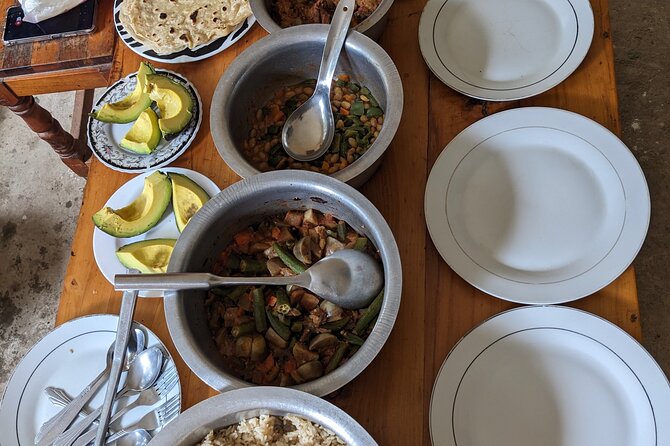
- From Market Ingredients to Lunch or Dinner: What You Eat
- Price and Value: Why $42 Can Work Well Here
- Timing, Pacing, and Weather: How to Plan Your Day
- Who This Tour Fits Best (And Who Might Want Another Option)
- Should You Book This Arusha Market and Cooking Class?
Key Things I’d Tell a Friend Before You Go
- Central food market time is short on purpose, so you get the sensory experience without losing the whole day.
- You choose two dishes on the day, after learning what’s available and how locals use different ingredients.
- Cooking happens in a local kitchen, with charcoal and basic equipment, which makes the experience feel genuine.
- Meals are included, and there’s also an option for takeaway food after you cook.
- Drinks are not included, so plan to buy water or soda on the way if you need it.
More Zanzibari kitchens to sit in
- Arusha: Traditional Tanzania Cooking Class & Food Market Tour★ 5.0 · 34 reviews
- Cooking and Sewing & Jewelry Workshops in Arusha★ 5.0 · 14 reviews
- Street Food and Community Walking Tour★ 5.0 · 12 reviews
- Arusha: Traditional Tanzania Cooking class& Food Market Tour★ 4.9 · 12 reviews
Central Food Market: Where the Day Starts (And Why It Matters)
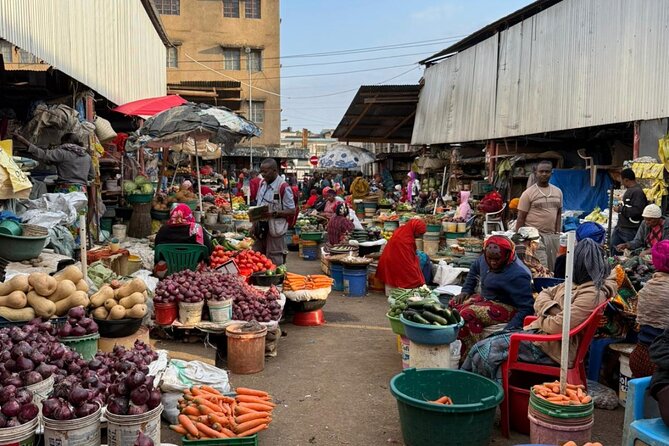
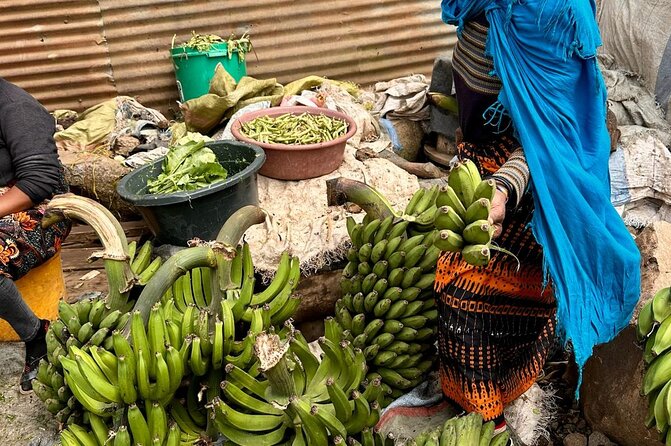
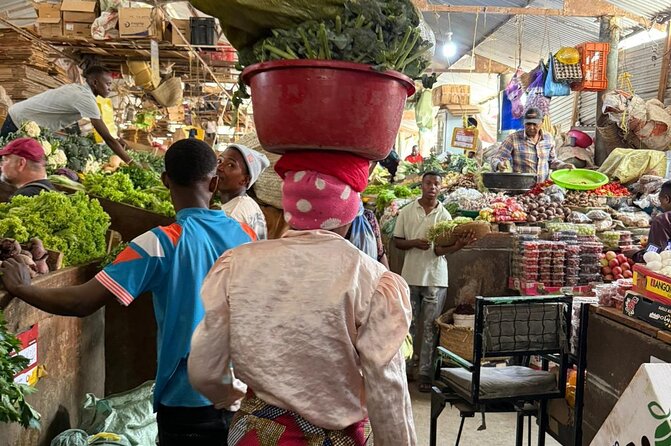
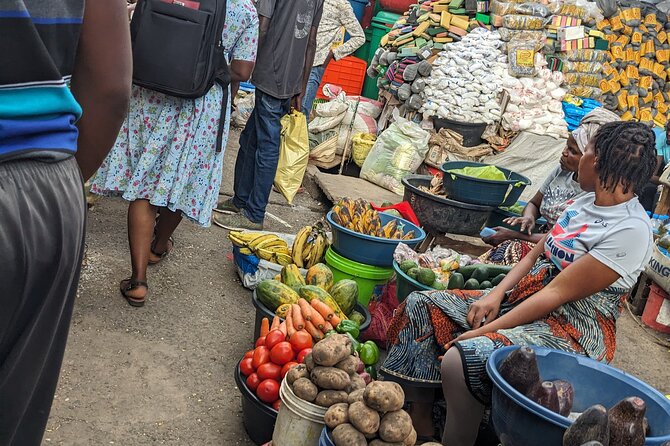
Your morning or afternoon starts with pickup from your hotel in Arusha city center, then you head straight to the central food market. The market portion is about 30 minutes, which is ideal if you want to taste and learn without getting stuck wandering for hours. You’ll be walking through stalls where sellers are offering foods grown and sourced in Tanzania, with only a small portion coming from outside the country.
What I like about this first stop is that it trains your brain to shop like a local. Your guide points out different foods and explains how locals use them. In the market, you’ll meet friendly vendors and get a feel for how everyday Arusha shopping works. Even if you don’t buy much, you’ll learn what ingredients matter and how they show up in common meals.
There’s also a practical side here. The market stop is not just for photos. It’s the scouting phase for the cooking lesson. After you learn what’s available, you’ll select two dishes to cook later. That selection moment is one of the best values in this whole tour because it makes the cooking class feel personal.
One consideration: food markets can be busy and smell intense, especially around spices, meat, and fresh produce. If you’re sensitive, go in ready with a calm mindset. Bring patience and water for afterward.
Sanawari Transfer and the Chef Meet-Up: Local Transport, Local Rhythm
After the market, you move to Sanawari, which is a bit farther from the central area. The plan includes a ride using popular public transport from the market area, then time to learn more cultural and traditional context. From there, you meet the chef, and the cooking lesson portion starts to take shape.
Why this works for me is that it keeps you from treating Arusha like a checklist. The transfer is part of the experience, not a dead time. It also helps you understand how local neighborhoods connect to the places people shop and cook.
Sanawari is where you get your real link to the cooking. Your chef will talk through what you can cook based on what you selected. Since you pick two dishes from the options mentioned during the market phase, the day stays flexible. That means you’re not locked into one fixed menu you might not actually want.
One practical note: public transport means you should expect normal city movement, not a private car bubble. The tour is about four hours overall, so the pacing is steady but not slow.
Choosing Your Two Dishes: The Part That Turns Watching Into Doing
This is where the tour earns its keep. After learning about different local foods, you select two dishes you’d like to cook. That selection process is guided, so you aren’t guessing blindly. You’ll understand enough to make a real choice, rather than simply pointing at something because it looks interesting.
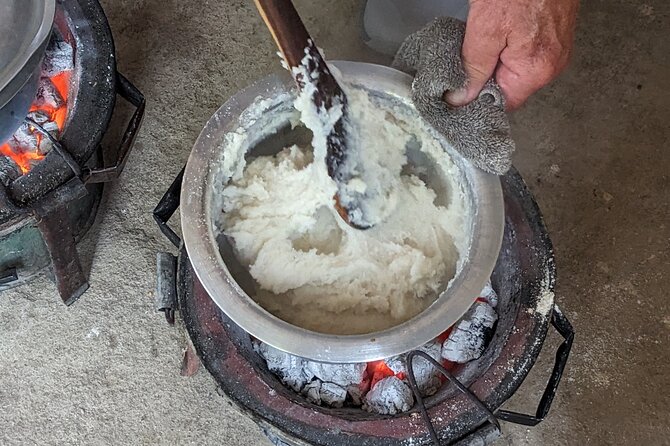
In reviews tied to this experience, dishes like ugali and ndizi have come up. Ugali is a common staple, and ndizi points you toward sweet banana-based sides or preparations, depending on how the chef builds the meal that day. Even if your exact dishes differ, the method is the same. You choose, the chef adapts to what’s available, and you cook with the ingredients sourced during the market shopping.
The logic here is simple: you can’t learn Tanzanian cooking by only watching. The selection step forces you to commit. Then the class becomes practical, because you spend time learning how your chosen dishes come together.


The Local Kitchen Reality Check: What You Should Actually Expect
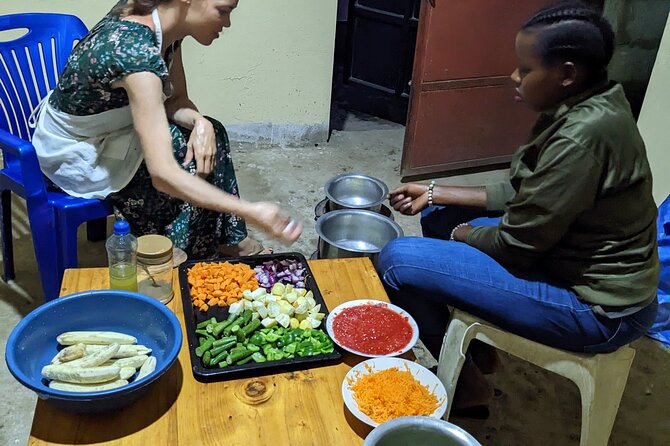
The cooking lesson happens in a local kitchen, and that is not a throwaway line. It changes the whole feel of the experience.
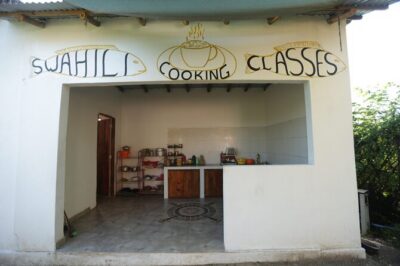
People have described cooking happening in a room with a low table, two charcoal burners, and a gas burner, plus basic implements and large tubs. In other words, you’re cooking in real local conditions. You may not have a countertop to prep on like you’d expect back home. You’ll likely work close to where heat and ingredients are handled day to day.
This is a feature, not a problem, if you’re in the right mindset. It’s how locals cook, and it’s also why you’ll learn faster. You can’t hide behind fancy equipment. You learn technique, timing, and how to handle ingredients with what’s available.
The drawback, again, is the one you’ll hear from anyone who’s done this style of class. Facilities are basic. You should expect simple seating and a more hands-on, less comfort-first setup.
Also, spice is partly a wildcard. The tour cost includes shopping for ingredients from the market, but spice from the market is listed as not included. If you love heat and want to bring spice home, plan for that extra purchase.
From Market Ingredients to Lunch or Dinner: What You Eat
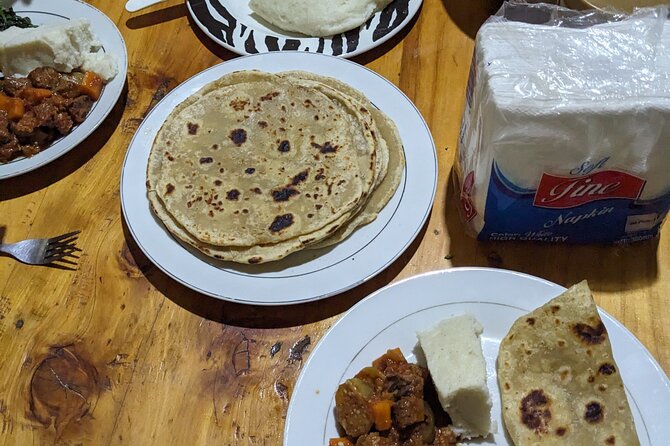
After cooking, you eat what you made. The tour includes meals for the traveler, and all participants can have the meal for lunch or dinner depending on your time slot. There’s also an option to have takeaway food afterward, which is a nice touch if you want to keep tasting your way through Arusha later.
If you’re wondering whether it’s filling, you can expect a proper meal. The whole point is that you don’t just assemble small bites for a quick photo moment. You cook two dishes, and then you eat those dishes. Many people come hungry, and the day is designed to send you away full.
One thing to remember: drinks are not included. Water, soda, or beer are mentioned as purchasable along the way. So if you’re used to having water included on tours, you’ll want to budget a little for it.
Price and Value: Why $42 Can Work Well Here
At $42 per person, this tour sits in the middle zone price-wise for hands-on food experiences, but the value comes from what’s included.
Here’s what helps the math:
- Pickup and drop-off at your hotel near the city center
- Guided market tour plus the cooking class
- Meals after cooking for lunch or dinner
- Cost for shopping ingredients fresh from the market
- Use of local transport for the market-to-Sanawari movement
- Cooking in a local kitchen as part of the cultural experience
What’s not included, and may add a little:
- Drinks (you can buy them on the way)
- Spice from the market
- Tips are optional
So you’re paying for the core experience, not just the lesson. The ingredient shopping matters. You’re not stuck covering groceries separately. And because you choose two dishes, you get more ownership of your meal.
If you like food, you’ll feel the value fast. If you want a hands-off show-and-tell class where nothing touches your hands, this might feel like more work than you want.
Timing, Pacing, and Weather: How to Plan Your Day
The tour runs about 4 hours. That makes it a good fit if you want something meaningful without sacrificing an entire day of sightseeing.
It also needs good weather. If the tour is canceled due to poor weather, you’ll be offered another date or a full refund. That’s worth knowing if your Arusha schedule is tight.
Because you start from your hotel and return afterward, you don’t need to plan separate transport. Still, the day includes walking in the market and public transport during the transfer, so wear comfortable shoes.
If you’re scheduling other activities in Arusha, treat this as your food anchor. It’s the kind of experience where you’ll want your appetite ready.
Who This Tour Fits Best (And Who Might Want Another Option)
I’d recommend this tour if you want an authentic Tanzanian food day that goes beyond eating at a restaurant.
It fits especially well for:
- Food lovers who want to shop, cook, and eat
- Travelers who like cultural context tied to daily life
- People comfortable with basic cooking conditions and close-up technique
It might be less ideal if:
- You need a polished, modern kitchen setup
- You dislike strong smells that come with meat, spices, and fresh market areas
- You want drinks and spice to be fully included, every time
One more fit note: the experience lists a maximum of 200 travelers. That number is more about capacity than what you’ll personally feel. The market and cooking are still guided, but on larger days you might notice more movement around you.
Should You Book This Arusha Market and Cooking Class?
If you like food that tells a story, book it. This experience is built around real ingredients from a real market, a guided choice of two dishes, and cooking in a local kitchen that feels like the way Tanzanians actually eat and cook.
I’d say yes if you want value without hidden grocery costs, and if you’re okay with a basic setup and public-transport movement. The main reason to hesitate is the kitchen reality check. If you need modern comfort and predictable cleanliness like a hotel kitchen, this may not match your expectations.
If you want a genuine Arusha food day, where you come home knowing what you cooked and how it fits local life, Tanzania Songbirds Safaris is a solid pick.
More Zanzibari Kitchens
- NGO Lifted Strong – Traditional Tanzanian Cooking Class
★ 5.0 · 39 reviews - Cooking and Sewing & Jewelry Workshops in Arusha
★ 5.0 · 14 reviews - Street Food and Community Walking Tour
★ 5.0 · 12 reviews - Arusha: Traditional Tanzania Cooking class& Food Market Tour
★ 4.9 · 12 reviews - Waterfalls, Coffee, Hotsprings, Food Cuisine, & Serval Wildlife
★ 5.0 · 6 reviews
Just added from around Arusha





Tanzanian Cooking Classes and Food Tours, compared.
 ★ 4.7Stonetown: Food Markets and Street Food Walking TourFrom $35151 reviews
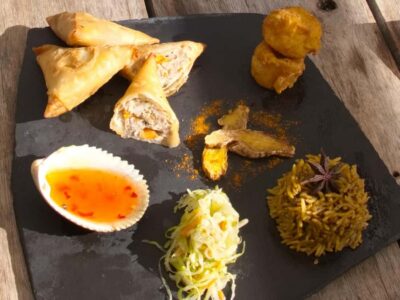 ★ 4.7Zanzibar: The Swahili Spice Experience – Spice Tour + Culinary JourneyFrom $2196 reviews
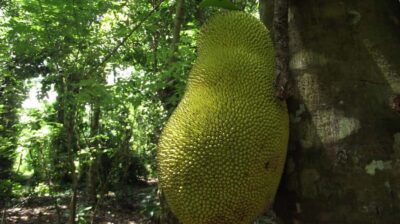 ★ 4.8Zanzibar: Spice Farm Tour with Traditional Cooking LessonFrom $6577 reviews
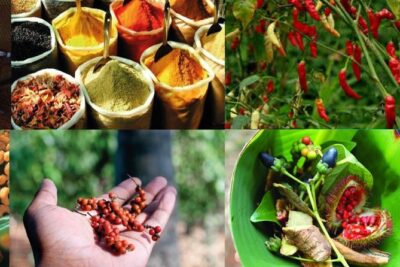 ★ 4.5Zanzibar Cooking Class & Spice TourFrom $4077 reviews
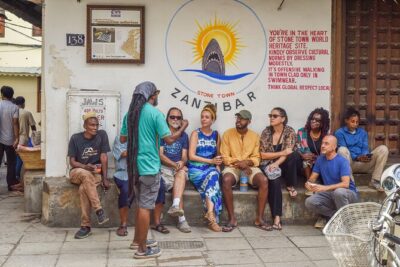 ★ 5.0Authentic Street Food Tours in Stone Town, ZanzibarFrom $4046 reviews
 ★ 5.0Mamas of Zanzibar – A Unique Cultural & Culinary ExperienceFrom $11645 reviews
 ★ 4.5Half-Day Kuza Cave Swimming Adventure and Cooking ClassFrom $1344 reviews
 ★ 5.0NGO Lifted Strong – Traditional Tanzanian Cooking ClassFrom $5039 reviews
Browse the lists this tour appears in