
REVIEW · KILIMANJARO MACHAME ROUTE
KILIMANJARO MACHAME ROUTE, (Climb 7days)
Kilimanjaro is hard, but the crew makes it doable. This Machame-route climb from Arusha mixes steep forest, heath, and high alpine cold into a very real 7-day style challenge, and two things I really like are the steady leadership from Paul and the way meals at camp stay seriously good even when conditions turn rough. The one thing you should consider upfront is fitness and altitude, because the trail has steep stretches and you will need to take it easy to acclimatise.
You also get a practical setup from the start: hotel pickup in Arusha at 8am, permit handling, then driving to the gate where the hike begins. Since this is private, you are not squeezed into a random crowd.
Priced at $3,025.65 per person, this is not a budget trip. The value is that you are paying for the full machine, guides and porters who manage pacing, camps that run smoothly, and food that keeps morale up when the mountain is not being friendly.
In This Review
- Key things I’d bet on
- Entering Kilimanjaro, Machame style, not a stroll
- Arusha logistics: pickup at 8am, permits, then a drive to the start
- Day 1: Forest zone to your first camp, steep late in the day
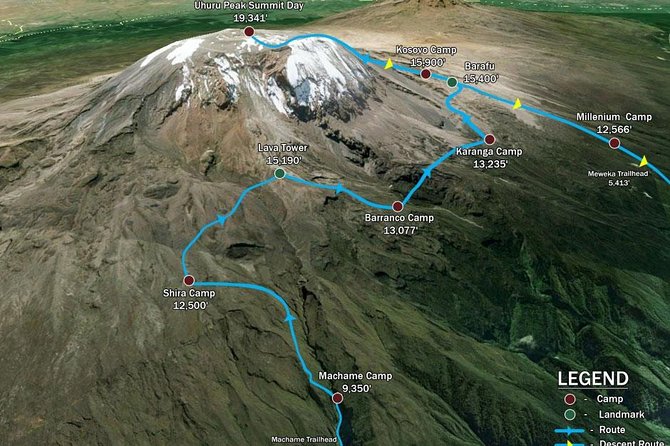
- Day 2: Heath zone steepness, Barranco Camp, and those big geological views
- Day 3: Barranco wall, glacial valleys, and the short push to Karanga
- Day 4: Barafu Camp, alpine desert winds, and summit prep energy
- Day 5: Summit night timing, Stella Point, Uhuru Peak, then down to Mweka
- Day 6: Descend through montane forest, farewell crew, Arusha hotel transfer
- The team behind the success, Paul and friends
- Meals, tents, and comfort you will notice at altitude
- Pacing and fitness: the reality check that keeps you safe
- Price and value at $3,025.65 per person
- Who should book this Machame climb
- Should you book this Kilimanjaro Machame route?
- FAQ
- How long is this Kilimanjaro Machame climb?
- Where does the climb start?
- What summit route is used?
- What camps are included on the climb?
- Is pickup included?
- What fitness level do I need?
- Is this a private tour?
- Are park admissions included?
- What if weather is poor or the minimum number of travelers is not met?
Key things I’d bet on
- Paul-led guiding style, backed by a strong crew (I saw names like Stanley, Isaac, Cosmos, Freddie, Coleman, and Cosmas come up again and again).
- Machame to Stella Point, the classic path to summit, with a high-altitude push timed around the night approach.
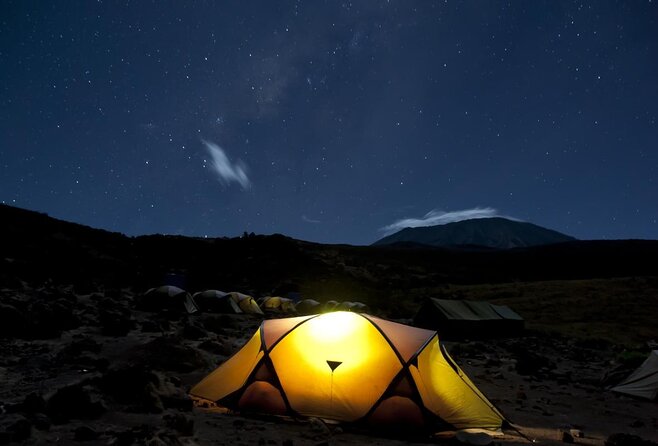
- Camp food quality that gets specific praise, plus good tents and equipment even in bad weather.
- Acclimatisation built into the days, with steeper sections balanced by shorter hikes and planned relaxation time at camp.
- Summit-success focus, including groups where everyone reached the top, credited to guide decision-making and support.
Other ways up Kilimanjaro we reviewed
- 8-Day Small-group Lemosho Kilimanjaro Summit Trekking★ 5.0 · 186 reviews
- 7-Day Machame Kilimanjaro Summit Tour from Arusha★ 5.0 · 125 reviews
- Mountain Kilimanjaro Day Hike★ 5.0 · 102 reviews
- 4 days Best experience Kilimanjaro Hike, Serengeti &Ngorongoro★ 5.0 · 54 reviews
Entering Kilimanjaro, Machame style, not a stroll
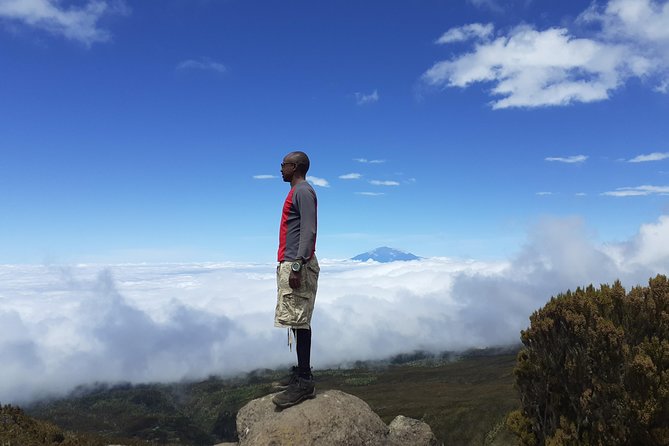
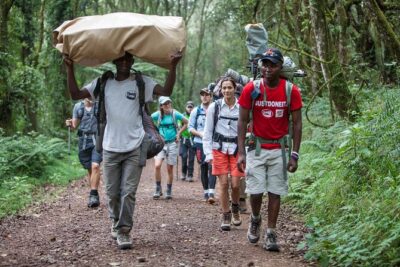
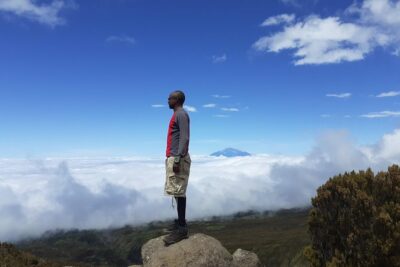
The Machame route has a reputation for being tough in a way that feels honest. You start in thick forest, then climb upward into the heath zone, and later you step into desolate high terrain where winds can get loud and the air turns thin. That changing scenery is part of why this climb feels like a proper Kilimanjaro experience, not just a long day of walking.
What you should know going in is that the plan does not pretend the mountain is easy. Day 2 is described as having very steep sections in the heath zone, and the key advice is simple: take it easy so your body can acclimatise. That mindset matters more than pushing for speed.
Arusha logistics: pickup at 8am, permits, then a drive to the start
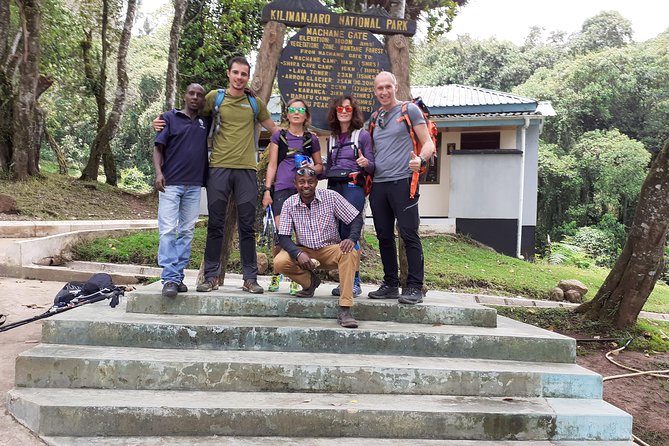
The experience begins with pickup at 8am from your hotel in Arusha. The day starts with an administrative step at Machame gate to collect permits, then there is about an hour drive to Umbwe gate for check-in before the hiking begins. If you like clear schedules, this is one of those trips that moves with purpose right from the start.
You will also see details like a mobile ticket mentioned, plus the offer of group discounts. Even with those extras, the big practical win here is that it is a private trip, meaning only your group participates. Less waiting around, less confusion, and more attention when you are adjusting pace or warming up.
Day 1: Forest zone to your first camp, steep late in the day
Day 1 sets the tone. After the gate processes, you hike up through the forest zone. The first day is described as not overly difficult, but it does steepen toward the latter end. That means you should plan to feel fine early, then work a bit harder as the hours pile up.
By late afternoon, you arrive at the first camp for dinner and overnight. The day is long, around 12 hours, so even if you feel strong, you will want to keep steady effort rather than sprinting. Expect cold to creep in as you gain altitude, and expect that forest footing can still be tiring even when the trail looks green and inviting.
More Machame departures, compared
Day 2: Heath zone steepness, Barranco Camp, and those big geological views
Day 2 is where the route starts reminding you you are climbing Kilimanjaro, not walking a trail behind a hotel. You ascend from forest into the heath zone, and the hike includes some very steep sections. The plan’s own guidance is what I would give you too: take it easy to acclimatise.
You get a picnic lunch along the way. That is a nice change from camp-only meals because you stay focused on the climb without losing a lot of time. In the afternoon, you reach Barranco Camp and have time to relax before dinner.
Barranco is famous for its dramatic features, and the description here includes views of the Barranco wall and the Western breach, linked to a collapse event roughly 60,000 years ago. You do not need to become a geology student to enjoy it, but it is a good reminder that you are walking in a place shaped by real, massive forces.
Day 3: Barranco wall, glacial valleys, and the short push to Karanga
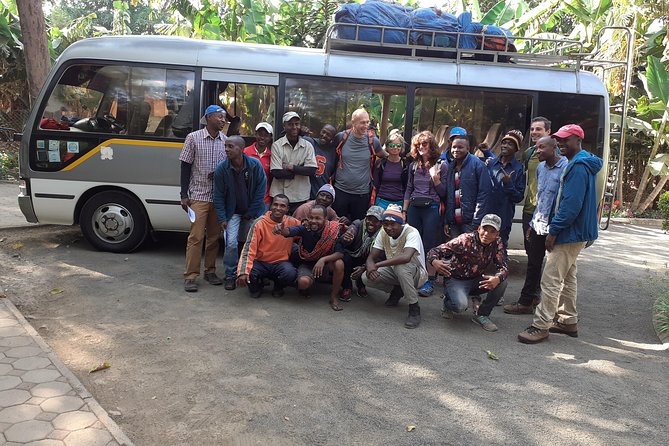
Starting from Barranco Camp, you ascend the Barranco wall and move through glacial valleys to reach Karanga Camp. Day 3 is described as a relatively short day, around 6 hours, which helps your body adjust after the previous steep climb.
There is lunch at Karanga Camp. Then in the afternoon, you can take a walk with your guides for great views of the southern walls of Kibo, plus deep glacial valleys. That afternoon flexibility is practical. Not every day needs to be an all-out grind, and a calmer pace helps when summit night is looming.
One extra detail I like from the plan is the mention of giant groundsels (Senecio species) around Barranco. If you enjoy noticing what is unique to a place, this is one of the small moments that makes the days feel distinct rather than repetitive.
Day 4: Barafu Camp, alpine desert winds, and summit prep energy
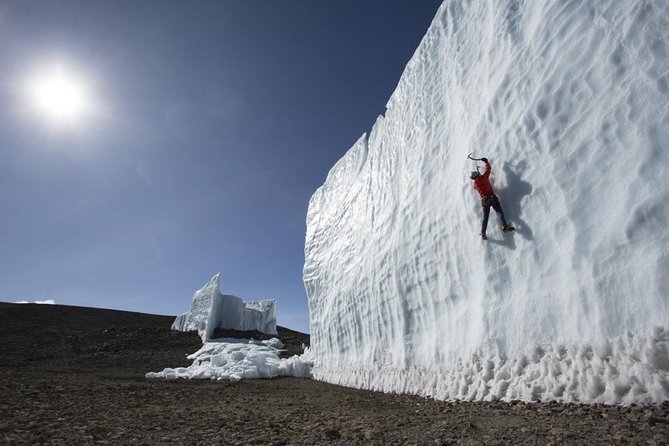
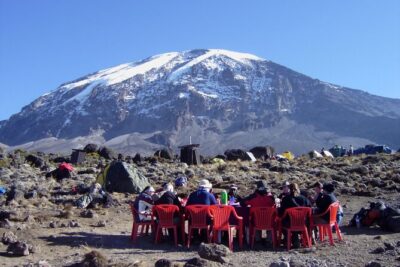
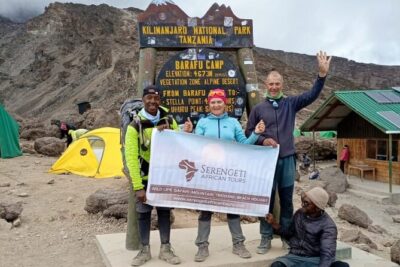
Day 4 is another half-day ascent to Barafu Camp, with lunch in camp and time to relax before the summit push. This is also where the mountain starts changing mood. The description calls Barafu desolate alpine desert, and it mentions strong winds ripping over camp at times. That wind matters because it can steal warmth fast, and it can make you feel colder than you think you should.
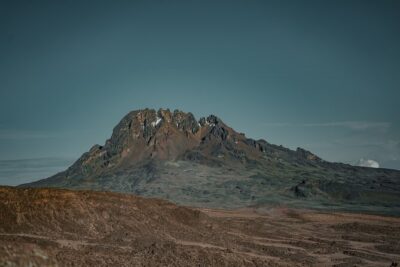
In the evening, you get splendid views of Mawenzi peak. Dinner is early, then you rest. That is exactly how summit days should feel: calm, controlled, and ready for the night ahead.
Day 5: Summit night timing, Stella Point, Uhuru Peak, then down to Mweka
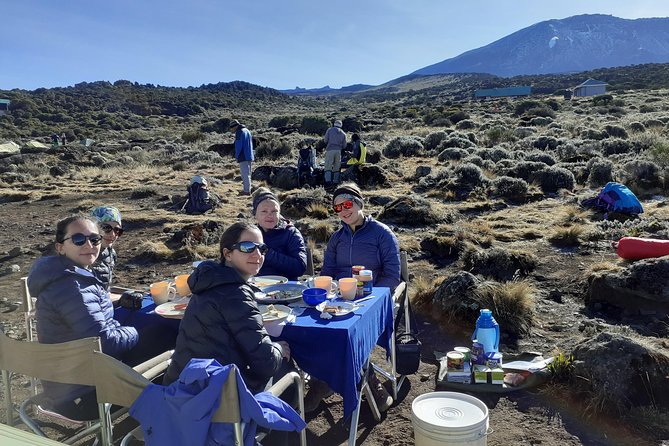
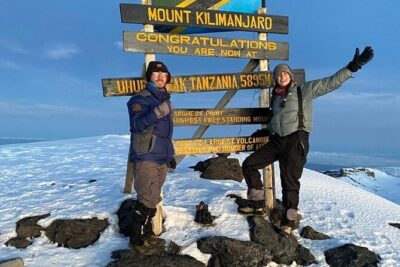
Most people depart just before midnight for the final summit bid. Summit day is about patience and persistence, and the plan says that by dawn, many climbers arrive near the rim. You ascend via Stella Point, which is described as a relatively short final section leading to Uhuru Peak, the Roof of Africa.
Then you do the part that most people underappreciate: you come back down. The goal on this day is to reach Mweka Camp. With around 8 hours for this day, you will likely feel a mix of emotions, but the big thing is focus on steady descent and not rushing once your legs start complaining.
This is also the day where guide support matters most. When altitude symptoms pop up or your pace drops, having the right people managing the group can make the difference between forcing it and handling it.
Day 6: Descend through montane forest, farewell crew, Arusha hotel transfer
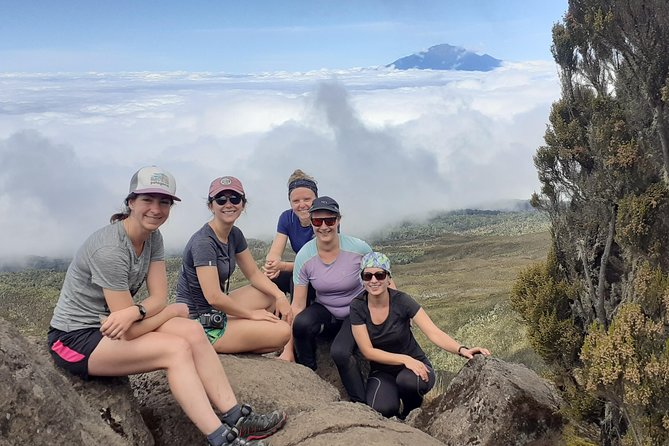
After breakfast, you descend through montane forest once again. Around mid day, you say farewell to your crew, then you are picked up for the transfer back to your hotel in Arusha. The plan calls out a well-deserved shower, and yes, after several days outdoors, that is not just a throwaway line.
This last day is also where you get time to reflect. You are not thinking about summit strategy or how cold you will get at night anymore. You are thinking about the small wins, like how smoothly camp life ran and how the team kept things organized when weather changed.
The team behind the success, Paul and friends
The strongest praise in the feedback is about the people. The guiding and porter team is repeatedly described as caring, professional, and attentive to the group, and that shows in details like support when needed, plus smooth camp operations even in trying conditions like snow storms and rains.
Names that show up include Paul as the leader, plus Stanley, Isaac, Cosmos, Freddie, Coleman, and Cosmas. You also see specific praise for the chef and the quality of trekking meals in difficult conditions. That matters because Kilimanjaro is not just about surviving cold. It is also about keeping energy up so you can keep a stable pace.
A few specific patterns stand out as “why this works”:
- Guides keep the group moving at a pace that supports acclimatisation, not ego speed.
- The crew handles camp setup reliably, including the kind of weather that would normally slow down tents and meal prep.
- There is mention of health check-ups as part of routine care, which gives you confidence that the team is watching more than just footprints.
Most impressive, at least to me, is the summit-success emphasis. One group started with 13 climbers and all 13 reached the summit, credited to professionalism and care to get people up and back down safely. Another note highlights the climb being challenging for trekkers aged 49 to 63, yet they all made it too. That tells you this operator is not just selling the summit dream. They are managing the hike so people actually get there.
Meals, tents, and comfort you will notice at altitude
You might think food and tents are “nice to have.” On Kilimanjaro, they turn into morale tools. When the wind and cold make every small task feel harder, a hot meal and a solid camp setup change how you experience the day.
The reviews point to trekking meals that were delicious, plus good tents and equipment in camp. There is also praise for the way even in tough conditions, the team still had tents up and dinner ready. If you have ever done any cold-weather hiking, you already know that a delayed meal can feel like a bigger problem than it sounds.
So I love that this trip treats camp logistics as part of the climbing plan, not an afterthought.
Pacing and fitness: the reality check that keeps you safe
The trip asks for moderate physical fitness. That is the right phrase because Kilimanjaro is not about being the strongest runner in the world. It is about being able to hike uphill for long hours, handle steep sections, and keep your effort consistent.
The plan itself signals where the work shows up: steep sections in the heath zone on Day 2, and windy conditions at Barafu on Day 4. It also builds in shorter days, like Day 3, and rest time at camps. This gives you a chance to recover and acclimatise rather than forcing constant maximum effort.
My practical advice is boring but effective: if you feel tempted to rush, do the opposite. Follow the team’s pacing. Keep warm layers ready. And treat summit night like a long hike, not a race, because patience is what gets you to the rim around dawn.
Price and value at $3,025.65 per person
Let’s talk money in a way that helps you decide. $3,025.65 is a serious spend for a reason: you are paying for guides and porters, camping logistics, and the effort of running a high-altitude route with safety and meal service. You are also paying for the “soft infrastructure,” like permits being handled and the schedule being tight enough to move gate to gate and camp to camp.
The plan notes admission ticket included on Day 1 and lists admission ticket free for later days. That strongly suggests park entry and related fees are handled as part of the package structure, rather than you managing everything yourself.
So what value are you really buying? In my view, it is buying less uncertainty. A team that knows when to support you, cooks who keep your energy up, and camp setups that work even when the weather turns are all part of the cost, and they matter as much as the views.
Who should book this Machame climb
This is a strong fit if you:
- Want the classic Machame route with a structured path to summit via Stella Point and Uhuru Peak.
- Appreciate a high level of care from the guides and porters, especially if you are worried about altitude pacing.
- Care about camp life, including good meals and dependable tent setup.
- Prefer a private experience where your group is not competing for attention.
It is probably not the right fit if you:
- Know you cannot handle steep sections and a long time hiking uphill.
- Want a completely flexible, non weather dependent plan, because the experience is described as requiring good weather.
Should you book this Kilimanjaro Machame route?
If you are serious about reaching the summit and you want a team that takes care of both the climbing and the camp side, I would consider booking this. The consistent praise for Paul and the crew, plus repeated comments about food quality, tent quality, and support in hard conditions, points to a well-run operation.
My call is simple: book if you will commit to pacing and acclimatisation, and if you are okay paying for that support. Skip it if you want an easy trek or if your fitness is more “flat ground only” than “steep hiking day” capable.
FAQ
How long is this Kilimanjaro Machame climb?
The plan runs about 6 days, with the summit-night approach and descent included in the schedule.
Where does the climb start?
You are picked up in Arusha in the morning, then you go to Machame gate for permits and later drive to Umbwe gate for check-in before hiking begins.
What summit route is used?
The summit push goes via Stella Point and then on to Uhuru Peak.
What camps are included on the climb?
The schedule includes Barranco Camp, Karanga Camp, Barafu Camp, and Mweka Camp.
Is pickup included?
Yes. Pickup is offered from your hotel in Arusha at around 8:00 AM.
What fitness level do I need?
The trip is listed as suitable for travelers with moderate physical fitness.
Is this a private tour?
Yes. It is private, and only your group participates.
Are park admissions included?
The plan notes admission ticket included for Day 1, and admission ticket free for the later days.
What if weather is poor or the minimum number of travelers is not met?
The experience requires good weather. If it is canceled due to poor weather, you are offered a different date or a full refund. If canceled because a minimum number of travelers is not met, you are offered a different date or a full refund.
If you want, tell me your age range, fitness background (running, hiking, gym), and whether you sleep well in cold weather, and I’ll help you sanity-check if this schedule fits your goals.
More Machame Departures
- 7-Day Machame Kilimanjaro Summit Tour from Arusha
★ 5.0 · 125 reviews - 6 Days: Hiking Kilimanjaro via Machame Route
★ 5.0 · 24 reviews - 6-Day Guided Tour in Machame Route Mt Kilimanjaro
★ 5.0 · 17 reviews - 7 days Kilimanjaro climb via Machame route (Whiskey route)
★ 5.0 · 16 reviews - Kilimanjaro Climb Via Machame Route
★ 5.0 · 15 reviews
Kilimanjaro, Route by Route
- 8-Day Small-group Lemosho Kilimanjaro Summit Trekking
★ 5.0 · 186 reviews - 7-Day Machame Kilimanjaro Summit Tour from Arusha
★ 5.0 · 125 reviews - Mountain Kilimanjaro Day Hike
★ 5.0 · 102 reviews - 4 days Best experience Kilimanjaro Hike, Serengeti &Ngorongoro
★ 5.0 · 54 reviews - From Arusha/Moshi: Kilimanjaro Hike Marangu Route Day Trip
★ 4.5 · 54 reviews
Just added from around Arusha
Kilimanjaro Machame Route, compared.
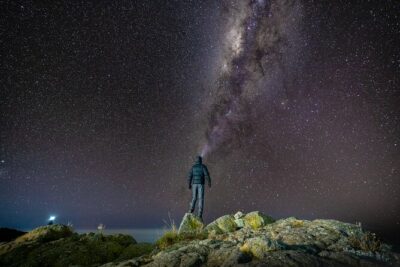 ★ 5.0Kilimanjaro climb, Machame Route (7-day)From $3,377262 reviews
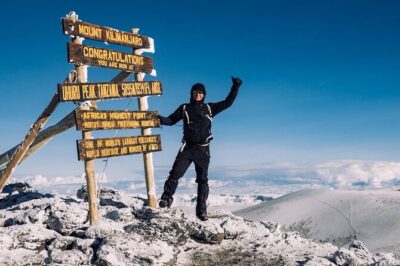 ★ 5.0Climbing Kilimanjaro – Machame RouteFrom $2,322170 reviews
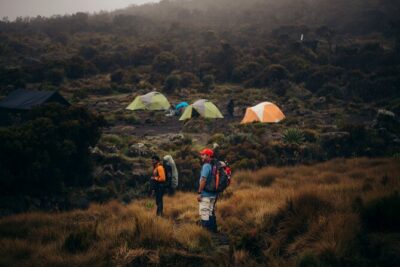 ★ 5.0Climbing Kilimanjaro through 7 days Machame RouteFrom $2,425151 reviews
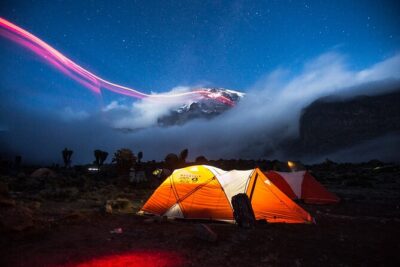 ★ 5.07-Day Machame Kilimanjaro Summit Tour from ArushaFrom $2,695125 reviews
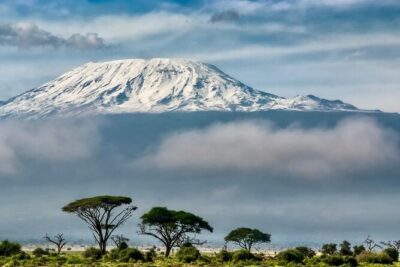 ★ 5.07 Days Kilimanjaro via Machame route affordable priceFrom $2,400110 reviews
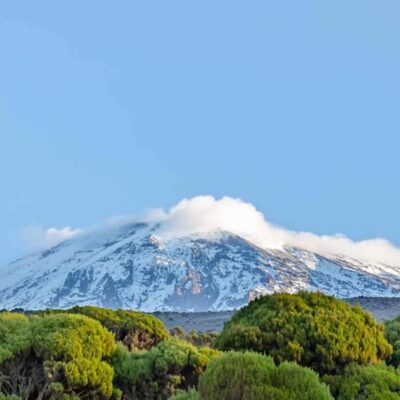 ★ 4.2#1. Best Kilimanjaro Day hike Tour-Machame Route-ISMANIFrom $11547 reviews
 ★ 5.07 Days Machame route – KilimanjaroFrom $2,85045 reviews
 ★ 5.0The Best of Machame Route in 6 Days: Your World’s Summit GuideFrom $1,15044 reviews
Browse the lists this tour appears in