
REVIEW · KILIMANJARO MARANGU ROUTE
Kilimanjaro Private Climbing in 6 Days Marangu Route
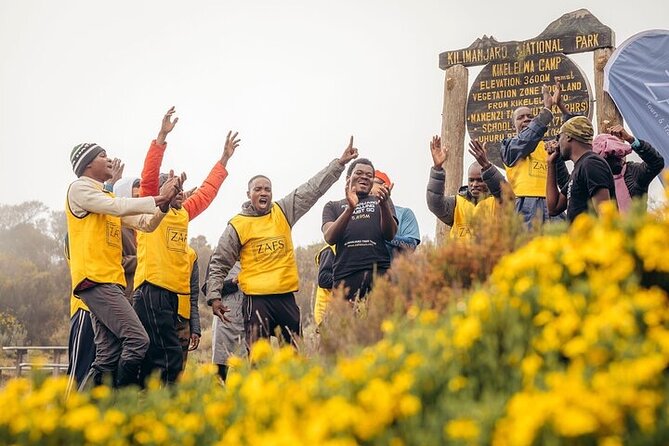
Kili feels close on the Marangu route. This private climb runs out of Moshi and pairs qualified guides with daily health checks plus emergency oxygen, so you get real support when altitude and weather turn unpredictable. The route is demanding, but the structure helps you stay focused.
What I really like is the human pace. You sleep in well-known wooden A-framed huts (not tent camping), and you also get a full acclimatization day at Horombo before the big push. That extra breathing room makes the later hours feel less like a shock.
One possible drawback to factor in: Marangu still has a brutal summit night. Expect the long midnight-to-pre-dawn ascent, cold air that can include snow, and muddy, wet descents that punish sloppy footing. If your legs get tired fast, plan to slow down early and trust the rhythm your crew sets.
In This Review
- Key things to know before you commit to the Marangu 6-day climb
- Moshi to Marangu Gate, where the rainforest starts doing its job
- Day 1 details: Mandara Hut, muddy trails, and permit-wait energy
- Up into heathland and moorlands, with the first big Mawenzi view
- Day 2 takeaway: steady ascent, colder air, and smart lunch timing
- The Horombo acclimatization day, plus the Mawenzi base camp option
- Day 3 takeaway: rest is part of the plan
- Crossing the saddle toward Kibo Hut, and planning around the last water at 4,130m
- Day 4 takeaway: your early night is a strategy
- Midnight start to Uhuru Peak, switchbacks, Gillman’s sunrise, and the final hour
- Day 5 takeaway: slow, steady, and guided breathing wins
- Descent on Day 6, Mandara Hut lunch, and that summit-certificate feeling
- Day 6 takeaway: treat the descent like a second climb
- What makes the support feel different, 4:1 staffing, oxygen, and Wilderness first responder
- Food, huts, and the unglamorous stuff that makes a summit possible
- Price and value at $2,000 per person, where the money actually goes
- Who should choose this private Marangu plan
- Should you book this 6-day Marangu climb with ZAFS Tours
- FAQ
- Where does this climb start and end?
- How long is the Kilimanjaro private climb on the Marangu route?
- What is included in the price for the climb?
- What do I need to pay for that is not included?
- Is emergency oxygen provided?
- What is the expectation for physical fitness?
- Can I cancel and get a refund?
Key things to know before you commit to the Marangu 6-day climb
- Private group only, so you do not get mixed into other schedules mid-trek
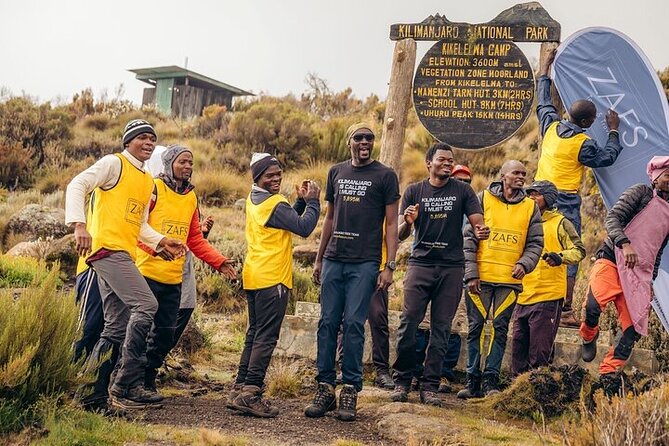
- 4:1 support staff to climbers (average), which matters when you are tired and need help fast
- Emergency oxygen and first aid access are part of the package, not an add-on
- A full acclimatization day at Horombo, including an optional Mawenzi base camp stroll
- Last water at 4,130m on summit-day planning, so timing and hydration feel stricter
- Sunrise at Gillman’s Point, a classic moment before the final stretch to Uhuru Peak
Other ways up Kilimanjaro we reviewed
- Kilimanjaro climb by Lemosho Route (7-day)★ 5.0 · 651 reviews
- Kilimanjaro climb, Machame Route (7-day)★ 5.0 · 262 reviews
- Kilimanjaro Climbing Lemosho Route 8 Days.★ 5.0 · 186 reviews
- Climbing Kilimanjaro – Machame Route★ 5.0 · 170 reviews
Moshi to Marangu Gate, where the rainforest starts doing its job
Most Kilimanjaro trips begin with a travel day. Here, you start in Moshi and get a 60-minute drive to the Marangu area, passing through village life on the way to the park gate. You arrive early enough to watch the permit process and get settled, which can be a relief if you are anxious about logistics.
On this first section, the main theme is traction. At lower elevations the trail can be muddy and slippery, and wind can make the walk feel longer than it is. I like that the plan is explicit about proper rain gear and trekking poles, because on Marangu that is not optional style, it is safe movement.
Your first night is at Mandara Hut, described as group wooden A-framed huts in a forest clearing. That hut setup is part of why many people like Marangu: it is still rustic, but you are not sleeping out in a tent storm.
Day 1 details: Mandara Hut, muddy trails, and permit-wait energy
You start with the rainforest vibe, then you keep walking steadily while your guide points out local flora and fauna. That is not just background chatter, it helps you break up the mental load of climbing. If you are new to trekking, having someone explain what you are seeing can make the first day feel like an introduction instead of a chore.
Expect a realistic rainforest reality: wet ground, slippery surfaces, and the kind of damp air that soaks through if you skimp on rain protection. Trekking poles help reduce stress on your knees on uneven stretches, and they also give you something to do with your hands when the trail gets slick.
Mandara Hut is a good first-base night. You get to turn in with less strain than higher camps, and your body gets its first taste of altitude without going straight into the summit drama.
Up into heathland and moorlands, with the first big Mawenzi view
Day 2 shifts character. You move from rainforest into an ascending path that brings heathland and the hunt for giant lobelias and groundsels. The vegetation changes with altitude, and you can feel that change in the air.
Then the trail opens into moorlands with small shrubs as the main vegetation. This is where the views start becoming more serious, and the plan includes a lunch stop halfway up where you can enjoy amazing sightlines toward Mawenzi. I like that you are not constantly rushing for scenery, but you also do not miss the classic photo moments.
By late afternoon you reach Horombo Huts under the Kibo summit viewpoint. Temperatures begin to drop, so it becomes a day where layering matters. Even if you start warm, you will likely cool down as the sun fades.
Marangu, other operators and other lengths
Day 2 takeaway: steady ascent, colder air, and smart lunch timing
This is a “keep moving, but don’t sprint” day. The schedule gives you long enough walking time, around seven hours, to build altitude gradually without turning it into a race. Horombo is also a turning point, because from here you will begin to notice how the mountain manages your energy.
If you are prone to overdoing the pace early, this is where you should listen to your guide and keep it controlled. The route includes multiple long days, and the climb will go better if you save your effort for the summit push.
The Horombo acclimatization day, plus the Mawenzi base camp option
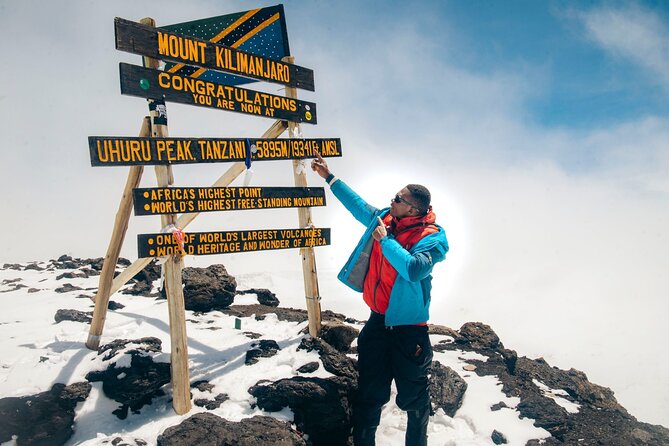
On Day 3, you get to slow down on purpose. The plan gives you a full day and a second night at Horombo Huts. You can rest at the huts, or you can take a stroll up to Mawenzi base camp and return.
This extra day is not just for comfort. It is here for acclimatization, which is how you improve your odds of handling the summit night. The hike route is also described as passing Zebra Rocks, and this is strongly recommended for acclimatization. I like that the plan calls this out directly, because small choices can make a big difference on a mountain like this.
If you do the stroll, keep it “move but do not exhaust.” Acclimatization works best when you are not burning your energy for no reason. And even if you rest, you still benefit from the extra time at altitude.
Day 3 takeaway: rest is part of the plan
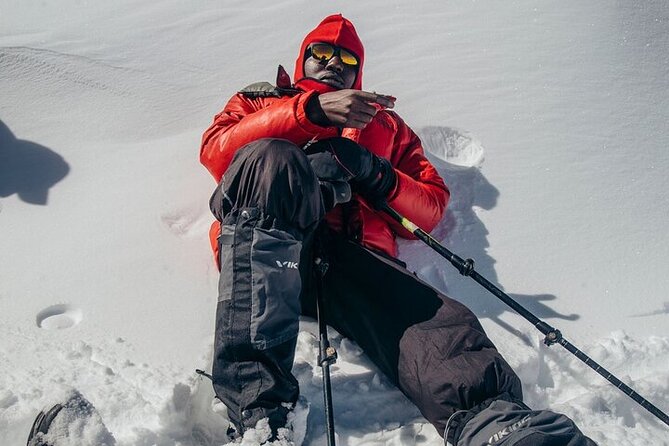
Treat this day like training for the summit mindset. You are learning how your body behaves at altitude, how the weather changes, and what it feels like to breathe deeper while walking slower. Even if you think you are fine, that practice helps when the later schedule gets intense.
Horombo is also a good moment to double-check gear setup and hydration routine. The team’s daily health checks and guidance are meant to keep you on track, and this day is where that guidance becomes extra practical.
Crossing the saddle toward Kibo Hut, and planning around the last water at 4,130m
Day 4 is where the route feels like it is turning a corner. You continue through dwindling heathland, then it blends into a moonscape as you enter the saddle connecting Mawenzi and Kibo. That description matters because it signals you will lose some of the lush comfort of earlier forest and find more exposed terrain.
There is lunch during the saddle section, and later you cross this surprisingly large saddle. The plan is clear that the last place where water is available is at 4,130m. That means you should pay attention to hydration timing, and you should follow your guide’s instructions rather than guessing.
From Kibo Hut, the summit ascent is now an additional 1,195m. That is a lot of climbing for one night and one short remaining window of daylight, which is why the plan has you going to bed early to rest.
Day 4 takeaway: your early night is a strategy
Kibo Hut is the staging point for the summit attempt. Temperatures will feel colder, and your body will work differently when you get near the crater zone. Because the summit is planned for tonight, the team’s guidance becomes more about conserving energy and staying mentally steady.
Also, pay attention to how your legs feel here. Day 4 is often when fatigue shows up, and it is also when you should stop pushing for speed. The plan is already engineered for a summit attempt, so your job is to arrive ready, not exhausted.
Midnight start to Uhuru Peak, switchbacks, Gillman’s sunrise, and the final hour
Day 5 is the big one, and the itinerary does not sugarcoat it. You leave between midnight and 2 a.m., and this is described as the most mentally and physically challenging portion of the trek.
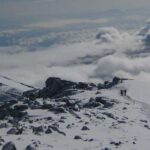
You ascend in switchback formation to stay warm and focused. The route goes through heavy scree and possibly snow toward Gillman’s Point on the crater rim. That crater section is where footing and concentration become everything, because scree can shift under you if you are not careful.
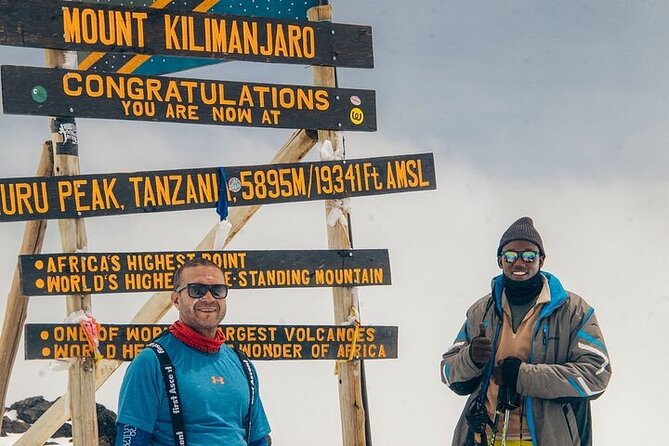
At Gillman’s Point, you get a short rest, and the plan highlights the sunrise as a major reward. Faster hikers may view sunrise from the summit, but the classic moment built into the schedule is sunrise during that crater rim rest. After that, you have about one more hour of ascent to Uhuru Peak.
Day 5 takeaway: slow, steady, and guided breathing wins
This is not the day to prove how strong you are. It is the day to follow your guide’s tempo and accept that altitude climbing is about rhythm. The route’s switchback approach is designed to keep you moving without boiling your breathing.
If you have ever heard advice like take it easy, this is where it stops being advice and becomes physics. Oxygen levels drop as you go higher, and the plan also includes emergency oxygen cylinders as part of the safety setup. That does not make the climb easy, but it adds real confidence if something feels off.
Descent on Day 6, Mandara Hut lunch, and that summit-certificate feeling
After sunrise and summit, you still have work to do. Day 6 starts with breakfast, then the itinerary includes a heartfelt ceremony of appreciation and team bonding with your crew. That matters more than it sounds, because the mountain creates a shared reality between climbers and the staff who make the climb possible.
Then you descend, stopping at Mandara Huts for lunch. The plan also reminds you to tip your guides, cooks, and porters, since you are leaving them back there after the climb. I appreciate that the schedule includes this reminder, because tipping is one of those things people forget when they focus only on summiting.
From the Marangu Park Gate, a vehicle meets you and drives you back to your hotel in Moshi, about 60 minutes. You also receive your summit certificates at the gate.
The last part is about legs and footing. The itinerary says that with warmer weather, terrain becomes wet, muddy, and steep on descent. It recommends gaiters and trekking poles. That is solid advice because gaiters help keep muck out of your shoes and poles reduce downhill stress.
Day 6 takeaway: treat the descent like a second climb
A lot of people get careless on the way down because they feel done. Do not. The terrain is steep and wet, and your job is to finish with your joints intact. The poles help you stay balanced, and gaiters help you keep moving without constantly stopping to clean your boots.
Then comes the quiet payoff: you have your summit certificate, you are back in Moshi, and you can finally breathe like a normal human again.
What makes the support feel different, 4:1 staffing, oxygen, and Wilderness first responder
This is a private climbing operation with experienced staff built into the plan, not just added as marketing. The guides are said to have a minimum of eight years of experience on the mountain, and they are certified for Wilderness first responder. That is a big deal when altitude sickness or exposure symptoms show up fast.
You also get daily health checks, which helps catch issues earlier. The itinerary notes fresh nutritious meals and special guidance from the guide to improve your chances of reaching the top successfully. On paper, that sounds like standard tour language, but it becomes real when you are shivering, dizzy, or simply too tired to make good decisions.
Safety gear is also part of the package: the climb includes emergency oxygen cylinders and access to a first aid kit. Rescue fees are included too. I like that this is handled in advance, because Kilimanjaro has a way of forcing you to think about risk management.
Food, huts, and the unglamorous stuff that makes a summit possible
The route is supported with all meals and drinking water on the mountain. That is not a small thing. You can focus on eating on schedule and stay hydrated without constantly worrying about what you have left in your daypack.
Huts matter too. Mandara Hut and Horombo Huts are wooden A-framed structures, and that can make sleep more predictable than tent camping. Better sleep does not guarantee success, but it reduces the pile-on fatigue that harms acclimatization.
One theme from the feedback is how well the team handles the “middle stuff,” like carrying loads and helping people stay comfortable. People also highlight the quality of the food on trek and the steady encouragement from guides, including names that show up repeatedly such as Alex and Moshi. That kind of support is often what gets a beginner through the hardest hours.
Price and value at $2,000 per person, where the money actually goes
At $2,000 per person, this is not a bargain climb. The value comes from what is included, and from the private setup. You get two nights of hotel accommodation before and after your climb, plus breakfast there. You also get airport pick-up and drop-off, and transfers to and from the mountain.
On the mountain, the plan includes national park entry, huts, and climbing fees. Rescue fees are included as well. Most importantly, it is fully supported, with an average ratio of support staff to climbers of 4:1, plus meals and drinking water. You also get emergency oxygen access and first aid kit access.
What is not included matters for your total budget. You will need travel insurance that covers trekking up to 6,000m, and you will pay for international flights and visas separately. You should plan for tips for guides, cooks, and porters, and you will bring personal trekking gear. Snacks on the mountain are also not included.
So, is it worth $2,000? If you want a guided, safety-focused plan with meals, huts, oxygen access, and transportation handled, the included value is real. If you already own gear, have insurance, and can manage everything yourself, you might find cheaper options. But for many people, the cost buys time, support, and stress reduction when altitude is the boss.
Who should choose this private Marangu plan
This climb is built for people with moderate physical fitness who want a structured path to the summit. The itinerary also includes acclimatization support and a full day at Horombo, which can be especially helpful if you do not have much experience hiking at altitude.
It also suits travelers who care about comfort details that still feel authentic, like sleeping in huts, eating proper meals on schedule, and having a crew that carries your duffle bag and keeps you moving. The private format is a plus if you want your own group experience, with your guide and staff focusing on just you and your party.
If you hate big group chaos or you need extra patience from a guide when you slow down, this kind of private structure is a good fit. The feedback also points to a caring, encouraging team approach, which is exactly what you want on the summit night when motivation dips.
Should you book this 6-day Marangu climb with ZAFS Tours
I would book this if your top priorities are strong guide support, clear planning, and safety items that are included from the start. The combination of qualified guides, daily health checks, emergency oxygen access, and a 4:1 support ratio is built for people who want help, not just a route.
I would think twice if you already know you struggle with very long, cold nights and steep muddy descents. Day 5 is long, and Day 6 still has steep wet terrain. If you can train a bit and pack for the conditions, you are much more likely to finish feeling proud instead of rattled.
If you want a private, supported Marangu summit attempt with huts, good meals, and a classic sunrise moment at Gillman’s Point, this plan is a solid choice. Just show up ready to respect altitude, follow your guide’s pace, and take the summit night one careful step at a time.
FAQ
Where does this climb start and end?
It starts at Kilimanjaro Airport and ends back at the meeting point. You also return to Moshi by vehicle after descending from the mountain.
How long is the Kilimanjaro private climb on the Marangu route?
The duration is 6 days (approx.).
What is included in the price for the climb?
It includes 2 nights hotel accommodation before and after your climb (bed and breakfast), airport pick-up and drop-off, mountain transfers, national park entry, huts, climbing fees, rescue fees, meals and drinking water on the mountain, access to a first aid kit and emergency oxygen, a fully supported climb with an average 4:1 support staff to climbers ratio, and a certificate documenting your summit ascent.
What do I need to pay for that is not included?
Not included are meals and drinks not on the mountain, snacks on the mountain, personal trekking gear, travel insurance (you must be insured for trekking up to 6,000m), tips for your guide and crew, and international flights and visas.
Is emergency oxygen provided?
Yes. Emergency oxygen cylinders are included, and there is also access to a first aid kit.
What is the expectation for physical fitness?
Travelers should have a moderate physical fitness level.
Can I cancel and get a refund?
Free cancellation is available if you cancel at least 24 hours in advance for a full refund. If you cancel less than 24 hours before the experience start time, the amount paid is not refunded.
The Marangu Trail
- Kilimanjaro climb, Marangu route (6-day)
★ 5.0 · 72 reviews - Climbing Kilimanjaro – Marangu Route
★ 5.0 · 65 reviews - Best Kilimanjaro Adventures 6 Days Marangu Route Experience
★ 5.0 · 18 reviews - 6 Days Climb Kilimanjaro Through Marangu Route
★ 4.5 · 15 reviews - Top 6 Days Mt. Kilimanjaro Bike trek Tour by Marangu-Kilema Route
★ 5.0 · 15 reviews
Kilimanjaro, Route by Route
- Kilimanjaro climb by Lemosho Route (7-day)
★ 5.0 · 651 reviews - Kilimanjaro climb, Machame Route (7-day)
★ 5.0 · 262 reviews - Kilimanjaro Climbing Lemosho Route 8 Days.
★ 5.0 · 186 reviews - Climbing Kilimanjaro – Machame Route
★ 5.0 · 170 reviews - Climbing Kilimanjaro through 7 days Machame Route
★ 5.0 · 151 reviews
Just added from around Moshi
Kilimanjaro Marangu Route, compared.
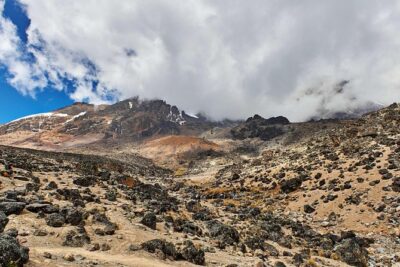 ★ 5.0Kilimanjaro climb, Marangu route (6-day)From $2,90272 reviews
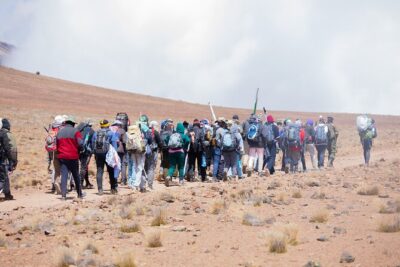 ★ 5.0Climbing Kilimanjaro – Marangu RouteFrom $2,00465 reviews
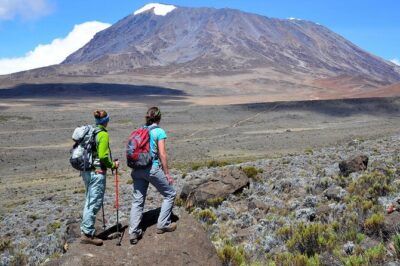 ★ 5.0Private Full Day Hiking Experience to Marangu RouteFrom $26061 reviews
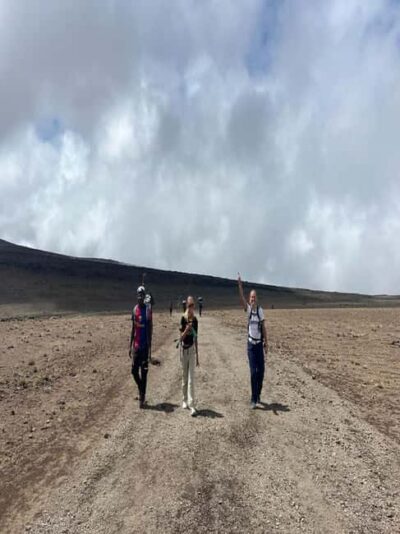 ★ 4.5From Arusha/Moshi: Kilimanjaro Hike Marangu Route Day TripFrom $10154 reviews
 ★ 5.0Mount Kilimanjaro Day Hike Through Marangu Route to Mandara HutFrom $26537 reviews
 ★ 5.0Kilimanjaro Climbing 5 days Marangu routeFrom $90022 reviews
 ★ 5.0Best Kilimanjaro Adventures 6 Days Marangu Route ExperienceFrom $1,00018 reviews
 ★ 5.06 Days Mount Kilimanjaro Trek Marangu RouteFrom $2,35015 reviews
Browse the lists this tour appears in