
REVIEW · KILIMANJARO RONGAI UMBWE AND SHIRA ROUTES
Kilimanjaro Climbing Rongai Route
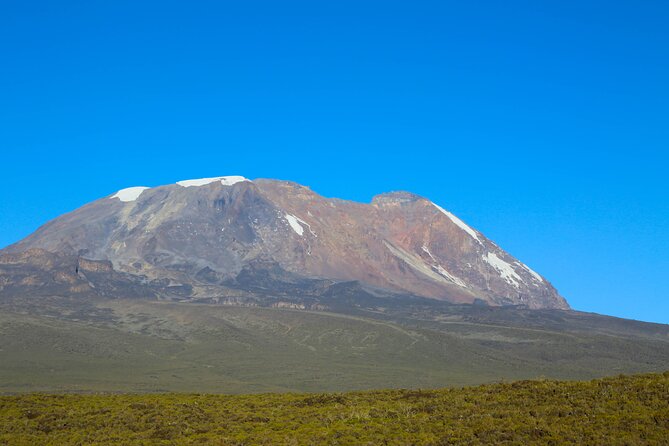
The Rongai climb earns respect fast. This 7-day Kilimanjaro trek starts near the Kenyan border at Nalemoru Gate and builds you up through rain forest, moorland, the saddle, and high-altitude camps, with local guides trained in safety and first aid. I especially like the way the schedule supports acclimatization, including a slower, steep day with afternoon free time at Mawenzi Tan Hut. The one drawback to plan for is the final summit push, the steepest and most demanding section that starts around midnight and can feel brutally cold and long if you are not comfortable hiking in the dark.
What makes this experience feel different is how much attention goes into the pacing and the “why” behind each altitude change. You’re not just hiking up and down, you’re stepping into different climate zones, then giving your body time to adjust before that midnight start. Also, the group size is capped at 15, which usually means more attention from the guide team and less chaos at camps.
In This Review
- Key things that matter before you go
- Rongai Route from Moshi: What kind of Kilimanjaro trip is this?
- Price and value: what you’re paying for
- From Moshi to Nalemoru Gate: Day 1 rain forest start
- Days 2 to 3 in the moorland zone: Kibo views and the eastern ice fields
- Day 4 Mawenzi Tan Hut: the steep climb, the cirque, and afternoon acclimatization time
- Day 5 saddle crossing to Kibo Hut: waiting for the midnight summit window
- Day 6 summit day via Gilman’s Point to Uhuru Peak, then down to Horombo
- Day 7 descent: Mandara Hut, rain forest return, certificates, and a warm shower
- Group size, pacing, and who this Rongai climb suits best
- Guides, support, and the human side of the trek
- Should you book this Kilimanjaro Rongai trek?
- FAQ
- Where does the trek start, and what time?
- How long is the Kilimanjaro Rongai route?
- What is the group size limit?
- Is the tour good for people with only moderate fitness?
- Are park admission tickets included?
- What is the cancellation and weather approach?
Key things that matter before you go
- Local, safety-trained guiding that focuses on first aid readiness, not just trekking knowledge
- Rongai start at Nalemoru Gate near the Kenyan border, beginning with rain forest walking
- Real acclimatization built into the days, with camp choices at multiple altitude levels
- A midnight summit strategy that targets sunrise from Gilman’s Point before reaching Uhuru Peak
- Small-group vibe (max 15) that tends to keep logistics calmer at high altitude
Other ways up Kilimanjaro we reviewed
- Kilimanjaro climb by Lemosho Route (7-day)★ 5.0 · 651 reviews
- Kilimanjaro climb, Machame Route (7-day)★ 5.0 · 262 reviews
- Kilimanjaro Climbing Lemosho Route 8 Days.★ 5.0 · 186 reviews
- Climbing Kilimanjaro – Machame Route★ 5.0 · 170 reviews
Rongai Route from Moshi: What kind of Kilimanjaro trip is this?
Rongai is a smart choice if you like a classic Kilimanjaro progression, but want it to feel a bit more spread out by terrain. Your first day starts in rain forest near the Kenyan border at Nalemoru Gate, then you move into moorland and later into more barren, high-alpine sections.
This matters because you get a natural “change of world” each day. Rain forest walking feels steady and greener, moorland shifts the views and the breathing, and the saddle brings you into the kind of stark terrain where every step feels purposeful. By the time you’re at summit altitudes, you’ve already trained your brain to expect cold, wind, and low visibility.
You’ll also be sleeping at multiple camps, not just one target altitude. The trek uses height changes that help many people adjust, especially on days where the climb is steep or long.
Price and value: what you’re paying for
At about $2,840.39 per person for roughly 7 days, this sits in the “serious trip” category. The value angle here is that you’re not just buying a route, you’re paying for the operational backbone that keeps a summit attempt realistic.
Here’s what stands out as value signals in the details you get:
- Admission tickets are included on the trekking days, so you are not piecing that together yourself.
- Pickup is offered, which reduces the hassle of figuring out how you get from Moshi to the park gate.
- Local guides are part of the package, and they’re described as trained in safety and first aid.
- The trek is paced for a range of hikers, with moderate physical fitness as the stated requirement.
Also, a small cap like maximum 15 travelers can matter more than people expect. Fewer people often means smoother camp routines, and it can reduce stress when weather shifts or you need extra attention.
From Moshi to Nalemoru Gate: Day 1 rain forest start
Your day begins with a morning departure from the Moshi area. You’ll drive to Nalemoru Gate, near the Kenyan border, and start climbing from there.
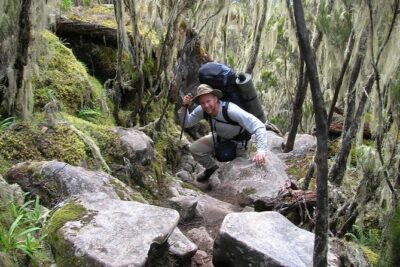
Day 1 is a gradual ascent through rain forest. This is the kind of start that helps you find your rhythm before altitude gets serious. If conditions line up, you might spot wildlife like zebras, elephants, buffaloes, and monkeys, which is a nice bonus when the trail is still comfortable enough to notice details.
Practical takeaway: don’t treat Day 1 like a warm-up jog. Move steadily, keep your breathing calm, and save energy. Rain forest can be humid, and a tired start makes the rest of the climb harder.
Quieter Kilimanjaro routes we walked through
Days 2 to 3 in the moorland zone: Kibo views and the eastern ice fields
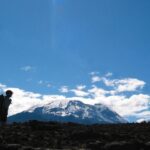
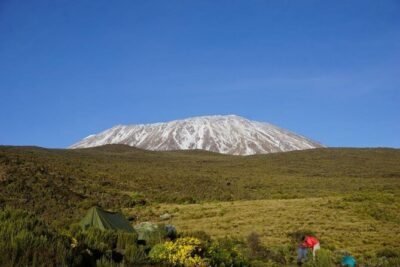
On Day 2, you continue upward to the second camp in the moorland zone, then overnight at 2nd Cave Camp (3450 m). The big payoff is the view of Kibo and the eastern ice fields from the crater rim.
Day 3 keeps the pattern of scenic progress plus altitude gains. You cross moorland on a smaller path toward Mawenzi’s jagged peaks (5140 m), then reach Kikelelwa for lunch and overnight. The views of the eastern ice field on Kibo’s crater rim are highlighted again, so you’re getting multiple chances to see that dramatic summit geography.
Why this matters: these are the days where your body learns the pace. You’ll notice how moving slower helps you feel stronger later. The goal is not to conquer kilometers, it’s to keep your effort smooth.
Day 4 Mawenzi Tan Hut: the steep climb, the cirque, and afternoon acclimatization time
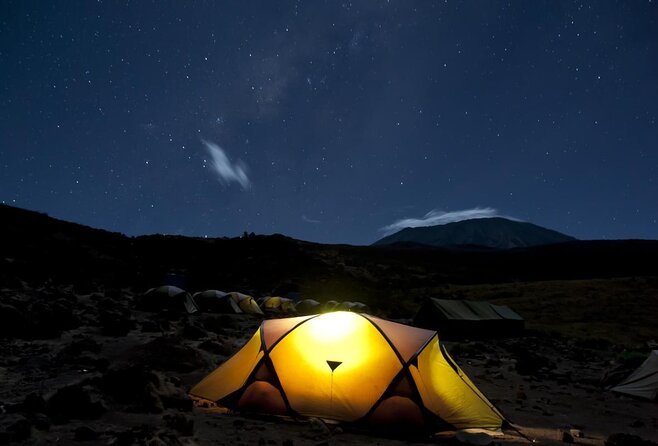
Day 4 is described as a short day with a steep climb to grassy slopes, followed by big all-around views. You’ll camp at Mawenzi Tan Hut (4330 m), in a cirque directly beneath Mawenzi’s spires.
Then you get afternoon free time. That may sound like “just resting,” but on Kilimanjaro it is an important part of the plan. Free time lets you manage breathing, reduce anxiety, and stay on top of hydration and warm clothing before the next higher stage.
Tradeoff: you may feel better on paper because the day is shorter, but the steep part still works your legs. Plan for sore quads, especially if you are not used to elevation work.
Day 5 saddle crossing to Kibo Hut: waiting for the midnight summit window
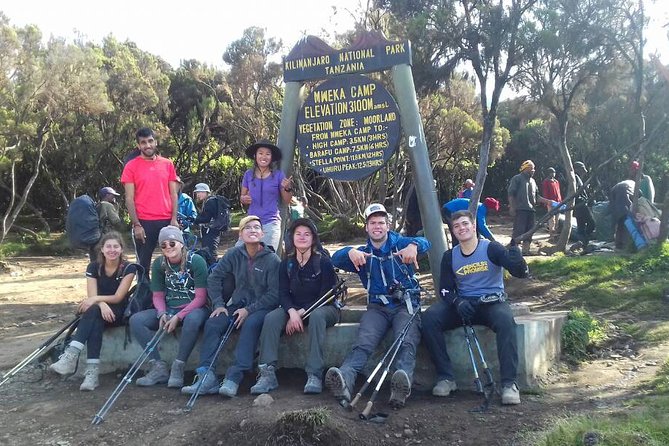
Day 5 brings you into the saddle area between Kibo and Mawenzi and continues toward Kibo Hut. Your afternoon includes lunch and resting at Kibo while waiting for the final ascent at midnight.
This is one of the psychologically tricky parts of the trek. You are not summiting yet, but you are operating on summit-time energy. If you’ve ever felt impatient before a long flight, it’s similar. You need to pace your excitement, then shift into calm focus when the clock changes.
You’ll want to use the waiting time intentionally: check your layers, drink regularly, and keep your head clear. When midnight arrives, the body should be ready to move, not scrambling because you forgot something.
Day 6 summit day via Gilman’s Point to Uhuru Peak, then down to Horombo
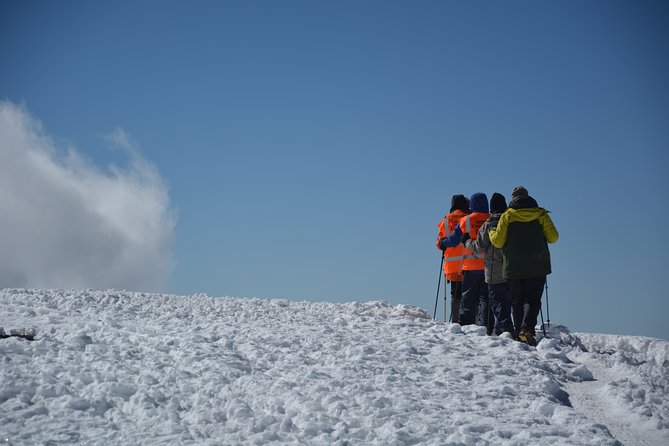
Day 6 starts climbing around 00:00, and it’s described as the steepest and most demanding segment. Your guide sets a standard pace, walk slowly, and keep it controlled. That advice sounds basic, but on Kilimanjaro it’s the difference between finishing strong and burning out early in the dark.
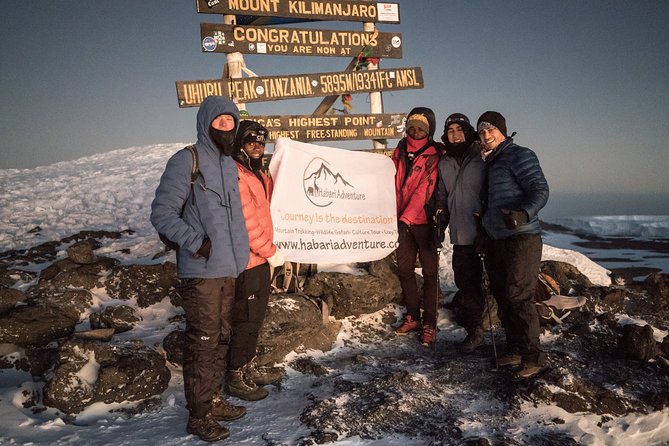
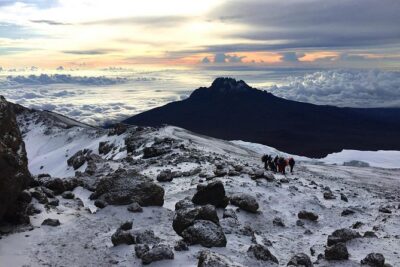
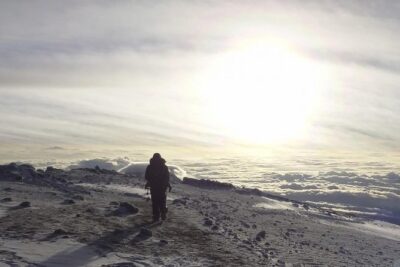
In darkness, it takes about 5 hours to reach Gilman’s Point (5685 m). You then rest briefly with a cup of tea and watch sunrise over Mawenzi. After that, you continue for almost 1 hour to Uhuru Peak (5895 m).
At the top, you pass close to summit ice and glaciers still occupying much of the summit area, then you take photos before starting the descent to Kibo Hut for a short rest and hot lunch. You then descend to Horombo Hut (3700 m) for overnight.
Here’s how to think about the day:
- The hardest part is not just height, it’s exposure, cold, and long effort in darkness.
- Sunrise at Gilman’s Point is not just scenic, it’s a mental checkpoint that helps you push through the final stretch.
- The descent to Horombo is still work, but it’s your physical reset after the summit.
Also note the time commitment listed for Day 6 is long, so if you tend to get cranky when schedules run late, plan for patience.
Day 7 descent: Mandara Hut, rain forest return, certificates, and a warm shower
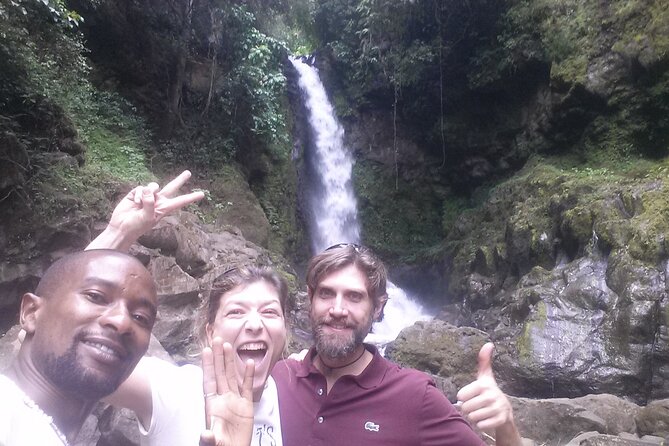
Your final day passes through heath and moorland zones to Mandara Hut (2700 m) for a hot lunch. Then you continue down through tropical rain forest back to the Kilimanjaro National Park gate.
After you complete park formalities, you collect your certificates. From there, the car takes you back to your hotel in Moshi, with the promise of a warm shower to mark the end of the climb.
This is the day people remember for two reasons: relief and gratitude. Your legs might feel strange after the high-altitude trek, but the rain forest return is a gentle emotional close. And the certificates give you something official to show for what you did.
Group size, pacing, and who this Rongai climb suits best
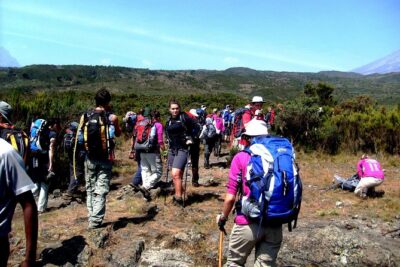
This trek is paced for moderate physical fitness, and the structure suggests it’s aimed at hikers who want a summit attempt without racing. A maximum of 15 travelers also suggests better flow at camps, where space and attention are limited.
You’ll likely enjoy this tour if you:
- Want strong guide support, including safety and first aid readiness
- Prefer a planned acclimatization rhythm rather than constant, relentless climbing
- Like scenic rewards tied to specific altitudes, not just “reach the top someday”
You might want to think twice if:
- You know you struggle with long nights and very cold conditions around midnight
- You are prone to pushing too hard early, then crashing later
- You have serious difficulty with steep sections, especially Day 4 and the summit climb
Guides, support, and the human side of the trek
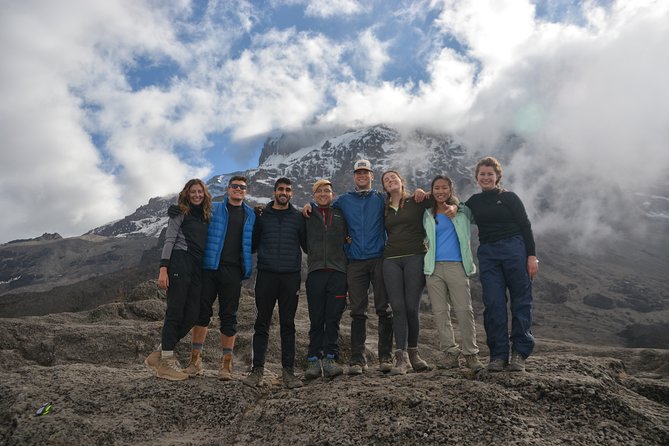
One of the clearest themes in the provided trip feedback is that the guide experience is a real part of the value. Guides are described as locals from Kilimanjaro and other areas of Tanzania, bringing local geography and safety training, plus practical know-how about the mountain environment.
Specific guide names show up in positive feedback, including Leon, Emmanuel, and Innocent. Even if you end up with a different leader, the important point is that Habari’s model puts experienced people in front of the group, and people who have been on the trek noticed how supportive and patient the guiding felt, especially for hikers who were not ultra experienced.
That support is not just nice. On summit night, it can be the difference between stopping often to regain composure and having to stop too much because you mismanaged effort.
Should you book this Kilimanjaro Rongai trek?
If your main goal is a structured Kilimanjaro experience with local, safety-minded guides, good acclimatization timing, and a clear summit plan starting at midnight, this is a strong option to consider. The included admission ticket and the small-group cap make the package feel more complete than DIY climbing.
I would book it if you are comfortable with steep climbs, cold summit conditions, and the long summit-day timeline. I would not book it if your comfort zone is flat terrain, short hiking days, or you cannot handle a demanding nighttime effort.
If you do book, do yourself a favor and treat pacing like a skill you learn on Day 1. Walk slower than you think you need to, dress for cold early, and use the afternoon rest time on Day 4 as part of the summit strategy, not a break from it.
FAQ
Where does the trek start, and what time?
The trek start point is Kilimanjaro Airport, in the Kilimanjaro National Park area of Tanzania, with a start time of 8:00 am.
How long is the Kilimanjaro Rongai route?
The trip is listed as 7 days approximately.
What is the group size limit?
The tour/activity has a maximum of 15 travelers.
Is the tour good for people with only moderate fitness?
Travelers should have a moderate physical fitness level.
Are park admission tickets included?
Yes. Admission Ticket Included is listed for each trekking day in the schedule.
What is the cancellation and weather approach?
Free cancellation is offered if you cancel up to 24 hours in advance for a full refund. The experience requires good weather, and if it is canceled due to poor weather, you will be offered a different date or a full refund.
The Quieter Kilimanjaro Trails
- Kilimanjaro climb, Rongai Route (7-day)
★ 5.0 · 40 reviews - Kilimanjaro climb, Rongai Route (6-day)
★ 5.0 · 15 reviews - Mount Kilimanjaro Rongai Route
★ 5.0 · 10 reviews - 6-Day Rongai Route Trek in Mount Kilimanjaro
★ 5.0 · 8 reviews - Rongai Route 6 Days 5 Nights/Kilimanjaro climb
★ 5.0 · 7 reviews
Kilimanjaro, Route by Route
- Kilimanjaro climb by Lemosho Route (7-day)
★ 5.0 · 651 reviews - Kilimanjaro climb, Machame Route (7-day)
★ 5.0 · 262 reviews - Kilimanjaro Climbing Lemosho Route 8 Days.
★ 5.0 · 186 reviews - Climbing Kilimanjaro – Machame Route
★ 5.0 · 170 reviews - Climbing Kilimanjaro through 7 days Machame Route
★ 5.0 · 151 reviews
Just added from around Moshi
Kilimanjaro Rongai Umbwe and Shira Routes, compared.
 ★ 5.0Kilimanjaro climb, Rongai Route (7-day)From $3,50740 reviews
 ★ 5.0Kilimanjaro climb, Rongai Route (6-day)From $3,06415 reviews
 ★ 5.0Mount Kilimanjaro Rongai RouteFrom $2,70010 reviews
 ★ 5.06-Day Rongai Route Trek in Mount KilimanjaroFrom $2,3538 reviews
 ★ 5.0Rongai Route 6 Days 5 Nights/Kilimanjaro climbFrom $1,8507 reviews
 ★ 5.0Mt. Kilimanjaro: Shira plateau to Cathedral point 3872m Day hikeFrom $3207 reviews
 ★ 5.06-Day Kilimanjaro Umbwe Route–Steep,Adventurous, Challenging PathFrom $2,3106 reviews
 ★ 5.0Kilimanjaro climb, Kilimanjaro Crater route (10-day)From $6,4665 reviews
Browse the lists this tour appears in