
REVIEW · KILIMANJARO RONGAI UMBWE AND SHIRA ROUTES
Kilimanjaro climb, Rongai Route (6-day)
Kilimanjaro’s Rongai side feels oddly calm. This 6-day climb from the north is built for travelers who want big summit goals with less crowd pressure, plus real wilderness camping support. You’ll start at Nalemuru Gate, work your way to high camps, and make the Uhuru Peak push from the night hours.
I love how the plan balances effort with acclimatization, especially the Mawenzi day that includes an easy hike with controlled altitude gain. I also like that the camp setup is handled for you, from walk-in tents and dining gear to daily meals with multiple diet options.
One possible drawback is the altitude math on a shorter schedule. The Rongai profile gives you less time to absorb the climb stress than some longer itineraries, so you must take pacing and rest seriously.
In This Review
- Key things I’d bank on before you book
- Rongai Route in Six Days, what this climb really asks of you
- Moshi hotel nights in Aishi Machame, where you reset before the climb
- Day 2 from Nalemuru Gate to Simba Camp: forest hiking and permit reality
- Day 3 Simba Camp to Kikilewa: higher air and Kibo on clear days
- Day 4 Mawenzi Tarn Camp: acclimatization done the smart way
- Day 5 to School Hut Camp: the semi-desert shift and summit-night prep
- Day 6 Uhuru Peak at night: the hardest part, with close guide support
- Day 7 exit through Marangu Gate: finishing at 1,860 m
- Day 8 hotel rest and airport transfer: practical downtime
- Camp comfort, food, and medical support: what the package covers well
- Guides, crews, and the human side of staying calm
- Price and value: what you’re paying for on a $3,064 package
- Who this Rongai climb fits best, and where you should be cautious
- Should you book this Altezza Rongai 6-day climb?
- FAQ
- How long is the Kilimanjaro Rongai experience, and how many days are on the mountain?
- Where do you start and where do you finish the trek?
- What’s included in the price?
- Do you provide medical support and oxygen?
- Can I get vegetarian or other diet options?
- Is a visa and travel insurance included?
Key things I’d bank on before you book
- Rongai Route timing for fewer people, which makes the whole experience feel more personal
- Certified Wilderness First Responder guides plus medical check-ups and on-mountain gear
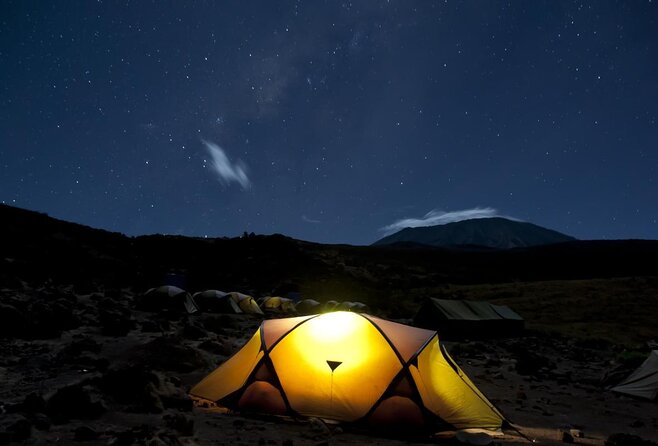
- All camp logistics covered, including tents (North Face VE-25), dining setup, porters, and meals
- Clear acclimatization day structure, including a deliberate 200-meter gain hike near Mawenzi
- A guided summit push at night, with each climber paired to a guide for monitoring stamina and mindset
Other ways up Kilimanjaro we reviewed
- Kilimanjaro climb by Lemosho Route (7-day)★ 5.0 · 651 reviews
- Kilimanjaro climb, Machame Route (7-day)★ 5.0 · 262 reviews
- Kilimanjaro Climbing Lemosho Route 8 Days.★ 5.0 · 186 reviews
- Climbing Kilimanjaro – Machame Route★ 5.0 · 170 reviews
Rongai Route in Six Days, what this climb really asks of you
The Rongai route is known for two things: it’s on Kilimanjaro’s quieter northern side, and it can feel more “wild” because you’re not in the same constant flow of trekkers you see on busier approaches. That matters because Kilimanjaro is already a high-workload trip. Less crowd pressure can help you keep a steady rhythm and stick to your plan.
This specific version is a 6-day climb with shorter time on the mountain than longer programs. That doesn’t automatically mean it’s easy, but it does mean your success depends on how well you follow the details: pace, rest, hydration, and taking acclimatization hikes seriously. If you’re a regular hiker and you respect altitude, you’ll find the schedule matches your effort level.
Physically, the trekking days range from moderate to more demanding, and the big turning points are the higher camps. Mentally, the standout moment is the night summit day. It’s not only cold and dark, it’s also when you need the most calm, focused decision-making.
Moshi hotel nights in Aishi Machame, where you reset before the climb
Your trip starts in Moshi, and you get pre-climb and post-climb hotel time in the foothills. The package includes two nights at Aishi Machame Hotel, with check-in that starts at 2:00 PM on arrival day. That buffer is useful if your flight lands earlier or later than planned, because you can settle, eat, hydrate, and get organized.
On the first evening, there’s a briefing with the managers. You’ll also want that time to confirm your gear setup and your daily plan: when you’ll wake up, how you’ll pack for the summit window, and what pace you’ll aim to hold. In Kilimanjaro terms, the night before Day 2 is where good climbs start.
There’s also a practical perk here: you’re not stepping directly from the airport into the mountain grind. A pool and internet access are included at the hotel, and that helps if you want a quick reset without feeling like the trip already stole your sleep.
Day 2 from Nalemuru Gate to Simba Camp: forest hiking and permit reality
Day 2 begins at Nalemuru Gate at about 2,020 m. You’ll handle park formalities, including climbing permits and registration with the search and rescue service, then you move into the trekking portion right after a quick briefing. It’s a smoother start than you might expect for something this high, but still, treat this first day as a warm-up, not a fitness contest.
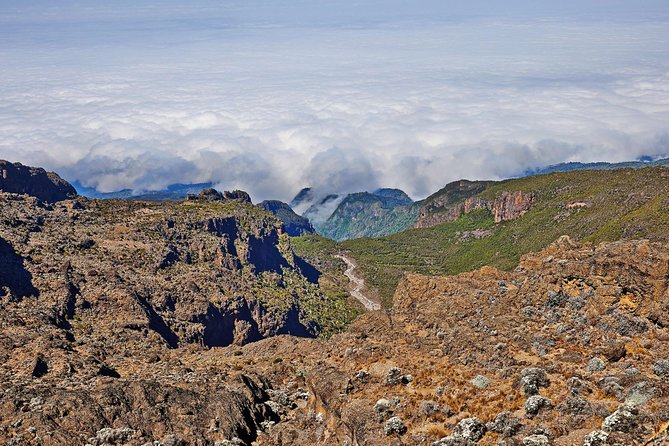
The walk up to Simba Camp (about 2,625 m) takes you through coniferous forest on Kilimanjaro’s northern slope. Forest days can fool you into feeling like it’s only “hiking,” but altitude still accumulates. So I like the guidance to keep a comfortable pace and not rush.
By the time you reach camp, the team sets everything up for you. That includes camp readiness and getting your living setup organized so you can focus on rest, warm drinks, and early sleep.
Quieter Kilimanjaro routes we walked through
Day 3 Simba Camp to Kikilewa: higher air and Kibo on clear days
Day 3 climbs from Simba Camp toward Kikilewa Camp at about 3,630 m. Expect this day to feel more physically demanding than Day 2, which makes sense since you’re gaining height faster and you’re moving deeper into the thicker altitude zone.
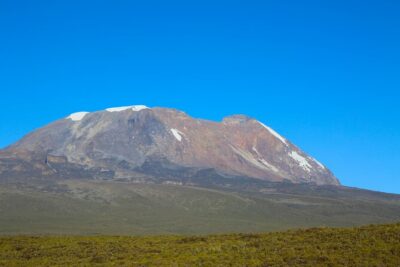
You’ll have a real chance of seeing Kibo Volcano at its finest, assuming the weather cooperates. Clouds on Kilimanjaro are part of the deal, so don’t plan your mood around a single view. Still, that sightline can be a major morale boost if you get it.
Once you arrive, the program strongly encourages full rest. I agree with that approach. On Kilimanjaro, the easiest thing to mess up is thinking you can “make up time” after a demanding segment. You can’t out-walk altitude.
Day 4 Mawenzi Tarn Camp: acclimatization done the smart way
Day 4 is built around Mawenzi Tarn Camp, near the foot of Mawenzi Volcano. The plan includes a lunch and about a two-hour rest after you reach camp, then an acclimatization hike toward Mawenzi with a gain of about 200 m, followed by a hike back down to camp.
This is one of the most important “small” parts of your trip. The hike isn’t meant to exhaust you, it’s meant to help your body adjust. I like how the schedule is specific about doing a mild upward movement, because that reduces the temptation to treat acclimatization as optional sightseeing.
Your success on Kilimanjaro is often less about hero moments and more about doing the boring altitude homework correctly. Taking this day seriously can also help your summit-day head stay clear, because you’re not fighting a lingering altitude problem.
Day 5 to School Hut Camp: the semi-desert shift and summit-night prep
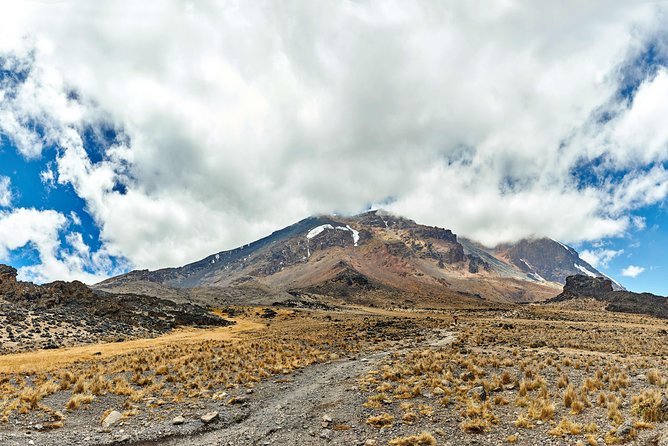
Day 5 moves you up to School Hut Camp at about 4,715 m. The landscape changes significantly, shifting toward rocky semi-desert terrain. That shift can change your footing and your breathing, because rocky ground tends to feel slower underfoot even when the route is not overly technical.
The trek itself is described as not very difficult, but it’s still a long day. The main takeaway is pace. If you push too hard here, you’ll pay later, especially during the summit-night ascent.
When you reach School Hut Camp, the advice is clear: sleep well, avoid strenuous activity, and drink as much as you can. The reason is simple. That night, you start ascending toward Uhuru Peak. If you treat the evening like it’s just another camp night, you’ll feel it in your energy levels.
Day 6 Uhuru Peak at night: the hardest part, with close guide support
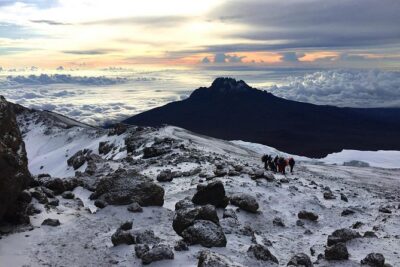
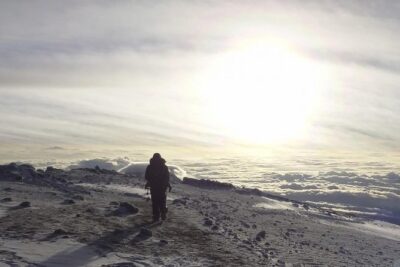
Night departure from School Hut Camp starts the summit day toward Uhuru Peak (about 5,895 m). Physically, it’s described as moderate, but the altitude makes it serious. At this elevation, your body is working against low oxygen no matter how smooth your steps feel.
One detail I really appreciate in this plan is how summit support is structured. Each pair of climbers is accompanied by their own guide, monitoring stamina and mental resolve for the ascent. That can help you stay disciplined when you’re tired, and it also gives you a feedback loop rather than a “figure it out yourself” situation.
After reaching Uhuru Peak, there’s an option to descend to the nearest glacier if desired. Then you return to Kibo Camp for about a two-hour rest before continuing down to Horombo Camp at roughly 3,720 m.
Descent matters. Many bad moments on high mountains come when people rush at the wrong time. Even if you feel strong after the summit, treat the down portion with respect. Your legs may still be carrying altitude fatigue.
Day 7 exit through Marangu Gate: finishing at 1,860 m
Day 7 starts with a warm breakfast, then you head for the exit at Marangu Gate at about 1,860 m. After you descend, the whole group gathers to congratulate you, and there’s time to share thoughts in a guestbook. Certificates are provided after the trip, in the office.
This day is shorter on the clock, but don’t underestimate how emotional it can be. The climb ends, you’re tired, and you finally get normal oxygen levels again. A clean exit through the gate helps you close the loop rather than just stumbling into the next logistics step.
You’ll also transfer back to the hotel, which is a nice way to avoid that post-summit scramble. Eat, shower, and let your body cool down.
Day 8 hotel rest and airport transfer: practical downtime
Day 8 is a rest day in the hotel, plus transfer to the airport. Hotel check-out is listed as 11:00 AM, and if your flight is later, there’s an option to extend your stay for an extra fee.
I like having this built in because it protects your trip quality. After a summit, you don’t want a rushed departure. You want time to pack slowly, rehydrate properly, and handle any final logistics without stress.
Camp comfort, food, and medical support: what the package covers well
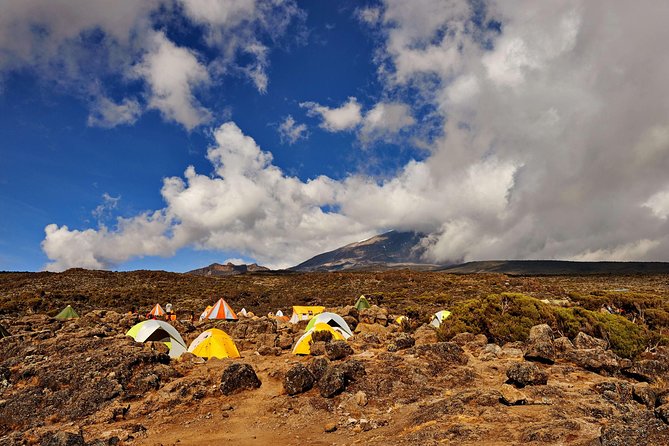
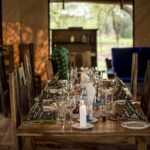
Kilimanjaro success is partly the route and partly the day-to-day support. This program includes North Face VE-25 tents (two hikers per tent for non-solo climbs) and uses walk-in tent setups designed for Kilimanjaro. There’s also a dining tent with the expected camp gear like sleeping pads, tables, chairs, and serving items.
The porters carry your equipment, which helps you hike with a manageable load. That’s a big deal on summit night when you need energy, not extra weight.
Food is also a core value here. You get three meals a day plus drinks on the mountain, with options for vegetarian, vegan, lactose-free, gluten-free, halal, and other meal plans. In practice, that flexibility matters if you have a sensitive stomach or strict dietary needs at altitude.
The medical side is one of the clearest “serious operator” signals. The program includes oxygen tanks and oximeters, medical kits, medical check-ups, and certified Wilderness First Responder guides. You’re also supported by a professional climbing crew including camp masters, cooks, and porters.
If you like the idea of being looked after without having to manage every detail, this is where the money tends to make sense. You’re paying for a working system that handles camp, food, and safety tools while you focus on moving.
Guides, crews, and the human side of staying calm
The strongest theme in the provided guidance is consistency and professionalism from the people on the mountain. Past groups have referenced guides including Shabane, Kelvin, Emmanuel, Joseph, Professor Gerald, DJ Adam, Peter, Richard, Stanford, Innocent, Emanuel, and Godfrey. You can’t book a specific person every time, but it’s a helpful sign that real climbing experience shows up in the staffing.
There’s also a pattern of attention to safety and detailed organization. That shows in how the summit day is structured around ongoing guide monitoring and how acclimatization hikes are treated as real medical prep, not just a nice walk.
Even the meals have had standout notes, including mention of a chef named Justin. That kind of consistency makes a practical difference. On Kilimanjaro, warm, reliable food helps you keep strength and stay mentally steady.
Price and value: what you’re paying for on a $3,064 package
At $3,064 per person, this isn’t a budget trek. But it also isn’t just a “guide and go” situation. You’re paying for a full package that includes:
- JRO airport pickup and drop-off
- Ground transportation and two nights of hotel lodging
- Park fees collected through the Kilimanjaro National Park
- Tents and branded group gear for camp setup
- Three meals daily plus drinks on the mountain
- Oxygen tanks, oximeters, and medical kits
- Certified Wilderness First Responder guides and a professional crew
- Medical check-ups and the systems to run camp day after day
What’s not included is also important. You’ll pay for your Tanzanian visa at JRO (cost depends on passport), your flights to Tanzania, and you’ll need mountaineering insurance covering trekking up to 6,000 m. Personal gear like boots and a sleeping bag is not included, though it can be hired.
Tips are optional based on satisfaction. That means you’re not locked into a forced service charge, but you should still plan to reward the crew fairly if the experience is well run.
For me, the value question comes down to this: if you want the summit goal with less mental overhead, and you want real safety tools and camp logistics handled by professionals, this package reads like a practical deal. If you already know how to manage your own camp and you can self-support legally and safely, a cheaper option might exist. But for most people, Kilimanjaro is not the place to gamble on underbuilt support.
Who this Rongai climb fits best, and where you should be cautious
This tour is aimed at regular hikers with a moderate fitness level. It also says acclimatization will be smoother if you have previous high-altitude experience, which is a smart way to say the mountain still needs respect.
You’ll likely be a great fit if:
- You can handle 6 days of sustained trekking with height gain
- You’re okay with camping in tents and early nights
- You follow instructions during acclimatization hikes
- You want a quieter, less pressured route feel on Kilimanjaro’s north side
You should think twice if you know you tend to push too fast, ignore rest advice, or you’re unsure how you react to altitude. A shorter plan can still work, but it demands discipline. Kilimanjaro does not care how motivated you are.
Should you book this Altezza Rongai 6-day climb?
If you want a well-run Kilimanjaro climb that handles the big moving parts for you, I’d seriously consider booking. The combination of certified first responder support, oxygen and monitoring tools, structured acclimatization, and full camp logistics is exactly what most people need on a mountain where mistakes are costly.
My only hesitation is the short schedule. If you’re new to high altitude or you’re the type who struggles with pacing, you might want a longer acclimatization itinerary. But if you’re a regular hiker who will take the slow days seriously, this Rongai plan is a strong way to chase Uhuru Peak with a quieter route feel and a professional crew around you.
FAQ
How long is the Kilimanjaro Rongai experience, and how many days are on the mountain?
The climb is listed as a 6-day Kilimanjaro Rongai hiking adventure, with additional pre and post accommodation included. The overall duration is shown as about 8 days.
Where do you start and where do you finish the trek?
You start trekking from Kilimanjaro National Park’s northern entrance at Nalemuru Gate (about 2,020 m). You exit at Marangu Gate (about 1,860 m).
What’s included in the price?
The package includes JRO airport pickup and drop-off, ground transportation, two nights in Aishi Machame Hotel, camping tents and group equipment, park fees, three meals a day plus drinks on Kilimanjaro, and on-mountain medical support such as oxygen tanks and oximeters, medical kits, and medical check-ups.
Do you provide medical support and oxygen?
Yes. The included support lists medical check-ups, oxygen tanks and oximeters, and medical kits, and guides are certified Wilderness First Responder.
Can I get vegetarian or other diet options?
Yes. Meal plans are available for vegetarian, vegan, lactose-free, gluten-free, halal, and other dietary needs, with options for each meal.
Is a visa and travel insurance included?
No. Visa costs are not included and you obtain it at JRO. Mountaineering insurance covering trekking up to 6,000 m is not included, though it is highly recommended.
The Quieter Kilimanjaro Trails
- Kilimanjaro climb, Rongai Route (7-day)
★ 5.0 · 40 reviews - Mount Kilimanjaro Rongai Route
★ 5.0 · 10 reviews - 6-Day Rongai Route Trek in Mount Kilimanjaro
★ 5.0 · 8 reviews - Rongai Route 6 Days 5 Nights/Kilimanjaro climb
★ 5.0 · 7 reviews - 6-Day Kilimanjaro Umbwe Route–Steep,Adventurous, Challenging Path
★ 5.0 · 6 reviews
Kilimanjaro, Route by Route
- Kilimanjaro climb by Lemosho Route (7-day)
★ 5.0 · 651 reviews - Kilimanjaro climb, Machame Route (7-day)
★ 5.0 · 262 reviews - Kilimanjaro Climbing Lemosho Route 8 Days.
★ 5.0 · 186 reviews - Climbing Kilimanjaro – Machame Route
★ 5.0 · 170 reviews - Climbing Kilimanjaro through 7 days Machame Route
★ 5.0 · 151 reviews
Just added from around Moshi
Kilimanjaro Rongai Umbwe and Shira Routes, compared.
 ★ 5.0Kilimanjaro climb, Rongai Route (7-day)From $3,50740 reviews
 ★ 5.0Mount Kilimanjaro Rongai RouteFrom $2,70010 reviews
 ★ 5.06-Day Rongai Route Trek in Mount KilimanjaroFrom $2,3538 reviews
 ★ 5.0Mt. Kilimanjaro: Shira plateau to Cathedral point 3872m Day hikeFrom $3207 reviews
 ★ 5.0Rongai Route 6 Days 5 Nights/Kilimanjaro climbFrom $1,8507 reviews
 ★ 5.0Kilimanjaro Climbing Rongai RouteFrom $2,8406 reviews
 ★ 5.06-Day Kilimanjaro Umbwe Route–Steep,Adventurous, Challenging PathFrom $2,3106 reviews
 ★ 5.0Kilimanjaro climb, Kilimanjaro Crater route (10-day)From $6,4665 reviews
Browse the lists this tour appears in