
REVIEW · KILIMANJARO RONGAI UMBWE AND SHIRA ROUTES
Mount Kilimanjaro Rongai Route
Kilimanjaro, but with a quieter start. This 7-day Rongai Route climb from Moshi is built around gradual altitude gain at first, then big momentum when it counts, with a strong emphasis on support and organization. I like that the plan includes clear acclimatization stops and a realistic hiking rhythm, plus the guides are known for staying attentive as altitude hits.
What I’d happily call a standout is the way your days are managed for you, from hot meals at camp to practical briefings before harder segments. In past climbs with this operator, guides such as Izadini and Teodori (Tido) are praised for being present and responsive, and that kind of support matters when the trail gets serious. The main drawback to consider is simple: this is still a tough, long summit day, with very early starts and 12 to 15 hours of hiking for the final push and descent.
If you’re the type who hates surprises, the schedule here is the good kind of predictable. You’ll know roughly when the climbs get steep, you’ll have an extra acclimatization day at Mawenzi Tarn, and you’ll finish with a drive back to Moshi and a summit certificate. Just be honest with your fitness and comfort with altitude before you sign up.
In This Review
- Key Things That Make This Rongai Climb Feel Well Run
- Why the Rongai Route Works (Especially for First-Timers)
- Moshi Start, Pickup Options, and Your 7:00 am Kickoff
- Day 1: Rongai Gate to Simba Camp Through Farmlands and Pines
- Day 2: Second Cave, Mawenzi Views, and Kikelewa Camp
- Day 3: Shorter but Steeper to Mawenzi Tarn
- Day 4: The Acclimatization Day at Mawenzi Tarn That You Shouldn’t Skip
- Day 5: The Saddle Toward Kibo Hut and the Summit Briefing
- Day 6: Midnight Ascent to Gillman’s Point, Uhuru Peak, Then Down to Horombo
- Day 7: Descent Back Through Moorland and Rainforest to Marangu Gate
- Price and Value: What $2,700 per Group Really Buys
- Who This Rongai Route Suits Best
- Should You Book This Rongai Route Climb?
- FAQ
- How long is the Mount Kilimanjaro Rongai Route trek?
- Where do you start and what time does it begin?
- Is this a private tour?
- How large is the group?
- Is pickup available?
- What fitness level do I need?
- Are admission tickets included?
- FAQ
- What is the cancellation policy?
Key Things That Make This Rongai Climb Feel Well Run
- Rongai Gate first day pacing: gentle ascent through farmlands and pine forest to help you adjust
- Mawenzi Tarn acclimatization day: an intentional extra day to hike up toward Mawenzi Peak and recover
- Strong summit logistics: a midnight start, route via Gillman’s Point, and a summit finish designed for sunrise conditions (when weather allows)
- Meal support at altitude: hot meals and even high-altitude multi-course dinners have been highlighted
- Attentive guide and porter teams: people are supported, not just pointed up the mountain
Other ways up Kilimanjaro we reviewed
- Kilimanjaro climb by Lemosho Route (7-day)★ 5.0 · 651 reviews
- Kilimanjaro climb, Machame Route (7-day)★ 5.0 · 262 reviews
- Kilimanjaro Climbing Lemosho Route 8 Days.★ 5.0 · 186 reviews
- Climbing Kilimanjaro – Machame Route★ 5.0 · 170 reviews
Why the Rongai Route Works (Especially for First-Timers)
The Rongai Route is often chosen because it gives you a slower build early on. Your first days focus on getting your body used to thinner air while still moving forward, so you start stacking altitude with more time to adapt. That matters because Kilimanjaro is less about raw speed and more about staying steady and listening to your body.
You’re also getting a route that feels different from some of the more famous approaches. Rongai begins with farmlands and pine forests, then transitions into moorland and the dramatic high zones. Even on paper, the itinerary reads like it’s tuned for real-world altitude management, not just checking boxes.
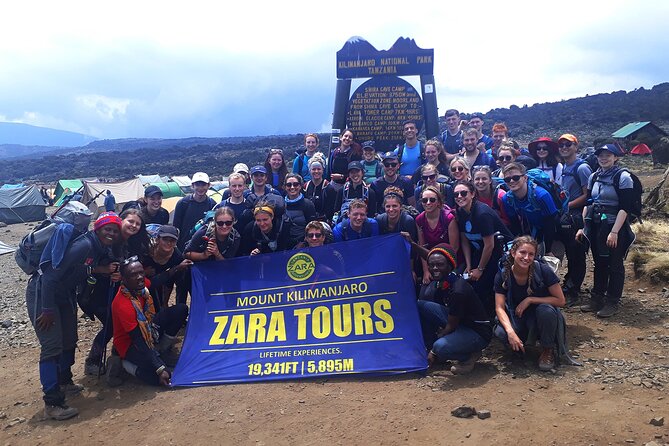
The operator behind this climb, Zara Tanzania Adventures, also leans into organization and people-power. In one account, a group of 27 had a professional crew of 75 supporting logistics, including mountain guides, porters, cooks, and waiters. That’s not proof that every trip runs like that, but it does tell you they understand the staffing challenge of a mountain climb.
Moshi Start, Pickup Options, and Your 7:00 am Kickoff
Most of your trip begins around Moshi, with pickup offered. The trek is scheduled to start at 7:00 am, and your meeting point includes Kilimanjaro Airport and Kilimanjaro National Park Tanzania. Practically, that means you’re not rolling out at some chaotic sunrise time, and you can plan your morning with less stress.
This is a private tour/activity, meaning only your group participates. For a climb like Kilimanjaro, that privacy is not just a comfort perk. It also helps with pace control and group management when everyone has different trekking rhythms.
You’ll receive confirmation at booking time, and you’ll get a mobile ticket. Small detail, big comfort, because it reduces the scramble for paperwork once you’re in Tanzania.
Day 1: Rongai Gate to Simba Camp Through Farmlands and Pines
You’ll start after breakfast at your hotel, then drive toward Rongai Gate. The day includes a 2 to 3 hour transfer through scenic farmlands and rural villages, then registration at the gate. I like this setup because it gives you a gentle transition from “travel mode” into “trek mode.”
Your hike on Day 1 is about 8 km, roughly 3 to 4 hours. The ascent starts mild, which helps you adjust to altitude before the steeper sections show up later. The trail passes lush farmlands and pine forests, and you might spot wildlife such as colobus monkeys.
By the end of the day you reach Simba Camp for a hot meal and a night of rest. This is the first place where the tour’s structure shows its value: you’re not trying to conquer anything on Day 1, you’re setting yourself up to survive Day 6.
Quieter Kilimanjaro routes we walked through
Day 2: Second Cave, Mawenzi Views, and Kikelewa Camp
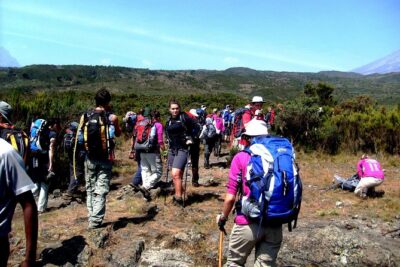
Day 2 steps it up to about 10 km and 5 to 6 hours of hiking. You ascend to the Second Cave for lunch, then continue across moorland toward Mawenzi’s jagged peaks. This section is described as more isolated, and that isolation is part of the appeal. On a mountain climb, fewer distractions can make it easier to pace yourself.
You’re moving into higher altitude, from about 2,600 meters up toward 3,600 meters. The itinerary continues with a camp stop at Kikelewa Camp, in a sheltered valley surrounded by giant Senecios and near Kikelewa Cave. That setting matters because camp conditions help you sleep, and sleep is a performance tool at altitude.
You’ll rest, relax, and prepare for the next day. This is also the kind of day where your hydration habits start to show. If you tend to forget water when you’re busy hiking, start doing it early here.
Day 3: Shorter but Steeper to Mawenzi Tarn
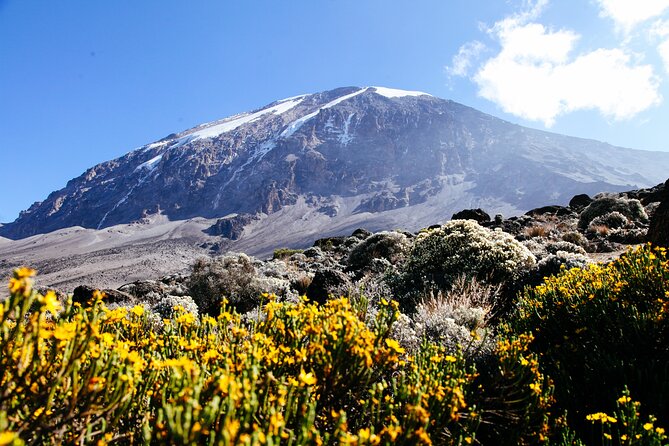
Day 3 is only about 6 km, 3 to 4 hours, but it’s steeper. You’ll hike across grassy slopes toward Mawenzi Tarn, positioned beneath the towering cliffs of Mawenzi Peak. Expect big views, but also expect your legs to feel it.
You’re headed from roughly 3,600 meters to around 4,315 meters. When the trek is shorter but steeper, it’s a reminder that altitude plus effort is the real equation, not distance alone.
Once you arrive at camp, you get hot lunch, then dinner later. There’s also an informative briefing from your guide in the evening to prepare you for higher altitudes next. I take that kind of briefing seriously. Even if you think you know the plan, it helps to have someone explain what to watch for in your own body and how to manage energy for the days ahead.
Day 4: The Acclimatization Day at Mawenzi Tarn That You Shouldn’t Skip
This extra day is one of the smartest parts of the itinerary. Day 4 sits at about 4,330 meters and is designed for acclimatization. You hike up toward Mawenzi Peak as a practical altitude adjustment, then return to Mawenzi Tarn to rest.
If you’re the type who wants to “just keep moving,” this day can feel like a pause. But it’s the kind of pause that often pays off later when the summit day gets long. The climb to higher altitude works best when your body has time to catch up, and this is built into the plan.
The itinerary also emphasizes staying well hydrated and staying focused. That’s not mountain poetry. At this height, small habits can make a big difference.
Day 5: The Saddle Toward Kibo Hut and the Summit Briefing
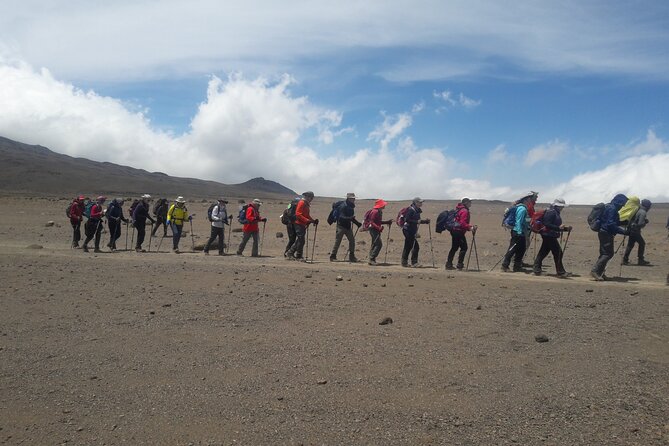
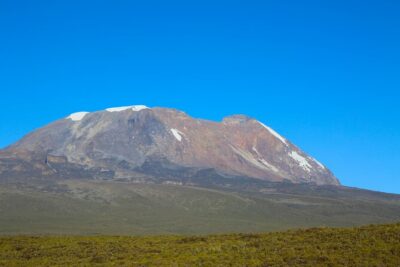
Day 5 is about 8 km and 5 to 6 hours. You’ll trek across the Saddle, the barren lunar zone between Mawenzi and Kibo peaks. The description of the terrain as desolate can sound discouraging, but it’s also kind of mesmerizing. It’s the part of the route where the mountain looks like a different world.
The trail maintains a gentle incline for a steady pace as you approach the final stage. The reward is reaching Kibo Hut. Here you rest and enjoy an early dinner so you can conserve energy for the summit attempt.
This is also when your guide provides a detailed briefing, because the summit ascent begins shortly after midnight. Even if you’re physically ready, you want your mind ready too, and briefings help you avoid panic when it’s dark and cold and you can barely feel your fingers.
Day 6: Midnight Ascent to Gillman’s Point, Uhuru Peak, Then Down to Horombo
Day 6 is the star of the whole trek, and it’s also the hardest. You’re up around midnight for the final ascent, and you hike and descend for about 12 to 15 hours over roughly 22 km. That time frame alone tells you how important pacing and teamwork are.
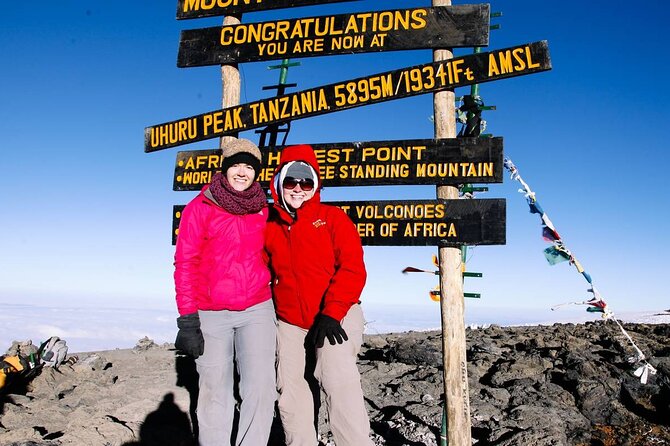
The climb from Kibo Hut toward Gillman’s Point at around 5,685 meters is described as steep and strenuous, typically taking around six hours of steady climbing. Once you reach Gillman’s Point, you traverse the crater rim toward Uhuru Peak, which is the highest point in Africa. If the weather cooperates, you’re rewarded with a sunrise view.
After the summit, you descend to Kibo Hut for a short rest, then continue onward to Horombo Hut for the night. This pattern is common on Kilimanjaro, but it’s still worth naming: the goal is not just reaching the top, it’s surviving the long return with enough strength to keep moving safely.
In past climbs supported by this operator, guides are praised for being super attentive, watching for fatigue and signs of altitude sickness. That kind of care matters most when everyone’s running on limited oxygen and limited sleep.
Day 7: Descent Back Through Moorland and Rainforest to Marangu Gate
You finish with a long descent, which sounds easier until you do it. Day 7 is about 20 km, 6 to 7 hours. You start after breakfast at around 3,720 meters and drop down toward Marangu Gate, reaching roughly 1,830 meters.
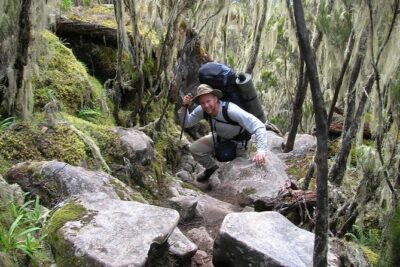
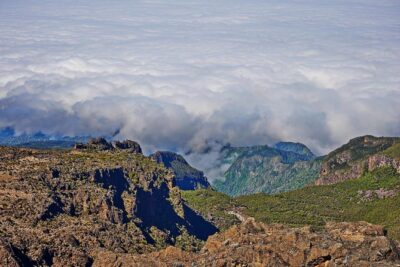
The itinerary describes moving through moorland and lush rainforest zones. That change of environment is one of the best parts of finishing. It’s a visible sign that you’re getting your body back to normal air.
When you reach Marangu Gate, you’re presented with your summit certificate. Then you’re driven back to Springlands Hotel in Moshi for a hot meal, a refreshing shower, and a comfortable bed.
If you want to continue the adventure, there’s also an option to meet with a safari coordinator to explore wildlife safari ideas or a relaxing trip to Zanzibar beaches.
Price and Value: What $2,700 per Group Really Buys
The price is listed as $2,700.00 per group, up to 15 people. Because this is a private tour/activity, you’re not paying just for a trail. You’re paying for the people and logistics that make that trail manageable, including guides, porters, cooks, and support staff.
What makes value feel real here is the consistency of support. Reviews highlight attentive guide leadership and the porter team, plus strong organization and professional crews. People also mention food quality, including a two-course dinner at around 4,500 meters. At altitude, that’s not about luxury. It’s about calories, warmth, and morale.
So the value question becomes: are you buying peace of mind? If you want a climb where guides like Izadini, Teodori (Tido), Mndeme, and Stanley (Baba Massive) style support has a track record, this price can make sense. If you’re trying to do Kilimanjaro on the cheapest possible terms, you might find lower-cost options, but the tradeoff is usually in staffing, meal support, or guidance.
Who This Rongai Route Suits Best
This climb is aimed at people with moderate physical fitness who want a guided, structured plan. If you can hike uphill for multiple hours at a steady pace and you can handle very early mornings, you’re in the right zone.
It’s a good fit for you if you want:
- a route that prioritizes acclimatization, including a dedicated extra day at Mawenzi Tarn
- a private group experience, with your pace managed by a team
- strong attention from guides, including support for fatigue and altitude concerns
It may be a poor fit if you want a light workout or a quick trip. The summit day is long, and the itinerary includes steep, strenuous climbing and a midnight start.
Should You Book This Rongai Route Climb?
Book it if you want a Kilimanjaro plan that takes altitude seriously and keeps you supported. The combination of a gradual early start, a real acclimatization day, and professional crew management is exactly what you want when conditions can change fast.
Also book it if you care about details like hot meals, evening briefings, and clear timing around the summit window. Those small elements add up when you’re tired, cold, and focused on one thing, getting safely back down.
Skip it if you know you’re not ready for a long summit day or if you’re uncomfortable with altitude risks in general. If that’s you, spend time building fitness and talk through your situation with a medical professional before you commit.
If you do book, treat this trek like a pacing exercise first and a summit attempt second. You’ll enjoy the mountain more, and you’ll finish with better memories.
FAQ
How long is the Mount Kilimanjaro Rongai Route trek?
The trek is listed as 7 days (approx.).
Where do you start and what time does it begin?
The start point is listed as Kilimanjaro Airport and Kilimanjaro National Park Tanzania, with a start time of 7:00 am.
Is this a private tour?
Yes. It is a private tour/activity, and only your group will participate.
How large is the group?
The price is per group up to 15 people.
Is pickup available?
Pickup is offered.
What fitness level do I need?
Travelers should have a moderate physical fitness level.
Are admission tickets included?
Yes. The itinerary indicates an admission ticket is included for each hiking day.
FAQ
What is the cancellation policy?
You can cancel for free up to 24 hours in advance of the experience for a full refund. If you cancel less than 24 hours before the start time, the paid amount is not refunded.
The Quieter Kilimanjaro Trails
- Kilimanjaro climb, Rongai Route (7-day)
★ 5.0 · 40 reviews - Kilimanjaro climb, Rongai Route (6-day)
★ 5.0 · 15 reviews - 6-Day Rongai Route Trek in Mount Kilimanjaro
★ 5.0 · 8 reviews - Rongai Route 6 Days 5 Nights/Kilimanjaro climb
★ 5.0 · 7 reviews - 6-Day Kilimanjaro Umbwe Route–Steep,Adventurous, Challenging Path
★ 5.0 · 6 reviews
Kilimanjaro, Route by Route
- Kilimanjaro climb by Lemosho Route (7-day)
★ 5.0 · 651 reviews - Kilimanjaro climb, Machame Route (7-day)
★ 5.0 · 262 reviews - Kilimanjaro Climbing Lemosho Route 8 Days.
★ 5.0 · 186 reviews - Climbing Kilimanjaro – Machame Route
★ 5.0 · 170 reviews - Climbing Kilimanjaro through 7 days Machame Route
★ 5.0 · 151 reviews
Just added from around Moshi
Kilimanjaro Rongai Umbwe and Shira Routes, compared.
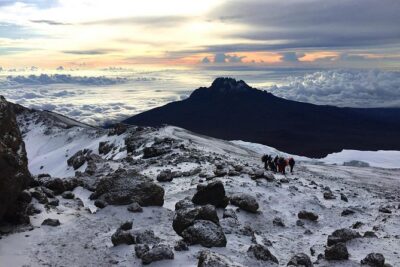 ★ 5.0Kilimanjaro climb, Rongai Route (7-day)From $3,50740 reviews
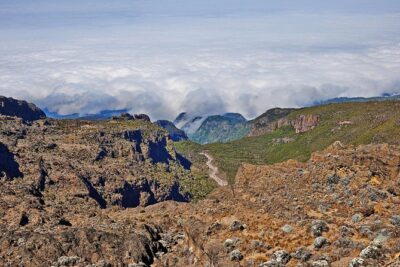 ★ 5.0Kilimanjaro climb, Rongai Route (6-day)From $3,06415 reviews
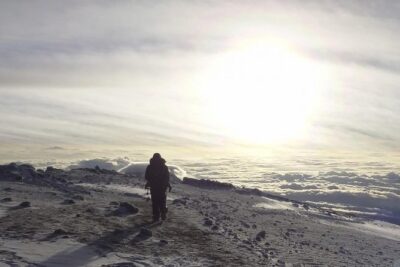 ★ 5.06-Day Rongai Route Trek in Mount KilimanjaroFrom $2,3538 reviews
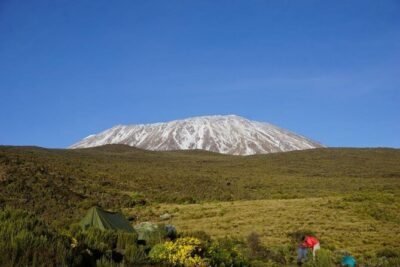 ★ 5.0Mt. Kilimanjaro: Shira plateau to Cathedral point 3872m Day hikeFrom $3207 reviews
 ★ 5.0Rongai Route 6 Days 5 Nights/Kilimanjaro climbFrom $1,8507 reviews
 ★ 5.0Kilimanjaro Climbing Rongai RouteFrom $2,8406 reviews
 ★ 5.06-Day Kilimanjaro Umbwe Route–Steep,Adventurous, Challenging PathFrom $2,3106 reviews
 ★ 5.0Kilimanjaro climb, Kilimanjaro Crater route (10-day)From $6,4665 reviews
Browse the lists this tour appears in