
REVIEW · KILIMANJARO LEMOSHO ROUTE
7 Day Kilimanjaro Climb Lemosho Route & 2 Day Safari
Kilimanjaro plus safari is a smart combo. The Lemosho route is often a calmer start, and the real win is crew support from named guides and porters, plus solid camp food that keeps you going. One planning wrinkle: sleeping bags are not included, so you’ll want to arrange a rental before you arrive.
You also get the best kind of double feature. After hiking, you’ll switch gears to wildlife time in Tarangire National Park and the Ngorongoro Crater. With a maximum of 10 travelers, you’re not stuck in some huge herd.
Pickup is offered from Mvuli Hotel Arusha, and you’ll get confirmation at booking time. The climb is for people with moderate physical fitness, so be honest with yourself before you commit.
In This Review
- Quick highlights to look for
- Kilimanjaro on the Lemosho Route: why this climb feels more manageable
- Arusha pickup and group logistics that keep your first day from getting messy
- Day one energy: walking through forest to Kilimanjaro
- What to watch for early
- The real Kilimanjaro skill is pacing, and the crew is built for it
- Why this matters for first-timers
- Food at altitude: what’s included, and why you should care
- Practical tips for eating well
- After the hike: Tarangire National Park for elephants
- What you’ll feel on safari day
- Ngorongoro Crater: the switch from grasslands to dramatic views
- Why the crater is a smart pairing
- Price and value at $2,228.58 per person
- My value verdict
- Comfort and gear reality: the sleeping bag gap is the biggest one
- Who should book this Kilimanjaro climb plus safari combo
- Should you book this Kilimanjaro and Safari package?
- FAQ
- Where does the tour start?
- What time does the experience start?
- Is pickup included?
- What route is used for the Kilimanjaro climb?
- Where does the safari go?
- Are meals included?
- Is a sleeping bag included?
- How many travelers are in the group?
- What fitness level is required?
- What happens if weather is poor or the minimum number of travelers is not met?
Quick highlights to look for
- Lemosho route style: a straightforward way to build altitude gradually
- Small group size: maximum 10 travelers, more personal attention
- Named guides and supportive team: guides like Hassani, Sabastine, Anthony, Hassan, and Endrie get praised
- Good camp food: breakfast, lunch, dinner included, often described as well-balanced
- Tarangire + Ngorongoro: elephants first, then a dramatic crater day
- Important gear note: sleeping bag rental is on you, not included
Other ways up Kilimanjaro we reviewed
- 8-Day Small-group Lemosho Kilimanjaro Summit Trekking★ 5.0 · 186 reviews
- 7-Day Machame Kilimanjaro Summit Tour from Arusha★ 5.0 · 125 reviews
- Mountain Kilimanjaro Day Hike★ 5.0 · 102 reviews
- 4 days Best experience Kilimanjaro Hike, Serengeti &Ngorongoro★ 5.0 · 54 reviews
Kilimanjaro on the Lemosho Route: why this climb feels more manageable
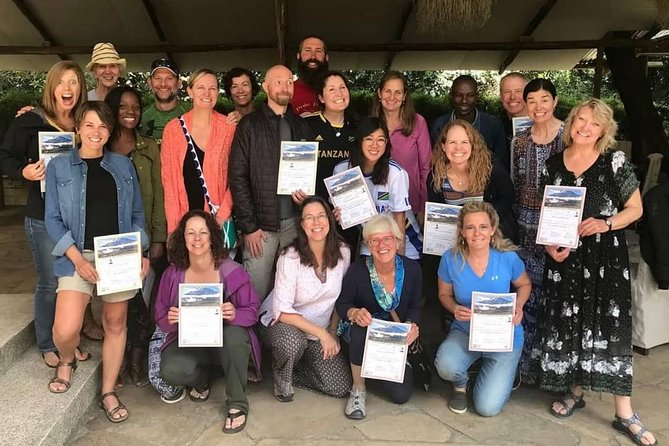
The Lemosho route is known for being a gentler-feeling path to Kilimanjaro, and that matters because confidence is half the battle on a mountain like this. For many first-timers, the hardest part is not the hiking itself, it’s figuring out pacing, breathing, and patience. A route that’s described as simple for both mountaineers and non-mountaineers tends to do a better job helping you move steadily instead of charging ahead.
In plain terms, you’re looking for a climb where the day-to-day rhythm gives your body time to adapt. That is where Lemosho can help. Even the way the experience is framed makes it clear they want a broad range of people to succeed, including older travelers and people with disabilities. If that part matters to you, treat it as a starting point, then contact the operator directly with your needs so they can confirm what support they can realistically provide.
Arusha pickup and group logistics that keep your first day from getting messy
This starts in Arusha, with a meeting point at Mvuli Hotel on Kundayo Rd. Pickup is offered, which is useful when you’re tired, jet-lagged, or just trying to avoid the stress of arranging your own transport.
The schedule shows a start time of 12:00 am. That looks odd at first glance, so I’d handle it like a serious traveler: confirm your exact pickup window and what time you need to be ready at the hotel. A trip like Kilimanjaro has enough moving parts without guessing.
Group size is capped at 10 travelers, which I like for two reasons. First, it usually means less waiting around. Second, guides and porters can actually focus on individuals, which is a big deal when altitude makes everyone feel a little different.
Day one energy: walking through forest to Kilimanjaro
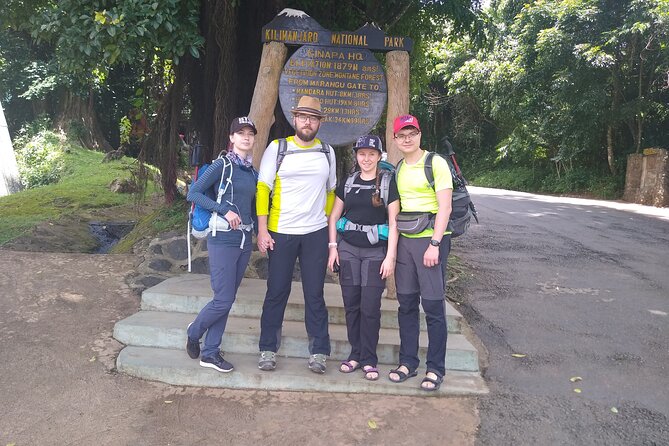
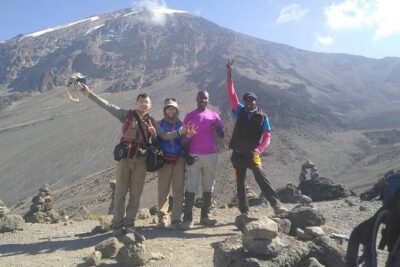
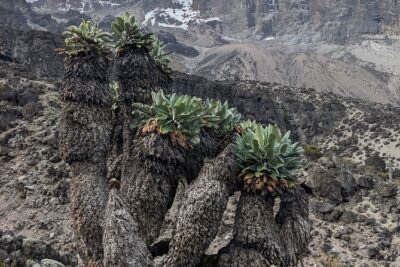
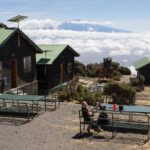
Your climb begins with walking through the forest toward Mount Kilimanjaro. That forest section can be a morale boost because it tends to feel less stark than the high, rocky zones. You’re moving under trees, often with a calmer visual environment, and that can make the early days feel less intimidating.
The practical value here is simple: it gives you time to settle into the rhythm of the trek before the terrain turns harder. You’ll likely spend more energy figuring out your own pace than you do on technical climbing. If you’ve never done this before, that is ideal. You learn how to take short steps, how to drink regularly, and how not to panic when you feel your heart rate climbing.
Lemosho itineraries worth reading next
What to watch for early
- Don’t treat the forest section as a warm-up to race. Save your legs.
- Hydration and pacing start early. The phrase pole pole comes up for a reason, slow and steady works.
- If you have any mobility limits, this is where you’ll want the crew to understand your pace from the start.
The real Kilimanjaro skill is pacing, and the crew is built for it
On Kilimanjaro, the summit is not just about willpower. It’s about management. Your body needs steady oxygen, and it also needs you to avoid the classic mistake: going too fast early.
The guidance you’ll want to pay attention to is the kind that encourages consistent pacing, often summarized as pole pole. In the trip stories I’ve seen here, guides and the whole team repeatedly stress small, sustainable habits like taking it slowly, drinking water, and staying mentally positive. That may sound like motivational poster stuff, but altitude turns boring advice into life-saving advice.
You’ll also benefit from how the crew shows up emotionally. Some of the strongest praise goes to guides and porters who keep trekkers motivated, even on the tough uphill stretches. One vivid example from past experiences describes singing and dancing on a long climb to help keep the group awake and focused. That’s not about entertainment. It’s about managing fatigue and keeping morale steady when sleep gets tempting.
Why this matters for first-timers
If you’re new to mountain hiking, the biggest fear is that you’ll slow the group or feel lost. A supportive team reduces that fear fast. When you’re surrounded by people who can read pace and adjust, you get a better shot at making it through challenging days with less stress.
Food at altitude: what’s included, and why you should care
Meals are included: breakfast, lunch, and dinner. Camp food isn’t glamorous, but it’s a major part of your success. The better your fuel, the easier it is to keep your energy stable and avoid the tired, cranky spiral that kills motivation.
Based on the feedback associated with this trip style, the food is repeatedly described as well balanced and nutritious. That’s exactly what you want on a climb. You don’t need fancy. You need consistent calories, plus enough carbs and protein to keep you moving.
Practical tips for eating well
- Eat even when you feel fine. Altitude makes hunger less reliable.
- Drink regularly. Even mild dehydration can make breathing feel harder.
- If you have dietary needs, ask about options before you go, since the plan assumes you’ll be fueled at each meal.
After the hike: Tarangire National Park for elephants
Once you finish the climb, you shift into safari mode. This itinerary includes 2 days of safari, with Tarangire National Park as one of the highlights.
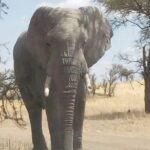
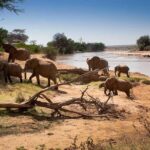
Tarangire is known for its elephant populations, and that is why it’s such a satisfying follow-up after days on Kilimanjaro. Your body is tired, your senses are still on high alert, and then you get something completely different to watch: wildlife behavior up close.
This is also a good mental reset. On a mountain, everything feels urgent. On safari, you can slow down and enjoy the scenery and the animal moments without thinking about elevation or footing.
What you’ll feel on safari day
You’ll probably notice the difference in effort right away. Even if driving and walking for viewing take energy, it’s not the same stress as climbing. That means you can enjoy the experience more fully, instead of just surviving the schedule.
Ngorongoro Crater: the switch from grasslands to dramatic views
The second safari stop is the Ngorongoro Crater. Crater terrain changes the whole feel of a game drive. You’re dealing with a natural bowl effect that can make sightings feel concentrated and intense.
This is a strong contrast to Kilimanjaro days. On the mountain, your world shrinks to trail and breathing. In the crater, your world expands again. You’re watching wildlife move through a huge natural stage.
Why the crater is a smart pairing
Pairing a big climb with a high-impact wildlife area is great value for people who want both types of adventure. You’re not traveling all the way to Tanzania just to do one activity and miss the bigger picture. The climb gives you personal achievement, and the safari gives you the kind of memories that are hard to recreate anywhere else.
Price and value at $2,228.58 per person
The price is $2,228.58 per person. That number can look steep until you break down what’s included and what’s not.
On the inclusion side, the trip covers all fees and taxes, plus meals (breakfast, lunch, dinner). That matters because on Kilimanjaro, park fees and operational costs can be significant, and they are often why “cheap” climbs turn expensive fast once you add extras.
The trip also includes dinner, which is useful to plan around because it means you’re not trying to find food after long trekking days. Pickup is offered, and a mobile ticket is included. Those details sound minor, but they reduce last-minute hassle in Arusha.
What is not included is the big gear item: sleeping bags for rent are not included. That’s the one cost you must plan for. It’s the classic example of why you should compare total trip value, not just headline price.
My value verdict
If you want a single operator handling both Kilimanjaro and safari, and you also care about having a supportive guiding team plus meals covered, this package pricing can make sense. The key is to budget for the sleeping bag and any additional personal gear, then focus on the experience itself.
Comfort and gear reality: the sleeping bag gap is the biggest one
Because sleeping bags are not included, you’ll need to arrange a rental (or bring your own if you already know what you need). This is not a small line item on a cold mountain.
Even if the Lemosho route feels manageable, Kilimanjaro nights can still be chilly, especially when you’re tired and your body is burning fewer calories than you think. So treat sleeping bag temperature range seriously. If you don’t know what rating to choose, ask the operator for guidance so you don’t end up underpacked.
Aside from that, you’ll want to ensure you have:
- Layers for changing conditions
- Good socks and footwear you can rely on
- A hydration plan you can stick to daily
Who should book this Kilimanjaro climb plus safari combo
This experience seems best for you if you want:
- A Kilimanjaro climb that’s framed as doable for non-mountaineers and first-timers
- A route style that emphasizes gradual, steady progress (with pole pole pacing)
- A safari add-on right after the trek, so you get big wildlife days without extra planning
It may be a better fit for older travelers and people with certain disabilities than some more hardcore climbing styles, because the trip is described as accommodating in those cases. That said, you should still confirm your specific needs. Ask what support is available, what pace the group can handle, and whether your mobility requirements can be met safely.
This is also a good match for people who appreciate strong teamwork. The praise for guides such as Sabastine, Anthony, Hassani, Hassan, and Endrie, plus crew like chef Frank and porter support, points to a trip where people feel cared for, not just processed.
Should you book this Kilimanjaro and Safari package?
Book it if you want an all-in-one Tanzania adventure with a steady Lemosho-style climb, included meals, and a real safari payoff in Tarangire and Ngorongoro. The small group size and the repeated theme of supportive guiding is a big plus, especially if you’re nervous about your first major climb.
Skip it or ask more questions first if you don’t want to plan for a sleeping bag rental, or if your physical fitness is not in the moderate range listed for the experience. Also, because the success of this kind of trip depends on weather, build flexibility into your travel dates.
If you’re ready to take things slow, follow a steady pacing plan, and then celebrate with two days of wildlife, this combo is an easy yes.
FAQ
Where does the tour start?
The tour starts at Mvuli Hotel Arusha, Kundayo Rd, Arusha, Tanzania.
What time does the experience start?
The start time is listed as 12:00 am.
Is pickup included?
Yes, pickup is offered.
What route is used for the Kilimanjaro climb?
The climb is on the Lemosho route.
Where does the safari go?
The safari includes Tarangire National Park and the Ngorongoro Crater.
Are meals included?
Yes. Breakfast, lunch, and dinner are included, and dinner is specifically listed as included.
Is a sleeping bag included?
No. Sleeping bags for rent are not included.
How many travelers are in the group?
The maximum group size is 10 travelers.
What fitness level is required?
Travelers should have a moderate physical fitness level.
What happens if weather is poor or the minimum number of travelers is not met?
The experience requires good weather. If it is canceled due to poor weather, you’ll be offered a different date or a full refund. If it is canceled because a minimum number of travelers is not met, you’ll be offered a different date or a full refund.
Lemosho, Compared
- 8-Day Small-group Lemosho Kilimanjaro Summit Trekking
★ 5.0 · 186 reviews - 8 Days Mountain Kilimanjaro Lemosho Route
★ 5.0 · 22 reviews - Kilimanjaro Climb- Lemosho Route
★ 5.0 · 9 reviews - Lemosho Route 7 Days Trekking at Mount Kilimanjaro
★ 5.0 · 7 reviews - Kilimanjaro-lemosho Route 8 Days Itinerary
★ 5.0 · 6 reviews
Kilimanjaro, Route by Route
- 8-Day Small-group Lemosho Kilimanjaro Summit Trekking
★ 5.0 · 186 reviews - 7-Day Machame Kilimanjaro Summit Tour from Arusha
★ 5.0 · 125 reviews - Mountain Kilimanjaro Day Hike
★ 5.0 · 102 reviews - 4 days Best experience Kilimanjaro Hike, Serengeti &Ngorongoro
★ 5.0 · 54 reviews - From Arusha/Moshi: Kilimanjaro Hike Marangu Route Day Trip
★ 4.5 · 54 reviews
Just added from around Arusha
Kilimanjaro Lemosho Route, compared.
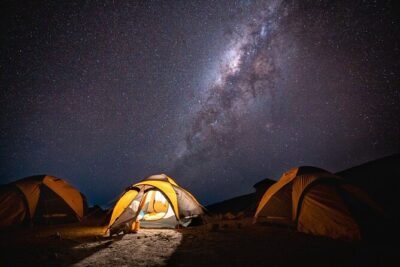 ★ 5.0Kilimanjaro climb by Lemosho Route (7-day)From $3,476651 reviews
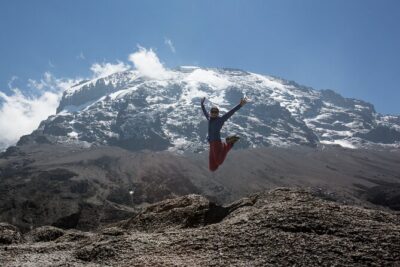 ★ 5.08-Day Small-group Lemosho Kilimanjaro Summit TrekkingFrom $2,895186 reviews
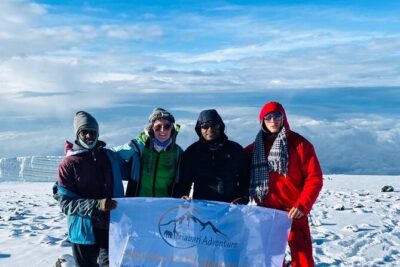 ★ 5.0Kilimanjaro Climbing Lemosho Route 8 Days.From $2,300186 reviews
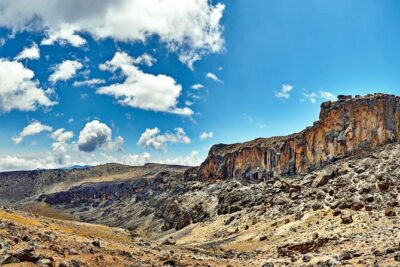 ★ 5.0Kilimanjaro climb, Lemosho Route (8-day)From $3,975148 reviews
 ★ 5.0Kilimanjaro climb, Lemosho Route (6-day)From $3,034129 reviews
 ★ 5.0Kilimanjaro Lemosho RouteFrom $2,89071 reviews
 ★ 5.0Private Kilimanjaro Hike 7 Day Lemosho RouteFrom $2,45060 reviews
 ★ 5.0Climbing Kilimanjaro through 8 days Lemosho RouteFrom $2,76052 reviews
Browse the lists this tour appears in