
REVIEW · KILIMANJARO LEMOSHO ROUTE
Kilimanjaro Climb- Lemosho Route
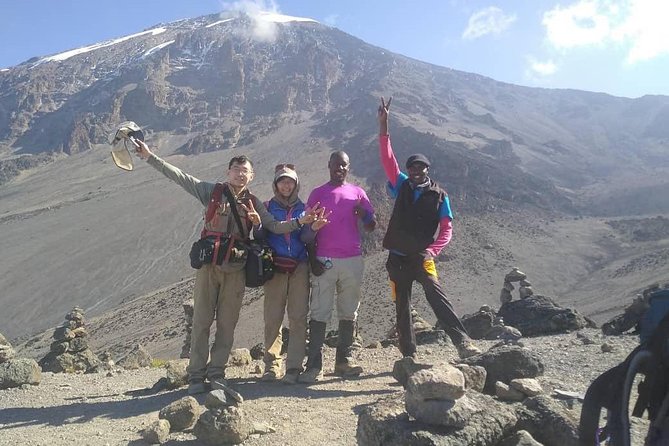
Kilimanjaro is a test, and the Lemosho route is a treat. This climb earns its reputation for panoramic views from multiple angles, plus a calmer feel than some busier paths. I also like how Wild Root Safaris builds the experience around real team support, not just a schedule, with guides such as Kennedy and Noel noted for honest, encouraging guidance. One thing to consider, though, is that you will need to show up ready for altitude and long days, and the climb depends on good weather to run as planned.
You start with an Arusha arrival day that doesn’t rush you. After pickup, you’re taken to Mvuli hotel, then you get a late-afternoon briefing and equipment check with the Kilimanjaro team, which helps you get your bearings fast. A second standout for me is the way the guide teams are described as closely coordinated, including Lucia and her crew, with strong support on summit day when the effort gets brutal.
The main drawback is logistics and packing discipline. Some key gear is not included, like walking sticks and other mountain gear, so you’ll want to plan carefully, and the listed experience duration can be unclear on the booking page compared with the multi-day treks many groups take.
In This Review
- Key things to know before you climb
- The Lemosho route: why it feels more scenic than standard options
- Arusha arrival day at Mvuli hotel, plus your equipment check
- What’s included (and what you still need to bring) for a smoother climb
- Meeting point and timing: start in Arusha at 8:00 am
- Wild Root Safari team support: real names, real coordination
- Summit odds and route strategy: what high success rate should mean to you
- Group setup, privacy, and what that changes on the mountain
- Value and pricing: what $3,005.13 is really paying for
- Practical tips I’d use before you go
- Who should book this Lemosho climb with Wild Root Safaris
- FAQ
- What is the meeting point and start time for this climb?
- Is airport pickup and drop-off included?
- What does the tour include for meals and camping setup?
- What is not included in the price?
- How long is the experience?
- What fitness level do I need?
- Is this tour private?
- Should you book this Lemosho route with Wild Root Safaris?
Key things to know before you climb
- Scenery first on Lemosho: Expect panoramic vistas from different sides of Kilimanjaro, not just one big viewpoint.
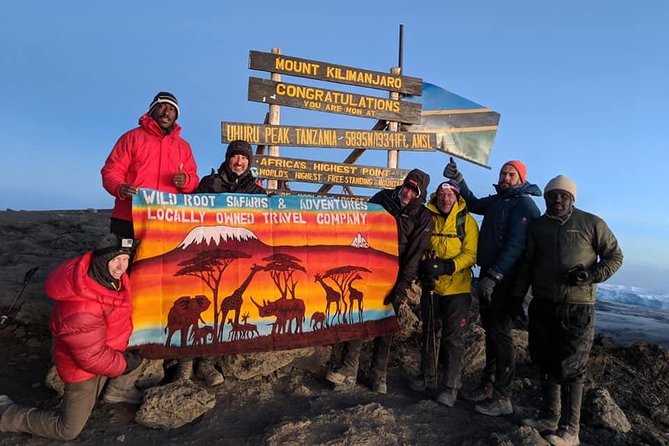
- Wild Root’s guide-led approach: The trek is guided by a specialized team with names like Kennedy, Noel, and Lucia showing up in accounts.
- Lower crowds, newer feel: Lemosho is described as having low crowds and being one of Kilimanjaro’s newer routes.
- Crew support matters on summit day: Strong backing from guides and support staff is a recurring theme.
- Gear is mostly handled for you: Camping setup is included, but personal items like walking sticks are not.
Other ways up Kilimanjaro we reviewed
- 8-Day Small-group Lemosho Kilimanjaro Summit Trekking★ 5.0 · 186 reviews
- 7-Day Machame Kilimanjaro Summit Tour from Arusha★ 5.0 · 125 reviews
- Mountain Kilimanjaro Day Hike★ 5.0 · 102 reviews
- 4 days Best experience Kilimanjaro Hike, Serengeti &Ngorongoro★ 5.0 · 54 reviews
The Lemosho route: why it feels more scenic than standard options
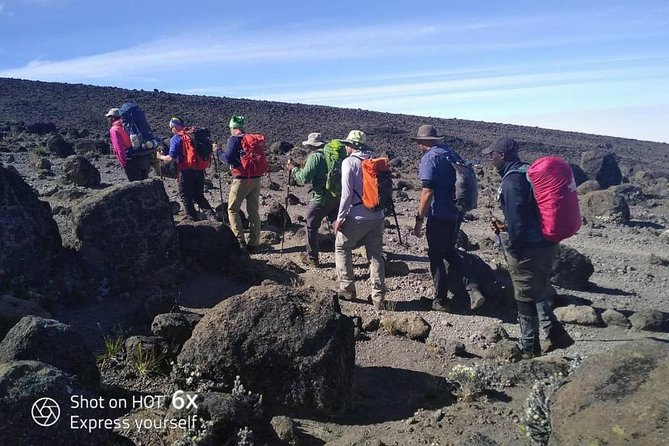
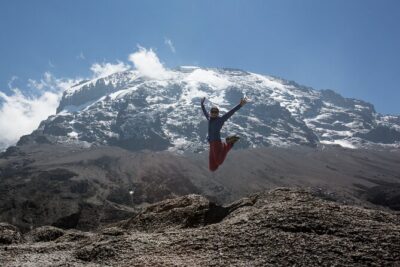
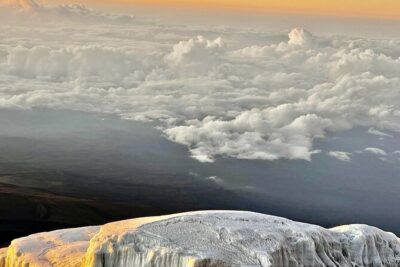
Lemosho is widely considered the most scenic Kilimanjaro trail, and the reason is simple: you keep getting big-picture views from different angles rather than staring at the same ridge all day. That matters on a long climb, because morale is a real fuel source. When you’re tired, it helps to look up and feel like the mountain is still offering something new.
Another reason this route is popular is crowd level. The route is described as giving you a better balance of low crowds, scenic moments, and a high summit success rate. Practically, that usually means less traffic, fewer stop-and-go delays, and a calmer rhythm for acclimatization on the human side, not just the altitude side.
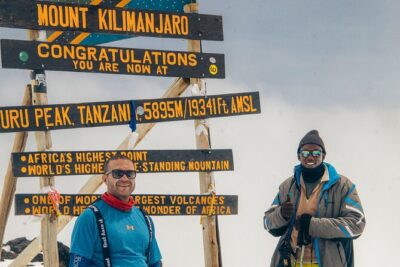
One more detail I’m glad you’re considering: some climbs are described as taking the Western Breach route. That tends to signal a tougher, more demanding approach to getting to Uhuru Peak. If you want an adventure that feels serious, that’s a relevant clue. If you want something gentler, you’ll want to talk to Wild Root Safaris about your priorities before you lock in the plan.
Arusha arrival day at Mvuli hotel, plus your equipment check
Your Kilimanjaro journey starts in Arusha. When you land at Kilimanjaro Airport, a driver meets you and takes you to Mvuli hotel. The rest of the day is yours to relax, recover, and prepare, which is a smart move. Kilimanjaro is not the kind of activity where you benefit from arriving frazzled.
If you’re curious about Arusha, you can visit town, but you’ll need a taxi to get around. That’s a small detail, but it’s the kind that saves time and stress later. A lot of people lose a day because they assume transport will be automatic.
Late afternoon, Wild Root Safaris meets you at the lodge. This is when you get a trek briefing and an equipment check. I like this part because it’s practical. It’s one thing to watch videos or read packing lists, it’s another to have someone look at your setup and point out what is likely missing. It also helps you understand how your team plans to run things, so you feel less like you’re guessing and more like you’re joining a team.
Dinner is included, so you can focus on rest and hydration instead of hunting for a meal plan after travel.
What’s included (and what you still need to bring) for a smoother climb
This trip is structured to take a lot of the heavy lift away from you, but it’s not all-inclusive for personal gear. Here’s the practical breakdown based on what’s listed.
Included for the trek and camping
- Camping gears such as tent, mattress, sleeping bags, table, and chairs
- Breakfast and lunch, plus dinner
- Bottled water
- Airport pickup and drop-off
- Parking fees
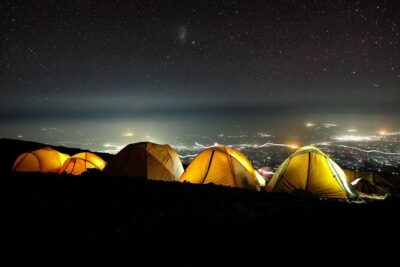
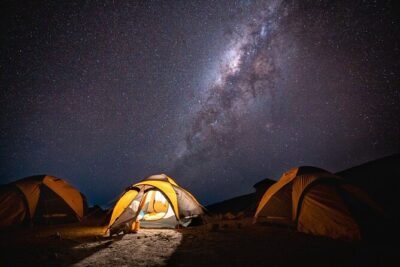
That camping kit detail is huge for value. Many climbers underestimate how much comfort gear matters at altitude. A tent setup, sleep system, and organized camp space can be the difference between waking up ready and waking up angry.
Not included, so plan on bringing yourself
- Alcoholic beverages
- Walking sticks and other mountain gears
- Airport or departure tax
- Landing and facility fees
If you take one thing from that list, make it this: bring your personal mountain tools. Even if the camp is fully set up, walking sticks can help with stability on steep sections, and any missing personal gear becomes your problem at the worst time.
Also note that the trip requires good weather. That doesn’t just mean you might get clouds. It can affect whether your climb runs as expected.
Lemosho itineraries worth reading next
Meeting point and timing: start in Arusha at 8:00 am
The start is listed in Arusha, Tanzania, with a start time of 8:00 am. The trip also notes pickup is offered, which helps if you are coming in from the airport or nearby hotels.
Why timing matters: you’re paying for a guided experience, and Kilimanjaro logistics run on hours. If you arrive late or drift during the day, your whole group can feel it. So I recommend treating the morning start time like it’s sacred, even if you’re excited.
Wild Root Safari team support: real names, real coordination
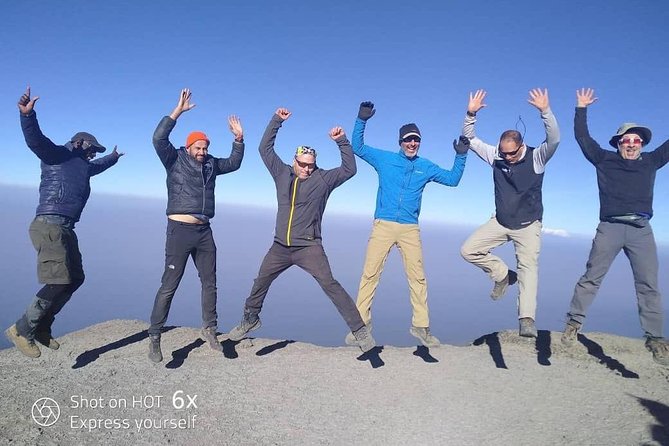
A big reason to choose this operator is the guide team dynamic. In accounts connected to Wild Root Safaris, guides like Kennedy and Noel are described as knowledgeable, honest, and supportive. That combination is rare, because climbers don’t just want facts. You need honesty about what your body can do, and you need encouragement that keeps you moving when you would rather stop.
Lucia shows up in accounts as a key part of the team leadership. In one described experience, Lucia led a large crew that included expert guides, porters, and chefs, and the group still felt cared for even with a big operation behind the scenes.
You’ll also see mention of additional team members like Big mama, and people such as David Simba and Popstar M appear in accounts as part of the support network. The takeaway for you is that this is not a two-person show. It’s a crew model, and that matters because Kilimanjaro runs on systems, not heroics.
One more theme that feels important for value: accounts repeatedly point to extra support on summit day. That’s when “guidance” becomes physical and emotional. If you want to maximize your odds of reaching Uhuru Peak, you want the summit-day plan to be backed by an experienced team, not random luck.
Summit odds and route strategy: what high success rate should mean to you
The overview frames Lemosho as having a high summit success rate, and I think that’s a useful promise only if it comes with practical execution. The guides and crew support described in accounts suggest that the operator takes preparation seriously and focuses on keeping the group together, especially near the hardest moments.
You’ll want to understand how the team makes decisions on difficult days. The data you have points to honesty and strong support, which is a good sign. A summit plan that ignores weather, fitness, or group pace is how people get into trouble. A summit plan that uses judgment is how people keep going.
Also remember, route difficulty can vary. One account describes summiting via Western Breach, labeled as the most challenging route to summit. If your group is aiming for a high-adventure line, it may reflect that kind of strategy.
Group setup, privacy, and what that changes on the mountain
This is described as a private tour/activity, meaning only your group participates. That can be a major quality-of-life factor. On Kilimanjaro, the pace of the day depends on your group, not someone else’s schedule. If your group is strong and consistent, privacy helps you keep momentum. If your group is mixed, privacy helps the guides manage the day around your team’s needs.
Group size is not listed in the tour details, but accounts mention groups ranging from small groups of 7 to larger parties like 10 and 11. What stays consistent is the idea of a big crew working behind the scenes. Some accounts describe support teams numbering dozens, including guides, porters, and chefs.
So expect that you’re joining a well-staffed operation, even if the people you see most are your guides and the people setting up camp.
Value and pricing: what $3,005.13 is really paying for
At $3,005.13 per person, Kilimanjaro is not cheap. The value question comes down to what you get beyond the hike itself.
From what’s included, you’re paying for:
- Airport pickup and drop-off
- Meals (breakfast, lunch, dinner)
- Bottled water
- Full camping setup (tent, mattress, sleeping bags, and camp furniture)
- A guided operation that emphasizes support and coordination
That’s the core. If you were to price those items separately, you’d quickly see how the cost can make sense for a true expedition setup. What you’re buying is the infrastructure that lets you focus on walking and coping with altitude. And because you have a named operator and a team model behind the scenes, you’re not left piecing it together on your own.
The cost can feel steep if you’re comparing it to basic budget tours. But for a route like Lemosho, with panoramic value and a support-driven approach, it’s more comparable to an expedition service than a casual hike.
Practical tips I’d use before you go
You can’t control altitude, but you can control readiness. Here’s how I’d prepare based on what’s explicitly part of this experience.
- Plan your personal gear early. Walking sticks and other mountain gear are not included. Buy or pack them before you travel, so you’re not stuck sourcing in Arusha.
- Expect a real briefing. Use the late afternoon meeting to ask direct questions. Bring up any concerns you have about your pace, comfort, or gear.
- Take the first day seriously. Arusha is not the climb, but it sets the tone. Rest, eat, and get your mind calm.
- Be flexible about weather. The experience requires good weather and may be canceled due to poor conditions. If you have tight travel connections, build in slack.
- Keep your plan group-friendly. Since this is private, your mindset matters. If someone in your group pushes too hard, the whole rhythm suffers.
Who should book this Lemosho climb with Wild Root Safaris
This is a good match if:
- You want scenic payoff and panoramic views from multiple sides of Kilimanjaro
- You prefer lower crowds compared with more crowded routes
- You want strong guide and crew support, especially for summit-day challenges
- Your fitness is moderate and you’re ready to commit to the demands of altitude travel
It may not be ideal if:
- You are not willing to bring your own key mountain gear, especially walking sticks
- You need a guaranteed run regardless of weather
- You want a super casual, no-pressure experience. Even with support, Kilimanjaro is still hard work.
FAQ
What is the meeting point and start time for this climb?
The meeting point is in Arusha, Tanzania, and the listed start time is 8:00 am.
Is airport pickup and drop-off included?
Yes. Airport pick up and drop off are included, and pickup is offered.
What does the tour include for meals and camping setup?
It includes bottled water, dinner, breakfast and lunch, and camping gear such as a tent, mattress, sleeping bags, table, and chairs.
What is not included in the price?
Not included items are airport or departure tax, alcoholic beverages, walking sticks and other mountain gears, and landing and facility fees.
How long is the experience?
The duration is listed as approximately 6 hours to 1 day. In practice, many Kilimanjaro climbs run several days, and accounts connected to this route describe trips ranging from about 6 to 8 days.
What fitness level do I need?
The tour notes that travelers should have a moderate physical fitness level.
Is this tour private?
Yes. It is a private tour or activity, so only your group participates.
Should you book this Lemosho route with Wild Root Safaris?
If you’re choosing between routes, I’d put Lemosho near the top because the value isn’t just a summit goal. You get a more scenic climb with low crowds, and you’re doing it through an operator that emphasizes strong guide support. If you want help that feels honest and coordinated, and you like the idea of a larger crew system behind the scenes, this is a compelling option.
Book it if you’re prepared to show up with the personal mountain gear that’s not included, and you can handle weather-driven changes without panicking. If those two points fit your style, this is the kind of Kilimanjaro plan that feels like it was built for both challenge and care.
Lemosho, Compared
- 8-Day Small-group Lemosho Kilimanjaro Summit Trekking
★ 5.0 · 186 reviews - 8 Days Mountain Kilimanjaro Lemosho Route
★ 5.0 · 22 reviews - 7 Day Kilimanjaro Climb Lemosho Route & 2 Day Safari
★ 5.0 · 16 reviews - Lemosho Route 7 Days Trekking at Mount Kilimanjaro
★ 5.0 · 7 reviews - Kilimanjaro-lemosho Route 8 Days Itinerary
★ 5.0 · 6 reviews
Kilimanjaro, Route by Route
- 8-Day Small-group Lemosho Kilimanjaro Summit Trekking
★ 5.0 · 186 reviews - 7-Day Machame Kilimanjaro Summit Tour from Arusha
★ 5.0 · 125 reviews - Mountain Kilimanjaro Day Hike
★ 5.0 · 102 reviews - 4 days Best experience Kilimanjaro Hike, Serengeti &Ngorongoro
★ 5.0 · 54 reviews - From Arusha/Moshi: Kilimanjaro Hike Marangu Route Day Trip
★ 4.5 · 54 reviews
Just added from around Arusha

Kilimanjaro Lemosho Route, compared.
 ★ 5.0Kilimanjaro climb by Lemosho Route (7-day)From $3,476651 reviews
 ★ 5.08-Day Small-group Lemosho Kilimanjaro Summit TrekkingFrom $2,895186 reviews
 ★ 5.0Kilimanjaro Climbing Lemosho Route 8 Days.From $2,300186 reviews
 ★ 5.0Kilimanjaro climb, Lemosho Route (8-day)From $3,975148 reviews
 ★ 5.0Kilimanjaro climb, Lemosho Route (6-day)From $3,034129 reviews
 ★ 5.0Kilimanjaro Lemosho RouteFrom $2,89071 reviews
 ★ 5.0Private Kilimanjaro Hike 7 Day Lemosho RouteFrom $2,45060 reviews
 ★ 5.0Climbing Kilimanjaro through 8 days Lemosho RouteFrom $2,76052 reviews
Browse the lists this tour appears in