
REVIEW · KILIMANJARO LEMOSHO ROUTE
7 days Lemosho route
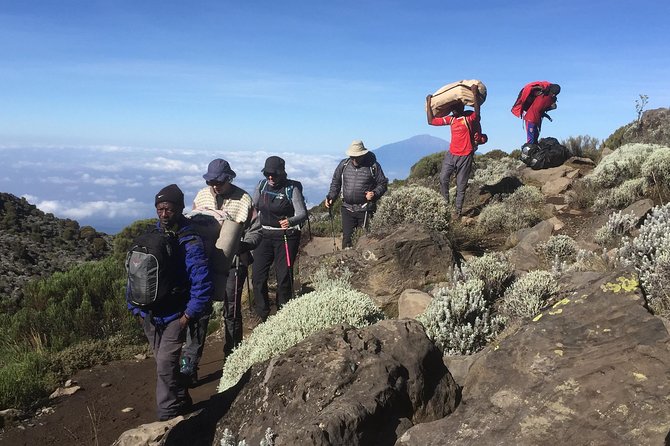
Kilimanjaro asks for patience. This Lemosho route is interesting because it uses a low-traffic start through forest and moorland, then brings you to Uhuru Peak with an acclimatization-minded climb. I really like the way the trek is paced across high-altitude camps, and I like how the day-by-day habitat changes keep you focused. The tradeoff is real though: some nights are cold enough to make you question your life choices, and summit night means a long, slow grind.
This is a private climb for up to 2 people, starting with pickup in Arusha and continuing from Londorossi Gate toward the summit and then down through Mweka. With Wild Root Safaris and Adventures handling guides, porters, park gear, and most logistics, you can spend your energy on breathing and not on details.
In This Review
- What Makes Lemosho Feel Different (Low Traffic, More Habitats, Better Chances)
- How Arusha Setup Sets Your Trek Up For Success
- From Arusha to Londorossi Gate: Forest Trail and TANAPA Registration
- Shira 2 Camp and the Cold Reality Check
- Great Barranco Wall and Karanga Camp: Acclimatization That Feels Like Play
- Barafu Ridge and the Last Water Stop
- Summit Night at 23:30: Stella Point and Uhuru Peak
- Celebrating at Mweka Gate, and How Certificates Work
- Price and Logistics: What $6,300 Covers (and What It Doesn’t)
- Pace, Altitude, and Who This Climb Fits Best
- Food, Crew Coordination, and the Names You Might Hear
- Should You Book This Lemosho Route?
- FAQ
- How long is the Kilimanjaro Lemosho route on this option?
- Is pickup included, and where does the trip start?
- What is included in the tour price?
- What do I need to bring since trekking gear is not included?
- What time does the trek start?
- What happens if weather is poor or you need to cancel?
What Makes Lemosho Feel Different (Low Traffic, More Habitats, Better Chances)
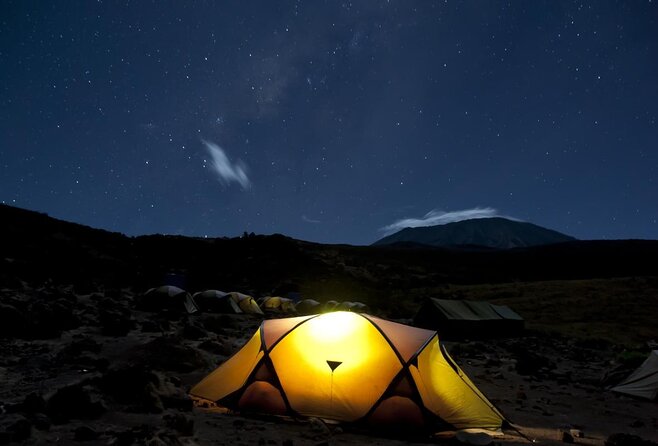
The Lemosho route is popular for a reason, and the best part is how your body and mind get support along the way. You start on the west side rather than the most obvious, busiest corridors. That often means fewer people on the trail and a calmer rhythm, which helps when the altitude starts doing its thing.
Another big reason this route gets recommended is the acclimatization built into the schedule. You don’t just rocket upward. You walk through rainforest, then moorland, then semi desert and alpine desert, with rest and adjustment points along the way. The trek also connects with the Machame route at Shira 2 Camp, then continues on the southern circuit, finishing with descent via Mweka Gate.
You’ll see multiple ecosystems, with altitude changes that feel “earned.” You’ll go from roughly 1,400m leaving Arusha up to the Londorossi Gate at 2,100m, then keep gaining until you’re sleeping around 3,840m (Shira 2) and higher. It’s a climb, but it’s also a progression you can track, day by day.
Lemosho itineraries worth reading next
- 8-Day Small-group Lemosho Kilimanjaro Summit Trekking★ 5.0 · 186 reviews
- 8 Days Mountain Kilimanjaro Lemosho Route★ 5.0 · 22 reviews
- 7 Day Kilimanjaro Climb Lemosho Route & 2 Day Safari★ 5.0 · 16 reviews
- Kilimanjaro Climb- Lemosho Route★ 5.0 · 9 reviews
How Arusha Setup Sets Your Trek Up For Success
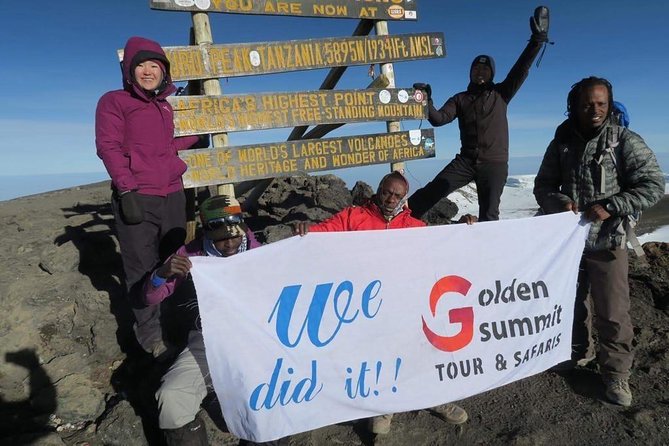
Day 1 is all about getting ready without chaos. You’re picked up at Kilimanjaro International Airport and transferred to your Arusha hotel, where you meet your guide. You also do an equipment check, and if anything essential is missing, you can rent gear that same day.
I like this because the “gear panic” stage stays in Arusha, not out on the mountain. Even small issues matter once you’re hiking for hours at altitude and in cold wind. An equipment check also helps you understand what your crew expects you to carry and how you should fit things properly.
You’ll sleep at Arusha Planet Lodge, and the crew briefing helps you get your bearings early. It also means your hiking boots, layers, and headgear aren’t a last-minute gamble.
From Arusha to Londorossi Gate: Forest Trail and TANAPA Registration
On Day 2, you drive from Arusha (about 1,400m) to Londorossi Park Gate (2,100m). The drive takes around two hours, then the final part is a bumpy forest track where 4WD vehicles are needed for about 45 minutes.
This day is shorter on paper, but it matters. You’re easing into hiking at a higher altitude before committing to the bigger days. You stop in a village near the gate for a packed lunch and you can buy mineral water for the hike.
At the gate, guides and porters handle supplies and register with Tanzania’s park authority (TANAPA). Then you start your 3-hour hike through montane forest. Keep an eye out for Colobus monkeys. It’s one of those “you’re really here” moments, because you go from driving roads to living forest very quickly.
Possible drawback to know up front: that forest track ride can feel rough. It’s not the mountain yet, but it can shake out your water bottles and patience. Bring layers, and don’t expect a smooth ride.
Shira 2 Camp and the Cold Reality Check
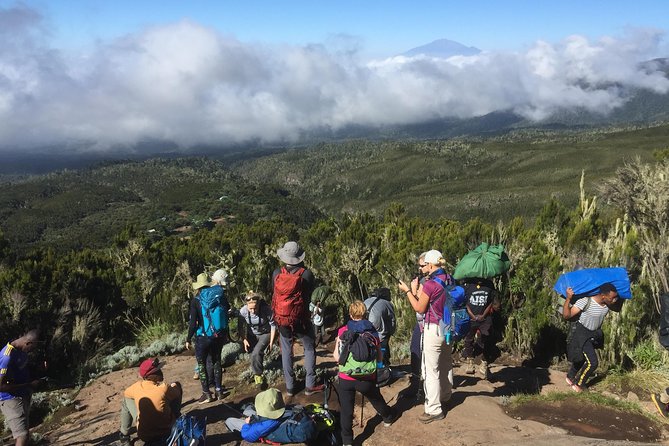
Day 3 moves you from rainforest into higher terrain, stepping you into the moorland zone. You start early after breakfast and climb for about 6.5 hours. You’ll cross streams and walk a plateau that leads to Shira 2 Camp at 3,840m.
This is where the views start to get serious. You’ll be near a stream at camp, and you can look toward the Western Breach and its glaciers in the East. It’s the kind of scenery that makes your brain go quiet for a second, even if your body is reminding you that oxygen is not on the menu.
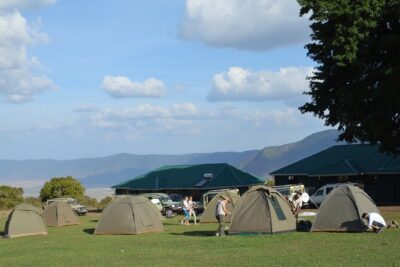
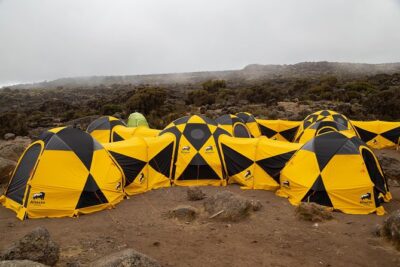
Tents are set up before you arrive, and porters prepare water for drinking and washing. That detail matters more than you’d think. On nights like this, when temperatures can drop below freezing, you want to spend your energy warm and fed, not solving camp logistics.
Day 4 shifts again. You leave moorland and enter semi desert and rocky terrain for about 7 hours. After roughly five hours, you reach Lava Tower at 4,630m. Packed lunch is served there. There’s an option to climb Lava Tower if weather allows.
Altitude effects can start here. Headaches and shortness of breath are not unusual, so keep your effort steady. After lunch, you descend to Barranco Campsite at 3,950m, resetting your breathing and giving your body a chance to catch up.
Great Barranco Wall and Karanga Camp: Acclimatization That Feels Like Play
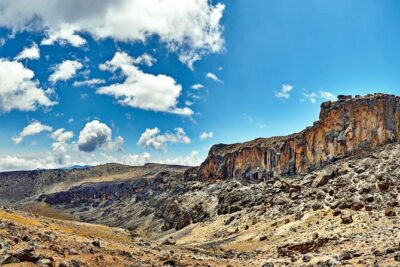
Day 5 is a shorter acclimatization day, roughly 4 to 5 hours. You’ll hike about 5 kilometers through alpine desert. The highlight is the Great Barranco Wall. It looks intimidating, but hikers usually find it more manageable than expected, described as a Class 2 hike.
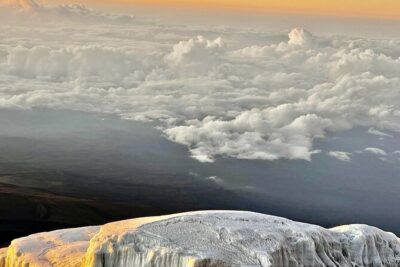
At the top, you can get views of Heim Glacier and you may be above the clouds. That moment is a mental gift. If you’ve been feeling heavy or slow, a view break helps you remember why you’re doing the work.
After the wall, the trail winds up and down through the Karanga Valley. You sleep at Karanga Camp (3,950m), where dinner and washing are part of the night routine.
If you’re prone to moving too fast when you feel good, this is where you’ll need discipline. The wall day is still part of acclimatization, not a race.
Barafu Ridge and the Last Water Stop
Day 6 is only about 2 to 3 hours of hiking and roughly 4 kilometers, but it’s important because you’re moving into summit territory. The trail intersects with the Mweka Route, the one you’ll descend on during the final days.
You reach Barafu Hut after about an hour, then continue to Barafu Camp (4,550m). Barafu is an exposed ridge, and you need to plan your timing. This is also the last water stop for the porters, since there’s no accessible water at Barafu Camp.
That means camp setup matters before darkness. Tents can feel wind-driven against rocks, so familiarize yourself with where you’ll be before you’re exhausted and cold.
You’ll get early dinner and then rest for summit night. Think of this day as your staging day. If you’ve ever wished you could pause time to catch your breath, this is as close as you’ll get.
Summit Night at 23:30: Stella Point and Uhuru Peak
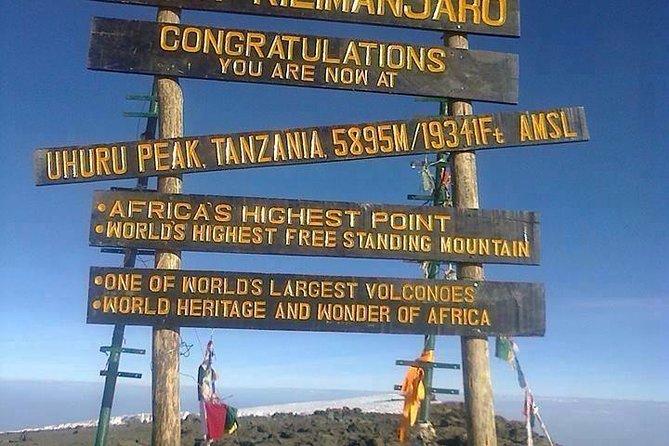
Day 7 is the big one. Your guide wakes you around 23:30 with tea and biscuits. Then you start the summit attempt.
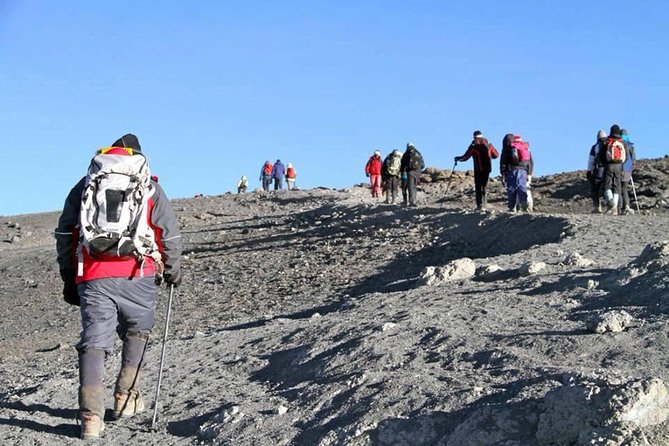
The route heads northwest and you ascend over stone scree. Many people find this is the most mentally and physically challenging part of the climb, not because it’s the steepest for the whole way, but because it demands steady effort for hours.
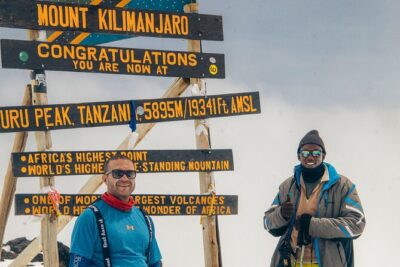
After about six hours, you reach Stella Point (5,685m) on the crater rim. You’ll usually enjoy a sunrise moment there. After that, you continue for about two more hours on a snow-covered trail to reach Uhuru Peak (5,895m).
Then comes the long descent. Plan for about 7 to 8 hours down to Mweka. That’s the part many people underestimate. Reaching the top is your victory, but getting down is your safety.
Celebrating at Mweka Gate, and How Certificates Work
Day 8 begins with a well-deserved breakfast, then a celebration with dancing and singing for your staff. This is also where you present tips to your guide, assistant guides, chef(s), and porters.
After celebration, you descend about 3 hours back to Mweka Gate. The park requires hikers to sign their names to receive completion certificates.
Here’s the clear reward system:
- If you reached Stella Point (5,685m), you get a green certificate.
- If you reached Uhuru Peak (5,895m), you get a gold certificate.
After that, you descend into Mweka village for about an additional hour, listed as roughly 3 kilometers. It’s the final decompression after the mountain’s tight schedule.
Price and Logistics: What $6,300 Covers (and What It Doesn’t)
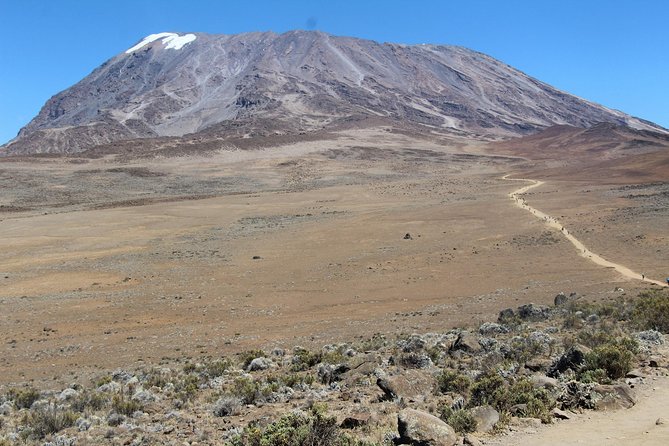
The price is $6,300 per group, and the group size is up to 2 people. That private setup matters, because it shifts your experience from “share logistics with strangers” to “your crew can run your pace.”
What you get for that cost includes:
- Park fees and admission
- Camping gear
- Guides and porters
- Transportation
- Meals: 7 breakfasts, 7 lunches, and 6 dinners
What’s not included:
- Visa
- Flight tickets
- Trekking gear
So value-wise, this is less about paying only for hiking and more about paying for the full machine that keeps you moving safely. Guides and porters are not just “extra help.” They carry camp needs, handle water logistics, set up tents, and manage the rhythm between altitude and rest.
The big “cost saver” for you is not buying everything last minute. Since trekking gear is not included, you should plan what you bring carefully to avoid last-minute rentals that might be higher than expected.
If you’re two people traveling together, this price can make sense compared to per-person group climbs, because you’re not splitting guide and porter attention with a crowd.
Pace, Altitude, and Who This Climb Fits Best
This trek is for people with moderate physical fitness. That wording is important. The hiking times include full days like about 8 hours on summit day (to reach the top, then hours down) and other days that range from about 3 hours to 7 hours.
You should also be honest about cold and exposure. You can face freezing conditions at Shira 2 Camp, and at Barafu Camp you’re on an exposed ridge with wind and rocks. Even if you’re fit, cold can slow you down. Your best strategy is layering, steady pace, and listening to your guide.
If you like structure and you want a route known for high summit success due to its low traffic and schedule, this is a strong match. If you hate night starts or you absolutely cannot handle early departures, summit day will be your only real villain, and it’s a big one.
Food, Crew Coordination, and the Names You Might Hear
Food is a real part of how well you climb. In feedback tied to similar climbs with this operator, I saw praise for delicious, well-balanced meals and crews that keep coordination smooth between guides and porters. That’s exactly what you want when you’re tired and your brain is running out of patience.
People also highlighted personal touches and good organization, including mentions of itinerary coordination by Mathew and lead guiding by Lucia in separate experiences arranged by the same operator. A driver named Hamish also got credit for strong coordination during a combined Tanzania trip that included safari time.
Even without knowing who you’ll get for your specific dates, those names are a clue: the company invests in coordination, not just showing up at the gate.
If you’re the type who likes to feel cared for but doesn’t want to be smothered, private groups help. Your crew can be more present, and you can ask questions without competing for time.
Should You Book This Lemosho Route?
I’d book it if you want:
- A low-traffic west-side start through forest and higher zones
- A climb that makes acclimatization a built-in priority
- Private attention for up to 2 people
- Meals and camping gear handled by the crew
I’d think twice if:
- Cold, wind, and exposed camps will stress you out
- You’re not comfortable with a summit wake-up around 23:30
- You don’t plan trekking gear ahead of time since it’s not included
This route is a serious undertaking, but it’s also the kind of serious that feels fair. The schedule gives you chances to adjust, and the crew support keeps your hands and mind free for the actual goal: reaching the top and coming down safely.
FAQ
How long is the Kilimanjaro Lemosho route on this option?
The trek runs for about 8 days, with a summit night and a final descent day back toward Mweka Gate.
Is pickup included, and where does the trip start?
Pickup is offered, including transfer from Kilimanjaro International Airport to an Arusha hotel. The start point is listed in Arusha, Tanzania, and the trip ends back at the meeting point.
What is included in the tour price?
The price includes fees (admission, camping gears, guides, porters, transportation) and meals, including 7 breakfasts, 7 lunches, and 6 dinners.
What do I need to bring since trekking gear is not included?
Trekking gear is not included, so you should plan to bring your own trekking equipment or arrange gear separately since the included gear is specifically listed as camping gear.
What time does the trek start?
The start time is listed as 8:00 am.
What happens if weather is poor or you need to cancel?
This experience requires good weather. If it is canceled due to poor weather, you’ll be offered a different date or a full refund. Free cancellation is available up to 24 hours in advance for a full refund.
Lemosho, Compared
- 8-Day Small-group Lemosho Kilimanjaro Summit Trekking
★ 5.0 · 186 reviews - 8 Days Mountain Kilimanjaro Lemosho Route
★ 5.0 · 22 reviews - 7 Day Kilimanjaro Climb Lemosho Route & 2 Day Safari
★ 5.0 · 16 reviews - Kilimanjaro Climb- Lemosho Route
★ 5.0 · 9 reviews - Lemosho Route 7 Days Trekking at Mount Kilimanjaro
★ 5.0 · 7 reviews
Just added from around Arusha
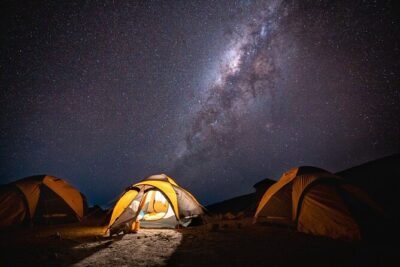
Kilimanjaro Lemosho Route, compared.
 ★ 5.0Kilimanjaro climb by Lemosho Route (7-day)From $3,476651 reviews
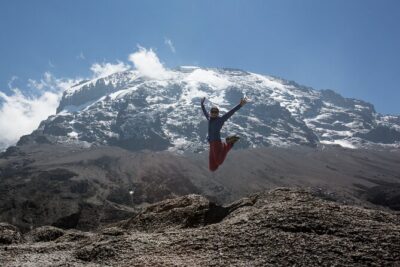 ★ 5.08-Day Small-group Lemosho Kilimanjaro Summit TrekkingFrom $2,895186 reviews
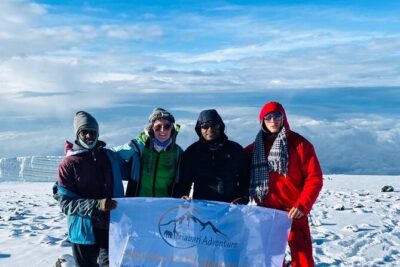 ★ 5.0Kilimanjaro Climbing Lemosho Route 8 Days.From $2,300186 reviews
 ★ 5.0Kilimanjaro climb, Lemosho Route (8-day)From $3,975148 reviews
 ★ 5.0Kilimanjaro climb, Lemosho Route (6-day)From $3,034129 reviews
 ★ 5.0Kilimanjaro Lemosho RouteFrom $2,89071 reviews
 ★ 5.0Private Kilimanjaro Hike 7 Day Lemosho RouteFrom $2,45060 reviews
 ★ 5.0Climbing Kilimanjaro through 8 days Lemosho RouteFrom $2,76052 reviews
Browse the lists this tour appears in