
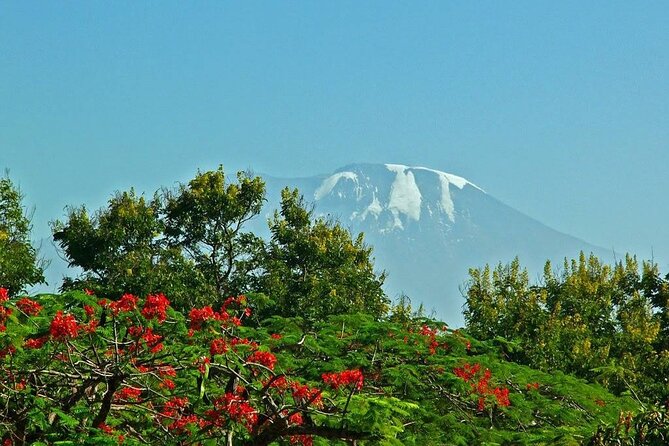
REVIEW · KILIMANJARO LEMOSHO ROUTE
Mountain Kilimanjaro Climbing 8 Days Lemosho Route
Kilimanjaro can feel like a moving target, but this 8-day Lemosho plan gives you time to adjust. You’ll travel through changing zones, from lush forest to high moorland, then into lava ridges and desert-like scree, before a predawn summit push toward Uhuru Peak.
What I like most is the way this route builds breathing room. You get multiple altitude days around Shira Plateau instead of rushing straight upward, and you’re supported by a team that keeps the pace realistic for your body and weather. The one thing to consider is simple: even with good planning, altitude is still altitude, and the final nights and steep sections will test you.
In This Review
- What makes this 8-day Lemosho climb work
- Key things to know before you pick Lemosho
- Why Lemosho is such a good Kilimanjaro route for real humans
- Day 1: From the forest start up toward Mti Mkubwa (2650m)
- Day 2: Shira 1 Camp across grassy moorland and volcanic rock
- Day 3: Shira 2 Camp, northern ice fields, and an acclimatization walk
- Day 4: Lava Tower (4640m) and the Barranco Valley edge
- Day 5: Great Barranco wall, Karanga Valley, and camp at 3963m
- Day 6: Barafu Camp (4640m), scree slopes, and summit night prep
- Day 7: Summit approach to Uhuru Peak, then Crater Camp
- Day 8: Down through forest to the gate and a Moshi celebration
- What’s included, and why it changes the feel of the trip
- Price and value: what $2,756.93 buys you on Kilimanjaro
- Who this tour suits best (and who should rethink it)
- Practical tips to make your Lemosho week easier
- Should you book this 8 days Lemosho Kilimanjaro climb?
- FAQ
- How long is the Kilimanjaro climbing trip on the Lemosho route?
- Where does the trip start and what time does it begin?
- Is pickup offered?
- What equipment and sleeping gear are included?
- Are meals included, and can they match dietary needs?
- What is the cancellation policy?
What makes this 8-day Lemosho climb work
First, I really appreciate the pacing. The schedule gives you gradual gains and acclimatization walks, plus full camp days where you can rest, eat, and stay warm. That’s the difference between feeling like you’re surviving the mountain and feeling like you’re working with it.
Second, the logistics look built for sanity. Gear and sleeping equipment are provided, and the climb includes meals across all 8 days tailored to dietary requirements. That means less stress about rentals, shopping, or meal anxiety when you’d rather focus on breathing and views.
The possible drawback is the physical grind. Some days are listed around 7 hours, and the summit approach day is long, with an early start from 11pm to 12am and steep scree at Barafu. If you’re expecting a gentle nature walk, this route will correct that assumption fast.
Other ways up Kilimanjaro we reviewed
- Kilimanjaro Airport taxi to/from Moshi town/Arusha town★ 5.0 · 60 reviews
- 6 Days Climbing Mount Kilimanjaro Machame Route★ 5.0 · 40 reviews
- 8 Days Kilimanjaro Hike via Lemosho Route★ 5.0 · 39 reviews
- 7-Day Machame Route Kilimajaro★ 5.0 · 28 reviews
Key things to know before you pick Lemosho
- Shira Plateau scenery with real Kibo sightlines: expect open moorland, heather, volcanic rock, and often views of Kibo Peak sitting above the clouds
- A camp sequence that supports acclimatization: you’ll gain a “reasonable amount” of altitude before the harder high zones
- A highlight day at Lava Tower (4640m): long views at a high point, plus lunch near a dramatic landmark
- Great Barranco is long and tiring, not technical: you’ll climb rock and deal with altitude fatigue more than technical difficulty
- Summit night starts late evening: early dinner, then sleep, then wake between 11pm and 12am for the push
- Optional Crater Camp extension: sleeping in the crater bowl is a tough extra that’s for the bold
Why Lemosho is such a good Kilimanjaro route for real humans
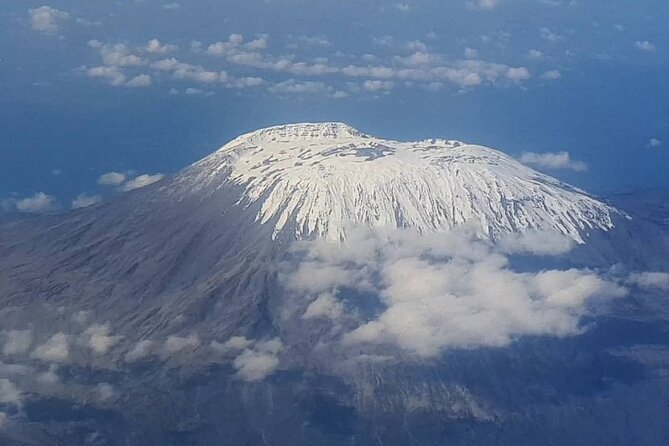
Kilimanjaro’s main enemy is not “the mountain.” It’s the rate at which your body has to adapt. The Lemosho route is valued because it gives you time on higher terrain without immediately jumping into the most punishing elevations. That matters when you’re trying to reach Uhuru Peak and not spend the whole trip in recovery mode.
You also get a route feel that’s more varied than the basic “one rhythm only” approach. Your days move through forest, moorland, plateau walking, and then lava and desert-like scree. It keeps things interesting, and it prevents that one-note fatigue you can get when the terrain never changes.
One more practical win: the group size is capped at 15 travelers. Smaller groups usually mean you spend less time waiting and more time hiking at a sustainable pace, which is exactly what you want on Kilimanjaro.
Day 1: From the forest start up toward Mti Mkubwa (2650m)
You begin around 2100m on the north side, moving through lush forest before turning toward the Shira Plateau. This first day is often about rhythm, getting your layers right, and learning what hiking at altitude feels like when you’re still fresh.
The overnight is at Mti Mkubwa (2650m). That’s a helpful first step upward without going so high that you immediately feel hammered. Your trekking time is listed around 4 to 5 hours, which is a nice setup for the days that follow.
If you’re the type who wants a smoother start, this is where you get it: forest traction, steady climbing, and time to settle in before you reach the open plateau.
Lemosho itineraries worth reading next
Day 2: Shira 1 Camp across grassy moorland and volcanic rock
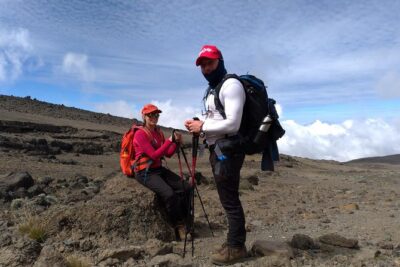
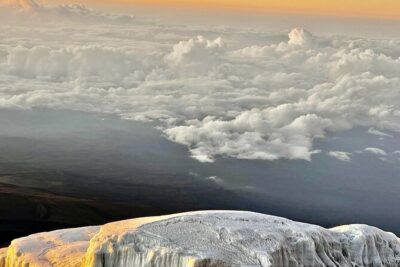
Day 2 leans into the big Kilimanjaro look. You trek across grassy moorland and heather scattered with volcanic rock formations, heading toward Shira 1 Camp. The route often brings a chance of views of Kibo Peak floating on the clouds, which is the kind of sight that makes you forget how steep your calves feel.
You’re aiming for Shira 1, with about 7 hours on the move and a “reasonable” altitude gain. That phrase matters. It suggests you’ll climb, but you’re not immediately going for the sky just because the line on the map says you can.
Possible drawback here: Day 2 parts are described as fairly steep. It’s not technical, but it can feel relentless if you hike too fast in the early minutes. Slow is your friend. Save your big effort for when the mountain asks for it.
Day 3: Shira 2 Camp, northern ice fields, and an acclimatization walk
Day 3 is a view day with a purpose. You’re set up for a chance to see the northern ice fields from the western side, plus unusual perspectives of Kibo. The walking continues across Shira Plateau moorland, and that steady climb helps acclimatization.
Your destination is Shira 2 Camp. Then comes the key bonus: in the afternoon you take an acclimatization walk before returning to camp for dinner and sleep.
That afternoon move is where you can win the Kilimanjaro game. You’re practicing how your body handles higher altitude while staying close enough to retreat if you need to adjust. You’ll feel tired after, but it’s the kind of tired that pays you back later during the harder segments.
Day 4: Lava Tower (4640m) and the Barranco Valley edge
This is one of the most dramatic days. You start with an ascent featuring far-reaching panoramic views, then you move into the upland desert climatic zone. The route also includes lava ridges beneath the glaciers of the western breach, which sounds wild because it is.
You’ll reach the distinct Lava Tower (4640m), described as the day’s high point, and it’s a great lunch spot. Taking lunch up at altitude is not just scenic. It helps you pause and absorb the fact that you’re actually climbing into the high world.
After lunch and views, you do a steep descent to camp at the base of the Great Barranco Valley (3960m). Camps here can feel sheltered by cliffs, but you’ll still want good wind protection and layers.
Time listed is about 4 hours, but don’t let that number make you overconfident. Day 4 is about steepness and altitude, not just time on the trail.
Day 5: Great Barranco wall, Karanga Valley, and camp at 3963m
Day 5 begins by descending into the start of the Great Barranco, a huge ravine. Then you climb out steeply, through the Great Barranco Wall, which divides you from the southeastern slopes of Kibo.
This is described as rock climbing that’s not technical, but it’s long and tiring. That combination is common on Kilimanjaro. You’re not doing rock scrambling like a climber, but your legs still have to keep moving for a while while your lungs argue.
As you go under Heim and Kersten Glaciers, you head toward Karanga Valley, then climb to Karanga Camp (3963m) for the night. There’s also a mid-afternoon option for strong hikers: an acclimatization trek up to around 4200m, then back down to camp.
If you’re unsure whether to do the extra walk, treat it like training for decisions. Only go if you feel stable, your breathing is steady, and you can still eat afterward. Altitude fatigue can trick you into pushing too hard because you feel “kind of okay.”
Day 6: Barafu Camp (4640m), scree slopes, and summit night prep
Day 6 is the turning point. You set off to Barafu Camp at 4640m, walking across desolate scree slopes with no vegetation. That means fewer distractions, more focus, and a terrain that can feel punishing on the feet.
You’re told it’s a tough steep walk made more difficult by altitude. That’s fair. Scree shifts under you, and the high elevation makes every step slower.
After arriving, you eat and rest. Then the plan gets real: you’ll prepare for a long night, with an early dinner and wake-up between 11pm and 12am to start the summit climb.
Practical note: on Kilimanjaro, your comfort can collapse fast when you’re cold and under-slept. This day is where warmth and hydration matter most. If you tend to get chilly, this is the day to treat layers like oxygen, not fashion.
Day 7: Summit approach to Uhuru Peak, then Crater Camp
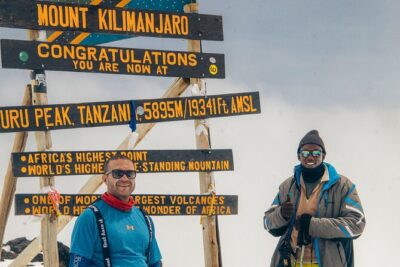
Day 7 starts before dawn for the summit approach. The route describes reaching Uhuru Peak in the early afternoon, when fewer groups are around. That timing matters. Fewer crowds usually means fewer stop-and-go delays and more room to control your pace.
After Uhuru, you do a short descent to Crater Camp, described as set in soft sands near the Furtwangler Glacier. Importantly, Crater Camp is noted as not a route in its own right, but an extension that in principle can be added. It includes the challenge of sleeping overnight in the bowl of the crater, and it’s framed as an experience enjoyed by only a few adventurous climbers.
So what does that mean for you? If you’re the kind of person who gets a kick from extremes, it could be memorable. If you already feel stretched, you might find it more stressful than fun.
Your trekking time on this day is listed around 7 hours.
Day 8: Down through forest to the gate and a Moshi celebration
Your final day covers the last descent through forests to the gate, where your vehicle is waiting to take you back to Moshi. This is the day where you finally swap “mountain movement” for “real-world air.”
The plan also calls out an important human detail: you should tip your guides, cooks, and porters when you reach the gate. That’s not optional fluff. It’s part of how this kind of climb works in practice, with teams doing physical labor and caring for your pace and safety.
Then, yes, it’s time to celebrate. You earned that celebratory meal, and you’ll taste it like you climbed with your stomach, not just your legs.
What’s included, and why it changes the feel of the trip
This climb is set up with included essentials so you can focus on the hike.
You’ll get all equipment plus sleeping gear, so you’re not scrambling to rent or buy last-minute kit. You also get meals across the 8 days, and they’re designed to match your dietary requirements.
You’ll also have pickup offered and a mobile ticket. The start point is Kilimanjaro International Airport, with a 7:00 am start time. That matters because Kilimanjaro trips run on tight timing. Plan your flight so you’re not racing the clock.
A small detail from the experience team adds confidence. In earlier departures, coordination included Oscar Swai and a driver for airport pickup. Another group noted Timothy as their main guide. It’s not a promise that every departure will match those names, but it does show this operation has visible leadership and a staff you can actually connect with before you climb.
Price and value: what $2,756.93 buys you on Kilimanjaro
At $2,756.93 per person, this is not a budget experiment. But it can feel like good value if you compare it to the cost of assembling everything yourself and the risk you take when coordination is weak.
Here’s what you’re paying for, in plain terms:
- A route known for strong acclimatization pacing on the way up
- Expert guides helping you across steep and high sections
- Included sleeping gear and equipment, which adds up fast
- Meals handled for the full 8 days, including dietary needs
- A structured plan that manages summit night logistics, including the late-evening wake-up window
The key value point is the reduction of decision fatigue. On Kilimanjaro, you want fewer surprises. You want someone to set the pace, someone to manage meals, and someone to keep you moving safely when the trail gets sketchy or your body starts bargaining.
Who this tour suits best (and who should rethink it)
This 8-day Lemosho route is aimed at people with moderate physical fitness. That does not mean easy. It means you don’t need technical climbing skills, but you do need stamina, patience, and the ability to keep hiking when the air gets thin.
You’ll likely love this tour if:
- You want classic Kilimanjaro scenery, especially the Shira Plateau and high glacier-adjacent areas
- You prefer a slower acclimatization approach instead of sprinting upward
- You’re comfortable with summit night starting between 11pm and 12am
- You want a guided experience with gear and meals handled
You might rethink it if you:
- Struggle with long steep days and scree walking
- Expect the crater extension experience and feel unsure about it
- Don’t plan for cold and early nights, especially around Barafu
Practical tips to make your Lemosho week easier
These tips are based on the structure of the climb you’re choosing.
Wear layers you can adjust fast. You’ll move from forest warmth into open moorland and desert-like altitude zones. On summit night, cold can hit hard, and you’re told to keep warm and hydrated.
Use the “slow up, steady down” mindset on steep parts like the Great Barranco wall. It’s not technical, but it’s still long. If you rush, you’ll pay later.
Keep food simple when your appetite dips. Meals are included, so use them. Don’t wait until you’re miserable to eat.
Finally, be realistic about tipping. The trip explicitly asks you to tip guides, cooks, and porters when you reach the gate. Plan a budget for it, even if you keep the amount simple.
Should you book this 8 days Lemosho Kilimanjaro climb?
I’d book it if you want a serious Kilimanjaro attempt with support, included gear, and a pacing plan built around acclimatization. The Shira Plateau days, the Lava Tower highlight, and the Great Barranco experience give you variety without turning the climb into chaos.
You should pause and think if you dislike early wake-ups, steep scree walking, or if you’re not ready for altitude to slow you down. This route is demanding in the normal Kilimanjaro way, not the Hollywood way.
If you want a guided climb where your time and meals are handled, and you can focus on pacing yourself toward Uhuru Peak, the Lemosho approach is one of the smarter bets in the Kilimanjaro universe.
FAQ
How long is the Kilimanjaro climbing trip on the Lemosho route?
The trip runs for about 8 days, with hiking and trekking days that build up toward a summit approach and then a final descent.
Where does the trip start and what time does it begin?
The start is at Kilimanjaro International Airport in Tanzania, and the start time is listed as 7:00 am.
Is pickup offered?
Yes, pickup is offered.
What equipment and sleeping gear are included?
The tour includes all equipment, including sleeping gear, so you can hike without having to source those items on your own.
Are meals included, and can they match dietary needs?
Yes. Meals are included across the 8 days, and the meals can be catered to your dietary requirements.
What is the cancellation policy?
Free cancellation is available up to 24 hours in advance for a full refund. The experience can also be canceled due to weather, with options to switch dates or receive a full refund.
Lemosho, Compared
- 8 Days Kilimanjaro Hike via Lemosho Route
★ 5.0 · 39 reviews - Lemosho Route
★ 5.0 · 21 reviews
Kilimanjaro, Route by Route
- 7 Days Kilimanjaro via Machame route affordable price
★ 5.0 · 110 reviews - Kilimanjaro Airport taxi to/from Moshi town/Arusha town
★ 5.0 · 60 reviews - 6 Days Climbing Mount Kilimanjaro Machame Route
★ 5.0 · 40 reviews - 8 Days Kilimanjaro Hike via Lemosho Route
★ 5.0 · 39 reviews - 7-Day Machame Route Kilimajaro
★ 5.0 · 28 reviews
Just added from around Kilimanjaro
Kilimanjaro Lemosho Route, compared.
 ★ 5.0Kilimanjaro climb by Lemosho Route (7-day)From $3,476651 reviews
 ★ 5.08-Day Small-group Lemosho Kilimanjaro Summit TrekkingFrom $2,895186 reviews
 ★ 5.0Kilimanjaro Climbing Lemosho Route 8 Days.From $2,300186 reviews
 ★ 5.0Kilimanjaro climb, Lemosho Route (8-day)From $3,975148 reviews
 ★ 5.0Kilimanjaro climb, Lemosho Route (6-day)From $3,034129 reviews
 ★ 5.0Kilimanjaro Lemosho RouteFrom $2,89071 reviews
 ★ 5.0Private Kilimanjaro Hike 7 Day Lemosho RouteFrom $2,45060 reviews
 ★ 5.0Climbing Kilimanjaro through 8 days Lemosho RouteFrom $2,76052 reviews
Browse the lists this tour appears in