
REVIEW · MULTI-DAY NORTHERN CIRCUIT SAFARI PACKAGES
9 Days – Best of Tanzania Safari
Nine days is the right amount of safari.
This trip stitches together Tanzania’s Northern Circuit in a smart route, with classic parks like Tarangire, Lake Manyara, Ngorongoro Crater, plus Ndutu and the Serengeti. You’ll ride in a custom 4×4 safari vehicle with an open roof for serious game viewing, then sleep in a comfort mix of hotels and tented lodges with private bathrooms.
I like the open-roof setup because it helps you spot action without fighting the vehicle walls, especially when animals move in close. I also like that the package covers the big budget items up front, like park entry fees, plus meals and accommodation, so you can focus on the drive and the sightings instead of constantly recalculating costs.
One drawback to consider: this is a “comfort” trip, but not a hotel-only one. You will spend nights in tented camps, and the days include long stretches of driving between parks, even though the plan is built around early starts and prime viewing times.
In This Review
- Key highlights to know before you go
- The Northern Circuit, in 9 days: why this route works
- Day 1 to Arusha: your start point and how you’ll be handled
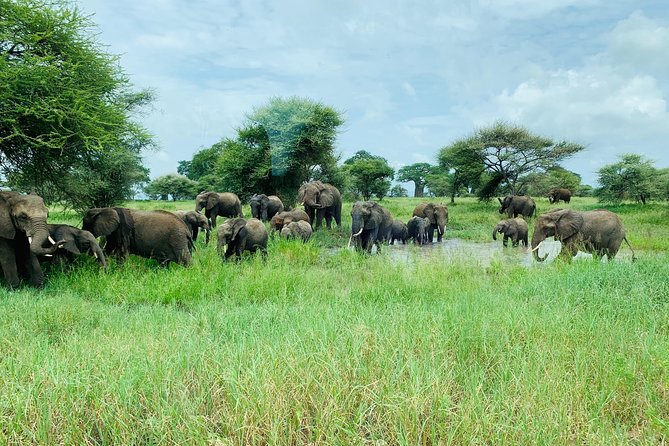
- Tarangire National Park: the Elephant Playground and why it’s a strong opener
- Lake Manyara: Rift Valley views, acacia woodlands, and Lake time
- Ngorongoro Crater: a 600 m descent and the black rhino odds
- Lake Ndutu and the southern Serengeti calving moment
- Central Serengeti, Seronera: water, plains, and real density
- Wagakuria day: lion-pride numbers and Great Migration timing
- Early morning Serengeti on Day 9, then fly out from Seronera
- Comfort-category lodging with private bathrooms: what to expect
- The safari vehicle, guides, and day-to-day flow
- Pickup, mobile ticket, and what you should plan for
- Price and value: is about $4,000 per person fair?
- Who this safari suits best, and who should rethink it
- Should you book this 9-day Best of Tanzania Safari?
- FAQ
- How long is the 9 Days – Best of Tanzania Safari?
- Where does the safari start?
- What time does the safari start?
- Which parks are included in the safari?
- Is this a private safari?
- Do you have pickup included?
- What type of vehicle do you use for game drives?
- Are park entry fees included?
- What meals are included?
- What is not included?
Key highlights to know before you go
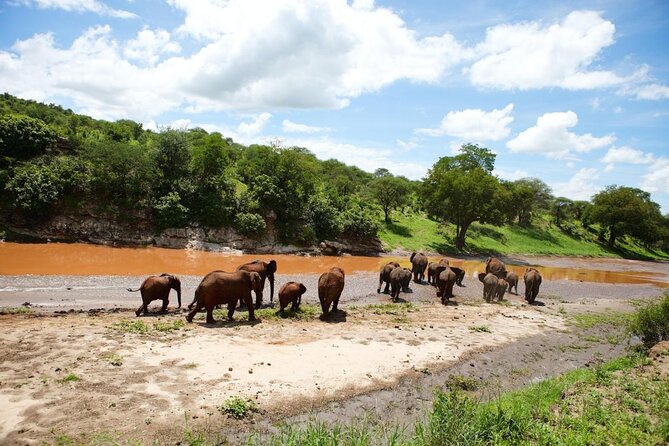
- Tarangire’s Elephant Playground energy: big herds and strong predator odds, plus a top spot to start bird watching.
- Lake Manyara timing: mornings on the plains, acacia woodlands, and the lake edges mean you’re in the right places at the right light.
- Ngorongoro’s crater descent: you go down about 600 m and drive inside a World Heritage Site with over 30,000 animals.
- Ndutu calving season focus: this area is designed for the short-grass migration moments when predators can move fast.
- Serengeti game drives at Seronera and Wagakuria: water at Seronera River and lion-heavy prides in Wagakuria are a big part of the appeal.
Longer northern circuit routes, side by side
- Great Migration Safari In Tanzania★ 5.0 · 71 reviews
- 6 Days Tanzania Classic Safari★ 5.0 · 52 reviews
- 6 Days Big Five Tanzania Safari★ 5.0 · 15 reviews
- 7 Day Grand Tanzania Safari★ 5.0 · 13 reviews
The Northern Circuit, in 9 days: why this route works
If you want a first real safari in Tanzania, the best value is often the “greatest hits” loop. This itinerary is built around the Northern Circuit game parks, which means you get multiple ecosystems instead of repeating one scenery style. Think elephant and baobab country in Tarangire, Rift Valley drama at Lake Manyara, the unusual enclosed world of Ngorongoro Crater, then the southern Serengeti system around Ndutu before returning to the main Serengeti plains.
The other reason this route works is logistics. You’re not bouncing randomly between far-flung regions. The plan keeps you moving in a logical arc from Arusha down into the northern parks, then onward to the Ndutu and central Serengeti rhythm. That matters because safari time is precious. The longer you spend “getting there,” the less time you get to actually watch animals.
Also, you’re riding in a custom 4×4 with an open roof for game viewing. That might sound like a small detail, but on safari it changes how often you catch the moment, especially when a zebra herd crosses in front of you or when a pride moves through grass at dawn.
Day 1 to Arusha: your start point and how you’ll be handled
You start in Kilimanjaro International Airport, where you’re welcomed and escorted to Arusha and your chosen hotel. You also get an experienced driver-guide who introduces you to the city and country. That first handoff is more important than it sounds. Arusha can feel like a jump-off point more than a destination, so it helps to get oriented early, even if you’re mostly passing through.
From a traveler perspective, I like itineraries that assume you’ll need the first-day buffer. The plan doesn’t throw you straight into hours of driving the moment you land. Instead, it sets you up in Arusha and then starts the safari day early on the next leg.
Tarangire National Park: the Elephant Playground and why it’s a strong opener
Tarangire makes a great first park because it delivers big animals and bold landscapes quickly. On your way out from Arusha, you head south early, arrive by noon, and then get an afternoon game drive.
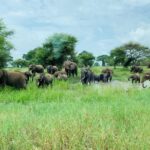
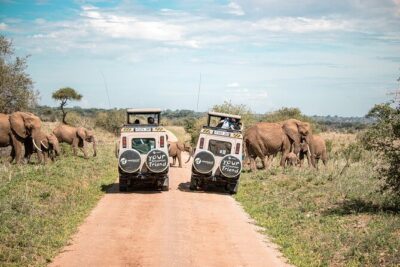
You’ll hear Tarangire described as the Elephant Playground, and it’s an accurate nickname. Elephants often take center stage here, and that’s useful for a first safari because it’s easier to confirm you’re in the right place. After that, the park also gives you a chance at the big cats: lions, cheetahs, and leopards are all mentioned as possibilities, plus plenty of other life like zebras, wildebeest, buffalo, and antelopes.
If you like birding, Tarangire is also a smart opener. The itinerary points it out as a top place to start spotting many species, which is handy if you’re going with people who want variety beyond the big-hitters.
Practical note: your afternoon drive is a real advantage. It means you’ll still have daylight for action even after arrival and lunch. That reduces the “lost time” effect that happens on safaris that start too early or too late.


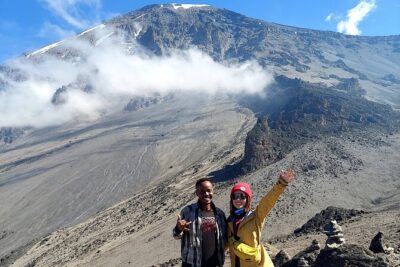
Lake Manyara: Rift Valley views, acacia woodlands, and Lake time
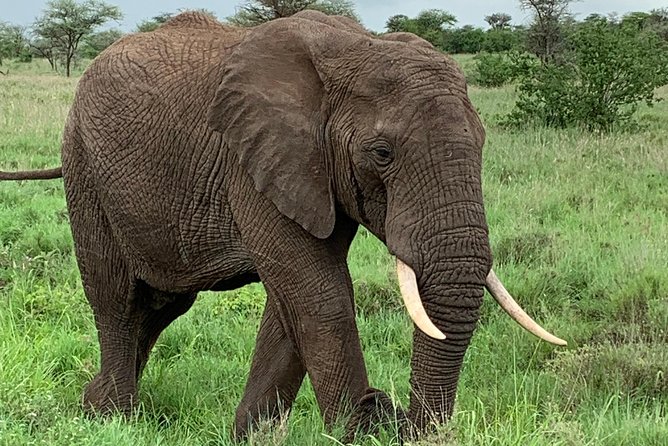
Day 3 shifts you to Lake Manyara National Park, and the key here is the morning start. You leave Tarangire early, take a short morning drive, and focus on different habitat zones: the plains, acacia woodlands, and the lake shores of this shallow alkaline lake.
What I like about this day is the variety inside one park. In a short time, you’re not only scanning for animals in one environment. You’re moving between habitats, which increases your odds of seeing something different even if the animal activity feels uneven in any one spot.
The itinerary also flags the park’s beauty at the base of the Great Rift Valley Escarpment. That matters because Lake Manyara is one of those parks where scenery helps you understand where wildlife will gather, especially near water and along edges.
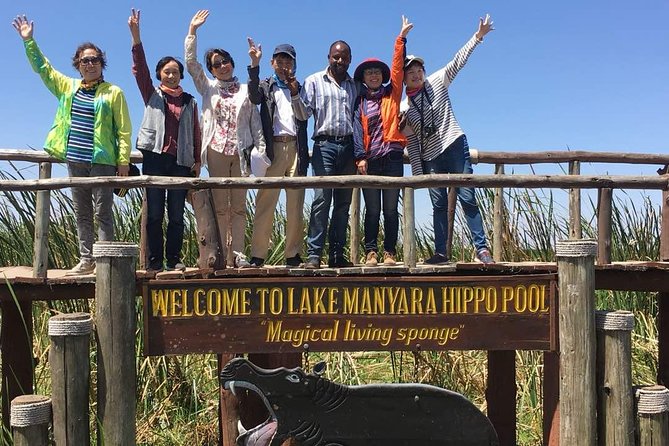
Lake Manyara is also home to hippos, and the route includes time to visit the lake itself. The plan even references Ernest Hemingway’s take on it, describing it as the loveliest lake in Africa. Even if you’re not chasing literary trivia, it hints at why people keep putting Manyara on their Tanzania list.
Possible consideration: Manyara’s main action can be sensitive to weather and the day’s conditions. If you’re the type who hates “waiting in the vehicle,” plan to treat game drives as patience practice.
Ngorongoro Crater: a 600 m descent and the black rhino odds
Ngorongoro is the day that makes many safari trips feel real. After breakfast, you move to the Ngorongoro Conservation Area, where the crater sits. The itinerary emphasizes an early morning drive, and that’s smart because crater days can get busy and animal activity is often strongest at the start.
You’ll descend about 600 m into the crater for a game drive inside the crater itself, described as a World Heritage Site with a permanent population of more than 30,000 animals. Even if you don’t count species in your head, the important part is the density. When you’re driving inside an enclosed bowl, animals don’t always need to travel far to get noticed.
The crater is known for sightings like lions, elephants, giraffes, zebras, hippos, flamingos, jackals, rhinos, and many birds. It specifically notes the rare black rhino, almost extinct in Tanzania, as a possibility. That doesn’t mean you should plan your day around a guaranteed rhino sighting, but it does mean the habitat is set up for rare wildlife to survive there.
About the Big Five: the plan says with luck you can see the Big Five during one drive. That’s not a promise, but it’s also not empty marketing. In Ngorongoro, you’re often in the right location, with the right timing, to make multiple categories of wildlife visible.
Practical consideration: crater roads and descents take focus. You should expect a slower, careful driving rhythm as you move inside the crater.
Lake Ndutu and the southern Serengeti calving moment
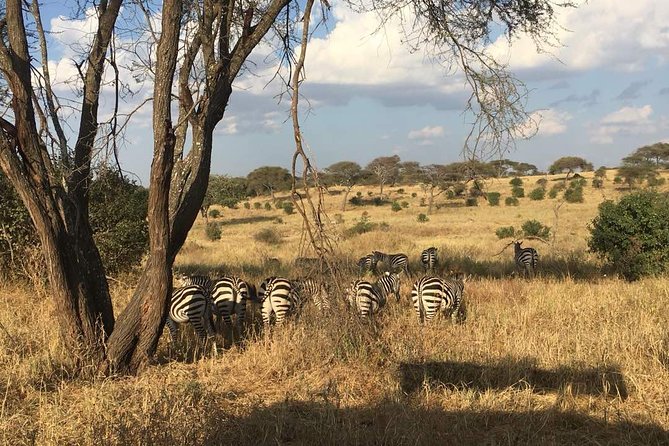
Then you head to Lake Ndutu, located in the Ngorongoro conservation area within the southern Serengeti ecosystem. This is where the safari shifts from classic “spot animals” to “watch life cycles.” The itinerary notes that the wildebeest migration can normally be found on the short-grass plains from December to April. That timing matters because the type of wildlife drama you see changes with the season.
Ndutu is alkaline like many Rift lakes, and the plan says the water is still drinkable and used by local wildlife. That detail might sound oddly specific, but it’s the kind of “why animals gather here” clue that helps you understand what you’re seeing: when water is available, animals show up, even if the plains look quiet.
You arrive in time for lunch at the lodge or camp, then go for an afternoon drive. The itinerary points out that this area is often heavily populated with elephants, birds, and resident game. That means even if migration movement is not exactly at peak for your dates, the park still has enough activity to keep drives interesting.
Day 6 is a full-day drive in the Ndutu area, and it makes an important seasonal point. Around February, roughly lasting for about 3 weeks, many wildebeest calves can be born. Because short grass provides little cover, the calves can be easy targets for predators, and you may see intense interactions. The plan even notes calves can run minutes after birth and keep up within a few days, which explains why predator action can feel fast and urgent here.
If you’re traveling outside the peak months, you can still enjoy Ndutu, but the “calving spectacle” might not match what’s described. For the most emotionally intense wildlife watching, match your dates to the season the itinerary highlights.
Central Serengeti, Seronera: water, plains, and real density
After Ndutu, you head toward the central Serengeti National Park, also known as Seronera. This is classic Serengeti country: endless plains stretching far into the distance, with wildlife drawn to the Seronera River as a steady water source.
The plan has you arrive for lunch and then enjoy an afternoon game drive. I like this pacing because you’re not racing immediately into the first light. You arrive, settle, eat, and then focus on the drive when your eyes are ready.
Seronera is described as one of the richest wildlife habitats in the park, and the itinerary frames it as representative of most of Serengeti’s species. That wording is a clue: this is a “good odds” area. You’ll be watching for a wide mix, not just one animal group.
Possible drawback: central Serengeti can involve a lot of sightline scanning across wide grass. If someone in your group gets restless easily, you’ll want to set expectations. Bring binoculars if you have them, use your vehicle breaks to stand and stretch, and treat each short stop as a mini event.
Wagakuria day: lion-pride numbers and Great Migration timing
Day 8 is one of those days you can’t “fast forward.” You wake up in the Serengeti, with sights, sounds, and smells around you, then enjoy a full-day game drive in the Wagakuria area.
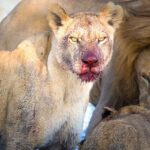
The itinerary gives a specific detail that’s worth translating into real expectations. It says resident wildlife numbers are exceptionally high there, with prides of lion up to 30 strong. Large pride numbers mean you might see more than one lion cluster, more social behavior, and more chances that at least one group is visible from your angle.
Then there’s the seasonal note. July to October is considered the most desirable months to sight the Great Migration, with over 2 million wildebeest, zebras, and gazelles moving through Serengeti and Masai Mara ecosystems. The itinerary also says that at this time, wildebeest are in the northern Serengeti plains.
So you have two layers to plan around:
- Your date range affects migration likelihood.
- Your willingness to drive long hours affects how often you’re in the right place at the right time.
Even without migration at peak, the itinerary suggests Wagakuria still has high resident wildlife density. That’s valuable. It means you’re not gambling everything on one seasonal spectacle.
Early morning Serengeti on Day 9, then fly out from Seronera
On Day 9, you do an early morning game drive in the Serengeti before breakfast. The itinerary says this is the best time to see animals as they return from night hunting or come out for morning prey. Early mornings also usually mean nicer light for spotting and photography, if that’s your thing.
Then you return to your lodge for a hot breakfast. After that, you’re transferred to Seronera airstrip to catch your flight to Kilimanjaro. That flight-out step is important for planning how you’ll handle your final day in Tanzania. It keeps the wrap-up simple, but it also means you’ll want to stay ready and organized once the morning drive ends.
Comfort-category lodging with private bathrooms: what to expect
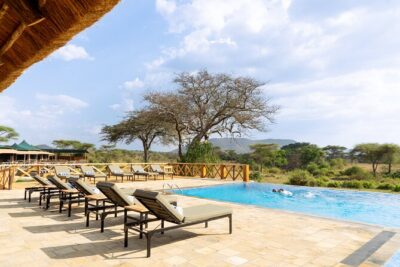
The trip calls the lodging Comfort category, with a combination of hotels, tented lodges, and tented camps, each with private bathroom facilities. I like this approach for most travelers because it balances the safari feel with real comfort. You get the tented atmosphere without the “shared facilities” compromise that turns some people off to tent nights.
Still, tented camps do mean you should be prepared for the practical reality of camping-style living, even at comfort level. Expect that the setting is more open to the environment than a typical hotel. If that’s fine for you, it’s part of the magic.
The itinerary also includes dinners (8), lunches (8), and breakfasts (10). That meal structure matters because safari days are tiring. When you’re not hunting for food or timing restaurants, you can stay focused on wildlife and rest between drives.
The safari vehicle, guides, and day-to-day flow
This is a private tour/activity, meaning only your group participates. That’s a big quality factor on safari because your pace can be adjusted to what you’re seeing, and you’re not stuck in someone else’s group priorities.
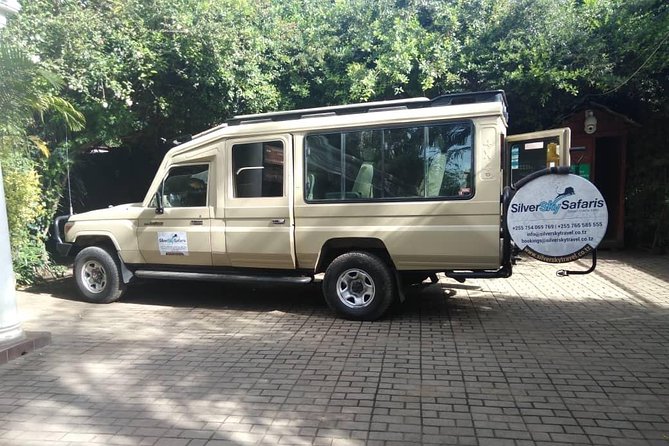
Your vehicle is described as an air-conditioned custom designed 4×4 with an open roof for game viewing. Air conditioning helps during hotter periods and long drives, while the open roof keeps game viewing practical.
The operator also lists bottled water and WiFi on board. Bottled water is a straightforward comfort and hydration win. WiFi can be useful for quick check-ins, but I’d treat it as a bonus, not a reason to stay online.
Guide quality is the other real difference-maker. The itinerary says you’ll be greeted and escorted by experienced driver guides. In the feedback included with this experience, one named guide, Bariki, was specifically credited with being friendly and with help finding lots of animals. That’s exactly what you want from a driver-guide: calm effort, fast scanning, and good instincts about where to go next.
One small reality check: safari is not a museum tour. Your schedule can shift with animal movement and day conditions. The itinerary builds around early starts and park priorities, but think of it as flexible wildlife time, not clockwork factory time.
Pickup, mobile ticket, and what you should plan for
Pickup is offered, and the start is Arusha, Tanzania, with the meeting start time listed as 8:00 am. The plan also notes a mobile ticket. That combination is usually helpful. You get collected, you don’t have to figure out a complicated transfer system on your own, and you have your confirmation ready in a digital form.
Because flights are not included, you’ll want to schedule your air so you can comfortably reach Kilimanjaro International Airport for Day 1 arrival, then be in position for the Seronera airstrip flight on Day 9. The itinerary makes the safari wrap-up land at Kilimanjaro, so your international flight planning should follow that.
Price and value: is about $4,000 per person fair?
At $4,000 per person for a 9-day Northern Circuit safari, the price is not cheap, but it also isn’t just paying for driving around and watching animals. The package includes accommodation, park entry fees, meals, and use of the safari vehicle. It also includes bottled water, and it lists WiFi on board.
Here’s how I’d judge value for your money:
- If you were to hire a private vehicle, pay park fees, and arrange comfortable lodging in multiple parks, the costs add up fast.
- Having all of that bundled means less time negotiating, less risk of missing a fee, and fewer “surprise bill” moments.
- Private touring is a quality upgrade compared to shared group safaris, because it’s only your group in the vehicle.
So the best way to see value is to compare what you’d pay for the same components if you booked them separately. If you want simplicity and strong structure, this price can make sense. If you want the lowest cost possible and you enjoy planning, you might find cheaper alternatives. But they often come with the trade-offs: shared vehicles, fewer included items, or less predictable day flow.
Who this safari suits best, and who should rethink it
This trip suits you if:
- You want the main parks of Tanzania’s Northern Circuit in one trip.
- You like structured game drives with early timing, especially for crater and Serengeti.
- You want a private experience, not a “everyone squeeze in” shared safari.
- You’re comfortable with tented lodge nights as long as bathrooms are private.
You might rethink it if:
- You expect a pure hotel experience every night.
- You hate early mornings or long travel days between parks.
- Your dates don’t match the seasonal highlights you care about most, like Ndutu calving time or the Great Migration months of July to October.
Should you book this 9-day Best of Tanzania Safari?
I’d tell you to book it if your goal is a classic, well-rounded Northern Circuit safari with a strong mix of ecosystems, and you want your big costs handled up front. The itinerary’s structure makes sense: Tarangire and Manyara for variety, Ngorongoro for density and crater magic, Ndutu for southern Serengeti season drama, then Serengeti for the big-game plains.
The biggest “make or break” decision is comfort expectations. This is comfort-level lodging with private bathrooms, but it is still partly tented. If that sounds exciting, you’ll likely love the experience. If you want all standard hotels and nothing camp-like, look for an all-hotel option.
If you’re booking for migration or calving moments, double-check your travel month against the timing the itinerary calls out. Dates matter here. But even without those peak moments, the plan still emphasizes resident wildlife and strong game-drive areas.
FAQ
How long is the 9 Days – Best of Tanzania Safari?
The safari is listed as 9 days approximately.
Where does the safari start?
It starts in Arusha, Tanzania.
What time does the safari start?
The meeting start time is listed as 8:00 am.
Which parks are included in the safari?
The trip includes Tarangire, Lake Manyara, Ngorongoro Crater within the Ngorongoro Conservation Area, Lake Ndutu, and Serengeti National Park.
Is this a private safari?
Yes, it is a private tour/activity, and only your group will participate.
Do you have pickup included?
Pickup is offered.
What type of vehicle do you use for game drives?
You travel in a custom designed 4×4 safari vehicle with an open roof for game viewing, and it is described as air-conditioned.
Are park entry fees included?
Yes, all fees and taxes are included.
What meals are included?
The included meals are listed as breakfast (10), lunch (8), and dinner (8).
What is not included?
Flights, VISA, phone calls, laundry, alcoholic beverages, and other personal items are not included.
Longer Trips Through the North
- Great Migration Safari In Tanzania
★ 5.0 · 71 reviews - 6 Days Tanzania Classic Safari
★ 5.0 · 52 reviews - 6 Days Big Five Tanzania Safari
★ 5.0 · 15 reviews - 7 Day Grand Tanzania Safari
★ 5.0 · 13 reviews - Tanzania Classic Safari 3 Days / 2 Nights
★ 4.5 · 9 reviews
Just added from around Kilimanjaro
Multi-Day Northern Circuit Safari Packages, compared.
 ★ 5.07-Day Premium Luxury Tanzania Safari All-InclusiveFrom $4,840426 reviews
 ★ 5.0Tanzania Wildlife Encounters – 6 DaysFrom $3,413277 reviews
 ★ 5.0Group Safari 7 Days in Tanzania’s Main ParksFrom $3,000240 reviews
 ★ 5.04 Days Join Group tour Tarangire Serengeti and Ngorongoro craterFrom $1,090219 reviews
 ★ 5.05-Day Private Northern Tanzania Safari from ArushaFrom $2,780182 reviews
 ★ 5.05 Days Best of Tanzania Luxury Safari Northern CircuitFrom $3,744174 reviews
 ★ 5.08 Day Spectacular Migration Serengeti mid -Range Tanzania SafariFrom $4,257161 reviews
 ★ 5.0Multi-Day Tanzania Odssey Safari from ArushaFrom $4,164120 reviews
Browse the lists this tour appears in