
REVIEW · MULTI-DAY NORTHERN CIRCUIT SAFARI PACKAGES
Multi-Day Tanzania Odssey Safari from Arusha
A good safari hits many ecosystems, fast. This one is built for that, with Tarangire, Ngorongoro Crater, and the Serengeti circuit in one tight 7 days. I like that it is private, so the pace and game-drive stops feel adjustable. I also like the way the days are structured around reliable wildlife patterns, not random driving.
One thing to keep in mind: the big Serengeti action, especially Mara River crossings, can be luck and timing. If you are traveling outside the July to October migration window, you still should see plenty of animals, but the dramatic river-crossing moment is less predictable.
Key points if you care about value and wildlife
- Private game drives with a driver/guide, giving you more control over what you stop for and how long you stay.
- Multiple parks in one trip, so you see elephants and baobabs in Tarangire, then the crater’s dense wildlife, then Serengeti’s big cat country.
- Strong “spotting and explaining” guide style, with names like Calvin Kileo, Bariki, Albert, Andrew, Inno, and Zadock showing up in feedback for animal insight and calm teamwork.
- Luxury lodge and tented-camp nights, included, which helps you keep the trip moving without hunting for upgrades.
- Water and meals are handled, including bottled water, plus breakfast, lunch, and dinner each day.
- Return flight logistics matter, since the Kogatende Airstrip to Arusha flight is not included.
In This Review
- The Route That Actually Matches Tanzania’s Wildlife Zones
- Day 1: Arusha Arrival and a Soft Start at Mount Meru
- Tarangire National Park: Elephants, Baobabs, and Tree-Climbing Lions
- Ngorongoro Crater: One Descent, Lots of Wildlife Density
- Central Serengeti (Seronera): Migration Season Adds Theater
- Northern Serengeti and the Mara River: Crossings Need Luck
- Day 7: Back to Arusha, With the Kogatende Flight in Your Hands
- Lodging and Meals: Luxury Included, Bottled Water Too
- Private Safari Setup: Why It Feels More Comfortable Than Group Tours
- Price and Logistics: Is $4,164.11 a Good Deal?
- Weather, Fitness, and What to Pack for Real Safari Days
- Who This Safari Fits Best
- Should You Book This 7-Day Tanzania Odyssey from Arusha?
The Route That Actually Matches Tanzania’s Wildlife Zones
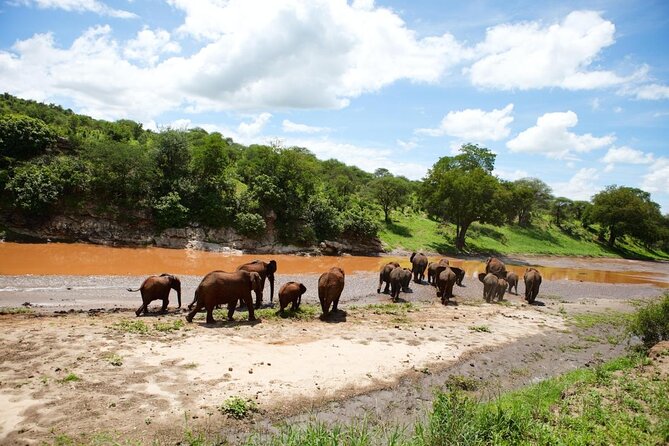
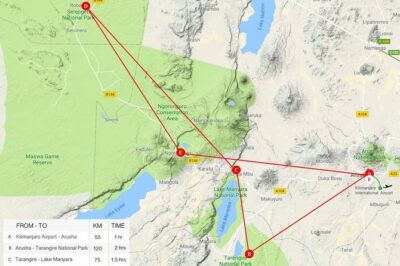
This safari is designed around how northern Tanzania changes from park to park. You start near Arusha, then move into Tarangire’s dry-season wildlife concentration, head to the crater for a compressed, high-density day, and then spend multiple nights in Serengeti to give you time for both the central plains and the north’s Mara area.
Why that matters: if you only visit one area, you get one flavor of Tanzania. Here you get three. The trip also uses the calendar where it helps, pointing you toward migration season timing in Serengeti, while still keeping the other parks meaningful even if the migration does not cooperate.
Longer northern circuit routes, side by side
- Tanzania Classic – 7 Days★ 5.0 · 1,151 reviews
- Tanzania Wildlife Encounters – 6 Days★ 5.0 · 277 reviews
- Group Safari 7 Days in Tanzania’s Main Parks★ 5.0 · 240 reviews
- 4 Days Join Group tour Tarangire Serengeti and Ngorongoro crater★ 5.0 · 219 reviews
Day 1: Arusha Arrival and a Soft Start at Mount Meru
You land at Kilimanjaro International Airport and get picked up for the drive into Arusha. Your first night is at Mount Meru Hotel (included). It is a practical setup because you arrive, eat, sleep, and reset before the longer wildlife days.
This is one of those small travel wins that makes a real difference. If you start your safari with a full day of driving from the airport, you burn energy that you should spend on game drives. With this plan, you get a proper first-night buffer.
Tarangire National Park: Elephants, Baobabs, and Tree-Climbing Lions
On day 2, you head to Tarangire National Park, with breakfast, lunch, and dinner handled. Tarangire is famous for big elephant herds, and it has a dry-season rhythm that helps wildlife find each other. The park’s Tarangire River flows year-round, and during dry periods it becomes a key water source for animals.
You will also see the “Tree of Life” baobabs, the kind of twisting giants that look prehistoric. And yes, Tarangire is known for tree-climbing lions. Even if you do not spot one, the park is still worth it for the way it holds wildlife around water, plus the mix of landscapes and behavior.
Practical expectation: game viewing here can be intense because animals cluster near water. If you are hoping for close-up elephant moments and a strong sense of animal routine, Tarangire does that well.
Ngorongoro Crater: One Descent, Lots of Wildlife Density
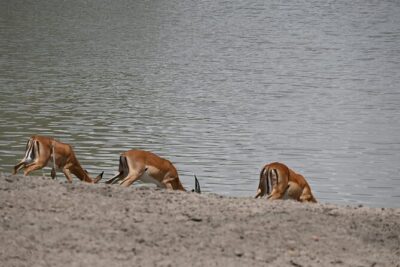
Day 3 is Ngorongoro Crater, with a crater-floor day built around the descent and a picnic. The crater is UNESCO-listed, and it is known for dense wildlife. The numbers that guide this park’s reputation are eye-opening: around 20,000 mammals in the area, including about 20 black rhinoceros, and very high carnivore density.
Ngorongoro is different from the usual “drive until you find something” safari day. You drop into a contained arena, and the ecosystem does much of the work for you. That is why the crater is often the moment first-time visitors remember most.
What to watch for: even if you do not see every target species, you should see the crater’s overall density and behavior. It is a day that rewards patience because animals are often right where you are looking.
Central Serengeti (Seronera): Migration Season Adds Theater
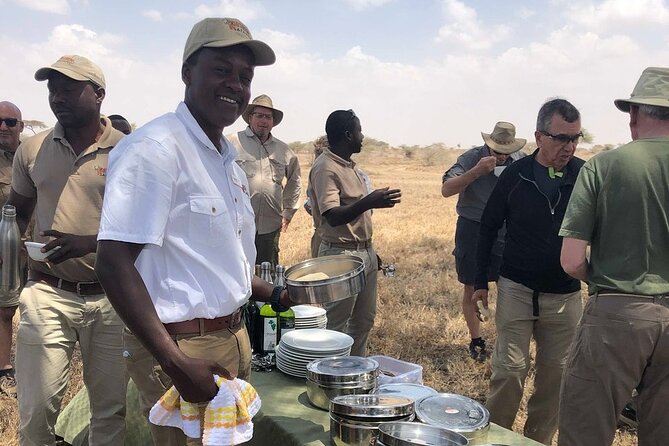
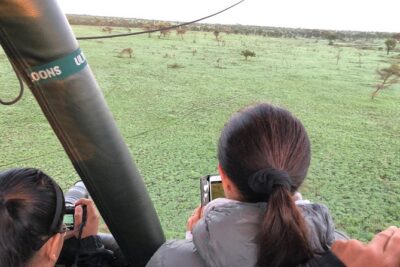
On day 4, you shift into Central Serengeti National Park, often associated with Seronera. You get a picnic lunch and game drives along the way, then overnight at a luxury lodge.
Serengeti is where the big migration story plays out. The plan emphasizes the period from July through October, when you can see over 1.5 million wildebeest and many thousands of zebras moving through the system. It also references dramatic survival moments like herds pushing through areas where crocodiles are a threat.
Even outside peak migration timing, Serengeti still delivers big predator energy and strong overall variety. But if your heart is set on migration drama, this is the day where timing really matters.
Northern Serengeti and the Mara River: Crossings Need Luck
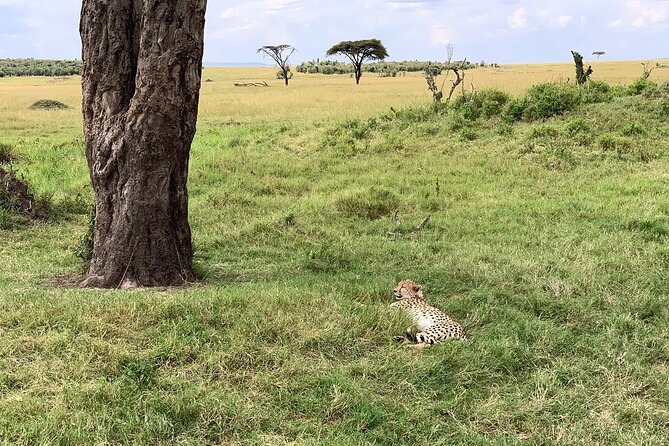
Days 5 and 6 put you in Northern Serengeti National Park, with overnight at a luxury tented camp. The focus is the Mara area, where the Mara River becomes the stage for the crossing.
Here is the honest part: finding a crossing is challenging. It can come down to luck and exact timing. That is not a reason to cancel, it is a reason to adjust expectations. What you are buying with the extra night or two in the north is more shots at the moment, plus better overall chances of seeing predator and prey behavior leading up to the action.
Also, this region has a different feel than central Serengeti, with kopjes, woodland patches, riverine vegetation, and open plains. In practice, that means your guide will likely change tactics during drives, tracking animals and reading movement rather than just doing a straight route.
Day 7: Back to Arusha, With the Kogatende Flight in Your Hands
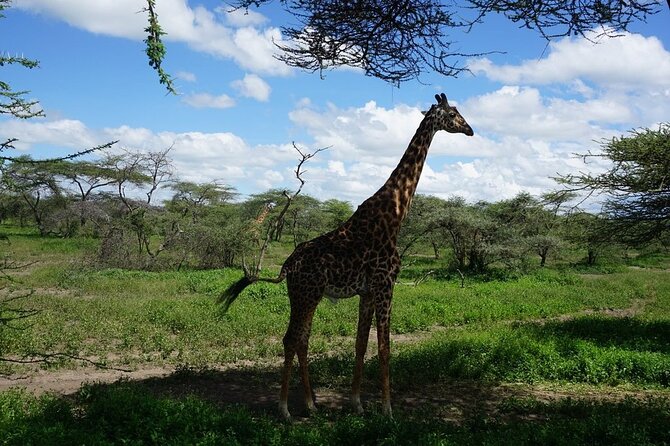
On day 7, after breakfast, you drive to Kogatende Airstrip. Then you catch your flight to Arusha at your own expense, arriving for lunch before getting taken to the airport for your home flight.
This last-day layout matters for two reasons. One, it keeps the safari tight, so you do not lose a full day to travel. Two, you must plan for the fact that the air segment is not included in the package. If your homebound timing is strict, double-check your flight schedule early so the connection does not become stressful.
Lodging and Meals: Luxury Included, Bottled Water Too
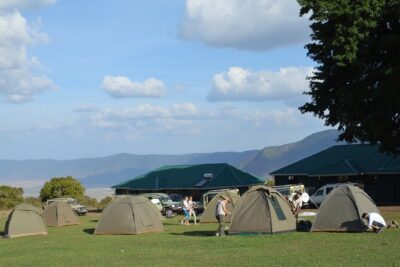
This trip includes lodge and luxury tented accommodation as stated in the plan, plus meals and bottled water. That is a practical value-add in safari country, where food and drink options can be limited or inconsistent day to day.
Across the days, the pattern is breakfast before morning drives, then lunch on the move (often picnic-style), and dinner back at camp or lodge. The included meals reduce decision fatigue. You can focus on spotting animals rather than hunting for a restaurant that matches your taste and timing.
A small note for comfort: alcoholic drinks are not included, but they are available to purchase. If alcohol is part of your evening routine, factor that into your budget.
Private Safari Setup: Why It Feels More Comfortable Than Group Tours
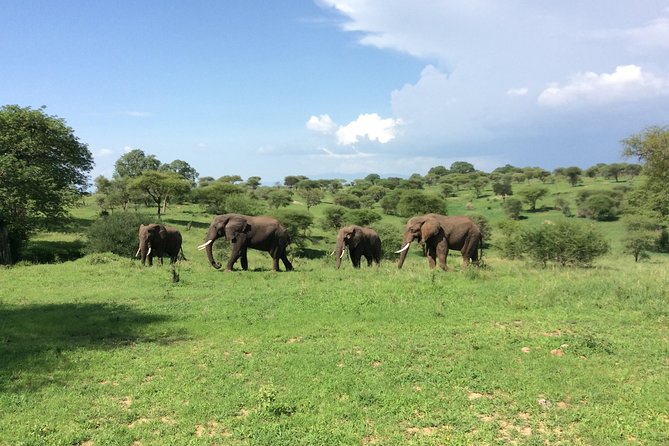
This is a private safari, meaning it is your group only. In the field, that usually translates into two benefits.
First, your driver/guide can adjust. If you are stuck on a sighting, you stay with it. If you want to move because the herd pattern is shifting, you do not have to wait for other people to catch up.
Second, your questions get answered in real time. In feedback tied to guides like Calvin Kileo, Albert, Bariki, Inno, and Daudi, a clear theme is how they connect what you are seeing to behavior and local knowledge. The practical payoff for you is faster understanding, not just reading about animals later.
One more detail I value: if you are not feeling 100 percent, a private driver can often pace the day better because the schedule is not built around a group’s fixed rhythm.
Price and Logistics: Is $4,164.11 a Good Deal?
The price is $4,164.11 per person for about 7 days. That number looks high until you break down what is included: accommodation, meals (breakfast, lunch, dinner as listed), bottled water, airport pickup and drop-off, and transport by private vehicle with a driver/guide.
So you are not just paying for driving and park time. You are paying for the “safari machine,” the logistics that make northern Tanzania runnable without you coordinating permits, transfers, and daily meals on your own.
That said, you should verify what is covered beyond the plan’s listed items, especially any park-related fees that are not explicitly called out here. Also, remember the excluded pieces: alcohol and the Kogatende Airstrip to Arusha flight.
My rule: if you want a smooth, curated sequence of parks with minimal friction, the price can make sense. If you already have your own logistics network and you only need a vehicle, you might find cheaper options. But if you want sleep, meals, and transport lined up so you can focus on wildlife, this pricing structure is closer to the value you are paying for.
Weather, Fitness, and What to Pack for Real Safari Days
The plan notes moderate physical fitness. That usually means being comfortable with long drives, getting in and out of the vehicle for sightings, and walking short distances at lodges and crater viewpoints. It does not mean you need to be a marathon runner, but it does mean you should plan for a full-on schedule.
Weather is also a factor. The experience depends on good conditions. If weather forces a change, you should expect a different date or a full refund, based on the stated policy.
What I suggest packing based on how safaris run: a hat for sun, long sleeves for comfort during drives, a light rain layer because weather can switch quickly, and a good pair of walking shoes. Bring binoculars if you have them, but check what is available on the vehicle before assuming.
Who This Safari Fits Best
This is a strong fit if you:
- Want multiple parks in one trip instead of choosing only one.
- Like the idea of luxury lodge and tented camp nights without planning it yourself.
- Care about guidance and want someone to help you understand what you are seeing.
- Prefer a private pace, especially if you are traveling as a couple, family group, or small party.
It might be less ideal if you:
- Hate the idea that Mara River crossings can be luck-dependent.
- Need your exact schedule to be unchangeable down to the hour, because the last-day Kogatende flight is a separate expense.
- Are trying to do the cheapest possible safari, since private transport and included lodging push the price upward.
Should You Book This 7-Day Tanzania Odyssey from Arusha?
If your goal is a northern circuit that actually makes geographic sense, I would say yes, with one smart caveat. The route is built for variety: Tarangire for elephants and baobabs, Ngorongoro for dense crater wildlife, and Serengeti for migration odds and predator action. The private setup plus included meals and lodging helps the whole thing run smoothly.
Book it if you want the comfort of a complete package and you are flexible about the “one big moment” in Serengeti north. Plan carefully for the Kogatende Airstrip flight and bring gear for long, sometimes dusty days.
If you want a trip that feels like you are sampling the best of northern Tanzania instead of just crossing it off a list, this one fits that very well.
Longer Trips Through the North
- Tanzania Classic – 7 Days
★ 5.0 · 1,151 reviews - 7-Day Premium Luxury Tanzania Safari All-Inclusive
★ 5.0 · 426 reviews - Tanzania Wildlife Encounters – 6 Days
★ 5.0 · 277 reviews - Group Safari 7 Days in Tanzania’s Main Parks
★ 5.0 · 240 reviews - 4 Days Join Group tour Tarangire Serengeti and Ngorongoro crater
★ 5.0 · 219 reviews
Just added from around Arusha
Multi-Day Northern Circuit Safari Packages, compared.
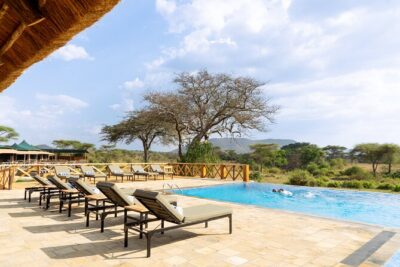 ★ 5.07-Day Premium Luxury Tanzania Safari All-InclusiveFrom $4,840426 reviews
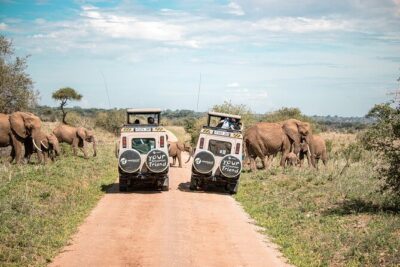 ★ 5.0Tanzania Wildlife Encounters – 6 DaysFrom $3,413277 reviews
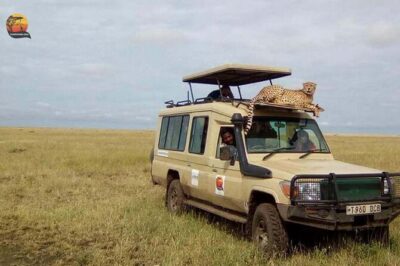 ★ 5.0Group Safari 7 Days in Tanzania’s Main ParksFrom $3,000240 reviews
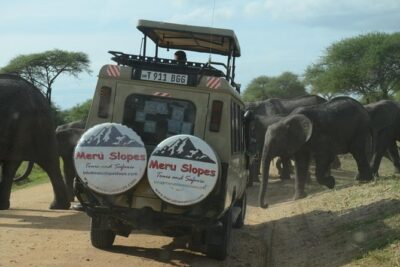 ★ 5.04 Days Join Group tour Tarangire Serengeti and Ngorongoro craterFrom $1,090219 reviews
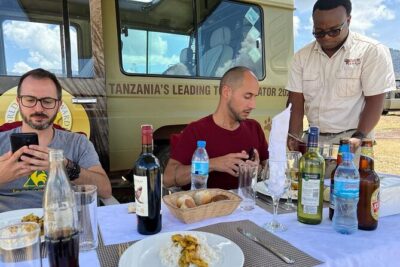 ★ 5.05-Day Private Northern Tanzania Safari from ArushaFrom $2,780182 reviews
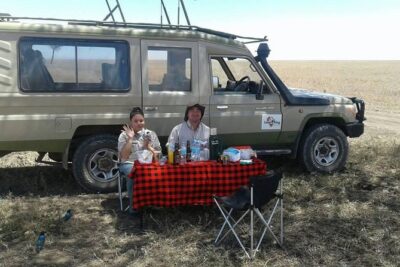 ★ 5.05 Days Best of Tanzania Luxury Safari Northern CircuitFrom $3,744174 reviews
 ★ 5.08 Day Spectacular Migration Serengeti mid -Range Tanzania SafariFrom $4,257161 reviews
 ★ 5.0Big Five Safari In TanzaniaFrom $3,75099 reviews
Browse the lists this tour appears in