
REVIEW · GREAT WILDEBEEST MIGRATION SAFARIS
Great Migration Safari In Tanzania
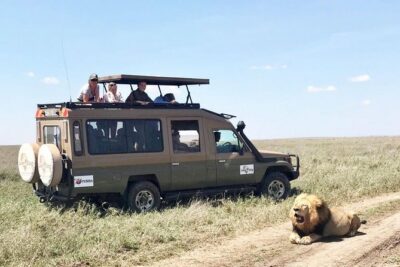
Wildebeest crossings start with a good jeep. This private safari through Tarangire, northern and central Serengeti, and Ngorongoro is built to chase the Great Migration when it is most dramatic, especially July to October. I love the 4×4 Land Rover or Toyota Land Cruiser style of getting off-road when sightings heat up, and I love that the routing is 100% tailor made for your dates, pace, and comfort, with professional guiding throughout. One possible drawback is the pace: you can be in the jeep for long stretches, so it is not a sit-still, low-effort trip.
I also like the “start strong” logistics. Pickup from Kilimanjaro to Karatu gets you settled quickly, and you get picnic lunch time during key driving days, so you spend more daylight actually out looking and less time hunting for meals. Also, your plan ends with an easy follow-up transfer back toward Arusha or the Kilimanjaro airport.
One more thing to know, just so you can plan smart: the program notes park admission as “included” or “free” on different days, so you should confirm what is covered in your final quote before you go.
In This Review
- Key Things You’ll Care About Most
- First Night in Karatu, Then You’re Into It
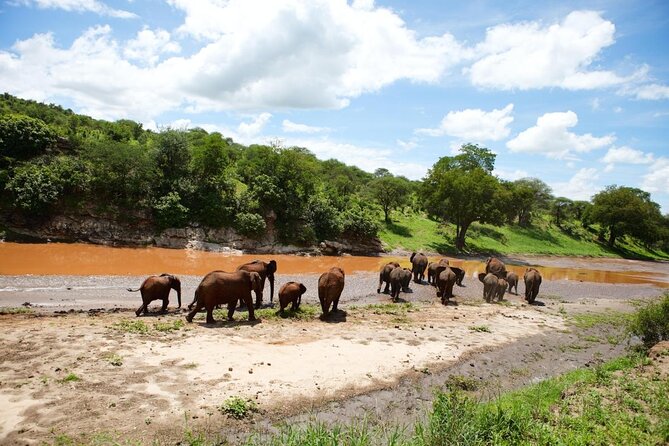
- Tarangire National Park: Elephants, Baobabs, and Predators
- Northern Serengeti for the Migration: Mara River Is the Big Hook
- Full Game Drive Day: Staying in the Right Place Longer
- Serengeti Central: Predators and the Big Open Plain
- Ngorongoro Crater Descent: One Place, High Density
- The End: Karatu, Relax Time, and Airport Transfer
- Price and Value: Is $3,900 Worth It?
- Who This Safari Fits Best
- Should You Book This Great Migration Safari?
- FAQ
- FAQ
- Where does this safari start and end?
- What parks are included in the program?
- Is this safari private?
- What vehicle will we use?
- What is the pickup plan and start time?
- Are park admission tickets included?
- What Great Migration timing is this safari aiming for?
- How long is the safari?
- Is there a cancellation option if plans change?
- Do we get meals during game drives?
Key Things You’ll Care About Most
Targeted Great Migration window: northern Serengeti summer timing (July to October), with herds aggregating before Mara River crossings.
Tarangire first, then the plains: elephants, baobab trees, and predators are a strong warm-up before Serengeti.
Real off-road capability: 4×4 Land Rover or Toyota Land Cruiser with a professional guide driving the hunt.
Ngorongoro Crater payoff: dense wildlife viewing after a descent into the crater area, plus a picnic lunch.
Flexibility in where you spend time: the trip is 100% tailor made, and your exact park mix can shift by season.
Guides are a big deal here: customer feedback names strong guides like Thomas, Ismail, Jackson, Evarest, Sultan, Agustin, and Samwel Mangulai.
Chasing the herds? Compare these first
- Great Migration Safari In Tanzania★ 5.0 · 71 reviews
- 7 Days Wildebeest Migration – Ndutu Calving Season★ 5.0 · 18 reviews
- 6 Days Mara River Crossing – The Great Migration★ 5.0 · 5 reviews
- 6- Day Adventure Lodge safari to see Migration★ 4.5 · 5 reviews
First Night in Karatu, Then You’re Into It
Your trip starts with pickup at Kilimanjaro airport and a drive to Karatu. This matters more than it sounds. When you land, you want an immediate plan that gets you resting and ready for early wildlife hours, not scrambling.
Karatu is your overnight base, giving you a clean reset before the parks begin. If you have time on the way, you can stop at a local market, otherwise you can keep it simple and relax at the lodge.
Practical tip: plan for an early start on safari days. The official start time is listed as 7:00 am, which is great for wildlife, and it means you’ll want an easy morning routine with minimal dithering.
Tarangire National Park: Elephants, Baobabs, and Predators
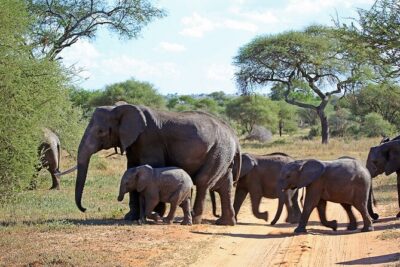
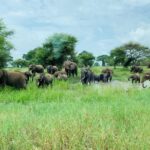
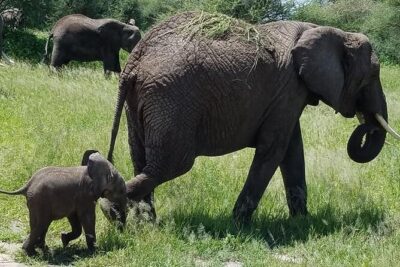
After breakfast, you head to Tarangire National Park by road, about an hour transfer from Karatu. Tarangire is a classic first stop because it hits big animals fast, especially elephant herds.
What I like about anchoring a Great Migration trip with Tarangire is the contrast. You go from river-crossing country and massive baobab trees into the wide, open Serengeti game-viewing world. Tarangire also supports a high number of predators, so you are not just checking a box for elephants.
You do a full game drive there with a picnic lunch. That “drive and eat” setup is efficient. It also keeps you flexible, because if the action is good, you do not lose momentum to a long detour.
Consideration: if you are prone to safari motion sickness, Tarangire roads and off-road sections can feel bumpy. Bring what works for you, like motion bands or medication your doctor has cleared.
Northern Serengeti for the Migration: Mara River Is the Big Hook
From Karatu, you enter the Ngorongoro Conservation Area and then head toward Serengeti’s northern regions, including places like Lobo, Bologonya, and Mara. This is where the trip focuses on the Great Migration for its most intense storytelling.
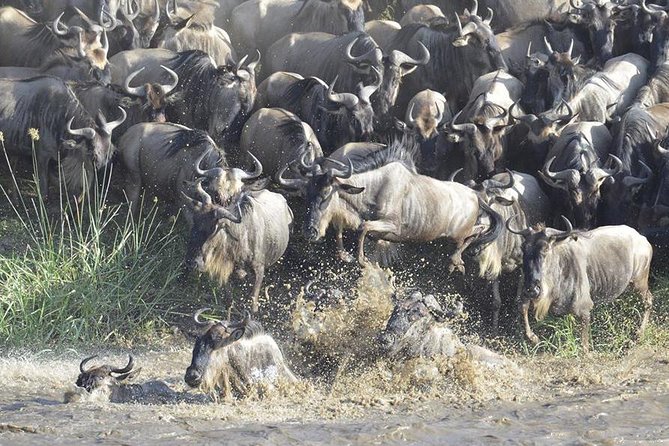
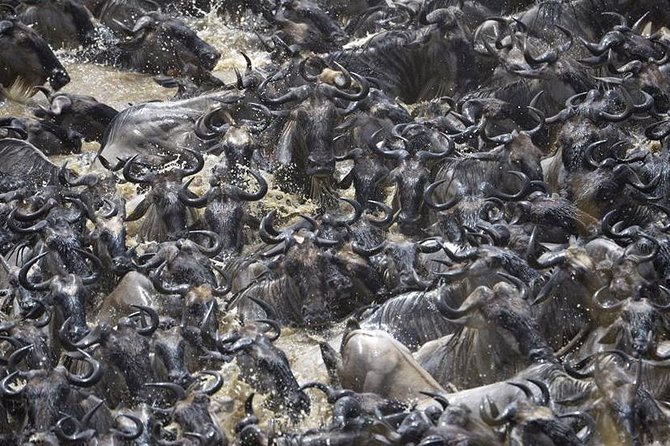
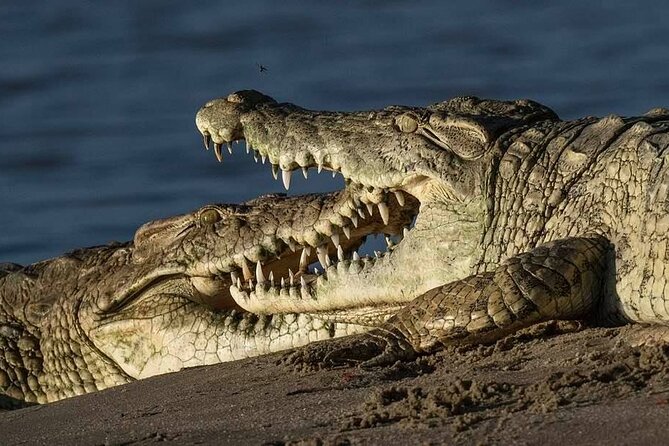
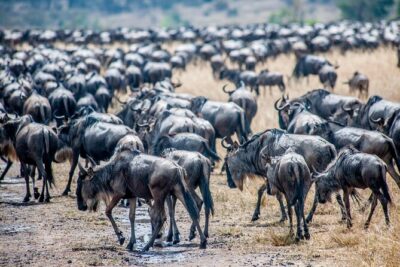
Your plan is set to explore for two days in northern Serengeti while the herds are moving north. During the summer window, from July to October, the herds tend to aggregate before the Mara River crossing. The Mara River is also where the drama escalates, because it is described as full of big crocodiles.
Now the reality check, in a good way: you cannot schedule nature. Even in the best season, the migration is moving. What you can control is how long you spend in the right regions, and how skillfully your guide reads tracks, group behavior, and river approaches.
That is why the “two days here” format is valuable. It gives you more chances to catch the migration moments as they unfold rather than praying for one perfect sighting on one day.
Practical tip: bring binoculars if you own them. In Serengeti, the best moments can start with “something moving far away,” and binoculars help you notice patterns before everyone else drives closer.
Longer northern circuit routes, side by side
Full Game Drive Day: Staying in the Right Place Longer
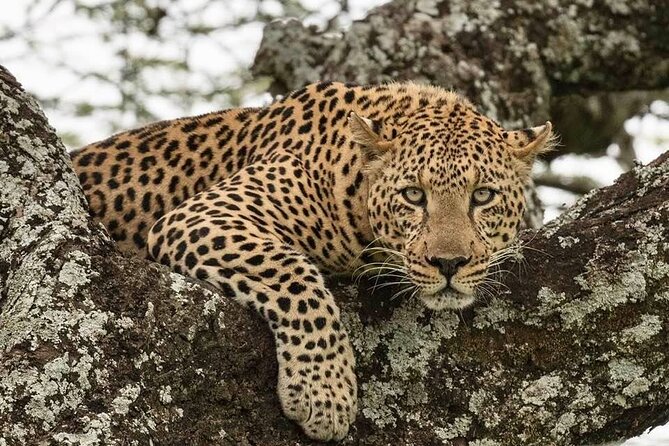
The next day keeps you in northern Serengeti for another full game drive. This is the pattern that tends to work well for migration chasing. One day helps you orient. Two days increases your odds that you catch the herd behavior when it turns from grazing to clustering.
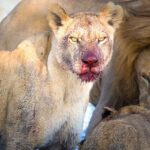
This part of the trip is also about predators, not only wildebeest. Northern Serengeti is where you can combine migration drama with sharper chances at felines and other carnivores, because prey movement changes the entire food chain.
You will typically be in the jeep for long viewing windows. That can feel like a lot if you hate being in vehicles. But if you love scanning savannah for movement, it is a good trade: more hours, more opportunities.
Consideration: long days mean your comfort kit matters. Sunscreen, a hat, a light layer for early mornings, and a good refillable water bottle go a long way.
Serengeti Central: Predators and the Big Open Plain
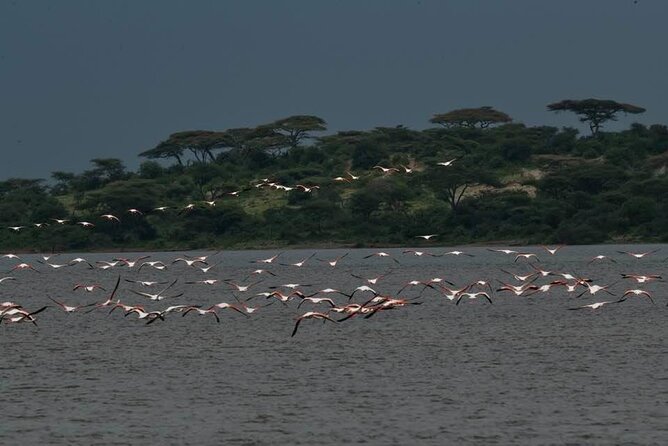
After the northern Serengeti days, the route shifts toward central Serengeti. You transfer for about 3 hours, then spend the day on game drives across central areas.
Central Serengeti brings a different vibe. Instead of concentrating on migration river timing, you get broader plains viewing and strong odds for predator sightings. The trip description highlights the Serengeti as an enormous open area, and viewing from lookout points like Naabi gate can help you understand the scale.
This is also a great day to focus on the wider safari experience. Migration herds are the headline, but central Serengeti is where you can connect the dots between big herbivores, predator pressure, and birdlife.
Why this mix works: you are not spending all your time chasing one moment. You are also building a fuller picture of the ecosystem, and you get those classic savannah “everything is happening at once” days.
Practical tip: even on a “migration trip,” do not plan to skip other animals. Great Migration safaris are amazing, but the best safari days are often the ones that surprise you.
Ngorongoro Crater Descent: One Place, High Density
Then comes Ngorongoro Conservation Area and the crater day. You drive from Serengeti to Ngorongoro in about 2 hours, then descend into the crater for a game drive with picnic lunch.
The crater is described as a must-see because of the high density of wild animals. That line is not marketing fluff. When you are in a bowl-like environment, prey and predator encounters can feel closer and more frequent than in more spread-out areas.
This stop also adds an important human backdrop. The conservation area is described as a place where Maasai communities and their livestock live alongside wildlife. That context helps you understand what “conservation” means on the ground, beyond just fences and gates.
Consideration: crater days often involve steeper terrain during descents and long sitting time. If you have back or knee issues, it is worth planning for comfort, and doing a little stretching when you can.
The End: Karatu, Relax Time, and Airport Transfer
On your last day, you return to Karatu after breakfast for a lighter pace. The plan gives you time to relax at the lodge or do some quick shopping if you have it.
Then you transfer onward to Arusha or Kilimanjaro airport, about 2 to 3 hours depending on where you are headed. This is a nice way to close, because you are not ending your safari with one more massive “chase everything” day.
If you want the most relaxed final travel day, pack your “must grab” items the night before. Your camera batteries, chargers, and any small things you need for the airport should be easy to reach.
Price and Value: Is $3,900 Worth It?
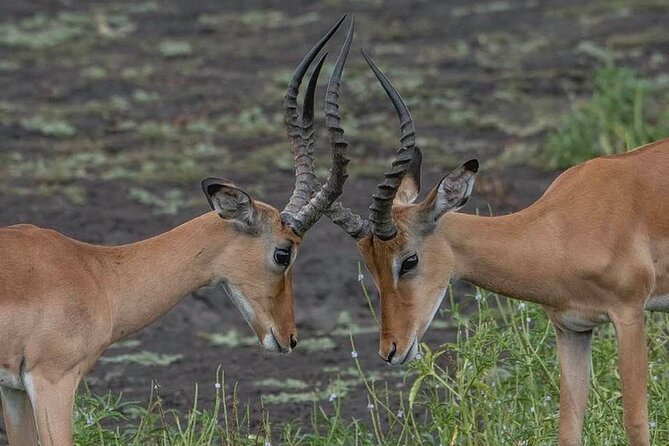
At $3,900 per person for an about 7-day trip, you are paying for more than a drive through famous parks. You are paying for several things that add up fast in Tanzania: private guiding, a 4×4 vehicle, time in multiple wildlife-heavy areas, and the added planning effort behind a 100% tailor made route.
Here is the honest value math.
- Private safari means you are not sharing decision-making with other groups in real time. When your guide spots something, you act on it.
- Long park days matter. You are in Tarangire, then northern Serengeti for migration-focused viewing, then central Serengeti, then Ngorongoro crater. That is a lot of “wildlife hours.”
- Park admission is listed as “included” or “free” on different days, plus picnic lunches are part of the driving days. That suggests the quote aims to reduce extra surprises, but you still should confirm what is covered on your final invoice.
Where price can feel harder to justify is if you end up traveling in an off-window season and the migration is not at peak river-crossing moments. That is where the tailor-made part helps. The best use of the flexibility is getting the right regional focus for your dates.
In short: this can be excellent value if you match the timing, and if you treat comfort and planning as part of the package.
Who This Safari Fits Best
This is a strong match if you:
- Want a private Great Migration safari rather than a crowded, rushed circuit.
- Like the idea of combining migration watching with classic safari stops like Tarangire and Ngorongoro.
- Appreciate professional guiding and want someone focused on animal behavior, not just driving.
It may not be the best fit if you:
- Want a low-movement trip. Long game-drive days are part of the deal.
- Have very limited mobility. The crater descent and long sitting time can be challenging.
Families can do well here too, since the program states that most travelers can participate. If you are traveling with kids, it helps to bring snacks, games, and realistic expectations about car time.
Should You Book This Great Migration Safari?
I would book this if your dates line up with the July to October style migration window and you want a focused, multi-park route with private guiding. The combination of Tarangire elephants, two days in northern Serengeti for Mara River timing, and the Ngorongoro crater payoff is a smart way to maximize your chances of seeing memorable migration moments.
I would hesitate if your travel dates are far outside the suggested migration season and you do not want any flexibility in where you spend time. In that case, you must lean hard on the 100% tailor made promise and make sure your plan is built for your specific month.
One last practical warning: this experience is listed as non-refundable and cannot be changed for any reason. So only book when your travel dates are locked and your budget is comfortable.
FAQ
FAQ
Where does this safari start and end?
The experience starts at Kilimanjaro Airport and ends back at the meeting point.
What parks are included in the program?
The program includes Tarangire National Park, Serengeti North, Serengeti Central, and Ngorongoro Crater. The destinations listed also include Manyara.
Is this safari private?
Yes. It is a private safari, and only your group participates.
What vehicle will we use?
You ride in a 4×4 Land Rover or Toyota Land Cruiser.
What is the pickup plan and start time?
Pickup is offered, starting at 7:00 am, with transfers beginning from Kilimanjaro Airport.
Are park admission tickets included?
The schedule notes admission tickets as either Free or Included on different days. You should confirm what is covered in your final package.
What Great Migration timing is this safari aiming for?
For northern Serengeti, the plan targets the Great Migration during summer, July to October, when herds move north and aggregate before crossing the Mara River.
How long is the safari?
It is listed as 7 days (approx.).
Is there a cancellation option if plans change?
No. This experience is non-refundable and cannot be changed for any reason.
Do we get meals during game drives?
Picnic lunch is included on key driving days, including Tarangire and Ngorongoro crater game drives.
Longer Trips Through the North
- 6 Days Tanzania Classic Safari
★ 5.0 · 52 reviews - 6 Days Big Five Tanzania Safari
★ 5.0 · 15 reviews - 7 Day Grand Tanzania Safari
★ 5.0 · 13 reviews - Tanzania Classic Safari 3 Days / 2 Nights
★ 4.5 · 9 reviews - 7 Day Safari in Tanzania National Parks
★ 5.0 · 5 reviews
Following the Migration
- 8 Days Great Wildebeest Migration – Mara River Crossing
★ 5.0 · 28 reviews - 7 Days Wildebeest Migration – Ndutu Calving Season
★ 5.0 · 18 reviews - 6 Days Mara River Crossing – The Great Migration
★ 5.0 · 5 reviews - 6- Day Adventure Lodge safari to see Migration
★ 4.5 · 5 reviews - 5 days Serengeti Wildebeest Migration Safari
★ 5.0 · 3 reviews
Just added from around Kilimanjaro
Great Wildebeest Migration Safaris, compared.
 ★ 5.08 Days Great Wildebeest Calving Migration Safari from ArushaFrom $2,999254 reviews
 ★ 5.010-Day Serengeti Wildebeest Migration Safari from ArushaFrom $5,512218 reviews
 ★ 5.08 Day Spectacular Migration Serengeti mid -Range Tanzania SafariFrom $4,257161 reviews
 ★ 5.09-Day Serengeti Migration Footsteps Tanzania SafariFrom $4,53996 reviews
 ★ 5.07 days great migration safariFrom $4,51477 reviews
 ★ 5.0Private 6-Day Great Migration Ndutu Serengeti Safari TourFrom $2,82747 reviews
 ★ 5.04 Day Great Migration Safari Serengeti & Ngorongoro CraterFrom $2,68033 reviews
 ★ 5.06 Days Tanzania Budget Camping Safari with MigrationFrom $1,65031 reviews
Browse the lists this tour appears in