
REVIEW · GREAT WILDEBEEST MIGRATION SAFARIS
8 Days Great Wildebeest Migration – Mara River Crossing
Wildlife dreams usually need one bold day. This trip is built around the Mara River crossing and the hunt for it.
I love that the itinerary also gives you more than one kind of game-viewing. You get Serengeti variety across several areas, plus Lake Manyara and Ngorongoro crater to balance out that big migration focus.
The only real drawback to plan around is timing. Migration crossings happen in a window, and the day you see the Mara River action depends on conditions and where the herds are moving.
In This Review
- Key Things That Make This Safari Worth Your Time
- Arriving in Arusha, Then Warming Up for Safari
- Lake Manyara and Mto wa Mbu, Where You Get More Than Animals
- Serengeti First Look: Classic Game Drives With Real Time on the Ground
- The Mara River Plan: Early Drives for the Crossing Moment
- Two Days on the Mara River: The Best Shot at Migration Drama
- Lobo Area in North-East Serengeti: Different Country, Different Animals
- Ngorongoro Crater: A Full Day of Dense Wildlife Possibilities
- Final Day Back in Arusha: Maasai Culture and a Last Souvenir Lap
- What You’re Really Paying For: Price, Value, and Tradeoffs
- The Comfort Factor: Lodges, Hot Showers, and a Pace You Can Handle
- Practical Expectations for the Migration Days
- Who This Safari Fits Best
- Should You Book It?
- FAQ
- What is the main highlight of this safari?
- How long is the tour?
- Where does the safari start and end?
- Is this a private tour?
- What animals and sights are specifically mentioned?
- What parks are included?
- What meals and drinks are included?
- What is not included in the price?
Key Things That Make This Safari Worth Your Time
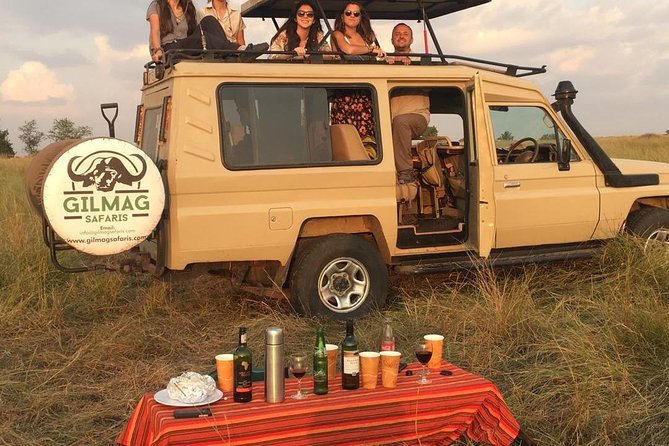
- Private guide, private pace: only your group participates, so you are not squeezed into someone else’s schedule.
- Serengeti UNESCO time: you are actually spending real days in the system that makes the migration possible.
- Mara River crossing odds: early game drives are built in specifically for the crocodile gauntlet.
- Big five potential: with the mix of parks and habitats, the chance of standout sightings is strong.
- Black rhino spotlight: you have dedicated time where endangered black rhino are possible.
- Comfort and full board: meals and lodging are arranged, plus bottled water is included.
Chasing the herds? Compare these first
- Great Migration Safari In Tanzania★ 5.0 · 71 reviews
- 7 Days Wildebeest Migration – Ndutu Calving Season★ 5.0 · 18 reviews
- 6 Days Mara River Crossing – The Great Migration★ 5.0 · 5 reviews
- 6- Day Adventure Lodge safari to see Migration★ 4.5 · 5 reviews
Arriving in Arusha, Then Warming Up for Safari
Your trip starts in Arusha, with a meet-and-brief at the airport and a transfer to Kibo Palace Hotel for dinner and overnight. Even if you are eager to hit the parks, that first evening matters. It gets you grounded, fed, and ready to handle early mornings without rushing.
This is also where the trip feels organized. The tour is structured like a circuit, not random drives, so you are not constantly figuring out what comes next.
Lake Manyara and Mto wa Mbu, Where You Get More Than Animals
Day two shifts you to the Lake Manyara National Park area, with a guided village walk in Mto wa Mbu before heading for game viewing. I like this stop because it adds texture. A safari is still about wildlife, but you also get human context, like interaction with local people and a look at farming life.
You’ll get chances to see banana and rice farms, plus traditional beer tasting. It is not just a photo stop either, since the walk includes visiting local homes. If you care about how people live alongside these ecosystems, this is a good early day.
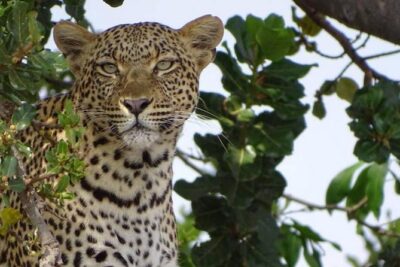
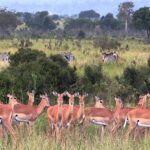
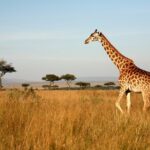
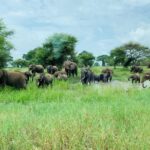
Then you head into Lake Manyara for game viewing. The park can be a mix of classic savanna sightings and something a bit special. You might encounter elephants, giraffes, hippos, impalas, dik-dik, waterbucks, flamingos, and monkeys. And there is a chance to spot the rare tree-climbing lions and leopards, which is the kind of detail that makes a safari feel less predictable.
One practical consideration: Lake Manyara can mean a longer day than it looks on paper. You have the village walk plus park time, then you drive on to Karatu for dinner and overnight at Marera Valley Lodge.
Serengeti First Look: Classic Game Drives With Real Time on the Ground
On day three, you drive from the Ngorongoro Conservation Area into Serengeti National Park, arriving in time for lunch at Hippo Trails Camp. This is the start of the “serious safari” phase, and it helps that you are not just passing through. You are given a day with enough time to settle into how Serengeti sightings come together.
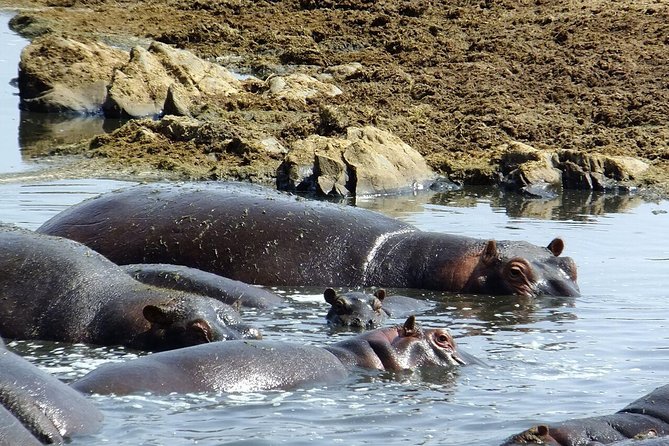
In central Serengeti, your chances can be strong for elephants, giraffes, hippos, warthogs, gazelles, impalas, lions, leopards, and cheetahs. You also return for dinner and a hot shower, which is a simple comfort that makes long days easier to enjoy.
I also like that the day includes both daytime and late-day rhythm: an afternoon drive, then evening downtime. It fits how wildlife tends to show up, and it helps you stay alert without feeling frantic.

The Mara River Plan: Early Drives for the Crossing Moment
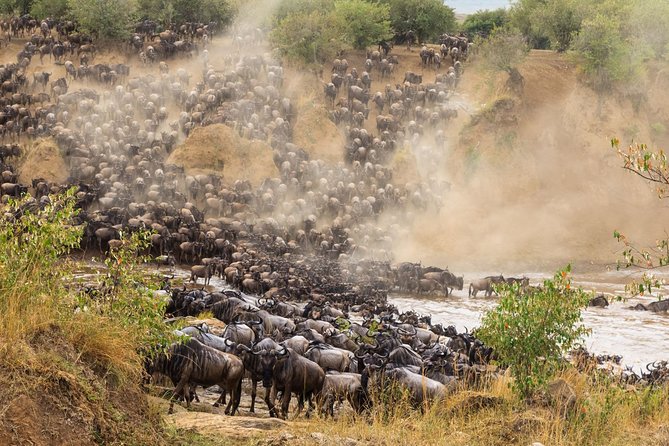
Day four is the heart-start of the migration focus. You do an early morning game drive, then breakfast, then a packed lunch, then a drive into northern Serengeti for serious time at the Mara River.
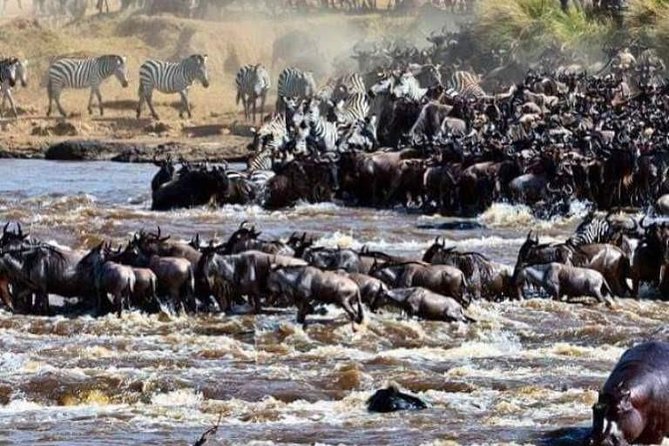
This is where you are aiming for the famous crossing, with crocodiles in the river and wildebeests moving toward the green plains of Masai Mara in Kenya. The itinerary is built around that premise: get to the right place early, then stay positioned long enough for something to happen.
In the evening you move to Mara River Camp for dinner and overnight. Staying in the northern area matters. It reduces back-and-forth driving and gives you a better chance of being where the action is when it appears.
Two Days on the Mara River: The Best Shot at Migration Drama
Day five is the second major Mara River day, with morning and afternoon game drives plus an early departure. The tour explicitly frames the migration timing as July through mid-October, which is your key planning clue. If you are booking in that window, this itinerary makes sense because it is aligned to the seasonal story.
You have “supposed to be” language in the plan, which is honest and important. Crossings are dramatic when they happen, but they are also fluid. If the herd is a bit off, your game drives still matter, because northern Serengeti can offer big-cat energy, elephants, giraffes, impalas, and hippos.
There is another reason day five feels valuable: the plan points out the black rhino opportunity. When a tour includes a stated chance to encounter the endangered black rhino, it signals that the routing is not only about wildebeests.
All meals and overnight stay at Mara River Camp on this day, so you are not constantly changing lodges while trying to catch a moving event.
Lobo Area in North-East Serengeti: Different Country, Different Animals
On day six, you shift from the Mara River area to Lobo for game viewing. Lobo sits in the north-east of Serengeti National Park, and that detail matters because different zones can bring different sighting patterns and animal behavior.
Here, you have excellent opportunities for leopards and cheetahs, plus big prides of lions. The plan also calls out the rare klip-springer antelopes. If you love the smaller, less-famous safari finds, this is the kind of place that rewards patience.
In the afternoon you drive back toward central Serengeti for dinner and overnight at Hippo Trails Camp. I like this balance: you still get the migration core, but you are not stuck with only one type of habitat for the entire trip.
Ngorongoro Crater: A Full Day of Dense Wildlife Possibilities
Day seven is Ngorongoro crater, with packed lunch and a day on the crater floor. The itinerary frames it as the eighth wonder of the world, and the practical reason you should care is that crater wildlife can feel unusually concentrated.
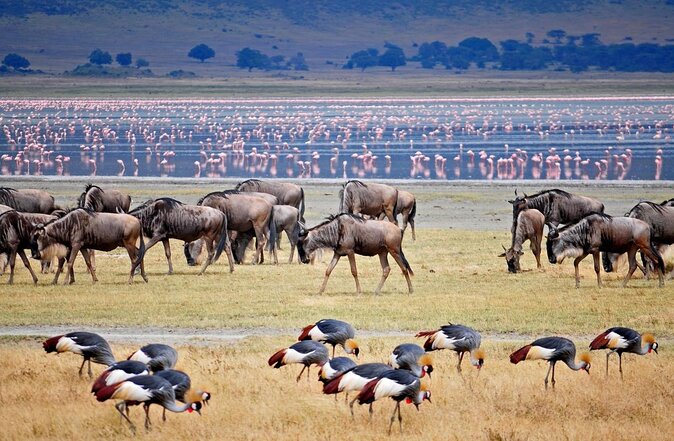
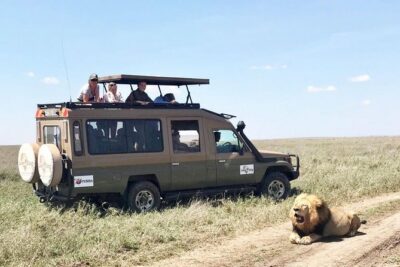
You explore flora and fauna, and the plan highlights some top targets: endangered black rhino and flamingos in Lake Magadi. Other animals listed include Thomson’s and Grant’s gazelles, warthogs, hippos, zebras, waterbucks, hyenas, and jackals. If you are lucky, lions may be sleeping by your vehicle for shade, which is the kind of “don’t blink” moment safari days can deliver.
Then you ascend, drive out, and continue to Karatu for dinner and overnight at Marera Valley Lodge.
One thing to note for your expectations: crater days tend to mean lots of time watching and waiting for sightings that may come close. That is not a flaw, but it is a different feeling from a river crossing, where movement drives everything.
Final Day Back in Arusha: Maasai Culture and a Last Souvenir Lap
On day eight you drive back to Arusha, with a stopover at a traditional Maasai village. After hot lunch in Arusha, you visit the local Maasai market for souvenirs if you want them, then the Cultural Heritage Centre.
Finally, you head to Kilimanjaro International Airport for your flight back home. This day gives you a gentle landing after eight days of drives and wildlife time. You get a chance to pick up reminders, but you are not forced into shopping either, since the market visit is optional based on your interest.
What You’re Really Paying For: Price, Value, and Tradeoffs
At $4,374 per person, this is not a budget safari. The good news is the price is tied to real cost drivers you will feel on the ground.
Included items in the package are meaningful for value: all fees and taxes, accommodation as per the itinerary, full board meals (breakfast, lunch, dinner across the days where listed), bottled drinking water, and emergency air rescue insurance. It also includes pickup and the private nature of the tour, plus group discounts.
The big tradeoff is that your biggest highlight, the Mara River crossing, is not guaranteed. The itinerary is designed around the season when it is most likely, July through mid-October, but nature keeps the final vote.
If you want a safari where “wildlife” means routine sightings only, this might be more than you need. If you want to chase the migration story and you prefer a guided, efficient route, the price feels easier to justify.
The Comfort Factor: Lodges, Hot Showers, and a Pace You Can Handle
This tour uses several overnight bases: Kibo Palace Hotel in Arusha, Marera Valley Lodge in Karatu, Hippo Trails Camp in central Serengeti, and Mara River Camp in northern Serengeti.
You also see a theme in the day descriptions: return for hot shower and then dinner. That is not a small thing. Safari fatigue is real, and warm downtime keeps you from getting grumpy on day five.
You will also have bottled drinking water included, which helps when the focus becomes long drives and repeated game-viewing sessions.
Practical Expectations for the Migration Days
Plan your mindset for the Mara River portion. Two days are set aside for the crossing, with early drives and a camp positioned for access. That is exactly how you increase odds.
Bring patience and flexibility. Even when you do everything right, the crossing can happen at unpredictable times. The itinerary’s value is that you are not just ticking one box, you are present for the whole window when action may show up.
Also, watch the “crocodile-infested” part. This is not a calm river moment. When crossings happen, it can get intense quickly. That is part of why people remember it for years.
Who This Safari Fits Best
This is a strong match if:
- You want Serengeti and Mara River as the center of your trip.
- You like a mix of major parks, not just one long road of the same scenery.
- You prefer a private tour where your guide can adjust in real time.
- You enjoy both wildlife and cultural stops, including the Maasai village and market.
If you only want a relaxed, no-early-morning safari, you might find the schedule demanding. The itinerary is built around early drives for the Mara River and crater timing, so your body needs to roll with that.
Should You Book It?
If wildebeest migration and the Mara River crossing are top of your list, I would take this seriously. The routing is clearly built for that moment, and you also get strong added value with Serengeti time across multiple zones, Lake Manyara village context, and a crater day with black rhino and flamingos mentioned as key targets.
The decision comes down to one question: can you handle that the crossing depends on timing and conditions? If yes, this is a smart, well-structured way to chase the migration story without sacrificing other big safari highlights.
FAQ
What is the main highlight of this safari?
The highlight is the wildebeest migration and the Mara River crossing, with game drives in northern Serengeti aimed at seeing wildebeests cross toward Kenya while crocodiles are present.
How long is the tour?
The tour is 8 days in total.
Where does the safari start and end?
It starts with arrival and transfers in Arusha, and it ends with a drive back to Arusha and then onward to Kilimanjaro International Airport for your flight.
Is this a private tour?
Yes. Only your group will participate, with a private guide.
What animals and sights are specifically mentioned?
You may see a wide range, including elephants, giraffes, hippos, lions, leopards, cheetahs, and other species. The plan specifically calls out possible black rhino and flamingos in Ngorongoro crater.
What parks are included?
The tour includes Lake Manyara National Park, Serengeti National Park, Mara River area game viewing, and Ngorongoro crater.
What meals and drinks are included?
The package includes breakfast, lunch, and dinner as listed in the itinerary, plus bottled drinking water. Alcoholic and non-alcoholic drinks are not included.
What is not included in the price?
Tips, travel insurance, laundry, visa, flights, and alcoholic and non-alcoholic drinks are not included.
Following the Migration
- Great Migration Safari In Tanzania
★ 5.0 · 71 reviews - 7 Days Wildebeest Migration – Ndutu Calving Season
★ 5.0 · 18 reviews - 6 Days Mara River Crossing – The Great Migration
★ 5.0 · 5 reviews - 6- Day Adventure Lodge safari to see Migration
★ 4.5 · 5 reviews - 5 days Serengeti Wildebeest Migration Safari
★ 5.0 · 3 reviews
Just added from around Kilimanjaro
Great Wildebeest Migration Safaris, compared.
 ★ 5.08 Days Great Wildebeest Calving Migration Safari from ArushaFrom $2,999254 reviews
 ★ 5.010-Day Serengeti Wildebeest Migration Safari from ArushaFrom $5,512218 reviews
 ★ 5.08 Day Spectacular Migration Serengeti mid -Range Tanzania SafariFrom $4,257161 reviews
 ★ 5.09-Day Serengeti Migration Footsteps Tanzania SafariFrom $4,53996 reviews
 ★ 5.07 days great migration safariFrom $4,51477 reviews
 ★ 5.0Great Migration Safari In TanzaniaFrom $3,90071 reviews
 ★ 5.0Private 6-Day Great Migration Ndutu Serengeti Safari TourFrom $2,82747 reviews
 ★ 5.04 Day Great Migration Safari Serengeti & Ngorongoro CraterFrom $2,68033 reviews
Browse the lists this tour appears in