
REVIEW · SERENGETI NATIONAL PARK SAFARIS
Private 6-Day Great Migration Ndutu Serengeti Safari Tour
Calving season turns the Serengeti into a theater. This private 6-day safari is built around Lake Ndutu wildebeest and zebra migration at its best window, and I like the one-group-only setup that keeps your game drives focused. One catch to weigh up front: the tour is non-refundable and cannot be changed if your plans shift.
What makes this trip feel practical is the way it strings together different Tanzania stars without wasting days on logistics. In past safari experiences with Lion King Adventures, guides such as Shabani, Meck, Gilbert, Ozzie, and Shafino Dominick are repeatedly credited for finding animals and keeping the schedule tight, which matters when you are chasing fast-moving migration moments.
In This Review
- Key highlights you should know before you go
- Lake Ndutu: the Great Migration calving zone in real life
- Tarangire National Park: elephants, acacia plains, and an open-roof start
- Getting to Ndutu from Arusha: Rift Valley time, then the hunt
- Full day in Ndutu: the three-week January calving window
- Ngorongoro Crater: dense animals in a UNESCO bowl
- Lake Manyara: small park, big variety, flamingos plus lions in trees
- Arusha, airport pickup, and how the days connect
- Price and value: what $2,827 buys you in the real safari math
- Best fit: who will enjoy this Ndutu Great Migration route most
- Should you book this private Ndutu Serengeti migration safari?
- FAQ
- Where does the tour start and end?
- How long is the safari?
- Is this a private tour?
- Is pickup included?
- Which parks and areas are included?
- When is the best time for the Great Migration and calving?
- Are admission tickets included?
- What is the cancellation policy?
Key highlights you should know before you go
- Ndutu calving timing (Dec to Apr, best in January), when herds spread across short-grass plains
- About three weeks of synchronized birthing around January, with the area seeing roughly half a million calves
- Tarangire elephant focus, with strong odds for large elephant herds from the open-roof safari jeep
- Ngorongoro Crater viewing inside a bowl, a UNESCO site with dense ungulate numbers (around 25,000)
- Lake Manyara birding and predator chances, including thousands of flamingos and lions lounging in trees
- Private tour only for your group, plus pickup support through a Lion King representative
More of the Serengeti, drive by drive
- Balloon Safari & Bush Breakfast in Serengeti – Miracle Experience★ 5.0 · 1,646 reviews
- 3 Days Serengeti & Ngorongoro Group Camping Safari★ 5.0 · 574 reviews
- 5-Day Highlights mid-Range Crater, Serengeti, Tarangire★ 5.0 · 296 reviews
- 3-Day Classic Serengeti Safari★ 5.0 · 263 reviews
Lake Ndutu: the Great Migration calving zone in real life
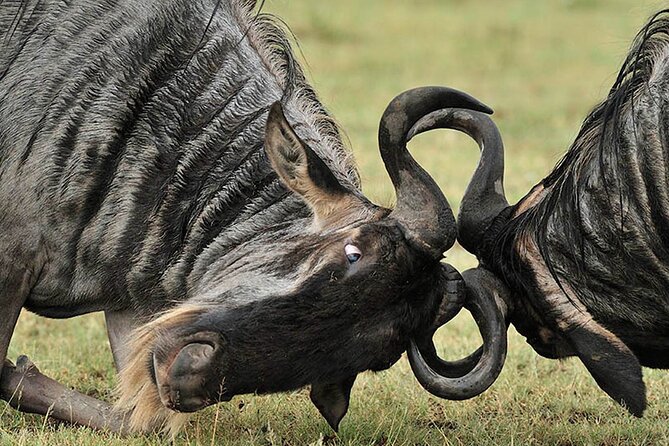
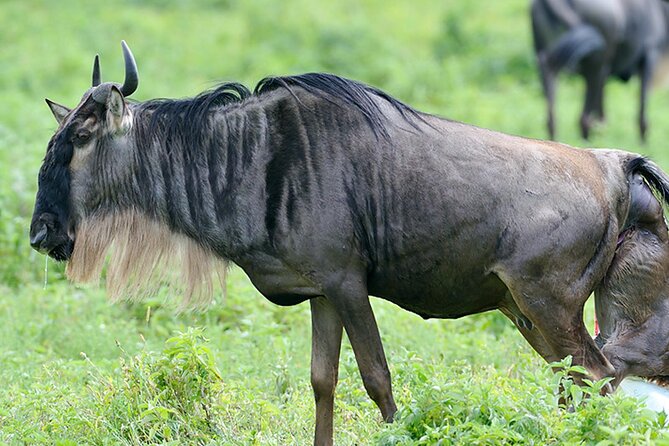
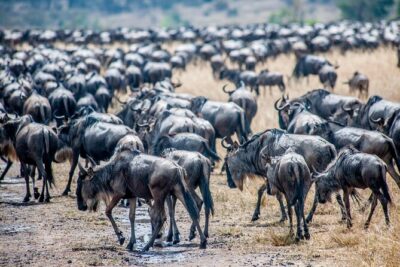
If you pick a time for the Great Migration, you are really picking a moment. This itinerary is aimed at Dec to Apr, with January specifically framed as the top period for calving. The reason is simple: wildebeest and zebras come down to the short-grass plains, and predators are close enough to turn birth season into nonstop action.
At Ndutu, the terrain is the kind where hiding is hard. The short grass does not give much cover, so calves can become targets quickly, but it also means you get clearer sightlines than you might elsewhere. The trip description even calls out how fast newborns can run, sometimes within minutes, and how that speed can change how predators hunt and how herds react.
The schedule also respects the rhythm of the area. You get two separate days in Ndutu. Day 3 is an afternoon-style game drive after the drive down from Arusha, and Day 4 is a full day to widen your chances. That matters because migration is not static. Herds can shift, and your guide’s job is to position you where chances improve.
One more practical note: this is a private safari, but it is still about timing. January can deliver unforgettable scenes, but it does not mean every drive will be full of dramatic births at the exact same moment. You are there during the high-likelihood window, and the best use of that time is long enough in the calving zone to catch something.
Tarangire National Park: elephants, acacia plains, and an open-roof start
Day 2 takes you from Arusha to Tarangire. The drive is described as crossing gently rolling Maasai plains with acacia trees, and you will pass Maasai people walking and herding along the roadside. That early human scale matters, because it reminds you this is not a wildlife theme park. It is a working landscape where daily life and conservation sit side by side.
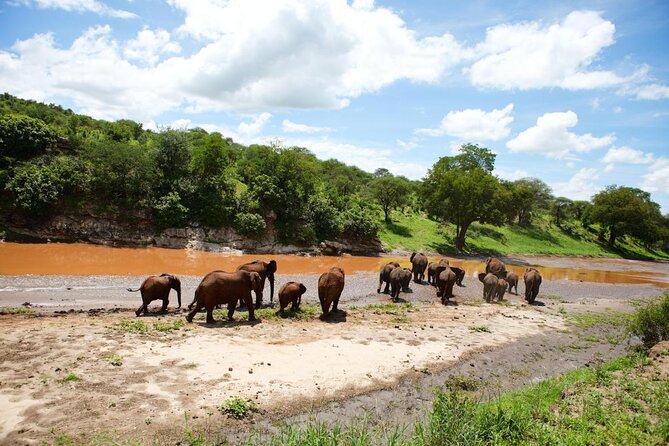
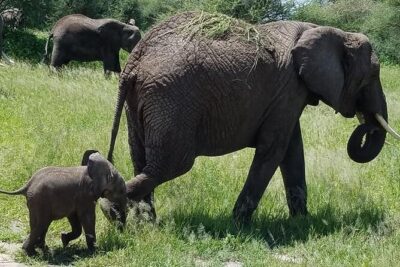
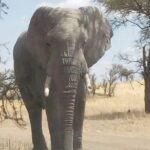
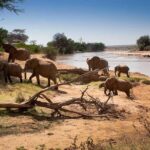
Tarangire is famously about elephants, and the itinerary leans into that. The park is described as hosting large elephant herds, and you also get the classic Tarangire mix of savanna and seasonal swamps fed by the Tarangire River. In other words, you are not just hunting one species. You are looking at a whole system that changes with water.
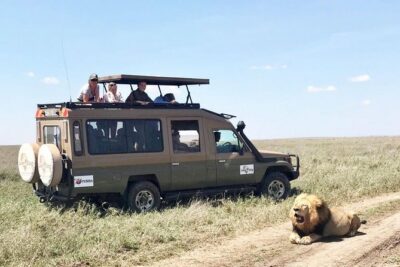
A big quality-of-experience detail here is the vehicle style. The description specifically mentions open-roof safari jeep driving. When you are aiming for big mammals at dawn and late morning light, open-roof viewing can make photos easier and the whole experience more immediate. It can also be cooler and less stuffy than a fully closed vehicle.
What to consider: Day 2 is listed as an 8-hour day. That is normal for safari pacing, but it means you will want to be ready for a full day of driving plus wildlife time. If you prefer very relaxed mornings, you may find this day a bit more intense than later days that feel more centered on a single base.
Getting to Ndutu from Arusha: Rift Valley time, then the hunt
Day 3 is a change of pace. After breakfast, you head toward the Ndutu area in the Ngorongoro Conservation Area, part of the southern Serengeti ecosystem. The drive time is roughly three hours, and you are traveling through the Rift Valley toward Lake Ndutu, including views of alkaline lake country.
Then comes the first Ndutu game drive. The itinerary sets this up as a late afternoon style drive after you have arrived and fueled up. That timing is smart. Herd movement can be different across the day, and afternoon light often helps you spot action at distance.
You are also moving into prime migration territory where attention shifts from “what species do we see” to “where are the herds right now.” That is a different kind of safari skill, and it is why the guide matters. The operator’s reputation, based on the named guides people reported, tends to be about spotting and repositioning rather than just driving slowly.
If you are the type of traveler who loves planning, here is your mindset for Day 3: treat it like reconnaissance. You are learning the area, seeing what the herds are doing, and setting the stage for a more intense Day 4.
Chasing the herds? Compare these first
Full day in Ndutu: the three-week January calving window
Day 4 is the core of the trip. You start with breakfast and then go out for a full day game drive in the Ndutu region, where the habitats vary. The itinerary mentions swamps, woodland, soda lakes, and the short-grass plains where the migration concentrates.
The highlight here is the calving concentration. Around January, the description says the synchronized birthing phase typically lasts about three weeks, and that the area can see roughly half a million calves dropping during that period. It also emphasizes how little time calves need before they can run.
That level of detail matters because it changes how you watch. You are not looking only for adult wildebeest and zebras. You are watching behaviors: herd clustering, predator movement, and the way the plains can look calm until it suddenly becomes chaotic.
It also means your best moments may be short. A birth does not wait for your camera. Predators do not announce themselves politely. A full day gives you repeated chances to be in the right place at the right time, instead of banking everything on a single morning.
The itinerary also frames this as the moment when predators are just around waiting. That is the essence of a great migration safari during calving season. You get the drama of life starting, plus the fast math of survival that follows.
Ngorongoro Crater: dense animals in a UNESCO bowl
Day 5 moves you from Ndutu country toward the Ngorongoro Conservation Area. The route includes an en-route game drive through the Serengeti, then you continue to Ngorongoro Crater.
This is a longer day, listed at about 8 hours, and it is designed as a big viewing payoff. Ngorongoro is described as a UNESCO world heritage site formed by an ancient volcano, with the crater around 610 meters deep and covering about 304 square kilometers. The key for wildlife is the density. The itinerary says the crater holds approximately 25,000 ungulates, which is why you can sometimes feel like you are watching life packed into one giant amphitheater.
The Big Five is brought up as a possibility. The wording is cautious, saying you may, with lady luck, spot Big Five species across the plains and into the crater. That is exactly how you should treat it. Ngorongoro can be one of the best places for sightings, but it still is not a guarantee.
What I like about this day’s structure is that it includes both the journey and the destination. You are not just driving to the crater rim and then sitting quietly. You get some game drive time along the way, then you arrive at the rim before lunch, taking in that wide open view that only crater edges can give.
One consideration: the crater experience is weather and light dependent. If visibility is poor, animal spotting can feel harder. The upside is the density. Even when conditions reduce distance, you still often find action closer in.
Lake Manyara: small park, big variety, flamingos plus lions in trees
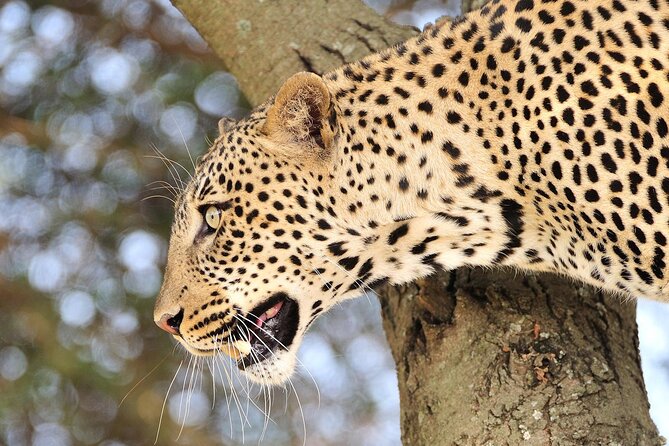
Day 6 closes the loop with Lake Manyara National Park. It is described as a relatively small park about 120 km west of Arusha, and it is named for the shallow salt lake that covers much of the surface, flooding and drying with the seasons.
This is a great final day because it broadens what you have seen. Instead of focusing only on the migrating plains, you get a park that can shift from open areas to primate-filled woodlands and baobab-dotted cliffs.
The bird list is a big selling point. The itinerary mentions thousands of flamingos and around 500 other bird species. If birds are your thing, this is where you can spend time looking up and scanning water edges, not just scanning for mammals.
Then there are the predators, always the wild card. The description notes lions lounging in trees, along with a chance of seeing monkey, giraffe, zebra, wildebeest, buffalo, and elephant. That combination means you are not stuck waiting for one animal to show up.
The day is listed as about 8 hours, and the itinerary notes you explore the park, then have lunch, and then continue after lunch. That flow usually works well for energy levels because lunch breaks up what can otherwise be a long day of scanning.
Arusha, airport pickup, and how the days connect
This trip starts and ends in Arusha. The meeting point is listed as Mount Meru Hotel on Arusha-Taveta Road, Sekei Area, Arusha. Day 1 includes pickup from the airport by a Lion King representative and transfer to your Arusha overnight.
The lodging named for Day 1 is Arusha Planet Lodge. From there, the schedule is built to move you through major ecosystems quickly: Tarangire first, then Ndutu, then Ngorongoro, then Manyara.
I like this kind of routing because it keeps you from bouncing back and forth across the country. You are basically doing one clear circuit through northern Tanzania highlights and ending close enough to return to your starting area.
Private touring helps too. Since only your group participates, you are not bargaining with other schedules to get into the best viewing position. It also makes it easier to tailor small things, like how long you linger at a good animal sighting or how fast you want to push between parks, as long as your guide keeps the plan realistic.
Price and value: what $2,827 buys you in the real safari math
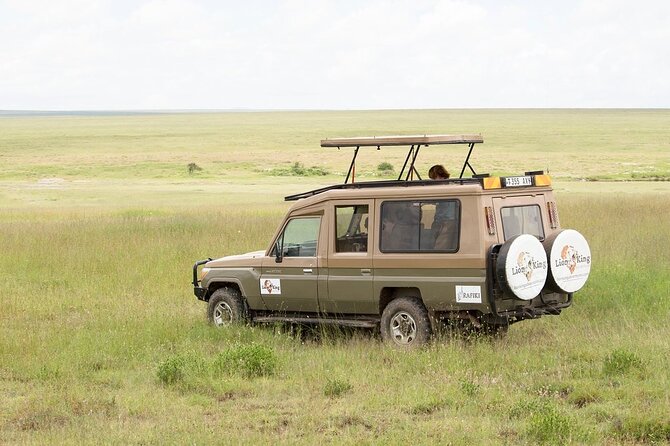
The price is listed at $2,827.00 per person for the approx. 6-day duration. That number can feel big until you break down what you are paying for in safari terms: multiple parks, multiple long drives, a private guide, and park time during a high-season wildlife window.
Here is where value can be hard to judge from a label, so you should think in three buckets:
First, you are paying for timing. This tour targets a migration period from Dec to Apr, and it calls out January as the best calving time. If you go at the wrong season, the whole point changes.
Second, you are paying for access and positioning. A private setup with an in-field guide and repeated days in Ndutu can help you catch migration movement rather than just ticking boxes.
Third, check the entry fee pattern. The itinerary shows admission ticket notes as free on some days and included on others. Since the labels are day-specific, you should confirm your exact package details so you do not get surprised when budgeting.
One more practical cost consideration: because the tour is described as non-refundable and cannot be changed for any reason, treat this as a firm commitment. If your travel dates are flexible, you might want a different option with more flexibility. If your dates are locked, this is less of an issue.
Best fit: who will enjoy this Ndutu Great Migration route most
This safari is a strong fit if you want:
- The Great Migration story in a specific place, Lake Ndutu, during January calving
- A route that mixes migration drama with classic Tanzania variety: elephants in Tarangire, crater density in Ngorongoro, birds and habitat shifts in Manyara
- A private experience so your guide can focus on your interests and keep the timing efficient
It may be less ideal if you hate long days. Day 2, Day 5, and Day 6 are each listed at about 8 hours. You should be ready for a steady rhythm of driving and game viewing.
It also fits couples and family groups since the tour is private and the info says most travelers can participate. If anyone in your group has mobility issues, this would be something to clarify because crater and park viewing can involve uneven ground and stepping in and out of vehicles, though the tour data does not provide specific accessibility details.
Should you book this private Ndutu Serengeti migration safari?
Book it if you are serious about seeing the Great Migration during calving season, and you want enough time in Ndutu to improve your odds of catching the action in January. The itinerary makes a clear bet on time in the short-grass plains, then pays off with Tarangire, Ngorongoro Crater, and Lake Manyara.
Skip it or shop alternatives if your travel dates are uncertain, because the tour is non-refundable and cannot be changed. Also, if you prefer a slower pace with fewer long travel days, this plan might feel a bit packed.
If your dates are firm and your priority is migration at Ndutu, this looks like a well-structured safari route. You are not just chasing animals, you are aiming for a specific wildlife moment, then rounding it out with Tanzania’s other big-hitter parks.
FAQ
Where does the tour start and end?
The tour starts at Mount Meru Hotel on Arusha-Taveta Road, Sekei Area, Arusha, Tanzania, and it ends back at the meeting point.
How long is the safari?
It runs for 6 days approximately.
Is this a private tour?
Yes. It is listed as a private tour/activity, and only your group participates.
Is pickup included?
Pickup is offered. You are also told that a Lion King representative will pick you up from the airport and transfer you to your Arusha accommodation on Day 1.
Which parks and areas are included?
The itinerary includes Tarangire National Park, the Ndutu Lake region in the Ngorongoro Conservation Area (southern Serengeti ecosystem), Ngorongoro Crater area, and Lake Manyara National Park.
When is the best time for the Great Migration and calving?
The tour is targeted for Dec to Apr, with January described as the best time to witness calving.
Are admission tickets included?
The itinerary notes admission ticket included on Day 3, Day 4, and Day 6, and admission ticket free on Day 1, Day 2, and Day 5. Confirm how this applies to your booking.
What is the cancellation policy?
The tour is non-refundable and cannot be changed for any reason. If you cancel or ask for an amendment, the amount paid is not refunded.
Following the Migration
- 8 Days Great Wildebeest Calving Migration Safari from Arusha
★ 5.0 · 254 reviews - 10-Day Serengeti Wildebeest Migration Safari from Arusha
★ 5.0 · 218 reviews - 8 Day Spectacular Migration Serengeti mid -Range Tanzania Safari
★ 5.0 · 161 reviews - 9-Day Serengeti Migration Footsteps Tanzania Safari
★ 5.0 · 96 reviews - 7 days great migration safari
★ 5.0 · 77 reviews
The Serengeti, Three More Ways
- Balloon Safari & Bush Breakfast in Serengeti – Miracle Experience
★ 5.0 · 1,646 reviews - 3 Days Serengeti & Ngorongoro Group Camping Safari
★ 5.0 · 574 reviews - 5-Day Highlights mid-Range Crater, Serengeti, Tarangire
★ 5.0 · 296 reviews - 3-Day Classic Serengeti Safari
★ 5.0 · 263 reviews - Private 6-Day Tarangire Manyara Crater and Serengeti with Mid-Range Lodges
★ 5.0 · 238 reviews
Just added from around Arusha
Serengeti National Park Safaris, compared.
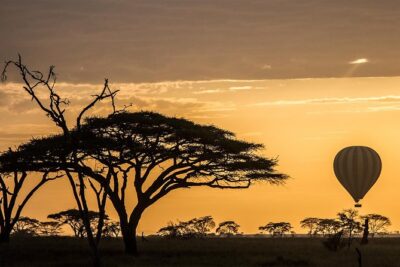 ★ 5.0Serengeti Balloon Safari and authentic bush breakfastFrom $5502,480 reviews
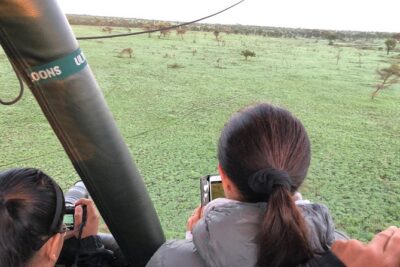 ★ 5.0Balloon Safari & Bush Breakfast in Serengeti – Miracle ExperienceFrom $5991,646 reviews
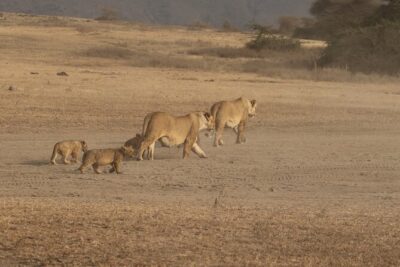 ★ 5.03 Days Serengeti & Ngorongoro Group Camping SafariFrom $815574 reviews
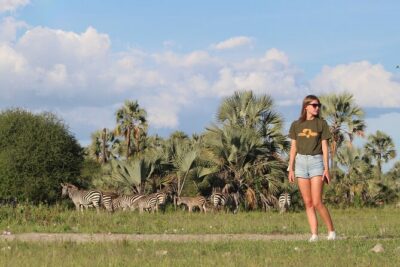 ★ 5.05-Day Highlights mid-Range Crater, Serengeti, TarangireFrom $2,327296 reviews
 ★ 5.0Safari Serengeti And NgorongoroFrom $2,845288 reviews
 ★ 5.03-Day Classic Serengeti SafariFrom $1,455263 reviews
 ★ 5.0Private 6-Day Tarangire Manyara Crater and Serengeti with Mid-Range LodgesFrom $2,685238 reviews
 ★ 5.05 Days Camping Tarangire, Serengeti & Ngorongoro crater & Visiting MaasaiFrom $1,254229 reviews
Browse the lists this tour appears in