
REVIEW · SERENGETI NATIONAL PARK SAFARIS
10-Day Serengeti Wildebeest Migration Safari from Arusha
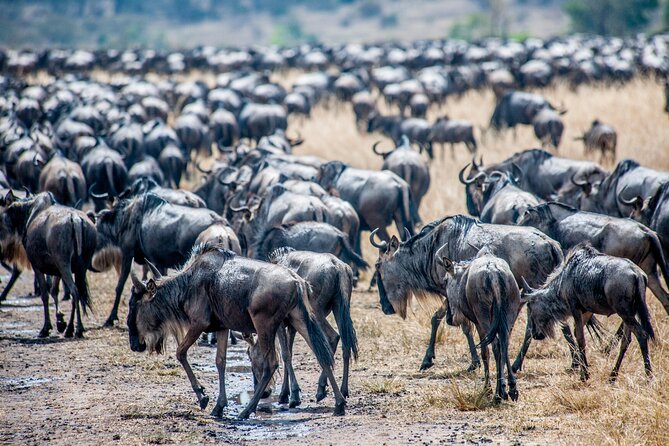
Millions of hooves, one unforgettable safari. This 10-day Serengeti wildebeest migration trip is interesting because it targets the most active crossing window at Kogatende in August through October, and then pairs it with Ngorongoro Crater and Tarangire. I love that you get multiple days in the same migration zone, plus hands-on wildlife spotting with standout guides like George, Calvin, and Inno. One drawback to plan for: the flight from Kilimanjaro to Serengeti North is not included, so you will want to budget and book that part early.
This is built for comfort and low hassle once you’re on safari, with upscale tented camps and lodges, airport pickup and drop-off, a private vehicle, and meals counted into your day. The trip is also capped at a small group size (max 7), which usually means smoother game drives and less time waiting around.
In This Review
- Key Things I’d Focus On Before You Go
- Arusha Setup Day: Your Pickup and the Migration Timeline
- The Big Migration Bet: Getting to Serengeti North and Kogatende Crossings
- Three Days in Serengeti Central (Seronera): More Herd, More Options
- Ngorongoro Crater Day: A Morning Drive With a Different Feel
- Tarangire National Park: Elephant Focus and Birding Time
- Camps and Comfort: Upscale Tents, Lodges, and Private Vehicle Time
- Food, Timing, and What Meals You Actually Get
- Price and Value: $5,512.83, and What You Get for It
- Who This Safari Is For (and Who Might Want Another Option)
- Should You Book This Serengeti Wildebeest Migration Safari From Arusha?
- FAQ
- Where does the safari start and end?
- What time does the tour start?
- Is the flight from Kilimanjaro to Serengeti included?
- What’s included in the price?
- Are meals included every day?
- How big is the group?
- Is this okay for kids and for travelers with limited mobility?
Key Things I’d Focus On Before You Go
- Serengeti crossing odds in August to October: the Kogatende area is where river crossings start in August, and the plan expects crossings often through October.
- Two Serengeti regions for better chances: North (Kogatende) plus Central Seronera, so you are not stuck in one thin slice of the migration story.
- Early start in Ngorongoro: you do a morning game drive inside the crater area, which is prime time for wildlife.
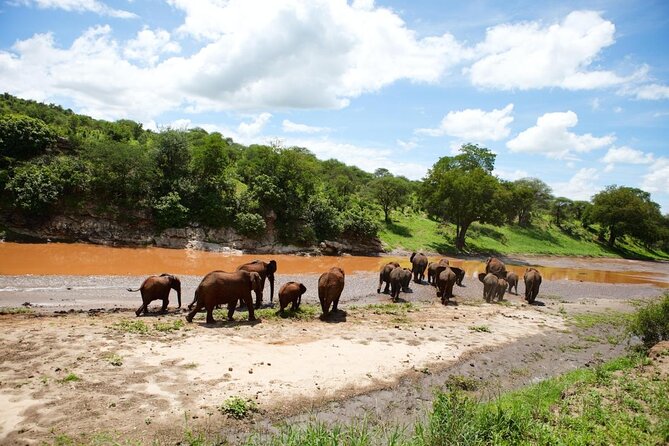
- Tarangire as a calmer change of pace: you trade peak Serengeti action for a quieter day known for elephant sightings and birding.
- Small group safari logistics: maximum 7 travelers and private transport helps keep drives flexible.
- Guide-driven wildlife searching: you’ll likely spend a lot of time with guides actively repositioning for lions, leopard, cheetah, and great photo angles.
More of the Serengeti, drive by drive
- Balloon Safari & Bush Breakfast in Serengeti – Miracle Experience★ 5.0 · 1,646 reviews
- 3 Days Serengeti & Ngorongoro Group Camping Safari★ 5.0 · 574 reviews
- 5-Day Highlights mid-Range Crater, Serengeti, Tarangire★ 5.0 · 296 reviews
- 3-Day Classic Serengeti Safari★ 5.0 · 263 reviews
Arusha Setup Day: Your Pickup and the Migration Timeline
Day 1 is all about getting your bearings. You arrive into Kilimanjaro International Airport, get picked up, and head to your Arusha hotel with a briefing for what comes next.
What I like here is that it removes the first-day uncertainty. You already know you are paying attention to a calendar window tied to migration movement (July to October), and you are not guessing when the herd might be easiest to see.
Start time the next morning is listed at 8:00 am, and your safari is designed around that rhythm. That matters because Serengeti game drives work best when everyone is ready to go early and stays flexible throughout the day.
The Big Migration Bet: Getting to Serengeti North and Kogatende Crossings
The safari really starts on Day 2, but you will feel one key limitation up front. After breakfast, you transfer to Arusha airstrip for a flight to Serengeti North, and that flight is an own-expense item.
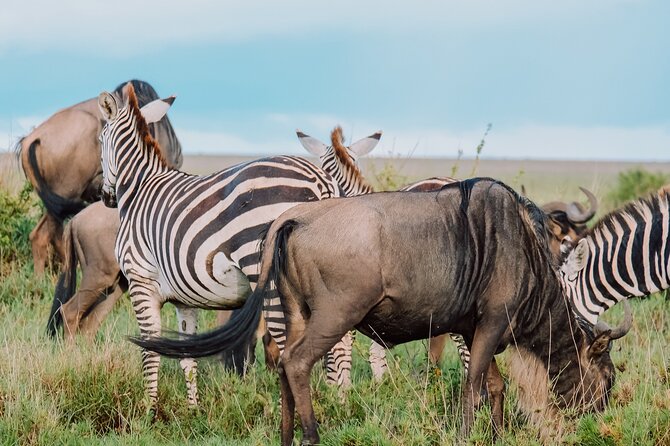
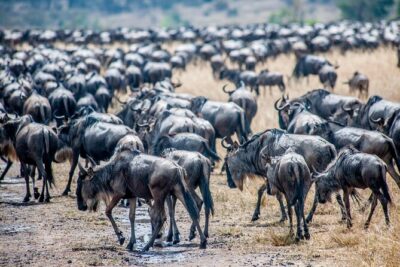
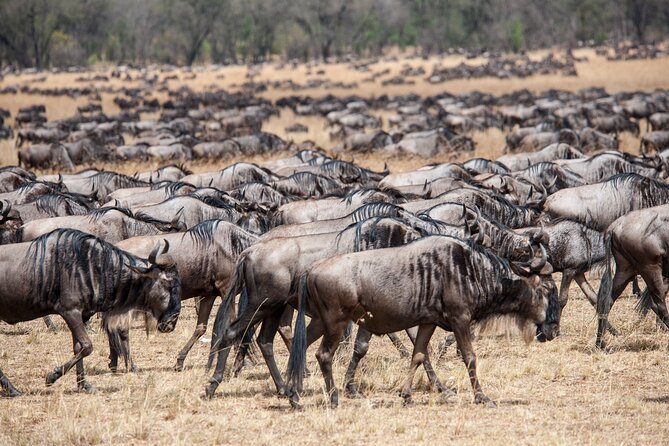
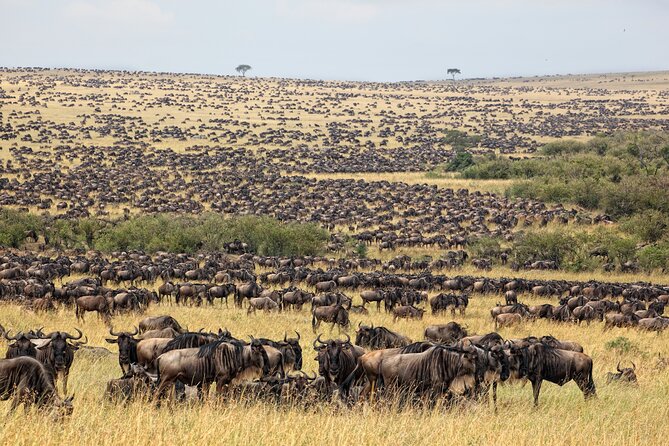
Once you land in the North, the itinerary is built around the migration’s most dramatic behavior in this season. This is the time when you can see huge herds, described here as over 1.5 million wildebeest plus large numbers of zebra and antelope, moving across the park as they track rainfall and fresh grazing.
Your schedule in the North is Days 2 to 4, with three days of game viewing. The plan specifically flags the Kogatende area, saying river crossings begin there in August, and August through October is where viewing tends to be strongest with crossings pretty much guaranteed on many days.
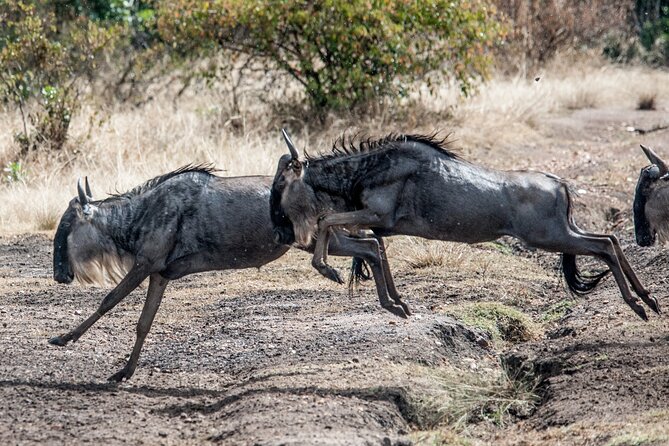
A small but important detail: the crossings are not a one-way event. The herd can cross back and forth, following rain and new grass, so you are not hunting a single predictable moment. In plain terms, you give yourself time for the herd to shift and for the best action to happen on the schedule, not just in theory.
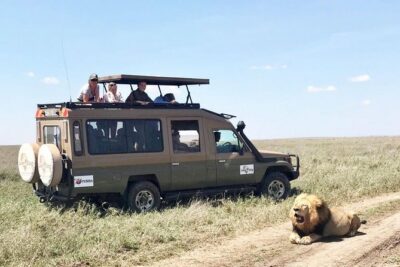
If you care about seeing predators in that migration drama, this is also where your guide’s skill shows up. Multiple guides tied to this operator’s safaris are described as actively spotting lions, leopard, and cheetah and then working hard to put you in a good position for both views and photos.
Three Days in Serengeti Central (Seronera): More Herd, More Options
Days 5 to 7 move you from the North into Central Serengeti, specifically the Seronera area. This is Tanzania’s oldest and most popular national park, and it is a UNESCO World Heritage site, so you are not just visiting wildlife. You are also in a well-established safari zone with the kind of terrain that supports big sightings.
You stay in luxury tented camp accommodations, then head out each day for game viewing. The migration story keeps expanding here, with the itinerary noting that as wildebeest move, large numbers of zebra and Thomson’s gazelle also join the grazing.
I like this part of the plan because it reduces the risk of “all eggs in one crossing spot.” If your timing is slightly off for Kogatende action on one day, you have other days in the migration circuit plus a second region to keep your odds high.
Central Serengeti is also the kind of place where you can get two types of wildlife moments in the same drive. You might see open-plains migration energy on the horizon, then switch to close-range sightings as your guide spots cats or other standout animals. The structure of six Serengeti days in total helps you catch both styles of sightings.
Chasing the herds? Compare these first
Ngorongoro Crater Day: A Morning Drive With a Different Feel
On Day 8, you go to Ngorongoro Crater for an early game drive. The crater is part of the Ngorongoro Conservation Area, which is described as an extensive highland area along the Rift Valley.
What makes this day feel different is the setting. You are no longer chasing herd movement across open plains. You are doing a morning drive within the crater area itself, which typically changes the viewing dynamic because wildlife can concentrate in ways you do not always get on the Serengeti grasslands.
This is also where you get a useful “big picture” stop inside the same safari. You see a major protected landscape, then go right back to classic safari driving later with Tarangire. It keeps the trip from feeling like one long, repetitive day after day.
Accommodations on Day 8 are in a luxury lodge, and the itinerary includes meals through the day. Expect a full day format with game drive time built in, then time to decompress afterward.
Tarangire National Park: Elephant Focus and Birding Time
Day 9 is Tarangire National Park, and the plan positions it as a slightly off-the-main-route option. That quiet reputation matters because it gives your eyes and ears a break from constant “migration pressure.”
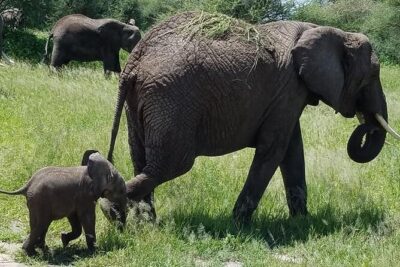
Tarangire is highlighted for elephant sightings and birding safari. If you want variety, this is a smart pivot day. You get to focus on different species and different pacing, and it helps make your safari feel like a route, not just a loop.
You stay in a luxury lodge again and enjoy full-day game viewing. This day is also a good moment to slow down, since Tarangire’s highlights are not only about mass movement. It’s about watching animals do their daily business in a park known for elephants and birds.
Camps and Comfort: Upscale Tents, Lodges, and Private Vehicle Time
The itinerary repeatedly promises upscale tented camps and lodges, plus meals while traveling and bottled water. That is the kind of comfort upgrade that helps you enjoy long days on safari instead of counting the hours until a bed.
Transport is by private vehicle, which matters in Tanzania for simple reasons. Fewer coordination headaches, more time for your guide to plan routes inside the parks, and less “stand and wait” time when the herd or predators are moving.
Now, one practical consideration: jeep comfort can vary. One feedback note you may want to keep in mind described bad jeeps, alongside excellent drivers and guides. That does not mean your safari will be unpleasant, but it does mean you should ask what vehicle you will have, especially if you are sensitive to rough roads.
On the positive side, other guide mentions include private air-conditioned jeeps and strong photo positioning. So you should be able to get the best of both worlds, just confirm expectations early.
Food, Timing, and What Meals You Actually Get
This tour is meal-inclusive for most of your days. The itinerary lists breakfast and dinner counts as 9 each, and lunch count as 9 as well, with Day 10 only including breakfast before you head back to Arusha.
Alcoholic drinks are not included, but bottled water is included. That means you can plan around non-alcoholic hydration without paying extra for every bottle.
From a “real-life” view, included meals matter more than people think. Safari days often start early and run late, so having meals built into the schedule means fewer frustrating stops and less uncertainty.
Price and Value: $5,512.83, and What You Get for It
At $5,512.83 per person for this 10-day format, the big question is value, not sticker price. Here’s what your money is tied to in the plan:
- Luxury accommodation for the safari nights (with accommodation not included on the last day)
- Meals while traveling for nearly every day in the itinerary
- Airport pickup and drop-off in Arusha
- Private vehicle transport
- Driver/guide
- Bottled water
What is not included is equally important. The flight from Kilimanjaro to Serengeti North is not included, and you will also pay for alcoholic drinks.
So the value equation looks like this: you are paying for a route that mixes migration viewing with crater and Tarangire, plus comfort and planning that takes pressure off you. If you were to book separately, you would spend time coordinating hotels, transfers, and game-drive logistics across multiple parks.
One more value lever is the small group size, max 7. Private group time often means fewer compromises, and your guide can focus on finding wildlife and not just keeping the schedule moving for a large group.
Who This Safari Is For (and Who Might Want Another Option)
This safari is a strong match if you want the Great Migration experience with structure. It targets the July to October window and leans hard into the August to October crossing timing at Kogatende, then adds Serengeti Central for extra viewing days.
It also fits travelers who enjoy being guided. Reviews tied to guides on these safaris repeatedly highlight active wildlife searching, strong wildlife and flora explanations, and efforts to find predators like lions and leopard, plus cheetah sightings.
It is not the best fit if you dislike planning for extra costs and travel segments, because the Kilimanjaro to Serengeti North flight is an own-expense item. It’s also worth noting that the tour asks for moderate physical fitness, which likely means you should be comfortable with long days and getting in and out of vehicles for game drives.
Families can go, but children must be accompanied by an adult. If that’s your situation, you might appreciate that guides are described as attentive and supportive throughout long drives.
Should You Book This Serengeti Wildebeest Migration Safari From Arusha?
I would book it if your priority is a high-chance Great Migration route with enough days to react to how the herd moves. The itinerary gives you six Serengeti game-viewing days across two regions, then balances it with Ngorongoro Crater and Tarangire for variety.
I would pause if you do not want to handle the Serengeti North flight on your own, or if you are extremely picky about vehicle comfort. In that case, ask what jeep you will be using and whether it will be air-conditioned and in good condition, since feedback includes both strong praise for comfort and at least one complaint.
Bottom line: this is a well-paced safari plan that turns a once-a-year natural spectacle into a multi-day viewing experience, with guides who work hard to find cats and make sure you get the view you came for.
FAQ
Where does the safari start and end?
It starts in Arusha, with pickup arranged at Kilimanjaro International Airport on arrival day. The experience ends back at the meeting point in Arusha.
What time does the tour start?
The listed start time is 8:00 am.
Is the flight from Kilimanjaro to Serengeti included?
No. The flight from Kilimanjaro to Serengeti North is not included, and you pay for it as an own expense.
What’s included in the price?
The package includes accommodation for the safari days (not on the last day), meals as per the itinerary, airport pickup and drop-off, transport by private vehicle, bottled water, and a driver/guide.
Are meals included every day?
Meals are included according to the itinerary. Breakfast, lunch, and dinner are included on the numbered safari days, and the final Day 10 includes breakfast before transfer back to Arusha.
How big is the group?
The safari has a maximum of 7 travelers.
Is this okay for kids and for travelers with limited mobility?
Children must be accompanied by an adult. The tour notes that travelers should have moderate physical fitness.
Following the Migration
- 8 Days Great Wildebeest Calving Migration Safari from Arusha
★ 5.0 · 254 reviews - 8 Day Spectacular Migration Serengeti mid -Range Tanzania Safari
★ 5.0 · 161 reviews - 9-Day Serengeti Migration Footsteps Tanzania Safari
★ 5.0 · 96 reviews - 7 days great migration safari
★ 5.0 · 77 reviews - Private 6-Day Great Migration Ndutu Serengeti Safari Tour
★ 5.0 · 47 reviews
The Serengeti, Three More Ways
- Balloon Safari & Bush Breakfast in Serengeti – Miracle Experience
★ 5.0 · 1,646 reviews - 3 Days Serengeti & Ngorongoro Group Camping Safari
★ 5.0 · 574 reviews - 5-Day Highlights mid-Range Crater, Serengeti, Tarangire
★ 5.0 · 296 reviews - 3-Day Classic Serengeti Safari
★ 5.0 · 263 reviews - Private 6-Day Tarangire Manyara Crater and Serengeti with Mid-Range Lodges
★ 5.0 · 238 reviews
Just added from around Arusha
Serengeti National Park Safaris, compared.
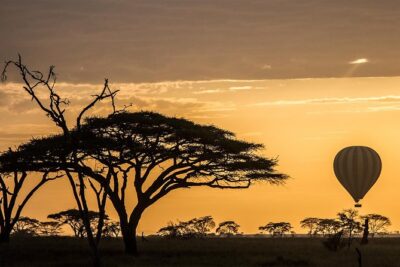 ★ 5.0Serengeti Balloon Safari and authentic bush breakfastFrom $5502,480 reviews
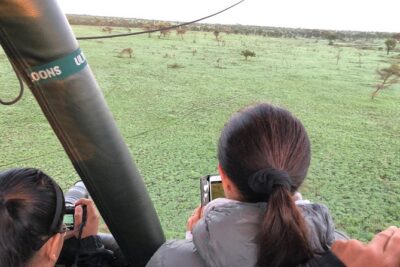 ★ 5.0Balloon Safari & Bush Breakfast in Serengeti – Miracle ExperienceFrom $5991,646 reviews
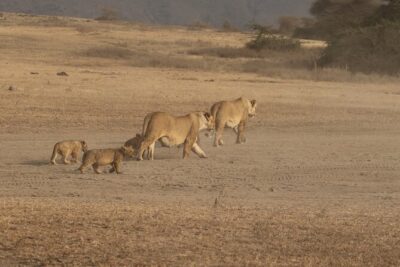 ★ 5.03 Days Serengeti & Ngorongoro Group Camping SafariFrom $815574 reviews
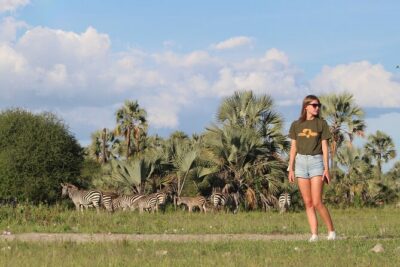 ★ 5.05-Day Highlights mid-Range Crater, Serengeti, TarangireFrom $2,327296 reviews
 ★ 5.0Safari Serengeti And NgorongoroFrom $2,845288 reviews
 ★ 5.03-Day Classic Serengeti SafariFrom $1,455263 reviews
 ★ 5.0Private 6-Day Tarangire Manyara Crater and Serengeti with Mid-Range LodgesFrom $2,685238 reviews
 ★ 5.05 Days Camping Tarangire, Serengeti & Ngorongoro crater & Visiting MaasaiFrom $1,254229 reviews
Browse the lists this tour appears in