
REVIEW · GREAT WILDEBEEST MIGRATION SAFARIS
8 Days Great Wildebeest Calving Migration Safari from Arusha
Calving season turns Serengeti into a predator magnet. This 8-day safari times your drives for Tanzania’s Great Wildebeest Migration during the calving months of December to April, when fresh calves pull in lions and other hunters. You’ll move through Tarangire and Serengeti plus the Ndutu calving zone, so the wildlife action feels connected instead of random.
I love the small group size, with a maximum of 7 travelers, and the calm pace of having your own private vehicle. I also like that the trip is built around the work of strong driver-guides, people like William David, Albert and Emanuel, and Innocent Mafuru are repeatedly praised for spotting animals early and sharing plant and culture details as you go.
One thing to consider is timing risk. Calving can be intense around February (about a 3-week window when most calves arrive), but you are still at the mercy of nature, plus weather can affect visibility and daily plans.
In This Review
- Key moments that make this safari worth your time
- Why wildebeest calving season changes the whole safari
- Day 1 in Arusha and how you start without losing a day
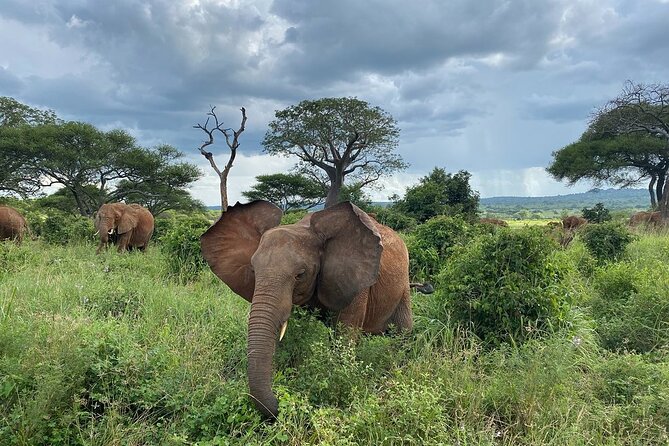
- Tarangire National Park: elephants, baobabs, and tree-climbing lions
- Lake Manyara’s compact circuit and why it feels special
- Ndutu and the calving window, where the migration story gets visible
- Central Serengeti full-day drives and the art of spotting early
- Ngorongoro Crater on Day 7, and why 600 meters matters
- Day 8 in Mto wa Mbu: culture and a walking safari break
- What you get for the price of about $2,999.62
- Accommodations and meals: luxury tents, lodges, and full board flow
- How the daily rhythm works, and what to pack for it
- Who this safari fits best
- Should you book this wildebeest calving migration safari?
- FAQ
- How long is the safari and what time does it start?
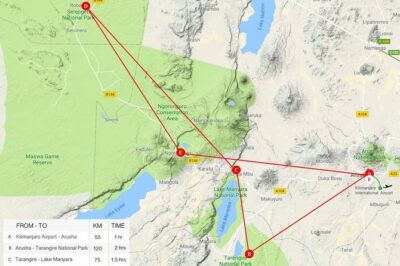
- Which locations and parks are included during the 8 days?
- When is the wildebeest calving season for this safari?
- What kind of accommodation should I expect?
- What is included in the price?
- Is alcohol included?
- Is this safari suitable for families and kids?
- What if the safari is canceled due to weather or not enough travelers?
Key moments that make this safari worth your time
- Calving-season timing for a natural event that concentrates predators and drama
- Tarangire plus Lake Manyara to broaden the animal mix beyond just the migration
- Ndutu-focused days with habitats that change hour to hour, swamps, woodland, and plains
- Full day Serengeti Central drives aimed at the migration trails, not a quick drive-by
- Ngorongoro Crater descent to 600 meters for dense wildlife in a single bowl
- Small-group comfort with a private vehicle and a driver who keeps finding the goods
Chasing the herds? Compare these first
- 8 Days Great Wildebeest Calving Migration Safari from Arusha★ 5.0 · 254 reviews
- 10-Day Serengeti Wildebeest Migration Safari from Arusha★ 5.0 · 218 reviews
- 8 Day Spectacular Migration Serengeti mid -Range Tanzania Safari★ 5.0 · 161 reviews
- 9-Day Serengeti Migration Footsteps Tanzania Safari★ 5.0 · 96 reviews
Why wildebeest calving season changes the whole safari
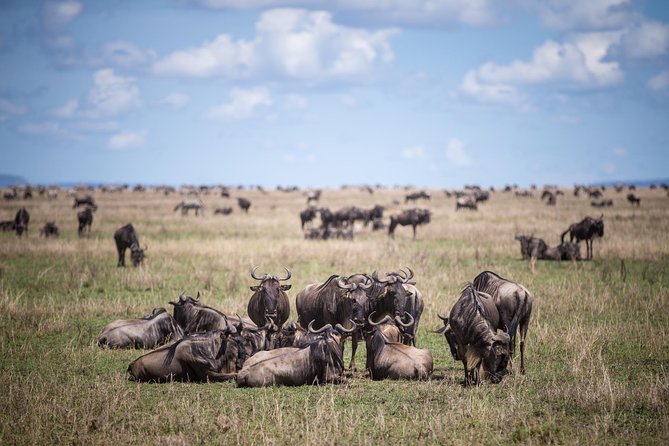
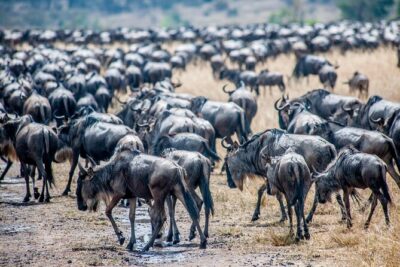
A normal Serengeti safari is great because there is always something happening. Calving season adds a specific engine to the chaos: thousands of young wildebeest appear, and predators show up to take advantage. The result is that your game drives tend to feel more urgent, more watch-and-wait in the best way, and often more focused on feeding and hunting behavior.
The tour is designed for December to April, which is when you’re most likely to hit that intense period. The schedule also leans into Ndutu area time, where the calving window tends to be tightest around February, lasting roughly three weeks with the bulk of births.
That timing matters for you because it shapes where you should spend your most “on-the-road” days. Instead of scattering days randomly, this itinerary keeps you in the places that align with the migration story as calves arrive.
Day 1 in Arusha and how you start without losing a day
Most safaris start with a scramble. Here, you begin with an airport pickup from Kilimanjaro Airport and a transfer into Arusha for your first night at Mount Meru Hotel. That means you can settle in, shower, eat well, and be ready for the first park drive rather than spending your morning recovering.
Your starting day also sets the tone for the whole trip. Tours with a tight 8:30 am start time in Arusha tend to run efficiently, and that efficiency is what gives you time for full days of driving and not just short scenic loops.
I like that the plan is simple on paper: arrive, sleep, then start the parks. It keeps expectations clear, and it helps you pack and plan without guesswork.
Tarangire National Park: elephants, baobabs, and tree-climbing lions
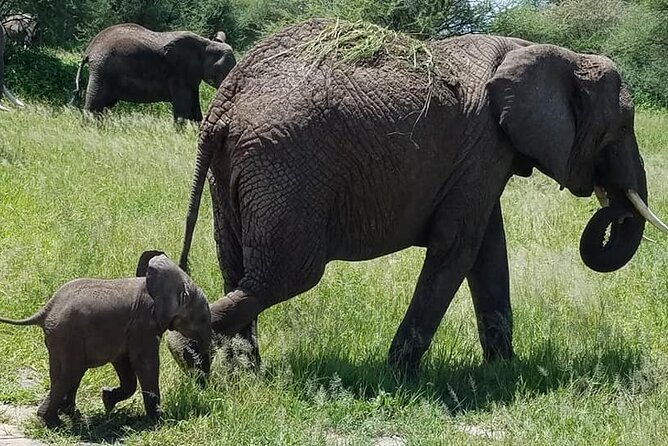
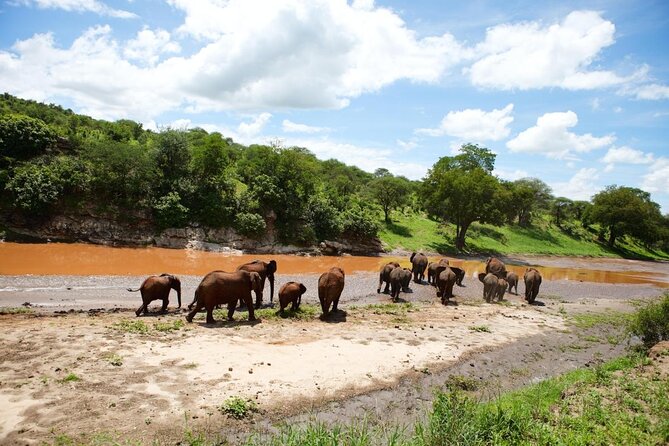
Tarangire is one of those parks where you can spot a totally different “Africa signature” than the Serengeti. You’ll head there on Day 2, and the big draw is the mix of elephants, baobab trees (the Tree of Life), and the chance of tree-climbing lions. Tarangire River flows year-round, and that steady water often pulls wildlife into reliable viewing zones.
For you, Tarangire is a smart warm-up. It gives you time to get used to game-drive rhythm, spotting at different distances, and listening to your driver’s explanations. You also get practice with the fact that animal action can start before you feel like you’re looking hard enough, especially when a guide is scanning ahead of the vehicle.
A possible drawback is that Tarangire is known for certain headline animals, so if you are only hunting for the migration’s calves, you’ll need to stay flexible. The payoff is variety, and by the time you reach Ndutu and Serengeti, you’ll already be in safari mode.
Lake Manyara’s compact circuit and why it feels special
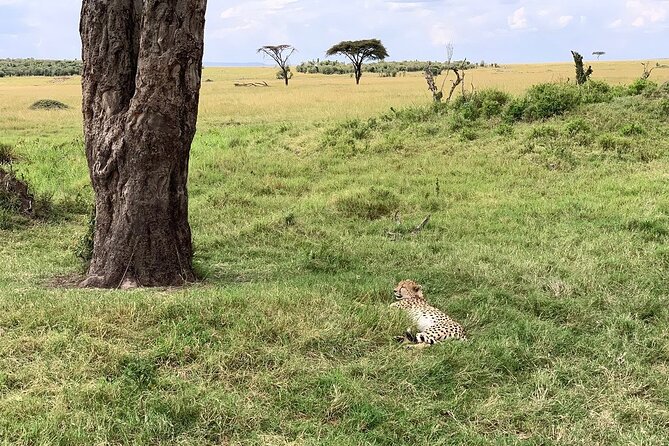
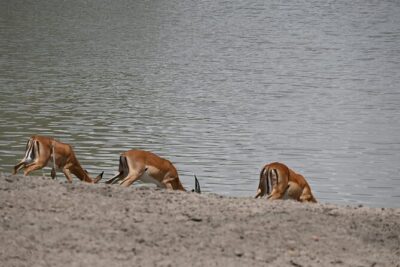
On Day 3 you’ll move to Lake Manyara National Park, a reserve that can feel “small” on the map but big in experience. It is described as a compact game viewing circuit, with a scenic lake setting and strong diversity for such a manageable route. The tour also leans into that famous African writer connection, Ernest Hemingway famously described it as among the loveliest sights in Africa.
What that means for you in real life is shorter driving gaps and more consistent viewing windows. If you get tired of long transfers and just want to see animals, this is the kind of park day that keeps your attention where it should be.
One watch-out: Lake Manyara can be visually busy, with water, trees, and animals moving in different layers. That’s where a good driver-guide makes a difference, helping you read the scene instead of just chasing movement.
Ndutu and the calving window, where the migration story gets visible
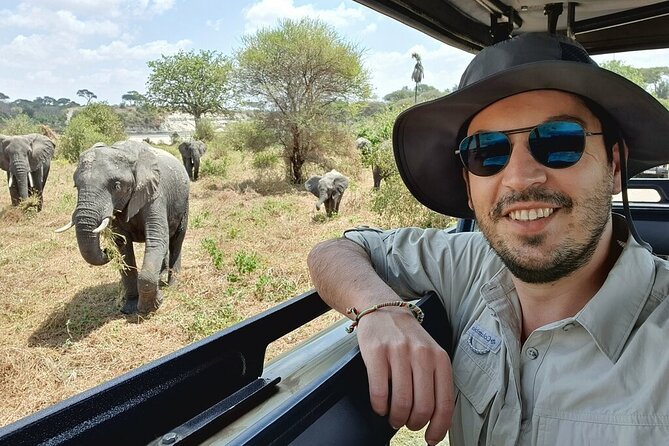
Days 4 and 5 are the heart of this trip. You’ll base in the Ndutu area, part of the southern Serengeti ecosystem and connected to the Ngorongoro Conservation Area. The scenery is shaped by Lake Ndutu, a rift lake that is alkaline, and the important point for your safari is that wildlife uses the area heavily during calving time.
You’ll do a mix of transfer and game drive from Ndutu onward. Day 5 is built for full-day visibility, covering different habitats like swamps, woodland, soda lakes, and the short grass plains that many people associate with Serengeti.
The practical value here is your probability. Calving is not a billboard event every second of the day, but the tour spends the time where most births are expected in your travel season. That February timing, about three weeks where most wildebeest calves arrive, is what this schedule is betting on.
The trade-off is patience. Calving season can be intense, but it is still nature, so you might spend stretches watching behavior rather than spotting an obvious newborn every minute. If you stay patient and let your guide work the area, those quiet stretches can turn into the most memorable moments when predators appear.
Central Serengeti full-day drives and the art of spotting early
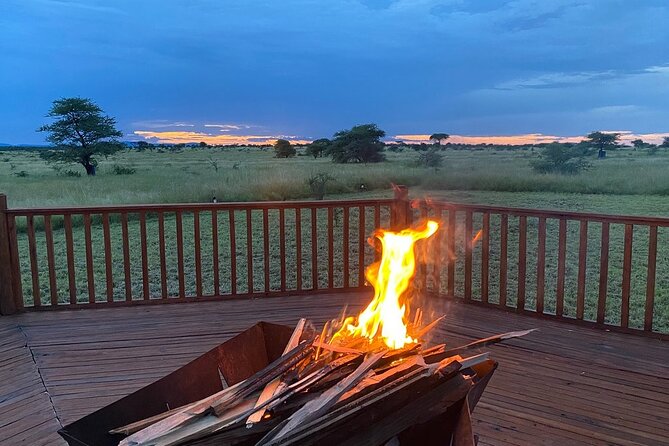
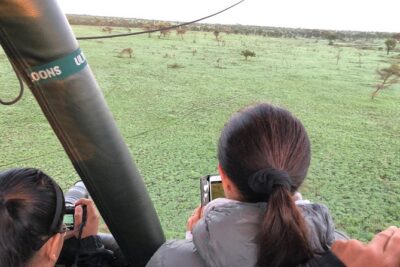
On Day 6 you’ll be in Central Serengeti with full-day game drives. This is where the Great Migration trails matter, and the tour is aimed at being with the movement, not just passing through it. Your driver-guide is expected to share facts about the migration and to help you understand what you’re seeing, so the day feels like a story instead of random sightings.
This is also where the guide praise you see in the field becomes relevant. Names such as Albert and Emanuel, and other driver-guides like Rahim and Calvin Kileo are often commended for finding animals early, sometimes before you feel like they should be visible. That skill matters most in Serengeti, where you can miss the good stuff if you only scan the obvious.
A balanced reality check: seeing the full range of big game is never guaranteed. But when you pair expert spotting with calving-season predator pressure, your chances typically rise.
Ngorongoro Crater on Day 7, and why 600 meters matters
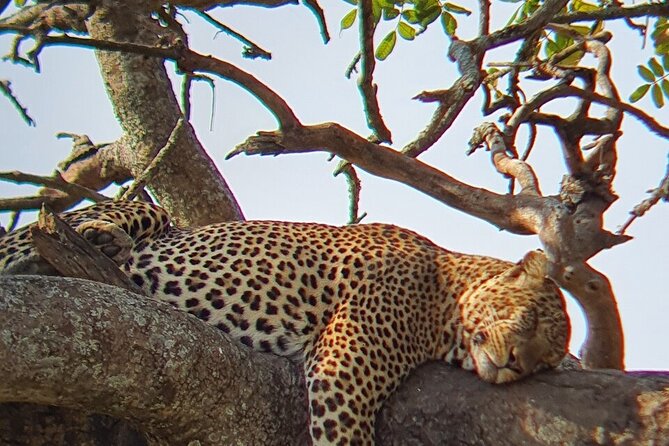
Ngorongoro Crater is its own category. You’ll drive into the Ngorongoro Conservation Area and descend about 600 meters into the crater on Day 7. That descent is not just dramatic, it changes what you can see: wildlife density often feels higher because the crater concentrates habitats into a bowl.
Expect a classic day of varied viewing, with animals moving across slopes and grasslands below. Your guide’s job is to interpret signs: where grazers are likely to gather, where predators might be waiting, and how to position the vehicle for the best sightlines.
The possible drawback is fatigue. The day involves a big location shift and a strong schedule rhythm. If you have moderate physical fitness, you’ll be fine for the planned activity level, but comfort-minded people should plan for long hours sitting and scanning.
Day 8 in Mto wa Mbu: culture and a walking safari break
After several park-focused days, Day 8 shifts gears to Mto wa Mbu. You’ll have a morning cultural tour and a walking safari, then a local lunch with views. In the afternoon you’ll head back to Arusha or directly toward the airport for your flight.
I like this kind of ending because it gives your brain a reset. Safari days can blur together, and a cultural and walking component adds texture beyond wildlife photography.
Keep in mind that a walking safari implies you should wear comfortable shoes and be ready for uneven ground. The tour is described as requiring moderate physical fitness, which is consistent with this last day being a little more active than the game drives.
What you get for the price of about $2,999.62
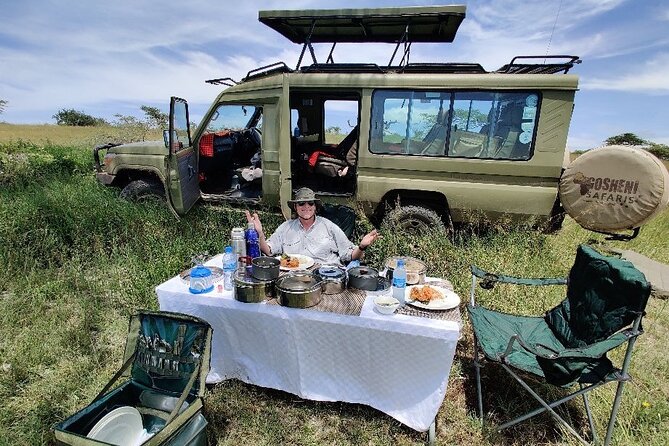
At $2,999.62 per person, this is not a casual budget safari. The value comes from the way costs are handled for you: accommodations, meals, entrance fees, airport pickup and drop-off, and private vehicle transport are included, along with bottled water and a driver-guide.
That matters because park fees and meal planning can add up fast when you try to build a safari yourself. Here, you can focus on the safari, not on constantly calculating what the day will cost.
You also get small-group comfort, maximum 7 travelers, which usually means less crowding at viewing spots. And you get multiple ecosystems across the week: Tarangire, Lake Manyara, Ndutu, Serengeti, and Ngorongoro. That variety is a big part of why this itinerary feels like a real safari arc instead of a series of isolated days.
The flip side is that included luxury accommodations mean you should budget your expectations for what “included” actually covers. Alcohol is not included, so you’ll want to plan for that if you drink.
Accommodations and meals: luxury tents, lodges, and full board flow
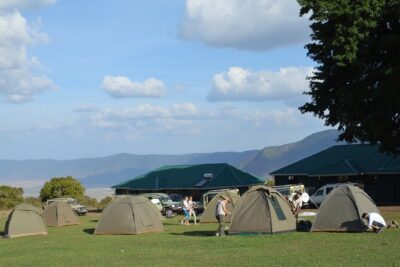
The tour uses a mix of luxurious safari tents and lodges. You start with a night at Mount Meru Hotel, then you move through luxury tented camps at Tarangire and Ndutu, luxury lodges at Lake Manyara and Ngorongoro area, and then back to Arusha for the final logistics.
That setup is designed for recovery. After long drives, you’ll want comfortable places to shower, eat, and sleep well, and the itinerary provides that. The meals are included each day according to the schedule, with breakfast, lunch, and dinner covering your day while you’re in parks.
From a practical standpoint, full board planning is underrated. You avoid the “what do we eat now” stress, and you spend more mental energy watching animals.
One small planning note: the tour asks you to advise dietary requirements at booking. If you have specific needs, handle that early so the team can plan meals without last-minute improvising.
How the daily rhythm works, and what to pack for it
The tour runs with daily game drives and varying transfer times, plus one cultural and walking morning. The start time is 8:30 am from Arusha, and airport pickup and drop-off are included, which helps you avoid timing confusion.
For packing, think in layers. Safari mornings can feel cooler, and you will be sitting in a vehicle for hours. Bring a hat and sunscreen, plus something warm for early drives if you tend to get cold.
Also, set your expectations for seating comfort. Even when the vehicle is well-equipped and comfortable, you’ll still want to be ready for a long day of scanning and waiting. Good boots matter too, especially for the walking safari in Mto wa Mbu.
Who this safari fits best
This tour fits best if you want the migration calving event as a central theme. It is also a strong fit if you like a wider wildlife mix than just one park, because Tarangire and Lake Manyara add elephants, baobabs, and different viewing moods before the migration storyline starts to dominate.
It’s also family-friendly in the sense that the experience is described with caregivers and patient guide behavior. Some guide praises include being attentive and patient with kids, including situations with families and younger travelers. That said, the tour requires children to be accompanied by an adult, and the physical level is described as moderate.
If you hate uncertainty, you might find calving-season timing a little stressful. But if you like being in the field and trusting skilled guides, this itinerary is built around that energy.
Should you book this wildebeest calving migration safari?
If your top priority is a calving-season safari that concentrates predator action, I think this one is a solid choice. The itinerary is structured to spend time where births are most likely, and it pairs that with multiple parks so your week has variety instead of repeating the same scenery.
I’d only pause if your travel dates are inflexible and you are trying to guarantee peak calving at a specific moment. Nature decides the exact timing, and even with excellent planning, you are still watching a living system.
My advice: book it if you can travel within December to April and you are okay with a bit of waiting for the big moments. Bring patience, good walking shoes, and a willingness to let the guide steer the day. When the calving pressure kicks in, this kind of safari can feel like the migration story is finally happening in front of you.
FAQ
How long is the safari and what time does it start?
The tour is 8 days. The start time from Arusha is 8:30 am.
Which locations and parks are included during the 8 days?
You’ll visit Tarangire National Park, Lake Manyara National Park, Lake Ndutu (Ndutu area), Serengeti National Park (south and central areas), and Ngorongoro Crater. You also finish with Mto wa Mbu for a cultural tour and walking safari.
When is the wildebeest calving season for this safari?
The safari is scheduled for the calving season of December to April. The Ndutu area is especially timed for calves arriving around February for roughly three weeks.
What kind of accommodation should I expect?
The itinerary includes luxury safari tents and lodges, with an overnight at Mount Meru Hotel on Day 1 and luxury tented camps or lodges in the national parks and conservation areas.
What is included in the price?
Included are all accommodations as per the itinerary, meals as per itinerary (breakfast, lunch, dinner), airport pickup and drop-off, transport by private vehicle, bottled water, and a driver-guide. Entrance fees are also included.
Is alcohol included?
No. Alcoholic drinks are available to purchase, but they are not included.
Is this safari suitable for families and kids?
Children must be accompanied by an adult. The tour also requests a moderate physical fitness level because there is a walking safari on the final day.
What if the safari is canceled due to weather or not enough travelers?
If canceled due to poor weather, you’ll be offered a different date or a full refund. If the minimum number of travelers is not met, you’ll also be offered a different date or a full refund.
Following the Migration
- 10-Day Serengeti Wildebeest Migration Safari from Arusha
★ 5.0 · 218 reviews - 8 Day Spectacular Migration Serengeti mid -Range Tanzania Safari
★ 5.0 · 161 reviews - 9-Day Serengeti Migration Footsteps Tanzania Safari
★ 5.0 · 96 reviews - 7 days great migration safari
★ 5.0 · 77 reviews - Private 6-Day Great Migration Ndutu Serengeti Safari Tour
★ 5.0 · 47 reviews
Just added from around Arusha
Great Wildebeest Migration Safaris, compared.
 ★ 5.010-Day Serengeti Wildebeest Migration Safari from ArushaFrom $5,512218 reviews
 ★ 5.08 Day Spectacular Migration Serengeti mid -Range Tanzania SafariFrom $4,257161 reviews
 ★ 5.09-Day Serengeti Migration Footsteps Tanzania SafariFrom $4,53996 reviews
 ★ 5.07 days great migration safariFrom $4,51477 reviews
 ★ 5.0Great Migration Safari In TanzaniaFrom $3,90071 reviews
 ★ 5.0Private 6-Day Great Migration Ndutu Serengeti Safari TourFrom $2,82747 reviews
 ★ 5.04 Day Great Migration Safari Serengeti & Ngorongoro CraterFrom $2,68033 reviews
 ★ 5.06 Days Tanzania Budget Camping Safari with MigrationFrom $1,65031 reviews
Browse the lists this tour appears in