
REVIEW · GREAT WILDEBEEST MIGRATION SAFARIS
6 Days Tanzania Budget Camping Safari with Migration
Chasing the migration means constant motion. This 6-day Serengeti wildebeest migration safari from Moshi is built around following where the herds are that week, then stacking in the big-ticket stops like Ngorongoro Crater for a chance at the Big Five. I love that your driver is actively chasing sightings instead of treating the parks like a checklist, and I also like that the trip mixes classic game viewing with an up-close village culture stop at Mto wa Mbu. One thing to consider is that migration timing shifts year to year, so you are buying the best odds, not a guaranteed photo-op.
You start with morning pickup and a plan that balances long safari days with real downtime for food and sleep. It’s also a fairly small group, with a maximum of 15 travelers, which usually makes it easier to hear your guide and get your turn at the best viewpoints. If you’re the kind of traveler who can handle early starts and dust, this format fits.
In This Review
- Key highlights worth your attention
- Serengeti migration with a real game-drive strategy
- Day 1 in Tarangire: elephants, baobabs, and river watering holes
- Serengeti Day 2: central drives, sunset views, and Seronera campsite nights
- Serengeti Day 3: the migration chase in the “right place, right time” zone
- Serengeti Day 4: sunrise spotting, hot lunch at camp, then onward to Ngorongoro
- Ngorongoro Crater Day 5: the Big Five from the crater floor
- Mto wa Mbu village: banana plantations and a culture walk that adds texture
- Lake Manyara Day 6: flamingos, climbing tree lions, hot springs, and Maasai boma time
- Camping-style safari comfort, what you should actually plan for
- Price and value for $1,650: where the money goes
- Guides and small-group pacing: why it can feel smoother
- So, what’s the real trade-off of chasing migration?
- Should you book this Moshi budget migration camping safari?
- FAQ
- What does the safari price include?
- What is not included in the trip price?
- How large is the group?
- What time does the safari start?
- Will I definitely see the wildebeest migration and Mara River crossing?
- Is there free cancellation?
Key highlights worth your attention
- Serengeti migration focus (and chasing Mara River chances in July to September)
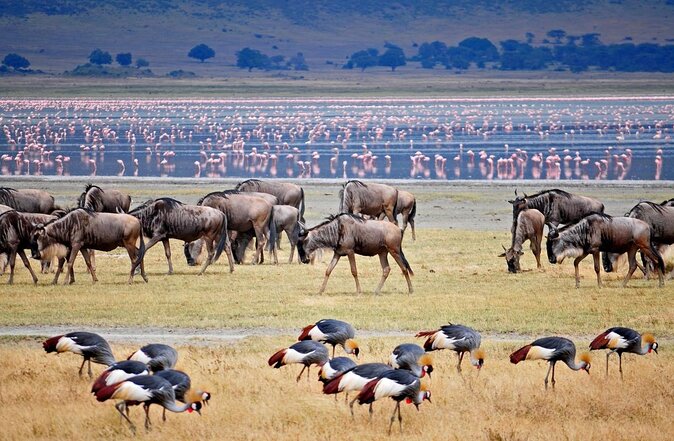
- Ngorongoro Crater Big Five odds from the crater floor
- Tarangire elephants and baobab scenery, anchored by the Tarangire River
- Lake Manyara for flamingos, climbing tree lions, and a hot spring stop
- Small group size (up to 15) with a team that tends to show up by name
- Camping-style nights in the parks, plus town lodging in Arusha/Jambo area
Chasing the herds? Compare these first
- Tanzania Safari – The Great Migration in the North of the Serengeti and Lake Natron★ 5.0 · 25 reviews
- 5 Days Tanzania Safari – Migration and Big 5 Safaris★ 5.0 · 14 reviews
- Latest Updates On The Top Best 3 day Serengeti Migration Safari★ 5.0 · 9 reviews
- 5 Days Special Safari to see migration★ 5.0 · 8 reviews
Serengeti migration with a real game-drive strategy
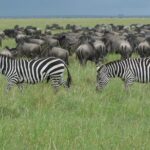
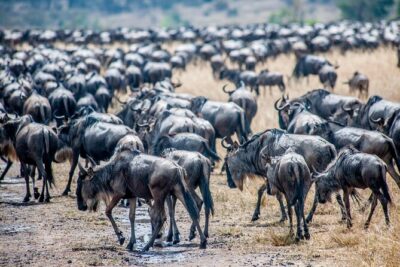
The whole point of this safari is movement. Each year, the circular great wildebeest migration loops through the southern Serengeti area around the Ngorongoro Conservation Area, then swings through Serengeti National Park and heads north toward the Masai Mara reserve in Kenya. Your driver’s job is to keep up with where the herds are, and that changes the day’s rhythm as conditions change.
This is not the kind of trip where you sit and wait for animals to come to you. You’ll spend meaningful time in key parts of Serengeti, including central areas for sunset viewing, plus more targeted positioning later when the seasonal timing is right. If you time your trip for the middle of the calendar, your chances improve: the supplied info highlights June to September as the best window for seeing the migration, while calving is typically January to March.
What I like about the approach: it respects how wildlife actually behaves. Migration is not a movie with a fixed script. Your day plans aim to be flexible, while still packing in the major wildlife hits most first-time visitors come for.
Day 1 in Tarangire: elephants, baobabs, and river watering holes
Tarangire National Park is a classic warm-up day. Your pickup happens in the morning, and the park is about 115 km from Arusha, so expect a decent transfer before you get your first proper game drive. Once you’re in, the vibe is “big animals, dramatic trees, and water-based action.”
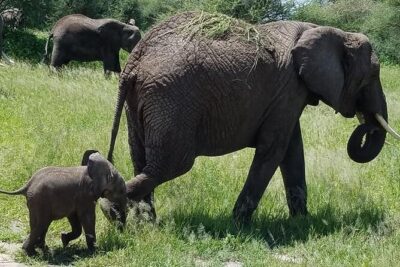
The Tarangire highlights here are the elephants, the famous baobab trees, and the way animals gather around the Tarangire River. The park is also known in this tour context for sightings that can include lions and leopards, plus smaller surprises like pythons and climbing tree behavior (the tour notes mention climbing tree pythons). With a park area listed at about 2,800 km², you get enough space that your guide can try to find where the action is thickest that day.
The practical trade-off: you’re starting early and you’re doing a longer drive before your first drive. If you hate being in a vehicle, consider that you’re paying for the route to set you up for Serengeti. That route is what makes this itinerary work.
Serengeti Day 2: central drives, sunset views, and Seronera campsite nights
By day 2, you’re working your way into Serengeti. You’ll leave breakfast behind, pack your safari setup, and then do an en-route game drive with views along the Rift Valley and even outlooks that include Ngorongoro. The drive to Serengeti is planned so you arrive around mid-afternoon.
Then you switch gears to an evening game drive in central Serengeti. This is where the timing matters. Sunset drives tend to give you softer light for seeing animals moving, plus a cooler feeling after a hot day. After dinner and overnight at Seronera campsite inside Serengeti, you’re sleeping where you can wake up close to the action.
Why this day matters: it gives you a full day’s momentum without rushing the migration angle too fast. You get into the ecosystem first, then you can push harder on chasing movements in the next days.
More camping safaris at this price
Serengeti Day 3: the migration chase in the “right place, right time” zone
Day 3 is the heart of the migration focus. You’ll wake up early, get breakfast, and then head out for a full day in Serengeti, with your driver moving you between key areas. The plan is to follow the wildebeest migration and position for sightings.
The big seasonal clue you should pay attention to is July to September. During that stretch, the supplied info says your driver will be able to take you to northern Serengeti for the Great migration crossing the Mara River. It frames the odds clearly: June to September is best for seeing the migration, and the Mara River crossing is one of the headline moments when the timing lines up.
My advice for your expectations: even with the best planning, you’re still dealing with living animals. You should think of this as “high-probability chasing” rather than “guaranteed spectacle.” If you’re cool with that, you’ll be happier when plans shift day to day.
Serengeti Day 4: sunrise spotting, hot lunch at camp, then onward to Ngorongoro
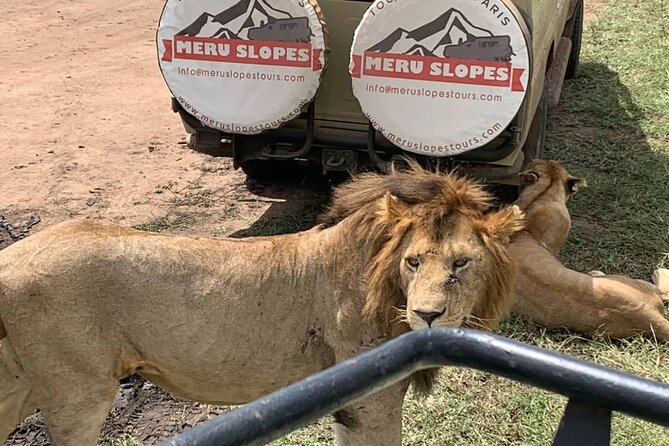
Day 4 starts even earlier, around 5:45 for sunrise viewing in Serengeti. Early starts are common for a reason: animals feed when it’s cooler, and the light is fantastic for spotting movement. You’ll then do an early morning game drive up to around 11:30, followed by a hot lunch back at the campsite.
After that, you shift from Serengeti to the Ngorongoro direction while still getting game drive time en route. Dinner and overnight happen at Simba campsite, which keeps you in the zone rather than sending you back too far. That’s a smart way to save daylight, which is the real currency on safari.
What to consider: this is a long day in the vehicle. If you’re prone to motion sickness, bring what works for you. Also, dress for dust and cold mornings, because those temperature swings can surprise people.
Ngorongoro Crater Day 5: the Big Five from the crater floor
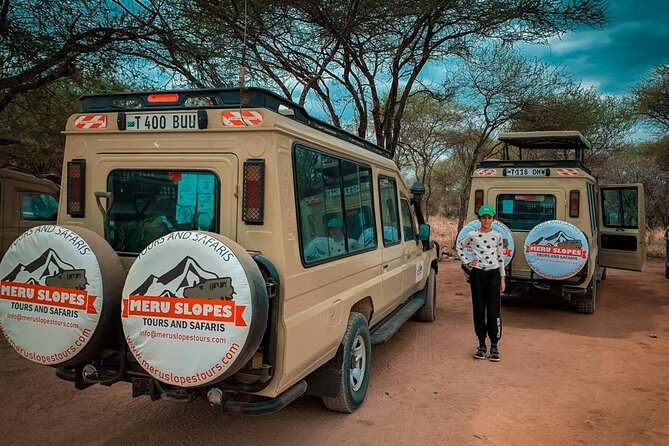
Ngorongoro Crater is the stop that turns a good safari into a “wow, I can’t believe this is real” safari. You descend into the crater floor in the morning, and this is where you can get some of the highest density viewing in the entire region.
The tour description is direct about what you might see: lions, elephants, buffalo, leopards, and black rhinos. It also notes birds and even flamingos around the crater environment, with lunch planned inside the crater while you watch nature below.
Ngorongoro is framed here as the world’s largest inactive, unbroken and unfilled volcanic caldera. That means you’re not just entering another park. You’re entering a natural amphitheater that traps wildlife within a bowl-like environment.
After about 6 to 7 hours of crater driving, you ascend and move back toward Jambo lodge for dinner and overnight. This return to town is helpful because it balances the intensity of crater viewing with a calmer reset before your next day’s cultural and Lake Manyara stops.
One realistic note: Big Five sightings are never guaranteed anywhere. What makes Ngorongoro special is that the chances are often strong, and the concentrated setting improves how much wildlife time you get.
Mto wa Mbu village: banana plantations and a culture walk that adds texture
Ngorongoro day doesn’t end at wildlife. You’ll also include time in Mto wa Mbu village, with a walking tour and cultural visit. The tour format mentions how local people live, banana plantations, and the chance to taste local food.
This isn’t “museum culture.” It’s more about slowing down from game drives and seeing how people manage daily life in a place that’s close to safari corridors. If you’ve only been thinking “animals, animals, animals,” this kind of stop helps your trip feel grounded in real communities.
Practical tip: wear shoes that handle dust and uneven paths. Also, keep some small cash for tips if your guide recommends it, since tips are not included in the tour price.
Lake Manyara Day 6: flamingos, climbing tree lions, hot springs, and Maasai boma time
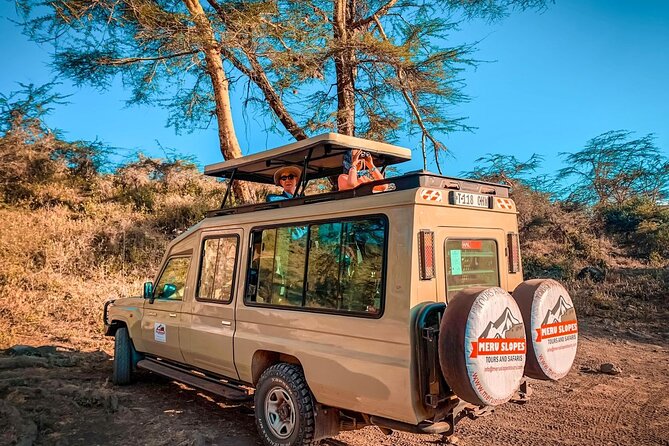
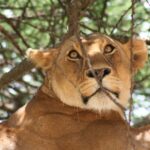
Your final safari day adds variety by focusing on Lake Manyara National Park. After breakfast, you head out for a full game drive, and the tour highlights include flamingos drawn by algae in the lake. It also calls out the famous climbing tree lions, which is one of those wildlife behaviors people talk about for a reason.
Lake Manyara also includes a hot spring visit. That’s a nice change of pace after a series of long wildlife drives. Then you add a cultural stop at a Maasai boma, where you can see how people live and learn about traditions and culture.
Why I think this ending works: it ties wildlife and human stories together. You leave Serengeti and Ngorongoro’s “big moment” energy with a calmer final day that still keeps animals in the spotlight, plus a cultural finish that makes the trip feel complete.
Camping-style safari comfort, what you should actually plan for
This is described as a budget camping safari, so your comfort level will depend on what you consider “good enough.” You spend nights in campsites inside the parks, including Seronera campsite in Serengeti and Simba campsite near Ngorongoro. You also have at least some lodge-based nights, including a dinner and overnight at Jambo lodge early and later.
The good part is that your essentials are taken care of in the package: driver/guide service, park days with admission tickets listed as free within the experience, and meals are included. The tour also includes unlimited mineral water, which is genuinely helpful when you’re sweating in a moving vehicle.
You’ll also want to know what’s included around tech and support. The tour states emergency rescue is included, and that there’s free Wi-Fi inside the safari jeep. Don’t expect it to work like your home connection, but it’s a nice bonus when you want to check in.
The main drawback of camping safaris: it’s less “soft” than lodge-only trips. If you hate sleeping in the outdoors or you need hotel-level comfort, you might find the campsites challenging. If you’re flexible, it can also feel more authentic, because you’re really living inside the safari schedule.
Price and value for $1,650: where the money goes
At $1,650 per person for a 6-day safari, you’re paying for four things that add up fast in Tanzania: (1) multiple park entries and full game drive days, (2) transportation between distant regions starting from Moshi/Arusha area, (3) a guided chase strategy for migration, and (4) meals and basic lodging during the trip.
What helps this look like good value is what’s included. You get hotel pickup and drop-off, taxes and fees, and meal coverage across the days (the package lists 4 breakfasts, 6 lunches, and 5 dinners). You also get unlimited mineral water and free Wi-Fi inside the jeep, plus emergency rescue.
Where the math gets more personal is in what’s not included. Tips and visa are not included, and that means you should budget for them separately. Tips are often the easiest way to show appreciation for the guide and driver, especially on a long driving itinerary.
My take: this price fits a “serious safari, not a luxury lodge circuit” style. If you’re aiming to see Serengeti and Ngorongoro with migration in the mix, while keeping costs controlled, this is the kind of itinerary that makes sense.
Guides and small-group pacing: why it can feel smoother
Group size matters on safari. This one caps at 15 travelers, which usually keeps the driving and viewpoint logistics manageable. It also helps your guide keep an eye on everyone’s comfort and sightlines.
In the kind of team this operator uses, names show up often in positive ways. You might meet a manager handling planning like Kelvin, and you could be greeted by a pickup team member such as Fidelis. During drives, guides in past groups include Robert, Florian, Mohammed, Andrew, Douglas, and Daniel, with chefs named like Yohane, Johannes, and Gideon handling meals.
Even if you do not get the exact same people, the pattern is clear: the service quality often comes down to coordination and timing. The reviews highlight a trend of early starts and strong meal prep, and that lines up perfectly with what this itinerary demands. If you’re the kind of traveler who wants to feel looked after without being “over-managed,” small group pacing is a win.
So, what’s the real trade-off of chasing migration?
The itinerary gives you an ambitious sequence: Tarangire, then Serengeti focused on migration, then Ngorongoro for crater Big Five odds, then Lake Manyara with flamingos and hot springs, plus village and Maasai boma culture stops. That’s a lot of moving parts, and it means the trip runs on early mornings, long days, and constant repositioning.
The main trade-off is the migration factor. Even with the best seasonal window, migration depends on weather and grass. Your driver’s skill helps, and the plan explicitly aims for northern Serengeti for July to September to target Mara River crossings, but you still need to stay flexible.
If you want a safari that feels calm and predictable, this might not be your first choice. If you want a safari that feels alive and responsive, it fits very well.
Should you book this Moshi budget migration camping safari?
Book it if you want a strong Tanzania safari circuit with Serengeti migration focus, serious wildlife time, and a good “wild plus culture” mix. This works especially well for first-timers who want Tarangire elephants, Ngorongoro Big Five chances, and Lake Manyara flamingos, all without going full luxury.
Think twice if you dislike early mornings, long vehicle days, or basic camping comfort. Also consider your travel month. The supplied info points to June to September for the best migration odds, and July to September specifically for Mara River crossing chances, so matching your dates to that window increases your payoff.
If you’re flexible and wildlife-minded, this looks like a smart value way to chase the migration while still ticking off the crater and Lake Manyara highlights.
FAQ
What does the safari price include?
The price includes a driver/guide, hotel pickup and drop-off, all taxes and fees, nights of accommodation in Arusha town, unlimited mineral water, emergency rescue, and free Wi-Fi inside the safari jeep. Meals are included too, with breakfast (4), lunch (6), and dinner (5).
What is not included in the trip price?
Tips are not included, and visa costs are not included.
How large is the group?
This experience has a maximum of 15 travelers.
What time does the safari start?
The listed start time is 7:30 am, and the first day pickup is described as 8:00 am.
Will I definitely see the wildebeest migration and Mara River crossing?
You are following the migration with your driver, and the tour notes say June to September is the best chance for seeing it. For July to September, the plan is to take you to northern Serengeti for the Great migration crossing the Mara River, but exact sightings can vary.
Is there free cancellation?
Yes. Free cancellation is available up to 24 hours in advance of the experience start time for a full refund.
More Under Canvas
- 5 Days Camping Tarangire, Serengeti & Ngorongoro crater & Visiting Maasai
★ 5.0 · 58 reviews - 4 Days Group Joining Camping Safari to Tarangire Serengeti Ngorongoro Crater
★ 5.0 · 50 reviews - 4 days adventure camping safari
★ 5.0 · 44 reviews - 5 days Tanzania Camping Safari
★ 5.0 · 29 reviews - 6 Days: Classic Camping( Tarangire, Manyara, Serengeti And Ngorongoro).
★ 5.0 · 26 reviews
Following the Migration
- Tanzania Safari – The Great Migration in the North of the Serengeti and Lake Natron
★ 5.0 · 25 reviews - 5 Days Tanzania Safari – Migration and Big 5 Safaris
★ 5.0 · 14 reviews - Latest Updates On The Top Best 3 day Serengeti Migration Safari
★ 5.0 · 9 reviews - 5 Days Special Safari to see migration
★ 5.0 · 8 reviews - 8-Day Grumeti Migration Safari-Luxury Tour May-July
★ 5.0 · 7 reviews
Just added from around Moshi
Great Wildebeest Migration Safaris, compared.
 ★ 5.08 Days Great Wildebeest Calving Migration Safari from ArushaFrom $2,999254 reviews
 ★ 5.010-Day Serengeti Wildebeest Migration Safari from ArushaFrom $5,512218 reviews
 ★ 5.08 Day Spectacular Migration Serengeti mid -Range Tanzania SafariFrom $4,257161 reviews
 ★ 5.09-Day Serengeti Migration Footsteps Tanzania SafariFrom $4,53996 reviews
 ★ 5.07 days great migration safariFrom $4,51477 reviews
 ★ 5.0Great Migration Safari In TanzaniaFrom $3,90071 reviews
 ★ 5.0Private 6-Day Great Migration Ndutu Serengeti Safari TourFrom $2,82747 reviews
 ★ 5.04 Day Great Migration Safari Serengeti & Ngorongoro CraterFrom $2,68033 reviews
Browse the lists this tour appears in