
REVIEW · SERENGETI NATIONAL PARK SAFARIS
6 Days: Classic Camping( Tarangire, Manyara, Serengeti And Ngorongoro).
Elephants set the tone fast. This classic camping safari links Tarangire, Lake Manyara, Serengeti, and Ngorongoro into one efficient wildlife week. You get long game-drive days, plus the kind of morning timing Ngorongoro is famous for, when animals are still active and the roads are calm.
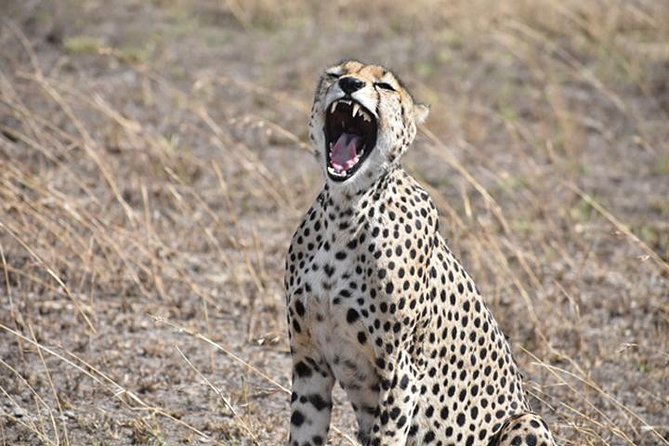
What I like most is the variety packed into a small loop. Tarangire brings elephant concentrations and baobab country, Lake Manyara adds birding and tree-climbing lions, and Serengeti gives you the big-plains stage where lions, leopards, cheetahs, hyenas, and jackals all turn up.
One drawback to plan for: this is real camping and road time. You should expect dusty, bumpy driving, and the early start at the crater can feel cold before the sun warms up.
In This Review
- Key highlights you should care about
- Tarangire National Park: Elephants, Baobabs, and Your First Real Game Drive
- Lake Manyara National Park: Rift Valley Views, Tree-Climbing Lions, and Birding Power
- Serengeti National Park: Why the Endless Plains Feeling Matters
- Second Serengeti Day: Long Game Drives and More Chances for Big Cats
- Ngorongoro Conservation Area: Transition Day with Dinner, Overnight, and the Maasai Village Option
- Ngorongoro Crater Floor at Dawn: 6 to 7 Hours of Close Encounters
- Classic Camping Realities: Dust, Cold Water, and How to Pack Smart
- Guides and Chiefs of the Camp Kitchen: What Makes This Safari Feel Smooth
- Price and Value: What $1,538 Gets You (and What You Still Need to Budget)
- Who Should Book This 6-Day Safari from Moshi?
- Should You Book This Safari?
- FAQ
- What parks are included on this 6-day camping safari?
- Do I get picked up, and is there private transport?
- What is the maximum group size?
- Are park fees and taxes included?
- Are meals included?
- Is a walking safari an option?
- What is not included in the price?
- What should I know about cancellation?
- Where does the tour start?
Key highlights you should care about
- Tarangire elephant country and baobab country for classic safari photos, with big herds.
- Lake Manyara birding and tree-climbing lions in a smaller park with a lot going on.
- Serengeti full-day game drives with packed lunch and long time on the ground.
- Optional walking safari in Serengeti if your comfort level is right.
- Ngorongoro Crater floor game drive with 6 to 7 hours down in the caldera.
- Camping style with real field logistics, including tips on what to bring for dust.
More of the Serengeti, drive by drive
- Safari Serengeti And Ngorongoro★ 5.0 · 288 reviews
- 5 Days Camping Tarangire, Serengeti & Ngorongoro crater & Visiting Maasai★ 5.0 · 58 reviews
- 4 Days Group Joining Camping Safari to Tarangire Serengeti Ngorongoro Crater★ 5.0 · 50 reviews
- 4 Day Private Tour Throughout Tarangire, Serengeti and Ngorongoro★ 5.0 · 42 reviews
Tarangire National Park: Elephants, Baobabs, and Your First Real Game Drive
Your safari starts with pickup from your hotel and a briefing, then you head into Tarangire National Park. The first thing you feel here is how the park opens up, because you are quickly thrown into game-viewing mode with both a morning and an afternoon drive. It is a smart way to break you in: you get the thrill early, then you still have time to settle into how sightings actually work in the bush.
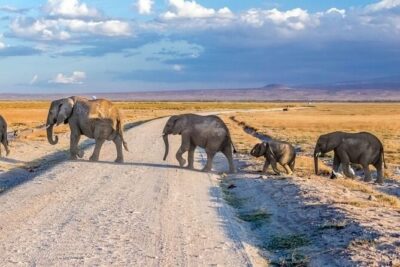
In Tarangire, elephants do a lot of the talking. Past experience from people on this route highlights huge elephant presence and strong viewing opportunities, and that tracks with Tarangire’s reputation. You also get a lunch stop timed so you are not constantly burning daylight, then you roll back out for another stretch of game drive.
Practical tip: bring binoculars even if you think you do not need them. A good pair helps you read behavior and spot distant animals without draining your eyes from constant scanning.
One consideration: day 1 is about getting the rhythm. If you are the type who wants your biggest moment to happen instantly, you will likely still be happy, but day 2 and day 6 are where the trip really “locks in” for many people.
Lake Manyara National Park: Rift Valley Views, Tree-Climbing Lions, and Birding Power
After breakfast, you head to Lake Manyara National Park, which is small in size but packed with different habitats. You get the Great Rift Valley backdrop, groundwater forest areas, open grassy areas near the lake edge, and even a soda lake environment. That mix matters because it creates more chances for different animals and birds to use the same routes.
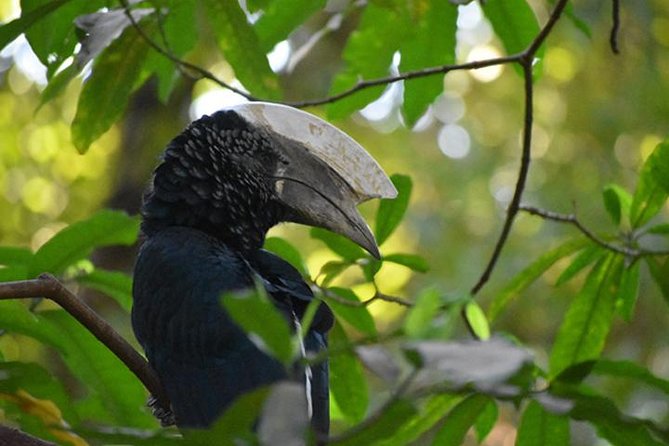
Lake Manyara is also a serious birding stop. The park supports more than 450 bird species, and that is exactly the kind of detail that turns a “quick stop” into a day you remember. You will likely spend time appreciating not just animals, but the sheer activity in the trees and around the shoreline.
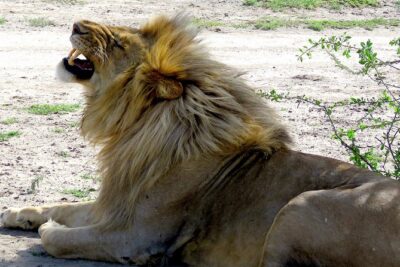
And then there are the lions. Lake Manyara is famed for elusive tree-climbing lions, the ones that break the normal grass-and-savanna rules and use trees in a way that feels almost impossible. Even if you do not see them on every drive, the park is set up for you to look for that behavior.
You also enjoy a picnic lunch in the park area. That is a nice pace change from constant driving, and it helps you stay focused for the afternoon.
One consideration: Lake Manyara is smaller, so it can feel less spread out than Serengeti. If your main goal is nonstop predator chasing across wide plains, Serengeti is your heavyweight day. But if you like variety, birds, and oddball lion behavior, Lake Manyara delivers.
Serengeti National Park: Why the Endless Plains Feeling Matters
Next comes Serengeti National Park, where the whole vibe changes. Serengeti means endless plains, and even if you know that fact ahead of time, you still feel it once you are on the ground. This is where you get the “big stage” feeling that makes wildlife sightings look cinematic.
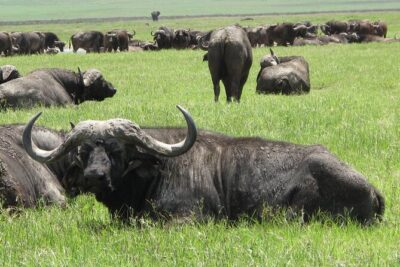
Serengeti’s animal show is not only about what you see that day. It is also about timing. From May to December, millions of animals are part of the migration movement between central Serengeti and Kenya’s Maasai Mara, then back again. Even outside migration season, you still have lots of animals moving through: wildebeest, zebra, gazelle, and also elephant, giraffe, and buffalo.
Your drives are set for long viewing time. You get a morning push after breakfast, then a full day in the park with packed lunch until late evening. That long window is important, because it increases your odds for different hunting and lounging rhythms, plus it gives your guide time to reposition when a good lead appears.
There is also mention of an option for a walking safari in the heart of Serengeti. If you choose it, make sure you feel comfortable on foot in a wildlife area and that your comfort level matches your guide’s safety instructions.
One drawback to consider: long days mean you want the right kit. Keep your essentials accessible, and plan for dust and sun, because you will be spending hours scanning and shooting photos.
Other ways down into the Ngorongoro Crater
Second Serengeti Day: Long Game Drives and More Chances for Big Cats
You get a second day in Serengeti, which is not “extra” so much as it is smart. Wildlife days are not factory lines. Sightings cluster, and sometimes the first day is all about finding where animals are moving. A second full day gives you a better chance to convert leads into close looks.
This is another full day game drive, again with packed lunch until late evening, and then you drive back toward camp for dinner and overnight. That pattern, late viewing plus a return for rest, keeps you from feeling rushed. It also helps you recharge without wasting the next morning.
Based on feedback from people who did this route, a big part of what makes Serengeti work is the human factor. Guides who know where to look can turn a slow patch into a good sighting, especially for predators. Past trip comments also praise guides for being patient and giving time at stops, which you need in Serengeti because the best action might be just around the next bend.
If you are considering the walking safari option, this is usually the kind of day when you would want to weigh that choice carefully. Walking adds value for people who love animal behavior close up, but it is a different mental style than staying in the vehicle. If you like comfort and maximum coverage, you might skip it. If you want hands-on nature time, it can be worth it.
One consideration: you will likely be outside for most of the day. Bring layers and plan for sun exposure, plus keep water accessible during drives.
Ngorongoro Conservation Area: Transition Day with Dinner, Overnight, and the Maasai Village Option
After another morning in the wider Serengeti region, you head toward the Ngorongoro Conservation Area. The timing is built around productive viewing. You do game drive time with a picnic lunch until around noon, then you move for dinner and overnight in the conservation area.
This is also where you may have a value-added Maasai village visit. That kind of stop can be meaningful if you go in with respect and an open mind, because it adds human context to the land you are watching wildlife on. But it is also optional in the way the wording is presented, so treat it as a “maybe,” and be ready for it to depend on your day’s pacing.
The practical value of this transition day is that it sets you up for Ngorongoro’s biggest moment, the crater descent. Ngorongoro is a different game: animals live within the crater year-round due to consistent grazing and water supplies, so the key is being in the right place at the right time.
One consideration: travel time is real. Even though you are still doing viewing, it is not a zero-drive day. If you dislike long vehicle rides, you might feel it more on the changeover to Ngorongoro. The upside is that the crater day later often feels like a payoff.
Ngorongoro Crater Floor at Dawn: 6 to 7 Hours of Close Encounters
Day 6 is the classic Ngorongoro moment. You start with an early breakfast around 05:50, then you descend down the crater at 06:00 for 6 to 7 hours of game drive, with a picnic lunch on the crater floor. This is exactly how Ngorongoro works best: start early, maximize time for animal activity, and keep your viewing concentrated in one dramatic bowl.
Ngorongoro is a World Heritage Site and it is set up for year-round viewing. Wildlife here is described as a permanent population because food and water are available through the seasons. That matters for you because it reduces the “will we catch it this week” worry. You can focus on spotting and behavior rather than guessing.
One of the best parts is the rhythm of the day itself. You are not rushing in and out. You are down in the crater long enough to feel like you are actually observing a functioning ecosystem. You also get that long stretch for photography, because you are not constantly breaking for logistics.
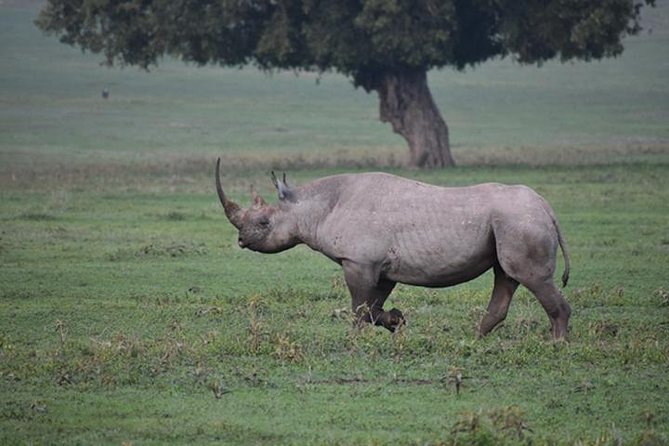
What to watch for: mornings inside the crater can feel cool and your comfort depends on your layer strategy. People on this safari route also mention cold water showers in camping setups, so pack and plan like it is a field trip, not a hotel vacation.
Classic Camping Realities: Dust, Cold Water, and How to Pack Smart
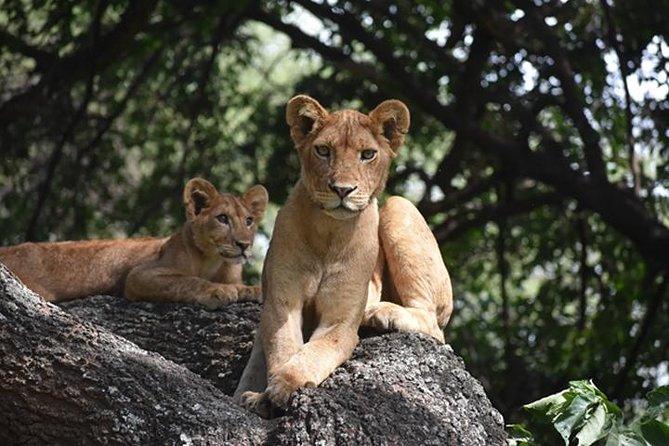
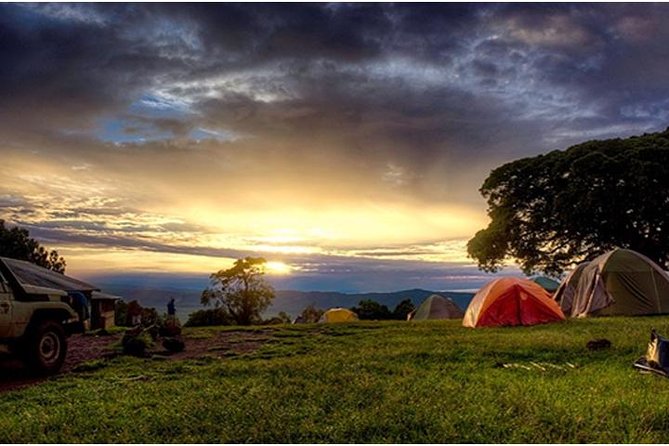
This is a classic camping experience, so the comfort style is basic by design. That can be a great trade if you want closeness to the wild and you are fine with “camp life” logistics.
From past trip feedback, you should expect a very dusty and bumpy ride. A mask can help a lot, and people specifically suggest protecting your hair from dust. That is one of those details that sounds optional until you regret skipping it.
Also consider binoculars and a camera. Multiple comments emphasize that good gear helps because animals can be distant before a vehicle reaches the right angle. If you have never used binoculars on safari, you are about to become a convert, because it makes scanning less exhausting.
For camp comforts, at least one review points out cold water showers, which means you should mentally accept that this is not a warm, fluffy routine. Pack accordingly, and if you are particular about grooming comfort, bring what you need for quick wipe-downs.
One consideration: moderate physical fitness is required. That lines up with early starts and spending time moving around at viewing points, loading and unloading gear, and walking short distances around camps or vehicles.
Guides and Chiefs of the Camp Kitchen: What Makes This Safari Feel Smooth
People highlight the guide experience as a major part of the safari quality. Names that come up in feedback include Hoza, Julius, and Dickson, and the cooking team is often praised, including chefs such as Isaac, Nathan, and others. The theme is consistent: guides help you find animals, and they also help you understand what you are looking at, which makes every sighting more satisfying.
What I like about that is it affects your enjoyment in a practical way. When a guide is patient and good at spotting wildlife, you stop chasing rumors and you start reacting to real leads. When the camp cook is strong, you stay fueled during long drives, and you avoid the vacation-killing problem of feeling sick, hungry, or underfed.
Communication before the safari also comes up, including help from someone named Evelyn. That kind of pre-trip clarity is not glamorous, but it matters because it reduces stress when you are coordinating travel days and planning what to bring.
One consideration: even the best guide cannot control animal behavior. Wildlife surprises are part of the deal. Your best strategy is to stay flexible, give the guide time to reposition, and be ready to accept that one drive might be quieter while another becomes unforgettable.
Price and Value: What $1,538 Gets You (and What You Still Need to Budget)
At about $1,538.47 per person for 6 days, the value hinges on what is included. This tour lists all fees and taxes, private transportation, game driving, and meals: breakfasts (5), lunches (6), and dinner (6). Park admission is also included on multiple days, and you get practical features like pickup offered and a mobile ticket.
For a multi-park route that covers Tarangire, Lake Manyara, Serengeti, and Ngorongoro, that bundle is a big deal. It means you can focus your time on the safari, not on figuring out entry costs and logistics in-country.
The main thing not included is tips, and you should plan for them. If you want any extras like the walking safari option in Serengeti, that may change the feel of the day depending on how it is offered. Also, you should budget for personal expenses that are not listed, like snacks outside the included meals, drinks, and any shopping.
Bottom line on value: this price looks like it pays for the core experience, transport between parks, and the full meal rhythm you need for long days. The real cost control for you is bringing the right gear so you do not spend extra on the basics after arrival.
Who Should Book This 6-Day Safari from Moshi?
This is a strong match if you want a classic safari circuit and you are comfortable with camping. The route is also a good fit if you like variety, because you get elephant country, rift valley birds, Serengeti predator potential, and Ngorongoro crater viewing all in one trip.
It is also a good choice for people who appreciate long game drives. The schedule is built around time on the ground, not short photo stops. And if you enjoy early starts, Ngorongoro’s dawn plan is the kind of thing you will talk about later.
Where it might not fit as well is if you need hotel-level comfort. Camping means tented nights and field-style routines, and the road can be dusty and bumpy. You also need moderate physical fitness level, so if you struggle with early mornings or uneven terrain, you should think twice.
If you love animals plus practical nature photography, bring binoculars and protect yourself from dust. If you prefer a calmer pace and minimal vehicle time, you might find this route intense.
Should You Book This Safari?
I think this is a great booking for the right kind of traveler: you want the classic parks, you can handle camping, and you like spending the day on safari instead of bouncing between short stops.
Book it if:
- You want Tarangire elephants, Lake Manyara birding and tree-climbing lions, Serengeti big-cat time, and Ngorongoro crater floor viewing in one loop.
- You are ready for a field trip style, including dust, early starts, and simple comfort.
- You like the idea of a good guide and a camp cook making the days run smoothly, with names like Hoza, Julius, Dickson, Isaac, and Nathan showing up repeatedly in feedback.
Skip or reconsider if:
- You need warm, hotel-style showers every day.
- You dislike early mornings or long days of driving.
- You only want one park and one style of wildlife viewing, because this route mixes ecosystems on purpose.
If you do book, plan like a pro: pack for dust, bring binoculars, and prepare for that crater morning. The structure of this safari is built to give you many chances to see wildlife, not just one.
FAQ
What parks are included on this 6-day camping safari?
The safari covers Tarangire National Park, Lake Manyara National Park, Serengeti National Park, and Ngorongoro Crater / Ngorongoro Conservation Area.
Do I get picked up, and is there private transport?
Yes. The tour includes pickup offered and private transportation.
What is the maximum group size?
The tour lists a maximum of 6 travelers.
Are park fees and taxes included?
Yes. The tour includes all fees and taxes, and admission tickets are marked as included for multiple days.
Are meals included?
Yes. Meals are included as 5 breakfasts, 6 lunches, and 6 dinners.
Is a walking safari an option?
There is an option for walking safari in Serengeti.
What is not included in the price?
Tips are not included.
What should I know about cancellation?
You can cancel for a full refund up to 24 hours before the experience’s start time.
Where does the tour start?
The meeting point is listed as Kilimanjaro Airport, Tanzania, with a start time shown as 12:00 am.
Tarangire and Its Baobabs
- 5 Days Camping Tarangire, Serengeti & Ngorongoro crater & Visiting Maasai
★ 5.0 · 58 reviews - 4 Days Group Joining Camping Safari to Tarangire Serengeti Ngorongoro Crater
★ 5.0 · 50 reviews - 3-Day Ngorongoro Crater Manyara and Tarangire Safari from Arusha
★ 5.0 · 49 reviews - 4 Day Private Tour Throughout Tarangire, Serengeti and Ngorongoro
★ 5.0 · 42 reviews - 7 Days Safari. Serengeti, Tarangire, Lake Manyara & Ngorongoro Crater.
★ 5.0 · 34 reviews
Still Thinking About the Crater?
- Safari Serengeti And Ngorongoro
★ 5.0 · 288 reviews - 5 Days Camping Tarangire, Serengeti & Ngorongoro crater & Visiting Maasai
★ 5.0 · 58 reviews - 4 Days Group Joining Camping Safari to Tarangire Serengeti Ngorongoro Crater
★ 5.0 · 50 reviews - 3-Day Ngorongoro Crater Manyara and Tarangire Safari from Arusha
★ 5.0 · 49 reviews - 4 Day Private Tour Throughout Tarangire, Serengeti and Ngorongoro
★ 5.0 · 42 reviews
The Serengeti, Three More Ways
- Safari Serengeti And Ngorongoro
★ 5.0 · 288 reviews - 5 Days Camping Tarangire, Serengeti & Ngorongoro crater & Visiting Maasai
★ 5.0 · 58 reviews - 4 Days Group Joining Camping Safari to Tarangire Serengeti Ngorongoro Crater
★ 5.0 · 50 reviews - 4 Day Private Tour Throughout Tarangire, Serengeti and Ngorongoro
★ 5.0 · 42 reviews - 7 Days Safari. Serengeti, Tarangire, Lake Manyara & Ngorongoro Crater.
★ 5.0 · 34 reviews
Just added from around Moshi
Serengeti National Park Safaris, compared.
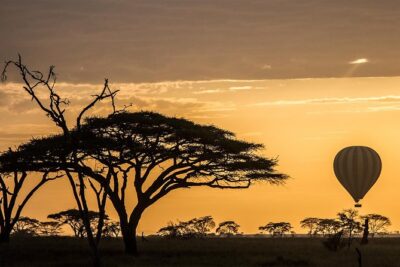 ★ 5.0Serengeti Balloon Safari and authentic bush breakfastFrom $5502,480 reviews
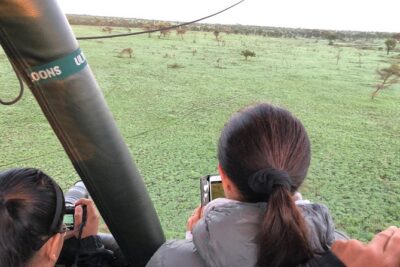 ★ 5.0Balloon Safari & Bush Breakfast in Serengeti – Miracle ExperienceFrom $5991,646 reviews
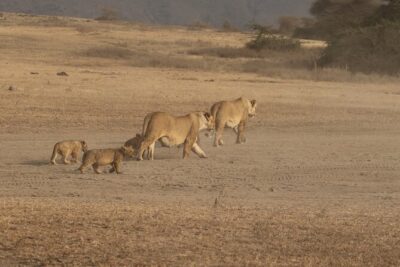 ★ 5.03 Days Serengeti & Ngorongoro Group Camping SafariFrom $815574 reviews
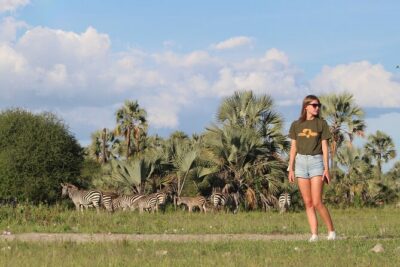 ★ 5.05-Day Highlights mid-Range Crater, Serengeti, TarangireFrom $2,327296 reviews
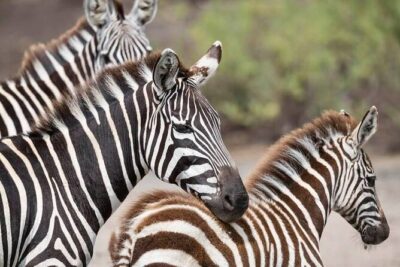 ★ 5.0Safari Serengeti And NgorongoroFrom $2,845288 reviews
 ★ 5.03-Day Classic Serengeti SafariFrom $1,455263 reviews
 ★ 5.0Private 6-Day Tarangire Manyara Crater and Serengeti with Mid-Range LodgesFrom $2,685238 reviews
 ★ 5.05 Days Camping Tarangire, Serengeti & Ngorongoro crater & Visiting MaasaiFrom $1,254229 reviews