
REVIEW · SERENGETI NATIONAL PARK SAFARIS
Latest Updates On The Top Best 3 day Serengeti Migration Safari
A wild migration in just three days sounds impossible. Then you remember the Serengeti is built for spotting animals, and this route is designed to keep you out on the savannah at the best times. You also get two memorable styles of wildlife viewing, Serengeti plains with constant movement, plus Ngorongoro Crater with its compact, high-density game.
I like that the plan is practical and safari-forward, with early drives in the heart of the park and a guide who looks for predator signs like footprints. My one real caution is comfort level and expectations: this is budget camping (Budget Nyani Campsite is listed), and you are moving through three major areas in a short window.
In This Review
- Key things to know before you go
- Serengeti migration in 3 days: why this route works
- Day 1 from Moshi area to Serengeti plains: setting yourself up for early sightings
- Day 2: morning Serengeti search using footprints, then the crater transfer
- Day 3 in Ngorongoro: crater morning drives and that picnic-lake stop
- Where Ndutu fits in, and how season changes what you’ll see
- Price at about $770 per person: what you get, what you should budget extra
- Transport and comfort: open-roof viewing with budget camps
- Who this safari is best for, and who should reconsider
- The safety and organization angle that keeps coming up
- Should you book this 3-day Serengeti migration safari?
- FAQ
- Where does this safari start and end?
- How much does the 3-day Serengeti migration safari cost?
- What wildlife season is best for the wildebeest migration and calving?
- What is included in the tour price?
- What costs are not included?
- What is the visa cost for this trip, and what about cancellation?
Key things to know before you go
- Open-roof 4×4 Land Cruiser: you get better views for photos and animal spotting.
- Early game drives: the schedule aims for morning activity when visibility and action are often best.
- Ngorongoro crater lunch by a lake: the crater lake area is a known “oasis” for hippos and birds in the plan.
- Migration timing matters: late June to October for migration movement, late January to February for calving season.
- Budget camping setup: expect basic facilities, but you are paying for wildlife time.
- Max 90 travelers: the group size cap can help keep the experience from feeling chaotic.
More of the Serengeti, drive by drive
- Safari Serengeti And Ngorongoro★ 5.0 · 288 reviews
- 5 Days Camping Tarangire, Serengeti & Ngorongoro crater & Visiting Maasai★ 5.0 · 58 reviews
- 4 Days Group Joining Camping Safari to Tarangire Serengeti Ngorongoro Crater★ 5.0 · 50 reviews
- 4 Day Private Tour Throughout Tarangire, Serengeti and Ngorongoro★ 5.0 · 42 reviews
Serengeti migration in 3 days: why this route works
If you only have a few days, the goal should be simple: get you into the right habitats quickly, then keep you out during prime animal hours. This safari does that by pairing the Serengeti National Park with Ngorongoro Crater, plus a planned stop at the Ndutu area for that extra migration context.
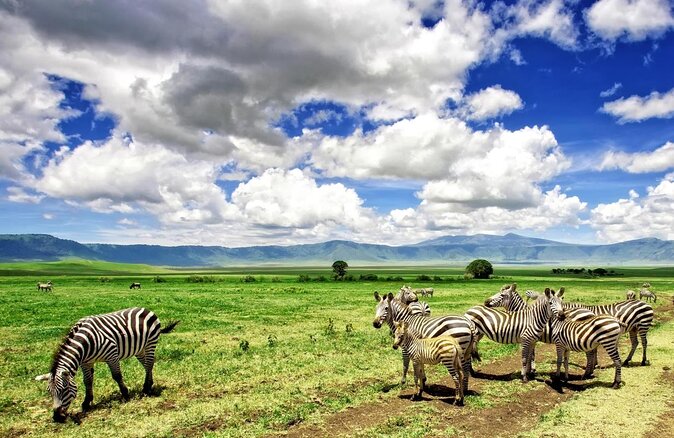
On the migration side, the key idea is timing. In the dry season (late June to October), wildebeest movement is often easier to track across open plains. The tour’s overview even notes the scale, with more than 2.5 million animals and migration lines that can stretch up to about 40 kilometers. In plain terms: when the season is right, you are not just seeing animals, you are seeing the migration as a story unfolding in front of you.
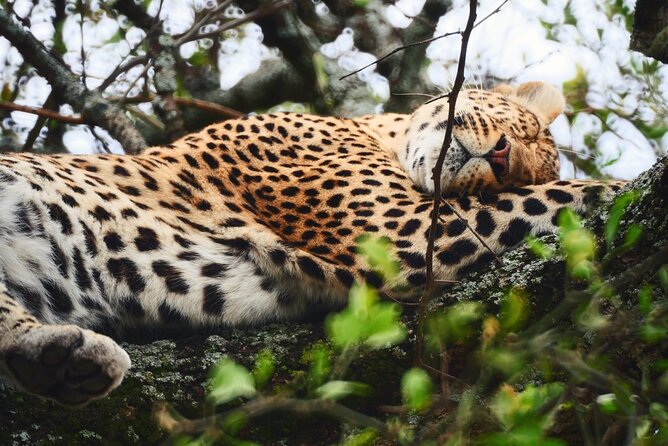
The crater is a different story. Instead of following movement across huge plains, you drive a wildlife “bowl” where many animals gather around water. That matters if you want Big Five odds without spending every day crisscrossing the park. The itinerary specifically emphasizes the crater’s animal “oasis” and the possibility of seeing lion, elephant, leopard, rhino, and buffalo.
Day 1 from Moshi area to Serengeti plains: setting yourself up for early sightings
You start from Moshi, and the plan is to leave Arusha early morning for the drive into Serengeti National Park. One practical advantage here is the route passes along the rim of Ngorongoro Crater area, which is mentioned as a chance for wildlife sightings en route. Even if you do not get dramatic action on the road, you start building momentum and animal context fast.
After lunch, the schedule shifts into a leisurely game drive in the Serengeti plains, then you sleep in the park area. The listed overnight is Budget Nyani Campsite. The food note is also clear for day one: water is included in all meals, while other drinks are not.
What I like about this first day is that it balances travel with game viewing. Some safaris rush into nonstop driving; others waste daylight. Here, you get a late lunch, then you go back out. That helps you avoid the common mistake of arriving tired, then losing the best light.
The possible drawback is that day one is still a travel day. If you are sensitive to long hours in a vehicle, plan for it. Also remember this is a budget campsite, so comfort will not be the main selling point.
Day 2: morning Serengeti search using footprints, then the crater transfer
Day two begins with an early-morning game drive across the heart of the Serengeti. The timing matters because mornings tend to produce more animal activity and better viewing light. The itinerary also describes a specific hunting style of the guide: they examine footprints on the ground to look for predators. That is not just a nice detail, it hints at how the drive is run. You are not waiting for the animals to come to you. Your guide is reading the environment.
Then the day transitions toward Ngorongoro Crater, with dinner and overnight included on that crater side.
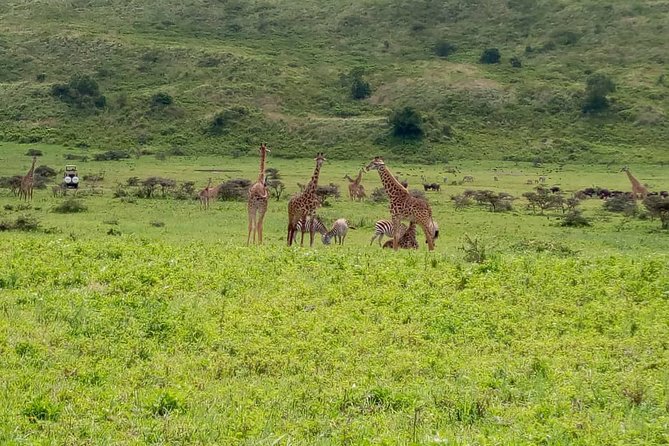
One value of this day structure is variety. You go from the open Serengeti ecosystem, where you might see grazers, predators, and mixed herds spread across the plains, to the crater landscape where the viewing can feel more concentrated. If you come with a photo goal, the open-roof vehicle helps you capture moments from better angles, especially when animals are close to the track.
A consideration: the more you switch zones in a day, the more you trade sleep for sightings. The plan leans into early starts, which is usually right for wildlife, but it is worth knowing in advance.
Chasing the herds? Compare these first
Day 3 in Ngorongoro: crater morning drives and that picnic-lake stop
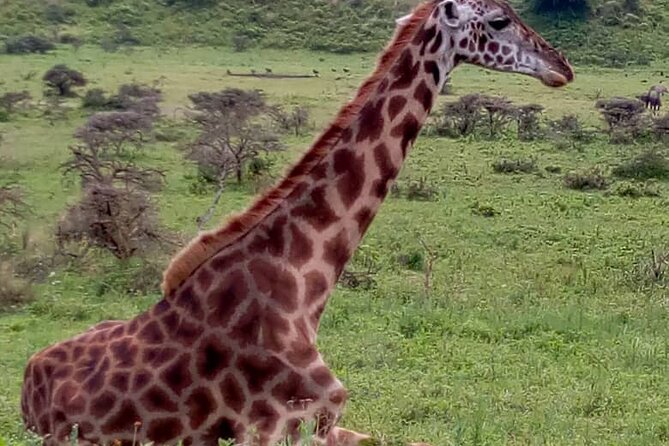
Your third morning starts with an early breakfast, followed by rushing into Ngorongoro Crater, since this is listed as the best time to spot animals. The tour is then built around a game drive around the crater plus a picnic lunch at a small lake inside the park.
That lake stop is not filler. The itinerary says the lake area is home to hippos and migratory birds. In crater conditions, a water source can attract animals you might not see elsewhere, and it can also draw bird life that makes the drive feel less repetitive.
The tour description also repeats an important promise: because the crater creates an animal oasis, you have a high possibility of seeing every member of the Big Five group. The realistic way to treat that is as an informed expectation, not a guarantee. Wildlife always has its own schedule. But the structure and timing are tuned toward maximizing your odds.
What makes day three feel special is pacing. Day one and day two get you into “big landscape” wildlife time. Day three shifts to “high density” viewing. If you want one day that feels like a safari highlight reel, this is usually it.
Where Ndutu fits in, and how season changes what you’ll see
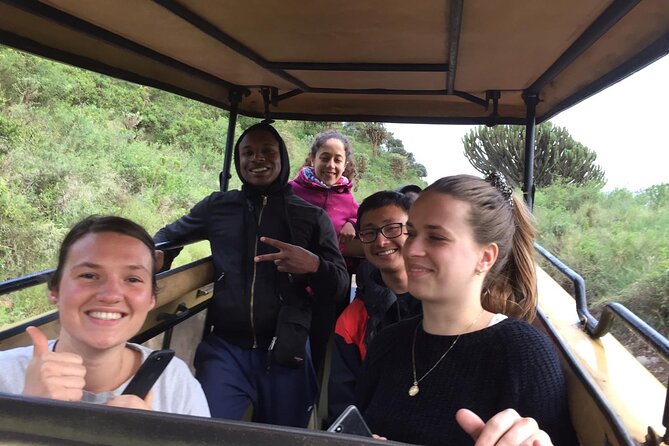
The overview for this 3-day safari is clear that it covers three popular destinations: Ndutu (1 night), Serengeti (1 night), and Ngorongoro Crater. But in the day-by-day details you provided, the day one overnight is listed as Budget Nyani Campsite in the Serengeti area. That means one important practical step is on you: when you book, confirm exactly which night is your Ndutu night and which camp is used.
Why does Ndutu matter? It ties directly to the season you choose. The tour’s overview says the dry season (late June to October) is best for wildebeest migration viewing. It also says late January and February is the best time for wildebeest calving. Ndutu is often associated with those calving-season plains when conditions support herds gathering and giving birth.
So here is the practical way to plan your expectations:
- If you go in the dry migration months, you’re more likely to see wildebeest movement patterns and predator action following the herds.
- If you go in late Jan or February, you are aiming for calving-season drama and the intense early-life survival moments.
If your trip dates are flexible, this is the single biggest lever you can pull for making your sightings feel like a true Great Migration story rather than a normal safari.
Price at about $770 per person: what you get, what you should budget extra
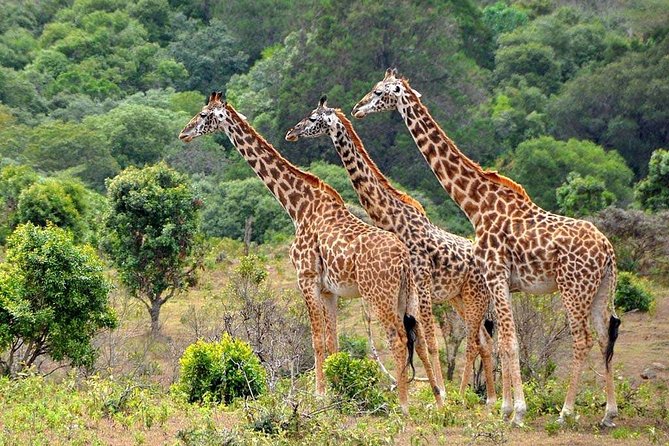
This safari is priced around $770.00 per person, and it’s booked on average 27 days in advance. The price is not just for driving. It lists all fees and taxes, budget accommodations, a professional English-speaking guide, and transport in a 4×4 Land Cruiser with an open roof.
That combination is the real value test. You are paying for:
- transportation that actually works for park roads and safari timing,
- a guide who can help you interpret animal signs,
- and camping-style lodging inside the safari rhythm.
Now for what is not included, because it affects your true total cost:
- Alcoholic beverages
- Domestic and international flights
- Travel and medical insurance
- Visa cost (listed as $50, except Canadian and USA passport holders at $100)
- Tips for safari guide and chef
- Extra activities like Serengeti balloon flight and Masai Village
- Personal items
The balanced way to think about the $770 figure is this: if you only add a visa and tips, it may feel fair. If you need flights plus insurance plus optional add-ons, your total grows quickly. If you hate surprise costs, do the math before you confirm.
Also, keep the budget accommodation in mind. Spending less on lodging can be totally worth it if wildlife time is your priority, but it is not the right choice if you want daily comfort upgrades.
Transport and comfort: open-roof viewing with budget camps
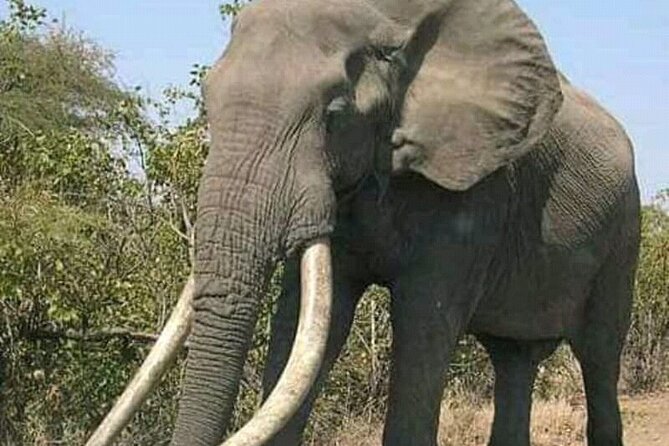
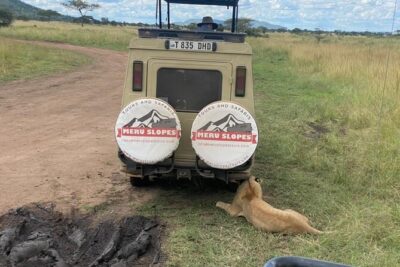
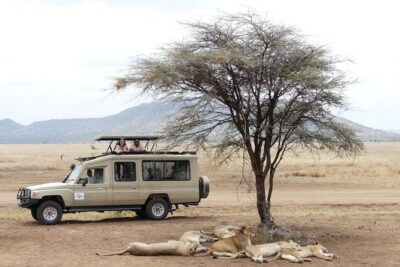
The itinerary is built around safari transport in a 4×4 Land Cruiser with an open roof. That open roof detail matters more than it sounds. It usually means better sightlines when animals appear at a distance or when you want to photograph without glass reflections.
The tradeoff is weather comfort. The tour info does not spell out blankets, jackets, or how cold mornings get. So pack smart for morning game drives and crater time. If you arrive thinking the sun will carry you through everything, crater mornings can remind you that it is still Africa, just in a different microclimate.
Lodging is listed as Budget Nyani Campsite and described as budget accommodations during safaris on a full body basis. That typically signals camping-style basics rather than upgraded lodge amenities. Again, not a deal-breaker, but it changes what you should look for: sleep, showers, and comfort should be treated as functional, not luxurious.
What you do get is the rhythm. You are not commuting back and forth. You spend nights in the safari areas, which helps keep your game drives aligned with early wildlife windows.
Who this safari is best for, and who should reconsider
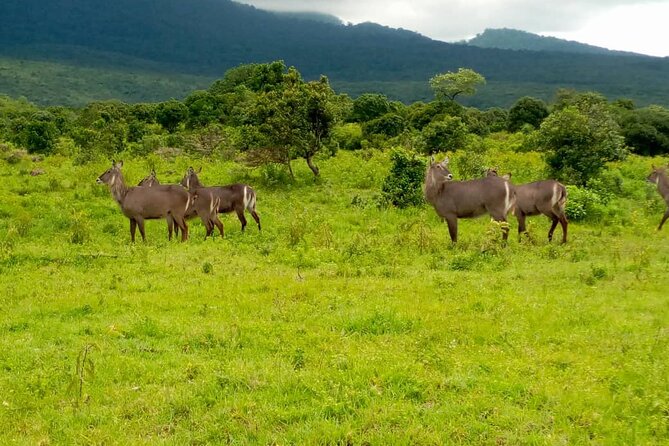
This safari suits you if:
- you want a fast, high-impact taste of Serengeti migration country,
- you like being on the road early and enjoy the hunt for signs,
- you are okay with budget camping to keep the focus on wildlife,
- you prefer an operator setup with open-roof 4×4 transport and an English-speaking guide.
You might reconsider if:
- you want lots of downtime and a slow pace,
- you are very sensitive to basic accommodations,
- you need a fully predictable schedule with zero early starts, because the plan is built around mornings and prime animal hours,
- your travel dates do not match your wildlife goal, since the overview emphasizes seasonality for both migration and calving.
The safety and organization angle that keeps coming up
In past feedback tied to this operator style of safaris, a few themes show up clearly: people value professional, efficient organization, a sense of safety, and the chance for close wildlife viewing and great photos. One name that comes up in the feedback is Elisha, praised for being knowledgeable and very humble. Another recurring note is that the trip is well run, including food support, with mention of an excellent cook and porter.
That matters because safari quality is not only about where you go. It is how smoothly you move you, your timing, and how confident you feel when something changes on the ground. A well-run guide team helps you stay calm and focused when wildlife is active and road choices shift.
Should you book this 3-day Serengeti migration safari?
If your priority is seeing the Great Migration areas without burning a full week, I think this is a solid way to do it, especially if you pick dates aligned with the season you want (late June to October for migration movement, late January to February for calving).
My “yes, but confirm these points” checklist:
- confirm your Ndutu night details, since the overview promises Ndutu, while the day-by-day excerpt lists Serengeti camping,
- budget extra for visa, tips, and insurance, and decide how much alcohol or optional add-ons you want,
- pack for early mornings and consider that budget camps mean simpler comfort.
If you want a fast, wildlife-first safari with open-roof viewing and two major wildlife settings, this 3-day route is worth serious consideration.
FAQ
Where does this safari start and end?
The tour starts at Tanzania Natural Tours Ltd in Moshi (Kilimanjaro Moshi), and it ends back at the same meeting point.
How much does the 3-day Serengeti migration safari cost?
The price is listed as $770.00 per person.
What wildlife season is best for the wildebeest migration and calving?
The dry season from late June to October is listed as the best time for wildebeest migration viewing. Late January and February are listed as the best time for wildebeest calving.
What is included in the tour price?
Included items are all fees and taxes, budget accommodations during safaris on a full body basis, a professional English-speaking guide, and transport in a 4×4 Land Cruiser with an open roof.
What costs are not included?
Not included are alcoholic beverages, domestic and international flights, travel and medical insurance, visa cost, tips for the safari guide and chef, extra activities such as Serengeti balloon flight and Masai Village, and personal items.
What is the visa cost for this trip, and what about cancellation?
Visa cost is listed as $50, except for Canadian and USA passport holders at $100. The tour offers free cancellation, and you can cancel up to 24 hours in advance for a full refund.
Following the Migration
- 6 Days Tanzania Budget Camping Safari with Migration
★ 5.0 · 31 reviews - Tanzania Safari – The Great Migration in the North of the Serengeti and Lake Natron
★ 5.0 · 25 reviews - 5 Days Tanzania Safari – Migration and Big 5 Safaris
★ 5.0 · 14 reviews - 5 Days Special Safari to see migration
★ 5.0 · 8 reviews - 8-Day Grumeti Migration Safari-Luxury Tour May-July
★ 5.0 · 7 reviews
The Serengeti, Three More Ways
- Safari Serengeti And Ngorongoro
★ 5.0 · 288 reviews - 5 Days Camping Tarangire, Serengeti & Ngorongoro crater & Visiting Maasai
★ 5.0 · 58 reviews - 4 Days Group Joining Camping Safari to Tarangire Serengeti Ngorongoro Crater
★ 5.0 · 50 reviews - 4 Day Private Tour Throughout Tarangire, Serengeti and Ngorongoro
★ 5.0 · 42 reviews - 7 Days Safari. Serengeti, Tarangire, Lake Manyara & Ngorongoro Crater.
★ 5.0 · 34 reviews
Just added from around Moshi
Serengeti National Park Safaris, compared.
 ★ 5.0Serengeti Balloon Safari and authentic bush breakfastFrom $5502,480 reviews
 ★ 5.0Balloon Safari & Bush Breakfast in Serengeti – Miracle ExperienceFrom $5991,646 reviews
 ★ 5.03 Days Serengeti & Ngorongoro Group Camping SafariFrom $815574 reviews
 ★ 5.05-Day Highlights mid-Range Crater, Serengeti, TarangireFrom $2,327296 reviews
 ★ 5.0Safari Serengeti And NgorongoroFrom $2,845288 reviews
 ★ 5.03-Day Classic Serengeti SafariFrom $1,455263 reviews
 ★ 5.0Private 6-Day Tarangire Manyara Crater and Serengeti with Mid-Range LodgesFrom $2,685238 reviews
 ★ 5.05 Days Camping Tarangire, Serengeti & Ngorongoro crater & Visiting MaasaiFrom $1,254229 reviews
Browse the lists this tour appears in