
REVIEW · SERENGETI NATIONAL PARK SAFARIS
8-Day Grumeti Migration Safari-Luxury Tour May-July
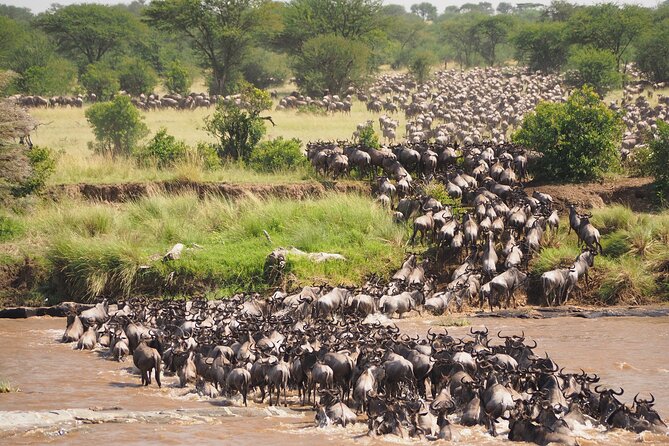
Grumeti crossing odds improve with this route. This 8-day luxury safari is built to cover both the Seronera area and the western corridor around the Grumeti River during the May to July migration window.
I especially like the way the trip treats the “big trip” days as real wildlife days, not just transit days, with repeated game drives aimed at big cats and big five. I also like the very practical touch of meal service on safari, including a properly set hot lunch (soup, bread rolls, a main dish, fruits salad) and warm drinks, with the table set under your car shade.
The main tradeoff is straightforward: it costs a lot, and it also depends on good weather to run well and support wildlife viewing. If you are hoping for total control over the exact timing of the river crossing, you should plan for some uncertainty.
In This Review
- Key Highlights You’ll Actually Care About
- Why May to July Timing Matters for the Grumeti River Crossing
- Day 1 Arusha Dinner and the Mount Meru Starting Point
- Tarangire National Park: Elephants, Birds, and a More Relaxed Rhythm
- Lake Manyara: 400 Bird Species Potential and Lion Drama in the Trees
- Serengeti Days 4 to 6: Big Cats Plus Two Migration-Window Viewing Bases
- Day 4: Serengeti for big cats, then on to Ngorongoro
- Day 5: Grumeti area focus for the river crossing chance
- Day 6: Seronera central Serengeti for resident wildlife and big five searching
- Ngorongoro Conservation Area and the Crater Day That Starts Early
- Luxury Camps, Close-to-Nature Feel, and Meals That Keep You Comfortable
- The Guides and Drivers: Why the Small Things Earn Big Points
- Price and Logistics: Is $6,276 Per Person Actually Value?
- Who This Safari Fits Best, and Who Should Reconsider
- Should You Book This 8-Day Grumeti Migration Luxury Safari?
- FAQ
- Where does the safari start and end?
- How long is the tour?
- Which areas will we visit?
- Are meals included?
- Are park fees included?
- Is this a private tour?
- Is the safari vehicle air-conditioned?
- What are tips like?
- What is the cancellation policy and what if the weather is poor?
Key Highlights You’ll Actually Care About
- Two Serengeti zones instead of one fixed spot helps improve your chances during May to July migration conditions.
- Lunch is handled like a real meal with a set table, hot food, and drinks, not a quick snack stop.
- Ngorongoro crater is an early, full game-drive day after an included overnight in the area.
- Guide quality shows up in the details like finding animals, water being available, and careful driving.
- Private tour, just your group keeps the pace more flexible and the experience more personal.
- Park fees for non-residents plus meals are included, which makes the price easier to judge.
More of the Serengeti, drive by drive
- Safari Serengeti And Ngorongoro★ 5.0 · 288 reviews
- 5 Days Camping Tarangire, Serengeti & Ngorongoro crater & Visiting Maasai★ 5.0 · 58 reviews
- 4 Days Group Joining Camping Safari to Tarangire Serengeti Ngorongoro Crater★ 5.0 · 50 reviews
- 4 Day Private Tour Throughout Tarangire, Serengeti and Ngorongoro★ 5.0 · 42 reviews
Why May to July Timing Matters for the Grumeti River Crossing
This safari is aimed at the Grumeti migration, and the big selling point is simple: you get coverage in two different places during the same trip. The route is designed so you are not only banking on one area for the crossing, which is a smart approach when river-crossing timing can shift.
From the May to July window, the western corridor around the Grumeti River is where you’re trying to be when wildebeest are most likely moving through. And by adding Seronera in central Serengeti, you gain another strong wildlife base for game drives while you’re waiting for that crossing chance to line up.
Also, the safari doesn’t treat migration like the only wildlife worth seeing. Even in a migration-focused trip, you still spend days searching for big cats and big five, and that matters if the crossing is delayed or quiet in your exact viewing window.
Day 1 Arusha Dinner and the Mount Meru Starting Point
You start by meeting your guide and transferring to Arusha, with dinner and an overnight at a hotel. Arusha is the kind of gateway town that helps you settle in without immediately throwing you onto rough long drives.
What I like about this setup is that it gives you a buffer day. You can get your bearings, handle any small first-day logistics, and show up ready to focus once the parks start.
Arusha also sits at the base of volcanic Mount Meru, and it is positioned about 100 kilometers southwest of Mount Kilimanjaro. That geography matters in a mental way, because you’re starting in the foothills region that connects multiple safari areas.
Tarangire National Park: Elephants, Birds, and a More Relaxed Rhythm
Tarangire is your first full safari day, with a game drive from morning into the afternoon and lunch mid-day, followed by more driving into the evening.
This park has a reputation in the trip for good reason: it is famous for elephant movement, birding, and a calmer safari feel compared to the most crowded routes. If you like wildlife that you can watch without constantly fighting traffic or noise, Tarangire is a strong opening act.
Lunch is one of those details that turns a long day into a comfortable one. Your driver sets up a hot meal on safari, including soup, bread rolls, a main dish, and fruits salad. Then you get a glass of wine plus tea and coffee afterward, which sounds fancy, but the real benefit is fuel and downtime when you need it.
Only consideration: the park is a bit off the main safari route, so it may not feel like a “quick hop” day. If you hate getting in the car for hours, you’ll still have a driving-heavy schedule. On the plus side, you’ll likely feel more relaxed once you’re out in the bush.
Chasing the herds? Compare these first
Lake Manyara: 400 Bird Species Potential and Lion Drama in the Trees
After breakfast, you drive to Lake Manyara for a full day of game drives, again with lunch set up during the middle of the safari day and more driving after.
Manyara stands out because it’s one of Tanzania’s birding standouts. More than 400 bird species have been recorded here, and even a first-time visitor might reasonably expect to spot around 100 in one day. If you like photographing wings, calls, and quick movements in the trees, this is a smart day to anchor your schedule.
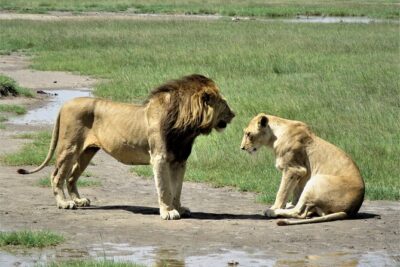
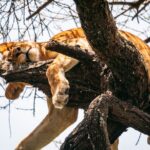
Lake Manyara is also where tree-climbing lions show up in the conversation, plus elephants with impressively tusked appearances. That combo, birdlife plus a chance of a rare-feeling predator moment, is a great early motivator.
A practical note: because you are doing full-day drives, bring what keeps you comfortable for longer periods, like sun protection and layers for cooler breaks. The itinerary pattern keeps you out during the main viewing hours, and that is where you’ll earn the payoff.
Serengeti Days 4 to 6: Big Cats Plus Two Migration-Window Viewing Bases
You get multiple Serengeti-focused days, and that’s where this itinerary does something more thoughtful than a one-night or two-day Serengeti loop.
Day 4: Serengeti for big cats, then on to Ngorongoro
Day 4 begins with breakfast and a game drive in Serengeti, with afternoon time aimed at big cats and big five viewing. Late afternoon you drive to Ngorongoro for your lodge or camp dinner and overnight.
What I like here is the pacing. You’re not stacking all the “hardcore wildlife hours” into a single day. You get a Serengeti day, then you move toward Ngorongoro so the crater day later is easier and more relaxed.
Day 5: Grumeti area focus for the river crossing chance
Day 5 is the day that zooms in on the migration theme, with a game drive in the Serengeti western site, the Grumeti area, for river crossing viewing. This is the “stay focused on the prize” day, with another round of lunch and continued driving until evening.
This is exactly where the May to July logic matters. The western corridor is where the package is trying to place you during the period when migration tends to be present. And even if the crossing is not happening the second you arrive, you still get time to scan, look for predators that gather around movement, and enjoy the general Serengeti wildlife density.
Day 6: Seronera central Serengeti for resident wildlife and big five searching
Day 6 shifts you to Seronera, the central Serengeti area, for additional game drives and another day of lunch and wildlife viewing.
I like this second Serengeti base because it keeps you in the action even if river-crossing conditions are quiet. Seronera also gives you a steady chance at resident wildlife, including big five searching. The trip describes Serengeti as having healthy stock of resident wildlife, and specifically notes large lion populations believed due in part to abundant prey species.
Ngorongoro Conservation Area and the Crater Day That Starts Early
Day 7 takes you to the Ngorongoro Conservation Area for game drives before dinner and overnight at the camp or lodge. Then on Day 8 you have an early breakfast, drive to Ngorongoro Crater, and do your game drive there in the afternoon, followed by lunch and then the drive back to Arusha and drop-off at the airport.
The crater itself is described in concrete, impressive numbers. It is about 20 kilometers across, around 600 meters deep, and roughly 300 square kilometers in area. It is described as the largest un-flooded and unbroken caldera in the world, and it is clearly meant to feel like the big finale.
The trip also includes a stop at Lake Magadi within the crater visit. That kind of add-on matters because it turns the crater from only a driving-and-scanning moment into a fuller nature experience.
One more migration flavor shows up in the wording used for the Ngorongoro segment, referencing wildebeest columns and crocodile-infested water during the annual exodus. Even without guaranteeing what you will see on a single day, it adds context for why this whole circuit is built around water crossings and movement.
Luxury Camps, Close-to-Nature Feel, and Meals That Keep You Comfortable
The safari is promoted as luxury stays in lodge and tented camps close to nature. While the exact property names aren’t provided here, the overall promise is consistent: you rest somewhere that feels part of the landscape, not removed from it.
What makes the luxury feel practical is how your safari day is structured around comfort breaks. The driver sets up a full hot lunch in the middle of the day, under car shade. That means you’re not just eating in a parking lot and then rushing back into game drive mode.
You get the same style of lunch pattern across the safari days: soup, bread rolls, a main dish, and fruit salad, plus a glass of wine and tea and coffee. That is a lot of food planning, and it matters in Africa where long days can add up fast.
If you care about safe, clean lodging, you should take the review hints seriously. One guest specifically said safety and cleanliness were their priority and that the camp recommended met their satisfaction. That kind of comfort check is worth weighing when you’re paying for luxury.
The Guides and Drivers: Why the Small Things Earn Big Points
This is where the reviews are unusually clear. The tour quality seems to ride heavily on the guide and the driving, and you can see that in how different names show up.
- Calvin Kileo is highlighted as a best driver ever, conscientious, and attentive about details like water being available.
- Bariki is praised for captivating storytelling and his ability to locate even hidden animals.
- Morris and Willam are mentioned for excellent animal-finding skills and abundant animal knowledge, plus careful driving.
- Ombeni (also spelled Ombenni in one note) is praised as conscientious and careful, with the guide checking things like whether people were hot or cold.
One review also mentions the vehicle had air conditioning, which is not a small perk when you’re spending hours in the car on park roads.
If you want to get more out of your day, treat your guide like part of your experience, not just a chauffeur. Ask questions during scanning breaks. Use your guide’s eye and timing, especially on migration-focused days where the best viewing spots can change quickly.
Price and Logistics: Is $6,276 Per Person Actually Value?
At $6,276 per person for an 8-day private safari, you’re paying for several bundled costs and a particular style of travel.
Here’s what is included that helps the price make sense:
- Park fees for non-residents
- A professional driver/guide
- Roundtrip airport transfer
- Breakfast (8), lunch (7), dinner (7)
Those inclusions matter because safari budgets can get messy fast once you start adding park entries, guides, and full-meal days. Also, private tour means you are not sharing the experience with strangers, and that often improves pacing and comfort.
What is not included, and should factor into your total budget:
- International flights to Tanzania
- Additional accommodation before and at the end of the tour
- Tips, with a guideline of US$15.00 per person per day
- Personal items and visa fees
So the honest way to judge value is this. If your plan already includes flying in, paying for guide time, covering park entries, and wanting luxury-level stays with meals set for safari days, this package is easier to justify. If you want a cheaper trip, or you plan to self-organize the park logistics, then the premium will feel steep.
Who This Safari Fits Best, and Who Should Reconsider
This tour fits best if you want a luxury safari that is migration-focused but still grounded in real wildlife days. You’ll likely enjoy it most if you like:
- A structured route that covers both Seronera and the Grumeti western corridor
- Comfort-minded travel with full meals set up during game drives
- A private setup where the guide can focus on finding animals for your group
It may not fit as well if you:
- Have a tight budget and need every cost managed very low
- Hate the idea that a migration crossing can depend on weather and river timing
- Want a self-drive or completely flexible schedule with no fixed park sequence
The itinerary is built for May to July style migration viewing, so expect the experience to be about timing and wildlife concentration, not random wandering.
Should You Book This 8-Day Grumeti Migration Luxury Safari?
My take is that this is a strong choice if you’re coming for the migration theme but you want a “high comfort, high support” safari structure. The two Serengeti bases, Seronera plus the Grumeti western area, give you a better odds strategy than doing only one viewing zone. And the meal setup is not an afterthought. It is part of how you stay fresh for long game drive days.
Before you book, do one reality check: confirm your total budget includes tips and any extra night needs. Also, be mentally flexible about the exact crossing moment, since the safari requires good weather and wildlife viewing conditions are never fully guaranteed.
If those points work for you, this is the kind of safari that makes the whole trip feel cohesive, from Arusha arrival to the Ngorongoro crater finale.
FAQ
Where does the safari start and end?
It starts with a transfer from Kilimanjaro Airport. On the last day, you drive back to Arusha and are dropped off at the airport.
How long is the tour?
The tour is 8 days, approximately.
Which areas will we visit?
You’ll visit Arusha, Tarangire National Park, Lake Manyara National Park, Serengeti National Park (including the Seronera area and the Grumeti area), Ngorongoro Conservation Area, and Ngorongoro Crater.
Are meals included?
Yes. Breakfast is included for 8 days, lunch is included for 7 days, and dinner is included for 7 days.
Are park fees included?
Park fees are included for non-residents.
Is this a private tour?
Yes. This is a private tour/activity, so only your group participates.
Is the safari vehicle air-conditioned?
One guest review specifically mentioned that the car has air conditioning.
What are tips like?
Tips are not included. The provided guideline is US$15.00 per person per day.
What is the cancellation policy and what if the weather is poor?
You can cancel for free up to 24 hours in advance for a full refund. The experience requires good weather, so if it is canceled due to poor weather, you will be offered a different date or a full refund.
More Lodge Safaris
- 8-Day Essence of Tanzania Safari – Luxury
★ 5.0 · 72 reviews - 7-Day Magical Tanzania Safari -Premium High End Package
★ 5.0 · 53 reviews - Tanzania Luxury Safari
★ 5.0 · 48 reviews - 5-Day Majestic Tanzania Safari – High End All Inclusive
★ 5.0 · 44 reviews - 7-Day Tanzania Odyssey Safari- High End Tour
★ 5.0 · 35 reviews
Following the Migration
- 6 Days Tanzania Budget Camping Safari with Migration
★ 5.0 · 31 reviews - Tanzania Safari – The Great Migration in the North of the Serengeti and Lake Natron
★ 5.0 · 25 reviews - 5 Days Tanzania Safari – Migration and Big 5 Safaris
★ 5.0 · 14 reviews - Latest Updates On The Top Best 3 day Serengeti Migration Safari
★ 5.0 · 9 reviews - 5 Days Special Safari to see migration
★ 5.0 · 8 reviews
The Serengeti, Three More Ways
- Safari Serengeti And Ngorongoro
★ 5.0 · 288 reviews - 5 Days Camping Tarangire, Serengeti & Ngorongoro crater & Visiting Maasai
★ 5.0 · 58 reviews - 4 Days Group Joining Camping Safari to Tarangire Serengeti Ngorongoro Crater
★ 5.0 · 50 reviews - 4 Day Private Tour Throughout Tarangire, Serengeti and Ngorongoro
★ 5.0 · 42 reviews - 7 Days Safari. Serengeti, Tarangire, Lake Manyara & Ngorongoro Crater.
★ 5.0 · 34 reviews
Just added from around Moshi
Serengeti National Park Safaris, compared.
 ★ 5.0Serengeti Balloon Safari and authentic bush breakfastFrom $5502,480 reviews
 ★ 5.0Balloon Safari & Bush Breakfast in Serengeti – Miracle ExperienceFrom $5991,646 reviews
 ★ 5.03 Days Serengeti & Ngorongoro Group Camping SafariFrom $815574 reviews
 ★ 5.05-Day Highlights mid-Range Crater, Serengeti, TarangireFrom $2,327296 reviews
 ★ 5.0Safari Serengeti And NgorongoroFrom $2,845288 reviews
 ★ 5.03-Day Classic Serengeti SafariFrom $1,455263 reviews
 ★ 5.0Private 6-Day Tarangire Manyara Crater and Serengeti with Mid-Range LodgesFrom $2,685238 reviews
 ★ 5.05 Days Camping Tarangire, Serengeti & Ngorongoro crater & Visiting MaasaiFrom $1,254229 reviews
Browse the lists this tour appears in