
REVIEW · SERENGETI NATIONAL PARK SAFARIS
Tanzania Safari – The Great Migration in the North of the Serengeti and Lake Natron
Great Migration season makes this trip electric. You get the North Serengeti crossings, then you unwind with Lake Natron flamingos and a very different kind of nature at Oldoinyo Lengai. I love that the plan is built around timing (July to October for the North), and I also love how much is packed in without it feeling like a mad dash. One consideration: this is a full-on safari with several long park days, so you will want to be comfortable spending lots of hours in a 4×4 and outdoors.
What really shines for me is the mix of habitats. You move from Lake Manyara’s Rift Valley variety and huge bird life, to the Ngorongoro Crater’s “pan” of wildlife, to the open grasslands of Serengeti where sightings tend to be easier. I also like the operator’s strong service vibe, with guide praise in the form of names like John, Naftal, and Beni showing up again and again.
The main drawback to plan around is physical effort and expectations. There are walking components, including a guided trek near Oldoinyo Lengai where you wade through shallow water to reach a waterfall, plus a walk along Lake Natron shores. If you want a fully sit-and-drive safari, this one may feel more active than you expect.
In This Review
- Key highlights to know before you go
- Great Migration season: when the North Serengeti actually delivers
- Price and value: what $4,974 includes and where cost can creep in
- Lake Manyara’s Rift Valley mix on day one
- Ngorongoro Crater: the wildlife bowl you can’t ignore
- Serengeti National Park and the Mara Region: where crossings come alive
- Lake Natron and Oldoinyo Lengai: flamingos, sacred slopes, and water-on-feet
- Tarangire twice: baobabs and the river that gathers life
- Day eight in Arusha: what a smooth wrap-up looks like
- Who should book this safari, and who should rethink it
- Should you book it?
- FAQ
- How long is the safari?
- Where does the trip start and end?
- What is included in the price?
- What is not included?
- Is this a private tour?
- When is the Great Migration most targeted in this plan?
- Is there any walking during the safari?
- Do you do game drives or just sightseeing?
- What wildlife-related features are emphasized at Lake Natron?
- What is the cancellation cutoff for a full refund?
Key highlights to know before you go
- North Serengeti Great Migration focus (July to October): you’re targeting the time when wildebeest and zebra herds gather and cross.
- Ngorongoro Crater as a natural wildlife arena: a collapsed volcanic caldera holding thousands of large animals.
- Lake Natron flamingo season chemistry: the alkaline lake and cyanobacteria are what draw the birds in dry months.
- Oldoinyo Lengai experience: a sacred volcano with natro-carbonatitic lava, plus a waterfall walk that includes water-on-feet.
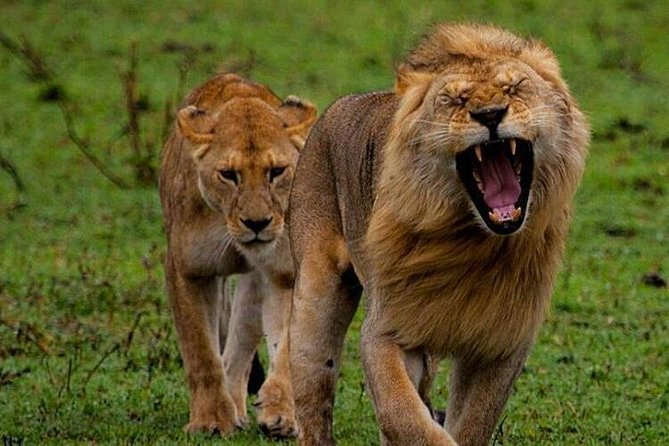
- Tarangire’s “river of life” rhythm: elephants, lions, and baobabs drawn to water during drier periods.
- Private, all-in feel: private transport in a safari circuit vehicle, plus full board and park fees included.
More of the Serengeti, drive by drive
- Safari Serengeti And Ngorongoro★ 5.0 · 288 reviews
- 5 Days Camping Tarangire, Serengeti & Ngorongoro crater & Visiting Maasai★ 5.0 · 58 reviews
- 4 Days Group Joining Camping Safari to Tarangire Serengeti Ngorongoro Crater★ 5.0 · 50 reviews
- 4 Day Private Tour Throughout Tarangire, Serengeti and Ngorongoro★ 5.0 · 42 reviews
Great Migration season: when the North Serengeti actually delivers
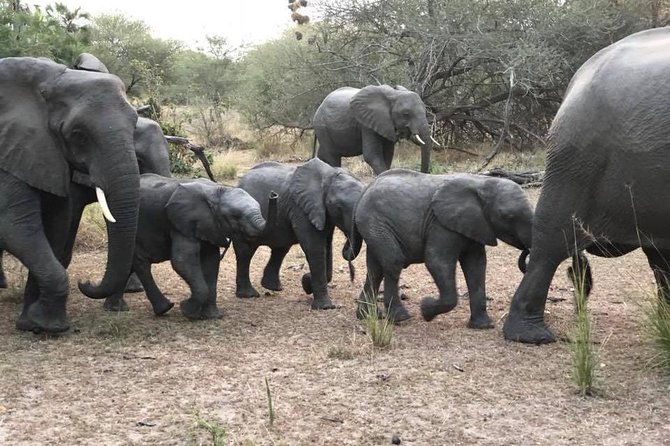
If your mental picture of Serengeti comes from documentaries, this is the version you hope for. The key word is North, because between July and October the herds tend to gather in the northern part of the ecosystem, where you have a real chance to see the big crossing moments. The Great Migration is massive, with around 1.5 million wildebeest and about 300,000 zebras highlighted for the Serengeti ecosystem, and that scale matters because the animals can move quickly once conditions shift.
Here’s the practical part: migration viewing is never 100 percent guaranteed. But your odds improve when the route is designed for the seasonal geography of where water and pasture are moving. This tour’s flow keeps you in the right region at the right time, which is exactly what you want to avoid that sinking feeling of being in the wrong place.
I also like that the plan pairs Serengeti with stops that keep the story going. You do not just “arrive, drive, and leave.” You move through different ecosystems that explain why animals do what they do, from crater bowls to open grasslands to the alkaline Rift Valley lakes.
Price and value: what $4,974 includes and where cost can creep in
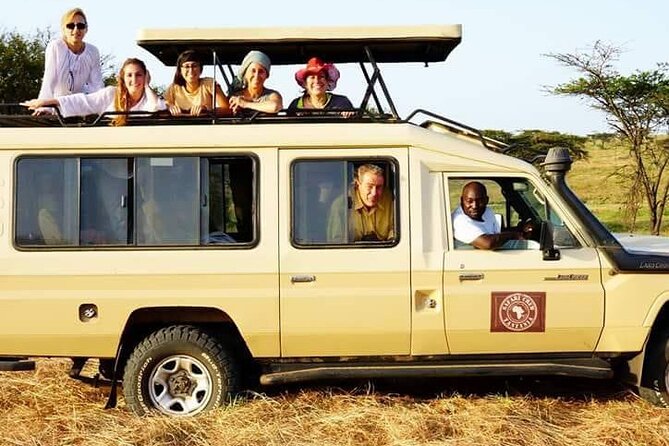
$4,974 per person is not cheap. But when you break down what is included, it becomes easier to judge whether it’s sensible for your budget. This price comes with private transportation, safari circuit in a 4×4, full board, and park fees. It also includes transfers and water on board, plus AMREF insurance.
That matters because, in many trips, “cheap on paper” often turns into expensive after you add park entry, guides, vehicle time, and meals. Here, you get a big chunk of the “hard costs” already covered. You still need to budget for what is explicitly not included, which includes international and local flights, the visa, drinks, personal extras, and tipping (listed as Mance).
One more value angle: it’s a private tour/activity, meaning only your group participates. If you are traveling as a couple or a small family, private can be a good match for flexibility, especially when migration viewing can require timing changes day to day.
Lake Manyara’s Rift Valley mix on day one
You start with Lake Manyara National Park, heading out from Arusha for a photo safari. The big appeal here is variety. Even though the park is not huge, it sits under the Rift Valley escarpment and mixes dense spring-fed forests, savannah, and marshy edges by the lake. That variety helps because animal sightings are not limited to one “look.”
I particularly like the bird and primate angle. Lake Manyara is known for colonies of baboons and vervet monkeys, and the park also has about 380 species of birds. If you enjoy wildlife beyond the usual big game focus, you’ll get plenty to watch.
What to keep in mind: flamingos are mentioned as a December to March highlight. Your trip is aimed at the Great Migration season, so you should not count on flamingos here. Still, the combination of elephants, giraffes, monkeys, and the bird action makes Lake Manyara a strong opener before you hit the heavier Serengeti days.
Chasing the herds? Compare these first
Ngorongoro Crater: the wildlife bowl you can’t ignore
Ngorongoro Crater is the kind of place that makes you understand why people keep coming back. It’s the collapsed top of an ancient volcano, forming a caldera with a “pan” around 16 to 20 kilometers wide. The key is that a savannah sits inside that bowl and supports more than 25,000 large animals.
You do a photo safari here, and the practical result is simple: with a wildlife-rich caldera, your chances to see animals during game drives tend to be strong, and you can focus on looking rather than chasing miles and miles of terrain. You’re also above sea level at the crater rim, which can mean cooler air than you expect. Comfortable layers help.
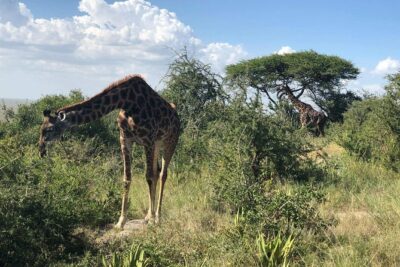
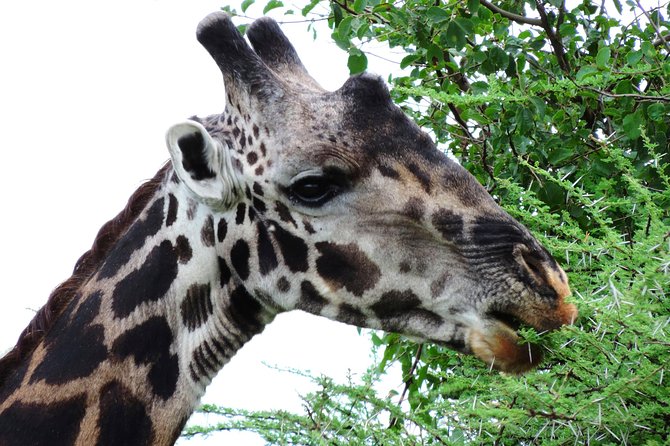
One detail worth filing away: the text notes that giraffes do not find nourishment here, so if giraffes are your top target, expect them to be less reliable at Ngorongoro. Everything else, including typical regional species, is fair game, and that includes large predators listed for the broader Serengeti ecosystem.
Serengeti National Park and the Mara Region: where crossings come alive
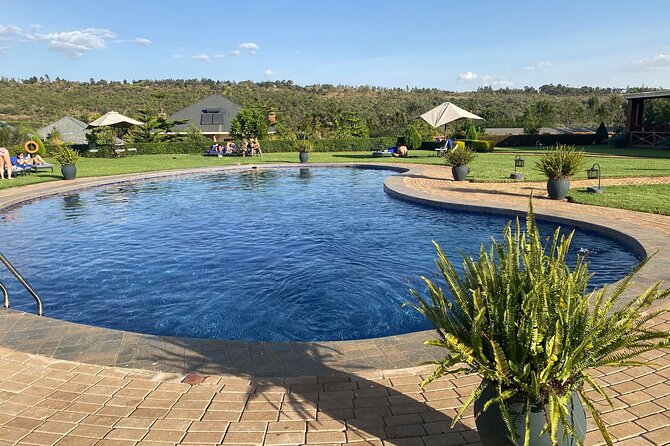
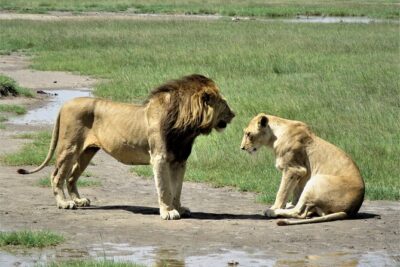
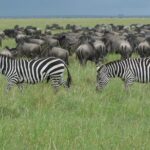
After the crater, you head into Serengeti National Park, the main star. The ecosystem numbers are staggering: more than 1.5 million wildebeest, about 300,000 zebras, large herds of Thompson’s gazelles, and multiple big cats including lions, leopards, and cheetahs are listed, plus elephants and crocodiles and hippos in the waterways.
Here’s why I like staging your Serengeti time across two days in the North: it gives you more than one shot at what matters. Migration viewing is tied to where herds are moving that day, and small changes in water or grazing can shift the action. With more time, you are less likely to feel like you saw one moment and then spent the rest of the day playing catch-up.
Then you push into the Mara Region, where the text is direct about the Great Migration timing between July and October. The Mara area is where open grasslands and the lack of tall trees can help with sightings. You’re not depending on luck alone. The ecosystem setup supports visibility.
What you should do as a viewer: stay patient, keep your eyes scanning for movement, and be ready for bursts of activity. The crossing scenes you see in documentaries usually come from hours of waiting punctuated by sudden, dramatic movement. If you go into it expecting constant action minute to minute, you might get cranky. If you go in expecting peaks after patience, you’ll enjoy it more.
Lake Natron and Oldoinyo Lengai: flamingos, sacred slopes, and water-on-feet
Day five is where the safari story shifts from grassland drama to Rift Valley strangeness.
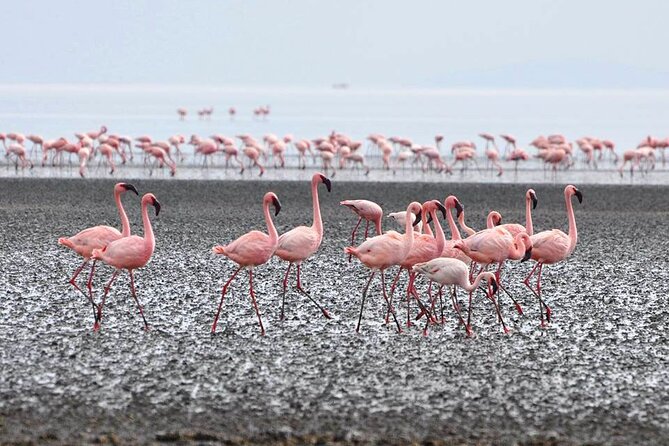
First you reach Lake Natron. This is a strongly alkaline lake in a rugged area of lava desert in far north Tanzania. It matters because the lake is a nesting area for millions of pink flamingos, especially during the dry season from June to October when they gather for the cyanobacteria present in high concentration in the lake waters.
If your travel window overlaps June to October, the flamingo odds are very good. Even if the action varies day to day, Lake Natron is still a stunning place to watch wildlife in a setting that looks almost otherworldly.
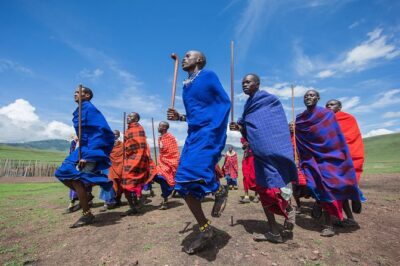
After that, you add Oldoinyo Lengai, the sacred volcano for the Maasai, described as the home of God Leng’ai. This volcano is also highlighted as the only one in the world to emit natro-carbonatitic lava, which is exactly the kind of weird-and-true natural detail safari geeks love.
The afternoon walk is where you need to be honest with yourself about effort. You hike along the Engare Sero stream through a narrow rocky gorge to a waterfall where it’s possible to swim. The text notes it’s not difficult, but you sometimes walk with your feet in the water, rarely reaching knee height. Bring a bathing suit and non-slip shoes, and plan to accept that your footwear might get wet. If you are traveling with someone who hates getting their shoes dirty, this stop could be annoying.
Tarangire twice: baobabs and the river that gathers life
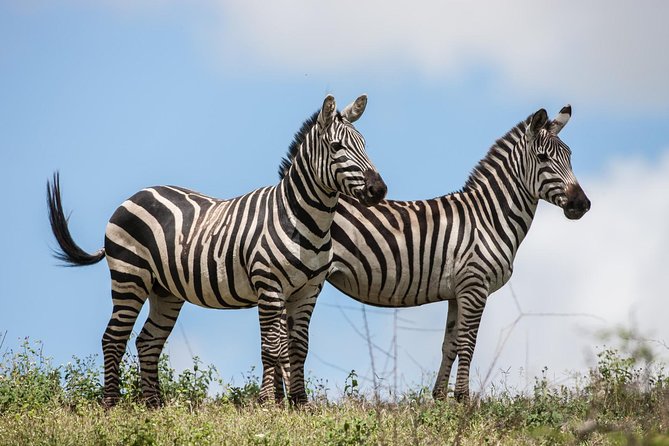
Tarangire is the “giants” park. You get it in two chunks, which is a smart way to handle a place that revolves around water. Tarangire covers about 2,600 square kilometers, and it’s described as a different environment from the other northern parks. It features colossal baobabs and large herds of elephants, and it has lions, leopards, buffaloes, wildebeest, zebras, and many antelopes listed, plus about 500 species of birds.
Most of the animal action funnels around the Tarangire River, which during the dry season becomes together with the Silale Marsh one of the only sources of available water. That “water first” logic is exactly what you want to take advantage of. You’re not just driving for fun sightings. You’re timing your viewing to where the ecosystem pulls animals in.
On day six you have an afternoon photo safari, then on day seven you go deeper with a full day drive. This gives you more time to scan for elephants near the river, track bird activity around water, and watch predators move through the same trails animals use.
A small caution: with two days in Tarangire, you may start to notice repeated sightings if the herds stay in the same water areas. But that’s not a failure. Staying power is part of Tarangire’s rhythm, and the river-based concentration is what makes it work.
Day eight in Arusha: what a smooth wrap-up looks like
The last day is a return to Arusha for lunch and transfer to the airport, either Kilimanjaro Airport or Arusha Airport. This kind of finish matters because long safaris can leave you mentally wired but physically tired. Having a straightforward handoff helps you avoid last-minute chaos.
If you’re building your broader trip around this safari, you’ll do best with a little buffer time after departure day. At minimum, plan for a relaxed pace once you land, because you will likely feel safari fatigue and sun fatigue at the same time.
Who should book this safari, and who should rethink it
This is a strong fit if you want the Great Migration experience with a North Serengeti focus, and you are happy with a pack of varied settings. I’d also say it fits travelers who like understanding the “why” behind animal movements, because the trip mixes grasslands, volcanic bowls, and alkaline lake ecosystems.
It’s also a good match if you value organization and guide quality. In the feedback you provided, people repeatedly name guides such as Naftal, Beni, and also mention Rocco as part of the team. That kind of consistency is often what turns a good safari into a memorable one.
Who should think twice? If you want a strictly low-effort trip with no walking, the Oldoinyo Lengai waterfall trek and the Lake Natron shore walk could be too much. If you hate waking early, you might find the schedule demanding, since multiple days are built around morning departures and game drives.
Should you book it?
Yes, I’d book it if your priority is Great Migration viewing in the North and you want more than just one type of wildlife scenery. The value comes from what’s already covered: park fees, full board, private 4×4 transport, and AMREF insurance. When you subtract those from what you would normally pay separately, the price starts to look less outlandish.
I’d also book it if you like variety in one trip. Lake Manyara opens the wildlife story with monkeys, birds, and Rift Valley habitat shifts. Ngorongoro gives you the big wildlife bowl moment. Serengeti and Mara focus you on the crossing window. Then Tarangire gives you a different kind of animal density tied to river life, and Lake Natron adds the surreal flamingo element.
My one final “think first” point: decide how you feel about walking in and around water. If you’re comfortable with that, you’ll enjoy the most distinctive parts of this safari.
FAQ
How long is the safari?
It runs for 8 days (approx.).
Where does the trip start and end?
It starts from Arusha and returns to Arusha on the final day, with transfers to Kilimanjaro Airport or Arusha Airport.
What is included in the price?
The tour includes private transportation, safari circuit by 4×4, full board (breakfast, lunch, dinner), transfers, park fees, AMREF insurance, and water on board, plus all fees and taxes.
What is not included?
International and local flights, the entry visa, drinks, lodge personal extras, and Mance (tipping) are listed as not included.
Is this a private tour?
Yes. It is a private tour/activity, and only your group participates.
When is the Great Migration most targeted in this plan?
The Great Migration in the North of the Serengeti is highlighted for July to October.
Is there any walking during the safari?
Yes. There is a foot excursion near Oldoinyo Lengai that includes walking along the Engare Sero stream to a waterfall, and it notes that you may walk with your feet in water. There is also a walk to Lake Natron shores.
Do you do game drives or just sightseeing?
The schedule includes photo safaris and game drives in Lake Manyara, Ngorongoro Crater, Serengeti, and Tarangire.
What wildlife-related features are emphasized at Lake Natron?
Lake Natron is described as a strongly alkaline lake with cyanobacteria that supports nesting for millions of pink flamingos, especially during June to October.
What is the cancellation cutoff for a full refund?
You can cancel up to 6 days in advance of the experience for a full refund.
Longer Trips Through the North
- Big Five Safari In Tanzania
★ 5.0 · 99 reviews - Unforgettable Tanzania Safari And Zanzibar Beach
★ 5.0 · 97 reviews - 8-Day Essence of Tanzania Safari – Luxury
★ 5.0 · 72 reviews - 4-day Tanzania Safari
★ 5.0 · 53 reviews - 7-Day Magical Tanzania Safari -Premium High End Package
★ 5.0 · 53 reviews
Following the Migration
- 6 Days Tanzania Budget Camping Safari with Migration
★ 5.0 · 31 reviews - 5 Days Tanzania Safari – Migration and Big 5 Safaris
★ 5.0 · 14 reviews - Latest Updates On The Top Best 3 day Serengeti Migration Safari
★ 5.0 · 9 reviews - 5 Days Special Safari to see migration
★ 5.0 · 8 reviews - 8-Day Grumeti Migration Safari-Luxury Tour May-July
★ 5.0 · 7 reviews
The Serengeti, Three More Ways
- Safari Serengeti And Ngorongoro
★ 5.0 · 288 reviews - 5 Days Camping Tarangire, Serengeti & Ngorongoro crater & Visiting Maasai
★ 5.0 · 58 reviews - 4 Days Group Joining Camping Safari to Tarangire Serengeti Ngorongoro Crater
★ 5.0 · 50 reviews - 4 Day Private Tour Throughout Tarangire, Serengeti and Ngorongoro
★ 5.0 · 42 reviews - 7 Days Safari. Serengeti, Tarangire, Lake Manyara & Ngorongoro Crater.
★ 5.0 · 34 reviews
Just added from around Moshi
Serengeti National Park Safaris, compared.
 ★ 5.0Serengeti Balloon Safari and authentic bush breakfastFrom $5502,480 reviews
 ★ 5.0Balloon Safari & Bush Breakfast in Serengeti – Miracle ExperienceFrom $5991,646 reviews
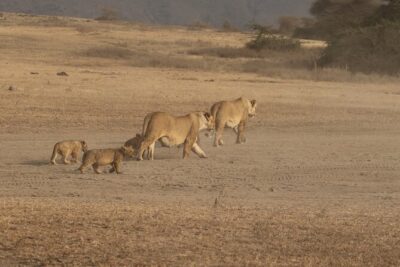 ★ 5.03 Days Serengeti & Ngorongoro Group Camping SafariFrom $815574 reviews
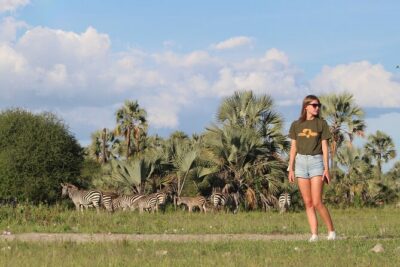 ★ 5.05-Day Highlights mid-Range Crater, Serengeti, TarangireFrom $2,327296 reviews
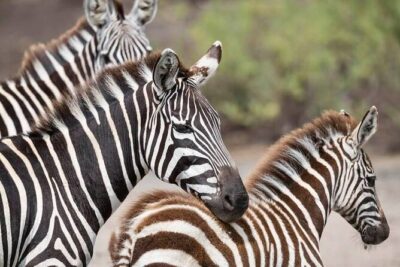 ★ 5.0Safari Serengeti And NgorongoroFrom $2,845288 reviews
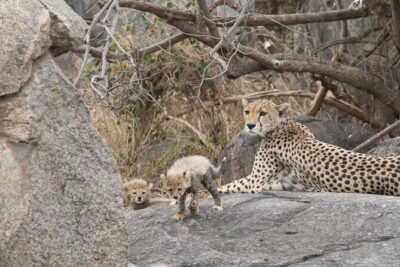 ★ 5.03-Day Classic Serengeti SafariFrom $1,455263 reviews
 ★ 5.0Private 6-Day Tarangire Manyara Crater and Serengeti with Mid-Range LodgesFrom $2,685238 reviews
 ★ 5.05 Days Camping Tarangire, Serengeti & Ngorongoro crater & Visiting MaasaiFrom $1,254229 reviews
Browse the lists this tour appears in