
REVIEW · MULTI-DAY NORTHERN CIRCUIT SAFARI PACKAGES
7-Day Tanzania Odyssey Safari- High End Tour
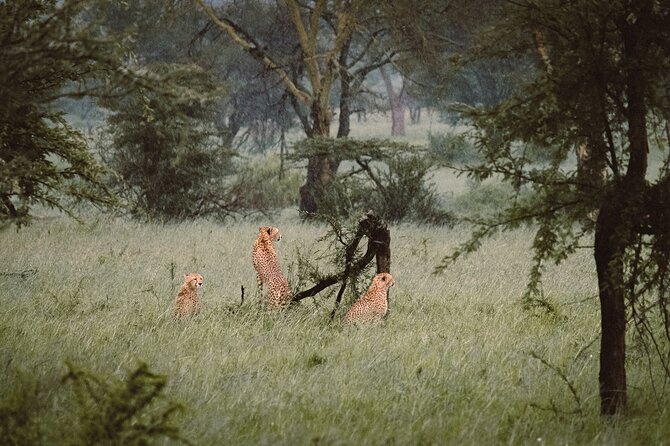
You are close to the action fast.
This 7-day, high-end Tanzania safari out of Moshi strings together Tarangire, Ngorongoro Crater, and the big-ticket Serengeti and Mara wildlife drama, with professional driving and a smooth handoff from Kilimanjaro Airport. Two things I really like are the focus on where the animals actually are (elephants and baobabs in Tarangire, black rhino odds in Ngorongoro, then the Great Migration route through Serengeti and the Mara) and the way the itinerary keeps you on safari long enough to catch multiple chances at predators and river crossings. One drawback to consider: the Mara River crossing part can be a timing gamble, so you’ll want realistic expectations about that one moment.
Over the week, you’ll also get a practical mix of “classic Africa” and specific wildlife mechanics. Think tree-climbing lions, a crater full of dense predators, and then that famous north-south migration rhythm. Add in guides with real field reps, like Frank Winstone, Elibariki, Albert, and Juma, and the trip feels less like a checklist and more like people who know how to read the bush are driving the schedule.
In This Review
- Key highlights worth your attention
- Price and what you’re actually paying for
- Day 1 in Arusha: your Kilimanjaro airport handoff
- Tarangire National Park: elephants, baobabs, and tree-climbing lions
- Ngorongoro Crater: picnic descent and black rhino odds
- Central Serengeti (Seronera): migration season energy
- Mara region arrival: the river is the story
- One more Mara game drive: your second chance at different scenes
- Day 7: Kogatende airstrip flight and back to Arusha
- Lodges and comfort level: the luxury tented-camp feel
- What guides like Frank Winstone, Juma, and Albert do differently
- Timing tips for Serengeti and Mara days
- Included vs. not included, so you can budget cleanly
- Should you book this 7-day Tanzania Odyssey?
- FAQ
- Where does the tour start and end?
- Is this a private safari or shared with other groups?
- What meals are included during the 7 days?
- Which parts of the trip include park fees?
- Are airport or departure taxes included?
- Do I need to tip, and is there a guideline?
- What if weather affects the safari?
- Can I cancel for a full refund?
Key highlights worth your attention
- Mara River crossings are a luck-and-stance game: herds may approach, then wait days before crossing.
- Ngorongoro is built for close-up wildlife density: it’s one of the best places in Tanzania for black rhino chances.
- Tarangire’s “only water in dry season” river matters: it concentrates elephants and other animals around one lifeline.
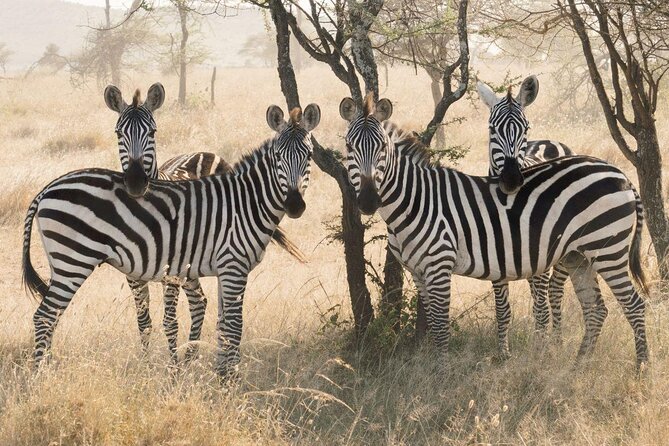
- Central Serengeti timing can line up with peak migration activity: July to October is known for migration and intense predator action.
- You get multiple full safari days in the Mara region: that increases your odds of seeing different scenes, not just one.
- Your guide can make the difference on camera shots: guides like Albert are known for spotting animals early and finding good viewing positions.
Longer northern circuit routes, side by side
- Big Five Safari In Tanzania★ 5.0 · 99 reviews
- Unforgettable Tanzania Safari And Zanzibar Beach★ 5.0 · 97 reviews
- 8-Day Essence of Tanzania Safari – Luxury★ 5.0 · 72 reviews
- 4-day Tanzania Safari★ 5.0 · 53 reviews
Price and what you’re actually paying for
At $7,630 per person for 7 days, this is not a budget safari. The value is in what’s bundled and what’s implied: park entrance fees, all accommodations, and all transportation, plus a professional driver/guide. You’re also getting six breakfasts, six lunches, and six dinners, which is a big part of keeping the days flowing without constant “what do we do for food?” stress.
Another value piece is how the route is structured around major wildlife zones rather than random stops. That matters because crossing distances in Tanzania can eat a day fast. Here, the days are grouped logically: Tarangire first, then Ngorongoro, then Serengeti and the Mara area where the migration action can play out.
The one “gotcha” is that the tour does not include airport or departure tax, and tips are expected. There’s also personal spending like souvenirs, travel insurance, and visa fees. If you’re the type who hates budgeting surprises, just plan those in before you go.
Day 1 in Arusha: your Kilimanjaro airport handoff
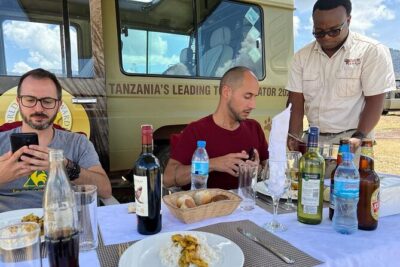
Your week starts at Kilimanjaro International Airport, where Gosheni Safaris staff picks you up and provides a short briefing about what’s ahead. Then you’re taken to Arusha Coffee Lodge for your overnight.
This first day matters more than it sounds. A good safari briefing helps you line up expectations for the kind of time you’ll spend in vehicles, what you’ll see on game drives, and how to make your photography work in real conditions. You also get the benefit of not having to negotiate transport after a long flight.
From a planning angle, I like that the trip is set up as a private tour, meaning only your group participates. That usually translates to better pacing and less “everyone stop, everyone wait” friction. It’s also why you’ll feel the biggest difference in how the driver/guide manages each day’s sightings.
Tarangire National Park: elephants, baobabs, and tree-climbing lions
After breakfast on Day 2, you head to Tarangire National Park. This is where the trip adds texture, because Tarangire is famous for elephants in large herds and the dramatic presence of baobab trees, often called the Tree of Life.
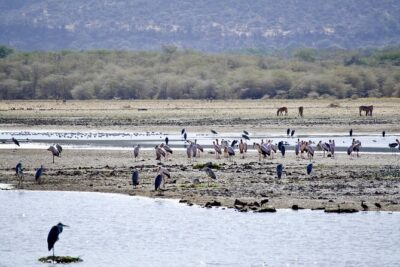
The practical reason Tarangire is so good is its Tarangire River, which flows all year. During dry seasons, it becomes a magnet for wildlife since it’s described as the only source of water for wild animals in that period. When animals cluster around water, you can get more consistent viewing without chasing forever.
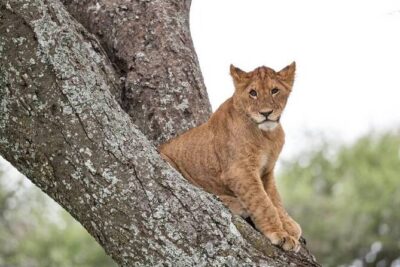
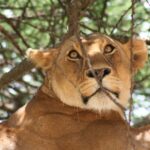
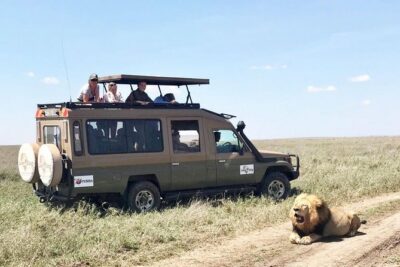
Then there’s the headline wildlife behavior: tree-climbing lions. That’s not a guarantee, of course, but it’s a real possibility in Tarangire and it’s the kind of sighting that makes people rethink what they thought they knew about lions.
If you care about getting your eyes adjusted to safari viewing, this day is a good warm-up. You’ll likely start to learn how quickly animals appear, how distant they can be, and how a good guide sets you up for a better viewing angle.
Lodge safaris in the same bracket
Ngorongoro Crater: picnic descent and black rhino odds
Day 3 drives you to Ngorongoro for a crater tour with a picnic descent to the crater floor, plus a day tour there. Ngorongoro isn’t just scenic. It’s described as extremely dense in wildlife, with about 20,000 mammals in the area and a noted presence of black rhinoceros, about 20.
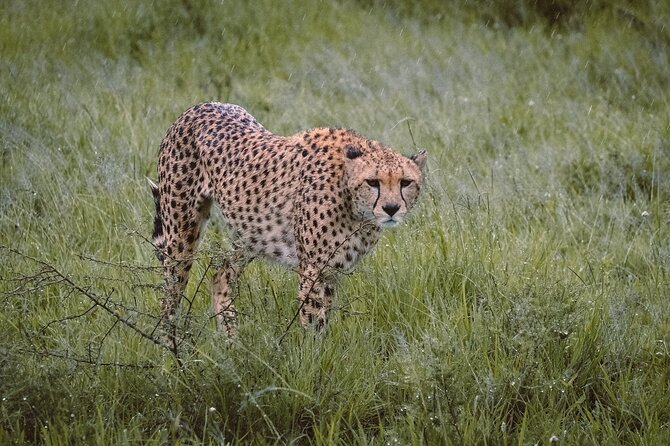
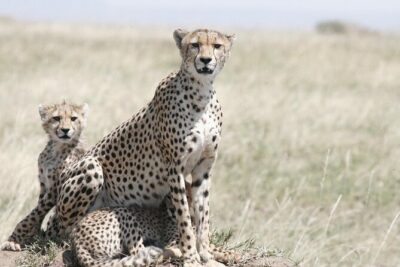
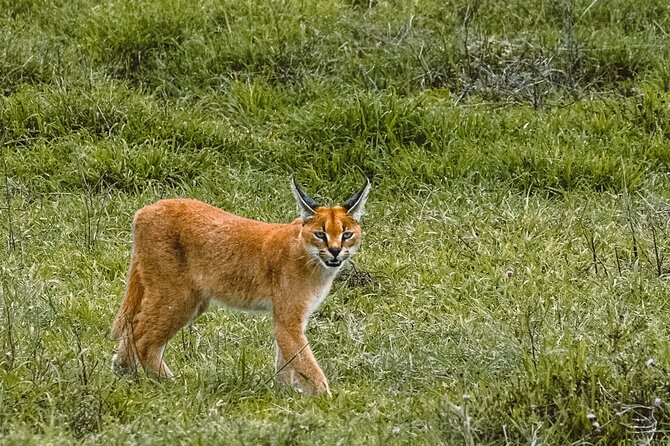
The other big plus is the carnivore density. Lions, cheetahs, hyenas, and jackals are commonly seen, while leopards, servals, and bat-eared foxes may show up depending on luck. That mix is important. It’s not only about rhinos, even though rhinos are the obvious draw. You’re likely to see predator-prey dynamics up close in a relatively contained setting.
A realistic consideration: Ngorongoro days can feel physically long because you go down into the crater and spend the bulk of the day searching and waiting for animals to move. Bring patience. Also, even with density, not every species shows every time, so the guide’s planning and positioning matters.
This is also one day where the best guides really shine. The reviews show a pattern of top guides finding strong camera positions and reading animal behavior early. If your guide is someone like Elibariki or Albert, you’re in good hands for maximizing time on sight.
Central Serengeti (Seronera): migration season energy
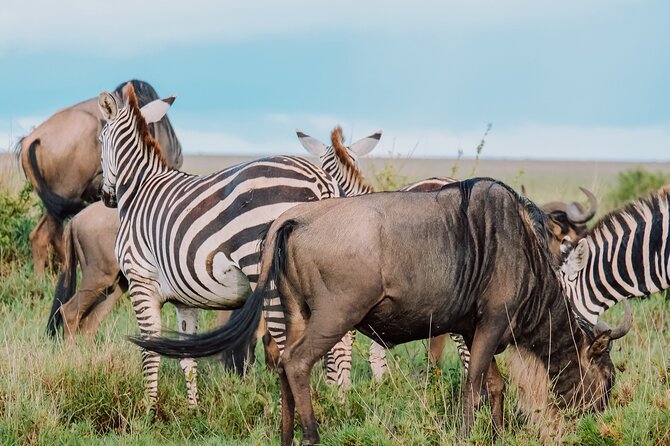
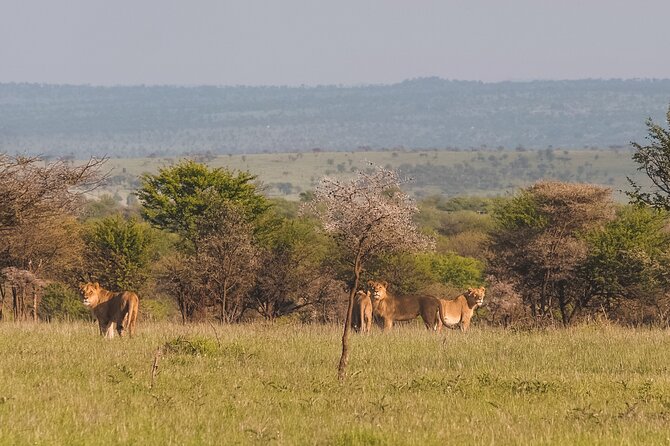
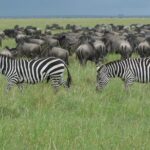
Day 4 is Central Serengeti National Park, with a game drive and a picnic lunch along the way. Serengeti is where the migration story becomes real, with annual movement of over 1.5 million wildebeest and hundreds of thousands of zebras, known especially for July through October.
This part of the itinerary includes the classic “survival” drama: wildebeest producing thousands of calves daily and then beginning a long migration loop again. The description also calls out predator intensity and territorial behavior, which is why Serengeti can feel more chaotic in a good way.
One detail I like: the trip gives you a sense of the process, not just the animals. You’re reminded that wildebeest calves are being born at the same time migration pressure is building. That changes what you might see. You may notice more young animals, more mother behavior, and predators targeting vulnerable moments.
Also, while you might not see every migration scene in one day, you’re in an area designed for it. The key is that your guide can adjust the day’s driving to conditions and animal movement instead of driving a fixed script.
Mara region arrival: the river is the story
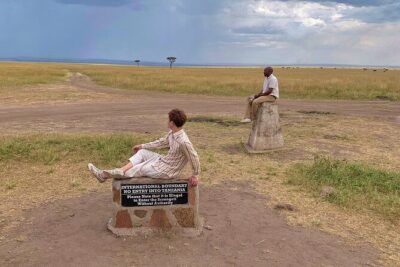
Day 5 moves you to the Mara area for a migration-focused game drive. Here, the emphasis is the Mara River, where herds can cross north one day, then go back south later. The big truth you should carry into this day: finding a crossing is challenging and sometimes comes down to luck.
Even when herds are next to the river, they may decide to cross only days later. That uncertainty is the tradeoff for choosing this famous location. You’re not paying for a guaranteed photo of wildebeest mid-water. You’re paying for multiple chances in the right ecosystem, and for being in the zone where the migration shows its most dramatic moments.
The Mara area is also described as varied, with kopjes, woodland, riverine vegetation, and open plains. Translation: you’re not just waiting by one spot. A good guide can help you interpret where animals are likely to travel next, so your time on the road stays productive.
If you want a safari that feels like it’s run by real-season timing, this is where it starts.
One more Mara game drive: your second chance at different scenes
Day 6 is another full game drive in the Mara region. This is an important design choice. Mara crossings are unpredictable, so stacking an extra day increases the odds you’ll see the action in at least one form, whether that’s the river scene itself or a different part of the migration cycle nearby.
This day is also where you’re likely to benefit most from the guide factor. Reviews repeatedly highlight guides who can spot animals early and position you for strong views. Names that came up in the feedback include Rodrick, Calvin kileo, Ombeni, Hassan, Samir, and Juma. Across those stories, the common theme is patience and sharp field reading, which is exactly what you want when the best scenes are sometimes just beyond the next bend.
If you’re traveling with kids or anyone who struggles with long wait times, I’d consider this day a win because you can’t always control where animals go, but you can control how many opportunities you get to be in the right place.
Day 7: Kogatende airstrip flight and back to Arusha
On Day 7, after breakfast, you drive to Kogatende Airstrip. Then you catch your flight to Arusha and arrive for lunch. After lunch, you’re driven to Kilimanjaro International Airport for your onward travel.
This fly-out style can be a practical advantage if you want to reduce long overland driving at the end. It also tends to keep the pace of the trip from turning into a transport slog. The downside is obvious: you’re tied to flight timing. Still, within this tour format, it’s a clear way to wrap the safari loop cleanly.
Lodges and comfort level: the luxury tented-camp feel
You’ve got accommodations included for the full trip, and the vibe seems geared toward high comfort without losing safari authenticity. One review specifically mentioned Acacia luxury tent in both Serengeti and Tarangire, and it referenced Acacia Collection Camps as well. The key point for you is that you’re not doing a “drive all day, basic bed, repeat” trip.
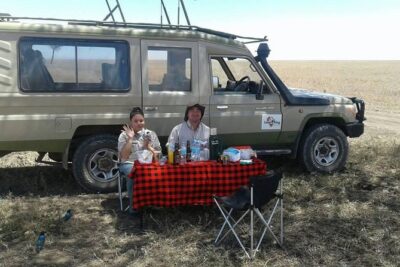
Also, many of the guide reviews mention how meals were handled well, with good variety and flavorful food during the full circuit. That’s not a small thing, because good food and a functioning schedule help you keep energy up for early starts and long drives.
What I’d watch for: since accommodations aren’t detailed in the core tour outline here, your exact camp name and room type could vary by season or availability. If that matters to you, ask before booking, and confirm what lodge level and specific property names you’ll use.
What guides like Frank Winstone, Juma, and Albert do differently
The reviews are heavy on one consistent theme: the guide can make or break your safari. People named several standout guides, including Frank Winstone, Elibariki, Albert, Calvin kileo, Juma, James, Samir, Rodrick, Ombeni, Hassan, Norah (who helped plan the trip for one couple), plus Francis, Bariki, and Obeni.
When guides are doing their job well, you feel it in small ways:
- they manage patience during quiet hours
- they spot animals early and adjust routes based on movement
- they choose better camera positions and riding angles
- they answer questions in a way that connects wildlife to real behavior
You can treat this as a practical checklist before you book: ask who will drive and guide you, and how they handle sightings. If your operator can connect you with a guide who has a strong field reputation, you’re already stacking the odds in your favor.
Timing tips for Serengeti and Mara days
The tour description calls out migration activity July to October. If you’re booking for those months, you can plan for higher intensity wildlife action in Serengeti, including the kind of predator movement and territorial behavior that people come for.
For Mara River crossings, the timing advice is simpler: plan to be flexible. A crossing might happen on a specific day, but it can also be delayed. You’ll get more value if you approach that moment as a chance, not a promise.
Also, in dry seasons Tarangire’s river concentration can make wildlife viewing more consistent. So even if you don’t control migration, you can still benefit from seasonal wildlife patterns.
Included vs. not included, so you can budget cleanly
Included:
- Park entrance fees
- All accommodations
- A professional driver/guide
- All transportation unless labeled optional
- Meals: dinner 6 times, breakfast 6 times, lunch 6 times
Not included:
- Airport or departure tax
- Any extra accommodation before and at the end of the tour
- Personal items like souvenirs, plus travel insurance and visa fees
- Tips, with a guideline of US$20 per person per day
I like that the meal count is clearly spelled out because it helps you plan what you can skip. You’re not paying out of pocket for daily meals during the safari core.
Tips can be the one line that surprises people, so treat that guideline as your baseline.
Should you book this 7-day Tanzania Odyssey?
Book it if you want a high-end, well-paced circuit that hits the big safari zones in a way that gives you multiple chances at key wildlife moments, especially in the Serengeti and Mara areas. This itinerary makes sense if you care about predator viewing, the rhythm of the migration, and a guide who can work the terrain and timing.
Skip it or ask sharper questions before booking if you’re the type who needs guaranteed Mara River crossings or a precise camp property name. That crossing scene is famous, but it’s not fully controllable. Also, the price is premium, so make sure you’re comfortable with the included, but also the not included costs like departure taxes and tipping.
If you do book, I’d also recommend you show up ready to wait. The best moments often show up after a stretch of scanning and listening. And if your guide is someone like Frank Winstone, Juma, or Albert, you’re investing in the thing that consistently shows up in the feedback: patient, sharp driving paired with a real eye for where the animals will be next.
FAQ
Where does the tour start and end?
The tour starts with pickup at Kilimanjaro International Airport. It ends back at the meeting point, which is listed as Kilimanjaro International Airport.
Is this a private safari or shared with other groups?
This is a private tour, and only your group will participate.
What meals are included during the 7 days?
The tour includes breakfast 6 times, lunch 6 times, and dinner 6 times.
Which parts of the trip include park fees?
Park entrance fees are included.
Are airport or departure taxes included?
No. Airport or departure tax is not included.
Do I need to tip, and is there a guideline?
Yes. Tips are not included, and the guideline is US$20 per person per day.
What if weather affects the safari?
This experience requires good weather. If it is canceled due to poor weather, you’ll be offered a different date or a full refund.
Can I cancel for a full refund?
Free cancellation is available up to 24 hours in advance for a full refund. If you cancel less than 24 hours before the experience starts, the amount paid is not refunded.
More Lodge Safaris
- 8-Day Essence of Tanzania Safari – Luxury
★ 5.0 · 72 reviews - 7-Day Magical Tanzania Safari -Premium High End Package
★ 5.0 · 53 reviews - Tanzania Luxury Safari
★ 5.0 · 48 reviews - 5-Day Majestic Tanzania Safari – High End All Inclusive
★ 5.0 · 44 reviews - 5 Day Mid range Tanzania Safari
★ 5.0 · 34 reviews
Longer Trips Through the North
- Big Five Safari In Tanzania
★ 5.0 · 99 reviews - Unforgettable Tanzania Safari And Zanzibar Beach
★ 5.0 · 97 reviews - 8-Day Essence of Tanzania Safari – Luxury
★ 5.0 · 72 reviews - 7-Day Magical Tanzania Safari -Premium High End Package
★ 5.0 · 53 reviews - 4-day Tanzania Safari
★ 5.0 · 53 reviews
Just added from around Moshi
Multi-Day Northern Circuit Safari Packages, compared.
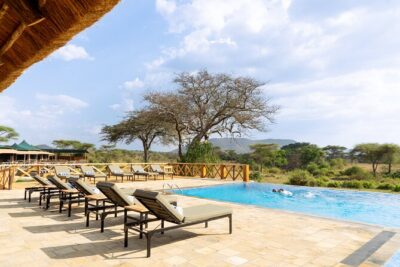 ★ 5.07-Day Premium Luxury Tanzania Safari All-InclusiveFrom $4,840426 reviews
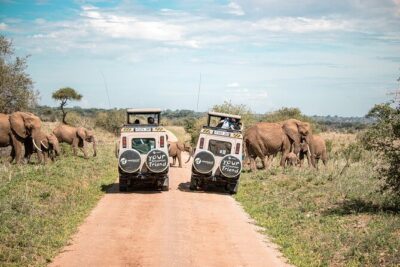 ★ 5.0Tanzania Wildlife Encounters – 6 DaysFrom $3,413277 reviews
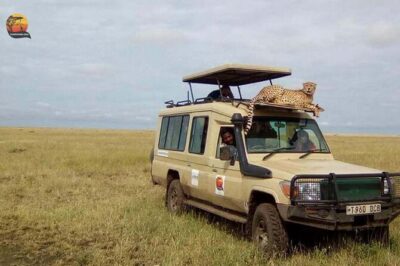 ★ 5.0Group Safari 7 Days in Tanzania’s Main ParksFrom $3,000240 reviews
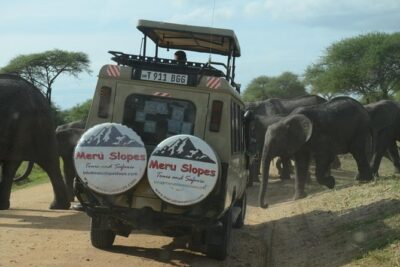 ★ 5.04 Days Join Group tour Tarangire Serengeti and Ngorongoro craterFrom $1,090219 reviews
 ★ 5.05-Day Private Northern Tanzania Safari from ArushaFrom $2,780182 reviews
 ★ 5.05 Days Best of Tanzania Luxury Safari Northern CircuitFrom $3,744174 reviews
 ★ 5.08 Day Spectacular Migration Serengeti mid -Range Tanzania SafariFrom $4,257161 reviews
 ★ 5.0Multi-Day Tanzania Odssey Safari from ArushaFrom $4,164120 reviews
Browse the lists this tour appears in