
REVIEW · MULTI-DAY NORTHERN CIRCUIT SAFARI PACKAGES
5 Day Mid range Tanzania Safari
Wild Africa, compressed into five unforgettable days. What makes this safari hit the right note is the mix of ecosystems, plus the practical rhythm of morning and afternoon drives, so you’re not stuck in a single kind of scenery all trip. I also like that the route is built around three headline areas, not just quick check-ins.
I’m especially drawn to how this trip gives you real time in the places that matter. Serengeti gets two full game-drive days, and Ngorongoro comes with that dramatic crater descent, where the animals are close enough to feel like you’re watching a working ecosystem, not just a distant postcard.
One thing to plan for: it’s a safari schedule, not a slow vacation. You’ll have early starts and plenty of time in a 4×4, and while park fees and meals are covered, tips and alcoholic or soft drinks are not.
In This Review
- Key highlights you’ll feel on the ground
- A 5-day Tanzania safari route that actually balances driving and wildlife
- Moshi, pickup, and the small-group advantage (max 6)
- Day 1 Lake Manyara: where baboons steal the show and lions sometimes climb
- Days 2 and 3 Serengeti: two game drives give you your best spotting odds
- Day 4 Olduvai Gorge and Ngorongoro transfer: human evolution meets crater wildlife
- Day 5 Ngorongoro Crater descent and Lake Magadi: predators in a natural bowl
- Lodges and tented camps: what “mid-range” feels like in real life
- Guides drive the experience, and this one is built around them
- Price and value: what $2,600 per person really buys
- Who this safari suits best, and who might want a different plan
- Should you book this 5-day Tanzania safari from Moshi?
- FAQ
- What parks are included on this 5-day safari?
- Is pickup from Moshi included?
- What type of vehicle do we use?
- Are meals included?
- Are national park fees included?
- Is the guide English speaking?
- What is the group size limit?
- What is not included in the price?
- Can I cancel and get a full refund?
Key highlights you’ll feel on the ground
- Big wildlife targets without rushing, with Serengeti game drives on two days
- Lake Manyara’s special mix, including big baboon numbers and the famous tree-climbing lions
- Seronera area focus in Serengeti, driven by water around the Seronera River
- Olduvai Gorge stop for a human evolution side trip on the way to Ngorongoro
- Ngorongoro Crater descent plus Lake Magadi, for predators and a different look inside the caldera
- Small group size (max 6), which usually means less waiting and more attention from your guide
Longer northern circuit routes, side by side
- Big Five Safari In Tanzania★ 5.0 · 99 reviews
- Unforgettable Tanzania Safari And Zanzibar Beach★ 5.0 · 97 reviews
- 8-Day Essence of Tanzania Safari – Luxury★ 5.0 · 72 reviews
- 4-day Tanzania Safari★ 5.0 · 53 reviews
A 5-day Tanzania safari route that actually balances driving and wildlife
This is the kind of itinerary that makes sense if you want maximum wildlife time without burning days on pointless backtracking. You start in the Manyara region, shift into Serengeti for broad savanna viewing, then finish with Ngorongoro Crater for that concentrated “all-in-one” animal show.
Why that sequence works: Lake Manyara is greener and varied, with habitat types that change as you move around the park. Serengeti is the wide-open plains vibe, where spotting is often about patience and knowing where to look. Ngorongoro is different again, because the crater environment creates a kind of natural bowl where animals gather around year-round water and food sources.
For you, the payoff is variety. Instead of repeating one view all week, you get several “chapters” of Tanzania wildlife.
Moshi, pickup, and the small-group advantage (max 6)
The trip operates out of Moshi, with pickup offered, and the group size is capped at 6 travelers. That matters more than people think. In a smaller group, your guide can adjust faster when a sighting pops up, and you spend less time herding people into tight schedules.
You also get the basics that reduce friction on a safari. Transportation is handled in a 4×4 safari vehicle, your guide is English-speaking, and mineral water is included. That’s not just comfort. It helps you stay sharp during long drives, especially when the day starts early.
One more practical note: the tour info lists a start time of 12:00 am, but the day-by-day flow is structured around breakfast departures and early-morning activities for the crater day. In other words, don’t plan your whole life around that one line in the booking system. Expect real timing details during confirmation.
Day 1 Lake Manyara: where baboons steal the show and lions sometimes climb
Lake Manyara National Park is small compared to the big-name parks, but it packs in variety. You’ll see acacia woodlands, water forests, baobab-strewn cliff areas, hot springs, swamps, and lake views. That mix supports a large range of animal species and some standout bird life.
Before you reach the park, the day starts with a practical stop in Arusha Town for any last-minute purchases. This is helpful if you’re the type who realizes mid-pack that you forgot sunscreen, a small snack, or something simple like batteries.
Once you arrive, the main “I came for this” draw is Lake Manyara’s famous primate and predator personality:
- Baboons are known for having one of the largest concentrations anywhere, and the park is where you’ll likely see them moving with real confidence.
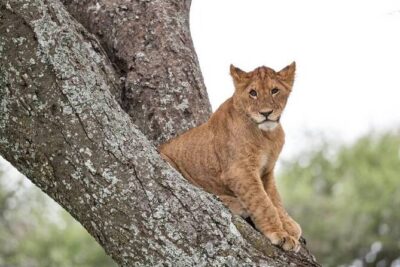
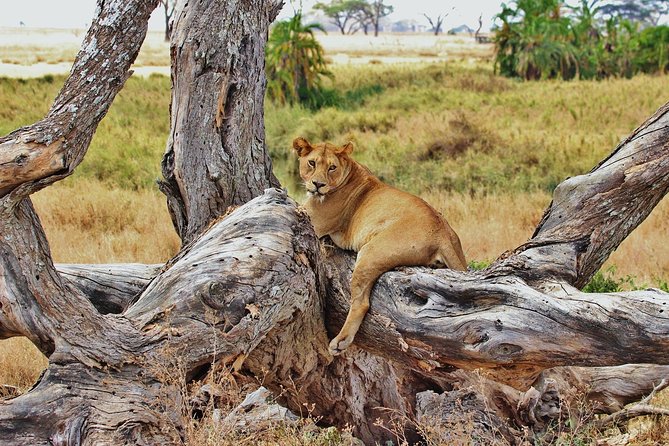
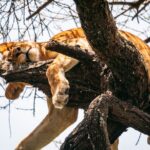
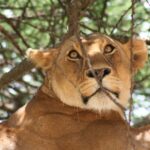
- The lions here are renowned for a behavior that can feel almost unreal from a distance, tree climbing.
You’ll overnight at Eileen’s Tree Lodge. The name alone hints at the kind of setup you want after a drive day: comfortable lodging that keeps you close to the safari mood without feeling like you’re camping in discomfort.
Why this day matters: It’s your gentle entry into Tanzanian wildlife. You’re not thrown straight into a marathon of plains spotting. Instead, you learn how the guide scans, how animals behave in varied habitat, and how a safari day flows when you’re still getting adjusted.
Possible consideration: Lake Manyara can feel more “habitat-focused” than “open-plains-focused.” If you’re expecting non-stop big-cat action in one direction, you might find the experience is more about tracking activity in multiple micro-areas.
Lodge safaris in the same bracket
Days 2 and 3 Serengeti: two game drives give you your best spotting odds
Serengeti is the reason most people start planning Tanzania in the first place. This trip builds your Serengeti time the way you’d want it if you care about actual sightings, not just a drive-by.
On Day 2, you head from the highlands area through farmland and the Ngorongoro Conservation Area before dropping into Serengeti. This transition is more than scenic. It’s usually when you start to notice the animals’ “rules” change. In open country, your odds improve when your guide understands where water, cover, and herds are moving.
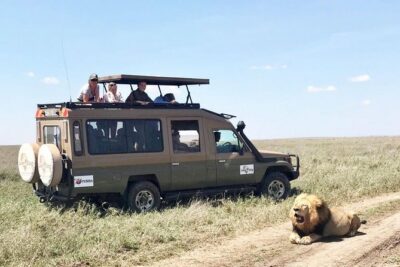
You’ll arrive around lunch, then get an afternoon game drive in the Seronera area. Seronera is a big deal because the Seronera River provides a dependable water source, and that draws wildlife into a consistent zone. For you, that means less randomness. Your guide has a logical “where to look” plan, not just a hope-and-pray route.
Then Day 3 gives you the payoff: a full day game drive in Serengeti. Two days is the sweet spot for this itinerary style. One afternoon is good for momentum. A full day is where you start getting those longer animal sequences, predators responding to prey activity, and the kind of sightings that need patience.
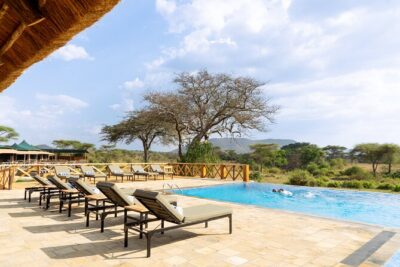
You stay at Domel Wildness Tented during the Serengeti nights. Tented camps can sound intimidating before you go, but in practice they’re often designed for real comfort, with safari-friendly atmosphere. After a long day of scanning, you’ll appreciate that the sleep setup is meant for recovery, not just adventure photo ops.
A note on guide style: In guides described by past guests, the common theme is that they explain what you’re seeing and how to watch for it. Names that show up in feedback include David, Godfrey, Grayson, Aboh, Praise, and Damian. Regardless of which guide you get, the best ones help you understand animal behavior instead of just pointing.
If you want the most value from Serengeti, do this: relax your pace. Let your guide do the route thinking, and you do the scanning. That’s when the full-day difference really shows up.
Day 4 Olduvai Gorge and Ngorongoro transfer: human evolution meets crater wildlife
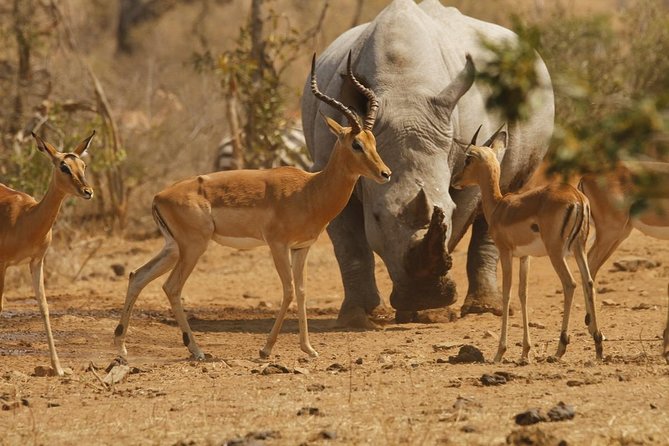
Day 4 has two layers, and both matter.
First comes the early morning game drive, then you depart for the Ngorongoro Conservation Area. On the way, you stop at Olduvai Gorge. This is a standout detour if you like to connect the safari to bigger questions. Olduvai Gorge is tied to major paleoanthropology discoveries by Drs. Lois and Mary Leakey, including skull finds associated with names like Nutcracker Man and Handy Man. It adds meaning to your trip because you’re not just watching wildlife. You’re also seeing how humans and the natural world share a deep timeline in this region.
Late afternoon, you transfer to Ngorongoro Wildlife for dinner and overnight. This timing is useful because it sets you up for the crater day without making you fight jet-lag feelings or exhaustion at dawn.
Possible drawback: This is a long transit day plus two activity blocks. If you hate sitting in vehicles, you’ll feel it. But the trade is worth it for the next day’s crater descent.
Day 5 Ngorongoro Crater descent and Lake Magadi: predators in a natural bowl
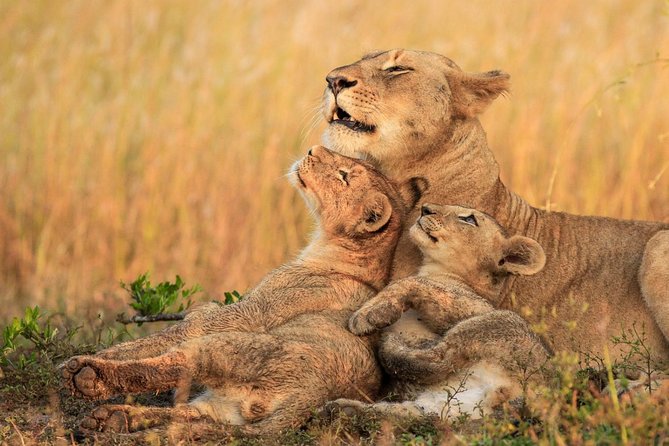
Ngorongoro Crater is one of those places where the setup does some of the work for you. You’ll start after early breakfast, then descend over 600 meters into the crater for wildlife viewing.
Inside the crater, the environment supports animals year-round because of consistent water supply and fodder. That’s a big deal. It means you’re not constantly chasing movement like you can in more season-driven systems. Instead, animals are often in predictable areas, and predators can linger where prey activity concentrates.
Expect to see wildlife such as:
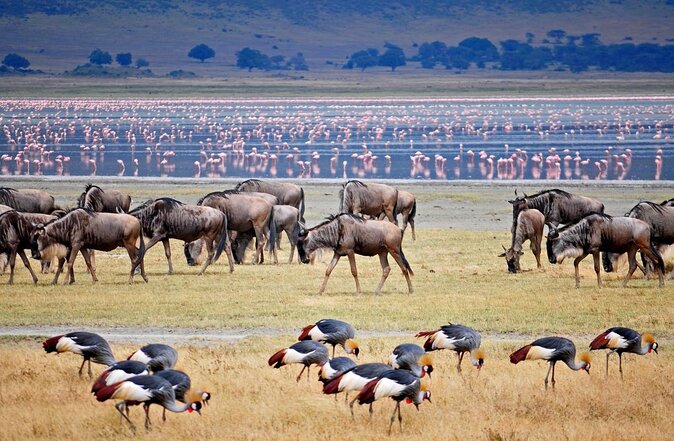
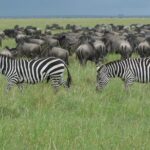
- Wildebeest and zebra herds
- Buffalo, eland, and warthog
- Hippo
- Giant African elephants
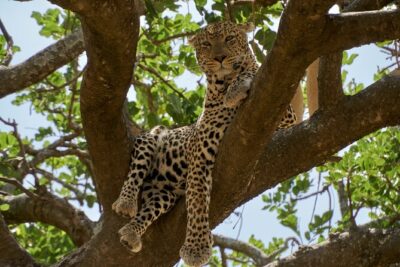
Predators are another big reason people get excited about Ngorongoro. The area can have lions, hyenas, jackals, cheetahs, and the leopard, which sometimes takes a trained eye and a bit of luck.
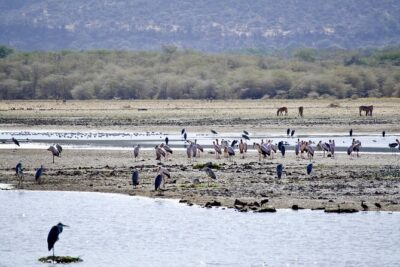
Then you visit Lake Magadi, a large but shallow alkaline lake in the southwestern corner of the crater. It’s a nice change of pace from pure savanna spotting because it gives you a different habitat feel. The visuals and the animal behavior around water make the day feel complete.
My practical advice for Ngorongoro: Keep your expectations flexible. The crater can produce surprise sightings, but sometimes you’ll get more action after you’ve been parked for a while. Bring patience, not just a checklist.
Lodges and tented camps: what “mid-range” feels like in real life
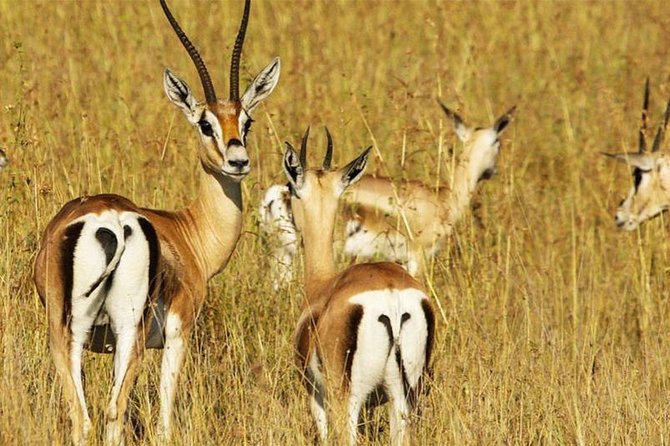
This tour is positioned as mid-range, and the included lodging reflects that goal: you’re not roughing it, but you’re also not in a city hotel.
You’ll sleep at:
- Eileen’s Tree Lodge (Lake Manyara)
- Domel Wildness Tented (Serengeti)
- Ngorongoro Wildlife (after transfer on Day 4)
The important part for you is what’s included. The package covers overnight stays in safari lodges and tented camps, plus all meals for the trip length:
- Breakfast: 5
- Lunch: 5
- Dinner: 4
That kind of meal coverage matters. On safari, hunger makes people cranky, and cranky makes you miss sightings. With meals included, you’re more likely to stay in the moment.
About drinks: the plan includes mineral water, but alcoholic and soft drinks aren’t included. If you want something specific, plan to buy it rather than expecting it to be part of the base price.
Guides drive the experience, and this one is built around them
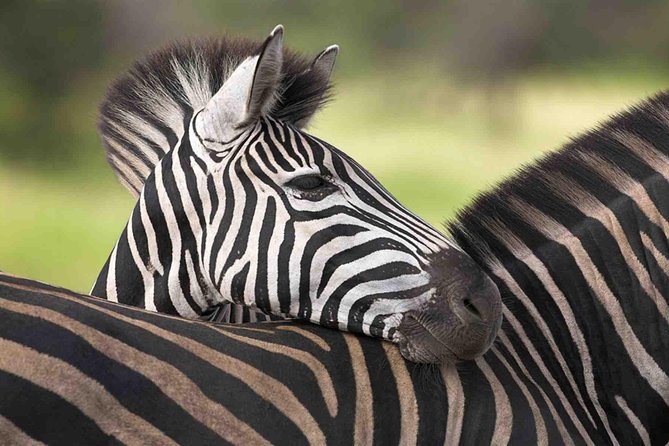
A safari is equal parts animals and interpretation. If your guide is strong, you spot more, but you also enjoy it more because you understand why you’re seeing what you’re seeing.
English-speaking guides are included, and the overall feedback pattern on this safari route highlights guide professionalism and helpful explanation. In the names that show up often, Godfrey, David, Grayson, Aboh, Praise, Safina, Linah, Damian, and others are mentioned in connection with strong guiding, good explanations, and smooth trip coordination.
What that usually means in practice:
- Your guide helps you scan smarter, not harder.
- You don’t waste time driving in circles.
- You get context for animal behavior, like predator-prey patterns and where to look when water or cover is the key.
For you, the best move is simple: ask questions. If you’re curious about why the vehicle stops, what the animals might do next, or what to watch for, your guide is there to translate the safari into something you can actually track.
Price and value: what $2,600 per person really buys
At about $2,600 per person, you’re paying for more than vehicle time and park entries.
The included value stack looks like this:
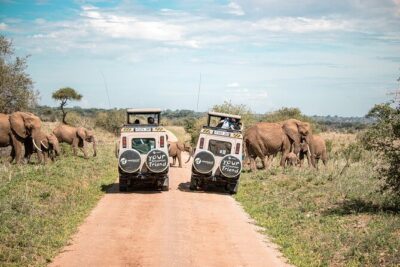
- Transportation in a 4×4 safari vehicle
- A professional English-speaking guide
- Mineral water
- Lodging in safari lodges and tented camps
- All national park fees
- Meals (breakfast, lunch, dinner totals match the trip length)
Not included:
- Visa fees
- Tips
- Alcoholic and soft drinks
- Personal spending for souvenirs
So the value equation is pretty clear. You’re paying for the “safari engine” to run smoothly. If you tried to DIY this, you’d likely spend a lot of time and money coordinating transfers, park fees, vehicles, and a guide who knows the routes.
Where you need to plan carefully is extras:
- Budget for tips, since that’s not included.
- Bring money for personal spending and any drinks beyond the included water.
Also, keep an eye on what you consider comfort. If mid-range lodges feel good to you, this price is easier to justify. If you want a higher-end lodge-only experience, you’ll want a more luxury package.
Who this safari suits best, and who might want a different plan
This trip is a strong match if you:
- Want a first big Tanzanian safari without a super long duration
- Love wildlife but still want comfortable lodging
- Appreciate a guided experience where you can ask questions and learn
- Travel as a couple or small group, and you like the attention small groups tend to get
It’s also workable for families. Past feedback includes safaris with kids as young as 9, plus older teens, and the general theme is that the route and pacing felt safe and well managed with time to enjoy the drives.
Consider a different plan if you:
- Hate early mornings (the crater day starts early)
- Need lots of downtime between driving blocks
- Want a lighter schedule with more walking around at stops (this itinerary is mainly vehicle-based)
Should you book this 5-day Tanzania safari from Moshi?
If you want a smart, classic circuit with real game-drive time, I think this is an easy “yes” for most people. Serengeti gets two days, Ngorongoro delivers the crater experience with a descent and Lake Magadi, and Lake Manyara adds variety plus its famous primate and lion personality.
Book it if you value:
- Two Serengeti days
- Park fees and meals included
- Small-group touring with a guide who explains what you’re seeing
- A smooth, ready-to-go structure that keeps your attention on wildlife
Before you commit, do one quick reality check: you’re paying for guided logistics. That’s the point. If you’re the type who wants to pick your own timing every day, this style might feel a bit structured.
If you like structure, and you want your five days to count, this safari route is a very solid way to do Tanzania right.
FAQ
What parks are included on this 5-day safari?
You’ll visit Lake Manyara National Park, Serengeti National Park, and the Ngorongoro Crater area within the Ngorongoro Conservation Area.
Is pickup from Moshi included?
Pickup is offered. The exact meeting point details are not listed here, but you should receive confirmation at the time of booking.
What type of vehicle do we use?
You travel in a 4×4 safari vehicle.
Are meals included?
Yes. Breakfast is included for 5 days, lunch for 5 days, and dinner for 4 days.
Are national park fees included?
Yes. All national park fees are included.
Is the guide English speaking?
Yes. A professional English-speaking guide is included.
What is the group size limit?
This tour/activity has a maximum of 6 travelers.
What is not included in the price?
Visa fees, tips, alcoholic and soft drinks, and personal spending for souvenirs or other purchases are not included.
Can I cancel and get a full refund?
You can cancel up to 24 hours in advance for a full refund. If you cancel less than 24 hours before the experience’s start time, the amount you paid will not be refunded.
More Lodge Safaris
- 8-Day Essence of Tanzania Safari – Luxury
★ 5.0 · 72 reviews - 7-Day Magical Tanzania Safari -Premium High End Package
★ 5.0 · 53 reviews - Tanzania Luxury Safari
★ 5.0 · 48 reviews - 5-Day Majestic Tanzania Safari – High End All Inclusive
★ 5.0 · 44 reviews - 7-Day Tanzania Odyssey Safari- High End Tour
★ 5.0 · 35 reviews
Longer Trips Through the North
- Big Five Safari In Tanzania
★ 5.0 · 99 reviews - Unforgettable Tanzania Safari And Zanzibar Beach
★ 5.0 · 97 reviews - 8-Day Essence of Tanzania Safari – Luxury
★ 5.0 · 72 reviews - 4-day Tanzania Safari
★ 5.0 · 53 reviews - 7-Day Magical Tanzania Safari -Premium High End Package
★ 5.0 · 53 reviews
Just added from around Moshi
Multi-Day Northern Circuit Safari Packages, compared.
 ★ 5.07-Day Premium Luxury Tanzania Safari All-InclusiveFrom $4,840426 reviews
 ★ 5.0Tanzania Wildlife Encounters – 6 DaysFrom $3,413277 reviews
 ★ 5.0Group Safari 7 Days in Tanzania’s Main ParksFrom $3,000240 reviews
 ★ 5.04 Days Join Group tour Tarangire Serengeti and Ngorongoro craterFrom $1,090219 reviews
 ★ 5.05-Day Private Northern Tanzania Safari from ArushaFrom $2,780182 reviews
 ★ 5.05 Days Best of Tanzania Luxury Safari Northern CircuitFrom $3,744174 reviews
 ★ 5.08 Day Spectacular Migration Serengeti mid -Range Tanzania SafariFrom $4,257161 reviews
 ★ 5.0Multi-Day Tanzania Odssey Safari from ArushaFrom $4,164120 reviews
Browse the lists this tour appears in