
REVIEW · GREAT WILDEBEEST MIGRATION SAFARIS
7 days great migration safari
This safari targets the Great Migration, but it also gives you the Rift Valley detour most trips skip. I like the mix of big-name wildlife with quieter, off-the-beaten-track time at Lake Natron and Ngorongoro. You’ll also spend real hours in the Northern Serengeti, aiming for the dry-season movement patterns that make this region famous.
The best part for me is how the days are paced around wildlife: early entries, long game drives, and stays that keep you close to the action. One possible drawback is that you’ll spend a lot of time in the vehicle, and the trip has a weather dependency, so plan for flexible expectations.
In This Review
- Key highlights worth your attention
- Lake Natron first, soda-lake drama and Rift Valley escarpment driving
- Northern Serengeti from Kleins Gate, why Lobo works for migration hunting
- Days in Northern Serengeti: dry-season herds and resident wildlife together
- Seronera Valley game drives: learning to spot gazelles fast
- Ngorongoro rim arrival and the “crater mindset” for wildlife
- Crater floor day: Big Five odds, water-driven movement, and black rhino
- Lake Eyasi on day seven: Hadzabe and Datoga, a safari that is not only wildlife
- Price and value at $4,514 per person, what’s included and why it matters
- Transportation, pace, and how to make the time in the vehicle worth it
- Who this 7-day Great Migration lodge safari suits best
- Should you book this Arusha-based Great Migration safari?
- FAQ
- Is airport pickup included for this safari?
- What time does the safari start?
- Is this tour private?
- Are binoculars included?
- Is there a restroom on board the safari vehicle?
- What if weather is bad or the minimum number of travelers is not met?
- Can I get a full refund if I cancel?
Key highlights worth your attention
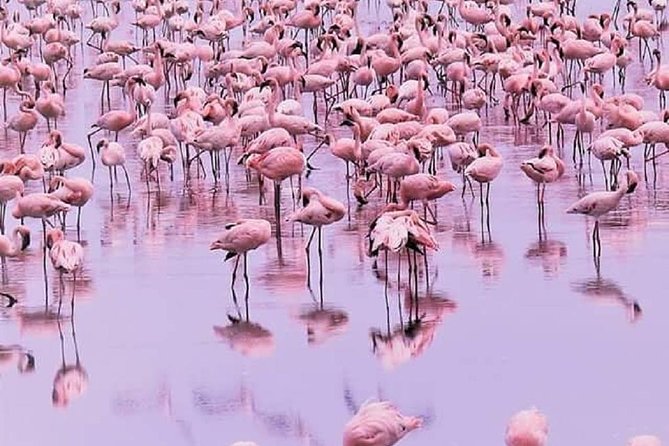
- Lake Natron flamingos at Ngare Sero, plus a chance to walk to the nearby waterfall for a swim
- Northern Serengeti focus via Kleins Gate, with game drives in Lobo and open plains with kopjes
- Seronera Valley wildlife variety all year, with tips for field spotting like distinguishing Thomson vs Grant gazelles
- Ngorongoro Conservation Area strategy with rim lodging and then a crater-floor day when animals concentrate
- Lake Eyasi cultural stop around the Hadzabe and Datoga communities, adding a non-park view of Tanzania
Chasing the herds? Compare these first
- 8 Days Great Wildebeest Calving Migration Safari from Arusha★ 5.0 · 254 reviews
- 10-Day Serengeti Wildebeest Migration Safari from Arusha★ 5.0 · 218 reviews
- 8 Day Spectacular Migration Serengeti mid -Range Tanzania Safari★ 5.0 · 161 reviews
- 9-Day Serengeti Migration Footsteps Tanzania Safari★ 5.0 · 96 reviews
Lake Natron first, soda-lake drama and Rift Valley escarpment driving
If your idea of a Great Migration safari is only lions and wildebeest, this start will refresh you. You begin with a drive north along the Rift Valley Escarpment wall, passing through typical Masai land and looking out toward Ol’doinyo Lengai, often called the holy mountain of the Masai.
Then you land at Lake Natron, the soda lake locals describe in a more spiritual way, and where the color does not behave like normal water. On the guided bush walk from the area near Ngare Sero, the shoreline can look pink as flamingos gather to breed in the hyper-alkaline conditions. I also like that you get options, walk on the lake shores for the flamingos, or choose the nearby waterfall for a refreshing break from the heat.
Practical note: you’re moving from lodge comfort into outdoor walking, so I’d plan for sun protection, shoes that handle uneven ground, and a dry bag for anything you want to keep safe near water.
Northern Serengeti from Kleins Gate, why Lobo works for migration hunting
On day two you drive toward Northern Serengeti and enter via Kleins Gate, then head straight into the Lobo area for your first game drive. The route matters here because the road climbs with lots of serpent-like turns as you leave the Rift Valley behind. That change in scenery tends to shift the wildlife rhythm too, from the escarpment edge to the open plains and kopjes that Serengeti does so well.
Lobo is built for this kind of safari. It has permanent springs, which helps keep wildlife present even when the wider ecosystem changes through the year. And because the plains are open with kopjes scattered around them, you’re not stuck watching animals only in thick vegetation. That means more chances to spot large groups and predators working the edges.
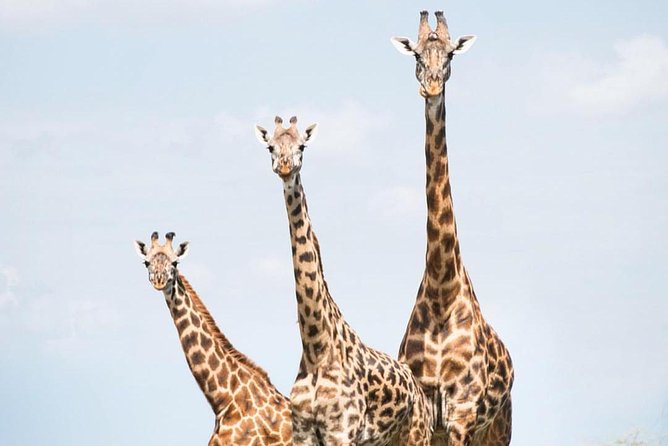
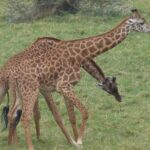
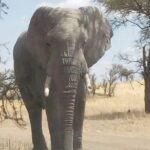
Timing is the big reason this part of the trip is often chosen. When you hit the dry-season pattern, the Northern Serengeti becomes prime movement country for migratory wildebeest and zebra, plus resident animals like lions, elephants, buffalo, giraffes, and leopards. Even if a specific crossing does not happen on your exact drive, you still have a strong mix of wildlife to chase.
Days in Northern Serengeti: dry-season herds and resident wildlife together
You spend more than one day in Northern Serengeti, and that is not just a luxury. With migration, timing is everything, and animals can shift locations quickly. Having extra time gives you multiple attempts at the dry-season herds and lets your guide adjust based on what you’re seeing.
The Northern Serengeti is described as an unexplored wilderness in spirit, and you can feel that in how the landscape opens up and how the game drives become more about reading the area than ticking boxes. You’re also not limited to migrants. The region can support resident wildlife year-round, including hippos, crocodile, and even the rare oribi antelope.
A small but useful mindset shift for your first safari: do not expect one perfect moment. Think in terms of repeated chances. One drive might deliver the movement, another might deliver predator behavior around a water source, and a third might give you the rare sighting you did not know to look for.
If you’re a photography person, bring a lens you can use for both distances and closer sightings. The variety of terrain helps you get useful frames without always needing extreme zoom.
Seronera Valley game drives: learning to spot gazelles fast
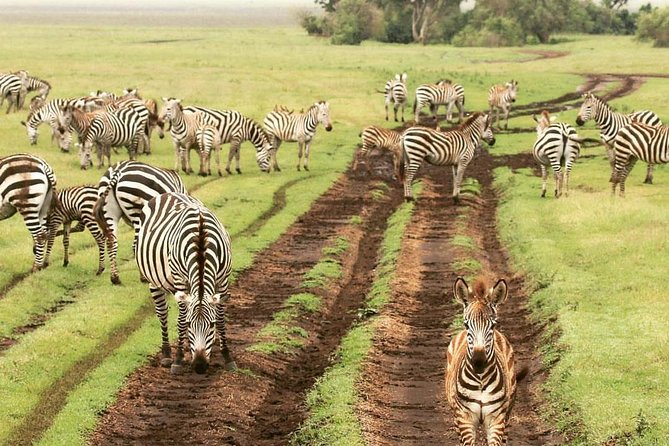
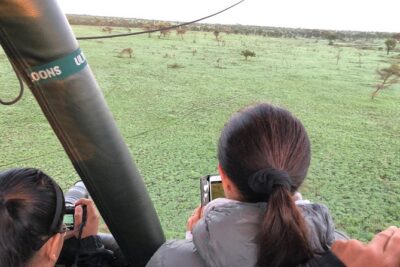
After that Northern focus, you pivot toward Central Serengeti and spend a day in Seronera Valley. This is one of the most practical zones for a safari because it has wildlife throughout the year. That means fewer dead stretches when you arrive and more consistent chances for both carnivores and grazers.
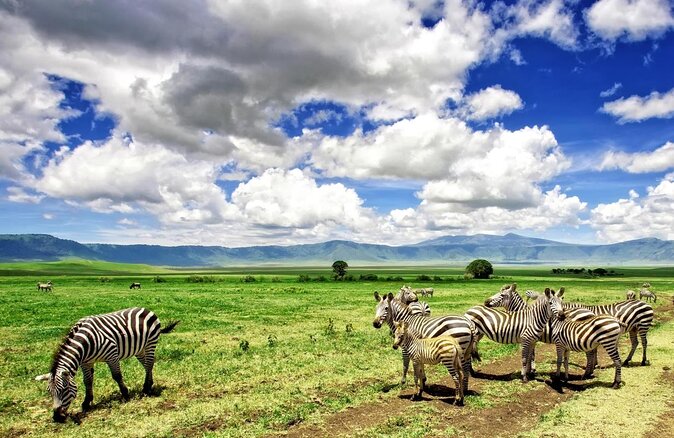
You’ll likely see carnivores like cheetahs, hyenas, leopards, and lions, but what makes this day work is the range of ungulates too. Think buffalo, giraffes, hippos, impalas, topi, warthogs, and zebras. It’s the kind of day where your brain starts to categorize animal behavior, not just count species.
One detail I really appreciate is the way your guide can turn the drive into a learning session. There’s even a field trick for distinguishing Grant gazelle from Thomson gazelle. Both can show a white rump patch, but Thomson gazelle has a thin black horizontal stripe below the paler brown one, and the tale color pattern differs. It’s the sort of info that makes your safari feel like a hands-on course instead of a long wait.
Ngorongoro rim arrival and the “crater mindset” for wildlife
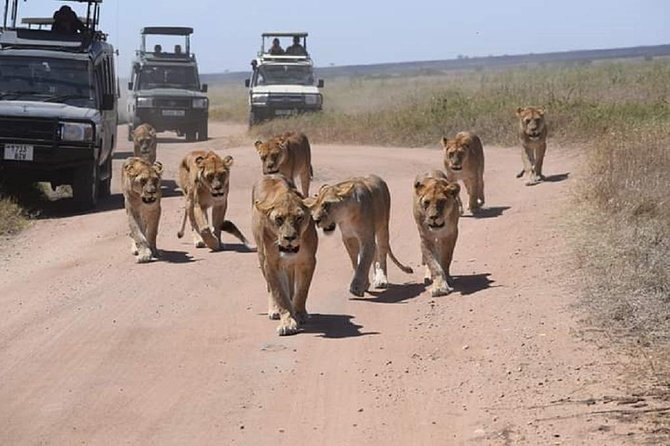
Ngorongoro is famous for a reason, but the real magic comes from how the crater concentrates animals and how the day is planned around that. You head into the Ngorongoro Conservation Area after another Serengeti game drive, and you learn the concept of separate management zones, because Serengeti and Ngorongoro have different conservation boundaries.
You also get a key framing moment: the area combines topographical variety and includes nine different craters within its larger boundaries. That helps you understand why wildlife patterns can feel different from one section to another.
The big practical difference on this kind of day is that you’ll be staying on the rim, which changes your timing and your perspective. From the crater rim you can get a broad view into the basin, then later in the schedule you go down to the crater floor for the kind of sightings people dream about.
If you’re bringing a camera, the rim is where you can capture the scale. But the best chance for close wildlife encounters is still ahead.
Crater floor day: Big Five odds, water-driven movement, and black rhino
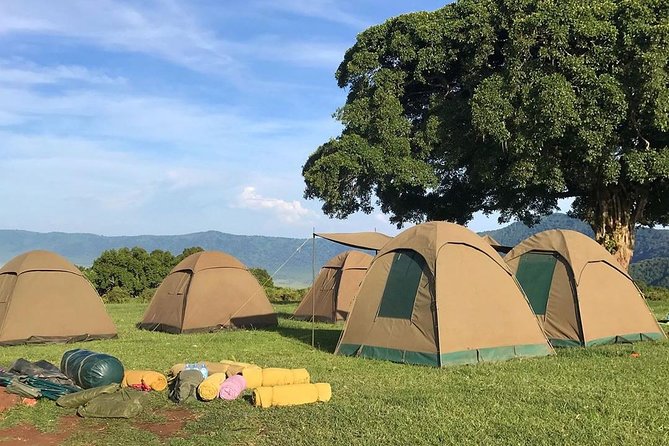
Ngorongoro crater floor day is where the safari turns into a concentration game. The crater acts like a natural bowl with reliable water availability, so animals move in and out rather than spreading evenly across the region. Your guide can use that movement to put you in the right viewing areas at the right time.
This is where seasonality matters again. During the dry season, wildebeest and zebra numbers can increase. In wet conditions, you may see different patterns, including elands, elephants, and water-bucks. The point is, the crater does not just hold wildlife, it stages it.
If you’re chasing the Big Five, your day is built for that conversation. You can look for buffalo, elephant, leopard, lion, and black rhinoceros. The data here is specific and important: Ngorongoro is one of the only two places in Tanzania where you can still observe the highly threatened black rhino.
So here’s your smart expectation-setting: do not treat black rhino as guaranteed. Instead, treat it as a serious target. The value of this itinerary is that it puts you where the odds are shaped by habitat and history, not just luck.
Lake Eyasi on day seven: Hadzabe and Datoga, a safari that is not only wildlife
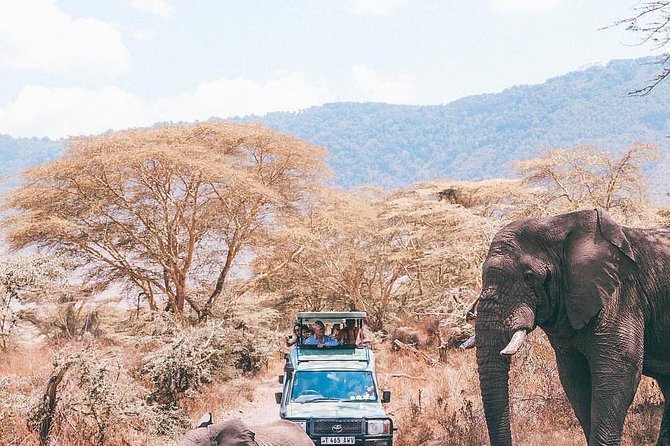
On the last day, the trip changes gears. You head toward the southwest corner region around Lake Eyasi, a soda lake fed by the Sibiti and Baray Rivers. This stop gives you a different Tanzania feel compared with pure national park time, because you’re meeting communities who have long lived with the land in ways that are very different from the tourism model.
The area is home to the Hadzabe and Datoga communities. Visits to villages can offer a personal look at daily life, and the program may include traditional dance participation and the chance to learn about family structures. You might also get an impromptu invitation into homes.
I like this kind of ending for one reason. After days of scanning for animals from a vehicle, you get to slow down and connect with people and culture. It makes the safari feel less like a wildlife theme park and more like a real trip through multiple parts of the country.
Practical tip: if village time is part of your day, you’ll want respectful clothing and an open mind. You can also expect temperatures and sun to matter, so keep water handy.
Price and value at $4,514 per person, what’s included and why it matters
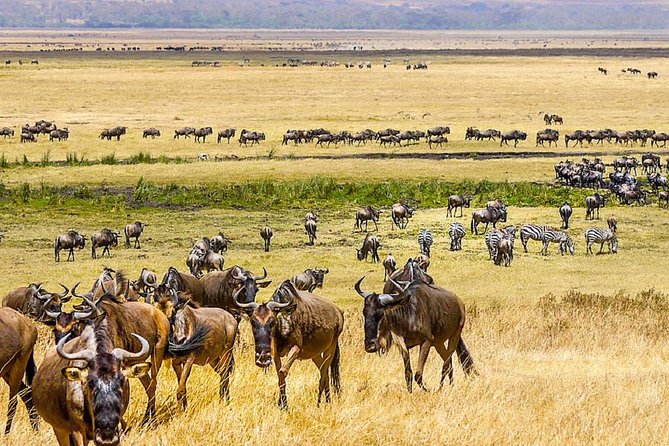
At $4,514.00 per person for about 7 days, this is not a budget safari. But it is also not just paying for driving. You’re paying for a package structure that includes a lot of the expensive friction points.
Here’s what you get that usually drives safari costs: accommodation, meals (breakfast and lunch for multiple days, dinners as listed), roundtrip airport transfer, professional driver/guide, private transportation, and all fees and taxes. You also get practical extras like use of binoculars and camping equipment.
So does it feel like value? For me, the value depends on who you are traveling with and how you like your safari. If you want a private multi-day plan with parks that hit the big Tanzanian highlights plus Lake Natron and Lake Eyasi, the price can start to make sense quickly. You’re not paying extra just to add those stops.
Two other things that matter in real life:
- You start early (7:30 am start time), and many days include long drives (including days described as around 12 hours). That timing is what makes wildlife sightings more likely.
- Tips and personal expenses are not included, so budget for that separately if you’re the kind of traveler who likes to reward good guiding.
One caution: lodging is included as listed, but the package description only names some specific properties. If accommodation comfort is your top priority, I’d ask your operator which lodges you’re assigned to for each night before you pay in full.
Transportation, pace, and how to make the time in the vehicle worth it
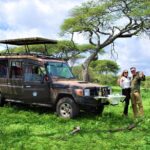
A seven day safari with multiple parks is always a vehicle-heavy schedule. This one runs private transport, which helps because you avoid time wasted on detours for other groups. It also means your guide can adjust routing based on what you’re seeing.
Still, plan for long days and pay attention to the small comfort details that are often forgotten. For example, restroom on board is listed as not included, so bring your own strategy for breaks and hydration. It’s a small line item, but it affects how smoothly the day feels.
The pacing is also set up with early starts and game drives that last through the day. If you get impatient on long drives, this could test you. If you like wildlife watching as a full-day activity, you’ll appreciate how the itinerary keeps you in the right zones rather than constantly changing locations for no reason.
Finally, pack for variable conditions. You’ll move from Rift Valley escarpment areas to Serengeti plains to Ngorongoro highland rim conditions and then down into crater country. Even if temperatures do not swing wildly, you’ll feel changes in wind, sun, and dust. Bring layers, not just one outfit.
Who this 7-day Great Migration lodge safari suits best
This trip fits you best if you want:
- A strong chance at Great Migration movement in Northern Serengeti during the dry-season pattern
- A Serengeti plus Ngorongoro combo that actually spends time where animals gather
- A Lake Natron add-on with flamingos at Ngare Sero and an offbeat day one feel
- A cultural day at Lake Eyasi rather than only park-driving
It may not fit as well if you hate long drives, need lots of downtime, or want a lightweight itinerary. Also, because the experience requires good weather, the exact look of the landscape and animal behavior can shift with conditions, even when the schedule stays the same.
On the guiding side, I’m encouraged by the reputation around driver-guides in this circuit, with names like Estomih, Isaac, Christian, Simon, Innocent, and Johnathan showing up in people’s favorite stories. The common theme is active searching, patience, and turning the drive into something you learn from, like the gazelle spotting trick.
Should you book this Arusha-based Great Migration safari?
If your goal is to see the Great Migration while also getting serious time at Lake Natron and inside Ngorongoro, this itinerary is a strong match. The value comes from the balance: you’re not only chasing one headline moment, you’re building multiple chances through Northern Serengeti, central game drives, and a crater-focused day.
I’d book if you’re comfortable with early mornings, long wildlife days, and the idea that the best safari moments are often scattered across drives rather than delivered in one dramatic flash.
I would pause and ask questions before booking if you’re very sensitive to lodge comfort differences, or if you absolutely need a schedule with minimal driving. For most people who want the classic Tanzania hits with a couple of real detours, this is the kind of week that can feel like it has something for both your camera and your curiosity.
FAQ
Is airport pickup included for this safari?
Yes. Roundtrip airport transfer is included, and pickup can be arranged from the airport on day 1 of the tour or a day prior to the tour.
What time does the safari start?
The listed start time is 7:30 am.
Is this tour private?
Yes. It is private, and only your group participates.
Are binoculars included?
Yes. Use of binoculars is included.
Is there a restroom on board the safari vehicle?
No. Restroom on board is listed as not included.
What if weather is bad or the minimum number of travelers is not met?
The experience requires good weather. If it is canceled due to poor weather, you’ll be offered a different date or a full refund. It also requires a minimum number of travelers, and if that minimum is not met, you’ll be offered a different date or a full refund.
Can I get a full refund if I cancel?
Yes. You can cancel up to 24 hours in advance for a full refund. If you cancel less than 24 hours before the experience starts, the amount you paid will not be refunded.
Following the Migration
- 8 Days Great Wildebeest Calving Migration Safari from Arusha
★ 5.0 · 254 reviews - 10-Day Serengeti Wildebeest Migration Safari from Arusha
★ 5.0 · 218 reviews - 8 Day Spectacular Migration Serengeti mid -Range Tanzania Safari
★ 5.0 · 161 reviews - 9-Day Serengeti Migration Footsteps Tanzania Safari
★ 5.0 · 96 reviews - Private 6-Day Great Migration Ndutu Serengeti Safari Tour
★ 5.0 · 47 reviews
Just added from around Arusha
Great Wildebeest Migration Safaris, compared.
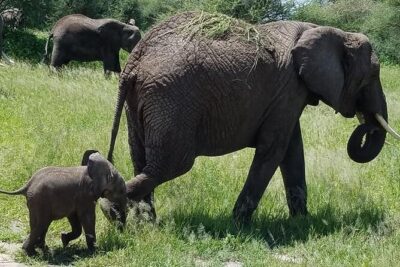 ★ 5.08 Days Great Wildebeest Calving Migration Safari from ArushaFrom $2,999254 reviews
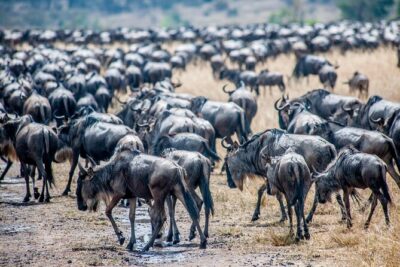 ★ 5.010-Day Serengeti Wildebeest Migration Safari from ArushaFrom $5,512218 reviews
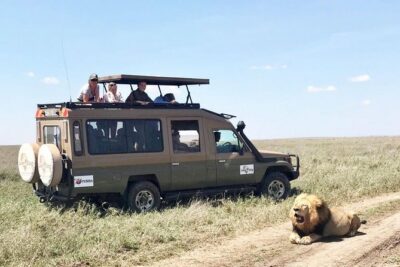 ★ 5.08 Day Spectacular Migration Serengeti mid -Range Tanzania SafariFrom $4,257161 reviews
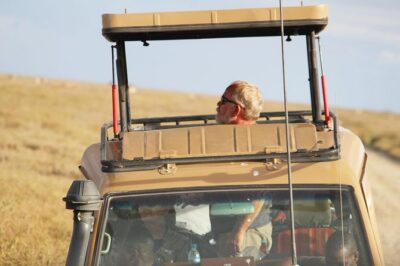 ★ 5.09-Day Serengeti Migration Footsteps Tanzania SafariFrom $4,53996 reviews
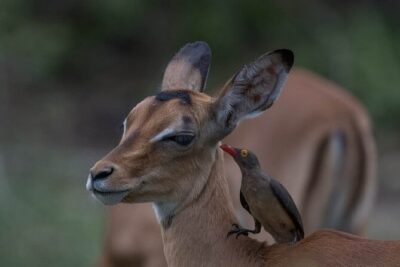 ★ 5.0Great Migration Safari In TanzaniaFrom $3,90071 reviews
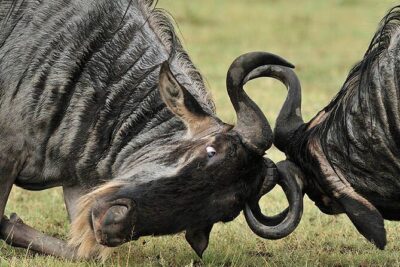 ★ 5.0Private 6-Day Great Migration Ndutu Serengeti Safari TourFrom $2,82747 reviews
 ★ 5.04 Day Great Migration Safari Serengeti & Ngorongoro CraterFrom $2,68033 reviews
 ★ 5.06 Days Tanzania Budget Camping Safari with MigrationFrom $1,65031 reviews
Browse the lists this tour appears in