
REVIEW · SERENGETI NATIONAL PARK SAFARIS
7 Days Wildebeest Migration – Ndutu Calving Season
Calving season turns Ndutu into a feeding frenzy. This 7-day Tanzania safari is built around the Ndutu area in the Serengeti ecosystem, when an estimated 500,000 wildebeest calves are born and predators move in fast. I especially like that the timing targets the short window when the action is concentrated, so you are not hunting for it all day.
Two things I really like: I love the Ndutu location and calving-window focus, and I like the way this route stacks three famous settings, Manyara, Ngorongoro Crater, and Serengeti, so you get variety, not just one repeat scene. One possible drawback to consider is that this kind of safari runs on seasonal luck, calving timing and wildlife positioning can vary, and long driving days are part of the package.
I also appreciate the human side of the trip planning. Gilmag Safaris is associated with smooth coordination, with names like Mary showing up in past traveler notes, and guides such as Jimmy, Nickson, Nicholas, and Gilbert being mentioned for strong on-the-ground leadership. For me, that matters because good safari days depend on reading the bush, not just arriving at a park gate.
In This Review
- Key Highlights You Should Know Before You Go
- Arusha Arrival and Your First Safari Brief at Mount Meru
- Lake Manyara: Expect Elephants, Plan for the Big Cats as a Bonus
- Descending Into Ngorongoro Crater: The 600-Meter Wow Factor
- Ndutu Lake Calving Season: Where Herds Concentrate and Predators Follow
- Two Days at Sense of Wilderness: More Herd Movement, More Chances
- Serengeti National Park: Central Plains, Acacia Shadows, and Kopjes
- The Return Trip to Arusha and Your Kilimanjaro Airport Drop-Off
- Price and Value at $4,004 Per Person: What You’re Really Paying For
- Wildlife and Photography Reality Check for Calving Season
- Who This Safari Fits Best (and Who Should Rethink It)
- Should You Book the Ndutu Calving Season Safari?
- FAQ
- Where does this safari start and end?
- How long is the tour?
- Which national parks or areas are included?
- Is airport pickup included?
- What’s included in the price?
- What is not included?
- What is the cancellation window for a full refund?
Key Highlights You Should Know Before You Go
- Ndutu calving focus: A short calving window helps concentrate herds and predator activity around the same region.
- Big-park variety in 7 days: Manyara, Ngorongoro Crater, and Serengeti give you different wildlife “moods” and scenery.
- Sense of Wilderness Migration Camp twice: Two full days in Ndutu means more chances to catch the herd movement.
- Ngorongoro Crater in one day: A major crater descent and crater rim lodge stay help you see a lot in daylight.
- Included essentials that reduce friction: All fees and taxes, unlimited bottled water, and Flying Doctor emergency evacuation.
- Photo-friendly wildlife density: Calving season concentrates animals, so you spend more time photographing and less time guessing.
More of the Serengeti, drive by drive
- 5 Days Private Tarangire, Serengeti, Ngorongoro, Manyara Safaris★ 5.0 · 17 reviews
- 4 Days Tanzania Private Safari | Serengeti , Ngorongoro & Tarangire Safari★ 5.0 · 16 reviews
- 6 Days 5 Nights lodge safari Tarangire, Manyara, Serengeti & Ngorongoro Crater★ 4.5 · 10 reviews
- 4 Days Tanzania Luxury Safari Serengeti and Ngorongoro Crater★ 5.0 · 9 reviews
Arusha Arrival and Your First Safari Brief at Mount Meru
You start in Arusha after landing at Kilimanjaro International Airport, with a transfer of about 60 kilometers. Arusha is a practical base city, and the climate is generally comfortable compared to the extremes you might associate with high elevation.
When you reach Mount Meru Hotel, you get a briefing for what comes next. I like this setup because it gets you oriented before you hit the parks, especially if this is your first time in Tanzania. It also helps you understand the pace of days that will start early and run long.
Lake Manyara: Expect Elephants, Plan for the Big Cats as a Bonus
Lake Manyara National Park is next, about 120 kilometers from Arusha, with a picnic lunch included for the drive day. The park sits at the base of the Rift Valley escarpment, and that matters, because it brings you a different feel than the open plains you will see later.
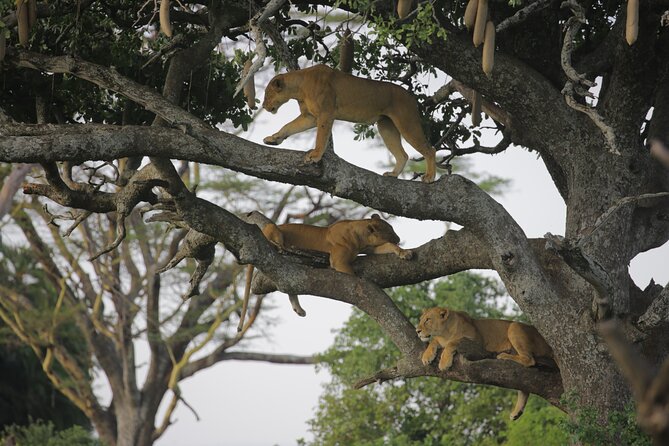
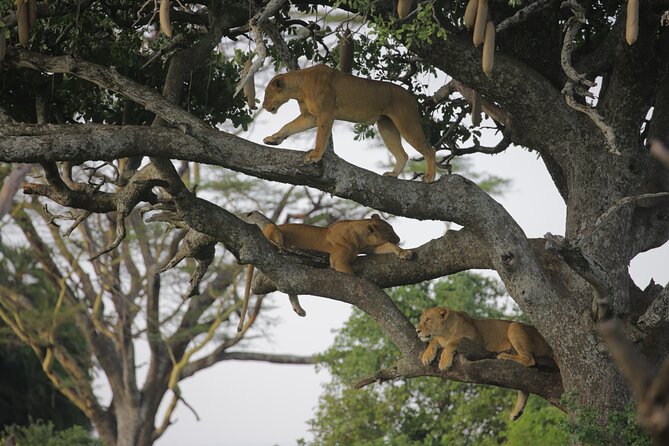
Manyara is known for the idea of tree-climbing lions, but big cats are not always easy to spot on demand. Elephants are the reliable draw here, and the groundwater forest setting can make you feel like you stepped into a different biome while still staying in a safari vehicle.
A common pattern with Manyara days is that you spend a good chunk of the afternoon on the hunt for movement. That is not wasted time here, because elephants and birds can pop up when you least expect it, especially when you change vantage points.
At day’s end, you drive to Karatu for dinner and overnight at Ngorongoro Coffee Lodge. That stop is helpful because it breaks up the longer crater and Serengeti travel days ahead.
Descending Into Ngorongoro Crater: The 600-Meter Wow Factor
Ngorongoro Crater day is the big dramatic switch. You drive toward the Ngorongoro Conservation Area and descend more than 600 meters into the crater for a full-day game viewing circuit.
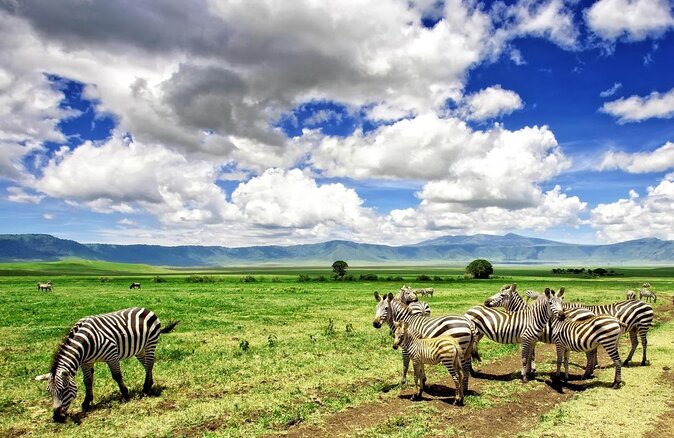
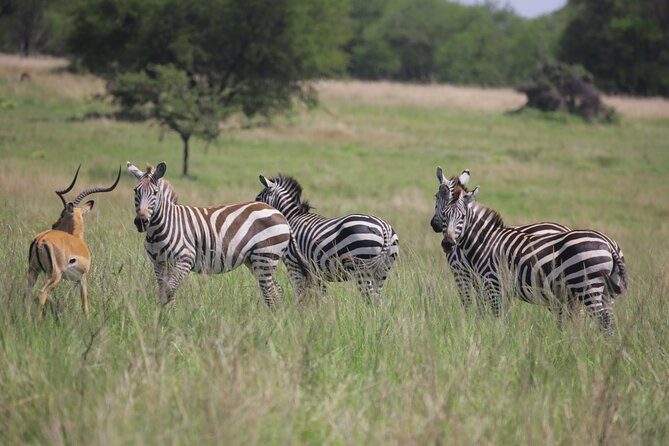
What makes the crater special is the year-round water and fodder. That stability supports a dense mix of animals, including herds of wildebeests, zebras, buffalos, eland, warthogs, hippos, and giant African elephants. In short, you do not need perfect timing for animals to be present.
You also visit Lake Magadi, a large shallow alkaline lake in the crater’s southwest corner. Alkaline lakes can look visually strange next to the surrounding grass, and they tend to draw in wildlife and birds. It is a small detail in the schedule, but it helps you see that the crater is not one uniform habitat.
By evening, you ascend back to the rim and sleep at Ngorongoro Serena Safari Lodge. Staying on the rim is practical, you get better access to the next day’s travel flow, and the light on the crater walls at dusk can be a great time for photos.
Chasing the herds? Compare these first

Ndutu Lake Calving Season: Where Herds Concentrate and Predators Follow
This is the heart of the trip. After breakfast, you head to the Ndutu area inside the broader Ngorongoro Conservation Area, part of the Serengeti ecosystem. Lake Ndutu is alkaline, and the overall setting includes swamps, woodlands, soda lakes, and the short grass plains that Serengeti is famous for.
You arrive in time for lunch at Sense of Wilderness Migration Camp, then do a game drive in the Ndutu area. The schedule is built for timing: this region holds the majority of wildebeests during December through March, and that is why Ndutu is the calving-season sweet spot.
What I like most here is the clarity of purpose. You are not just “trying to see wildebeests.” You are in the place where the herds gather, and the herds are what bring in the predators. Lions, cheetahs, and hyenas benefit from the same concentration that makes calving a spectacular wildlife event.
If you are traveling around February, you are targeting the short calving window. The herd calving is typically concentrated in a period that can last about three weeks, during which calves arrive in large numbers. One striking reality is that wildebeest calves can run minutes after birth, and within about three days they are strong enough to keep up with the herd. That means you may see fast changes in the scene day to day.
The Ndutu two-day block matters. A single drive day can feel like a highlight reel, but two full days give you time for herd shifts and for the area to reveal different angles. You also get more chances to photograph behavior, not just bodies.
Two Days at Sense of Wilderness: More Herd Movement, More Chances
Your second Ndutu day is the full day game viewing session. This is where you can really start noticing the different habitats working together. Swamp edges can pull birds and resident animals close, woodlands can break up sightlines, and soda lakes can add that surreal color contrast that photographs well.
During calving season, wildebeests and zebras tend to appear in strong groups. And you are not just chasing wildebeests. Elephants, giraffes, and buffaloes can also be common, moving through the same broad grassy setting that holds the herds. Add the flat-topped acacia trees, and you get that classic Serengeti look with enough animal density to keep your camera busy.
This is also a day where patience pays off. The most memorable moments often come after you park yourself, watch the herd posture, and wait for a new movement to trigger a predator response. The schedule gives you that time.
Dinner and overnight are again at Sense of Wilderness Migration Camp, which is a relief after long drives. Consistent lodging means you do not waste time packing and repacking, and you can focus on being out there when the light is best.
Serengeti National Park: Central Plains, Acacia Shadows, and Kopjes
After Ndutu, you drive toward Serengeti National Park with a picnic lunch along the way. Serengeti is huge, about 14,763 square kilometers, and it is connected to Kenya’s Maasai Mara Game Park. That scale shows up in how far you can see, and how quickly the terrain starts to feel endless.
In the central part of the park, you typically get sweeping grasslands with acacia trees and kopjes, those rocky outcrops that support unique micro-habitats. Animals often use those rocky spots as lookout points or shelter, so scanning kopjes is a smart habit.
You are staying at Tanzania Pure Tented Camp in Central Serengeti. Tented camps can vary in comfort, but in a safari context they tend to offer a closer, more open-feeling connection to the bush. It also keeps the focus on early starts and late game drives, when wildlife movement is often most active.
This Serengeti day is the finish line of your big animal circuit. It is not only about wildebeests, it is also about seeing how life works across the broader Serengeti system after the intense Ndutu concentration.
The Return Trip to Arusha and Your Kilimanjaro Airport Drop-Off
On your last day, you depart with a packed lunch and head back toward Arusha via the Ngorongoro Conservation Area. Arriving in the evening, you get dropped at Kilimanjaro International Airport to catch your onward flight.
The practical value here is timing. You keep your travel day structured and avoid ending the safari with an extra overnight near the airport. Just plan for a long day in the vehicle, because that drive time adds up when you have had several game drives already.
Price and Value at $4,004 Per Person: What You’re Really Paying For
At $4,004 per person, this safari is not “cheap,” but it is also not built like a bare-bones trip where you add costs later. The big value point is that all fees and taxes are included, along with meals and bottled water. That matters because safari budgeting can get messy fast when park fees and logistics are charged separately.
You also get Flying Doctor emergency evacuation included. That is one of those items that does not change your view of acacia trees in the moment, but it can make the whole trip feel safer, especially when you are far from medical centers.
Meals are also mostly covered: breakfasts (7), lunches (7), and dinners (6). Add unlimited bottled mineral water, and you remove daily choices about what to pay for and where to buy it. On long driving days, that convenience is real value, not just a line on a brochure.
What is not included is tipping to guides. That is normal in this region, but it is worth setting aside in advance so it does not become an awkward last-minute surprise.
Finally, note that pickup is offered and this is a private tour/activity, meaning it is just your group. Private can mean more control over pacing and fewer distractions, and it often just feels less like cattle herding when you are spending most of your day in a vehicle.
Wildlife and Photography Reality Check for Calving Season
Let’s talk expectations without killing the magic. Calving season creates high odds of seeing wildebeest herds, newborn calves, and predator interest. The predator payoff is often strongest when you are near active herd movement, which is why Ndutu is such a smart target.
That said, wildlife is wildlife. You can still be looking at gorgeous herds and not get a dramatic hunt on cue. The best strategy is to focus on what you can control: stay patient, keep your lens ready, and follow your guide’s instructions on where to position for the safest and best viewing.
For photos, calving season can mean fast action. Calves can move almost immediately after birth, and predators can react suddenly when something draws attention. You will likely want a zoom lens with enough reach, and you will appreciate fast shutter speeds.
One more tip: bring clothing that handles changing light. Safari days start early and end late, and the weather can shift. You want to stay comfortable so you do not spend your best game-viewing hours adjusting gear instead of watching animals.
Who This Safari Fits Best (and Who Should Rethink It)
This tour fits best if you want three things: big wildlife, a strong sense of timing, and a structured route. Calving-season focus suits wildlife lovers and photographers, and the Manyara and Ngorongoro add variety beyond the wildebeest story.
It is also a good match for first-time Africa visitors. The route is straightforward, you are supported with briefings, and you have set overnight bases like Mount Meru Hotel, Ngorongoro Coffee Lodge, Ngorongoro Serena Safari Lodge, Sense of Wilderness Migration Camp, and Tanzania Pure Tented Camp.
I would suggest rethinking if you hate driving days. This is a seven-day plan with multiple regions, and long days in a vehicle are part of how you cover the ground.
Should You Book the Ndutu Calving Season Safari?
Book it if you are visiting in the calving window and want the trip designed around a real seasonal event, not a generic big-animals checklist. The value adds up when park fees, taxes, water, meals, and Flying Doctor evacuation are included, and the two Ndutu days are a smart investment in time.
You should also consider booking if you like a mix of scenery: Rift Valley feel at Manyara, crater density at Ngorongoro, and the massive Serengeti plains from the central zone. Add the clear focus on herd concentration, and you get the kind of safari where your camera is busy for reasons beyond luck.
If you want a calm, low-motion vacation, this might feel like too much. But if you want wildlife in a place where timing matters, Ndutu is one of the best places to chase it in Tanzania.
FAQ
Where does this safari start and end?
It starts at Kilimanjaro International Airport, and it ends back at the same meeting point (Kilimanjaro International Airport).
How long is the tour?
The safari lasts about 7 days.
Which national parks or areas are included?
You’ll visit Lake Manyara National Park, Ngorongoro Crater in the Ngorongoro Conservation Area, the Ndutu area (Serengeti ecosystem), and Serengeti National Park.
Is airport pickup included?
Pickup is offered, and the meeting point is Kilimanjaro International Airport.
What’s included in the price?
The tour includes Flying Doctor Emergency Evacuation, unlimited bottled mineral water, all fees and taxes, lunches, breakfasts, and dinners. (Tented camp and lodge stays are part of the scheduled overnight plans.)
What is not included?
Tipping to guides is not included.
What is the cancellation window for a full refund?
You can cancel up to 6 days in advance for a full refund. If you cancel less than 2 full days before the experience’s start time, the amount you paid is not refunded.
Following the Migration
- Great Migration Safari In Tanzania
★ 5.0 · 71 reviews - 8 Days Great Wildebeest Migration – Mara River Crossing
★ 5.0 · 28 reviews - 6 Days Mara River Crossing – The Great Migration
★ 5.0 · 5 reviews - 6- Day Adventure Lodge safari to see Migration
★ 4.5 · 5 reviews - 5 days Serengeti Wildebeest Migration Safari
★ 5.0 · 3 reviews
The Serengeti, Three More Ways
- 5 Days Private Tarangire, Serengeti, Ngorongoro, Manyara Safaris
★ 5.0 · 17 reviews - 4 Days Tanzania Private Safari | Serengeti , Ngorongoro & Tarangire Safari
★ 5.0 · 16 reviews - 6 Days 5 Nights lodge safari Tarangire, Manyara, Serengeti & Ngorongoro Crater
★ 4.5 · 10 reviews - 4 Days Tanzania Luxury Safari Serengeti and Ngorongoro Crater
★ 5.0 · 9 reviews - Amazing 4 Days Safari 3 Nights: Tarangire, Ngorongoro, Serengeti
★ 5.0 · 6 reviews
Just added from around Kilimanjaro
Serengeti National Park Safaris, compared.
 ★ 5.0Serengeti Balloon Safari and authentic bush breakfastFrom $5502,480 reviews
 ★ 5.0Balloon Safari & Bush Breakfast in Serengeti – Miracle ExperienceFrom $5991,646 reviews
 ★ 5.03 Days Serengeti & Ngorongoro Group Camping SafariFrom $815574 reviews
 ★ 5.05-Day Highlights mid-Range Crater, Serengeti, TarangireFrom $2,327296 reviews
 ★ 5.0Safari Serengeti And NgorongoroFrom $2,845288 reviews
 ★ 5.03-Day Classic Serengeti SafariFrom $1,455263 reviews
 ★ 5.0Private 6-Day Tarangire Manyara Crater and Serengeti with Mid-Range LodgesFrom $2,685238 reviews
 ★ 5.05 Days Camping Tarangire, Serengeti & Ngorongoro crater & Visiting MaasaiFrom $1,254229 reviews
Browse the lists this tour appears in