
REVIEW · KILIMANJARO MACHAME ROUTE
7 Days Mountain Kilimanjaro climb Machame Route
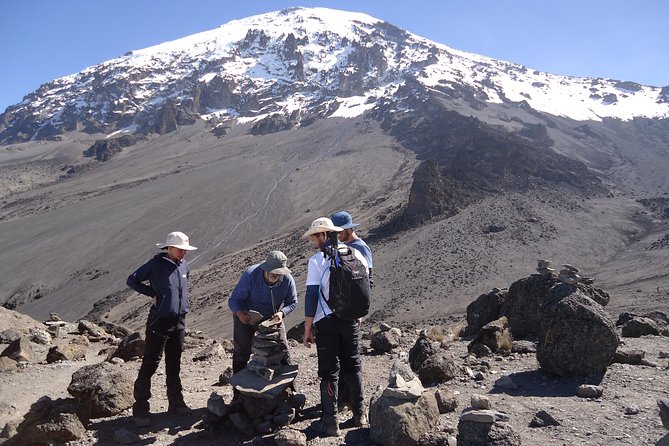
Kilimanjaro feels organized from minute one. This Machame Route climb with Bayango Tours & Safaris starts in Moshi with a gear check, then keeps you moving day after day with experienced guides and chef-prepared meals when the mountain starts getting serious.
My favorite part is the calm, hands-on support, including private tents so you sleep in your own space instead of crowded together. The tradeoff is straightforward: this plan is long, and the summit push is demanding, so you should have at least moderate physical fitness before you book.
In This Review
- Key points I’d bank on before you go
- Machame Route, but with the kind of logistics that help you focus
- Day 1 in Moshi: briefing, gear check, and an easier first night
- Day 2: Machame Gate (1830m) to Machame Hut (3000m)
- Day 3: Machame Hut to Shira Camp (3,840m)
- Day 4: the 10 km day (6.5 to 8 hours)
- Day 5 and Day 6: Barafu and Karanga, with purpose in the back-and-forth
- Day 7: midnight start, summit elevations, then the long descent
- Day 8: Mweka Gate to Moshi, with safari options if you have time
- Food, tents, and guide support that actually change your day
- Value for $2,000 per person, and what that number covers
- Who should book this Machame climb, and who should pause
- Should you book Bayango’s 7-day Machame Kilimanjaro climb?
- FAQ
- What time does the tour start?
- Where does the climb begin on the Machame Route?
- Are private tents provided?
- What meals are included during the trek?
- When does the summit attempt begin?
- What is not included in the price?
- Is free cancellation available?
Key points I’d bank on before you go
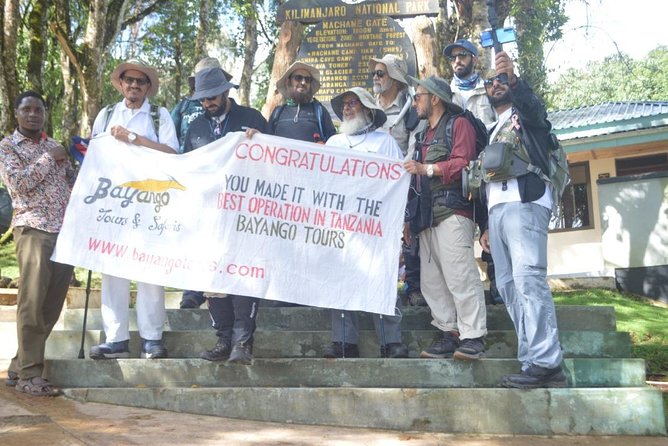
- Machame Route, step-by-step elevations from Machame Gate (1830m) upward to the summit and back down through Mweka
- Private tents for better sleep and less crowding at camp
- Chef-prepared meals with meals and drinks tailored to your preferences and choices
- Midnight summit start with real logistics (head lamps are mostly helpful)
- Private group experience so your pace and needs get more attention
Other ways up Kilimanjaro we reviewed
- Kilimanjaro Airport taxi to/from Moshi town/Arusha town★ 5.0 · 60 reviews
- 6 Days Climbing Mount Kilimanjaro Machame Route★ 5.0 · 40 reviews
- 8 Days Kilimanjaro Hike via Lemosho Route★ 5.0 · 39 reviews
- 7-Day Machame Route Kilimajaro★ 5.0 · 28 reviews
Machame Route, but with the kind of logistics that help you focus
Kilimanjaro is not just about views. It is also about timing, pace, and staying calm when the air thins and the steps get slower. This Bayango plan follows the Machame Route, starting from Machame Gate and building upward over several days before the big summit night.
What I like here is the way the experience is set up to reduce stress. You get pickup offered and a mobile ticket, plus a clear routine from the first briefing in Moshi to the final drive back down. The operator also says the climb is guided by experienced staff in all languages, which matters more than people think when you are tired and need instructions you can understand the first time.
You’ll also see a strong focus on small comfort upgrades. Instead of everyone packed into one tent situation, the plan includes private tents to sleep. On a mountain where rest is your fuel, that is not a luxury. It is part of the recovery plan.
Finally, the operator’s pitch is that most climbers reach the summit when they follow the guidance and techniques provided by the team. Nobody can guarantee altitude success for every body, but a structured, supportive approach is exactly what you want on Kilimanjaro.
Day 1 in Moshi: briefing, gear check, and an easier first night
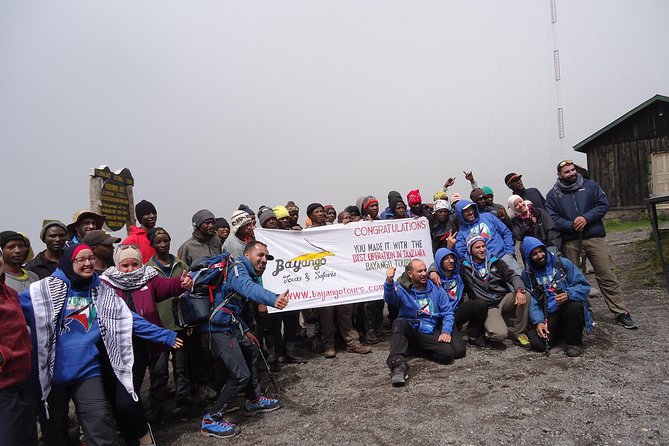
Your climb begins in Moshi, and Day 1 is all about prep. After arriving at your hotel, you do a trip briefing and a gear check, then you have time to explore the town and settle in.
This first day is practical for two reasons. One, it lets you verify that you brought what you actually need before the walking starts. Two, Moshi gives you a cushion of time, so you are not scrambling with last-minute items while you are already tired.
You also have room for a little normal life. The plan includes the option to enjoy Moshi’s night life and short tours around the city. Nothing on Day 1 should feel like a workout. If your body is adjusting to a new environment, that’s when you want the schedule to be gentle.
Day 2: Machame Gate (1830m) to Machame Hut (3000m)
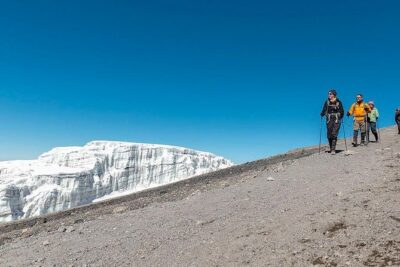
Day 2 is the first big “you’re on the mountain now” day. The hike goes from Machame Gate (1830 meters) to Machame Hut (3,000 meters). Expect about 6 to 7 hours of walking.
This day is often where you set your rhythm. The elevation gain is real, but the timing is designed to help you start without racing. If your pace is steady and you keep breathing under control, you’ll be less likely to feel wrecked by the time you reach camp.
Also, pay attention to the included setup. The climb includes the park ticket on this day, and meals are part of the package. That sounds basic, but on Kilimanjaro it means fewer moving parts for you. You can focus on your footwork and your hydration, not on budgeting or logistics mid-trek.
More Machame departures, compared
Day 3: Machame Hut to Shira Camp (3,840m)
On Day 3, you move from Machame Hut to Shira Camp (3,840m). The hike is about 4 to 6 hours.
This is a shorter day on the schedule, which can be a gift. When the total walking time drops, you get a better chance to recover your energy and settle into the camp routine. If your legs are still adjusting from Day 2, this helps.
What I’d watch for on days like this: your energy can feel better than expected, so it’s easy to speed up. Try to keep a calm pace anyway. Kilimanjaro success usually comes from consistency, not hero steps early on.
Again, the plan includes the admission ticket for this day, so you’re not juggling extra costs after you’ve already committed to the trek.
Day 4: the 10 km day (6.5 to 8 hours)
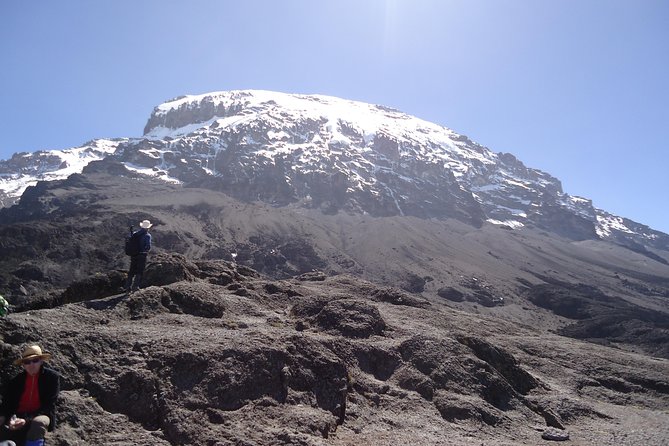
Day 4 is described as a 10 kilometer hike with about 6.5 to 8 hours of walking. It is one of those in-between days where patience does the work.
Because the schedule is longer here than Day 3, you may notice small differences in how your body feels. That’s normal. This is where your guide support can really matter. The operator emphasizes helpful information and techniques that make it easier to summit, and you’ll want those kinds of coaching during a tougher stretch.
Also, this is part of why the Machame route is popular. The days are not all equal. You get a mix of effort levels so you can acclimatize without everything feeling like a wall.
Day 5 and Day 6: Barafu and Karanga, with purpose in the back-and-forth
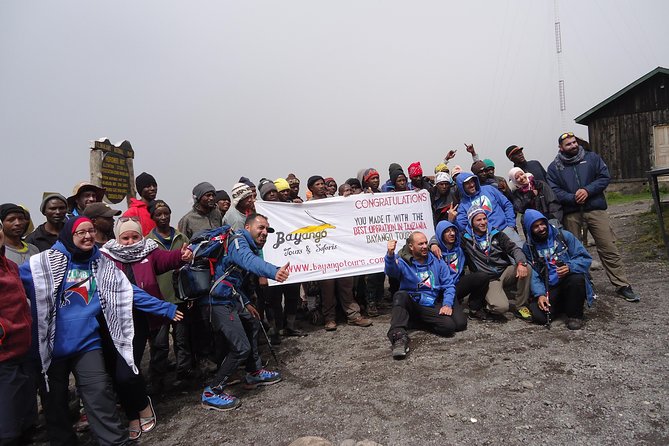
Days 5 and 6 cover a rhythm that feels like “we’re going back,” but it has a reason. On Day 5, the hike goes from Barafu Camp to Karanga Camp, covering 5 kilometers and taking up to 5 hours.
Then Day 6 goes from Karanga Camping area to Barafu Camp site, covering 4.6 kilometers in about 4 to 5 hours.
If you’re worried that the plan is confusing, you’re not alone. But this structure is the kind of acclimatization logic that helps set you up for summit night. You get a chance to adjust, recover, and build momentum toward the final push.
This is also when having camp comfort matters. The tour includes camping gear and offers private tents, so you have a real place to rest instead of making do with a cramped sleep situation. On these days, rest is not optional. It is how you stay ready for the next elevation jump.
Day 7: midnight start, summit elevations, then the long descent
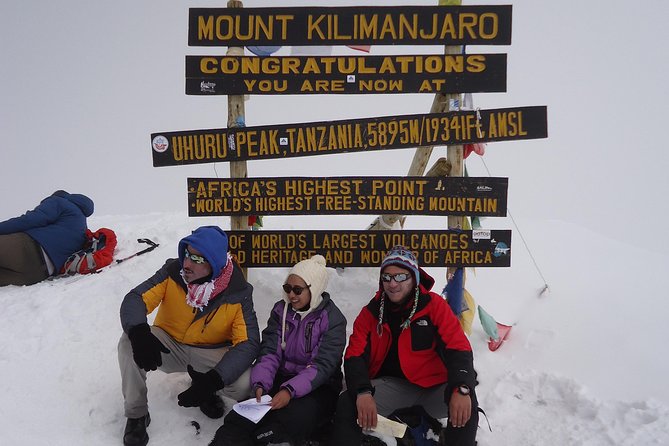
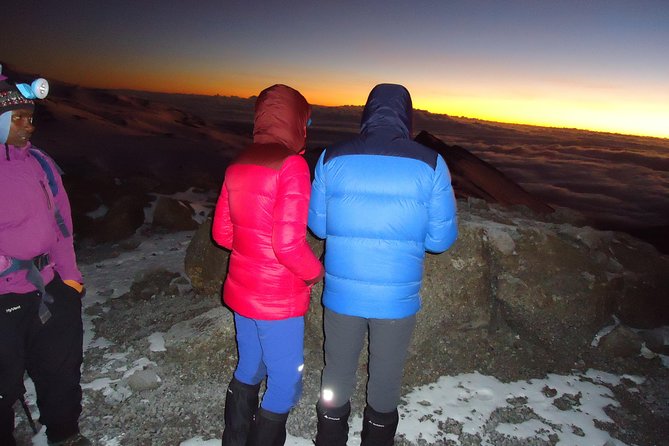
Day 7 is the big one. You’ll wake up in the midnight together, and the plan notes that head lamps are mostly helpful for this hike. If you forget your headlamp, you’ll feel it fast on a dark mountain. Bring one you trust.
The elevation climb goes from Barafu Camp to the summit, then down to Mweka Hut, with elevations listed as 15,300 feet to 19,345 feet, then down to 10,000 feet. The schedule is also specific:
- 5 kilometers ascending
- 12 kilometers descending
- about 7 to 8 hours ascending
- about 4 to 6 hours descending
The ascent timing tells you what kind of night this is. You are not doing a quick sprint to the top. It’s a slow, focused climb, and the success comes from pacing, not speed.
The descent is where many people feel it in their knees and feet. The fact that the itinerary gives a detailed descending window is useful, because it helps you mentally prepare for a long day after you hit the summit.
Also, this is where the operator’s emphasis on guidance and techniques is most valuable. On summit night, you need someone to help you keep moving with the right pace and the right mindset.
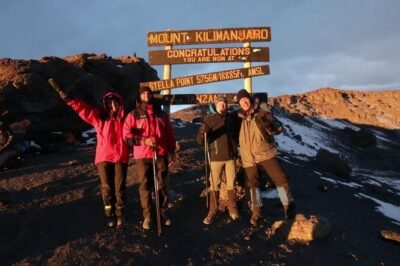
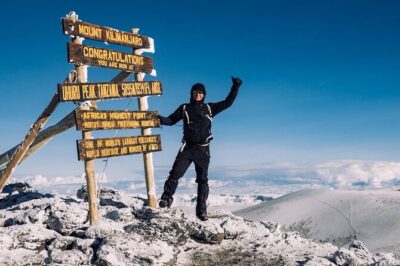
If you are aiming for the main summit marker on Kilimanjaro, one of the strong points from this Machame plan is that it reaches the summit point known as Uhuru Peak, before descending to the Mweka area.
Day 8: Mweka Gate to Moshi, with safari options if you have time
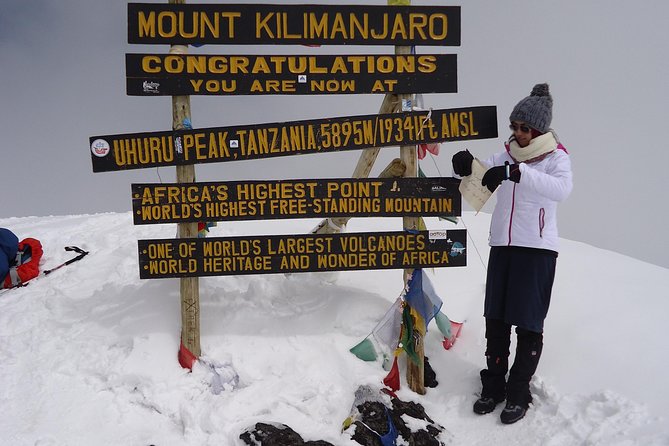
On Day 8, you drive from Mweka Gate to Moshi. The plan also gives you a chance to keep enjoying Tanzania if your schedule allows.
If you still have time, you can add a day tour to Arusha National Park, and the operator mentions options connected to safari and other Tanzania experiences, including beach time in Zanzibar and cultural tours. The wording is flexible, which is good when you want to design your own next steps.
One practical point: Day 8 is when you want to stop being brave and start being strategic. After summit day, you might think you can do everything, but your energy might be different than you expect. If you’re up for it, a safari day can be a nice contrast to the mountain. If you’re not, a clean travel day back in Moshi is still a win.
Food, tents, and guide support that actually change your day
A lot of Kilimanjaro talk is about the summit. I think the more honest story is about the middle days and whether you can recover. This Bayango climb makes recovery feel more manageable in a few ways.
First, meals are handled by professional chefs, and the plan says meals and drinks consider your preferences and choices. If you have dietary needs, this is worth asking about directly when you book, but the core idea is that you should not feel like you are just eating random camp food.
Second, meals are scheduled and consistent:
- Lunches: 7
- Breakfasts: 7
- Dinners: 6
That structure matters. It reduces decision fatigue while you are climbing. You always know when you should eat, and you can plan your hydration without guessing.
Third, the tour emphasizes private tents so you are not squeezed into one sleeping space with strangers. On summit nights and tough camp days, sleep quality can decide how you feel the next morning.
Finally, the team approach comes through in how they manage concerns. One of the strongest themes in the experience description is that questions and worries get handled gently and quickly, with a sense of humor and lightness. That matters because Kilimanjaro anxiety is real, even for fit people. A guide who keeps the tone steady helps you keep your focus on the next step.
Value for $2,000 per person, and what that number covers
At $2,000 per person, this is not a budget-only option. But it is not overpriced for what you’re getting, especially if you compare it to the real cost of meals, gear, and private logistics on Kilimanjaro.
Here’s what’s included:
- Camping gears
- Private transportation
- Meals: 7 lunches, 7 breakfasts, 6 dinners
- Admission ticket: Day 1 is free, and Days 2 onward are listed as included
What is not included:
- Tips
- Items of personal nature
This pricing makes the most sense if you value these things:
- A private group experience, not a mixed crowd
- The private tent setup
- Consistent meals handled by chefs
- Private transportation and a managed flow from Moshi to the trail and back
If you are the kind of traveler who hates surprises, this package style helps. If you enjoy saving money by cutting camp comforts and doing more yourself, you might feel the price more directly.
Also, start time is 12:30 pm, and the tour is described as private. That means the schedule is designed for your group, and you are not waiting around as much for other travelers to catch up.
Who should book this Machame climb, and who should pause
This itinerary suits you best if:
- You have moderate physical fitness
- You want experienced guidance in your language
- You care about sleep quality and prefer private tents
- You want an organized plan with meals handled and included
You might want to think twice if:
- You are looking for a very flexible, self-paced experience. This plan is structured, with a midnight summit start and long walking days.
- You are not comfortable with the idea that the summit day includes many hours of ascending and descending.
Also, be honest about your expectations. Even with a strong team and a well-run schedule, Kilimanjaro is still a physical challenge with altitude involved. The right mindset is not bravado. It is patience, hydration, and following instructions.
Should you book Bayango’s 7-day Machame Kilimanjaro climb?
I’d book this climb if you want a Machame Route trek that feels professionally managed from the briefing in Moshi to the final drive down from Mweka Gate. The combination of experienced guides, chef-made meals, and private tents is a practical recipe for staying calmer and recovering better.
But if your priority is lowest cost or you want maximum self-direction, this might feel too structured for you. My best advice is to judge the value against your own travel style. If you like organized support and you want fewer decisions while you’re under strain, this plan is a strong fit.
FAQ
What time does the tour start?
The start time is listed as 12:30 pm.
Where does the climb begin on the Machame Route?
The climb starts from Machame Gate (1830 meters).
Are private tents provided?
Yes. The tour includes private tents to sleep in, instead of sharing one tent for many climbers.
What meals are included during the trek?
The package includes 7 lunches, 7 breakfasts, and 6 dinners.
When does the summit attempt begin?
On Day 7, you will wake up in the midnight for the summit push. Head lamps are noted as mostly helpful.
What is not included in the price?
Tips and items of personal nature are not included.
Is free cancellation available?
Yes. Free cancellation is available, and you can cancel up to 24 hours in advance for a full refund.
More Machame Departures
- 7 Days Kilimanjaro via Machame route affordable price
★ 5.0 · 110 reviews - 6 Days Climbing Mount Kilimanjaro Machame Route
★ 5.0 · 40 reviews - 7-Day Machame Route Kilimajaro
★ 5.0 · 28 reviews - 6 Days Machame Route Kilimanjaro Trekking
★ 5.0 · 13 reviews - Mount Kilimanjaro 7 Days – Machame Route
★ 5.0 · 5 reviews
Kilimanjaro, Route by Route
- 7 Days Kilimanjaro via Machame route affordable price
★ 5.0 · 110 reviews - Kilimanjaro Airport taxi to/from Moshi town/Arusha town
★ 5.0 · 60 reviews - 6 Days Climbing Mount Kilimanjaro Machame Route
★ 5.0 · 40 reviews - 8 Days Kilimanjaro Hike via Lemosho Route
★ 5.0 · 39 reviews - 7-Day Machame Route Kilimajaro
★ 5.0 · 28 reviews
Just added from around Kilimanjaro
Kilimanjaro Machame Route, compared.
 ★ 5.0Kilimanjaro climb, Machame Route (7-day)From $3,377262 reviews
 ★ 5.0Climbing Kilimanjaro – Machame RouteFrom $2,322170 reviews
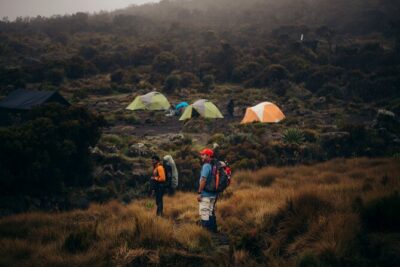 ★ 5.0Climbing Kilimanjaro through 7 days Machame RouteFrom $2,425151 reviews
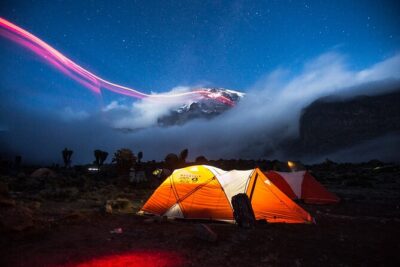 ★ 5.07-Day Machame Kilimanjaro Summit Tour from ArushaFrom $2,695125 reviews
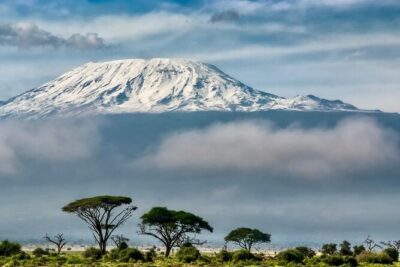 ★ 5.07 Days Kilimanjaro via Machame route affordable priceFrom $2,400110 reviews
 ★ 4.2#1. Best Kilimanjaro Day hike Tour-Machame Route-ISMANIFrom $11547 reviews
 ★ 5.07 Days Machame route – KilimanjaroFrom $2,85045 reviews
 ★ 5.0The Best of Machame Route in 6 Days: Your World’s Summit GuideFrom $1,15044 reviews
Browse the lists this tour appears in