
REVIEW · KILIMANJARO MACHAME ROUTE
Mount Kilimanjaro 6 days – Machame route
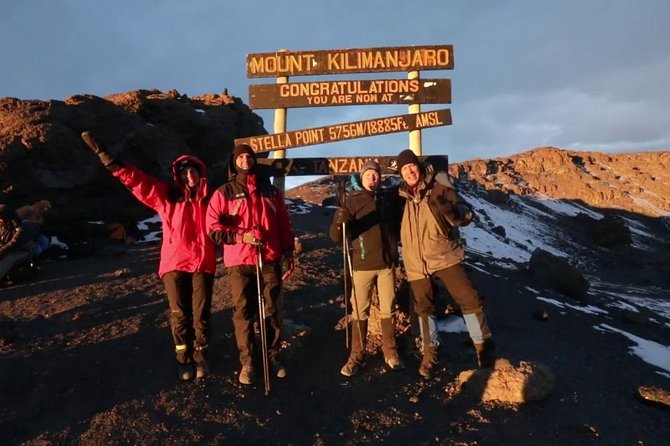
The Machame route feels like Kilimanjaro, in full color. You’ll move from rain forest switchbacks into high-altitude ridges, then ride that momentum into the grueling midnight push, including the legendary sunrise moment at Stella Point.
What I like most is the pacing and structure for acclimatization, plus the route’s mix of scenery in a very doable 6 days (about 62 km, 37 miles gate to gate). The possible drawback: the schedule includes an extremely early summit start, so you need to be mentally ready and physically prepared for the hardest hours of the whole trek.
In This Review
- Quick hits you’ll care about before you go
- Machame Route Value: Why this 6-day plan makes sense
- From Machame Gate to Machame Camp: Day 1’s rainforest climb sets your rhythm
- Shira glades and steep ridges: Day 2 from the rain forest to Shira campsite
- Shira Plateau to Lava Tower and down to Barranco: Day 3 is the acclimatization day people underestimate
- Barafu Camp and the South Circuit feel: Day 4’s role is rest and readiness
- The midnight summit climb to Stella Point: the toughest part, and why it’s worth it
- Down to Mweka Park Gate and Moshi: Day 6’s certificate run and the wet-mud reality
- Price and logistics: what $2,220 actually buys on Kilimanjaro
- Guides, cooks, and camp setup: the service side that changes how you feel
- Packing and pace tips from the realities of this route
- Should you book the Machame 6-day Kilimanjaro climb?
- FAQ
- How long is the Kilimanjaro climb on the Machame route?
- What is the total distance of the Machame route?
- Where does the trek start and where does it end?
- Is pickup or transportation included?
- Are park fees included in the price?
- Is emergency oxygen provided?
- What meals are included during the trek?
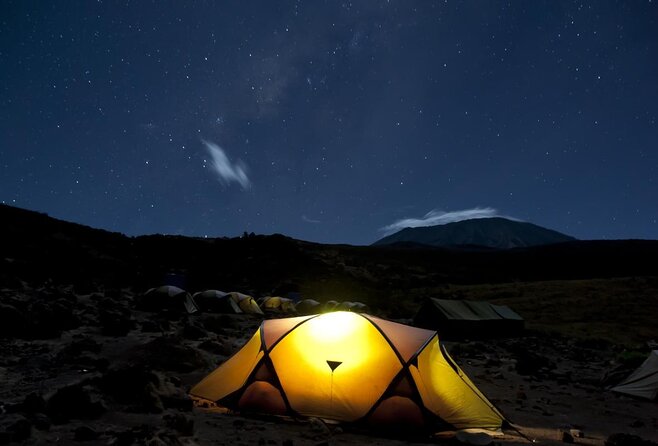
- What camping and hiking support equipment is included?
- What gear should I bring and what is recommended?
- Can I cancel for a full refund?
Quick hits you’ll care about before you go
- Machame’s “in-between” difficulty: rated as one of the best routes, yet first-time trekkers often manage it with the right effort and acclimatization
- Rain forest to alpine ridges in Day 1 and Day 2: you’ll climb from about 1,830m up to the 3,050m range fast, so bring gaiters and trekking poles for grip
- A key acclimatization day even when elevation seems similar: Day 3 ends near where you started but includes critical high-point work
- Stella Point sunrise on the crater rim: one of the trek’s most motivating payoffs, with heavy scree and cold along the way
- Mweka descent includes mud realities: lower elevations can be wet and slippery, so plan for wet feet and bring what helps
- Crew names you’ll likely remember: guides and support staff such as Emmanuel, Isaya, Jumanne, Ngwasuma, Chef, and Yahya often show up in memorable service stories
Other ways up Kilimanjaro we reviewed
- Kilimanjaro Airport taxi to/from Moshi town/Arusha town★ 5.0 · 60 reviews
- 6 Days Climbing Mount Kilimanjaro Machame Route★ 5.0 · 40 reviews
- 8 Days Kilimanjaro Hike via Lemosho Route★ 5.0 · 39 reviews
- 7-Day Machame Route Kilimajaro★ 5.0 · 28 reviews
Machame Route Value: Why this 6-day plan makes sense
The Machame route is a classic for a reason. It’s built around a steady progression from the lower rainforest zone into higher, drier alpine terrain, with camp nights that give your body chances to adapt. You’ll also get a true sense of the mountain changing, not just one long slope all the way up.
This is not a “lazy hike.” Even though the route is considered a top choice, it’s still demanding. The walk distances look short on paper on some days, but Kilimanjaro does its job by slowing you down through altitude. The result is that a “reasonable” plan can still feel like a full workout, especially on the summit night when you’re climbing for sunrise.
At $2,220 per person, what you’re paying for is more than guides. Included are all fees and taxes, hotel nights before and after, round-trip airport transfers, camping gear, meals, and emergency oxygen. That matters because on Kilimanjaro, comfort and logistics affect your energy and decision-making. If you end up buying a lot of essentials separately, the “cheap” route can stop being cheap fast.
Who this fits best: people who want a respected, well-paced trek, not a barebones “rough it” challenge. If you’ve got some hiking experience, you’ll likely feel more confident from the start. If you’re brand new but in solid shape, this route can still work, as long as you take the acclimatization seriously and don’t rush.
From Machame Gate to Machame Camp: Day 1’s rainforest climb sets your rhythm
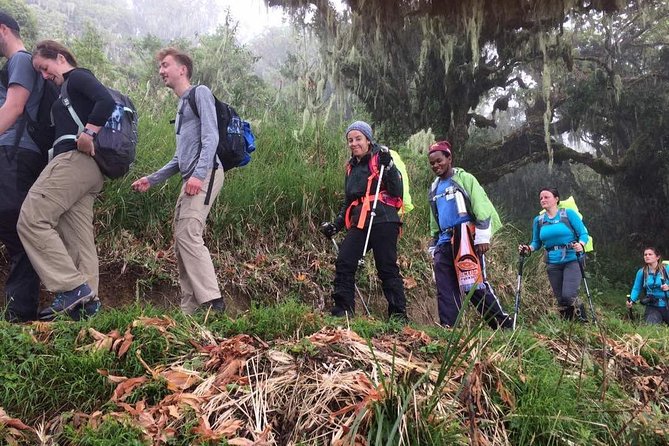
You’ll drive from Moshi to Machame Gate in about 45 minutes. That short transport day matters because you’re not arriving exhausted. You then walk into the rainforest on a winding trail that climbs toward a ridge.
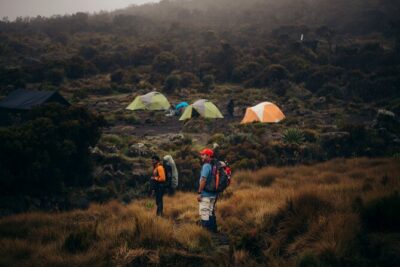
Day 1 ranges from about 1,830m to roughly 3,050m, with an 11 km (about 7 miles) hike time around 5 to 6 hours. The key reality here is ground conditions. At lower elevations, the trail can be muddy and slippery. This is the day to take grip seriously. Gaiters help keep muck off your legs. Trekking poles can take pressure off knees on uneven footing, and they help you not do a surprise slip at the worst moment.
What you’ll like: the rainforest intro is warm, alive, and visually different from the high camps. You’re building rhythm and learning how fast your breathing will change once you start climbing.
What to watch: Day 1 starts you uphill fairly quickly, even if the hike time is manageable. Don’t treat it like a fitness test. Go steady, keep your effort smooth, and save energy for the bigger altitude jump to come.
Shira glades and steep ridges: Day 2 from the rain forest to Shira campsite
Day 2 goes from about 3,050m up to roughly 3,850m, with a shorter 5 km (about 3 miles) walk. The hiking time is still 4 to 5 hours, because the trail steepens. You’ll leave the glades of the rainforest and head onto an ascending path.
Expect crossings and technical-feeling sections. The route includes a steep rocky ridge and a valley crossing, then you continue west onto a river gorge before arriving at Shira campsite. Even when the distance is short, this is the day where your legs start to feel the altitude, not just the slope.
What I like about the way Day 2 is set up: it gives your body a chance to adjust to higher elevations without escalating the mileage into a long sufferfest. That makes it easier to keep a consistent pace, which is what you want for acclimatization.
What you should consider: rocky ridges can be rough on your feet and ankles. If you tend to get blisters, treat that early. Fix hotspots before they become real problems.
More Machame departures, compared
Shira Plateau to Lava Tower and down to Barranco: Day 3 is the acclimatization day people underestimate
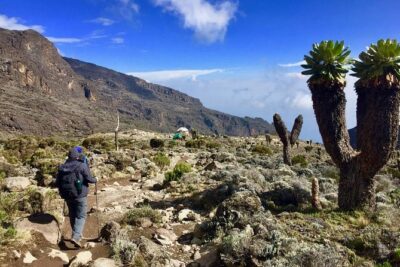
Day 3 runs from around 3,850m to about 4,000m at the high camp start and then sets you up for the Lava Tower area. You’ll cover about 10 km (around 6 miles) over 5 to 6 hours.
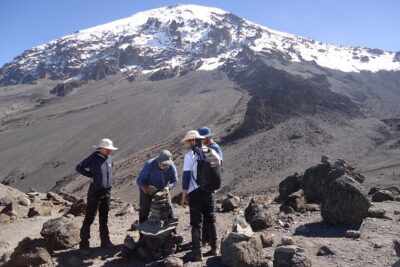
From Shira Plateau, you continue up a ridge, pass a junction toward the Kibo area, and then head southeast toward the Lava Tower, often called the Shark’s Tooth at 4,650m (15,250 ft). After the tower, there’s a second junction related to the Arrow Glacier route. You’ll continue down to Barranco Camp.
The part you shouldn’t miss: it’s true that you end the day at an elevation similar to where you began. But this is still a vital day for acclimatization. Your body gets practice dealing with higher altitude while you’re still in a manageable time window.
What to watch: this is one of the days where people get tempted to power hike because they feel like they’re near the big stuff. Don’t. Keep your steps controlled. Save intensity for the summit window, not for the middle of the week.
Barafu Camp and the South Circuit feel: Day 4’s role is rest and readiness
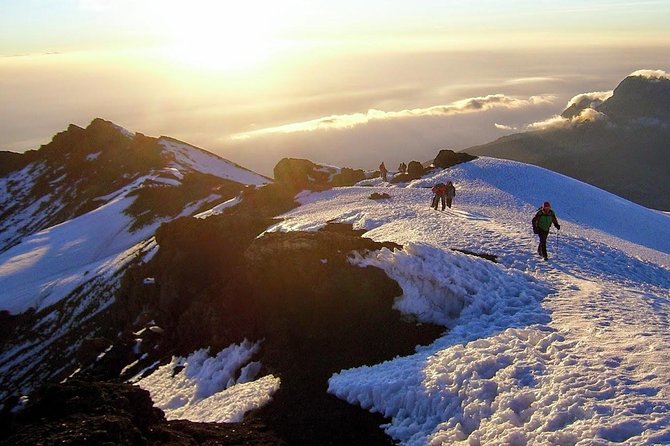
Day 4 climbs from about 4,050m to around 4,700m, with roughly 9 km (about 5 miles) and hiking time around 7 hours. You’ll continue up toward Barafu Camp.
By this point, you’ve completed the South Circuit. That phrase matters because it implies more than “a route shape.” It means you’ve walked long enough to get real summit-facing views from different angles, while also giving your body additional acclimatization time through camp positioning.
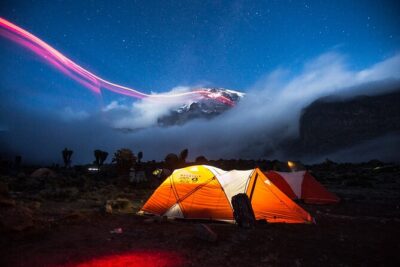
Camp at Barafu is also a psychological checkpoint. The day is about resting, eating well, and preparing your body for the summit push the next night. You’ll have dinner and time to get organized for midnight departure. If you like checklists, this is the day to do it.
Possible drawback: Barafu Camp is not a place to treat like a casual overnight. You’ll likely feel tired, and the cold at high elevations can surprise you. Keep your warm layers accessible, not buried.
The midnight summit climb to Stella Point: the toughest part, and why it’s worth it
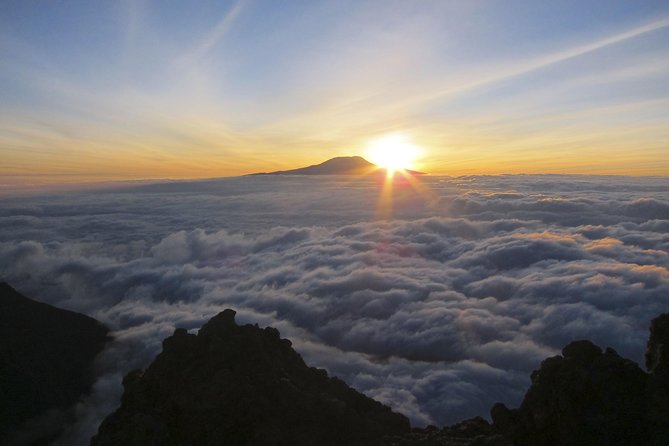
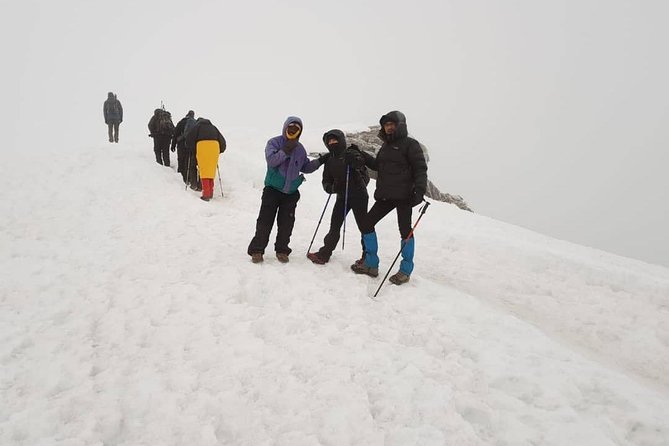
Day 5 is the big one. You’ll leave between midnight and 2 am and walk 14 hours total, including the long climb and the return down to around 3,090m. The day’s structure includes heavy scree sections and steep segments, and it’s also when your mental stamina gets tested.
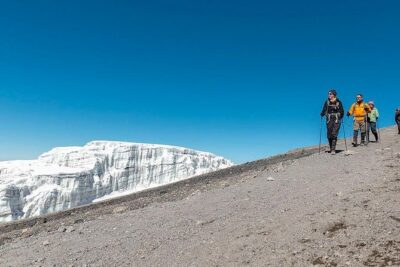
The route heads between the Rebmann and Ratzel glaciers, in a northwesterly direction, ascending through heavy scree toward Stella Point on the crater rim. Stella Point is where you stop briefly. Then you continue toward the summit.
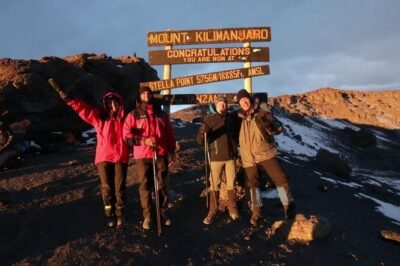
This is where the most memorable payoff happens: you get a sunrise moment, and the description of that sunrise is the kind that people remember for years. At faster pace, you may see it from the summit. Along the route, you might encounter snow all the way to the summit depending on conditions.
Why this day is so valuable even if it’s miserable: sunrise is not just pretty. It’s a moment your brain recognizes as completion. It’s the one time in the week when effort suddenly turns into meaning, and you feel why altitude training and patience mattered.
What to consider: the climb is mentally and physically challenging. This is also the day where you need to listen to your guide if you’re struggling. You’re not there to prove toughness by ignoring symptoms.
Down to Mweka Park Gate and Moshi: Day 6’s certificate run and the wet-mud reality
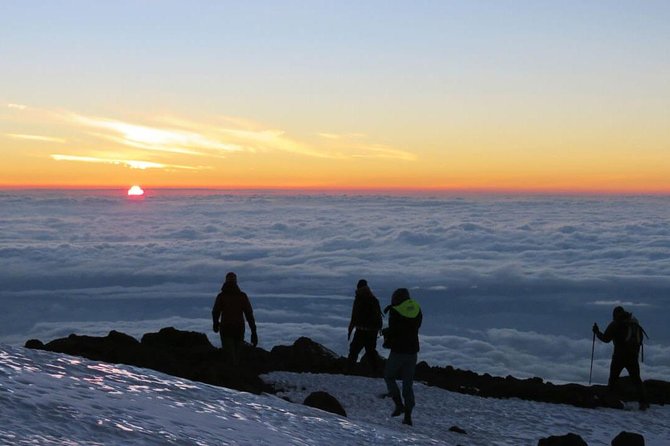
After breakfast on Day 6, you descend from about 3,090m down to 1,680m, walking around 10 km (about 6 miles) for roughly 3 to 4 hours. You continue down to the Mweka Park Gate to receive your summit certificates.
Then you walk about another hour to Mweka Village, where a vehicle meets you for the drive back to your hotel in Moshi, about 30 minutes.
Lower elevations can be wet and muddy. This is where trekking poles and gaiters can still earn their keep. The good news is that the day is mostly “finish” energy instead of “fight for oxygen” energy. Shorts and t-shirts will probably be enough, though you should keep rain gear and some warmer clothing handy for chilly damp moments.
What I like about Day 6: it’s structured, not chaotic. You know the certificate timing and the transport back to Moshi is included.
Price and logistics: what $2,220 actually buys on Kilimanjaro
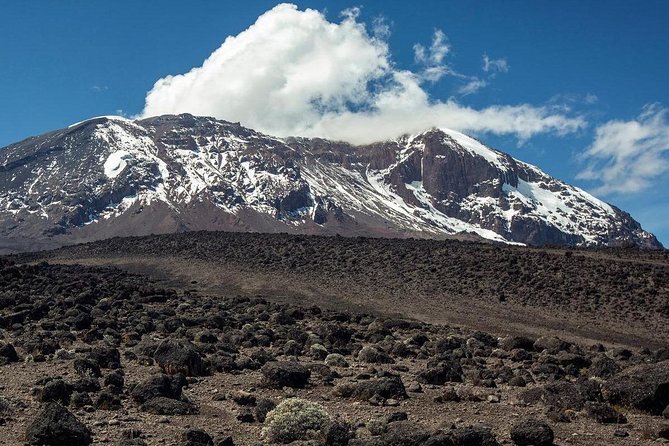
Let’s talk value without pretending it’s cheap. At $2,220 per person, this is a premium outdoor experience. You’re paying for:
- All fees and taxes included
- Round-trip transfers tied to Kilimanjaro airports and Moshi
- Hotel the night before and the night after, with dinner and breakfast included
- Qualified mountain guide, assistant guides, porters, and cook
- Camping equipment like tents, camp chairs, tables, and sleeping mattresses
- Water for washing up daily
- Emergency oxygen (for emergencies only)
- Meals: breakfasts, lunches, and dinners throughout the climb
Where costs can sneak in are the “personal reality” items. Individual trekking gear is not included. Also not included: visas, flights, health and travel insurance, alcoholic and non-alcoholic beverages, snacks, personal medicine, and water purifying tablets. A portable toilet is optional but highly recommended.
My practical advice on the price: treat what’s included as “support for your safety and comfort.” The biggest danger on Kilimanjaro is not a lack of scenery. It’s a lack of bandwidth, energy, or good decision-making when conditions get tough. When meals, tents, and camp staff are taken care of, you can focus on your pace, hydration, and rest.
Guides, cooks, and camp setup: the service side that changes how you feel
Kilimanjaro is a team sport. Even if you’re the one walking, you’re traveling on someone else’s expertise. The best sign in the stories about this operator is the way they describe organization and crew support.
One account highlights a team led by Emmanuel, with standout support from crew members including Isaya, Jumanne, Ngwasuma, Chef, and Yahya. Another story praises how Wence and his team organized the trek, with camping facilities handled in a way that felt top notch.
That stuff matters. When camp setup is smooth, you sleep better. When the kitchen is reliable, you eat better. When guides know the mountain and your group, you’re less likely to chase speed at the wrong moment.
Now the balanced note. There is also a critical review that says the owner could not be trusted. The response you have here points to a specific issue where a booked group on Machame decided to change to the Rongai route at extra cost, and the company says it could not force the group onto the original option. You don’t need to assume anything worst-case, but it does tell you to confirm your route choice clearly and early, especially if you are flexible or traveling solo.
Packing and pace tips from the realities of this route
You’ll move through rain forest, rocky ridges, scree slopes, and a cold crater rim. So your packing should match the week, not just the summit photo.
From the trek details you’re given, these are the practical essentials to plan around:
- Gaiters and trekking poles are a good idea, especially on muddy lower sections and wet descents
- Bring rain gear and warmer layers. Shorts and t-shirts may be enough at the end, but weather can still be chilly and damp
- Plan for heavy scree and cold during the summit climb. That means you need gear that works under pressure, not just gear that looks good in daylight
Pacing advice that works with this itinerary:
- Day 1 and Day 2 are about rhythm. If you go out too fast early, you’ll feel it later in the week.
- Treat Day 3 as acclimatization work, even if you descend back toward similar elevations. The Lava Tower segment is not “just a detour.”
- Save your biggest effort for the night push. The summit climb is not the place for random surges.
Should you book the Machame 6-day Kilimanjaro climb?
Book it if you want a well-regarded route that balances challenge with acclimatization, and you like the idea of earning a major payoff at sunrise on the crater rim. This trek also looks like good value if you want support with meals, camping setup, and the practical stuff that lets you focus on hiking.
Think twice or ask extra questions before you pay if route flexibility is important to you. The dispute described in the response suggests route changes can happen when a group shifts options, and those changes may come with extra cost. If you care about doing Machame specifically, make sure your confirmation matches your expectation in writing and discuss what happens if plans change.
If you’re physically ready for a long summit night, this route is a strong choice. And if you’re not sure, talk with the operator about your hiking background and expectations early. Kilimanjaro rewards smart pacing more than raw speed, and Machame is designed to support that approach.
FAQ
How long is the Kilimanjaro climb on the Machame route?
The trek is listed as 6 days approximately.
What is the total distance of the Machame route?
It is about 62 km (37 miles) from gate to gate.
Where does the trek start and where does it end?
It starts at Machame Gate – Mount Kilimanjaro in Barangata, Tanzania. The activity ends back at the meeting point.
Is pickup or transportation included?
Pickup is offered, and return transfers are included from Kilimanjaro airport to Moshi and from Moshi to Kilimanjaro airport.
Are park fees included in the price?
Yes. All fees and taxes are included.
Is emergency oxygen provided?
Yes, emergency oxygen is included for use in emergencies only, not as summit aid.
What meals are included during the trek?
Breakfast is included (5), lunch is included (6), and dinner is included (5).
What camping and hiking support equipment is included?
Camping equipment is included, including tents, camp chairs, tables, and sleeping mattresses, plus water for washing up daily.
What gear should I bring and what is recommended?
You should bring your own individual trekking gear since it is not included. Gaiters and trekking poles are a good idea for muddy or slippery sections, and rain gear and warmer clothing are recommended. A portable toilet is optional but highly recommended.
Can I cancel for a full refund?
Yes. There is free cancellation up to 24 hours in advance for a full refund. Cancellation less than 24 hours before the start time is not refundable.
More Machame Departures
- 7 Days Kilimanjaro via Machame route affordable price
★ 5.0 · 110 reviews - 6 Days Climbing Mount Kilimanjaro Machame Route
★ 5.0 · 40 reviews - 7-Day Machame Route Kilimajaro
★ 5.0 · 28 reviews - 6 Days Machame Route Kilimanjaro Trekking
★ 5.0 · 13 reviews - Mount Kilimanjaro 7 Days – Machame Route
★ 5.0 · 5 reviews
Kilimanjaro, Route by Route
- 7 Days Kilimanjaro via Machame route affordable price
★ 5.0 · 110 reviews - Kilimanjaro Airport taxi to/from Moshi town/Arusha town
★ 5.0 · 60 reviews - 6 Days Climbing Mount Kilimanjaro Machame Route
★ 5.0 · 40 reviews - 8 Days Kilimanjaro Hike via Lemosho Route
★ 5.0 · 39 reviews - 7-Day Machame Route Kilimajaro
★ 5.0 · 28 reviews
Just added from around Kilimanjaro
Kilimanjaro Machame Route, compared.
 ★ 5.0Kilimanjaro climb, Machame Route (7-day)From $3,377262 reviews
 ★ 5.0Climbing Kilimanjaro – Machame RouteFrom $2,322170 reviews
 ★ 5.0Climbing Kilimanjaro through 7 days Machame RouteFrom $2,425151 reviews
 ★ 5.07-Day Machame Kilimanjaro Summit Tour from ArushaFrom $2,695125 reviews
 ★ 5.07 Days Kilimanjaro via Machame route affordable priceFrom $2,400110 reviews
 ★ 4.2#1. Best Kilimanjaro Day hike Tour-Machame Route-ISMANIFrom $11547 reviews
 ★ 5.07 Days Machame route – KilimanjaroFrom $2,85045 reviews
 ★ 5.0The Best of Machame Route in 6 Days: Your World’s Summit GuideFrom $1,15044 reviews
Browse the lists this tour appears in