
REVIEW · KILIMANJARO MACHAME ROUTE
6 Days Climbing Mount Kilimanjaro Machame Route
Kilimanjaro is a mountain with attitude. This 6-day Machame Route is a smart, popular way to acclimatize, and I like how the days are paced with real altitude steps plus camp-to-camp structure. I also like the practical support side, with included camping gear and full-board meals at the key camps. A heads-up, though: at this price point, you need to accept that you are paying for logistics and support, not just a view.
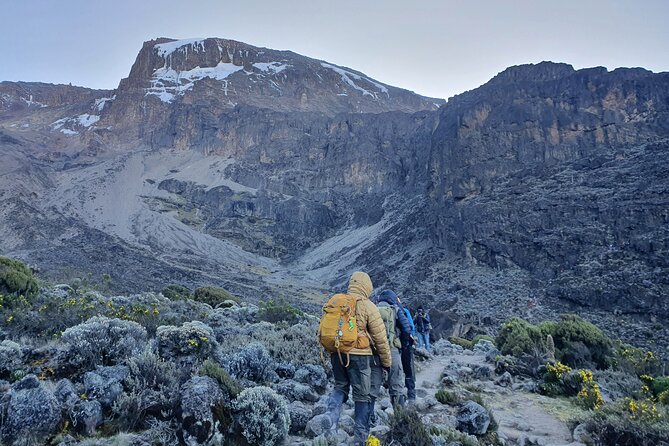
You’ll climb through montane forest, moorland, semi-desert, and alpine desert before the icy push to Uhuru Peak. Along the way you’ll pass terrain features many routes only hint at, like the Lava Tower area, and you end with a short, fast-feeling descent through forest to Mweka Gate for summit certificates. One possible drawback: the climbs include long walking days and early starts, so if you hate stairs, steep ridges, or sleeping high, this may not be your kind of adventure.
In This Review
- Machame Route quick hits (what really matters)
- Day 1 from Moshi to Machame Camp through montane forest
- Day 2 climbing moorland to Shira Cave Camp
- Day 3 Shira Camp to Barranco Camp, the Lava Tower moment
- Day 4 Barranco to Barafu, the South Circuit climb toward the summit push
- Day 5 Uhuru Peak at sunrise, then down to Mweka Camp
- Day 6 descent to Mweka Gate, certificates, and forest miles
- What is included in your Kilimanjaro setup (and why it matters)
- Gear and fitness reality check, with tips pulled from the route itself
- Guide team support and the kind of service that gets praised
- Price and value at $2,200 per person, what you are really paying for
- Who should book the Machame 6-day climb, and who should think twice
- Should you book this Machame route Kilimanjaro climb?
- FAQ
- How long is the Kilimanjaro Machame climb?
- Where do I meet the tour and when does it start?
- What route and camps are included on this 6-day Machame climb?
- What meals and equipment are included?
- What is not included in the price?
- Is cancellation refundable if I cancel in advance?
Machame Route quick hits (what really matters)
- Machame to Shira to Barranco to Barafu to Mweka gives you multiple acclimatization opportunities instead of a rushed straight line.
- Lava Tower lunch point is a memorable altitude landmark, not just a vague “scenery moment.”
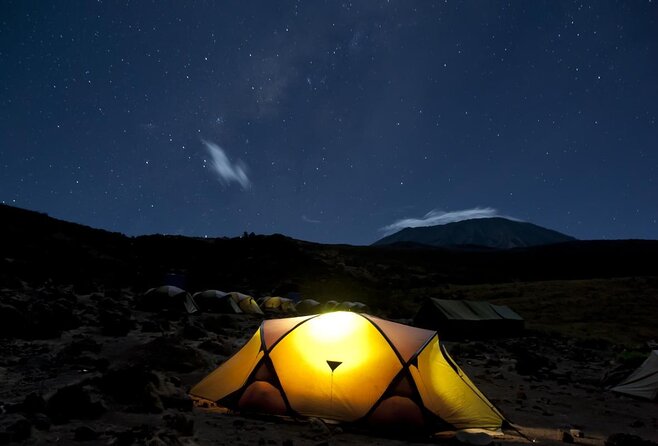
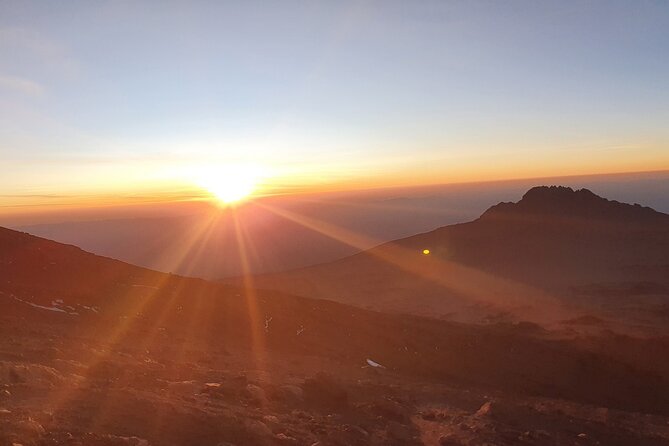
- Uhuru Peak sunrise is timed around leaving Barafu very early, so plan on sleep that comes in short bursts.
- Full-board at key camps means less decision-making on food while you’re exerting yourself.
- Support setup is included (tents, mattresses, private transport, park fees), which is a big deal on Kilimanjaro.
- Private-group format means your pace and needs get attention, not a crowd shuffle.
Other ways up Kilimanjaro we reviewed
- Kilimanjaro Airport taxi to/from Moshi town/Arusha town★ 5.0 · 60 reviews
- 6 Days Climbing Mount Kilimanjaro Machame Route★ 5.0 · 40 reviews
- 8 Days Kilimanjaro Hike via Lemosho Route★ 5.0 · 39 reviews
- 7-Day Machame Route Kilimajaro★ 5.0 · 28 reviews
Day 1 from Moshi to Machame Camp through montane forest
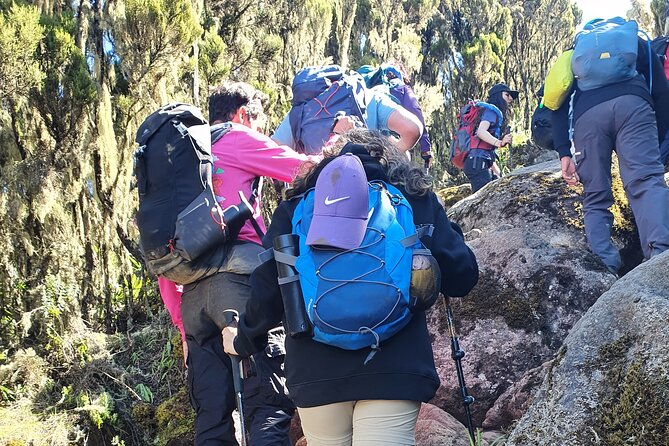
Day 1 is your warm-up and your altitude primer. You drive from Moshi to the Kilimanjaro National Park gate in about 50 minutes, then step onto a rainforest trail that climbs a winding ridge. Expect muddy, slippery patches lower down, so gaiters and trekking poles can make your footing calmer when the ground looks innocent but isn’t.
This day runs about 11 km and typically takes 5 to 7 hours, with that classic montane forest feel: greener air, more shade, and a steady climb that doesn’t feel like an all-out sprint. You finish at Machame Camp, at roughly 1,830 m to 3,100 m (5,600 ft to 10,200 ft). The goal here is simple: keep moving, don’t gas yourself, and let your body start learning the height.
I like that the walk time is realistic. It’s enough effort to set your rhythm, but not so brutal that you arrive wrecked before you even start acclimatizing.
Day 2 climbing moorland to Shira Cave Camp
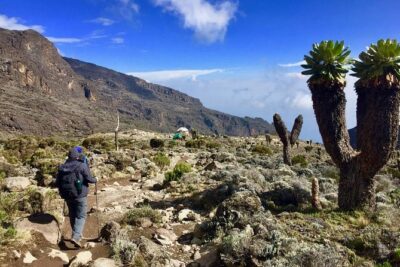
Day 2 is where the mountain starts feeling drier and more exposed. After breakfast, you leave the rainforest glades and climb a path that keeps rising. You’ll cross a valley along a steep, rocky ridge, then turn west toward a river gorge before reaching camp.
Distance is about 9 km, usually 4 to 6 hours, and the habitat shift matters: you’re moving into moorland at roughly 3,100 m to 3,840 m (10,200 ft to 12,600 ft). That change can affect both your energy and how your body copes with exertion. In practice, you’ll notice the air feels thinner and your pace needs to slow down to stay smooth.
You’ll sleep at Shira Cave Camp with full-board included. Translation: you spend less time worrying about food logistics and more time focusing on hydration and breathing.
Day 3 Shira Camp to Barranco Camp, the Lava Tower moment
This is one of the more interesting walking days because it’s not just altitude gain, it’s a route-reality day. You go from Shira Camp to Barranco Camp, generally around 12,600 ft to 12,700 ft (about 3,840 m to 3,860 m). That looks like a smaller altitude change on paper, but the walk is still substantial: about 15 km and usually 5 to 7 hours.
The habitat is semi-desert, and the scenery payoff is tied to specific features. You traverse the southwest side of Kilimanjaro, passing underneath the Lava Tower and along the final section of the Western Breach. Lunch is served at the bottom of the Lava Tower area at around 4,600 m. Then you descend toward the bottom of the Great Barranco Valley, reaching about 3,950 m.
I like how this day supports acclimatization without turning into a grind. You get exertion, you get altitude practice, and you also get a sense of where the mountain’s big sections sit.
More Machame departures, compared
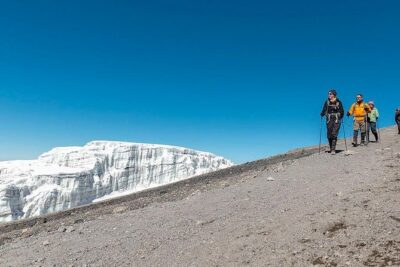
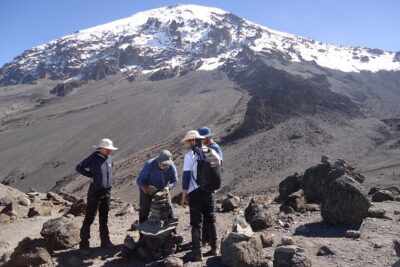
Day 4 Barranco to Barafu, the South Circuit climb toward the summit push
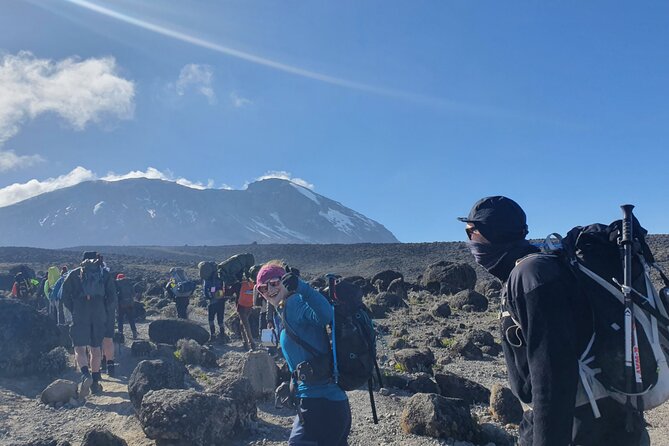
Day 4 is about stepping into higher, colder terrain while still staying within a climb plan that makes sense for acclimatization. After breakfast, you leave Barranco Camp and head up the Barranco Wall. You then cross through the Karanga Valley, around 4,050 m, until you connect with the Mweka Trail junction. From there, you continue up to Barafu Camp.
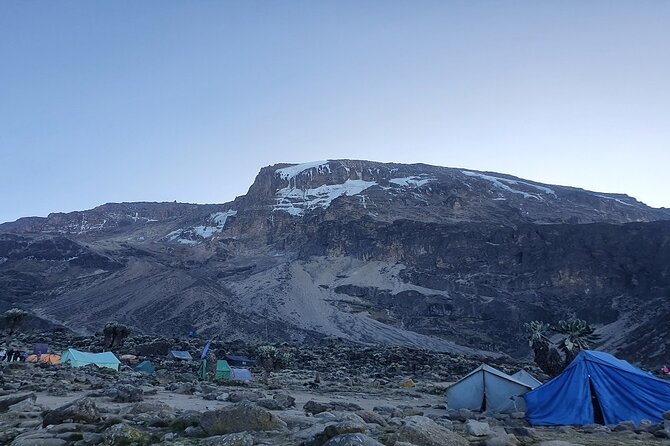
Expect a hike of about 6 to 8 hours, roughly 9 km, with the altitude range around 4,000 m to 4,700 m (13,000 ft to 15,350 ft). The habitat becomes alpine desert, so you’ll feel more wind, more exposure, and less cover.
A key idea here: you complete what’s often called the South Circuit on this route. Practically, it means you’ve built in viewpoints of the summit from different angles, which helps when the summit day feels far away at the start. You’ll arrive at Barafu Camp with full-board included, and camp with summit views in the distance.
One caution: this day is steep enough that you’ll want to avoid the temptation to “make up time.” On Kilimanjaro, steady beats heroic.
Day 5 Uhuru Peak at sunrise, then down to Mweka Camp
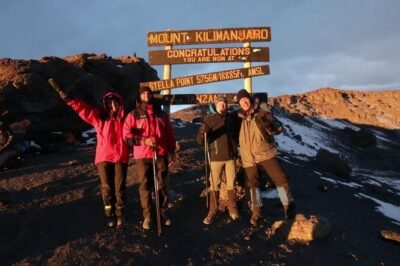
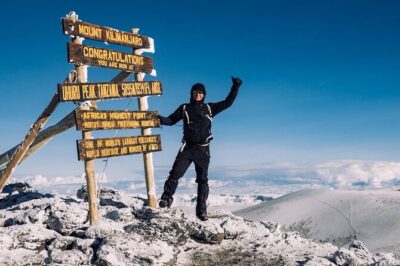
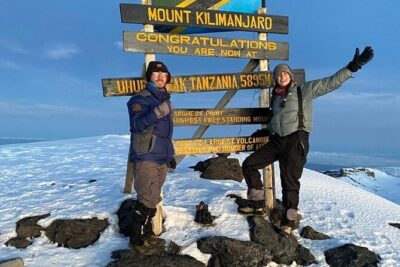
This is the day people remember, mainly because it starts in the early hours. You leave Barafu Camp around 13,000 ft (about 4,000 m) for the final push toward Uhuru Peak, which is 19,343 ft (5,895 m). The route is timed so you can see sunrise over Africa and reach the top with that surreal feeling of standing on the Roof of Africa.
In terms of effort, plan on a long climb and a long recovery. The day includes about 6 km up and 13 km down, with hiking typically 5 to 7 hours up and another 5 to 6 hours down. The altitude change is huge, and the environment shifts into stone scree and an ice-capped summit type of terrain.
After the summit moment, you descend to Mweka Camp at about 10,150 ft (3,090 m). This drop is your reward and your relief, even though your legs will still feel like they’ve filed a complaint. Sunrise is worth it, but the real win is making it down to camp safely.
Day 6 descent to Mweka Gate, certificates, and forest miles
Day 6 is shorter on paper, and it feels like it when you start. After breakfast, you continue the descent toward Mweka Park Gate to receive your summit certificates. This is also when you get that final emotional “we did it” payoff.
You hike about 10 km total, typically 3 to 4 hours, dropping from roughly 3,090 m to 1,680 m (10,150 ft to 5,500 ft). Habitat shifts into forest, which means you may deal with damp air and mud at lower elevations. The tour guidance is clear: at lower elevations it can be wet and muddy, so gaiters and trekking poles still help.
Clothing can feel easier here because temperatures tend to rise lower down. Shorts and t-shirts might be enough, but the smart move is to keep rain gear and warmer clothing handy, just in case the weather changes.
Once you reach Mweka Gate, you’re picked up and driven back to your hotel in Arusha or Moshi.
What is included in your Kilimanjaro setup (and why it matters)
This climb is built around included camp and logistics support, which changes the experience a lot. You get camping equipment like tents and mattresses, plus private transportation, park fees, and taxes. You also get accommodation before hiking and after hiking, which helps you avoid the common mistake of showing up unprepared and exhausted.
Meal coverage is strong and practical: breakfast each day is included, and the tour specifies dinner and lunch at multiple points. The days tied to camps like Shira Cave Camp, Barranco Camp, and Barafu Camp are listed as full-board, meaning you should not need to plan meals while also managing altitude.
Value-wise, this matters because Kilimanjaro is not only a walking problem. It’s a systems problem. When tents are handled, meals show up, and transport is organized, your brain stays on the mountain and not on logistics.
Gear and fitness reality check, with tips pulled from the route itself
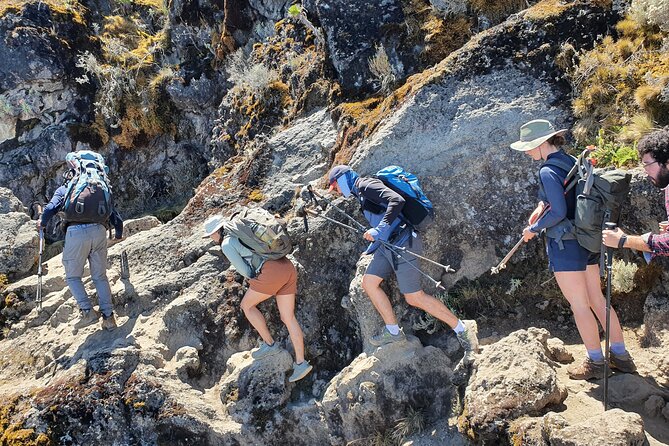
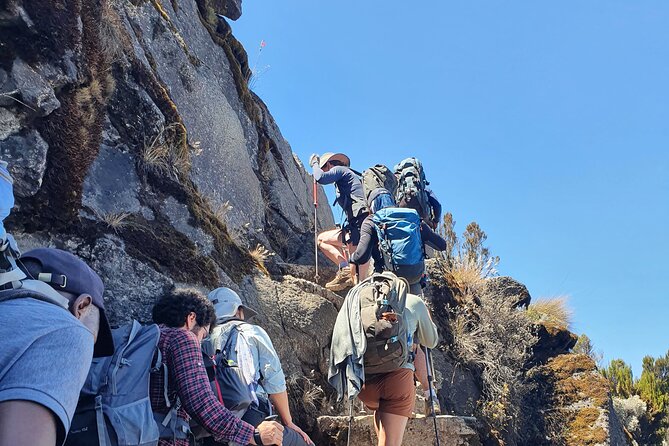
You should assume you will be walking steep ridges and uneven surfaces for multiple days. The info here is practical: lower trails can be muddy, and the summit day involves scree and icy conditions. That’s why the guidance leans on gaiters and trekking poles. If your feet dislike wet slop, take those seriously.
Fitness level is listed as moderate physical fitness. That doesn’t mean easy. It means the plan is designed for people who can hike steadily for hours and handle elevation changes, not for couch-to-summit first-timers. Your best strategy is pacing, not speed.
Also remember that the summit day includes leaving early. So if you need a perfect sleep routine to function, you might want to prepare mentally for a night that is more “rest between alarms” than full sleep.
Guide team support and the kind of service that gets praised
One of the strongest patterns in the feedback for this operator is the team energy: people showing up on time, staying helpful, and keeping you comfortable when things get tiring. I also see repeated mentions of excellent meal preparation and service, with credited staff names like Chef Joseph and Waiter John.
For guides, you’ll see names such as Thomas and January tied to Kilimanjaro success stories with Eddy Tours and Safaris. In one group experience, 9 out of 10 people reached the summit. That doesn’t guarantee your result, but it does tell you the team has a track record of staying competent under real mountain conditions.
What you should take from this: on Kilimanjaro, the guide’s job is not only route navigation. It’s managing pace, supporting morale, and keeping the camp machine running so you can focus on acclimatization and safety.
Price and value at $2,200 per person, what you are really paying for
At $2,200 per person for a 6-day Kilimanjaro climb, you’re paying for a lot more than a guide. Your package includes private transportation, airport pickup and drop-off, all fees and taxes, camping equipment, and pre- and post-hike accommodation. You also get structured meals with full-board days.
So the value question is not just “Is $2,200 cheap?” The better question is “How much of the hard work and coordination do I want someone else to handle?” If you want the mountain to feel like a supported mission instead of a DIY expedition, this price makes sense.
You’re also buying time. A 6-day Machame profile generally gives you better acclimatization opportunities than shorter pushes. That can improve your odds, or at minimum, improve the odds that you’ll feel steady enough to keep going.
Who should book the Machame 6-day climb, and who should think twice
This is a great match if you want a classic, popular route that includes meaningful altitude steps and a summit day built around sunrise timing. You’ll like it if you want structure: camps, meals, and a clear rhythm from Machame through Shira, Barranco, Barafu, and down at Mweka.
It might be a weaker fit if you are easily stressed by early starts, long days of walking, or the possibility of mud and wet conditions near the end. It also isn’t ideal if you are looking for a short, light hike style. Kilimanjaro is work, even on routes designed to manage acclimatization well.
A good target traveler: someone with moderate fitness who can hike for hours, accept cold mornings, and stay patient with a slow, steady pace.
Should you book this Machame route Kilimanjaro climb?
If your priority is a supported climb with included gear, meals, and private logistics, I think this is a solid choice. The Machame route profile you’re getting is the kind that gives your body time to adjust, and the route notes like the Lava Tower area and summit sunrise help you understand what you’re signing up for.
Before you book, sanity-check these two things. One, can you handle days that range from about 4 to 8 hours of hiking depending on the day? Two, are you comfortable with chilly, exposed conditions and the reality that wet and muddy sections can happen near the end?
If those boxes check out, this is the kind of trip that turns into a life highlight, not just another travel story.
FAQ
How long is the Kilimanjaro Machame climb?
The climb runs about 6 days, with the schedule spread across multiple camp nights from Machame Camp to Mweka Camp.
Where do I meet the tour and when does it start?
You meet at Kilimanjaro International Airport (Kilimanjaro Airport Rd, Tanzania) with a start time of 7:00 am.
What route and camps are included on this 6-day Machame climb?
You climb via the Machame Route with camp stops including Machame Camp, Shira Cave Camp, Barranco Camp, Barafu Camp, and Mweka Camp, ending at Mweka Park Gate for summit certificates.
What meals and equipment are included?
Camping equipment like tents and mattresses is included, plus accommodation before and after hiking. Breakfast is included, and the tour lists lunch and dinner as included as well, with full-board specified at certain camps.
What is not included in the price?
Visa, medical insurance, laundry services, tips to mountain crews, national and international flights, and personal items are not included.
Is cancellation refundable if I cancel in advance?
You can cancel up to 3 days in advance of the experience for a full refund, and if you cancel less than 3 full days before the start time, the amount paid is not refunded.
More Machame Departures
- 7 Days Kilimanjaro via Machame route affordable price
★ 5.0 · 110 reviews - 7-Day Machame Route Kilimajaro
★ 5.0 · 28 reviews - 6 Days Machame Route Kilimanjaro Trekking
★ 5.0 · 13 reviews - Mount Kilimanjaro 7 Days – Machame Route
★ 5.0 · 5 reviews - Mount Kilimanjaro 6 days – Machame route
★ 4.0 · 5 reviews
Kilimanjaro, Route by Route
- 7 Days Kilimanjaro via Machame route affordable price
★ 5.0 · 110 reviews - Kilimanjaro Airport taxi to/from Moshi town/Arusha town
★ 5.0 · 60 reviews - 8 Days Kilimanjaro Hike via Lemosho Route
★ 5.0 · 39 reviews - 7-Day Machame Route Kilimajaro
★ 5.0 · 28 reviews - Kilimanjaro Climbing 5 days Marangu route
★ 5.0 · 22 reviews
Just added from around Kilimanjaro
Kilimanjaro Machame Route, compared.
 ★ 5.0Kilimanjaro climb, Machame Route (7-day)From $3,377262 reviews
 ★ 5.0Climbing Kilimanjaro – Machame RouteFrom $2,322170 reviews
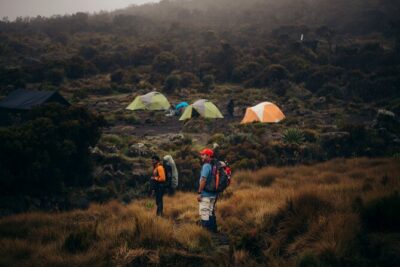 ★ 5.0Climbing Kilimanjaro through 7 days Machame RouteFrom $2,425151 reviews
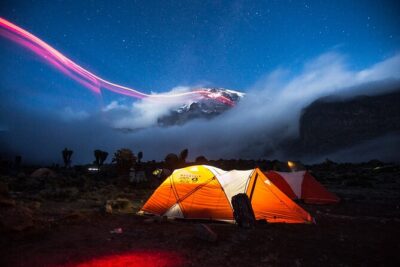 ★ 5.07-Day Machame Kilimanjaro Summit Tour from ArushaFrom $2,695125 reviews
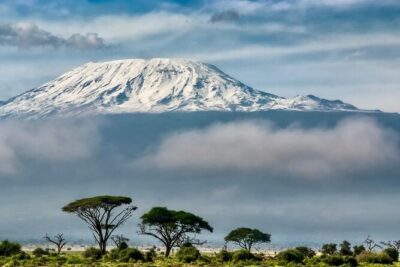 ★ 5.07 Days Kilimanjaro via Machame route affordable priceFrom $2,400110 reviews
 ★ 4.2#1. Best Kilimanjaro Day hike Tour-Machame Route-ISMANIFrom $11547 reviews
 ★ 5.07 Days Machame route – KilimanjaroFrom $2,85045 reviews
 ★ 5.0The Best of Machame Route in 6 Days: Your World’s Summit GuideFrom $1,15044 reviews
Browse the lists this tour appears in