
REVIEW · GREAT WILDEBEEST MIGRATION SAFARIS
6 Days Mara River Crossing – The Great Migration
One million hooves, one big river crossing. This 6-day Great Migration safari strings together Tarangire, the Serengeti-Mara ecosystem, and a final Ngorongoro Crater day, built around the clockwise migration circuit and the dramatic Mara River crossings. You also get guided game drives in multiple parks, so the trip does not feel like one long waiting game.
Two things I like a lot: the route mixes variety (elephants and baobabs first, then migration plains, then Ngorongoro’s dense crater wildlife), and you spend multiple full days positioned to watch the herd movement. The planned rhythm also matters, because migration sightings often hinge on timing and where you are that day.
One consideration: you are trying to catch nature in motion, and the Mara crossing is weather-dependent. If conditions are poor, the tour notes that it may be canceled and you would be offered a different date or a full refund, so go in with flexible expectations.
In This Review
- Key things to know before you book
- Why This Great Migration Route Packs So Much Into 6 Days
- Tarangire Day 1: Elephants, Baobabs, and an Easy First Night
- Serengeti Days 2-5: Mara River Focus With Real Time on the Plains
- Day 2: Enter Serengeti and Start the Afternoon Game Drive
- Day 3: The Mara River Pursuit Day
- Day 4: Another High-Chance Mara River Day
- Day 5: Return Toward Central Serengeti With a Sunset Feel
- Ngorongoro Crater Day 6: Dense Wildlife in a Single Setting
- Where You Sleep and How the Included Meals Help Your Day Flow
- Price and Logistics: What You Get for $3,606 Per Person
- Weather Reality Check and How to Think About Crossing Chances
- Who This Safari Fits Best (and Who Might Want Something Else)
- Should You Book This 6 Day Mara River Crossing Safari?
- FAQ
- How long is the safari?
- Which parks are visited?
- Is pickup offered, and where does the trip start?
- Are meals included in the price?
- Is tipping included?
- What happens if weather is poor?
Key things to know before you book
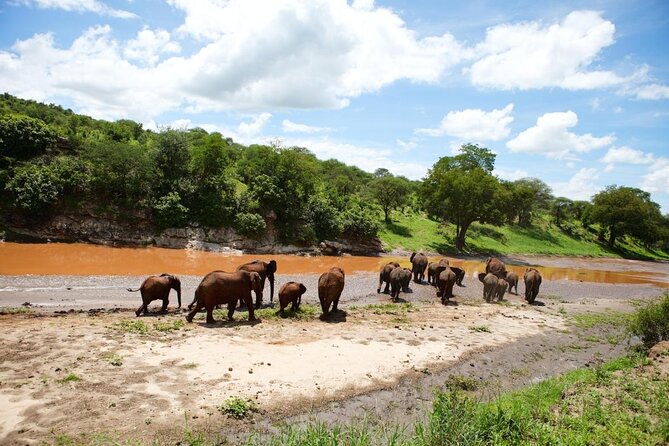
- Multi-park value: Tarangire, Serengeti, and Ngorongoro Crater in one trip gives you more than just the crossing.
- Migration-focused days: you get repeated full-day drives in Serengeti while heading toward the Mara River area.
- Comfort breaks built in: lodge nights are set in central and northern Serengeti to reduce backtracking.
- Pool time after Tarangire: after day one, you can unwind at Sangaiwe Tented Lodge with a pool.
- Private group format: it is private, so your schedule and drives are for your group only.
- Meals included: 5 breakfasts, 6 lunches, and 5 dinners are part of the package.
Chasing the herds? Compare these first
- Great Migration Safari In Tanzania★ 5.0 · 71 reviews
- 7 Days Wildebeest Migration – Ndutu Calving Season★ 5.0 · 18 reviews
- 6 Days Mara River Crossing – The Great Migration★ 5.0 · 5 reviews
- 6- Day Adventure Lodge safari to see Migration★ 4.5 · 5 reviews
Why This Great Migration Route Packs So Much Into 6 Days
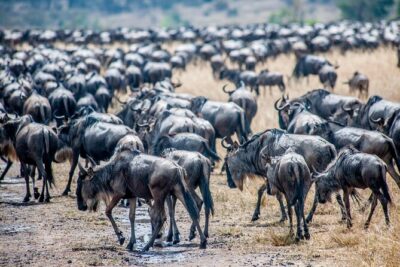
The Great Migration is famous, but most safari trips get stuck in the same pattern: a day or two in the Serengeti, then you hope the river moment happens while you are there. This one is designed differently. You spend several days in Serengeti with the explicit goal of being around the Mara River during peak movement periods, while also adding two other wildlife powerhouses so the overall trip stays rewarding even if the crossing is not constant every day.
I also like that the itinerary is not just “drive, drive, drive.” There is a clear arc. Day one is Tarangire, day two pushes into Serengeti through the Ngorongoro Conservation Area, days three and four are the key pursuit toward the Mara River, day five helps you wind down with a more relaxed but still wildlife-oriented return to central Serengeti, and day six caps it with Ngorongoro Crater game viewing.
One more practical note: this is listed as private, so you avoid the awkward energy of being grouped with strangers who all want different things from a day game drive. It is still a safari, so you can expect early starts and long hours in the vehicle, but your group’s pace can feel more coherent.
Tarangire Day 1: Elephants, Baobabs, and an Easy First Night
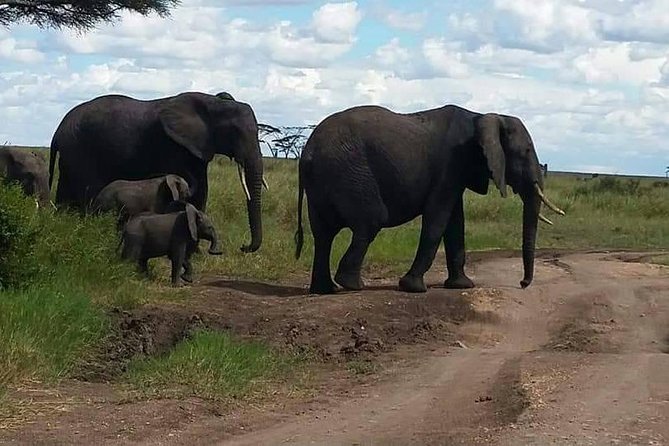
You start with pickup in or near Arusha, then a roughly 2.5-hour drive to Tarangire National Park. This matters because day one is about getting your footing. You roll out into the African bush with time to settle in, spot landscapes and communities along the way, and let the excitement build before the main migration game drives.
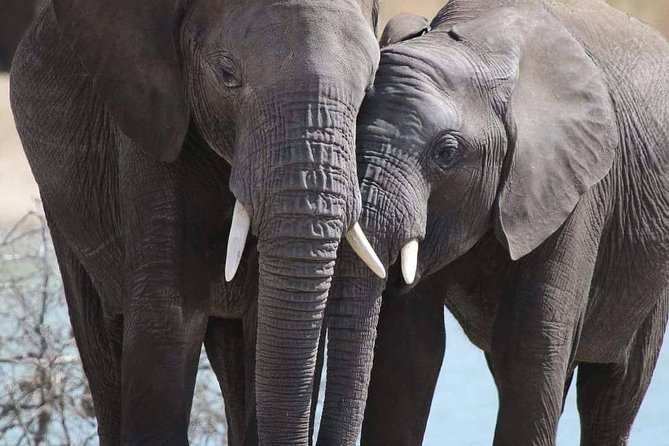
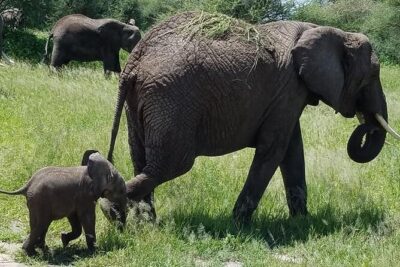
Tarangire is known for large numbers of elephants and the classic shapes of baobab trees. If you are picturing a Great Migration safari that is all wildebeest, this is a smart first contrast. Tarangire gives you a different kind of spectacle, including the chance to see tree climbing African pythons (not guaranteed, but the park is famous for them).
Then you end the day by exiting the park and heading to Sangaiwe Tented Lodge for the evening. This is where the trip starts to feel human-scaled. You get the option to take a break by the pool, which is a nice reset after long drives and wildlife scanning.
What could be less ideal: it is still a full day in the park, so if you hate early mornings or do not like sitting in a vehicle for long stretches, plan for day one to be your “warm-up day,” not a rest day.
Serengeti Days 2-5: Mara River Focus With Real Time on the Plains
Serengeti is where your safari goes from “amazing animals” to “this is why we came.” The itinerary is built around the migration circuit, with the idea of wildebeest, zebra, and other herbivores moving clockwise through the wider ecosystem. The scale is mind-bending: you are aiming to watch herds in the range of about 1.5 million herbivores, plus their predators and followers.

Day 2: Enter Serengeti and Start the Afternoon Game Drive
After an early breakfast, you depart for Serengeti with a packed lunch. You travel via the Ngorongoro Conservation Area, and then you reach Serengeti for lunch and an afternoon game drive.
This is a practical day to orient yourself. You are not immediately sprinting toward the Mara River at full speed. Instead, you get in the habitat, learn how the driver reads animal movement, and start building the “mental map” that makes later days feel smoother.
You overnight at Tanzania Bush Camp in central Serengeti, which is a good base for the next phase of pursuit.
Day 3: The Mara River Pursuit Day
Day three is where the trip becomes a chase with purpose. You do a full day game drive in Serengeti while moving north toward the Mara River area. The plan is to try to spot the migration as thousands of animals cross the river.
This is the core “wow” moment. Even when the crossing is not perfectly timed, being in the right section of Serengeti while the herds are moving can still deliver dramatic scenes: riverbank crowds of animals, tense pauses, and then sudden waves of movement when a route opens.
In the evening, you drive to Tanzania Bush Camp in northern Serengeti, then dinner and campfire-time relaxation. That campfire setting matters because after a long day of scanning across open plains, you need a decompress moment that does not feel like rushing straight back to bed.
Day 4: Another High-Chance Mara River Day
Day four repeats the full-day game viewing concept, again along the Mara River with a strong chance of witnessing the crossing. In migration safaris, repetition is not boring. It is often the difference between seeing a river moment once, versus getting one or two good chances across multiple days.
So even though it sounds like another similar day on paper, it is strategically valuable. Wildlife movement does not run on schedules, and weather can change which banks are usable and where herds hesitate.
Day 5: Return Toward Central Serengeti With a Sunset Feel
On day five, you depart after breakfast with lunch boxes and drive back toward central Serengeti, with game en route. This is also the day to enjoy the slower safari mood, because the itinerary gives you time for a Serengeti sunset and a dinner in the middle of the park.
I like this rhythm because it balances intensity and recovery. After two big Mara River focused days, this kind of “still seeing animals, but not sprinting” day can keep the trip from burning you out.
What to watch for: if you are the kind of person who needs guaranteed results, be prepared for uncertainty. The crossing depends on timing and conditions. The value here is that you are not going all-in on one single crossing attempt.
Ngorongoro Crater Day 6: Dense Wildlife in a Single Setting
Your final day starts very early. You exit the camp and drive to the Ngorongoro Conservation Area, then descend into the crater for game viewing. This is a very different safari experience than Serengeti’s open plains.
Ngorongoro Crater works because it compresses habitats and wildlife into a tighter space. That means fewer hours spent searching and more focused viewing. You then ascend, exit the park, and drive back to Arusha for drop-off at your prebooked hotel or at Kilimanjaro International Airport for your flight.
It’s a satisfying closer because you finish with a classic “big place, big animals” day, rather than ending with another long, repetitive drive.
Where You Sleep and How the Included Meals Help Your Day Flow
This tour includes breakfast (5), lunch (6), and dinner (5), plus all fees and taxes. That is not just a nice-to-have. On safari, meal planning affects energy and focus. When meals are covered, you spend less time thinking about logistics and more time watching animals.
Your listed lodge and camp bases include:
- Sangaiwe Tented Lodge after Tarangire
- Tanzania Bush Camp in central Serengeti for day two
- Tanzania Bush Camp in northern Serengeti for days three and four
- Then your final day wraps around the crater and returns toward Arusha
Also, the schedule gives you proper “end of day” moments: pool time after Tarangire, campfire relaxation in northern Serengeti, and an easy landing back in Arusha on day six.
The only clear extra cost noted is tips. You should budget for them, because good guiding and attentive service are part of what makes these long drive days feel smooth.
Price and Logistics: What You Get for $3,606 Per Person
At $3,606.16 per person, this is not a budget safari. The value is in how the trip is structured.
You are paying for:
- Multiple park experiences (Tarangire, Serengeti, Ngorongoro)
- Several full game drive days focused on the Mara River crossing opportunity
- A private tour setup for your group
- Included meals and park-related fees and taxes
So the cost is not just “time in a vehicle.” It is time positioned in the right regions for migration movement, plus a final crater day that adds a different kind of wildlife density. If you only cared about one single crossing day, a shorter trip might look cheaper. But a Great Migration safari is often about giving yourself enough chances to hit the moving target, and this itinerary leans into that logic.
Pickup is offered, and the start point is described as Kilimanjaro International Airport. That matters if you are connecting flights. You can also be dropped off back to your prebooked hotel or the airport at the end, so the trip ends cleanly.
One more reality check: the itinerary also calls for moderate physical fitness. Most people with normal safari stamina do fine, but think about long sitting hours, getting in and out of the vehicle, and early starts.
Weather Reality Check and How to Think About Crossing Chances
The tour notes that the experience requires good weather. If it is canceled due to poor weather, you would be offered a different date or a full refund. That clause is important because it tells you the plan is not rigid.
In practice, this is the kind of safari where you should treat the Mara River crossing as a high-priority goal, not a guaranteed “you will see it for sure” item. Your best advantage is that you have multiple full days positioned toward the Mara River area.
So when you pack your mindset, aim for:
- Respect for timing, because herds move and conditions change
- Patience, because the best sightings often come after hours of scanning
- Flexibility, because wildlife can shift even when you do everything right
Who This Safari Fits Best (and Who Might Want Something Else)
You will probably love this tour if you:
- Want a Great Migration safari that gives more than one shot at Mara River crossing timing
- Care about variety, not only one park
- Prefer a private group format for a smoother schedule
- Like the idea of mixing big plains with a classic crater day
You might want to consider another option if you:
- Need fully guaranteed outcomes (this safari is about opportunity, not a fixed timestamp)
- Hate long drives and early starts
- Are looking for a short, low-fatigue trip
Should You Book This 6 Day Mara River Crossing Safari?
If your main goal is the Great Migration, I think this is a strong option because it balances three things that usually fight each other: migration focus, park variety, and time on the ground. Tarangire sets the tone with elephants and baobabs, Serengeti gives you the scale of the herd movement and the multiple attempts toward the Mara River, and Ngorongoro Crater gives you a dense wildlife finale that feels like a complete safari package.
Book it if you can handle early starts, want guided structure, and are willing to treat the river crossing as a top chance rather than a guaranteed checkbox. Skip it if your budget is tight or if you cannot tolerate the uncertainty that comes with weather and moving herds.
FAQ
How long is the safari?
The safari is listed as 6 days (approx.).
Which parks are visited?
You visit Tarangire National Park, Serengeti National Park, and Ngorongoro Crater in the Ngorongoro Conservation Area.
Is pickup offered, and where does the trip start?
Pickup is offered. The start point is listed as Kilimanjaro International Airport.
Are meals included in the price?
Yes. The tour includes breakfast (5), lunch (6), and dinner (5).
Is tipping included?
No. Tips are listed as not included.
What happens if weather is poor?
The experience requires good weather. If it is canceled due to poor weather, you’ll be offered a different date or a full refund.
Following the Migration
- Great Migration Safari In Tanzania
★ 5.0 · 71 reviews - 8 Days Great Wildebeest Migration – Mara River Crossing
★ 5.0 · 28 reviews - 7 Days Wildebeest Migration – Ndutu Calving Season
★ 5.0 · 18 reviews - 6- Day Adventure Lodge safari to see Migration
★ 4.5 · 5 reviews - 5 days Serengeti Wildebeest Migration Safari
★ 5.0 · 3 reviews
Just added from around Kilimanjaro
Great Wildebeest Migration Safaris, compared.
 ★ 5.08 Days Great Wildebeest Calving Migration Safari from ArushaFrom $2,999254 reviews
 ★ 5.010-Day Serengeti Wildebeest Migration Safari from ArushaFrom $5,512218 reviews
 ★ 5.08 Day Spectacular Migration Serengeti mid -Range Tanzania SafariFrom $4,257161 reviews
 ★ 5.09-Day Serengeti Migration Footsteps Tanzania SafariFrom $4,53996 reviews
 ★ 5.07 days great migration safariFrom $4,51477 reviews
 ★ 5.0Great Migration Safari In TanzaniaFrom $3,90071 reviews
 ★ 5.0Private 6-Day Great Migration Ndutu Serengeti Safari TourFrom $2,82747 reviews
 ★ 5.04 Day Great Migration Safari Serengeti & Ngorongoro CraterFrom $2,68033 reviews
Browse the lists this tour appears in