
REVIEW · SERENGETI NATIONAL PARK SAFARIS
6 Days 5 Nights lodge safari Tarangire, Manyara, Serengeti & Ngorongoro Crater
Safari math: five parks, one wild week. This lodge safari strings together Tarangire elephant country, the Ngorongoro crater, and the wide open Serengeti feeling in one smooth circuit. I love how the itinerary puts game drives first, so you spend your best daylight where the animals are. I also love the built-in pacing, it mixes big-view moments (crater rim views) with close-up time on the ground.
One drawback to consider: it is built around early starts and long driving days. If you hate getting up before the sun, or if you want totally relaxed afternoons every day, this route may feel like hard work. Also, a balloon safari is optional with extra cost, and tips, flights, visa, insurance, and drinks are not included.
In This Review
- Key points before you go
- The 6-day circuit that hits Tanzania’s biggest wildlife chapters
- Day 1 in Tarangire: baobabs, river elephants, and serious animal families
- Day 2 at Lake Manyara: lush forest edges and the hippo-lake moment
- Day 3 into the Serengeti: rim views first, then endless plains
- Day 4 in Serengeti: full-day drives and the balloon safari add-on
- Day 5 sunrise safari and the pivot to Ngorongoro
- Day 6 Ngorongoro Crater: early descent and a picnic near the hippo lake
- Lodges, meals, and private transport: what the package covers in real life
- Price and value: is $3,142.86 per person actually fair?
- Who this safari fits best, and who should rethink it
- Should you book this 6-day Tanzania circuit?
- FAQ
- Where does the safari start and what time?
- How long is the safari?
- Is this safari private?
- What meals are included?
- Are park fees included?
- Is a balloon safari included?
- What is not included in the price?
- Is there free cancellation?
- What happens if weather is poor?
Key points before you go
- Private transportation, your group only: no joining random strangers for your drive rhythm.
- Crater time on Day 6: you get the early descent and a full day on the crater floor.
- Serengeti sunup option: sunrise viewing is scheduled before breakfast for stronger wildlife odds.
- Tarangire elephant focus: baobab scenery plus a river that pulls in animals.
- Lake Manyara birding perks: over 400 bird species, including Ground Hornbill and Crested Eagle.
- Balloon safari can be added: extra cost, but it is there if you want a big wow.
More of the Serengeti, drive by drive
- 5 Days Private Tarangire, Serengeti, Ngorongoro, Manyara Safaris★ 5.0 · 17 reviews
- 4 Days Tanzania Private Safari | Serengeti , Ngorongoro & Tarangire Safari★ 5.0 · 16 reviews
- 6 Days 5 Nights lodge safari Tarangire, Manyara, Serengeti & Ngorongoro Crater★ 4.5 · 10 reviews
- 4 Days Tanzania Luxury Safari Serengeti and Ngorongoro Crater★ 5.0 · 9 reviews
The 6-day circuit that hits Tanzania’s biggest wildlife chapters
This trip is basically a highlights reel done the practical way. You move through four famous ecosystems, each with its own animal “personality,” instead of doing one park over and over. You start around 8:00 am at Kilimanjaro International Airport area, then settle into a rhythm of lodge stays and game drives.
What makes this route smart is the mix of terrain. Tarangire is river-fed and baobab-heavy, Lake Manyara is compact and forested, and the Serengeti is wide open plains. Then you drop into Ngorongoro, which is a natural enclosure where wildlife density can feel unreal.
One more practical note: the day lengths listed are long. Some days are roughly 7 to 10 hours, and Serengeti days can stretch toward a full day. That is not a bad thing for wildlife, just plan your energy like you are training for a long walk, because you are doing a lot of sitting in a moving vehicle.
Day 1 in Tarangire: baobabs, river elephants, and serious animal families
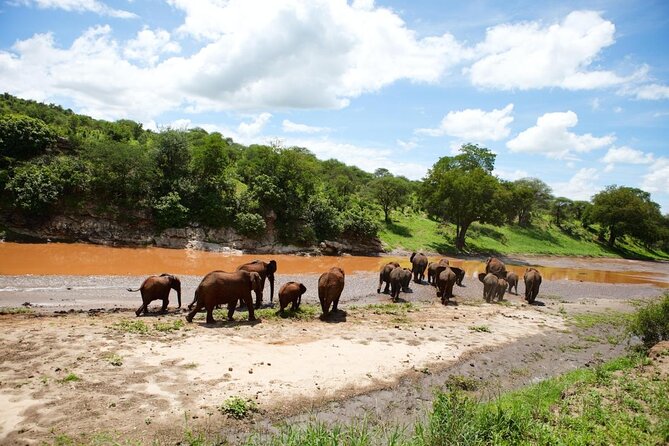
Tarangire National Park is where the safari starts feeling real fast. The park has nine vegetation zones, so even if you stay in one general area for a while, you will often see changes in habitat that affect what comes into view.
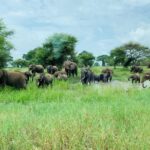
The “hook” here is the Tarangire River. Water concentrates wildlife, and the itinerary specifically calls out that the river meanders through the park, bringing in elephants, lions, leopards, buffalo, zebra, giraffe, and multiple antelope types, plus colorful birds. If you love seeing elephants doing more than just walking past, this is the kind of place where you can sometimes watch them as groups interacting, feeding, or moving with purpose.
Another thing I like about Tarangire as a first stop is the baobab scenery. The park is famous for ancient baobab trees, described as the largest trees in Africa. Translation for your trip: your photos get instant drama, because the trees are enormous reference points that make animals look even more real and grounded.
What to watch for: elephant groups near river edges, birds around water, and predators moving between patches of cover. The itinerary notes long game drive time, so you are not rushing through. You also have the day anchored by the river, which helps focus your attention.
Potential downside: Tarangire can be busy with other vehicles at peak times, since it is famous for elephants. If you prefer a quiet, off-the-grid feel, you will still get moments, but you might not always feel alone.
Day 2 at Lake Manyara: lush forest edges and the hippo-lake moment
Lake Manyara is smaller than many safaris people expect, and that can be a good thing. The park is listed at about 205 square miles, which means you can spend more time in a focused pocket of habitat instead of burning hours just reaching your “maybe animal” zone.
The core theme here is a lush acacia forest with giant fig and mahogany trees. That tree cover matters because it shapes animal behavior. The itinerary calls out troops of baboons and blue monkeys in the forested areas. So yes, you should keep an eye on primates, not just the big mammals.
Then there is the hippo lake. The itinerary explicitly notes that hippos usually gather there, which is one of those moments that makes people forget they packed a camera bag and a jacket. Even if you have seen hippos elsewhere, a hippo-lake setting has a different energy because the animals are literally grouped at the waterline.
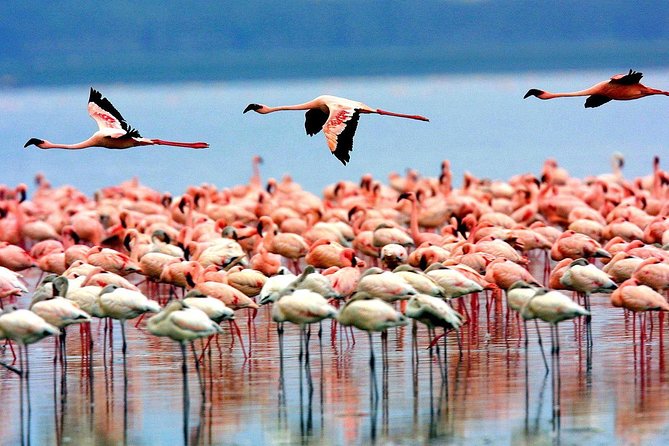
If you also care about birds, Lake Manyara is a strong match. The trip notes over 400 bird species, plus two standout targets: Ground Hornbill and Crested Eagle. That combination makes it feel like a safari plus a birding outing, without needing to change your plans.
What to watch for: primates in trees, buffalo and giraffes moving along forest edges, and birds around the lake margins. Keep your window time flexible, because in forest parks, animals can appear suddenly and then vanish again behind branches.
Potential downside: forested habitats can also mean more “short sightings” rather than a long, open-field chase. You might see fewer huge animals in long lines, but you are often rewarded with close, intimate moments.
Other ways down into the Ngorongoro Crater
Day 3 into the Serengeti: rim views first, then endless plains
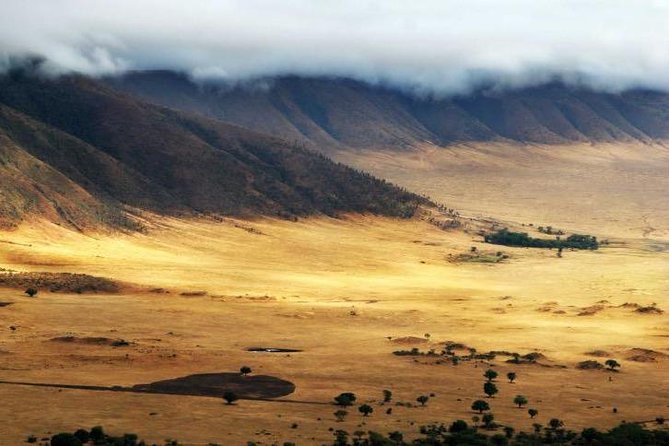
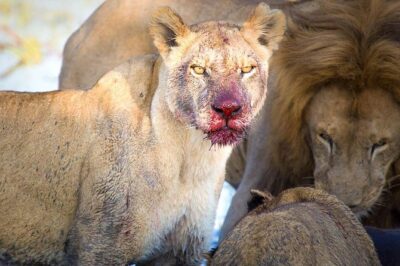
Day 3 is where the safari starts stretching into the classic Serengeti feeling. The driving day is described as spectacular, and you get one of the best setups for that “wow” factor: you drive up the crater highlands, stop at the rim for a birds-eye view of Ngorongoro Crater, and then continue onward as the Serengeti opens ahead.
That rim stop is more than a photo break. It helps you understand the geography of what you are about to do later. When you eventually descend into Ngorongoro on Day 6, you will already have a mental picture of how the crater wall shapes access and wildlife movement.
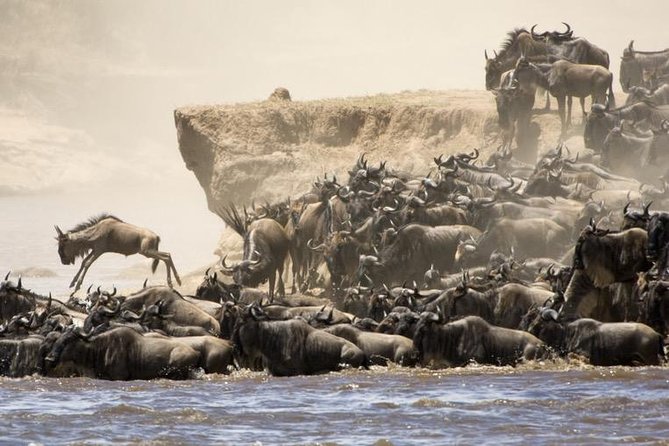
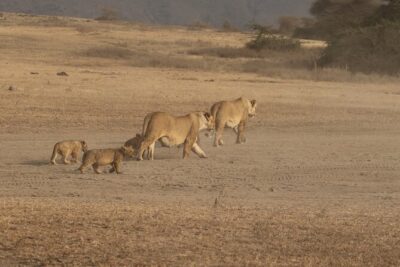
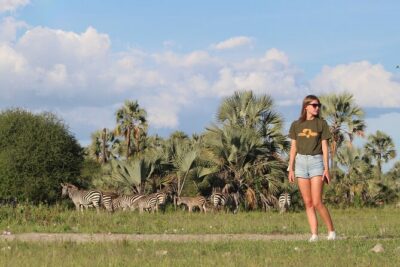
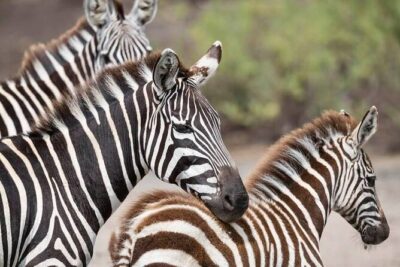
Once you crest to the plains, the itinerary leans into the famous scale. Serengeti is listed as about 6,900 square miles (18,000 square km). It is home to more than 2 million large animals, including more than a million wildebeest, plus hundreds of thousands of zebras and Thomson’s gazelles. Predators like lions, cheetahs, and hyenas are also drawn by prey.
Even if you do not obsess over migration timing, the itinerary is telling you something important: you are going into an ecosystem built for encounters. Predators are not random visitors there. They live in the same system as the herbivores.
What to watch for: that first “opening view” moment is the start of your expectations. Then look for the big prey base (wildebeest and zebras), because predators tend to show up when prey patterns are active.
Potential downside: Serengeti driving days can feel long because the terrain stretches. You need to be patient and accept that “spotting” can happen in seconds, not minutes. Your best tool is staying ready, not staring at the same spot for too long.
Day 4 in Serengeti: full-day drives and the balloon safari add-on
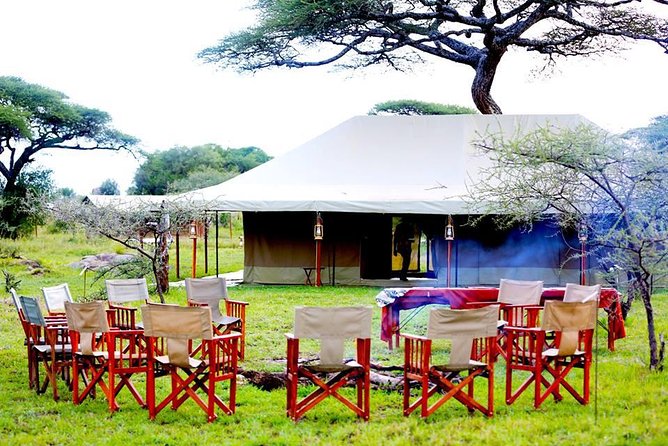
Day 4 is set up as a full Serengeti day with morning and afternoon game drives. That matters because animal behavior changes with light and temperature. Midday can be slower for some species, while early and late hours can bring more activity. This split schedule gives you both.
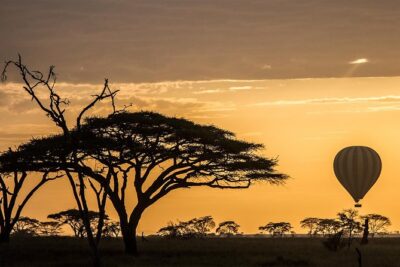
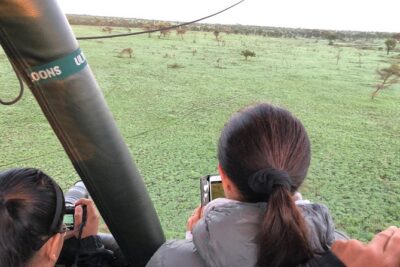
There is also an optional early morning balloon safari, with extra cost. If you choose it, the itinerary notes an overnight at Seronera campsite or lodge. That is a big decision, because balloon time changes your morning rhythm, and it can shift where you spend your night compared with a standard lodge stay plan.
Even if you skip the balloon, this day still works because you are staying in the Serengeti after the first arrival day. That reduces “travel fatigue” and gives you repeated chances in the same region.
What I like about this structure: You are not just passing through. You get to build a feel for the terrain, where animals show up, and how your guide is reading the land.
Potential downside: the balloon safari is not included, so you need to budget the add-on if you want it. Also, balloon rides can amplify early wake-up pressure, especially if you already are doing sunrise safaris elsewhere in the trip.
Day 5 sunrise safari and the pivot to Ngorongoro
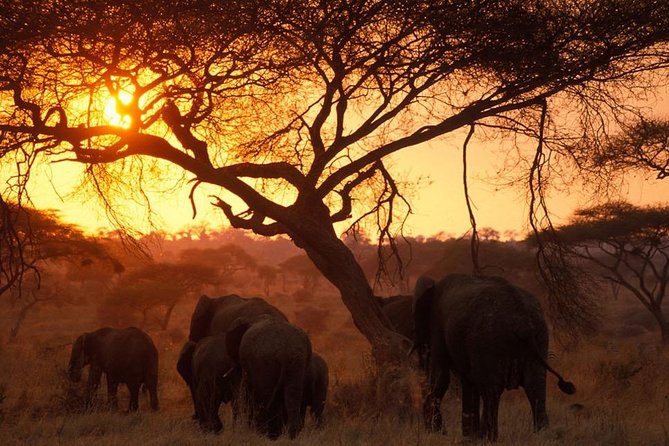
Day 5 is a two-part day done in a smart order: early morning safari before breakfast, then transfer to Ngorongoro after your brunch.
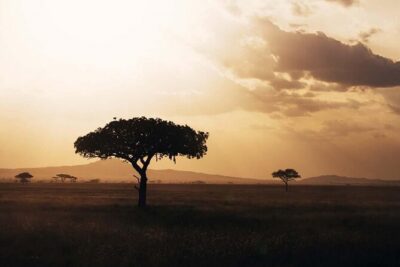
The itinerary calls out an early start specifically to spot animals when they are more active. Then it highlights sunrise in the African Savannah as one of the most beautiful experiences you can have. That is not just fluff. In practice, sunrise can mean more animal movement, softer light for photos, and fewer distractions in the field.
After the morning drive and brunch, you move to Ngorongoro. This is a key value point of the itinerary: you do not just arrive at Ngorongoro and immediately rush the crater. You do the sunrise time first, then you turn your attention to the main event later.
The transfer section also frames the crater as an 8th natural wonder, with walls about 2,000 ft high and a crater floor that spreads for 102 square miles. It describes Ngorongoro as a virtual Noah’s Ark, inhabited by wildlife indigenous to East Africa, including the rare black rhino. Even if you are only going for the big five style bucket list, this description explains why Ngorongoro earns its reputation.
What to watch for on Day 5: keep your eyes open for predators during sunrise hours, then transition mentally to crater wildlife patterns once you get moving toward Ngorongoro.
Potential downside: you might feel “time crunched” after a long sunrise drive plus a transfer day. It is still a good plan for wildlife, but it is not the day to plan extra activities.
Day 6 Ngorongoro Crater: early descent and a picnic near the hippo lake
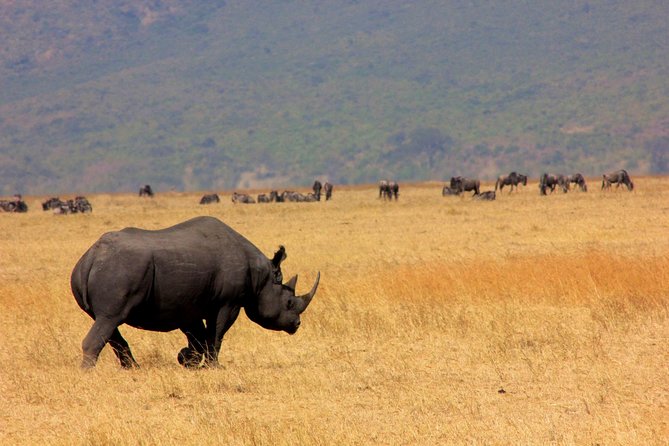
Day 6 is the classic Ngorongoro day: very early descent into the crater floor for wildlife viewing, a picnic lunch near the hippo lake, and then more viewing in the afternoon before driving back up to Arusha.
The crater mechanics are why this is often a favorite day on safari. When you drive down into Ngorongoro, you enter a bowl-shaped habitat where animals can concentrate. The itinerary also describes Ngorongoro as having a rare black rhino and a very high concentration of wildlife.
Even the meal placement is practical. You are told you will stop for a picnic lunch near the hippo lake. That means your day is built around staying in the crater and keeping your viewing momentum, instead of leaving the crater for long breaks.
What I think you should prioritize: slow down your mental pace on crater day. People get excited, but the best sightings often happen when you let your guide spot first, then you keep watching that area after an initial movement. Ngorongoro rewards patient scanning.
Potential downside: crater days can be crowded with vehicles depending on season and timing. That does not ruin the day, but it can mean you get less privacy than you might imagine.
Lodges, meals, and private transport: what the package covers in real life

This safari is set up as a lodge circuit with private transportation, and the itinerary includes meals across most of the days. Specifically, the package includes:
- Breakfast (4)
- Lunch (5)
- Dinner (5)
It also includes all fees and taxes, which is a big deal because safari costs can balloon once you add park entrance fees and similar charges.
Not included:
- Tips to the driver
- Flights
- Maasai Village fees
- Travel insurance
- Visa
- Alcohol and soft drinks
One more practical detail: it is described as private, meaning it is only your group. That matters for comfort and decision-making. You can ask for a specific pacing preference and get fewer compromises.
On the ground, you will be in a vehicle for long stretches. So pack for comfort more than style. Sunglasses, a hat, and a warm layer for early mornings are usually worth it. Also, have a charging plan, since your phone and camera will likely get used heavily on crater rim views and sunrise drives.
Price and value: is $3,142.86 per person actually fair?
At $3,142.86 per person, this is not a budget safari. But it is also not only selling a list of parks. You are paying for a full-service package that includes private transportation, park fees and taxes, and the majority of your meals.
When people compare safaris, they often miss the hidden cost category, which is time and logistics. With a route that covers Tarangire, Lake Manyara, Serengeti, and Ngorongoro in about 6 days, you need real coordination. Even if you could plan it yourself, you would spend days coordinating transfers, permits, and daily game-drive timing. This tour bakes those problems into one bill.
What can affect value is your choices:
- If you add the balloon safari, expect extra cost.
- If you prefer extra experiences like a village visit, note that Maasai Village fees are not included.
- If you drink alcohol or soft drinks, those are also not included.
So the value case is strongest if you want a smooth, guided, fee-handled circuit and you like the idea of early drives. If you want maximum free time, or you want to do lots of off-menu side trips, the price might start to feel less “inclusive.”
Who this safari fits best, and who should rethink it
This is a great match if you want a classic Tanzania circuit and you like being out in the field most days. It suits:
- First-time safari goers who want the big names without juggling logistics
- Couples or small groups who want private vehicle time
- People who are excited by early mornings and sunrise light
- Wildlife-focused travelers who care about animal chances more than a slow vacation pace
It might not fit as well if you:
- Hate early starts and long drive days
- Want lots of downtime between parks
- Need everything fully included, including visa, flights, and drinks
- Want a guaranteed balloon safari included, because it is optional with extra cost
Should you book this 6-day Tanzania circuit?
If your goal is maximum wildlife variety with minimal trip headaches, this route makes a lot of sense. You get Tarangire for elephants around baobabs and river water, Lake Manyara for forest primates plus birding standouts, Serengeti for that endless-plains feeling and predator chances, and Ngorongoro for crater-floor wildlife concentration and a very memorable lunch stop near the hippo lake.
My main advice before you book is simple:
- Decide if you are truly okay with early morning schedules.
- Budget for the extras you might add, balloon safari and any drinks.
- Ask for a clear written plan for any add-ons like balloon timing so you do not feel rushed.
If that all sounds like your travel style, then this is the kind of safari package that can deliver a week you talk about for a long time.
FAQ
Where does the safari start and what time?
The tour start is at Kilimanjaro International Airport, Kilimanjaro Airport Rd, Tanzania, with a start time of 8:00 am.
How long is the safari?
It runs for 6 days (about 5 nights).
Is this safari private?
Yes. It is described as a private tour/activity, so only your group will participate.
What meals are included?
The package includes breakfast for 4 days, lunch for 5 days, and dinner for 5 days.
Are park fees included?
Yes. All fees and taxes are included, and the itinerary lists admission ticket as free.
Is a balloon safari included?
An early morning balloon safari is listed as an option on Day 4 and it has extra cost.
What is not included in the price?
Not included are tips to the driver, flights, Maasai Village fees, travel insurance, visa, and alcohol and soft drinks.
Is there free cancellation?
Yes, free cancellation is offered. You can cancel up to 24 hours in advance of the experience for a full refund.
What happens if weather is poor?
This experience requires good weather. If it is canceled due to poor weather, you are offered a different date or a full refund.
Tarangire and Its Baobabs
- 5 Days Private Tarangire, Serengeti, Ngorongoro, Manyara Safaris
★ 5.0 · 17 reviews - 4 Days Tanzania Private Safari | Serengeti , Ngorongoro & Tarangire Safari
★ 5.0 · 16 reviews - Amazing 4 Days Safari 3 Nights: Tarangire, Ngorongoro, Serengeti
★ 5.0 · 6 reviews - The World’s Best 1 Day Tarangire Budget Group Safari From Arusha
★ 5.0 · 3 reviews
Still Thinking About the Crater?
- 5 Days Private Tarangire, Serengeti, Ngorongoro, Manyara Safaris
★ 5.0 · 17 reviews - 4 Days Tanzania Private Safari | Serengeti , Ngorongoro & Tarangire Safari
★ 5.0 · 16 reviews - 4 Days Tanzania Luxury Safari Serengeti and Ngorongoro Crater
★ 5.0 · 9 reviews - Amazing 4 Days Safari 3 Nights: Tarangire, Ngorongoro, Serengeti
★ 5.0 · 6 reviews - 4 Days Lake Manyara National Park, Ngorongoro Crater , Serengeti National Park.
★ 4.0 · 4 reviews
The Serengeti, Three More Ways
- 7 Days Wildebeest Migration – Ndutu Calving Season
★ 5.0 · 18 reviews - 5 Days Private Tarangire, Serengeti, Ngorongoro, Manyara Safaris
★ 5.0 · 17 reviews - 4 Days Tanzania Private Safari | Serengeti , Ngorongoro & Tarangire Safari
★ 5.0 · 16 reviews - 4 Days Tanzania Luxury Safari Serengeti and Ngorongoro Crater
★ 5.0 · 9 reviews - Amazing 4 Days Safari 3 Nights: Tarangire, Ngorongoro, Serengeti
★ 5.0 · 6 reviews
Just added from around Kilimanjaro
Serengeti National Park Safaris, compared.
 ★ 5.0Serengeti Balloon Safari and authentic bush breakfastFrom $5502,480 reviews
 ★ 5.0Balloon Safari & Bush Breakfast in Serengeti – Miracle ExperienceFrom $5991,646 reviews
 ★ 5.03 Days Serengeti & Ngorongoro Group Camping SafariFrom $815574 reviews
 ★ 5.05-Day Highlights mid-Range Crater, Serengeti, TarangireFrom $2,327296 reviews
 ★ 5.0Safari Serengeti And NgorongoroFrom $2,845288 reviews
 ★ 5.03-Day Classic Serengeti SafariFrom $1,455263 reviews
 ★ 5.0Private 6-Day Tarangire Manyara Crater and Serengeti with Mid-Range LodgesFrom $2,685238 reviews
 ★ 5.05 Days Camping Tarangire, Serengeti & Ngorongoro crater & Visiting MaasaiFrom $1,254229 reviews