
REVIEW · MULTI-DAY NORTHERN CIRCUIT SAFARI PACKAGES
7 Day Grand Tanzania Safari
Big cats, baobabs, and a crater full of wildlife. This Tanzania safari strings together Big Five country with classic parks, and you ride in vehicles that can get you close to the action, including open-air time in Tarangire. What I really like is the focus on wildlife moments like elephant encounters, plus the way the route pushes you into the best known places for predators and migration zones.
One thing to consider: the driving days are long, roads can be bumpy, and lunch quality is the one spot that can be hit or miss, depending on what you get that day.
In This Review
- Key things to know before you go
- Why this 7-day Tanzania safari feels like a greatest-hits tour
- Tarangire National Park: elephants up close and baobabs on repeat
- Lake Manyara: tree-climbing lions, flamingos, and Rift Valley drama
- Serengeti: the migration engine, plus two bites at the apple
- Serengeti morning choices: hot air balloon or sunrise game drive
- Ngorongoro Conservation Area: descending into the Big Five zone
- Camp comfort, meal reality, and what to expect day to day
- Price and logistics: what $2,800 per person is buying you
- Guides and organization: where the experience usually wins
- Arusha handoff: your safari ends with a clean drop
- Should you book this 7-day Grand Tanzania Safari?
- FAQ
- Where does the tour start?
- What time does the safari start?
- Is pickup included?
- How long is the safari?
- Which parks are included?
- Are meals included?
- Is the hot air balloon included?
- Is this a private tour?
- What is the cancellation policy?
Key things to know before you go
- Big Five at Ngorongoro Crater: a crater system known for an impressive mix of mammals and chance at all five species.
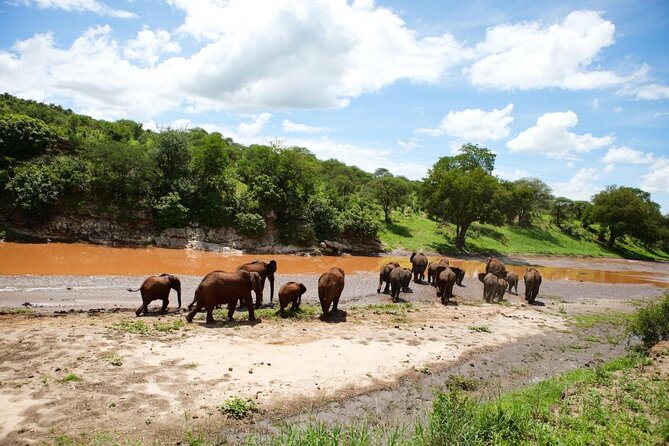
- Tarangire elephants close up: baobabs, marshes, and strong elephant sightings from the safari vehicle.
- Lake Manyara specialty wildlife: tree-climbing lions and big elephant concentrations, plus flamingos when conditions line up.
- Serengeti game drives with flexibility: early drives, camp breaks, and optional hot air balloon by pre-arrangement.
- Private group flow: it is set up so only your group participates, so the schedule can feel less crowded.
- Meals are included, but lunches vary: breakfast and dinner are covered throughout, and lunch is included every day.
Longer northern circuit routes, side by side
- Great Migration Safari In Tanzania★ 5.0 · 71 reviews
- 6 Days Tanzania Classic Safari★ 5.0 · 52 reviews
- 6 Days Big Five Tanzania Safari★ 5.0 · 15 reviews
- 7 Day Grand Tanzania Safari★ 5.0 · 13 reviews
Why this 7-day Tanzania safari feels like a greatest-hits tour
If you want the best-known parks without wasting days on backtracking, this route is built for you. In one week you cover Tarangire, Lake Manyara, the Serengeti, and Ngorongoro, the kind of line-up that usually takes far longer.
The big appeal is how the itinerary is weighted toward wildlife viewing. Tarangire is leaned toward elephants and predators, Lake Manyara adds its famous Rift Valley settings and flamingos, Serengeti gives you real migration country energy, and Ngorongoro is the practical finale where the Big Five checklist gets realistic.
The other reason it works is pace. Most days run about six hours of safari and driving time, with early starts on the days that matter most. That means you are usually in the right place when animals are active, not just cruising when the day is already warmed up.
Tarangire National Park: elephants up close and baobabs on repeat
Your day starts with a morning briefing and then a drive into Tarangire, about two hours. Once you are inside the park, the scenery is built on giant baobab trees, bush savannah, and seasonal marshes that can make animal sightings feel extra concentrated.
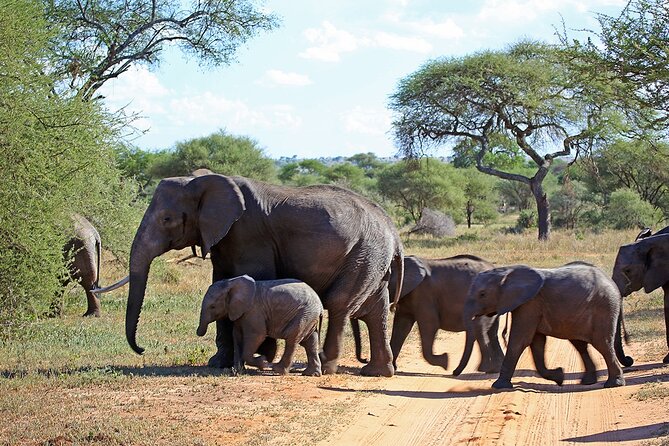
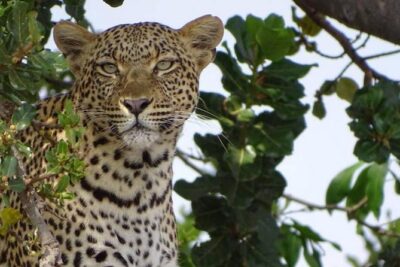
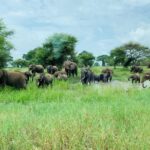
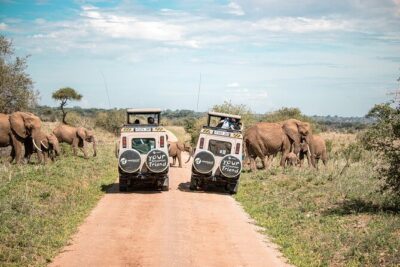
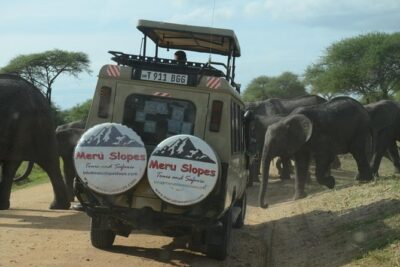
Tarangire is widely known for elephants, and this trip is aimed at giving you that close-up feel. You will also be on the lookout for buffalo, zebras, and wildebeests, which often draw predators along for the ride. Leopards can show up now and then, while cheetahs are rare here, so you should treat cheetah sightings as a bonus, not a promise.
One practical plus: the plan includes open-roof safari vehicle time. That matters because heat and dust can get old fast, but open-air viewing also helps you read animal behavior, not just catch a quick glimpse through glass.
In the late afternoon you leave the park and head to Eileen’s Tree Inn for your overnight. That stop is part of why the first day feels like a real start, not just a long travel day that ends with nothing to remember.
Lake Manyara: tree-climbing lions, flamingos, and Rift Valley drama
After breakfast you move to Lake Manyara National Park, where the setting is dramatic in a very practical way: you are dealing with a shallow soda lake sitting at the foot of the Great Rift Valley escarpment.
That environment shapes the wildlife. Lake Manyara is famous for one of Africa’s largest concentrations of elephants, and it is also known for tree-climbing lions, which is the kind of detail you remember even after the rest of the safari blurs together. If flamingos are in the area, algae in the lake can be part of why you see those big flocks.
This park also gives you variety in habitats in a shorter distance than you might expect. You are not just waiting in one place. The mix of lake edge, woodland, and open ground helps your guide keep the day moving toward sightings.
Then you roll on for the day’s lodging, keeping the momentum going so you do not lose your early-trip excitement.

Serengeti: the migration engine, plus two bites at the apple
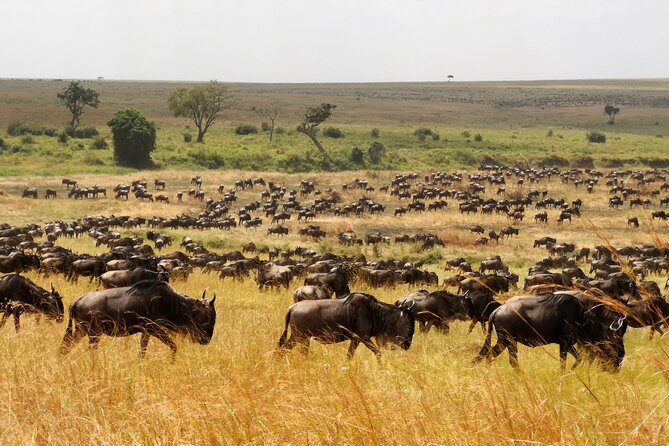
Serengeti is the heart of a huge ecosystem, and your schedule gives you more than one shot inside it. On the travel day into Serengeti, you head toward the Rift Valley slopes and the wide plains that make the park so famous. This is also where the long-term migration story becomes real, because the Serengeti is part of a larger system shared with Ngorongoro and the Maasai Mara.
The numbers you might hear are huge. Between these conservation areas, it is noted that around 1.4 million gnus, almost 300,000 Thomson’s gazelles, about 200,000 zebras, and several thousand of other species migrate annually. Even if you are not there at peak movement, that scale is why Serengeti feels alive.
Day 4 brings a classic safari rhythm. You start early with a first game drive, then return to camp for a strengthening breakfast before heading out again into the central Serengeti. It is a smart design. Animals tend to be easier to spot early, and the mid-day break helps you stay awake and patient instead of getting grumpy in the afternoon heat.
Serengeti morning choices: hot air balloon or sunrise game drive
One of the most popular ways to experience Serengeti is from the air, and this route gives you that option. On Day 5, you can do a hot air balloon over the Serengeti Plains, typically silent and floating above bush, rivers, and small villages. It is listed as available for supplementary cost if you arrange it in advance.
If balloon is not your thing, the alternative is a sunrise game drive. That is often the best way to get active animals without spending the whole morning in one parking spot.
After that early push, you return to accommodation for breakfast. Then you continue with game driving until lunch time, and after lunch you head toward Ngorongoro for your overnight.
This is also a day where the route starts blending wildlife and culture. You might have a chance to experience Maasai traditional life as you move through the Ngorongoro Conservation Area. The key is to treat it as a brief cultural encounter, not a full day event, so you do not expect it to replace your time in the crater.
Ngorongoro Conservation Area: descending into the Big Five zone
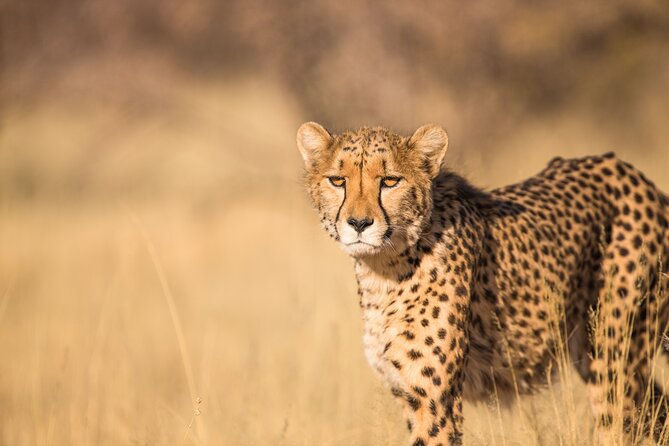
Ngorongoro is the kind of place where one day can feel like five different safari moments. After sunrise breakfast, you head back to the conservation area and then drive down into the crater.
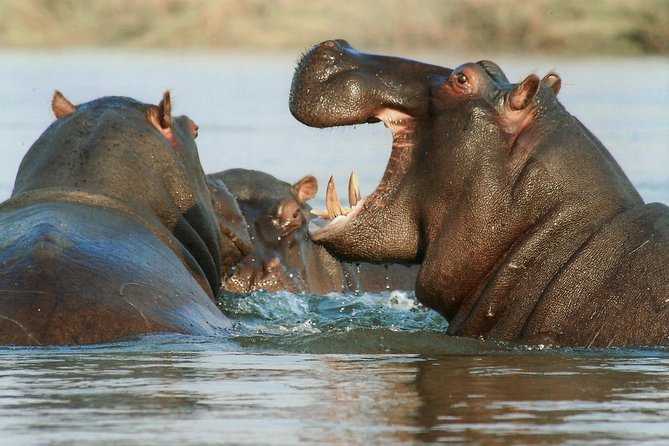
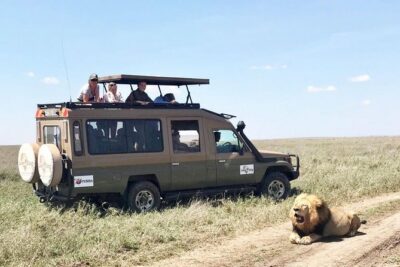
The crater system is described as home to over 25,000 mammals, with the Big Five listed right in the mix: lion, elephant, buffalo, rhino, and leopard. The same day also includes spotted hyenas, rare wild dogs, and more than 500 bird species. That is a lot to process, which is exactly why the day is planned as a full game-drive experience.
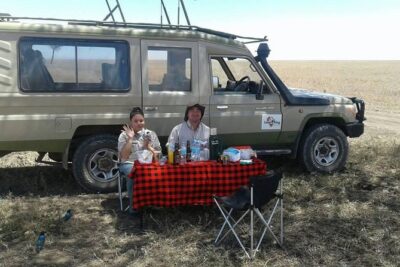
You will also stop for lunch as a picnic in the crater area. It is the kind of moment that resets your brain. One minute you are staring for movement, the next you are taking a breather while the crater keeps doing its thing.
Later in the afternoon you leave the caldera and head back to your lodge for dinner and overnight. In real life, this is where you tend to feel tired, in a good way, because you have watched so many animal behaviors in such a tight area.
Camp comfort, meal reality, and what to expect day to day
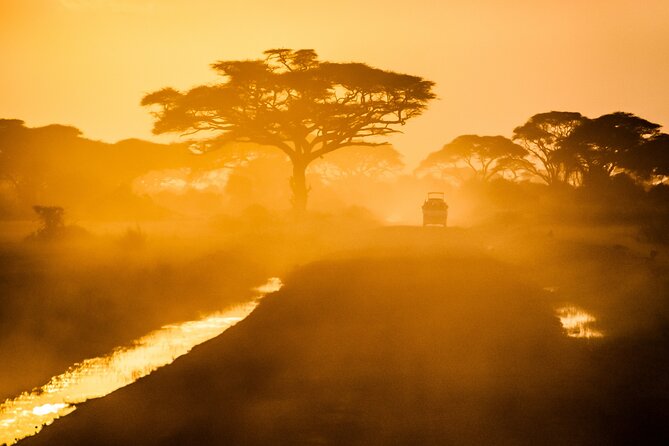
This tour includes breakfast every day (seven), lunch every day (seven), and dinner most nights (six). That matters because it removes a lot of decision fatigue, especially when you are bouncing between parks.
In past experiences with this kind of setup, the camp and lodge comfort can surprise people in a good way. One note that came up: camp sites were better than expected. That is not a guarantee, but it is a signal that you should not assume you will be sleeping in basic conditions only.
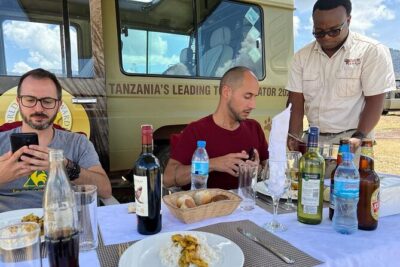
Now for the one realistic caution: lunch quality is the main weak point mentioned. One person called out lunches that felt not great, and mentioned a carrot sandwich that did not hit the mark. On safari days, it is easy to underestimate how fast hunger catches up after dusty driving and lots of scanning for animals.
So, go in with the right mindset. If lunch is not perfect, you are still likely to have had major wildlife moments that morning. But if you are the type who needs a satisfying mid-day meal to stay cheerful, plan to manage expectations or use your own snacks.
Also, expect long driving and bumpy roads on safari days. One review noted the road roughness and the desire for better lunches after it. That is a totally normal reaction, and it is exactly why timing and comfort breaks in the itinerary matter.
Price and logistics: what $2,800 per person is buying you
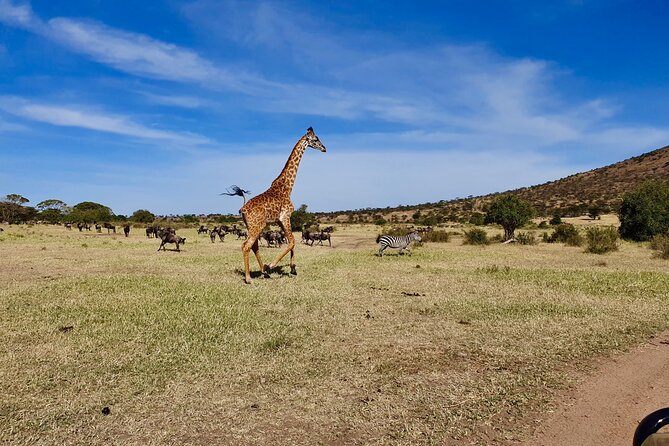
At $2,800 per person for an approximately seven-day safari, this is not a budget snack. The value comes from stacking major parks with included meals and smooth transportation, so you are not constantly coordinating entry fees, hotels, and transfers on your own.
A couple logistics points matter more than they seem:
- Private tour: only your group participates, so you are not stuck behind other groups all day.
- Pickup offered: you start at Kilimanjaro International Airport, with a listed start time of 8:00 am.
- Mobile ticket: you are not digging through printouts at the last minute.
The booking timing also tells you something. On average, it is booked about 32 days in advance, which usually means people plan ahead rather than hoping for last-minute availability.
The most valuable part is still the wildlife time. You are not just doing a checklist. The itinerary is built around early drives, a second game drive in Serengeti, and crater viewing in Ngorongoro, where conditions are ideal for a Big Five focused day.
Guides and organization: where the experience usually wins
This safari is only as good as the people driving and spotting animals. In the comments, guides such as Godlove, Amos, Martin, and Idi come up, along with the company contact Petro for planning and communication.
What gets praised most is practical things:
- Safety is taken seriously.
- The guide is careful and attentive during the day.
- The schedule feels well organized.
- The guide listens to requests and adjusts when possible.
That matters because wildlife days can change fast. Even when you are heading to a plan, you still need someone who can read the day and keep you moving in the direction that works.
If you get one of the guides mentioned above, you are likely to feel that you are not just watching from the back seat. You are learning the animals as you go, and you are staying comfortable enough to keep your eyes open for hours.
Arusha handoff: your safari ends with a clean drop
On the final day, you take a leisurely breakfast and then drive back to Arusha, arriving around midday. You get dropped off in the city centre or at the airport, which is exactly the kind of flexible ending you want after a week of early mornings.
This also gives you time to sort out your next step, whether that is a flight or a few quiet hours in Arusha before you move on.
Should you book this 7-day Grand Tanzania Safari?
Book it if you want a well-paced hit of the big-name parks in a single week, and you care most about wildlife time and guides who focus on safety and spotting. It is a strong match for people who like structure, enjoy early starts, and want the practical chance at all Big Five through the Ngorongoro crater focus.
Consider thinking twice if you are unusually picky about lunch quality or you know you get grumpy after rough roads and long drives. The safari logic still works, but your comfort tolerance will shape how much you enjoy the in-between hours.
If you can accept that lunch might not be perfect, and you treat the day as a wildlife-first experience, this is a very reasonable way to see Tanzania’s heavyweight parks without getting lost in logistics.
FAQ
Where does the tour start?
The tour starts at Kilimanjaro International Airport, located on Kilimanjaro Airport Rd, Tanzania.
What time does the safari start?
The listed start time is 8:00 am.
Is pickup included?
Yes, pickup is offered.
How long is the safari?
The duration is 7 days (approx.).
Which parks are included?
Tarangire National Park, Lake Manyara National Park, Serengeti National Park, and Ngorongoro Conservation Area are included, with Arusha as the return point.
Are meals included?
Yes. Breakfast is included for 7 days, lunch is included for 7 days, and dinner is included for 6 nights.
Is the hot air balloon included?
A hot air balloon over the Serengeti Plains is optional. It is available at supplementary cost by pre-arrangement.
Is this a private tour?
Yes. It is a private tour/activity, and only your group will participate.
What is the cancellation policy?
Free cancellation is available up to 24 hours in advance for a full refund. If you cancel less than 24 hours before the experience starts, the amount paid is not refunded. Any changes within 24 hours of the start time are not accepted.
Longer Trips Through the North
- Great Migration Safari In Tanzania
★ 5.0 · 71 reviews - 6 Days Tanzania Classic Safari
★ 5.0 · 52 reviews - 6 Days Big Five Tanzania Safari
★ 5.0 · 15 reviews - Tanzania Classic Safari 3 Days / 2 Nights
★ 4.5 · 9 reviews - 7 Day Safari in Tanzania National Parks
★ 5.0 · 5 reviews
Just added from around Kilimanjaro
Multi-Day Northern Circuit Safari Packages, compared.
 ★ 5.07-Day Premium Luxury Tanzania Safari All-InclusiveFrom $4,840426 reviews
 ★ 5.0Tanzania Wildlife Encounters – 6 DaysFrom $3,413277 reviews
 ★ 5.0Group Safari 7 Days in Tanzania’s Main ParksFrom $3,000240 reviews
 ★ 5.04 Days Join Group tour Tarangire Serengeti and Ngorongoro craterFrom $1,090219 reviews
 ★ 5.05-Day Private Northern Tanzania Safari from ArushaFrom $2,780182 reviews
 ★ 5.05 Days Best of Tanzania Luxury Safari Northern CircuitFrom $3,744174 reviews
 ★ 5.08 Day Spectacular Migration Serengeti mid -Range Tanzania SafariFrom $4,257161 reviews
 ★ 5.0Multi-Day Tanzania Odssey Safari from ArushaFrom $4,164120 reviews
Browse the lists this tour appears in