
REVIEW · MULTI-DAY NORTHERN CIRCUIT SAFARI PACKAGES
7 Day Safari in Tanzania National Parks
Seven days, five parks, and one big grin. This is a classic Northern Tanzania route that strings together four wildlife powerhouses, so you get repeated chances at the Big Five and plenty more besides. I like that it’s paced like a real safari week, not a rushed checklist.
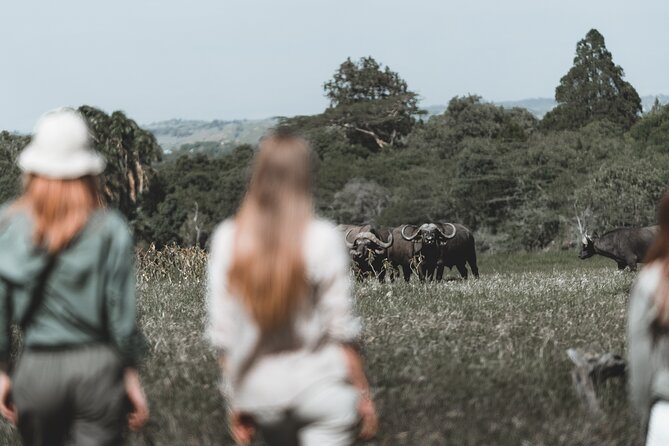
I particularly love the walking safari option in Arusha with an armed ranger, because it slows you down just enough to notice smaller life. I also love the value of having national park fees, full board meals, and safari essentials built in, so you can focus on spotting animals instead of doing constant budget math.
One consideration: Wi-Fi is only reliable 60-75% of the time, and safari days start early (often around 7:30 AM). If you need steady connectivity, plan for patchy signal and a lot of time in the car.
In This Review
- Key things that make this safari work
- Why Northern Tanzania routing from Arusha to Serengeti makes sense
- Day 1 in Arusha: a short bush walk and a proper Land Cruiser
- Tarangire’s second act: birds, hyraxes, gerenuks, and oryx
- Ngorongoro Crater day: the half-hour descent and the animal concentration
- Central Serengeti from Seronera: visit the center or chase golden hour
- Kopjes and Simba Rock: why terrain helps lions, and your photos
- Your final Serengeti day: making room for a huge park
- Lodges, full board meals, and why 3-4 matters on safari
- Getting around in a pop-up roof Land Cruiser, plus real safety support
- Big Five chances and how to set expectations without killing the joy
- Price and value: what you’re paying for, and where it adds up
- Who should book this safari (and who should skip it)
- Should you book this 7-day Tanzania safari with Altezza Travel?
- FAQ
- What time does the safari start?
- Are pickups offered, and where do they pick you up from?
- Which parks and areas are included in the 7-day safari?
- Are national park fees included in the price?
- What meals are included during the safari?
- Is Wi-Fi available during the trip?
- Are binoculars provided?
- Is an air ambulance service included?
- Is the guide English-speaking?
- Are tips included in the tour price?
Key things that make this safari work
- Arusha walking safari with an armed ranger, a rare chance to see wildlife on foot in this region
- Tarangire’s special species mix, including long-necked gerenuks, oryx, and lots of birds
- Ngorongoro Crater density, with a half-hour descent and animals close together in a small area
- Serengeti timing that favors animals, with optional golden-hour driving before sunset
- Kopjes and Simba Rock photos, where the terrain helps animals feel less skittish
- AMREF Flying Doctors air ambulance and a medical kit, included for peace of mind
Longer northern circuit routes, side by side
- Great Migration Safari In Tanzania★ 5.0 · 71 reviews
- 6 Days Tanzania Classic Safari★ 5.0 · 52 reviews
- 6 Days Big Five Tanzania Safari★ 5.0 · 15 reviews
- 7 Day Grand Tanzania Safari★ 5.0 · 13 reviews
Why Northern Tanzania routing from Arusha to Serengeti makes sense
This safari route is built around variety. You start in Arusha, where you can do a walking segment and get a more intimate feel for the ecosystem. Then you move to Tarangire, which tends to feel different from the Serengeti, with its own personalities in animals and birds.
By the time you reach Ngorongoro Crater, you get the wow factor of animals packed into one dramatic bowl. Finally, the Serengeti’s huge plains take over, and that’s where you spend multiple days so you can chase different animal moods. One day might feel calm, the next might deliver the energy of a lion about to move, or a herd suddenly turning.
The practical win is repetition. Instead of one quick hit at each park, you get time to learn the rhythm of each location from your guide, and that usually improves your odds.
Day 1 in Arusha: a short bush walk and a proper Land Cruiser
Arusha National Park is the opener, and it does its job. You’re not just jumping into a game drive right away. You get a short 1.5-hour bush walk, and it’s paired with an armed ranger. That combo matters because you’ll learn the area’s wildlife and the human-wildlife reality around it, plus you get the chance to notice tracks and behavior you would miss from a vehicle.
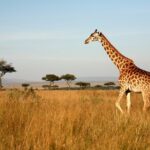
After the walk, the safari shifts to a Land Cruiser drive. You’ll likely see animals that handle the savanna edge well, like giraffes, bushbuck antelopes, buffalo, and warthogs. The driving portion also gives you an easy transition from “feet-on-the-ground” to “spot it, then reposition fast.”
If you like context, there’s also the option of visiting Ngurdoto Museum while you’re in Arusha territory. Even when time is tight, that kind of stop helps you connect what you’re seeing to why the park works the way it does.
Tarangire’s second act: birds, hyraxes, gerenuks, and oryx
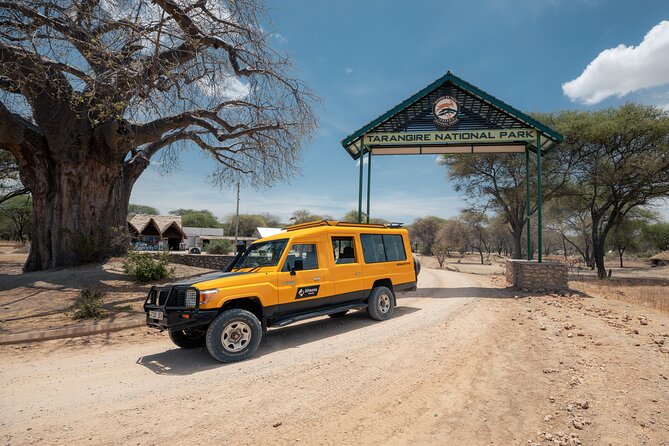
Tarangire is where the trip starts to feel very specific. Your first day here begins around 7:30 AM, with the drive taking you to the park in time for your game drive start. That morning energy is important in Tanzania, and it’s one of the easiest ways to improve sightings.
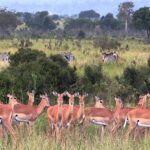
In Tarangire, the scenery and animal mix tend to be distinct from the Serengeti. On your next Tarangire day, you’ll go to different sections, which helps you avoid the feeling of repeating the same loop. You’re also more likely to spot animals you might not expect on a standard Serengeti-heavy trip, such as long-necked gerenuks and oryx.
And then there are the hyraxes. They’re small, fast-moving, and they let you get close for photos. The key rule is simple: don’t touch the animals. You’ll see them and laugh a little, because they look like they’re built for balancing on rocky spots.
Bird lovers get a real payoff here too. Tarangire has over 550 bird species, so even if mammals are quiet for a moment, your guide can keep you busy scanning and tracking. The safari car is also described as having high-resolution binoculars, which is a real quality-of-life boost when birds are distant.

Ngorongoro Crater day: the half-hour descent and the animal concentration
Ngorongoro Crater is one of those places where the logistics are almost part of the entertainment. The descent takes about 30 minutes, and along the way the road passes through lush forests, with a shift in scenery that makes you feel like you’re moving into a different world.
Once you’re down, you’re in the bowl. The idea here is simple: the crater holds a huge variety of animals in a relatively compact area, so your game drive can feel intense. You don’t need to drive forever to feel like something is happening, because sightings are closer together and animals may not be as far apart as they are in open savanna.
You’ll also take a break after the morning drive with a snack and rest at the picnic area by Lake Magadi. That pause matters because crater days can be mentally and physically tiring. You’re scanning constantly, and a real break keeps you sharp for the return.
Central Serengeti from Seronera: visit the center or chase golden hour
When Serengeti enters the picture, you’ll likely start in the central area known as Seronera. This is where your guide tries to find the animals you’re most interested in, rather than treating it like a drive-through.
You also get a choice that I think is genuinely useful. Near lunchtime, you can stop at the Serengeti Visitor Center. The payoff there is practical: you get information about the park’s animals and history, and you’ll likely receive a lunchbox. If you enjoy understanding what you’re seeing, this can make your game drive feel clearer and more meaningful.
Another option is to return to camp for a quick lunch and nap, then head back out before sunset. That golden-hour timing is not just a photo tip. It often changes animal behavior and how they move, and it can make the day feel less rushed. Plus, a reset in camp helps when you’ve been in the jeep all morning.
You’ll also see hyraxes again, because they’re a familiar feature in Serengeti terrain. They’re usually a good sign that rocky or sheltered edges are nearby.
Kopjes and Simba Rock: why terrain helps lions, and your photos
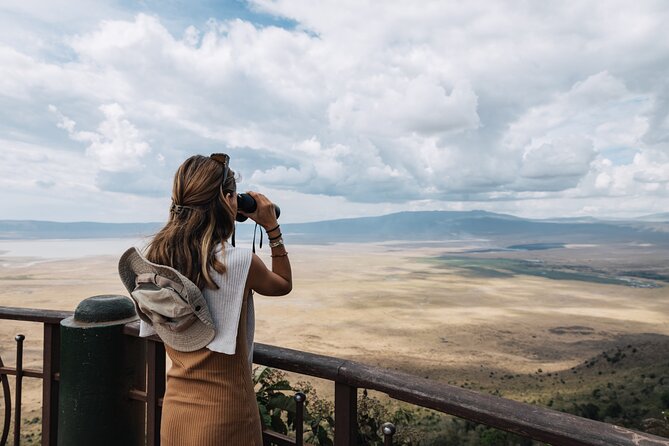
The second Serengeti day focuses on a different kind of scenery, especially the Kopjes, those volcanic rock formations that stick up like islands. This matters because animals often use them for shade and visibility, which makes them easier to spot and more interesting to watch.
You can also get inspiration to look for storytelling details in the terrain. Simba Rock is mentioned as a real-life inspiration for the iconic scene from The Lion King. Whether you care about the movie or not, the useful part is that this gives you a very specific landmark to tie your memory to.
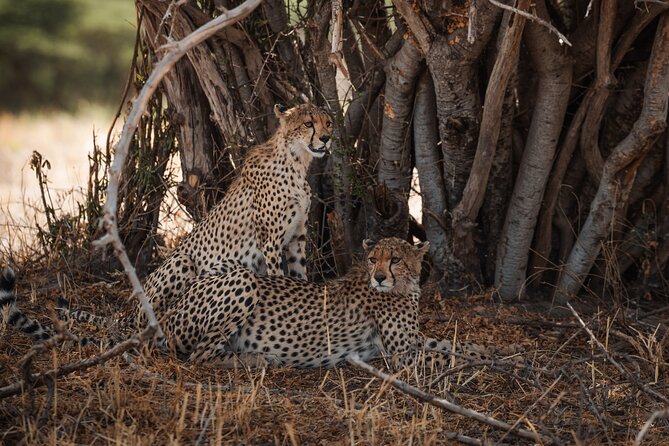
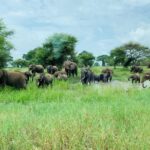
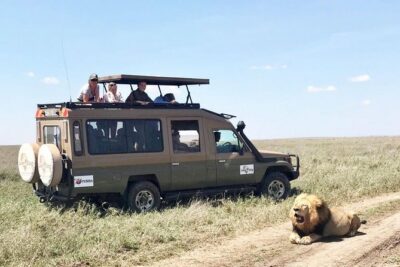
Expect the park’s mood to change from day to day. Lions can look lazy, then suddenly decide to move. Elephants may wander closer. You might even spot cheetah activity from a distance, often the kind where you need to stay patient and let the guide do the work of positioning.
This is also a day where your guide’s instincts matter. Your ability to relax comes from knowing the driver is reading the animals and the landscape, not just driving and hoping.
Your final Serengeti day: making room for a huge park
By the last day, you’ll feel the scale. Serengeti is described as a huge space full of life, and that’s accurate in spirit: you cannot cover everything in a single week without doubling back constantly.
So your guide will show you new places and different animals, keeping the experience from turning into repetition. The UNESCO World Heritage context is also part of the story, because the park is recognized for its ecosystem and the annual Great Migration. Even if you’re not timing your visit to migration season, the ecosystem logic still shapes where animals spend their time.
In practice, this day works best when you treat it like a flexible safari. Let your guide adjust if sightings are happening in a particular pocket. You’ll still want your camera ready, but more importantly you’ll want to be present, because the best moments in Serengeti often come when you slow down for a few minutes instead of sprinting to the next sighting.
By dinner, you’ll reach your hotel back in Arusha. Alternative drop-off points may be possible if you request them.
Lodges, full board meals, and why 3-4 matters on safari
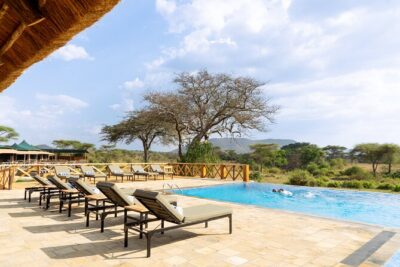
Comfort on safari is not a luxury detail. It’s what keeps you functional for long days in the sun. This package uses 3-4 lodges and includes full board meals, so you’re not constantly searching for food after a game drive.
Breakfast and lunches are included across the week, and dinners are included too. Drinks during meals are listed as extras, so you can expect to budget a bit if you want beer or soft drinks at lodge meals. Still, having the food covered is a big value lever because safari-country prices can add up fast.
The other practical comfort item is where you spend downtime. After early starts and jeep time, you’ll appreciate having a real bed and a reliable place to rinse off and reset. That’s especially true because safari days often run long, with daily safari time listed around 6 to 7 hours.
Getting around in a pop-up roof Land Cruiser, plus real safety support
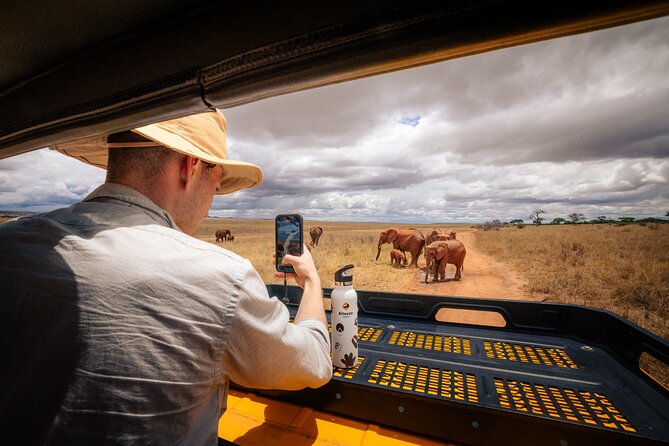
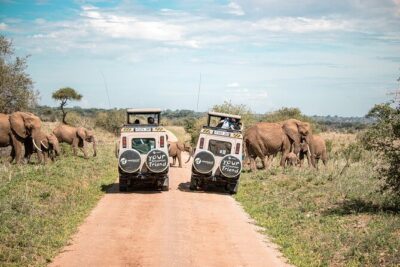
This tour leans on a modern Land Cruiser 4×4 with pop-up roof, ergonomic seats, and a refrigerator. That’s not trivia. The pop-up roof improves your viewing angle, which can make a big difference when animals are on the move or when you’re trying to see past other vehicles.
Power sockets are included too, so charging is less of a headache than on some older setups. And in the jeep you’ll have bottled water, soft drinks, and hot coffee and tea during safari time. That kind of steady hydration and warmth matters when you’re out in the open for hours.
Safety and support are clearly part of the package, not an afterthought. You get a medical kit and an air ambulance service by AMREF Flying Doctors. On top of that, there’s 24/7 phone/email support, which is reassuring if anything changes.
Binoculars are also included, one per car. Combine that with the described high-resolution viewing assistance, and you’ll spend more time actually seeing what’s out there, not just scanning for movement.
Big Five chances and how to set expectations without killing the joy
Let’s be honest. A Big Five safari is never a guarantee. Animals roam, and weather and timing can shift what you see.
What you can control is how you prepare your mindset. This trip is designed to maximize your chances across multiple parks and multiple days, which is the best lever you have. You’ll also have a professional, English-speaking guide who can read behavior and help reposition quickly.
The most praised part in the provided experiences is that the guides push for strong sightings while staying calm and organized. You’ll see names like Daniel and Noel connected to great outcomes, and Stephen and Anold credited for staying friendly and dialed in. Those kinds of guide qualities matter. When the driver is focused and the guide communicates well, you feel less stressed about the uncertainty, and that lets you enjoy the moments that don’t fit into a checklist.
If you want a practical goal for your first week in Tanzania, aim for this: stay patient, watch movement more than icons, and accept that the best sighting might happen while you’re quietly waiting.
Price and value: what you’re paying for, and where it adds up
At $4,802 per person for roughly 7 days, this is not a budget safari. But it’s priced like a package where the heavy costs are already handled: park fees, accommodations, and most daily necessities.
Here’s where value shows up for you:
- Park fees and concession fees included means fewer surprise costs once you arrive
- Full board meals reduce the everyday spending you’d otherwise do in remote areas
- Vehicle choice (new Land Cruiser 4×4 with pop-up roof) improves viewing comfort and convenience
- On-safari essentials like water, drinks, and coffee and tea help you avoid constantly buying supplies
- Binoculars included reduces what you need to pack or rent
Could you find cheaper safaris? Yes, but you’d likely trade away some mix of comfort, logistics, guide quality, and what’s included. When you’re spending a week out in the bush, those tradeoffs can show up fast.
So the real question is whether you want a smoother experience. If you do, the included structure is doing real work.
Who should book this safari (and who should skip it)
This trip fits you best if you want a Northern Tanzania highlight run without micromanaging logistics. It’s also a good fit if you like a guide-driven experience and you value comfort during downtime.
It’s described as a private tour/activity, meaning you’re with your group only, not mixed into random crowds. That can be a big deal when you want flexibility around sightings and pacing.
It may not fit if you rely on mobility aids. The tour notes that it’s not suitable for people with mobility issues using special mobility aids, since safari lodges are remote and vehicles do not have special seating or storage.
Should you book this 7-day Tanzania safari with Altezza Travel?
If your goal is a well-paced Northern Tanzania wildlife week that mixes walking time in Arusha, birds and special species in Tarangire, a crater day with heavy animal density, and multiple days in Serengeti, this is a strong match. The inclusions are practical, especially park fees, meals, and the vehicle setup, and the safety support is a real confidence boost.
I would book if you want fewer uncertainties and you’re happy to start early, spend long days driving, and accept that connectivity is limited. I would think twice if you need consistent Wi-Fi, or if mobility support is a must.
If you’re ready for big wildlife days and you want a smooth week where the logistics are handled, this safari looks like a smart way to spend your time in Tanzania.
FAQ
What time does the safari start?
The safari start time is 7:30 am.
Are pickups offered, and where do they pick you up from?
Pickup is offered. You’ll be picked up from your hotel or another location as agreed.
Which parks and areas are included in the 7-day safari?
You’ll visit Arusha National Park, Tarangire National Park, Ngorongoro Crater, and Serengeti National Park.
Are national park fees included in the price?
Yes. National park fees for the entire tour, including park entry and concession fees, are included.
What meals are included during the safari?
Full board meals are included. Breakfast is included 6 times, and lunch and dinner are included 7 times each.
Is Wi-Fi available during the trip?
Yes, free Wi-Fi is included, but the signal is available in only 60-75% of the traveled territories.
Are binoculars provided?
Yes. Binoculars are provided, with 1 piece per car.
Is an air ambulance service included?
Yes. Air ambulance service by AMREF Flying Doctors is included, along with a medical kit.
Is the guide English-speaking?
Yes. The tour includes a certified and experienced English-speaking safari guide.
Are tips included in the tour price?
No. Tips to your safari guide are not included.
Longer Trips Through the North
- Great Migration Safari In Tanzania
★ 5.0 · 71 reviews - 6 Days Tanzania Classic Safari
★ 5.0 · 52 reviews - 6 Days Big Five Tanzania Safari
★ 5.0 · 15 reviews - 7 Day Grand Tanzania Safari
★ 5.0 · 13 reviews - Tanzania Classic Safari 3 Days / 2 Nights
★ 4.5 · 9 reviews
Just added from around Kilimanjaro
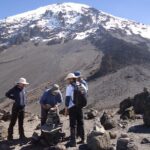
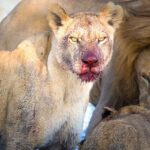
Multi-Day Northern Circuit Safari Packages, compared.
 ★ 5.07-Day Premium Luxury Tanzania Safari All-InclusiveFrom $4,840426 reviews
 ★ 5.0Tanzania Wildlife Encounters – 6 DaysFrom $3,413277 reviews
 ★ 5.0Group Safari 7 Days in Tanzania’s Main ParksFrom $3,000240 reviews
 ★ 5.04 Days Join Group tour Tarangire Serengeti and Ngorongoro craterFrom $1,090219 reviews
 ★ 5.05-Day Private Northern Tanzania Safari from ArushaFrom $2,780182 reviews
 ★ 5.05 Days Best of Tanzania Luxury Safari Northern CircuitFrom $3,744174 reviews
 ★ 5.08 Day Spectacular Migration Serengeti mid -Range Tanzania SafariFrom $4,257161 reviews
 ★ 5.0Multi-Day Tanzania Odssey Safari from ArushaFrom $4,164120 reviews
Browse the lists this tour appears in