
REVIEW · KILIMANJARO LEMOSHO ROUTE
Lemosho Route
Kilimanjaro feels calmer before it turns brutal. On this Lemosho trek, I love the longer, forest-to-plateau build-up that helps you acclimatize, plus the crew approach that shows up in accounts with guides like Wency Machiba and Omary. You also get a real sense of pacing, not just a race to the summit.
The main drawback is the summit night reality. You will be up around 23:30, then move for hours in cold altitude, so you should plan for rough sleep and slow progress.
In This Review
- Key Highlights That Matter on the Lemosho Route
- Entering the Lemosho Plan: Why the Route Feels Smart
- Day 1 in Moshi: Airport Pickup, Gear Check, Lindrin Lodge
- Day 2: Lemosho Glades to Big Tree Camp at 2780 m
- Day 3: Big Tree Camp to Shira 1 (3500 m), Moorland and Volcanic Rocks
- Day 4: Shira 1 to Shira 2 (3900 m), Western-Side Ice Field Views
- Day 5: Shira 2 to Barranco Camp (3960 m) and Lunch Near Lava Tower
- Day 6: Barranco to Karanga (3963 m), Great Barranco Wall Effort
- Day 7: Karanga to Barafu (4640 m) Across Desolate Scree
- Summit Night to Uhuru Peak: From Barafu at 23:30 to Stella Point
- Day 9 Finish: Mweka Camp Down to Mweka Gate and Certificates
- Price and Value: What $2,310 Buys You on Kilimanjaro
- Who Should Choose This Trek, and Who Should Rethink It
- Should You Book the Lemosho Route with Maua Adventures?
- FAQ
- How long is the Lemosho route trek?
- Where do you meet and what is the start time?
- Is airport pickup included?
- What is the first night accommodation?
- Are meals included during the trek?
- What is the highest point you can reach?
- What is the group size limit?
- What is included versus not included in the price?
- Can I rent mountain gear if I arrive without it?
Key Highlights That Matter on the Lemosho Route
- A longer start gives you time to adjust before you push higher, with moorland and Shira Plateau days that make acclimatization more realistic.
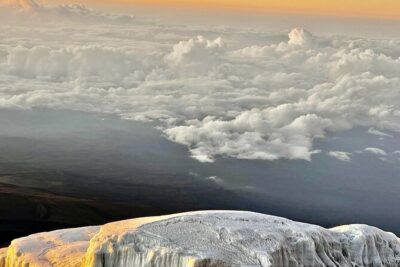
- Kibo views happen more than once: clouds can frame Kibo Peak, and you get panorama from the western side.
- Lava Tower and Great Barranco are the big moments for scenery and effort, including lunch near Lava Tower (4640 m).
- Glacier country on foot with trekking passing under Heim and Kersten glaciers, even though the walk is not technical.
- Clear summit targets with certificate rewards: Stella Point gets a green certificate, Uhuru Peak gets a gold one.
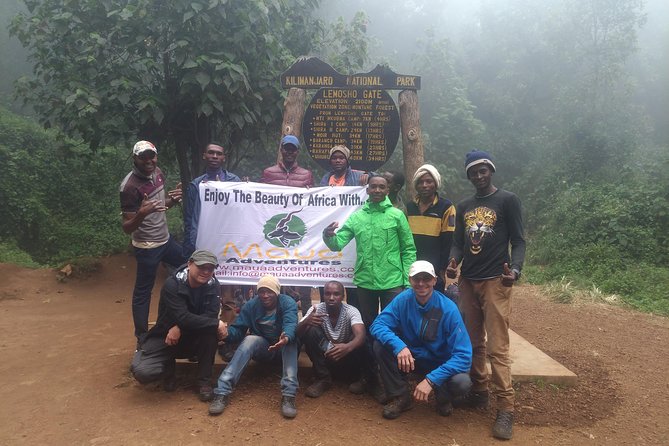
- Small group size (max 15) plus a dedicated crew, often described with experienced guides and solid porter support.
Lemosho itineraries worth reading next
- 8 Days Kilimanjaro Hike via Lemosho Route★ 5.0 · 39 reviews
- Mountain Kilimanjaro Climbing 8 Days Lemosho Route★ 5.0 · 10 reviews
Entering the Lemosho Plan: Why the Route Feels Smart
The Lemosho route is one of Kilimanjaro’s classic “go slow to go far” choices. The big idea is that you start on the western side and take your time reaching the higher zones, so your body gets repeated chances to adapt to altitude.
That is not the same as easy. You still climb. But the schedule is built around steady effort, not constant steep punishment. If you tend to get frustrated when hikes feel rushed, you’ll likely appreciate this rhythm.
I also like that you are not stuck in a huge herd. With a maximum of 15 travelers, your guide can actually manage the pacing and gear checks, which matters when it is cold and windy and everyone’s timing is different.
Day 1 in Moshi: Airport Pickup, Gear Check, Lindrin Lodge
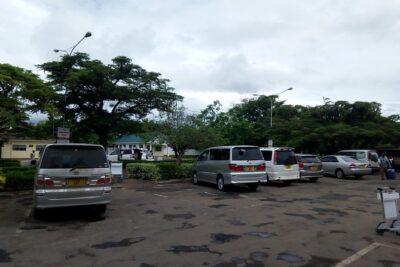
Most Kilimanjaro trips start with logistics, and this one is straightforward. After you arrive at Kilimanjaro International Airport, you get picked up and transferred to Moshi, where you meet your guide and do an equipment check.
This matters more than people think. Kilimanjaro is cold, especially near the top, and the difference between having the right layers and not having them is huge. The day includes the chance to rent missing mountain gear on arrival day, so you are not forced to guess blindly.
For your first night, you stay at Lindrin Lodge on a bed and breakfast basis. It is a practical setup. You are not spending your energy searching for dinner spots or sorting out transfers. You are using the day to rest and get ready for a multi-day mountain routine.
Day 2: Lemosho Glades to Big Tree Camp at 2780 m
Day 2 starts with a pickup from your Moshi hotel and a transfer to Lemosho gate on the western side. Then it is steadily uphill through the forests of the Lemosho glades.
The walking distance is relatively modest for a Kilimanjaro day, about 7 km (4.3 miles) and roughly 4 hours. The value here is not speed. It is getting your legs used to the rhythm while your body transitions out of low altitude.
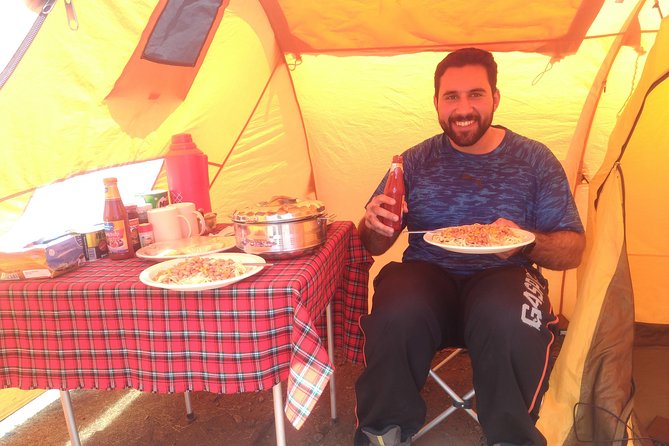
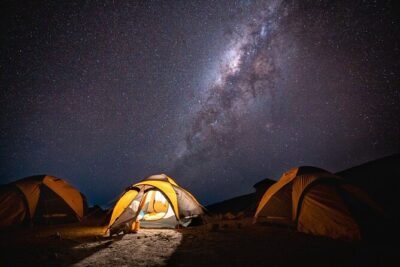
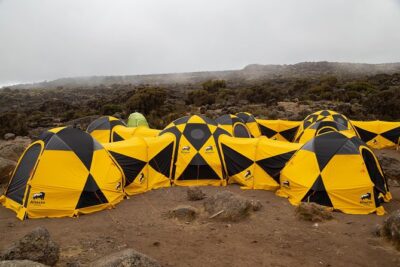
By the time you reach Big Tree Camp (2780 m), you are already thinking about camp life. You will have breakfast, lunch, and dinner included, which means you can focus on hydration and keeping your layers organized.
A small note: forest days can feel “easy” because it is greener and often calmer. Do not let that trick you into going out too fast. If you blow your energy early, higher zones still demand payment.
Day 3: Big Tree Camp to Shira 1 (3500 m), Moorland and Volcanic Rocks
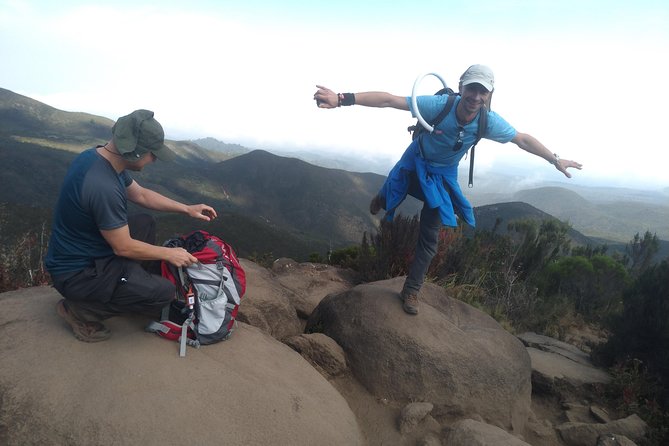
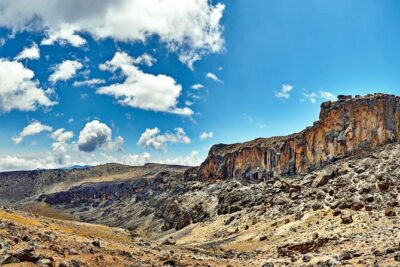
Day 3 pushes you into a more open landscape: grassy moorland, heather, and volcanic rock formations. You trek from 2780 m to 3500 m, with about 8.5 km (5.3 miles) and around 7 hours.
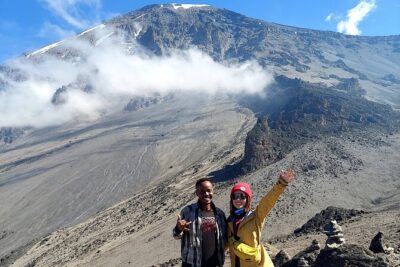
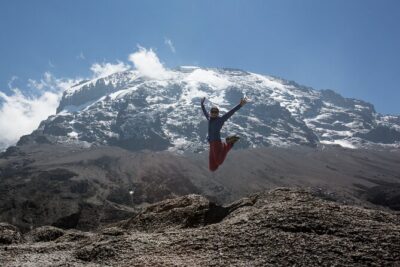
This is a key day because you start to notice the altitude shift. The scenery gets broader, and on clear moments you can get the sense of Kilimanjaro’s scale. Your destination, Shira 1 Camp, is also tied to one of the more memorable view possibilities on this route: Kibo Peak floating on the clouds.
The drawback is that some parts are fairly steep. Not technical, but tiring. If you prefer long gentle walks, this is where you may feel your legs start negotiating with the climb.
Still, the schedule is trying to be kind by keeping the pace steady and focusing on gradual altitude gain, which is one of the best weapons you have on Kilimanjaro.
Day 4: Shira 1 to Shira 2 (3900 m), Western-Side Ice Field Views
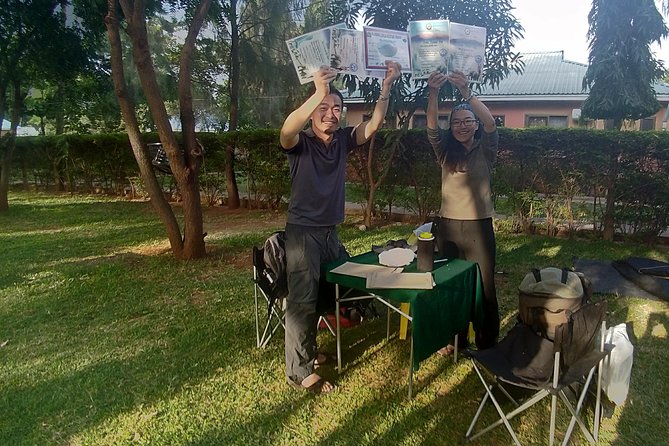
Day 4 continues the altitude climb to Shira 2 Camp at 3900 m. You cover about 8 km (5 miles) in around 5 hours, and that shorter time helps you manage effort.
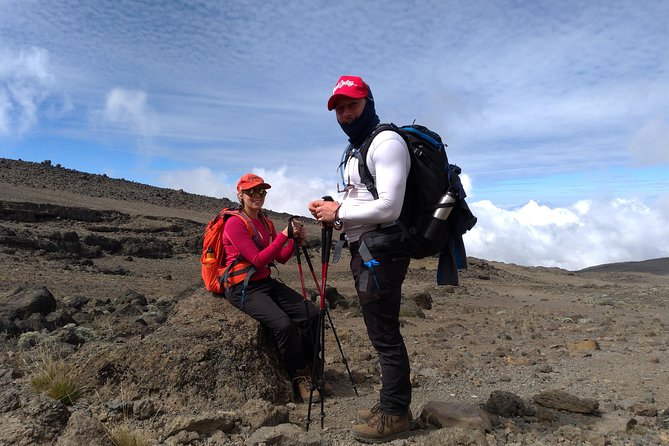
You also get a special kind of viewpoint here. From this western-side perspective, you may be able to see the Northern Ice fields, along with unusual angles of Kibo. Even when clouds move through, the changing light can make the mountain feel alive.
In the afternoon, you do an acclimatization walk and then return to camp for dinner. That matters because it gives your body practice at height without forcing you to overextend.
One consideration: this is not the day to test your fitness limits. The best summit day is often built from the discipline you use on days like this.
Day 5: Shira 2 to Barranco Camp (3960 m) and Lunch Near Lava Tower
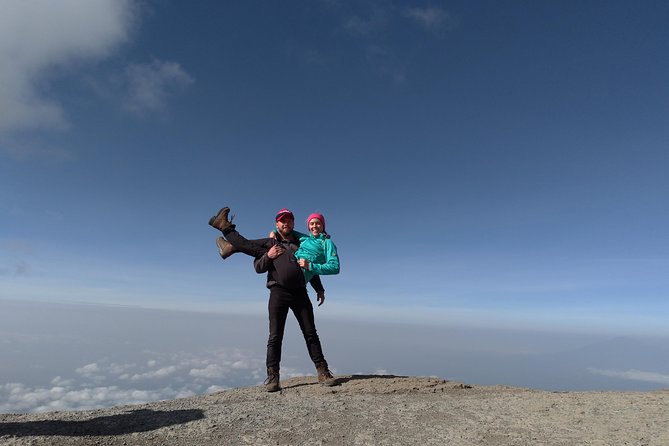
Day 5 is where Lemosho starts to feel more dramatic. You climb with far-reaching panoramas, walking into the climatic zone of upland desert and lava ridges beneath the glaciers of the Western Breach.
Then you reach a standout feature: Lava Tower (4640 m), which is listed as the high point for the day and the lunch spot. That means you are not just passing a landmark. You stop, eat, catch your breath, and absorb the view.
The day totals about 10 km (6.2 miles) over 7 hours, and the second half includes a steep descent into Barranco Camp at 3960 m, sitting in the base of the Great Barranco Valley.
This descent can be tough on your knees and ankles. The trail can feel punchy after you have already gained altitude. If your legs get sore easily, it helps to use trekking poles and keep your steps small and controlled.
Day 6: Barranco to Karanga (3963 m), Great Barranco Wall Effort
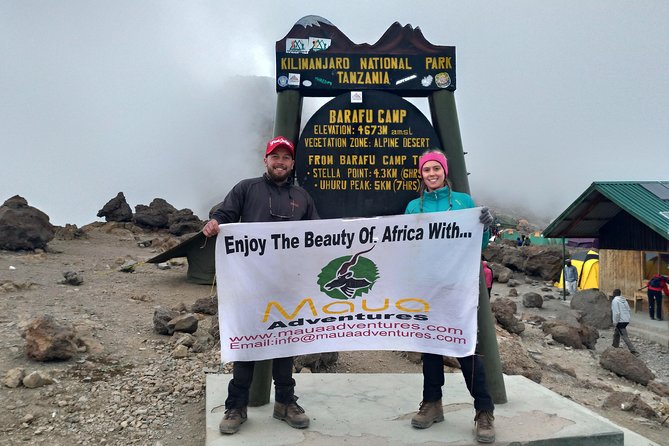
Day 6 begins by descending into the Great Barranco. Then it turns into the famous kind of challenge: exiting steeply up the Great Barranco Wall.
This is described as long and tiring, even though it is not technical. You pass beneath Heim and Kersten glaciers as you work toward the Karanga valley, then climb up to Karanga Camp at 3963 m.
The schedule has a shorter distance, about 5.5 km (3.4 miles) and around 5 hours, but the effort can still feel heavier than day 5. The climbing is persistent, and the air at this height can make every step feel like it weighs more.
There is also an optional or conditional upside depending on how you feel. For those feeling strong, there is a mid-afternoon acclimatization trek up to around 4200 m, then a return to camp.
This is the kind of day where your attitude matters. If you treat it as one careful step at a time, you often arrive calmer than you expected.
Day 7: Karanga to Barafu (4640 m) Across Desolate Scree
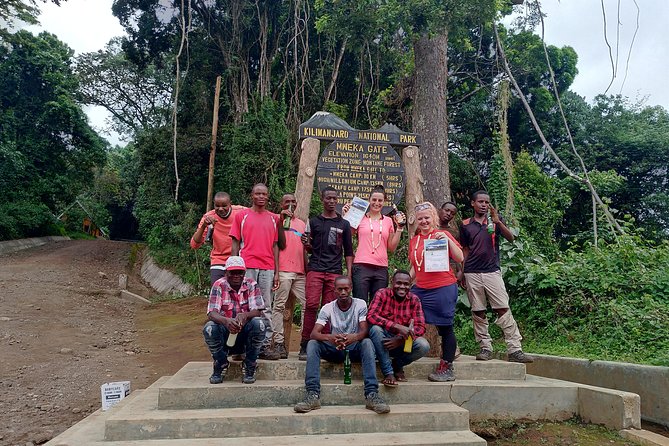
Day 7 moves you to Barafu Camp at 4640 m. The listed walking distance is short, about 3 km (1.9 miles), and the estimate is around 3 hours. But altitude turns a short walk into a serious day.
You cross desolate scree slopes with no vegetation around you. That matters psychologically. The lack of greenery makes it harder to judge time, and the terrain can feel loose underfoot.
Once you arrive, you eat and rest in preparation for the summit night. The instructions are clear about what will help you on the big push: stay hydrated and keep warm.
You also get the setup for summit sleep, which is brief. An early dinner, then an attempt to rest, with an upcoming wake-up window between 11 pm and 12 am.
This is the day where you should do your kit management twice. Water, headlamp, warm layers, snacks, and anything you can pack so you do not fumble later.
Summit Night to Uhuru Peak: From Barafu at 23:30 to Stella Point
Summit night is the defining moment, and the itinerary gives you a clear timeline. You are awoken around 23:30 with hot tea and biscuits, and then you prepare for a sharp departure at around 24:00.
The goal climb is steep and slow. The key guidance is simple and true: keep momentum moving forward, one step at a time. Most of the work is endurance plus careful pacing, not fast hiking.
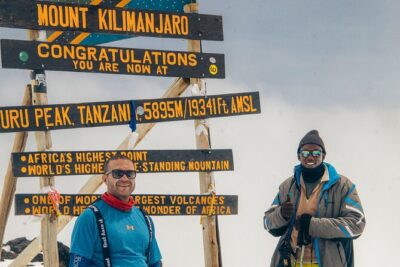
The climb is estimated at 6 to 8 hours to reach the crater rim, where you see the sign for Stella Point (5739 m). Then you continue on to Uhuru Peak (5895 m).
Once you finish the top portion, you descend all the way to Mweka Camp at around 3100 m. That descent is often surprisingly relieving because you finally move into much lower altitude.
Practical reality check: even if the hike to the rim is “only” one long push, your body will decide the pace. Cold, wind, and exhaustion are all real. If you can handle long, slow effort without getting angry at your own speed, you give yourself the best shot.
Also, it helps to remember this part: many people struggle to sleep before summit night. So do not treat insomnia as a personal failure.
Day 9 Finish: Mweka Camp Down to Mweka Gate and Certificates
After the summit and the long descent, you spend the morning trekking down to Mweka Gate. You cover about 9 km (5.5 miles) in 3 to 4 hours, and the terrain becomes a pleasant rainforest descent through lower slopes.
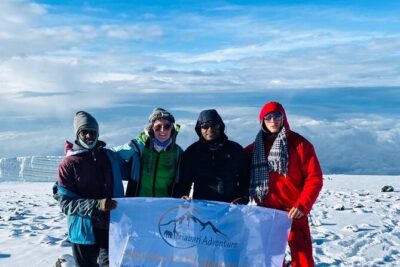
You also get a neat reward system for reaching different summit milestones. If you reach Stella Point, you are presented with an official certificate listed as green. If you reach Uhuru Peak, it’s the gold certificate.
When you finish, it is customary to tip your trekking crew before you are transported back to your hotel in Moshi. That is an important cultural and practical end step. I recommend you plan ahead so you are not scrambling at the gate.
Price and Value: What $2,310 Buys You on Kilimanjaro
At $2,310 per person, this is not a casual weekend hike price tag. So the right question is not just what it costs. It is what you get that reduces risk and stress.
Here is where the value shows up in what is included and how the trek is structured:
- You are not paying separately for the core guided climb days. Your schedule includes meals on the mountain and multiple transfers and logistics steps.
- You get a small group setup, max 15 travelers, which is a real difference on a route where pace and safety matter.
- The schedule includes a day 1 gear check and the ability to rent missing gear. That can save you from arriving underprepared.
- The trek is built for acclimatization with multiple camps at intermediate elevations, including time around Shira Plateau elevations. That is one of the best ways to improve your odds, even though no plan can guarantee a summit.
- Park or entry items are shown as free admissions in the provided day breakdown, and parking fees are listed as included.
What you should budget beyond the price is not only “personal items,” which are listed as not included, but also the money you might spend on any missing clothing or gear that you discover later.
Also, don’t ignore time costs. You are doing a long multi-day effort that starts with early transfers and includes a late-night summit push. If you are going to pay a premium, make sure you are paying for a trek style you truly want.
Who Should Choose This Trek, and Who Should Rethink It
This trek fits best if you have moderate physical fitness and you can handle a slow, steady grind at altitude. The itinerary has days that are steep, with noticeable effort on Barranco Wall and the scramble toward Barafu.
It is also a good match if you want a guided experience where the crew work is part of the comfort. The recurring positive notes about guides and crew care in accounts matter because Kilimanjaro is not just your legs. It is how smoothly your camp needs are handled.
One more fit factor: if you like scenery that changes by altitude, you will appreciate the shift from forest to moorland to upland desert to scree zones. This route makes those transitions part of the story, not just background.
Who should think twice? If you know you cannot handle long cold nights, or if you need consistent, guaranteed sleep and comfort, this trek will feel rough. Summit night is a major stress test, even for strong hikers.
Should You Book the Lemosho Route with Maua Adventures?
If you want Kilimanjaro that feels planned for altitude, not just planned for photos, this is a strong choice. The Lemosho approach gives you that extra build-up time, and the route hits big scenic waypoints like Lava Tower and the Great Barranco zone.
I would book if you also value a small group and a crew that seems to run tight operations. Names that pop up in accounts include guides like Wency Machiba, Omary, and Fadhili, plus contacts such as Jackson. Even if your exact team is different, the pattern is the same: strong communication and careful support.
I would hesitate if you want a stress-free experience with lots of downtime. This trek includes steep effort, a late summit wake, and the kind of cold that makes you grateful you packed the basics.
If you decide to go, do two things that pay off fast: train for uphill walking before you fly, and pack for cold and timing on summit night. Your headlamp, warm layers, and water handling will make or break the night, more than almost anything else.
FAQ
How long is the Lemosho route trek?
The trek is listed as 8 days approximately, with a final descent to Mweka Gate on the morning after reaching Mweka Camp.
Where do you meet and what is the start time?
The start point is Kilimanjaro International Airport, and the start time is listed as 2:00 am.
Is airport pickup included?
Yes. You are picked up at Kilimanjaro International Airport and transferred to your hotel in Moshi.
What is the first night accommodation?
On day 1, you stay at Lindrin Lodge with bed and breakfast included.
Are meals included during the trek?
Yes. The schedule lists breakfast, lunch, and dinner included for the mountain days shown in the route.
What is the highest point you can reach?
The itinerary includes reaching Uhuru Peak (5,895 m), with Stella Point (5,739 m) mentioned as the crater-rim milestone.
What is the group size limit?
The experience has a maximum of 15 travelers.
What is included versus not included in the price?
Included items shown are parking fees (and the day breakdown lists admission tickets as free). Items not included are personal nature items.
Can I rent mountain gear if I arrive without it?
Yes. On arrival day, the guide does an equipment check, and gear missing can be rented that day.
Lemosho, Compared
- 8 Days Kilimanjaro Hike via Lemosho Route
★ 5.0 · 39 reviews - Mountain Kilimanjaro Climbing 8 Days Lemosho Route
★ 5.0 · 10 reviews
Just added from around Kilimanjaro
Kilimanjaro Lemosho Route, compared.
 ★ 5.0Kilimanjaro climb by Lemosho Route (7-day)From $3,476651 reviews
 ★ 5.08-Day Small-group Lemosho Kilimanjaro Summit TrekkingFrom $2,895186 reviews
 ★ 5.0Kilimanjaro Climbing Lemosho Route 8 Days.From $2,300186 reviews
 ★ 5.0Kilimanjaro climb, Lemosho Route (8-day)From $3,975148 reviews
 ★ 5.0Kilimanjaro climb, Lemosho Route (6-day)From $3,034129 reviews
 ★ 5.0Kilimanjaro Lemosho RouteFrom $2,89071 reviews
 ★ 5.0Private Kilimanjaro Hike 7 Day Lemosho RouteFrom $2,45060 reviews
 ★ 5.0Climbing Kilimanjaro through 8 days Lemosho RouteFrom $2,76052 reviews
Browse the lists this tour appears in