
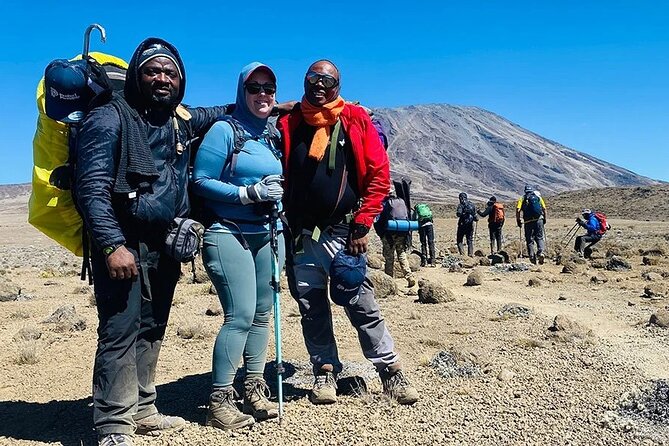
REVIEW · KILIMANJARO RONGAI UMBWE AND SHIRA ROUTES
Kilimanjaro Climb by Rongai Route 6 days
Rongai is one of those Kilimanjaro routes that feels more like true wilderness. You start near Nalemuru on the north side, close to the Kenyan border, which is why this route is often chosen when the rainy season is in play. I like the remote early hiking and the fact that Hilbas pairs you with a full safety-first crew, including licensed guides and porters who handle the heavy mountain gear.
My second favorite part is the practical support on the mountain: you get oxygen cylinders and oximeters, a medical kit, and trained guides with Wilderness First Aid certifications. One thing to consider, though, is that the Rongai summit day is a serious physical and mental push, with wake-up around 11:00 pm and a midnight start.
In This Review
- Key highlights at a glance
- Why Rongai works for rainy-season Kilimanjaro
- Moshi arrival, pickup, and the gear check that saves stress
- Day 2: Nalemuru start to the rainforest climb at about 1900m to 2626m
- Day 3: Moors, a cave lunch stop, and heading toward Mawenzi
- Day 4: A short but steep alpine desert day with Mawenzi Tarn Hut
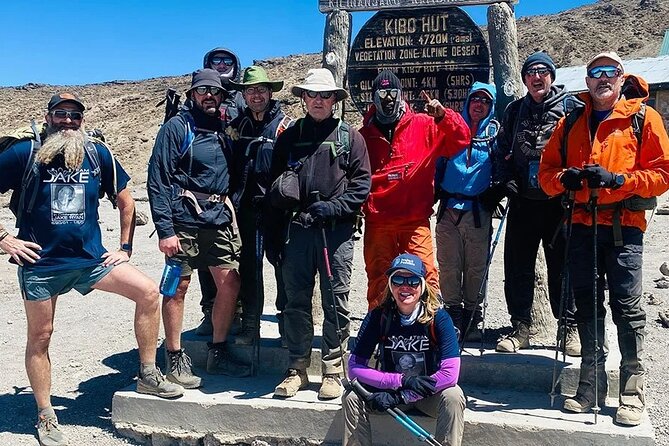
- Day 5: Saddle and Lunner desert to Kibo Hut, with dry but dramatic views
- Day 6: Midnight summit day, William Point to Gillman’s point, then the crater rim push
- Day 7: Descent through Mandara Hut, then moorland into rainforest to Marangu Gate
- Day 8: Airport transfer for your home flight
- Price and value: what $2,282 buys you on Kilimanjaro
- Who this Rongai climb fits best, and who should rethink it
- A few smart planning tips for Rongai success
- Should you book Hilbas for this 6-day Rongai Kilimanjaro?
- FAQ
- How long is the Kilimanjaro climb on this Rongai route?
- Where does the Rongai climb start and where does it end?
- What is included in the price besides the guides?
- Can I get help with dietary needs?
- Do I need to bring all my gear?
- What is the group size limit?
- What is the cancellation policy?
Key highlights at a glance
- Rongai from the north (Nalemuru), near the Kenyan border for a different feel than the usual southern approaches
- Rainy-season friendly timing, since this side typically gets less precipitation
- Licensed, Wilderness First Aid certified guides plus a dedicated support crew
- Oxygen cylinders and oximeters included, along with medical kits and rescue fees in the price
- Full meal and drinks coverage on the mountain, including options like vegan, halal, and gluten-free
- Small group size with a maximum of 15 travelers
Other ways up Kilimanjaro we reviewed
- Kilimanjaro climb by Lemosho Route (7-day)★ 5.0 · 651 reviews
- Kilimanjaro climb, Machame Route (7-day)★ 5.0 · 262 reviews
- Kilimanjaro Climbing Lemosho Route 8 Days.★ 5.0 · 186 reviews
- Climbing Kilimanjaro – Machame Route★ 5.0 · 170 reviews
Why Rongai works for rainy-season Kilimanjaro
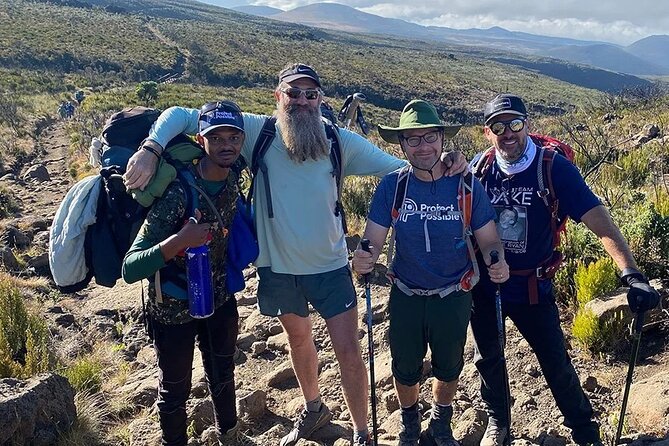
If you’re thinking about Kilimanjaro in the rainy season, Rongai is a smart route choice. The north side generally sees less rain than the southern routes, so your days often feel steadier underfoot than you might expect when people say the whole mountain is soaked.
Rongai is also called the Nalemuru route, and that north approach matters in a few ways. Early on, you’re away from the most crowded corridors, so the forested start can feel quieter, more “out there,” and less like a conveyor belt of hikers. It also gives you a different viewpoint of the mountain as you shift through vegetation zones, from rainforest up toward moorlands and alpine terrain.
That said, “less rain” is not “no rain.” You should still plan for wet conditions, cold nights, and the usual altitude reality: the mountain doesn’t care what season it is.
Moshi arrival, pickup, and the gear check that saves stress
You start with something that matters more than it sounds: getting your bearings and your gear sorted early. The trip includes pick-up at Kilimanjaro International Airport (JRO), then transfer to hotel for hot showers, comfortable beds, and a briefing.
This is also where they can help you line up rentals if you need them. If you’ve ever done a hike where you realize too late your sleeping bag or boots aren’t up to the cold, you know how much pain that can cause. Having that handled at the beginning is a real value add.
The group meet-up time is listed as 9:00 am, and you also get pre and post-climb hotel nights, which helps you avoid the “arrive exhausted, then climb” trap.
Day 2: Nalemuru start to the rainforest climb at about 1900m to 2626m
Day 2 is where the Rongai experience starts to feel like a different Kilimanjaro. You register at Marangu Gate first, then you’re transferred about three hours to Rongai Gate (Nalemuru).
Your first day begins from Nalemuru village. You’ll walk past maize, beans, and potatoes fields, then the path transitions into pine forest. This is where the terrain usually feels gentle, and that’s good because you’re warming up to hiking at altitude without an immediate death march.
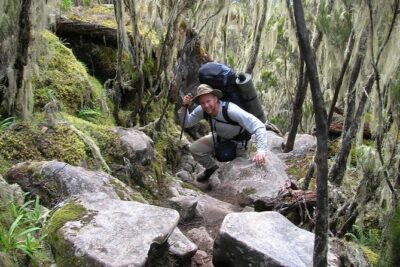
Vegetation zone on this day is listed as rainforest, and the route description notes wildlife opportunities like black and white colobus (they’re in the area). Even if you don’t spot them, you still get that classic forest coolness that makes Kilimanjaro feel less like a desert mountain and more like a living ecosystem.
Practical note: this day is about settling into your rhythm. Use it to test your socks, your pace, and how your body reacts to breathing. Your goal is to arrive for tomorrow feeling steady, not battered.
Quieter Kilimanjaro routes we walked through
Day 3: Moors, a cave lunch stop, and heading toward Mawenzi
On Day 3, you move from about 2626m up toward around 3600m, with vegetation shifting to moorland. The hiking time is around 7 hours, covering about 12 km.
The day includes a slow hike through moorland to a second cave, where lunch is planned. After lunch, you continue slowly across up and down terrain in the moorland, aiming toward Mawenzi. Your campsite is in a sheltered valley.
Why this day matters: moorlands can feel exposed. Even when it’s not violently cold yet, wind and moisture can drain you. Your best strategy is steady movement, short breaks, and keeping your body warm in those transition moments.
Also, being in the Mawenzi direction early helps you understand how the mountain is split into different faces and ridges. It’s not just one cone. It’s a whole system.
Day 4: A short but steep alpine desert day with Mawenzi Tarn Hut
Day 4 is a shorter day on paper (about 5 km, around 6 hours), but it’s listed as steep, climbing grassy slopes into alpine desert terrain. The elevation goes from roughly 3600m up to 4300m.
At the top, you’re rewarded with magnificent views from a new angle, specifically toward Mawenzi Peak. You arrive at Mawenzi Tarn Hut for lunch, then you get the afternoon to explore nearby and acclimatize.
This is one of those days where the “work” is the climbing, but the real value is the rest afterward. Altitude acclimatization often comes down to how you handle time at camp. Use the afternoon to take it easy, drink water, and keep warm. If you rush around, you can feel great for an hour and miserable later.
Day 5: Saddle and Lunner desert to Kibo Hut, with dry but dramatic views
Day 5 climbs from about 4300m to around 4720m, in alpine desert conditions. You hike about 10 km in around 6 hours, moving through the Saddle and Lunner desert formed between Kibo and Mawenzi.
This part of the route is described as dry and scenic. The walking can feel like it’s on volcanic material and open slopes, and that usually means strong sun by day and fast chill after.
You head to Kibo Hut, and the schedule mentions flexibility depending on your speed: pack lunch, stop for lunch on the way, or get a hot lunch at Kibo Hut. At Kibo Hut, you get early dinner, then bed.
Why I like this staging: Kibo Hut is where you set yourself up for summit night. Your gear organization matters here. Make sure layers are easy to access, your headlamp batteries are ready, and your water plan is realistic.
Day 6: Midnight summit day, William Point to Gillman’s point, then the crater rim push
Day 6 is the day you came for. You start with a wake-up around 11:00 pm for tea and biscuits, and the summit attempt begins at midnight.
The route follows a switchback up to a volcanic scree slope, passing William Point (5000m) and Hans Meyer Cave (5200m). The route also calls out Gillman’s point (5681m), located on the crater rim. This section is described as very steep with stone scree, and it’s clear you’ll need both physical strength and mental focus.
This is also where the Rongai route shows its personality. It’s not just steep. It’s steep on loose material where pacing and careful footing protect your energy. You’ll likely feel your breathing tighten, so don’t fight your body. Slow steps, consistent rhythm, and short breaks are your best friends.
One practical thing to remember: the altitude is highest, and the cold is real. The plan includes oxygen cylinders and oximeters in the overall package, plus a medical setup, which is comforting when you’re pushing at night and visibility can be low.
Day 7: Descent through Mandara Hut, then moorland into rainforest to Marangu Gate
Day 7 begins around 3720m down to about 2720m, with vegetation shifting from moorland to rainforest. It’s listed as a big day: 19 km and around 8 hours.
You descend passing Mandara Hut, then reach Marangu Gate, where all hikers sign out for certificates of completion. After that, you’re driven back to the hotel, and on the way you pass coffee and banana farms around Marangu villages.
This is usually an emotional day. You’re tired, your legs are heavy, and you want to stop thinking about altitude. But it’s also the day when you’ll benefit most from good trail habits. In descent mode, people tend to walk too fast because the summit is behind them. Don’t. Your knees will remember.
Day 8: Airport transfer for your home flight
Day 8 is straightforward. After an early breakfast, you transfer to Kilimanjaro airport for departure.
This final day is included, which means you’re not scrambling to find transport while your body is still sorting itself out after the climb.
Price and value: what $2,282 buys you on Kilimanjaro
At $2,282 per person, this isn’t a budget hike. But it’s also not priced like a bare-bones climb where you bring everything and hope for the best.
Here’s what stands out as real value in the included items:
- Park and rescue fees included (camping, vehicle, rescue fees collected through the national park)
- Accommodation included: two nights before and after climbing in a hotel, plus tents on the mountain
- Full mountain meals and drinks included (breakfast, lunch, dinner plus drinks like coffee, tea, Milo tea, and water)
- Oxygen cylinders and oximeters included, along with medical kits
- English-speaking, licensed guides and a full support crew, including cooks, porters, and camp staff
- Group equipment included, like dining tents and table and chair setup
- Transportation included: airport transfers and park transfers
When you compare that to doing a climb where you separately pay for park fees, guides, food, and equipment support, this pricing can start to look reasonable. The real question for you is not just the dollar amount, it’s whether you want your summit night and safety setup handled by professionals with trained medical readiness.
Who this Rongai climb fits best, and who should rethink it
This Rongai route suits you if you want a less-crowded north approach and you’re climbing during a season when rain could otherwise mess with your plans. It also fits you if you like a team structure where guides lead the route, porters carry equipment, and cooks handle food, so you can focus on walking and acclimatizing.
This trip is also paced with rest and acclimatization in mind, including a lighter alpine day and an afternoon at Mawenzi Tarn Hut.
You should think twice if you have trouble with long days on foot, cold nights, or the idea of a midnight summit start. The schedule also notes that you should have moderate physical fitness. That’s not a guarantee of comfort, it’s a baseline for managing the climb.
Group size is capped at 15 travelers, which helps keep it from feeling chaotic.
A few smart planning tips for Rongai success
Rongai is a wilderness-feeling route, but the best “wilderness” is the kind where you still manage your basics.
- Pack and dress for wide temperature swings. Even if a day feels warm, nights get cold.
- Take the early days slowly. Rainforest and moorland days are where you build altitude routine.
- Keep your expectations realistic about summit day. Midnight starts are intense, and Gillman’s point to the crater rim push is listed as very steep and demanding.
- Use the crew structure. Guides and porters are part of the system, and oxygen equipment and medical kits are built into the plan.
In the Hilbas crew sphere, the guide names that show up in past trips include Hillary, Emmanuel, Felix, and Bariki. When a company consistently credits the same team roles, it usually means they know what they are doing with pacing and camp work.
Should you book Hilbas for this 6-day Rongai Kilimanjaro?
I’d book this itinerary if you want the north-side feel, you’re aiming for a climb in the rainy season window, and you value safety gear that’s actually included, not added later. The combination of licensed guides, Wilderness First Aid certification, oxygen and oximeters, medical kits, and full meal coverage is exactly what makes a difference when your body starts arguing with the clock.
Skip it if you’re looking for a relaxed hike. Summit day starts at midnight and includes steep sections on scree. This is an expedition, not a nature walk.
If your biggest priority is getting strong guidance, staying fed and hydrated, and having a well-run support operation around you, this Rongai option is a solid match.
FAQ
How long is the Kilimanjaro climb on this Rongai route?
The schedule includes travel and hotel time, with climbing days that run from the start at Rongai Gate through the summit night and descent, plus an airport departure day. The total trip length is listed as approximately 8 days.
Where does the Rongai climb start and where does it end?
It starts at Nalemuru village near the Rongai Gate, and your route ends at Marangu Gate, where hikers sign out for completion certificates.
What is included in the price besides the guides?
The price includes transportation from JRO for pick-up and drop-off, park fees (including camping, vehicle, and rescue fees), two hotel nights before and after the climb, tents and equipment support on the mountain, all meals (breakfast, lunch, dinner), drinks on the hike, oxygen cylinders and oximeters, and medical kits.
Can I get help with dietary needs?
Yes. Vegetarian, vegan, lactose-free, gluten-free, halal, and other meal plans are available.
Do I need to bring all my gear?
Personal gear like hiking clothes, footwear, and a sleeping bag are not listed as included, but equipment rental is available. The crew handles mountain equipment like cooking setup and group camp equipment, and porters carry mountain equipment.
What is the group size limit?
The maximum group size is 15 travelers.
What is the cancellation policy?
You can cancel up to 6 days in advance for a full refund. If you cancel 2 to 6 days before the experience, you get a 50% refund. If you cancel less than 2 days before the start time, there is no refund.
The Quieter Kilimanjaro Trails
- Kilimanjaro climb, Rongai Route (7-day)
★ 5.0 · 40 reviews - Kilimanjaro climb, Rongai Route (6-day)
★ 5.0 · 15 reviews - Mount Kilimanjaro Rongai Route
★ 5.0 · 10 reviews - 6-Day Rongai Route Trek in Mount Kilimanjaro
★ 5.0 · 8 reviews - Rongai Route 6 Days 5 Nights/Kilimanjaro climb
★ 5.0 · 7 reviews
Kilimanjaro, Route by Route
- Kilimanjaro climb by Lemosho Route (7-day)
★ 5.0 · 651 reviews - Kilimanjaro climb, Machame Route (7-day)
★ 5.0 · 262 reviews - Kilimanjaro Climbing Lemosho Route 8 Days.
★ 5.0 · 186 reviews - Climbing Kilimanjaro – Machame Route
★ 5.0 · 170 reviews - Climbing Kilimanjaro through 7 days Machame Route
★ 5.0 · 151 reviews
Just added from around Moshi
Kilimanjaro Rongai Umbwe and Shira Routes, compared.
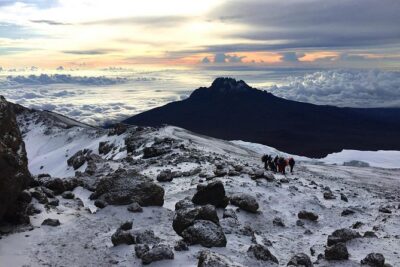 ★ 5.0Kilimanjaro climb, Rongai Route (7-day)From $3,50740 reviews
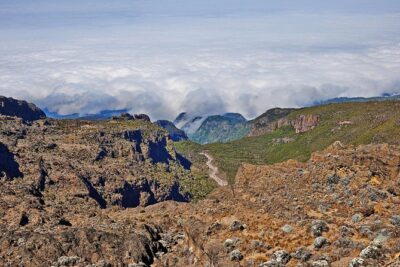 ★ 5.0Kilimanjaro climb, Rongai Route (6-day)From $3,06415 reviews
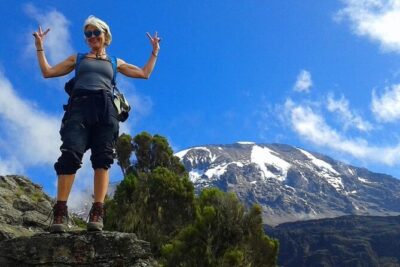 ★ 5.0Mount Kilimanjaro Rongai RouteFrom $2,70010 reviews
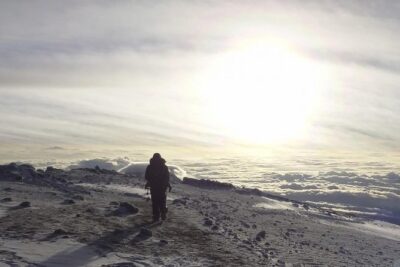 ★ 5.06-Day Rongai Route Trek in Mount KilimanjaroFrom $2,3538 reviews
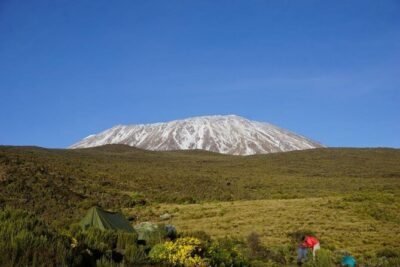 ★ 5.0Mt. Kilimanjaro: Shira plateau to Cathedral point 3872m Day hikeFrom $3207 reviews
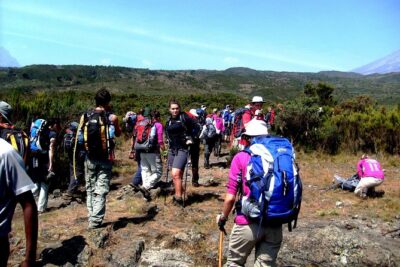 ★ 5.0Rongai Route 6 Days 5 Nights/Kilimanjaro climbFrom $1,8507 reviews
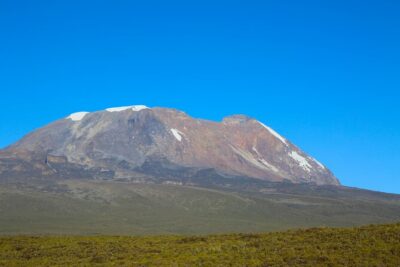 ★ 5.0Kilimanjaro Climbing Rongai RouteFrom $2,8406 reviews
 ★ 5.06-Day Kilimanjaro Umbwe Route–Steep,Adventurous, Challenging PathFrom $2,3106 reviews
Browse the lists this tour appears in