
REVIEW · KILIMANJARO LEMOSHO ROUTE
Climb Kilimanjaro – Lemosho Route 7 Day Climb
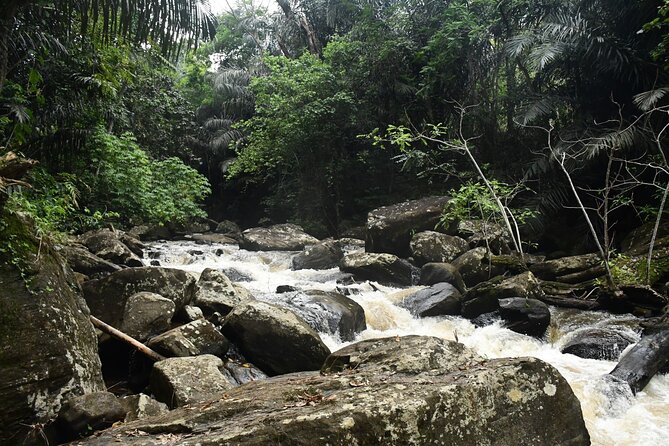
Kilimanjaro by Lemosho feels wild and personal. This remote Shira Plateau route, usually with an armed ranger because the forest is wildlife heavy, is a calmer-feeling way to work toward the summit. I like the well-run crew that can include people like Gabriel in pre-trip support, guides such as Izadin or Kimbi, and a chef team like Chef Salim that keeps your energy up.
Just be ready for the serious stuff: strong gales, tents pitched on a narrow stony ridge, and the long summit night that starts around 23:30. You’ll need realistic fitness, careful pacing, and good cold-weather habits, especially with battery changes and water that does not freeze.
In This Review
- Key things to know before you go
- First night in Moshi, then the long drive to Londorosi
- Shira Plateau days: Mti Mkubwa to Shira Camp 2 at a patient pace
- Lava Tower and the semi-desert reality check on your hardest early day
- High camp prep: gales, a narrow ridge, and summit logistics you should respect
- Summit night: Stella Point sunrise and the long road to Uhuru Peak
- Descent through Mweka village, then a real shower and summit certificates
- Departure day from Kilimanjaro region, no extra stress
- Price and value: what $2,280 covers, and what you still need to plan
- Who this route suits best, and who should think twice
- Should you book the Kilimanjaro Lemosho 7 day climb?
- FAQ
- What is the total duration of this Kilimanjaro climb?
- Where do you stay in Moshi?
- What does the tour cost, and what is included?
- What is not included?
- How big is the group?
- When is the summit push, and what happens on that day?
- Is this experience refundable if I cancel?
Key things to know before you go
- Armed ranger support on part of the route because the forest around the Lemosho glades has wildlife.
- Split trekking and travel time so you get a full 9 days total, with about 7 days on the mountain and 2 nights in Moshi.
- Smart acclimatization pattern that climbs high, then drops, then climbs again before the summit push.
- Lava Tower day is the turning point with semi-desert, rocky scree, and the kind of fatigue that forces calm pacing.
- Summit push timing is late and long with a rise around 23:30, Stella Point at sunrise, then Uhuru Peak.
- You’ll get summit certificates at Springlands Hotel, green for Stella Point and gold for Uhuru Peak.
Other ways up Kilimanjaro we reviewed
- 8-Day Small-group Lemosho Kilimanjaro Summit Trekking★ 5.0 · 186 reviews
- 7-Day Machame Kilimanjaro Summit Tour from Arusha★ 5.0 · 125 reviews
- Mountain Kilimanjaro Day Hike★ 5.0 · 102 reviews
- 4 days Best experience Kilimanjaro Hike, Serengeti &Ngorongoro★ 5.0 · 54 reviews
First night in Moshi, then the long drive to Londorosi
Your trip starts at Kilimanjaro International Airport. You’re picked up and transferred to Springlands Hotel or a similar property for bed and breakfast, so you’re not scrambling right after landing.
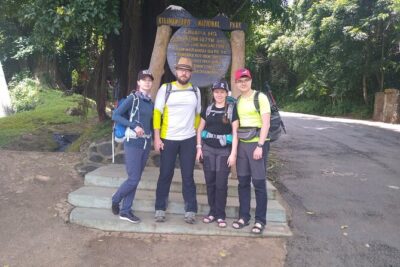
On day 2, you drive to Londorosi Park Gate. The drive is about 5 hours, and that matters more than it sounds: this is when your body still feels fresh, so use it to settle in, drink water regularly, and get your layers organized before you start walking. Then you head to Mt Mkubwa camp, with a first hike of about 5 km that takes around 3 hours.
This is also where the Lemosho vibe begins. It feels less like a conveyor belt and more like a steady march into big mountain terrain. You’ll likely notice that the early pace is meant to keep you comfortable, not heroic.
Shira Plateau days: Mti Mkubwa to Shira Camp 2 at a patient pace
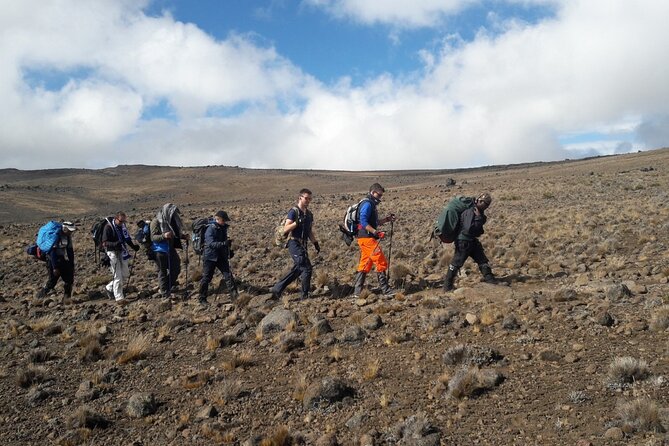
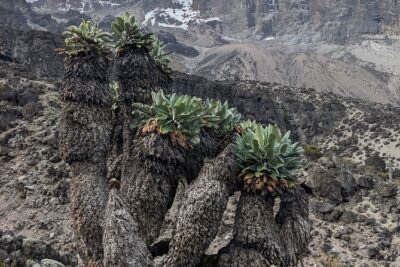
Days 3 and 4 are all about altitude, and the itinerary treats acclimatization like a job you do on purpose. Day 3 climbs from about 2,600 m to 3,600 m with roughly 10 km and 4 to 5 hours walking from Mti Mkubwa to Shira camp. After lunch, you rest, set up camp, or take a day hike in the lower moorland, where you’ll see shrubs and wildflowers.
A calm pace is not optional here. When you slow down, you keep breathing smoother, and that is the easiest way to dodge the early headache and irritability cycle that can pop up on Kilimanjaro. This is one of the real values of Lemosho: it gives you multiple days to adjust before the higher, harsher zones.
Day 4 is another step that stays reasonable on paper but still demands respect. You go from Shira camp to Shira Camp 2, around 3,600 m to 3,840 m, hiking about 10 km for 5 to 6 hours. This is a perfect acclimatization day because it keeps the rhythm steady: move up, get set, recover, and do not try to “win” the trail.
Lava Tower and the semi-desert reality check on your hardest early day
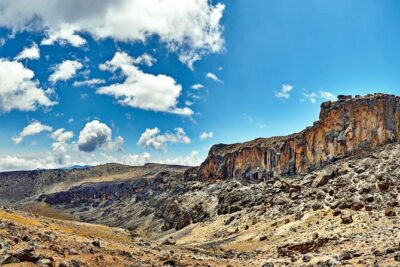
Day 5 is often where people start feeling like the mountain is getting personal. You move from roughly 3,840 m to 3,940 m and hike about 11 km, with total time listed around 7 to 8 hours, but the real story is the terrain. The route turns east into semi-desert and rocky ground around Lava Tower.
You climb to around 4,600 m after about 5 hours, then lunch comes before ascending the rocky scree path toward Lava Tower. This is the toughest day so far, and the symptoms some climbers experience around this point include breathlessness, irritability, and headaches. If you feel any of that, treat it as a signal to slow down even more. Your goal is to arrive safe, not fast.
Then comes the acclimatization magic. After lunch and time near the high point, you descend again about 680 m to the Barranco camping area. Even though you drop, you’ve already been working at a higher altitude, which helps your body adjust for what’s coming next.
Lemosho itineraries worth reading next
High camp prep: gales, a narrow ridge, and summit logistics you should respect
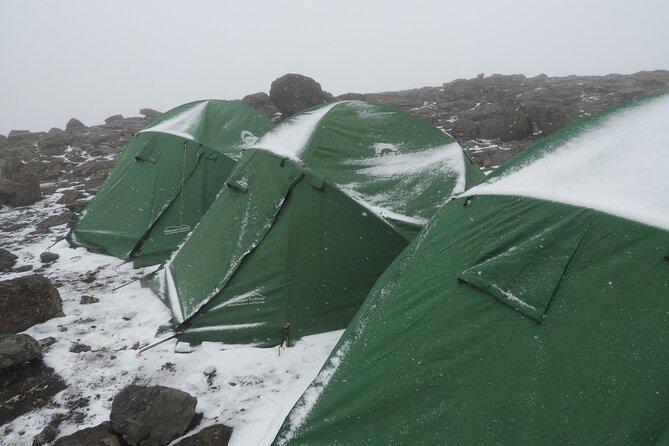
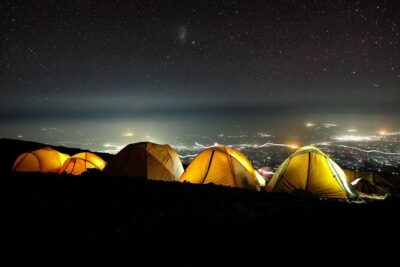
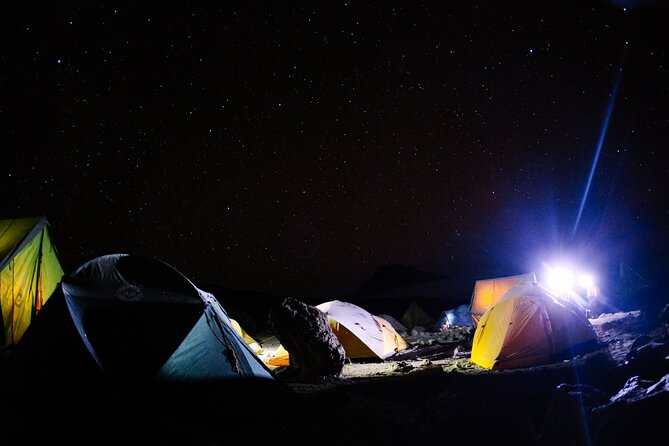
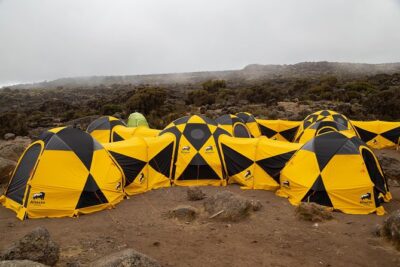
Day 6 takes things into the “night before the night” zone. You gain from about 3,960 m to 4,640 m and hike around 11 km for 7 to 8 hours. The itinerary also warns that you’re exposed to ever-present gales, and that tents are pitched on a narrow, stony, and dangerous ridge.
That last part is not dramatic for fun. It means you need to know your footing before dark, and keep your gear organized so you are not fumbling in the cold. If you’ve ever been tired and clumsy after a long day, imagine that at altitude with wind. That’s why the guidance emphasizes terrain familiarity.
Most importantly, day 6 is when you prepare for the summit attempt the same night. You’ll want thermal clothing, ski sticks, and a clear plan for batteries and water. The trip notes call out replacing your headlamp and camera batteries, and bringing spare batteries. It also recommends carrying your water in a thermal flask to prevent freezing.
Then you go to bed around 19:00 and aim for rest for no more than 5 hours. You’re not trying to sleep deeply. You’re trying to get enough recovery that you can handle a very late start and long hours in moving cold.
Summit night: Stella Point sunrise and the long road to Uhuru Peak
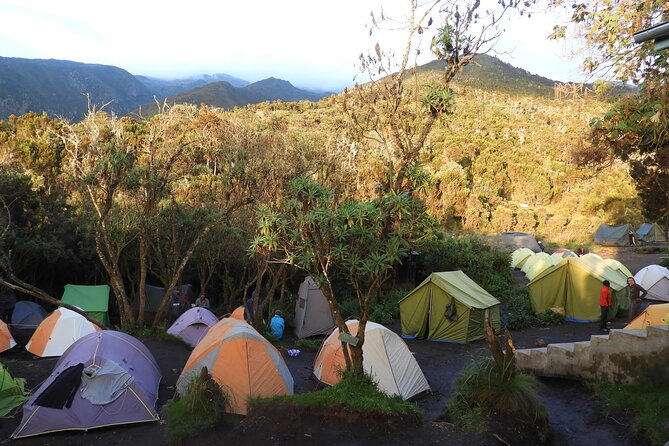
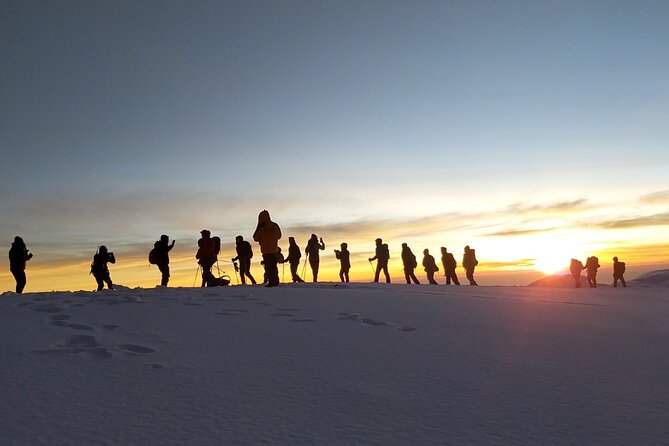
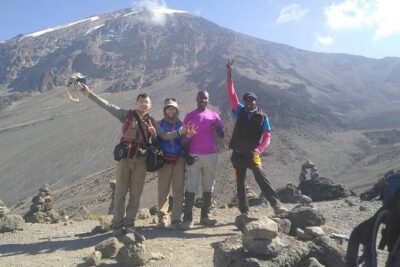
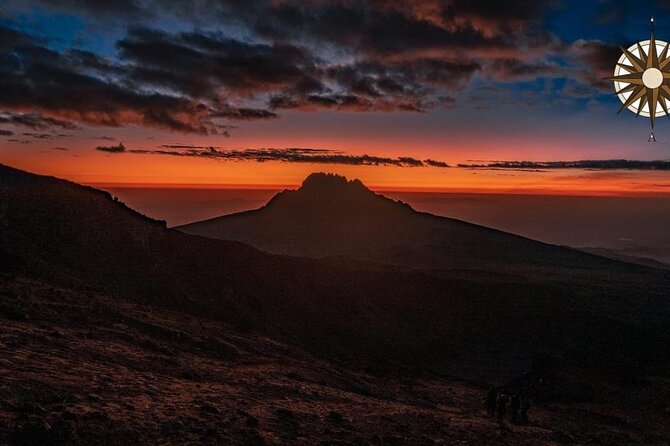
Day 7 is the big one. You rise around 23:30 after tea and biscuits, then start shuffling through heavy scree. You head northwesterly and ascend toward Stella Point on the crater rim. The walk to Stella Point takes about 6 hours, and that segment is often described as the most challenging part of the route.
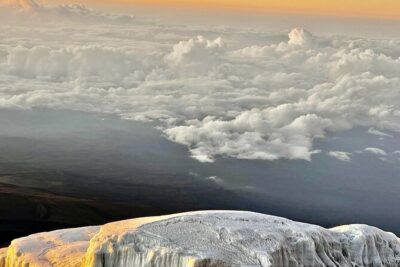
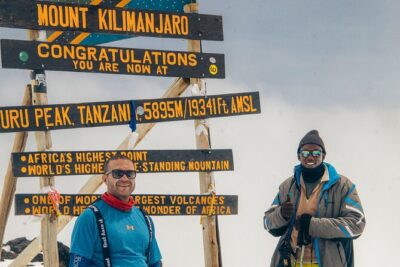
When you reach Stella Point at about 5,685 m, you stop briefly. Then, if weather permits, you get one of the most dramatic sunrise moments you’re likely to see on the trip. After that, it’s typically about 2 hours to Uhuru Peak, around 5,895 m. Snow is possible along the way, and that is another reason cold-weather prep matters.
Time on this day stretches long. The itinerary lists 15+ hours and about 17 km total. That’s not just a lot of walking. It’s a long period of using energy carefully while your body works under extreme oxygen stress.
A practical mindset helps here. Don’t think about the clock as “how much left.” Think about the next 10 minutes as the whole mission. Keep breathing steady. Keep moving like you mean it, but do not sprint.
Descent through Mweka village, then a real shower and summit certificates
Day 8 starts with a much gentler pace, at least compared to summit night. After breakfast, you head from Mweka Gate down into Mweka village, typically a muddy long hour walk. Expect wet, slippery ground and take your time. Descents can be where knees complain, so keep steps short.
After the walk, you drive back to Springlands Hotel. You’re served a hot lunch and then the highlight many people talk about, a long-overdue shower. This is also where you get your summit certificates. If you reach Stella Point (about 5,685 m), you receive a green certificate. If you reach Uhuru Peak (about 5,895 m), you receive a gold certificate.
That certificate system is a neat way to acknowledge effort at different milestones. It also reinforces why the itinerary is designed the way it is. Getting high is hard work, and the mountain measures more than just one final moment.
Departure day from Kilimanjaro region, no extra stress
Day 9 is straightforward: early breakfast, then transfer to Kilimanjaro airport for your departure flight. The trip lists about 30 minutes for that transfer.
I like this kind of finish. You’re not doing extra sightseeing. You’re closing the loop and heading home with your legs still tired but your head clear.
Price and value: what $2,280 covers, and what you still need to plan
At $2,280 per person, this climb is not cheap, but it does include a lot of what typically drives Kilimanjaro costs. The package covers all fees and taxes, rescue fees, tents, and sleeping mattresses. It also includes guides’ and porters’ salaries and meals on the mountain, plus accommodations and entry fees for the guide, porters, and cooks.
On top of that, you get two nights accommodation in Moshi bed and breakfast, transportation from Moshi to the starting point and back, and airport pickup. For many people, the value isn’t just the total price. It’s the reduced number of separate things you must organize while you’re stressed and altitude is on the calendar.
Not included items are also clearly stated, which helps you budget without surprises. You’ll need to cover flights, Tanzania visa entry (listed at USD 50), and travel and health insurance. Single rooms at Springlands Hotel cost an extra USD 50 per person, and mountain gear hire is available but not included, like sleeping bags, clothes, and shoes.
Tips are optional and listed at USD 250 to 350 per person. That’s a meaningful extra, so you should plan it ahead of time rather than treating it like a last-minute decision.
My practical take: this package looks geared toward a full service climb where the moving parts are managed. If you already know you’ll buy insurance and handle gear, the price feels more like “pay once, then focus on the mountain.”
Who this route suits best, and who should think twice
This climb is for people with a moderate physical fitness level who can handle long hiking days and real cold at altitude. Group size is capped at 12 travelers, which typically keeps the trip feeling more manageable than on mega departures.
If you do well with steady planning, you’ll like Lemosho. The route gives you multiple acclimatization steps, and the itinerary includes the careful build-up for a summit attempt at night. It also means you should be comfortable following instructions closely, especially the parts about sleep timing, battery prep, and moving carefully in wind.
If you’re the type who hates being cold, dislikes early nights, or tends to rush when you feel anxious, you might struggle. Kilimanjaro does not reward stress. It rewards patience.
Should you book the Kilimanjaro Lemosho 7 day climb?
Book it if you want a remote-feeling Kilimanjaro approach with multiple acclimatization days, a crew that looks like it’s built around safety and nutrition, and the kind of summit day that includes a big sunrise payoff from Stella Point. The armed ranger element is another strong factor for people who care about wildlife risk management in forested areas.
Hold off if you’re not ready for late summit start timing, long summit day hours, and the reality of gales and narrow, stony camping terrain. If you do book, treat gear readiness seriously: headlamp batteries, spare batteries, thermal water storage, and layers you can actually use.
If you want a thoughtful, classic Kilimanjaro experience that takes acclimatization seriously and still aims high, the Lemosho route here is a solid bet.
FAQ
What is the total duration of this Kilimanjaro climb?
The program is listed as 9 days approximately. The trek itself is the 7-day Lemosho climb, with arrival and departure days built in.
Where do you stay in Moshi?
You stay for two nights in Moshi bed and breakfast, at Springlands Hotel or a similar property.
What does the tour cost, and what is included?
The price is listed as $2,280 per person. Included are all fees and taxes, rescue fees, tents and sleeping mattresses, guides and porters salaries, mountain meals, airport pickup, and transportation between Moshi and the starting point.
What is not included?
Not included are flights, Tanzania visa entry (listed as USD 50), travel and health insurance, a single room supplement (USD 50 per person), and mountain gear hire such as sleeping bags and shoes.
How big is the group?
The maximum group size is listed as 12 travelers.
When is the summit push, and what happens on that day?
You rise around 23:30, then hike toward Stella Point on the crater rim. After a brief rest at Stella Point, you continue to Uhuru Peak. Weather permitting, you may see sunrise at Stella Point.
Is this experience refundable if I cancel?
No. The experience is non-refundable and cannot be changed for any reason. If you cancel or ask for an amendment, the amount you paid will not be refunded.
Lemosho, Compared
- 8-Day Small-group Lemosho Kilimanjaro Summit Trekking
★ 5.0 · 186 reviews - 8 Days Mountain Kilimanjaro Lemosho Route
★ 5.0 · 22 reviews - 7 Day Kilimanjaro Climb Lemosho Route & 2 Day Safari
★ 5.0 · 16 reviews - Kilimanjaro Climb- Lemosho Route
★ 5.0 · 9 reviews - Lemosho Route 7 Days Trekking at Mount Kilimanjaro
★ 5.0 · 7 reviews
Kilimanjaro, Route by Route
- 8-Day Small-group Lemosho Kilimanjaro Summit Trekking
★ 5.0 · 186 reviews - 7-Day Machame Kilimanjaro Summit Tour from Arusha
★ 5.0 · 125 reviews - Mountain Kilimanjaro Day Hike
★ 5.0 · 102 reviews - 4 days Best experience Kilimanjaro Hike, Serengeti &Ngorongoro
★ 5.0 · 54 reviews - From Arusha/Moshi: Kilimanjaro Hike Marangu Route Day Trip
★ 4.5 · 54 reviews
Just added from around Arusha
Kilimanjaro Lemosho Route, compared.
 ★ 5.0Kilimanjaro climb by Lemosho Route (7-day)From $3,476651 reviews
 ★ 5.08-Day Small-group Lemosho Kilimanjaro Summit TrekkingFrom $2,895186 reviews
 ★ 5.0Kilimanjaro Climbing Lemosho Route 8 Days.From $2,300186 reviews
 ★ 5.0Kilimanjaro climb, Lemosho Route (8-day)From $3,975148 reviews
 ★ 5.0Kilimanjaro climb, Lemosho Route (6-day)From $3,034129 reviews
 ★ 5.0Kilimanjaro Lemosho RouteFrom $2,89071 reviews
 ★ 5.0Private Kilimanjaro Hike 7 Day Lemosho RouteFrom $2,45060 reviews
 ★ 5.0Climbing Kilimanjaro through 8 days Lemosho RouteFrom $2,76052 reviews
Browse the lists this tour appears in