
REVIEW · KILIMANJARO RONGAI UMBWE AND SHIRA ROUTES
6 Days Mount Kilimanjaro Climbing via Rongai Route
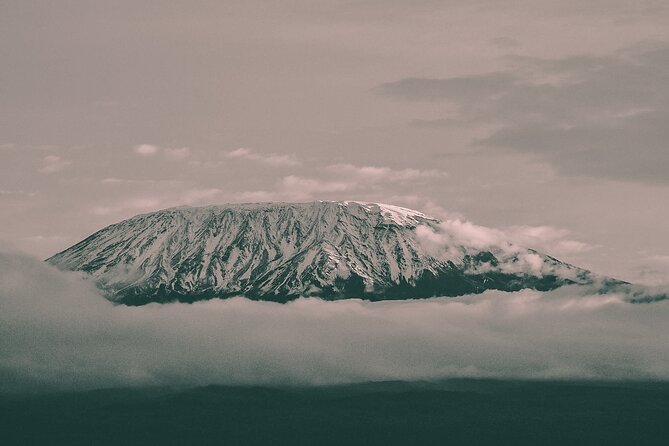
Rongai feels remote from day one. This 6-day Kilimanjaro climb via the Rongai Route takes you away from the busiest southern approaches and up through shifting zones, starting from Moshi and ending at Uhuru Peak.
I like how the itinerary is built around acclimatization, with a steady grind on moorland, a shorter semi-desert day, and a clear plan for the final push. I also like the practical organization, including hotel pickup and drop-off in Moshi, park fees and taxes covered, and full meal support during the hike. The team approach is also personal, with Dominic (the owner) described as being cooperative from planning through the end.
One thing to consider: the summit night is not gentle. You should expect very early start times and serious cold, plus you will need to handle wet and muddy conditions on the way down with proper foot support like gaiters and trekking poles.
In This Review
- Key Things That Make This Kilimanjaro Trip Work
- The Rongai Route From Moshi: Why This Approach Appeals
- Day 1: Moshi to the Park Gate, Then Simba Camp Views
- Day 2: Moorland Climbing, Kibo Glimpses, and Temperature Drop
- Day 3: Semi-Desert Terrain and Staying Honest About Altitude
- Day 4: Alpine Desert, Kibo Huts, and the Marangu Link
- Day 5 Summit Night: Rebmann and Ratzel Glaciers to Stella Point Sunrise
- Day 6: Descent to Mandara Huts, Summit Certificates, and Mudy Legs
- Price and Value: What $2,200 Per Person Actually Covers
- Logistics That Matter: Pickup, Timing, and What to Expect Each Day
- What I’d Do Differently If I Were Planning Your Gear
- Who This 6-Day Rongai Climb Fits Best
- Should You Book This Kilimanjaro Rongai 6-Day Trip With Kentau Safaris?
- FAQ
- Where does the climb start, and what time do we leave?
- How long is the Mount Kilimanjaro climb via Rongai?
- Is this the Rongai route, and does it connect with Marangu later?
- What meals and accommodation are included during the hike?
- What is included in the price, and what is not included?
- Do you get picked up from and dropped off to your hotel in Moshi?
- Is this a private tour or shared group?
- When does the summit attempt start?
- What is the cancellation policy?
Key Things That Make This Kilimanjaro Trip Work
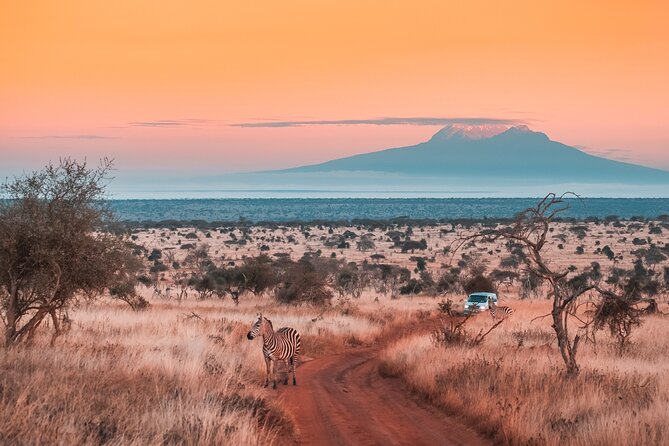
- Rongai’s north-side timing can mean less precipitation than other approaches, especially useful during rainy season climbs
- Terrain changes in clear stages: moorland to semi-desert to alpine desert, so your body ramps up gradually
- A summit plan built around Stella Point gives you a sunrise break and a route to Uhuru Peak that feels structured
- Private group experience means only your group participates, with a more direct team focus
- Wet descent readiness is part of the plan, including advice to use gaiters and trekking poles on Day 6
Other ways up Kilimanjaro we reviewed
- Kilimanjaro climb by Lemosho Route (7-day)★ 5.0 · 651 reviews
- Kilimanjaro climb, Machame Route (7-day)★ 5.0 · 262 reviews
- Kilimanjaro Climbing Lemosho Route 8 Days.★ 5.0 · 186 reviews
- Climbing Kilimanjaro – Machame Route★ 5.0 · 170 reviews
The Rongai Route From Moshi: Why This Approach Appeals
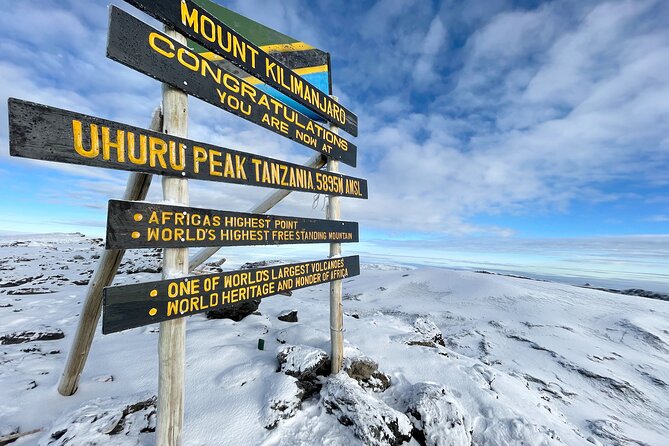
Kilimanjaro climbs get compared a lot, and Rongai usually comes up for a reason. The slope is described as relatively moderate, which matters when you are trying to keep your breathing controlled and your energy steady. Rongai is also the go-to alternative for people who want something different from the popular Marangu route, including a more remote feeling trek.
Another big reason Rongai gets attention is the weather pattern. Kilimanjaro’s north side tends to receive less precipitation, so this route is often chosen for climbs during the rainy season. Even if you do not love rain, the bigger goal is consistency. Better visibility and fewer weather interruptions can make acclimatization and pacing easier to manage.
Finally, the itinerary’s rhythm helps you understand what is coming next. You do not just “walk up and hope.” You start in wooded scenery near the park gate, you spend multiple days stepping up through distinct climate zones, and then you get a planned summit attempt with a rest stop at Stella Point.
If you want a climb that feels both scenic and disciplined, this is a strong match.
Day 1: Moshi to the Park Gate, Then Simba Camp Views
You start in Moshi with a 7:00 am departure. The drive takes about 4 to 5 hours and gives you a buffer before you even begin climbing. Along the way you pass coffee plantations and the village of Nale Muru, then continue toward Kilimanjaro National Park Gate.
Once you reach the gate, the day shifts from road time to mountain time. You wait for permits to be issued, and you get the view of the operational side of Kilimanjaro, with many crews preparing at the same time. This is one of those moments that helps you mentally lock in. You see that the mountain is a system, not a random climb.
Then the trek starts with wooded scenery and windier trails. Your guide points out local flora and fauna and wildlife you might see, which is a helpful distraction when you are trying not to rush.
At the end of Day 1, you reach Simba camp, positioned near the first cave at the edge of the moorland zone. The payoff is the view: plains of Kenya in the distance. That “first big look” matters because it tells you you are truly moving into the Kilimanjaro world, not just doing a daily walk.
Practical note: Day 1 is listed at about 7 hours, so even though it is a start day, it is not a stroll. Wear shoes that feel broken in and plan to keep your pace calm.
Day 2: Moorland Climbing, Kibo Glimpses, and Temperature Drop
Day 2 begins after a solid night sleep and breakfast. You continue along moorland terrain on a consistent ascending path. The description here is important: consistent ascent is what helps you avoid the “too fast early, too slow later” mistake.
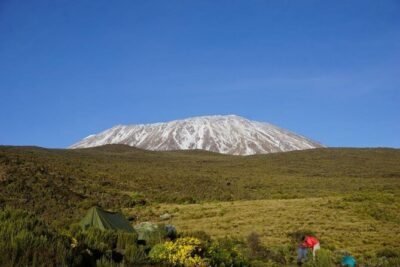
This day is also your first real visual reward. You should catch views of Kibo and an early glimpse of the ice fields on the Eastern crater rim. Even from lower elevations, that contrast between vegetation and icy peak zones gives you motivation, and it is also a reminder that the mountain changes fast.
As you approach the Second Cave, the moorland shrubs thin out. That is a useful cue, because it shows the air is getting less friendly to growth and, usually, colder for you.
Temperatures start to drop, so layering becomes real. You do not need fancy gear, but you do need to be able to handle shifting wind and cold without overheating when you are moving.
Expect about 7 hours of hiking. The goal should be steady breathing and frequent guide check-ins, not big bursts of speed.
Quieter Kilimanjaro routes we walked through
Day 3: Semi-Desert Terrain and Staying Honest About Altitude
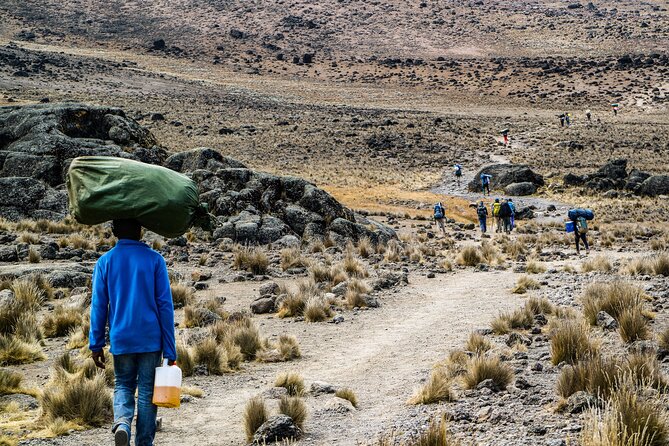
By Day 3, you move from moorland into semi-desert terrain. The hiking day is relatively short at about 6 hours, and that matters. A shorter day can improve your acclimatization because you have less time stacking fatigue at higher altitude.
You will be getting closer to the Eastern ice fields, and the description suggests the views keep pulling your attention upward. That can be good, but do not let the scenery make you forget your body’s signals.
The itinerary specifically asks you to pay attention to how you feel and keep your guide informed of any signs of altitude sickness. That is not just a safety line. It is a pacing strategy. When you tell your guide early, you give the team a chance to manage the day instead of forcing you to power through bad symptoms.
In practical terms, you should:
- speak up fast if you feel off
- avoid hero mode
- treat discomfort as information, not a personal failure
Day 3 is where many people start to feel the climb as altitude, not distance. If you can handle that well, Day 4 becomes much more manageable.
Day 4: Alpine Desert, Kibo Huts, and the Marangu Link
Day 4 starts early, leaving the semi-desert zone from Third Cave and moving into Alpine Desert for the rest of the ascent. The hike takes you just below the Kibo crater wall to Kibo Huts.
This is also the day where the route structure changes. At this point, you merge with the Marangu Route for the summit walk. If you were wondering how Rongai stays different, this is a key detail. You get the remote, north-side approach and acclimatization, then you connect with the more familiar final corridor for the summit attempt.
The evening prep is very specific. You prepare your clothing and equipment, and you should replace batteries for your headlamp and camera. That is smart because summit night failures are usually preventable. You also bed down early, with instructions to rest before the summit attempt, aiming for sleep by 7:00 pm.
That early quiet matters. You are not just “going to bed.” You are trying to recover for an all-out mental and physical stretch coming within hours.
Expect about 6 hours of hiking today. The emotional shift can be subtle, but it is there: Day 4 is the last day where you feel like you have control. After this, you are on Kilimanjaro time.
Day 5 Summit Night: Rebmann and Ratzel Glaciers to Stella Point Sunrise
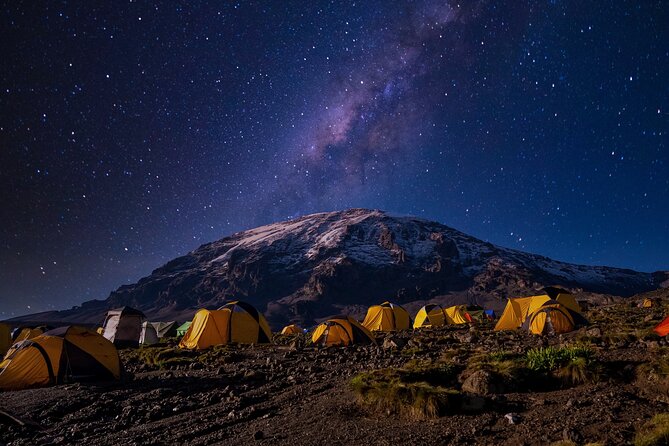
This is the day that earns the reputation. Excitement builds, then the early start hits. You begin between midnight and 2:00 am, and the trip description calls it the most mentally and physically challenging portion of the climb.
The route continues between the Rebmann and Ratzel glaciers, and the focus becomes staying warm and staying focused. You ascend through heavy scree using switchbacks in a northwesterly direction toward Stella Point, which sits on the crater rim.
Then comes the reason many people remember the climb forever: you rest at Stella Point, and you are rewarded with an amazing sunrise. Faster hikers may reach the summit in time to see sunrise from the top, but Stella Point is still a major moment.
After that short rest, you have about 1 hour left to Uhuru Peak, the highest point on the mountain.
A quick practical reality check: summit days are full of small decisions. Your clothing layers, your hydration habits, and your ability to keep your breathing steady all matter. If you panic or rush early, altitude can punish you fast.
This is also why the earlier days matter so much. You cannot “out-run” altitude on the final night. The pacing and acclimatization from Days 1 through 4 are what make this day possible.
Day 6: Descent to Mandara Huts, Summit Certificates, and Mudy Legs
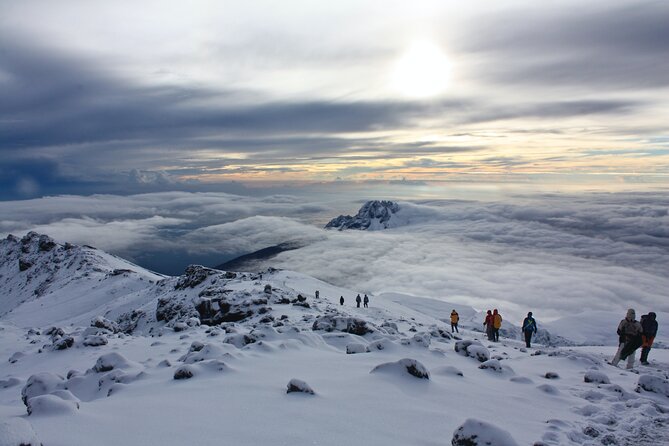
After breakfast, you start the descent. The itinerary includes a heartfelt ceremony of appreciation and team bonding with your crew. This is not just a sentimental moment, it reinforces a reality many climbers forget until the end: your success is a team job.
You stop at Mandara Huts for lunch during descent. Then you continue down to the Marangu Park Gate, where you receive your summit certificates.
The weather is described as drastically warmer on Day 6, and that changes the terrain. You are dealing with wet, muddy, and steep sections. This is where the practical advice matters most: gaiters and trekking poles are highly recommended.
From the park gate, you return to your hotel in Moshi. The ride is about 45 minutes, which feels like a gift after the final slopes.
And please, plan for tipping your climbing team, including guides, cooks, and porters. Tips are listed as not included, and the itinerary explicitly reminds you that you are leaving them at that point.
Price and Value: What $2,200 Per Person Actually Covers
At $2,200.00 per person, this is not a bargain climb, but it also does not feel “thin” on basics. Here is what you get based on the trip details:
Included:
- Accommodation during the hike
- All fees and taxes
- Pick-up from and drop-off at your hotel or residence in Moshi
- Meals: breakfast (5), lunch (5), dinner (6)
Not included:
- Tips for the climbing team
- Air tickets and travel insurance
- Personal gear
- Entry visa
Value on a mountain like Kilimanjaro usually comes down to what is bundled. You should especially like that park fees and taxes are included, because those can be confusing to price on your own. Add in accommodation and daily meals, and the “active climb cost” becomes much clearer.
The mobile ticket and private group setup also help. A private climb means you are not negotiating shared logistics with strangers, and that can reduce friction when you are dealing with cold starts and altitude schedules.
If you are budgeting, the biggest add-ons you should plan for are tipping, your personal gear purchases or rentals, your visa, and your flights and insurance.
Logistics That Matter: Pickup, Timing, and What to Expect Each Day
This climb is scheduled to start in Moshi at 7:00 am, with pickup from your hotel or residence. The start time matters because it reduces decision fatigue the morning you are leaving town. You also have a predictable 4 to 5 hour drive to the gate on Day 1.
The itinerary also uses daily time blocks that make it easier to imagine your day:
- Day 1 is about 7 hours
- Day 2 is about 7 hours
- Day 3 is about 6 hours
- Day 4 is about 6 hours
- Day 5 is about 7 hours
- Day 6 is about 7 hours
That adds up to a real climbing commitment. You are not “just getting a view.” You are walking all those hours on steep and shifting terrain, at rising altitudes.
Also note the trip is described as near public transportation, but it is still a structured private activity. In other words, you likely want to treat this as a full itinerary experience rather than a flexible independent hike.
What I’d Do Differently If I Were Planning Your Gear
The trip data gives you a few gear hints, even if it does not list a full packing list. Here is what stands out:
- Summit night requires dependable light, so you should be ready to replace headlamp batteries and confirm your camera power works.
- Day 6 is likely wet, muddy, and steep, so you should seriously consider gaiters and trekking poles.
- Expect cold temperatures as you rise, with temperature drops noted starting Day 2.
Since personal gear is not included, you will want to plan for the basics that support comfort and safety. If you do not already own suitable footwear for rocky ascents and wet descents, this is the time to buy or rent before you arrive.
If you are unsure what to bring, ask the provider. They will know what their team expects to see on the mountain.
Who This 6-Day Rongai Climb Fits Best
This route is described as recommended, especially for climbers with less backpacking experience. That is a fair claim if you understand what it means: you still need mountain fitness, but the structure is set up to support you.
It also suits people who:
- want an alternative to Marangu
- want a more remote feel
- climb during seasons when the north side can be drier
- appreciate careful planning and pacing
You should have moderate physical fitness. This trip is not described as an easy hike, but it is designed as a manageable challenge if you respect the schedule and listen to your guide.
If you are the type who rushes or ignores discomfort, you might struggle more than you expect. Kilimanjaro punishes that behavior.
Should You Book This Kilimanjaro Rongai 6-Day Trip With Kentau Safaris?
I would consider booking if you want a climb that balances remoteness with structure. Rongai’s north-side approach and the stepwise route through moorland, semi-desert, and alpine desert give you a sense of progression. The summit plan, including the Stella Point sunrise break, feels organized instead of improvised.
It also helps that the team is described as professional and safety focused, with Dominic involved from planning to the end. When you are dealing with altitude and a midnight start, that type of calm organization is worth something.
I would hold off if you dislike early mornings, do not want cold-weather layering challenges, or you are not willing to buy or bring key gear for wet descent days.
If you want a practical, well-run climb that aims to get you to the top without turning it into a chaotic gamble, this one fits.
FAQ
Where does the climb start, and what time do we leave?
The trip starts in Moshi, Tanzania, with a start time of 7:00 am.
How long is the Mount Kilimanjaro climb via Rongai?
The duration is listed as approximately 6 days.
Is this the Rongai route, and does it connect with Marangu later?
Yes, it climbs via the Rongai route. On Day 4, it merges with the Marangu Route for the ascent to the summit.
What meals and accommodation are included during the hike?
Accommodation is included during the hike, along with breakfast (5), lunch (5), and dinner (6).
What is included in the price, and what is not included?
Included are all fees and taxes, and pick-up and drop-off from your hotel or residence. Not included are tips for the climbing team, air tickets and travel insurance, personal gear, and entry visa.
Do you get picked up from and dropped off to your hotel in Moshi?
Yes. Pick-up from and drop-off at the hotel or residence are included.
Is this a private tour or shared group?
It is private, meaning only your group participates.
When does the summit attempt start?
The summit attempt begins early morning between midnight and 2:00 am.
What is the cancellation policy?
You can cancel for a full refund if you cancel up to 24 hours in advance of the experience start time. If you cancel less than 24 hours before, there is no refund.
The Quieter Kilimanjaro Trails
- Kilimanjaro climb, Rongai Route (7-day)
★ 5.0 · 40 reviews - Kilimanjaro climb, Rongai Route (6-day)
★ 5.0 · 15 reviews - Mount Kilimanjaro Rongai Route
★ 5.0 · 10 reviews - 6-Day Rongai Route Trek in Mount Kilimanjaro
★ 5.0 · 8 reviews - Rongai Route 6 Days 5 Nights/Kilimanjaro climb
★ 5.0 · 7 reviews
Kilimanjaro, Route by Route
- Kilimanjaro climb by Lemosho Route (7-day)
★ 5.0 · 651 reviews - Kilimanjaro climb, Machame Route (7-day)
★ 5.0 · 262 reviews - Kilimanjaro Climbing Lemosho Route 8 Days.
★ 5.0 · 186 reviews - Climbing Kilimanjaro – Machame Route
★ 5.0 · 170 reviews - Climbing Kilimanjaro through 7 days Machame Route
★ 5.0 · 151 reviews
Just added from around Moshi
Kilimanjaro Rongai Umbwe and Shira Routes, compared.
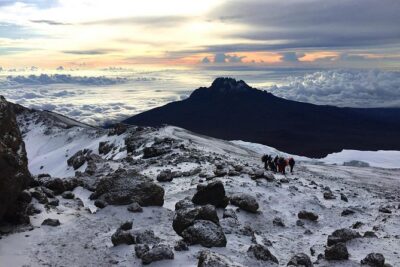 ★ 5.0Kilimanjaro climb, Rongai Route (7-day)From $3,50740 reviews
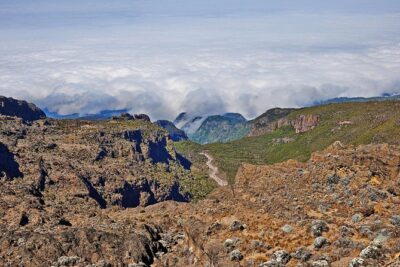 ★ 5.0Kilimanjaro climb, Rongai Route (6-day)From $3,06415 reviews
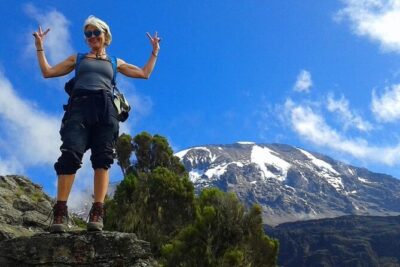 ★ 5.0Mount Kilimanjaro Rongai RouteFrom $2,70010 reviews
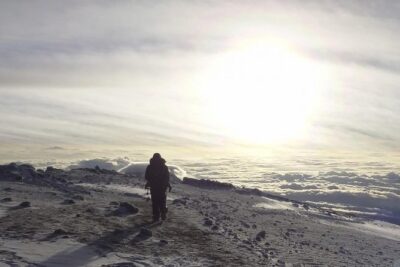 ★ 5.06-Day Rongai Route Trek in Mount KilimanjaroFrom $2,3538 reviews
 ★ 5.0Mt. Kilimanjaro: Shira plateau to Cathedral point 3872m Day hikeFrom $3207 reviews
 ★ 5.0Rongai Route 6 Days 5 Nights/Kilimanjaro climbFrom $1,8507 reviews
 ★ 5.0Kilimanjaro Climbing Rongai RouteFrom $2,8406 reviews
 ★ 5.06-Day Kilimanjaro Umbwe Route–Steep,Adventurous, Challenging PathFrom $2,3106 reviews
Browse the lists this tour appears in