
REVIEW · KILIMANJARO RONGAI UMBWE AND SHIRA ROUTES
6 Days Kilimanjaro climbing | Hiking Tour via the Rongai Route
Rongai starts with hush, not hype. This 6-day climb from Moshi is designed to get you high, then steady you up with acclimatization stops and a crew that keeps camp life running. What makes it interesting is the Rongai route approach, with days that build from mountain forest to alpine desert before the summit day.
I like how the schedule gives you time to adjust, not just grind upward. You’ll get multiple nights above 3,000m, including time around Kikelelwa Cave and Mawenzi Tarn Camp, which matters when the air gets thin. I also like the camp rhythm: tents are set up for you, you get hot water for washing and showering, and meals land on time after the hike.
One consideration: it’s a serious cold-weather trek. Even in this plan, you’ll be hit with a “crazy cold night” at Kikelelwa Cave, and the summit day stretches long, so pack and train like temperatures will be your enemy, not just the altitude.
In This Review
- Key highlights you’ll feel on this Rongai Kilimanjaro climb
- Rongai Route from Moshi: a 6-day climb that respects altitude
- Meeting point in Moshi and how you get to the trail
- Day 1: Marangu’s Park Gate to Cave Camp #1 at 2,600m
- Day 2: Cave Camp #1 through heather to Kikelelwa Cave (3,450m to 3,600m)
- Day 3: Kikelelwa Cave to Mawenzi Tarn Camp at 4,330m
- Day 4: Alpine desert to Kibo’s hideout around 4,700m
- Day 5 summit day via Gillman’s Point to Uhuru Peak
- Day 6 descent to Marangu Gate and your certificate moment
- Food, hot water, and what camp comfort really means at altitude
- Price and what $930 covers, plus what to budget separately
- Who should choose this Rongai 6-day climb, and who should reconsider
- Final call: should you book this Rongai Kilimanjaro tour from Moshi?
- FAQ
- Where is the meeting point and what time does the tour start?
- How long is the Kilimanjaro climb on the Rongai route?
- What meals are included during the trek?
- Are Kilimanjaro park fees included in the price?
- What certificates do you receive at the end?
- Is tipping included?
- What is the cancellation policy for a full refund?
Key highlights you’ll feel on this Rongai Kilimanjaro climb
- Rongai-to-Marangu connection on Day 4, when you transition into the common upper approach.
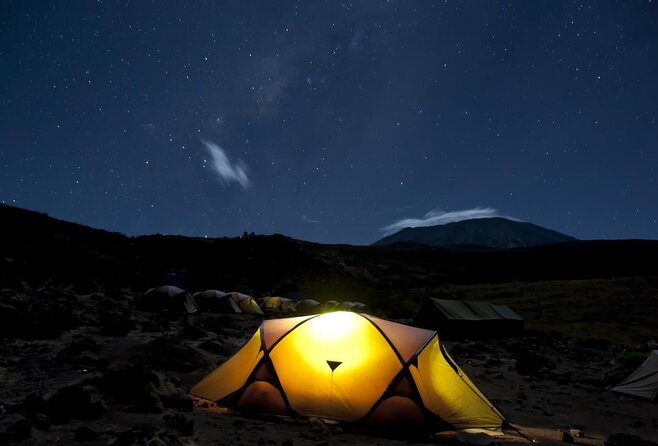
- Kikelelwa Cave (3,600m) built-in rest and acclimatization time before Mawenzi and Kibo.
- Mawenzi Tarn Camp sits low in a depression with lake views, plus an afternoon for walking laps.
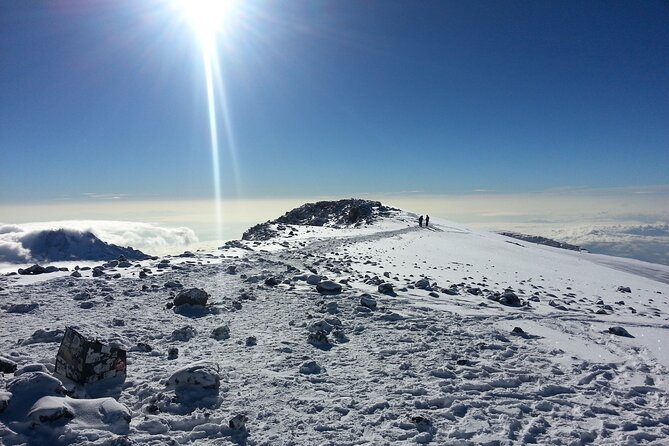
- Uhuru Peak via crater rim with a stop at Stella Point (5,752m) and snow-covered sections.
- Certificate moments at Marangu Gate, including green for Gillman’s Point and gold for Uhuru Peak.
Other ways up Kilimanjaro we reviewed
- Kilimanjaro climb by Lemosho Route (7-day)★ 5.0 · 651 reviews
- Kilimanjaro climb, Machame Route (7-day)★ 5.0 · 262 reviews
- Kilimanjaro Climbing Lemosho Route 8 Days.★ 5.0 · 186 reviews
- Climbing Kilimanjaro – Machame Route★ 5.0 · 170 reviews
Rongai Route from Moshi: a 6-day climb that respects altitude
This is a classic 6-day structure that focuses on gradual height gains, with nights placed where your body has a chance to adapt. The itinerary explicitly leans into acclimatization, and you can feel that in the way the days are paced, not just how far you walk.
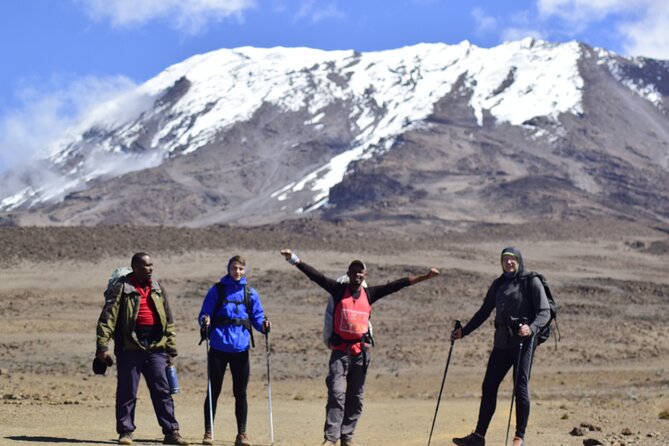
Rongai also has a different feel than the more common approaches. You start with forest and cypress, then move through heather and moor-like growth, then end up in higher, drier terrain before the summit push.
For many people, the real win is mental. You’re not constantly racing the clock. You get days with time to relax at camp, walk short distances around the area, and enjoy the views when the weather behaves.
Meeting point in Moshi and how you get to the trail
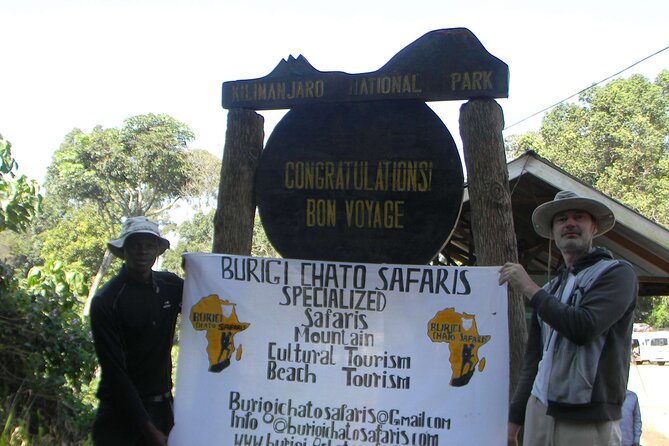
You start at Burigi Chato Safaris CO LTD on Mkwawa Street in Shanty town, Moshi. The listed start time is 8:30am, and the activity ends back at the meeting point after you hike down.
Airport pickup and drop-off are included, and you also get gate transfer as part of the package. That matters because Kilimanjaro logistics can eat half a day if you’re doing it on your own.
On Day 1, you first move to Marangu’s Park Gate, then you transfer by vehicle to the Rongai trailhead area at about 1,950m. Plan for a travel day that includes both road time and your first real hike.
Day 1: Marangu’s Park Gate to Cave Camp #1 at 2,600m
Day 1 starts at Marangu’s Park Gate, then you drive about 3 hours to the Rongai trail. If conditions allow, you may bring a packed lunch and eat around Nelemoru. After that, you start walking through cypress plantations and mountain forest.
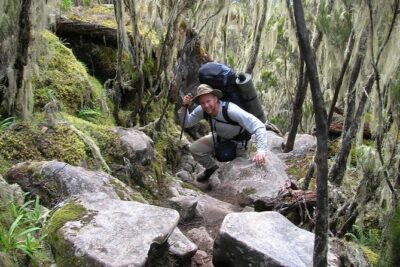
This is the day where the trek feels most alive and wild. You might spot giant monkeys, and you’ll notice the trail moving from greener ground toward higher, quieter camps. It’s a good warm-up day, but you still gain real altitude.
The hiking ends at Cave Camp #1 (2,600m), where porters and cooks move faster than you. When you arrive, you’ll find tents set up and camp routines already rolling. The tour also mentions hot water for showering and getting changed, and even small comforts like hot drinks.
Practical tip: take it easy on Day 1. You’re not trying to impress anyone with speed. Save effort for the cold nights higher up.
Quieter Kilimanjaro routes we walked through
Day 2: Cave Camp #1 through heather to Kikelelwa Cave (3,450m to 3,600m)
After a light breakfast, you head out through moor-style vegetation wrapped in heather. This is the kind of terrain that can feel deceptively soft underfoot, but the altitude is doing the work.
You hike to the second Cave Camp (3,450m) for lunch, then continue to the third campsite at Kikelelwa Cave (3,600m). This is where the 6-day design shows its purpose: you get time to acclimatize before going higher again.
When you arrive, the camp setup repeats: tent prepared, hot water for washing, plus coffee or tea and snacks. Kikelelwa Cave is described as a valley area slightly below the saddle, with the camp surrounded by small caves.
Then comes the part you should respect. After dinner, you head to bed and the tour notes a crazy cold night. This is where your sleeping system matters as much as your trekking poles.
Practical tip: treat Day 2 as your gear check day. If you’re missing a warm layer, this is the moment to fix it.
Day 3: Kikelelwa Cave to Mawenzi Tarn Camp at 4,330m
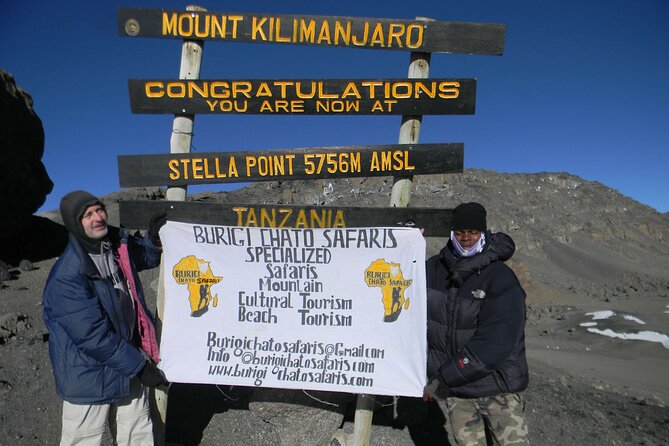
Day 3 begins with another light breakfast and then a shift in effort. The route starts with an easy to moderate incline, then the pass gets steeper as you go. The result is a feeling of momentum, not just altitude.
You reach Mawenzi Tarn Camp (4,330m). This campsite is described as sitting in a depression below the peak of Mawenzi, close to a small lake. That setting matters because it often brings calmer air around camp and a very specific kind of view.
After arrival, camp procedures stay consistent with earlier days: hot lunch, then relaxation. What I like here is the built-in option to move around. You can explore the scenery by walking laps near ridges and towers, with great views of Kibo.
That afternoon gives you time to reset before another step upward. The tour notes a beautiful sunset from your campsite, then it’s back to dinner and sleep.
Practical tip: plan short walks, not long detours. At 4,330m, you’ll feel every extra meter of elevation.
Day 4: Alpine desert to Kibo’s hideout around 4,700m
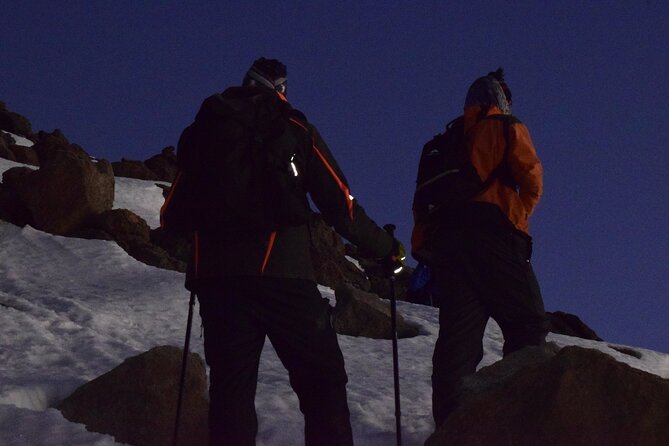
Day 4 starts with a hike up a small ridge, then transitions into an easier trail on the northern part of the saddle. With good weather, the views around this area are described as stunning.
Vegetation shifts again. You’ll see alpine desert conditions with little grass and sometimes eternal flowers. This is a reminder that Kilimanjaro climbs through climate zones, not just one “mountain” environment.
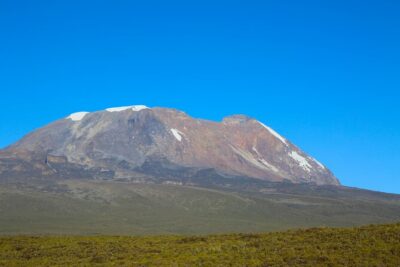
At this point, Rongai Road connects with Marangu Road on the saddle between Mawenzi and Kibo. The route notes that the way to the top from here is the same as what you’d see on the Marangu approach, which is useful for understanding why the upper stretch feels familiar and more direct.
The last part of the day becomes steeper. You arrive at Kibo’s hideout around 4,700m for lunchtime. You’ll get hot water for washing and full camp procedures, so the goal here is to be rested and acclimatized for the final push.
Practical tip: save your strongest energy for Day 5. Day 4 is about arriving ready, not winning the hike.
Day 5 summit day via Gillman’s Point to Uhuru Peak
This is the day you came for. The tour lists your wake-up time as around 11:00am to 11:30am, then you head toward the summit route. You reach the top from Gillman’s Point in about 1.5 hours on foot, and then the rest of the hike is described as snow-covered, walking along the crater rim toward Uhuru Peak.
On the way, you pass Stella Point at 5,752m. The description also calls out that this is where other routes meet the edge, and that the climb feels very difficult when you’re close.
At Uhuru Peak, the stop is short, with a few minutes for photos before heading downhill. Then you return to Kibo (4,700m) for lunch, and from Kibo it takes about 3 hours to reach Horombo (3,720m) for the night.
A long day deserves a reality check: the trek duration for this day is listed as 14 hours. That can be tiring in body and head, so don’t underestimate how much time you’ll spend moving, even if the steps aren’t technical.
Practical tip: confirm exact summit timing during booking. The provided wake-up window is specific, so ask your operator how that schedule works with weather and nighttime conditions.
Day 6 descent to Marangu Gate and your certificate moment
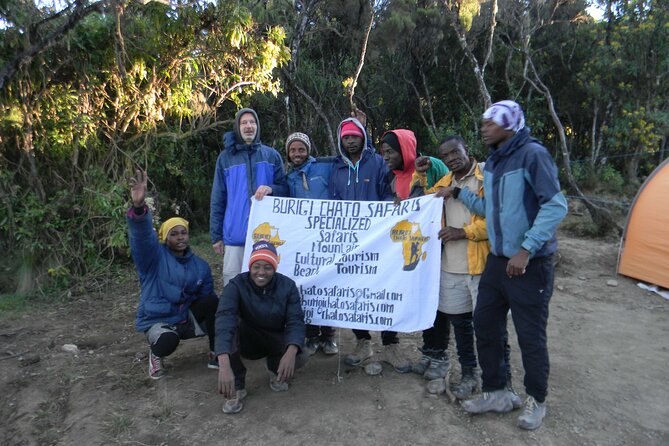
Day 6 starts with a hearty and heavy breakfast at Horombo hut (3,720m). Then you begin the last descent, passing the Mandara Hut (listed as 2,700 feet) down to Marangu Gate at about 1,980m.
You’ll stop for a lunch break near the end, then sign the register at the gate. This is where the paperwork becomes a memory. The tour notes you’ll receive:
- a summit certificate,
- a green certificate for reaching Gillman’s Point,
- a gold certificate for reaching Peak Uhuru.
Celebrations and crew introductions can happen back at Horombo in the morning or after the certificates are received at the gate. By the time you reach Marangu Gate, your driver is waiting to take you back to your hotel in Moshi, where a hot shower feels like a human right.
Practical tip: save some energy for the last part of the descent. Knees and ankles often feel it most on Day 6.
Food, hot water, and what camp comfort really means at altitude
One of the strongest practical parts of this trip is the way camp life is handled. Each day’s arrival includes a repeatable routine: tents set up for you, hot water for washing, and a hot drink or snacks. That consistency reduces the mental load when you’re tired.
The itinerary also lists meals clearly: breakfast 5 times, lunch 6 times, dinner 6 times. That matters because you don’t want to hunt for food at 4,000m. You want calories after the climb, not plans.
The tour even mentions small comforts early on, like popcorn and hot drinks at the first cave camp. Those details are not luxury. They’re morale support.
Drawback note: camp comfort does not mean warm comfort. You can have hot water and still face “crazy cold night” temperatures at Kikelelwa Cave. Plan to layer up, and treat sleep gear as part of your fitness plan.
Price and what $930 covers, plus what to budget separately
The price listed is $930 per person for about six days from Moshi. That sounds like a lot until you see what’s included.
You get airport pickup and drop-off, gate transfer, and crew wages. Meals are included for the full climb days: breakfasts, lunches, and dinners are already part of the package. In many trekking markets, these are the cost items that add up fast.
What’s not included is also clearly stated:
- flights,
- tipping the crew,
- visas,
- Kilimanjaro National Park fees,
- hotel accommodations before and after the climb.
Park fees are noted as payable directly to the park or via the tour operator. Because the listing also says admission ticket is included for the days, I’d treat this as a “confirm the exact billing” moment. Ask what portion is handled in your package price and what portion you should expect to pay separately.
Practical value check: if park fees and tipping are the only surprises, the package is likely good value for a full supported climb with consistent meal coverage and transport.
Who should choose this Rongai 6-day climb, and who should reconsider
This tour says most travelers can participate, and it’s built for people who want a structured acclimatization plan. I’d especially like it for hikers who want a clear rhythm: hike, rest, camp routine, then the next step.
If you’re new to altitude, consider warming up before you come to Kilimanjaro. One smart approach is adding Mount Meru first, then coming to Kilimanjaro as a follow-on challenge. That’s a common training pathway because Meru builds confidence and hiking stamina.
Rongai is also a decent match for people who value a crew-led experience. The reviews you can find for similar climbs often mention strong guides and excellent cooks, and this itinerary is set up to deliver those camp basics: hot water, meals, and tents ready when you arrive.
Reconsider if you know you struggle with extreme cold at night. Kikelelwa Cave is specifically called out as very cold, and the summit day is long. If you lack the right warm layers or you dread cold sleeping conditions, you’ll feel it here.
Final call: should you book this Rongai Kilimanjaro tour from Moshi?
I’d book this climb if you want a 6-day plan that’s designed around acclimatization and you like dependable camp routines. The combination of transport from Moshi, clear meal coverage, and a summit push that’s timed and explained makes it easier to plan your effort.
I’d hesitate or ask more questions first if summit-day timing creates uncertainty for you, or if cold-night comfort is a dealbreaker. Also budget for items not included, especially Kilimanjaro park fees and tipping.
If you’re ready to work for the view, this Rongai route has a lot going for it, from the forest start to the crater-rim walk toward Uhuru Peak.
FAQ
Where is the meeting point and what time does the tour start?
The tour starts at Burigi Chato Safaris CO LTD on Mkwawa Street in Shanty town, Moshi. The listed start time is 8:30am.
How long is the Kilimanjaro climb on the Rongai route?
The duration is 6 days, listed as approximately 6 days.
What meals are included during the trek?
Breakfast is included 5 times, lunch is included 6 times, and dinner is included 6 times.
Are Kilimanjaro park fees included in the price?
No. Mount Kilimanjaro park fees are not included and can be paid direct to the park or via the tour operator.
What certificates do you receive at the end?
At Marangu Gate you sign the register and receive a summit certificate. You also get a green certificate for reaching Gillman’s Point and a gold certificate for reaching Peak Uhuru.
Is tipping included?
No. Tipping the crew is listed as not included.
What is the cancellation policy for a full refund?
You can cancel for free and receive a full refund if you cancel up to 24 hours in advance of the experience start time. If you cancel less than 24 hours before the start time, the amount paid is not refunded. Weather cancellations may result in a different date or a full refund.
The Quieter Kilimanjaro Trails
- Kilimanjaro climb, Rongai Route (7-day)
★ 5.0 · 40 reviews - Kilimanjaro climb, Rongai Route (6-day)
★ 5.0 · 15 reviews - Mount Kilimanjaro Rongai Route
★ 5.0 · 10 reviews - 6-Day Rongai Route Trek in Mount Kilimanjaro
★ 5.0 · 8 reviews - Rongai Route 6 Days 5 Nights/Kilimanjaro climb
★ 5.0 · 7 reviews
Kilimanjaro, Route by Route
- Kilimanjaro climb by Lemosho Route (7-day)
★ 5.0 · 651 reviews - Kilimanjaro climb, Machame Route (7-day)
★ 5.0 · 262 reviews - Kilimanjaro Climbing Lemosho Route 8 Days.
★ 5.0 · 186 reviews - Climbing Kilimanjaro – Machame Route
★ 5.0 · 170 reviews - Climbing Kilimanjaro through 7 days Machame Route
★ 5.0 · 151 reviews
Just added from around Moshi
Kilimanjaro Rongai Umbwe and Shira Routes, compared.
 ★ 5.0Kilimanjaro climb, Rongai Route (7-day)From $3,50740 reviews
 ★ 5.0Kilimanjaro climb, Rongai Route (6-day)From $3,06415 reviews
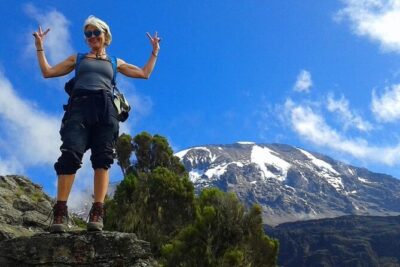 ★ 5.0Mount Kilimanjaro Rongai RouteFrom $2,70010 reviews
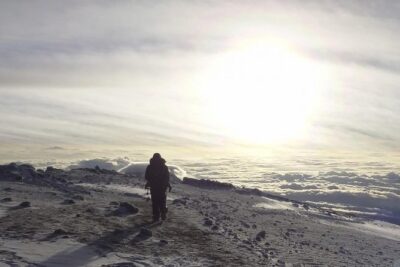 ★ 5.06-Day Rongai Route Trek in Mount KilimanjaroFrom $2,3538 reviews
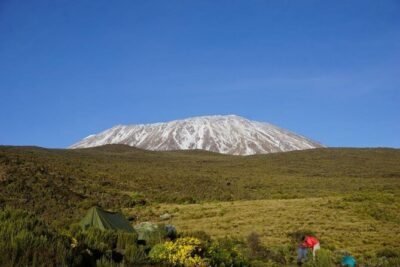 ★ 5.0Mt. Kilimanjaro: Shira plateau to Cathedral point 3872m Day hikeFrom $3207 reviews
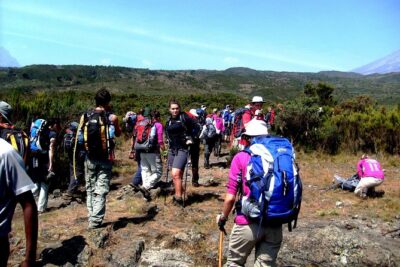 ★ 5.0Rongai Route 6 Days 5 Nights/Kilimanjaro climbFrom $1,8507 reviews
 ★ 5.06-Day Kilimanjaro Umbwe Route–Steep,Adventurous, Challenging PathFrom $2,3106 reviews
 ★ 5.0Kilimanjaro Climbing Rongai RouteFrom $2,8406 reviews
Browse the lists this tour appears in