
REVIEW · KILIMANJARO LEMOSHO ROUTE
Unforgettable 8 Days Lemosho Route Trekking on Kilimanjaro
One of Kilimanjaro’s prettiest routes starts with a long drive. The 8-day Lemosho itinerary takes you through forest, then high moorland and the Shira Plateau, with panoramic sections and generally lighter foot traffic. I like that it’s paced for acclimatization, not just speed.
Two things I especially like: the route’s scenery-first approach (Shira Plateau across, plus Lava Tower) and the fact that your days are structured around altitude gains and breathing room. One drawback to plan for is the workload, especially the late start summit night and the long walking days around Barafu and the descent join.
In This Review
- Key highlights before you go
- Why Lemosho’s west approach feels more scenic and more manageable
- Price and value: what $1,500 actually covers, and what you still plan
- Day 1: From Moshi to Londorossi Gate, then into the forest to Mti Mkubwa
- Day 2: Shira Ridge crossing and the steep climb into Shira Camp one
- Day 3: A gentler plateau day across moorland meadows toward Shira Camp two
- Day 4: Lava Tower at 4,630 m, then down toward Barranco Camp
- Day 5: Barafu Camp, desolate scree, and the plan for a very early night
- Day 6: Join the Mweka Route pattern, with a hot lunch at Barafu Hut
- Day 7: The midnight climb to Stella Point, heavy scree, and that sunrise pause
- Day 8: Mweka Gate, certificates, lunch in Mweka Village, then back to Moshi
- The real experience on Kilimanjaro: crew quality, food, and pacing
- Is this 8-day Lemosho trek right for you?
- FAQ
- Is pickup available for this Kilimanjaro trek?
- How long is the Lemosho route trek?
- What is included in the tour price?
- What is not included?
- Do I get a ticket after booking?
- How big is the group?
- Are there certificates if I do not reach Uhuru Peak?
- What happens if the trek is canceled due to weather?
- What is the cancellation window for a full refund?
- Should you book this 8-day Lemosho trek?
Key highlights before you go
- Low-crowd feel until Lava Tower, with the Lemosho line joining Machame near that area
- Shira Plateau crossing gives you an easier rhythm for altitude adjustment
- Lava Tower at 4,630 m is a major visual marker, with a scramble option for sure-footed hikers
- Summit push timing is early and cold, with a stop at Stella Point on the crater rim
- Meals and park fees included, so your budget stress stays lower than with “add-ons”
- Guide and chef praise shows up clearly in feedback, including guide Nalisis and chef Jackson
Other ways up Kilimanjaro we reviewed
- Kilimanjaro climb by Lemosho Route (7-day)★ 5.0 · 651 reviews
- Kilimanjaro climb, Machame Route (7-day)★ 5.0 · 262 reviews
- Kilimanjaro Climbing Lemosho Route 8 Days.★ 5.0 · 186 reviews
- Climbing Kilimanjaro – Machame Route★ 5.0 · 170 reviews
Why Lemosho’s west approach feels more scenic and more manageable
If you’re chasing the classic Kilimanjaro views, Lemosho makes sense. It starts from the west side with that long transfer to Londorossi Gate, then gradually builds you toward higher ground. You’re not jumping straight into the steepest sections. Instead, you move through rain forest, then rise into moorland and the big open Shira country.
The reason this matters for you is simple: Kilimanjaro is not just a “trail.” It’s altitude plus weather plus effort. The Lemosho profile gives you a better chance to settle into your hiking pace, especially on days that focus on moving across the plateau rather than only climbing.
It also helps that the route tends to be less crowded at first. Your itinerary is designed so crowds stay low until the path converges near Lava Tower, where you can expect more hikers on the shared sections.
Price and value: what $1,500 actually covers, and what you still plan
At $1,500 per person, this trek is not a bargain deal, but it’s also not “tourist pricing” if your priority is a smooth, guided, well-run mountain week. The value comes from what’s built in.
Included is the stuff you usually end up paying for separately on budget climbs:
- All fees and taxes, including admission ticket coverage in the daily itinerary
- Meals: 8 breakfasts, 8 lunches, and 7 dinners
- Your itinerary runs about 8 days with organized camp transitions and daily guidance
Not included is also clearly spelled out:
- Flights, visas, and tipping the crew
- Additional park fees if any apply
- Non-climbing accommodation
- Private transportation (you may still have group transfers for the trek, but private door-to-door is not included)
- Hiking supportive materials (so plan to bring your own essentials)
Here’s how I think about value on Kilimanjaro: you’re paying for a system that keeps you moving safely, fed, and on schedule at altitude. When crews are organized, the mountain night stress drops. And feedback from past hikers highlights exactly that type of performance, with special mentions for Nalisis (guide) and Jackson (chef).
Day 1: From Moshi to Londorossi Gate, then into the forest to Mti Mkubwa
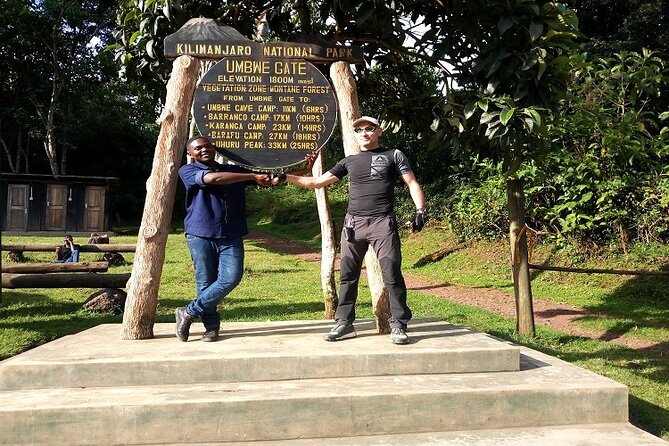
Your day starts with a briefing at your hotel and then a drive of about 2.5 hours to Londorossi Park Gate at 2,250 m. After park rules and regulations, you begin trekking with a 4WD vehicle move into the Lemosho Glades area around 2,390 m, followed by forest walking.
This is a good day to care about comfort. The forest start means the air is cooler and the footing is more forgiving than later rocky zones. You’ll walk roughly 11 km over about 45 minutes of the vehicle portion plus forest trail walking to Mti Mkubwa campsite.
Why this day matters for you: it’s where you can get your rhythm, test your daypack setup, and take in the early mountain mood before the altitude really starts asking questions.
A small consideration: Day 1 still includes driving and regulation steps, so it’s not a slow “recovery stroll.” You’ll be hiking and settling in, then sleeping at camp.
Lemosho itineraries worth reading next
Day 2: Shira Ridge crossing and the steep climb into Shira Camp one
Day 2 moves you toward the moorland zone. The trail becomes gradually steeper and you cross Shira Ridge at 3,600 m. Then you drop gently to Shira Camp one, which sits by a stream on the Shira Plateau.
You’re looking at a long walking day, about 11 hours. Early on, it can feel like progress without drama. Later, the altitude and slope will change the mood fast, especially as you enter higher terrain.
One of the best things about this day is the shift into the giant heather moorland zone and repeated stream crossings. You’re still moving steadily, which is exactly what you want early on acclimatization.
Drawback: the steepness ramps up, and 11 hours at high altitude is tiring even if you pace well. Pack patience. Keep your breathing calm.
Day 3: A gentler plateau day across moorland meadows toward Shira Camp two
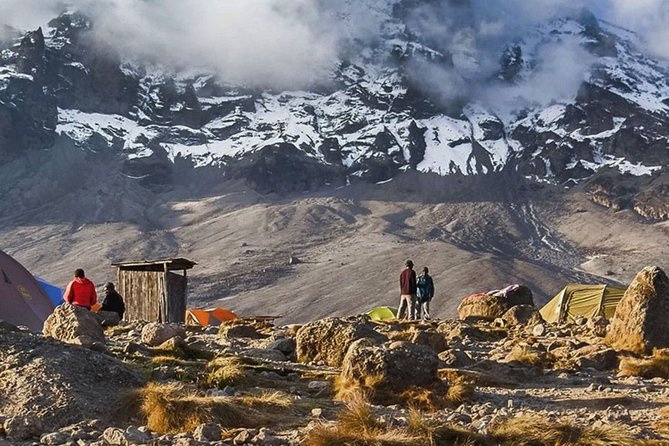
Day 3 is your acclimatization “breathing space,” about 7 hours. Today’s route stays on the plateau, with moderate walking across open ground toward Shira Camp two at moorland meadows by a stream.
This day is valuable because it’s not trying to win a speed contest. Instead, it gives your body time to adapt while you keep moving. The itinerary even notes the idea of using plateau walks to make this an excellent acclimatization day.
In real terms, I think you’ll appreciate this kind of day if you’ve ever hiked somewhere that felt like a constant grind. Here, you get a more flexible feel to how you handle your effort, while still staying on schedule.
Day 4: Lava Tower at 4,630 m, then down toward Barranco Camp
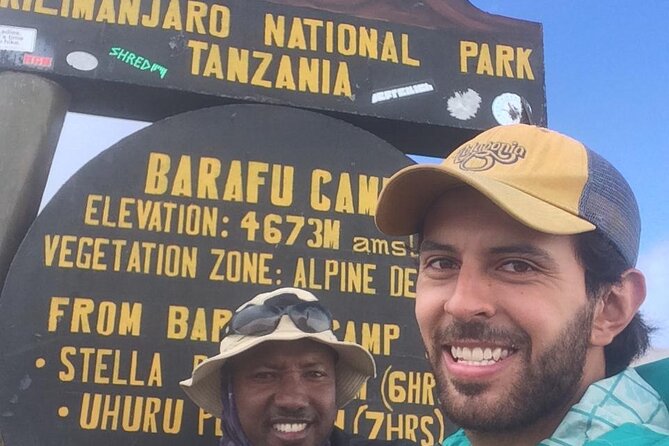
Now you start working toward one of the most memorable landmarks on Kilimanjaro for many hikers: Lava Tower at 4,630 m. You hike east, first up a steeper path above vegetation and then through a rocky landscape.
You’ll reach that prominent volcanic remnant and the trail passes right below it. There’s even an option for extra effort, a scramble to the top if you’re sure-footed.
After lunch near Lava Tower, you descend about 2 hours below cliffs associated with the Western Breach and Breach Wall to Barranco Camp at 3,950 m.
Why this is a strong day: Lava Tower is visually distinctive, and getting there while your legs still feel workable makes it easier to enjoy instead of just survive.
Consideration: the rocky nature of the terrain is a reality on this route. Your stride might shorten, and your focus will shift to footing.
Day 5: Barafu Camp, desolate scree, and the plan for a very early night
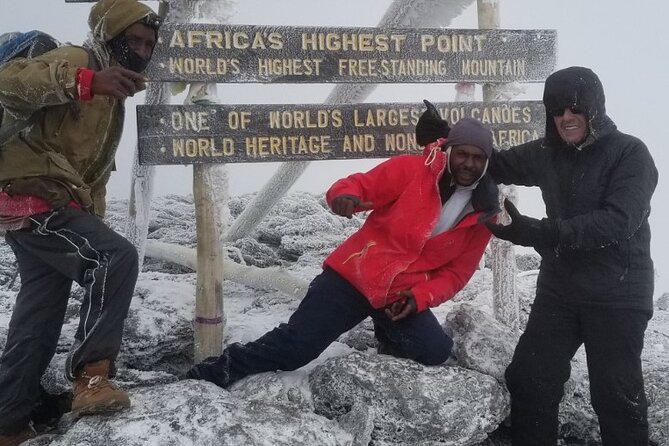
Day 5 is where Kilimanjaro starts feeling stark. After breakfast, you hike to Barafu Camp at about 4,640 m. You cross desolate scree slopes with little to no vegetation. It’s tough and steep, and altitude adds extra weight to every step.
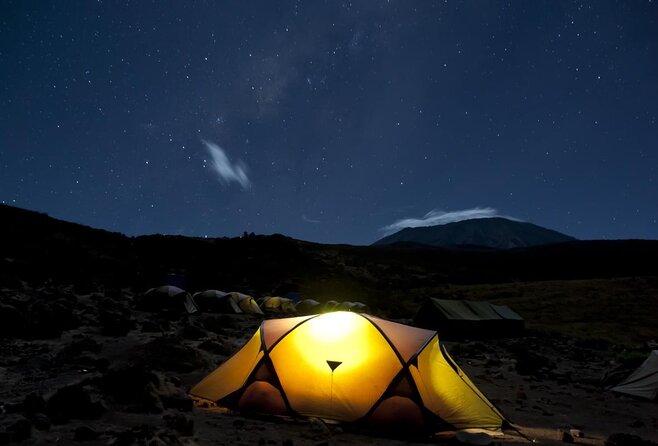
You arrive, eat, and rest in camp. Then comes the key summit planning detail: you’ll likely wake for the summit climb between 11:00 pm and 12:00 am. Hydration and staying warm become mission-critical.
This is where I’d be honest about expectations. If you’re not used to sleeping in cold, high-altitude conditions, this is the night that tests your stamina and your mindset. A hot dinner early and a rest period earlier in the afternoon help, but you should still expect a rougher sleep cycle.
Day 6: Join the Mweka Route pattern, with a hot lunch at Barafu Hut
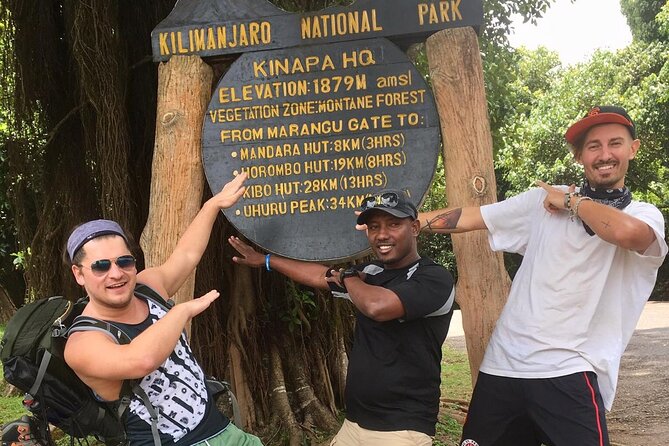
This day is described as long, about 13 hours, and it’s set up so you shift toward the descent route mechanics. The itinerary says you hike east over ridges and valleys to join the Mweka Route for descent. You also turn left toward the mountain and hike up a ridge to Barafu Hut for a hot lunch.
A detail worth putting in bold in your brain: the route notes that Karanga Valley is the last water point, and there is no water at Barafu Camp. That affects how you think about hydration timing even if you have a guided setup.
It also calls out camp terrain: your tent is pitched on a narrow, stony, wind-swept ridge. Before dark, familiarize yourself with the terrain to avoid accidents.
Drawback: the day’s length is mentally heavy, even if the altitude is no longer “brand new.” You’ll want to keep moving smoothly, not fast, and keep your focus at night.
Day 7: The midnight climb to Stella Point, heavy scree, and that sunrise pause
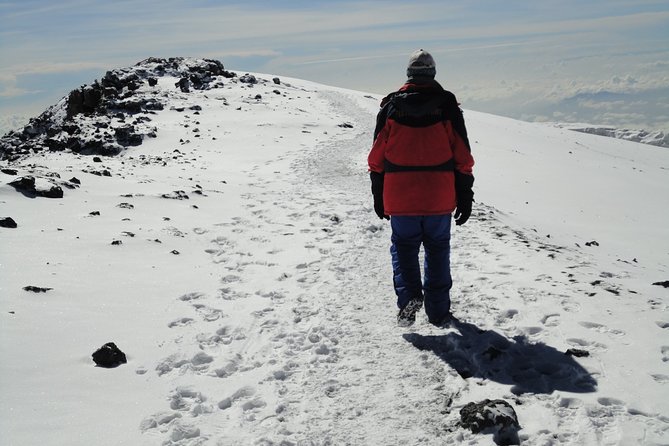
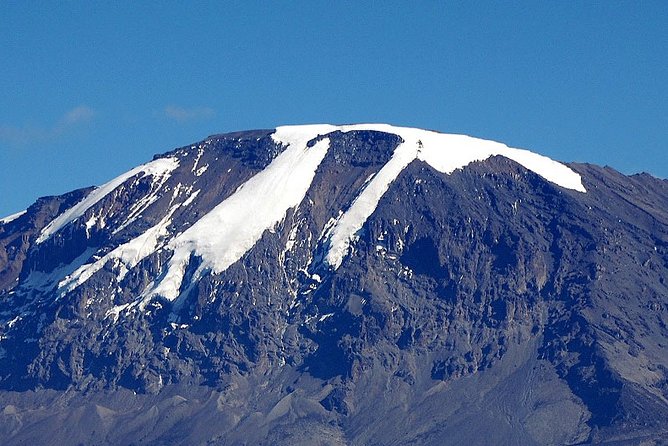
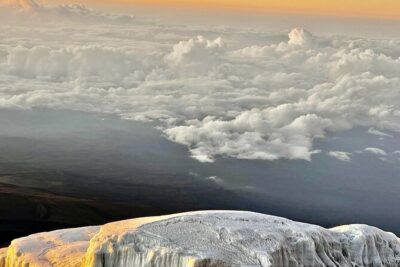
On Day 7, you’re up around 11:30 pm. There’s hot tea and biscuits, then you start the steep work in the dark, hiking for about 6 hours up heavy scree between the Rebmann and Ratzel glaciers toward Stella Point on the crater rim at 5,685 m.
At Stella Point, the plan is a short rest plus a chance at sunrise. From there, the itinerary notes that you join the top part of the Marangu Route, but don’t linger too long because cold and exhaustion make it hard to start again.
Depending on weather and conditions, you may see snow in some seasons. The climb is described as the most challenging part for most climbers, which tracks with what you feel in your legs and lungs during a crater-rim approach.
Consideration: this is not a day for stubborn pacing. You’re climbing in cold, low-visibility conditions on loose rock. You’ll do best when you follow your guide’s pace rather than trying to “win” a distance goal.
Day 8: Mweka Gate, certificates, lunch in Mweka Village, then back to Moshi
Day 8 is the payoff and the release. After breakfast, you do a short scenic 3-hour hike back to the park gate. From there you continue down to Mweka Village, about 3 km, for a hot lunch, then you’re driven back to Moshi.
Two details to pay attention to:
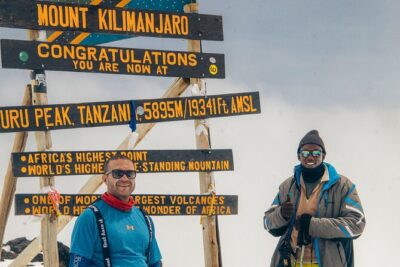
- Certificates and register: at Mweka Gate, you sign your name in a register. Successful climbers typically receive summit certificates there. If you reached Stella Point, you’re issued green certificates. If you reached Uhuru Peak, you receive gold certificates.
- Tipping timing: the itinerary notes that no tips are given on the way until everyone reaches the gate safely, then you tip your staff at the gate.
Why this day feels great: walking downhill after a summit attempt changes everything. You’re still tired, but the body is finally not fighting the same uphill battle.
Small caution: “short hike” on a day 8 schedule still means you’ll feel your legs. Keep your footing careful around the end of the trek.
The real experience on Kilimanjaro: crew quality, food, and pacing
When people talk about a great Kilimanjaro climb, it’s often not just the view. It’s the daily support that makes the mountain feel possible.
This itinerary includes all fees and your main meals, which means you’re not constantly worrying about food access at altitude. And the feedback you shared makes it clear that the chef work matters. Jackson was specifically praised, which is huge because good food helps you stay warm, hydrated, and willing to take on the next day.
Guides matter too. Nalisis was highlighted for keeping things top-to-bottom, from start to finish. On summit night, that “top-to-bottom” part is not fluff. It’s the difference between chaos and calm when it’s cold and you’re tired.
About groups: the tour lists a maximum of 100 travelers. That doesn’t mean you’ll all be hiking in one giant line, but it does suggest this is a structured operator with enough capacity to run multiple trek parties.
Also, remember tips are not included. The itinerary specifically mentions tipping your staff at the gate, which tells you that your crew’s final on-mountain work is part of the whole experience.
Is this 8-day Lemosho trek right for you?
This trek fits best if you want a classic Kilimanjaro climb with a scenic route, thoughtful acclimatization, and a schedule that balances long days with altitude-friendly pacing. If you dislike being rushed, the Shira Plateau days and the structured transitions help your body settle.
I’d also say it’s a good pick if you care about the visual “markers,” like Lava Tower and the crater-rim feeling at Stella Point. Those stops aren’t just trivia. They’re psychological milestones when your energy runs low.
You might reconsider if you don’t handle intense early nights well, since the summit attempt includes waking for the climb between 11:00 pm and 12:00 am, plus being out again around 11:30 pm for the Stella Point push described in the itinerary. If cold, loose-rock footing, and long hike days stress you out, plan to be extra honest with your pacing and your expectations.
FAQ
Is pickup available for this Kilimanjaro trek?
Pickup is offered. The trek starts at Shanty Town Road in Tanzania and ends back at the same meeting point.
How long is the Lemosho route trek?
The duration is listed as about 8 days.
What is included in the tour price?
The tour includes all fees and taxes, plus meals: 8 breakfasts, 8 lunches, and 7 dinners.
What is not included?
Not included are flights, tipping the crew, visas, additional park fees (if any), non-climbing accommodation, private transportation, and hiking supportive materials.
Do I get a ticket after booking?
You should receive confirmation at the time of booking, and the experience includes a mobile ticket.
How big is the group?
The maximum is listed as 100 travelers.
Are there certificates if I do not reach Uhuru Peak?
Yes. The itinerary states that green certificates are issued for reaching Stella Point, and gold certificates are issued for reaching Uhuru Peak.
What happens if the trek is canceled due to weather?
This experience requires good weather. If it is canceled due to poor weather, you will be offered a different date or a full refund.
What is the cancellation window for a full refund?
Free cancellation is available. You can cancel up to 24 hours in advance for a full refund, and changes less than 24 hours before the start time are not accepted.
Should you book this 8-day Lemosho trek?
Yes, if your priorities are scenery, a route that aims for lower crowds early, and an itinerary built around acclimatization rather than nonstop grind. The combination of Shira Plateau pacing, a major visual moment at Lava Tower, and the structured summit-night plan at Stella Point gives you a classic Kilimanjaro arc.
Before you book, be realistic about the tough parts: long hiking days, cold summit-night timing, and loose-rock footing. If you’re ready for that and you want strong crew support, this is a solid choice with a price that reflects the operational work behind the climb.
Lemosho, Compared
- Kilimanjaro climb by Lemosho Route (7-day)
★ 5.0 · 651 reviews - Kilimanjaro Climbing Lemosho Route 8 Days.
★ 5.0 · 186 reviews - Kilimanjaro climb, Lemosho Route (8-day)
★ 5.0 · 148 reviews - Kilimanjaro climb, Lemosho Route (6-day)
★ 5.0 · 129 reviews - Kilimanjaro Lemosho Route
★ 5.0 · 71 reviews
Kilimanjaro, Route by Route
- Kilimanjaro climb by Lemosho Route (7-day)
★ 5.0 · 651 reviews - Kilimanjaro climb, Machame Route (7-day)
★ 5.0 · 262 reviews - Kilimanjaro Climbing Lemosho Route 8 Days.
★ 5.0 · 186 reviews - Climbing Kilimanjaro – Machame Route
★ 5.0 · 170 reviews - Climbing Kilimanjaro through 7 days Machame Route
★ 5.0 · 151 reviews
Just added from around Moshi
Kilimanjaro Lemosho Route, compared.
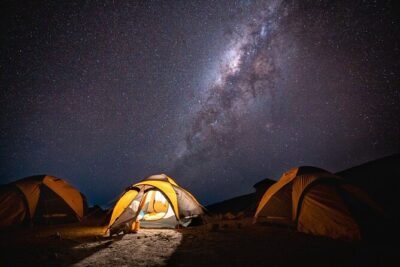 ★ 5.0Kilimanjaro climb by Lemosho Route (7-day)From $3,476651 reviews
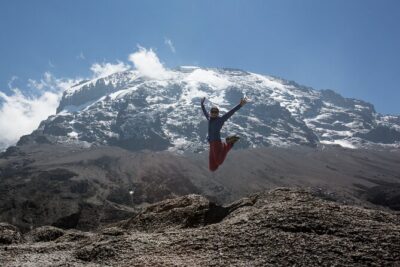 ★ 5.08-Day Small-group Lemosho Kilimanjaro Summit TrekkingFrom $2,895186 reviews
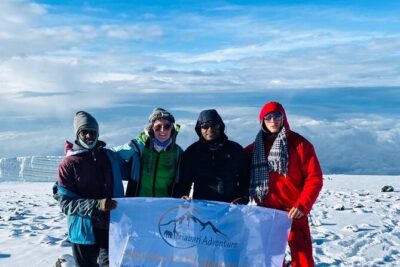 ★ 5.0Kilimanjaro Climbing Lemosho Route 8 Days.From $2,300186 reviews
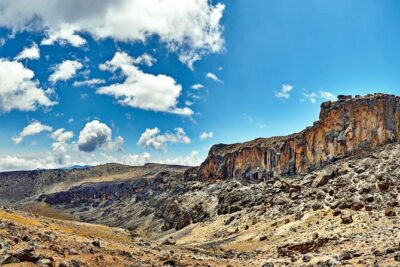 ★ 5.0Kilimanjaro climb, Lemosho Route (8-day)From $3,975148 reviews
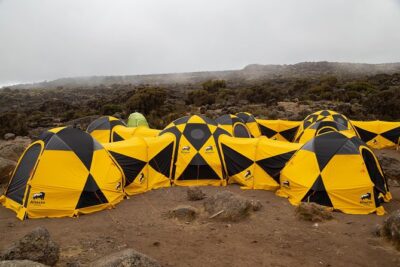 ★ 5.0Kilimanjaro climb, Lemosho Route (6-day)From $3,034129 reviews
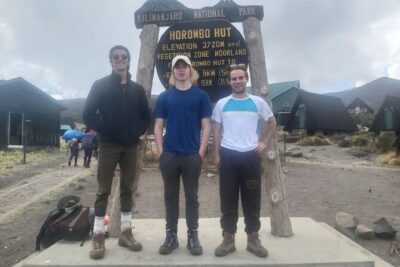 ★ 5.0Kilimanjaro Lemosho RouteFrom $2,89071 reviews
 ★ 5.0Private Kilimanjaro Hike 7 Day Lemosho RouteFrom $2,45060 reviews
 ★ 5.0Climbing Kilimanjaro through 8 days Lemosho RouteFrom $2,76052 reviews
Browse the lists this tour appears in