
REVIEW · KILIMANJARO LEMOSHO ROUTE
The Ultimate 8-day Lemosho route Climbing Kilimanjaro
Eight days to the roof of Africa. This 8-day Lemosho climb to Kilimanjaro is a classic camping route out of Moshi, with a guide helping you pace, acclimatize, and get back down safely.
What I really like is how private feels in practice. Even though you’ll see other trekkers on the mountain, your group can move at your own rhythm. I also appreciate that meals and camping equipment are included, so you’re not juggling logistics while the altitude is doing its thing.
One drawback to plan for: the trip price does not include park fees or tips, and you still need your own personal hiking gear and travel and medical insurance.
In This Review
- Key things I’d notice first
- From Moshi to Londorossi Gate, your day starts with a plan
- Why this start helps acclimatization
- Shira Plateau days 2 and 3: slow altitude gains and wide-open walking
- What you’ll likely feel on these days
- Lava Tower day 4: the steep pull above vegetation
- Barranco Wall and the Karanga and Barafu setup: where the route changes gears
- Summit Day and Day 8 to Mweka Gate: effort, then relief
- Guide and camp team quality, why names keep coming up
- About water and stomach trouble
- Price and logistics: value at $1,300, plus the costs you still must plan for
- Is it good value?
- Booking timing matters
- What to pack and how to prepare (without over-inventing it)
- Who this 8-day Lemosho trek suits best
- Should you book Africa Natural Tours’ 8-day Lemosho route?
- FAQ
- What is included in the tour price?
- Are Mount Kilimanjaro park fees included?
- Does the trek include transportation between Moshi and the mountain?
- Do I need to arrange my own hotel in Moshi before and after the climb?
- What camping gear do they provide?
- What time does the trek start and where do we meet?
- What fitness level should I have?
- What is the cancellation policy?
Key things I’d notice first
- Private pacing on a route that still connects to the main trekking flow later in the climb
- Included camping comfort: quality tents plus a sleeping mattress, not just a vague promise
- Route variety across altitudes: moorlands, plateau walking, steeper sections, and iconic walls
- Professional support: you get a briefing, a guide, and the full on-mountain team
- Real logistics handled: pickup from Moshi to the gate and drop-off back after the trek
Other ways up Kilimanjaro we reviewed
- Kilimanjaro climb by Lemosho Route (7-day)★ 5.0 · 651 reviews
- Kilimanjaro climb, Machame Route (7-day)★ 5.0 · 262 reviews
- Kilimanjaro Climbing Lemosho Route 8 Days.★ 5.0 · 186 reviews
- Climbing Kilimanjaro – Machame Route★ 5.0 · 170 reviews
From Moshi to Londorossi Gate, your day starts with a plan
Most Kilimanjaro starts feel like a scramble. This one starts with structure. You meet in Moshi at AFRICA NATURAL TOURS L.T.D on Mkwawa Avenue, and the day begins at 7:00 am. From there, you’re picked up from your Moshi hotel and driven to Londorossi Park Gate.
Day 1 is part travel day, part mental warm-up. You get a briefing from your chief guide after breakfast, then you’re on the road about 2.5 hours. That matters more than it sounds. When you’re about to climb into thin air, the first win is not rushing, not guessing, and not improvising.
You also get an immediate vibe of how the trip will run: it’s organized enough to feel calm, but still outdoorsy. This is a camping trek, so you’re not just showing up for views and photos. You’re settling in for a multi-day mountain experience.
Why this start helps acclimatization
The Lemosho approach is valued because it gives you time to adjust. Even in the first days, the plan keeps you from spiking altitude too quickly. That is the whole game on Kilimanjaro.
Shira Plateau days 2 and 3: slow altitude gains and wide-open walking
The climb really begins after the gate. On Day 2, you move from Mti Mkubwa Camp (2,750 m) toward Shira 1 Camp. The trail gradually gets steep and transitions into moorland. You’ll cross the Shira Ridge at about 3,600 m, then arrive for the night at Shira camp.
Day 2 is not about smashing distance. It’s about learning your pace. Expect steady effort, lots of upward time, and the mental focus of hiking while the air feels different. This is where having a guide makes a big difference. A good guide helps you slow down before you feel like slowing down.
Day 3 continues from Shira Camp 1 (about 3,500 m) to Shira Camp 2 (around 3,840 m). Today is described as a fairly easy trek across a plateau, along moorland meadows by a stream. That detail is more than scenery trivia. Plateau days often let you breathe easier, find a steady cadence, and recover slightly before the route gets more serious.
Lemosho itineraries worth reading next
What you’ll likely feel on these days
- Short of stamina panic, the main challenge is breathing and rhythm
- Walking steadily helps your body accept altitude instead of fighting it
- Camp nights become part of the training, because rest and hydration matter here
Lava Tower day 4: the steep pull above vegetation
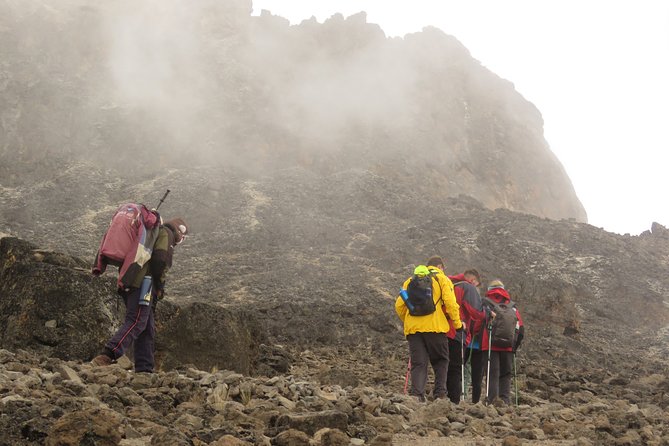
Day 4 goes from Shira Camp 2 (about 3,840 m) toward Lava Tower. This is when the route starts to feel more dramatic. You hike east on a trail that becomes steeper, and you move above vegetation toward Kilimanjaro’s looming mass.
Lava Tower is often talked about for a reason: it’s a turning point psychologically. Up to this point, the route has been about “getting into it.” Now it’s about committing to the higher terrain.
Practically, you should expect:
- More uphill work than Day 3
- Terrain that can feel harsher, with less cover from the environment
- The kind of effort where you want to keep stopping briefly and consistently
This is also a good day to keep your expectations realistic. If you feel behind, don’t rush to catch up. The point is progress, not heroics.
Barranco Wall and the Karanga and Barafu setup: where the route changes gears
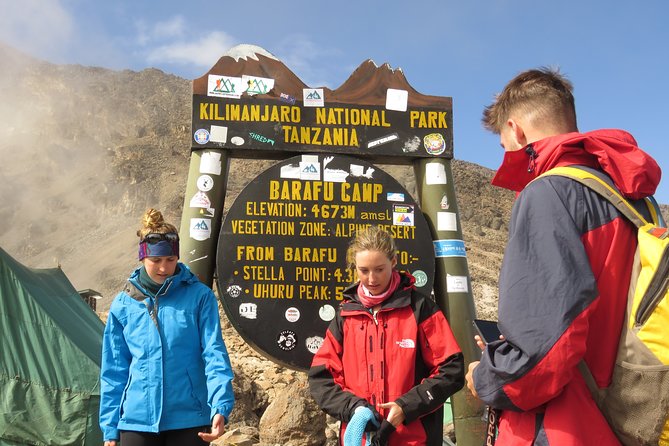
Day 5 is Barranco Camp (around 3,900 m) to Karanga Camp. The route climbs a narrow slope until you reach the Barranco Wall. The description here is important: it’s easier to climb than it looks. That doesn’t mean it’s casual. It just means you’re likely to find your footing with the right pacing and guidance.
Day 5 matters because it sets you up for the next stage. You’re moving from a higher, rougher feeling day into a more “Kilimanjaro climb” rhythm. You’re still camping, still dealing with altitude, but you’re getting closer to the summit push.
Day 6 goes from Karanga Camp (about 4,200 m) to Barafu Camp. This is the pre-summit day, and it’s often the one that tests patience. You’ve been working, you’re higher than before, and now you’re preparing for the day that’s mostly an endurance grind.
If you’re the kind of person who likes to know exactly what comes next, here’s your mental check:
- Day 6 is about saving energy
- Your comfort on the summit night starts here
- Your guide’s pacing decisions matter more than how fast you want to go
Summit Day and Day 8 to Mweka Gate: effort, then relief
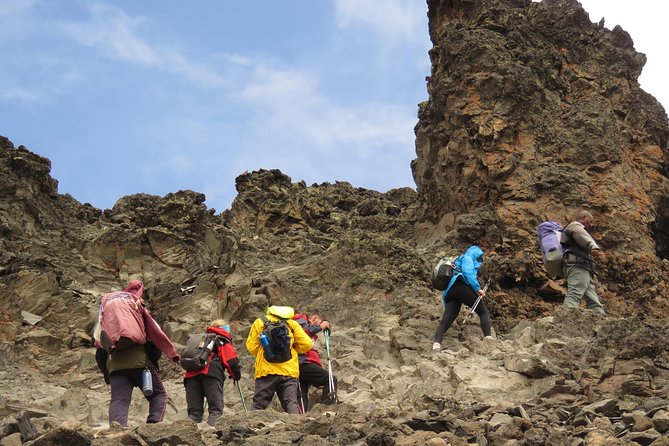
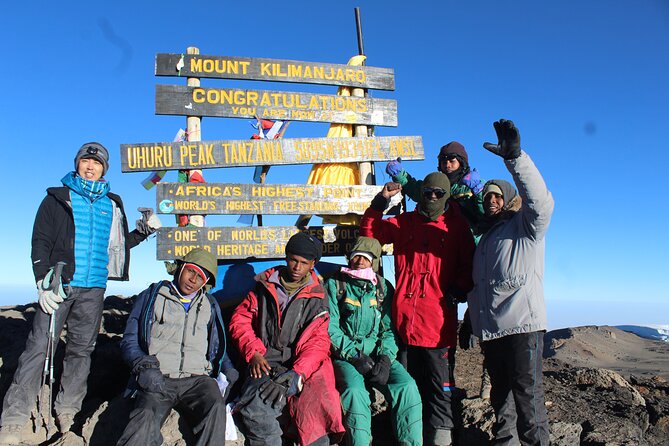
Day 7 is Summit Day. After summitting, you descend back via Barafu Camp to Mweka Camp. Summit day on Kilimanjaro is intense, but the real value of the route is what happens afterward: you don’t just vanish into “all done.” You still follow a plan down, which is where safety really shows up.
Day 8 is the recovery-focused finish: Mweka Camp (around 3,100 m) to Mweka Gate. This is where you’ll feel the huge difference between “high altitude life” and walking at a more reasonable elevation. You end at Mweka Gate and your drop-off back to your Moshi hotel is included.
This is also a good moment to appreciate what your trip package has already handled:
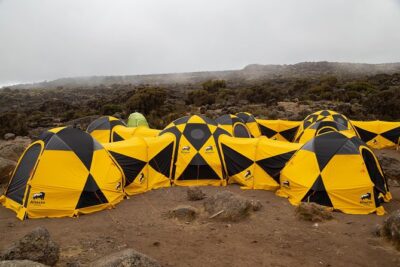
- You got camp logistics with tents and sleeping mattress
- You had meals during the trek
- You had transportation between Moshi and the mountain gates
- You carried out the route with a guide and briefing
When you’re done, you’re not stuck figuring out your ride.
Guide and camp team quality, why names keep coming up
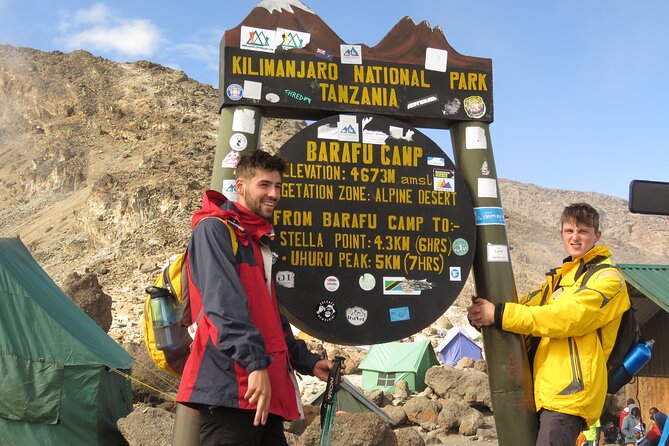
A big reason this trek earns a strong reputation is the human support. Multiple past clients mentioned standout guides by name, including Paul, Gabrielle, Prudence, Edwin, Noka, Barakael, and Martin. In other notes, the company leadership is mentioned too, like Godfrey Ngaiza, which signals that staff quality is taken seriously.
What I care about as a traveler is what this support turns into day-to-day:
- Faster decision-making when the mountain throws curveballs
- Clear explanations during the briefing
- Better pacing choices so you’re not overreaching on the wrong day
- A smoother camp experience because porters and cooks are doing their jobs well
You also get a trekking certificate, which sounds small until you realize it’s an official keepsake of what you actually accomplished.
About water and stomach trouble
One past trekker shared that boiled water led to a stomach issue on day 2, even though the rest of the climb went fine. That’s a reminder to be cautious with what you drink. I’d encourage you to ask how drinking water is handled for your specific group and to bring along whatever rehydration and stomach support you personally trust.
Price and logistics: value at $1,300, plus the costs you still must plan for
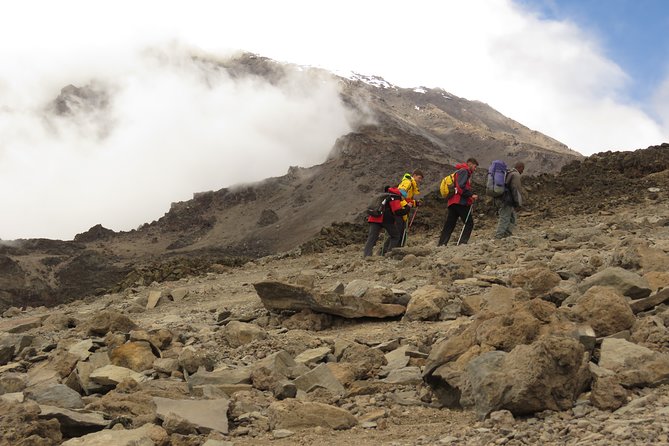
At $1,300 per person, this is not a cheap “budget hike.” But for an 8-day camping trek, it lines up with what you’re actually buying: a guide, your food, and the overhead of mountain camping support.
Here’s what’s included:
- Camping equipment, including quality tents and a sleeping mattress
- Pickup from your Moshi hotel to Londorossi Gate
- Drop-off back to your Moshi hotel after you finish at Mweka Gate
- Kilimanjaro hiking professional guide
- Briefing
- Breakfast, lunch, and dinner during the trek
- Trekking certificate
Not included (and you should budget for these early):
- All Mount Kilimanjaro park fees
- Tips for the mountain crew
- Airport pickup and drop-off
- Travel and medical insurance
- Hotel accommodations before and after the trek in town
- Flight tickets
- Personal hiking gear
Is it good value?
For many people, the value is that you’re not trying to assemble a camping expedition yourself. Paying this price means you can focus on the climb, not the plumbing of it.
Also, this package is described as private, so you’re not trying to coordinate chaos with strangers while you’re tired and altitude-slow. Still, the mountain itself is not empty. You’ll encounter other trekkers, especially as routes connect.
Booking timing matters
The average booking window is about 100 days in advance. That tells you demand is real. If you’re traveling in the busier seasons, book early so your preferred dates actually work.
What to pack and how to prepare (without over-inventing it)
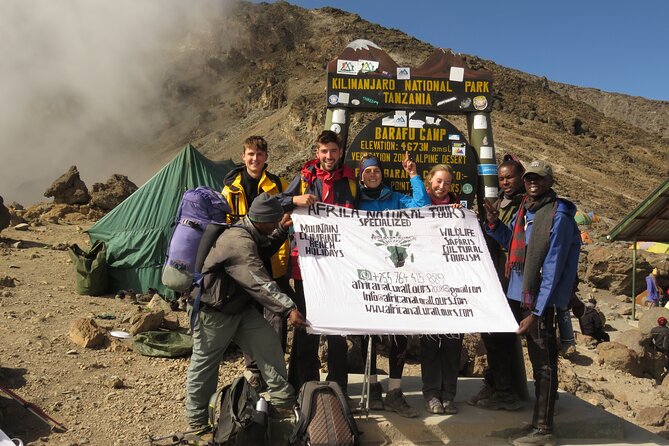
The package covers camp gear and meals, but it does not cover personal hiking gear. That means you should plan your own essentials carefully, even if you’re used to easier hikes.
Here’s the practical mindset I’d use:
- Bring the personal items that protect you from cold, wind, and dry air
- Plan for layered clothing, not one magic jacket
- Carry a water solution you trust, and protect your stomach when you’re adjusting
- Train for endurance more than speed, because this trek rewards steady effort
You’re also told to have moderate physical fitness. That doesn’t mean you have to be an athlete, but you should be able to hike uphill for hours and recover between days.
Who this 8-day Lemosho trek suits best
This is a strong match if:
- You want a route known for better pacing through acclimatization time
- You like the idea of variety, from plateau walking to steeper sections and a famous wall
- You want the support of a professional guide and a functioning camp team
- You prefer your group to move together, rather than getting split up by faster hikers
It might be a less perfect match if:
- You dislike camping treks, even with tents and a sleeping mattress provided
- You want everything fully all-inclusive, because park fees, tips, and personal gear are not included
- You’re trying to do Kilimanjaro with very minimal hiking fitness
Should you book Africa Natural Tours’ 8-day Lemosho route?
If you want a private, guided camping Kilimanjaro experience that covers the heavy lifting of meals, tents, and transport, this is an easy yes to consider. The route itself is built around time and gradual adjustment, and the company support shows up repeatedly through guide names like Paul, Gabrielle, Prudence, Edwin, Noka, Barakael, and Martin.
Just go into it with eyes open on the cost side: park fees, tips, and your personal gear still come out of your pocket. If you handle that budgeting part early, you’ll be free to focus on the real goal, safe movement from Moshi up into the thin air and back down to Mweka Gate.
If you tell me your dates and fitness level, I can help you sanity-check whether this 8-day Lemosho pacing fits your style and timeline.
FAQ
What is included in the tour price?
The price includes camping equipment (quality tents and a sleeping mattress), pickup from your Moshi hotel to Londorossi Gate, drop-off from Mweka Gate back to your Moshi hotel, a professional hiking guide, a briefing, a trekking certificate, and breakfast, lunch, and dinner during the trek.
Are Mount Kilimanjaro park fees included?
No. All Mount Kilimanjaro park fees are not included, and they can be paid directly to the park or via the tour operator.
Does the trek include transportation between Moshi and the mountain?
Yes. You get pickup from your booked hotel in Moshi town to Londorossi Gate, and after the trek you get drop-off from Mweka Gate back to your booked hotel in Moshi.
Do I need to arrange my own hotel in Moshi before and after the climb?
Hotel accommodations before and after the trek in town are not included. The tour includes the trekking days and the mountain logistics, not your pre and post trek lodging.
What camping gear do they provide?
They provide camping equipment, including quality tents and a sleeping mattress.
What time does the trek start and where do we meet?
The start time is 7:00 am. The meeting point is AFRICA NATURAL TOURS L.T.D, Mkwawa Avenue, Tanzania.
What fitness level should I have?
Travelers should have a moderate physical fitness level.
What is the cancellation policy?
Free cancellation is available. You can cancel up to 24 hours in advance for a full refund. If you cancel less than 24 hours before the experience starts, the amount you paid is not refunded.
Lemosho, Compared
- Kilimanjaro climb by Lemosho Route (7-day)
★ 5.0 · 651 reviews - Kilimanjaro Climbing Lemosho Route 8 Days.
★ 5.0 · 186 reviews - Kilimanjaro climb, Lemosho Route (8-day)
★ 5.0 · 148 reviews - Kilimanjaro climb, Lemosho Route (6-day)
★ 5.0 · 129 reviews - Kilimanjaro Lemosho Route
★ 5.0 · 71 reviews
Kilimanjaro, Route by Route
- Kilimanjaro climb by Lemosho Route (7-day)
★ 5.0 · 651 reviews - Kilimanjaro climb, Machame Route (7-day)
★ 5.0 · 262 reviews - Kilimanjaro Climbing Lemosho Route 8 Days.
★ 5.0 · 186 reviews - Climbing Kilimanjaro – Machame Route
★ 5.0 · 170 reviews - Climbing Kilimanjaro through 7 days Machame Route
★ 5.0 · 151 reviews
Just added from around Moshi
Kilimanjaro Lemosho Route, compared.
 ★ 5.0Kilimanjaro climb by Lemosho Route (7-day)From $3,476651 reviews
 ★ 5.08-Day Small-group Lemosho Kilimanjaro Summit TrekkingFrom $2,895186 reviews
 ★ 5.0Kilimanjaro Climbing Lemosho Route 8 Days.From $2,300186 reviews
 ★ 5.0Kilimanjaro climb, Lemosho Route (8-day)From $3,975148 reviews
 ★ 5.0Kilimanjaro climb, Lemosho Route (6-day)From $3,034129 reviews
 ★ 5.0Kilimanjaro Lemosho RouteFrom $2,89071 reviews
 ★ 5.0Private Kilimanjaro Hike 7 Day Lemosho RouteFrom $2,45060 reviews
 ★ 5.0Climbing Kilimanjaro through 8 days Lemosho RouteFrom $2,76052 reviews
Browse the lists this tour appears in